

Green Tourism – A View from Cat Tien National Park
As one of the precious “green lungs” of Southern Vietnam, Cat Tien National Park is not only an ideal destination for nature lovers but also a vivid example of Vietnam’s commitment to sustainable eco-tourism.
Stepping into the Pristine Forest
As a nature enthusiast, I often seek chances to be among forests, trees, and untouched greenery. On one of those journeys, I set foot in Cat Tien National Park, a vast tropical forest recognized by UNESCO as a World Biosphere Reserve, stretching across Lam Dong and Dong Nai provinces.
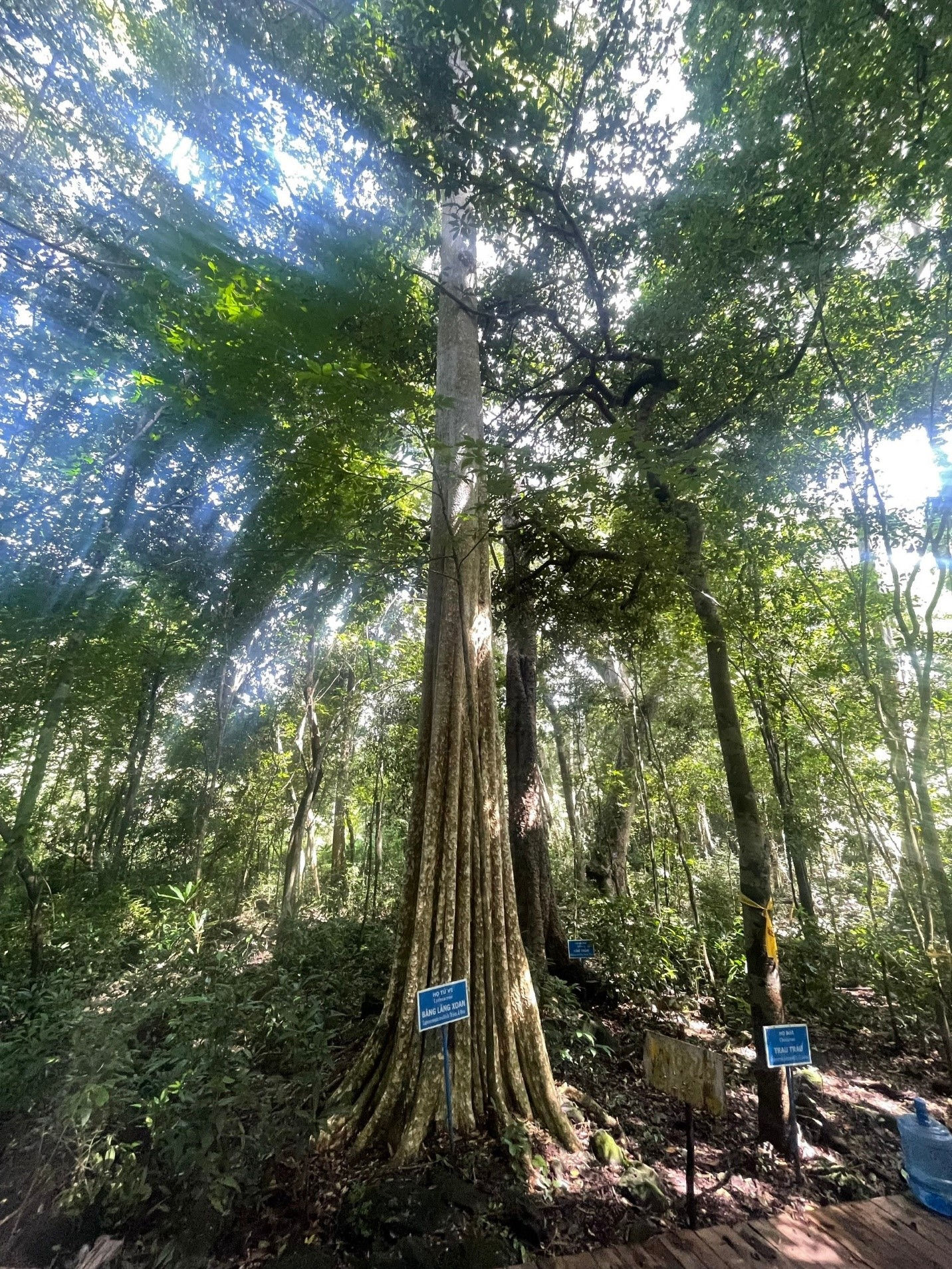
My first impression was the immense and vibrant wilderness, full of life and mystery.
Pham Xuan Thinh – Director of Cat Tien National Park – shared: “The park covers more than 71,000 hectares and represents the lowland tropical moist forest ecosystem with incredibly rich biodiversity.”
At the park’s administration and service center, the Cat Tien Nature Museum offers a must-see stop. It houses hundreds of rare specimens showcasing the park’s exceptional biodiversity. Since 1995, Cat Tien has become one of Vietnam’s most renowned eco-tourism destinations, and notably, the only place in the country offering night wildlife tours, giving visitors a unique glimpse of nature after dark.
Cat Tien is home to 1,729 animal species, including the country’s largest population of freshwater crocodiles (about 300 individuals at Bau Sau) and a herd of around 120 wild gaurs, along with 16–18 wild elephants. The park also boasts diverse vegetation types—evergreen broadleaf forests, semi-deciduous forests, and mixed wood–bamboo forests.
According to park representatives, Cat Tien welcomes about 500 visitors per day on weekends, and over 1,000 during holidays.
Strong Communication, Steady Growth
Visitor numbers have steadily increased thanks to the park’s proactive communication and promotion efforts. Cat Tien has been widely featured through its official website, social media platforms, YouTube, newspapers, and television, while also collaborating with KOLs and travel bloggers to amplify its reach.
At the same time, the park focuses heavily on wildlife rescue and conservation. It has successfully cared for 100% of rescued animals and released about 80% of newly received species back into the wild. Additionally, Cat Tien maintains five hectares of golden camellia plants and thousands of rare seedlings at its nursery.
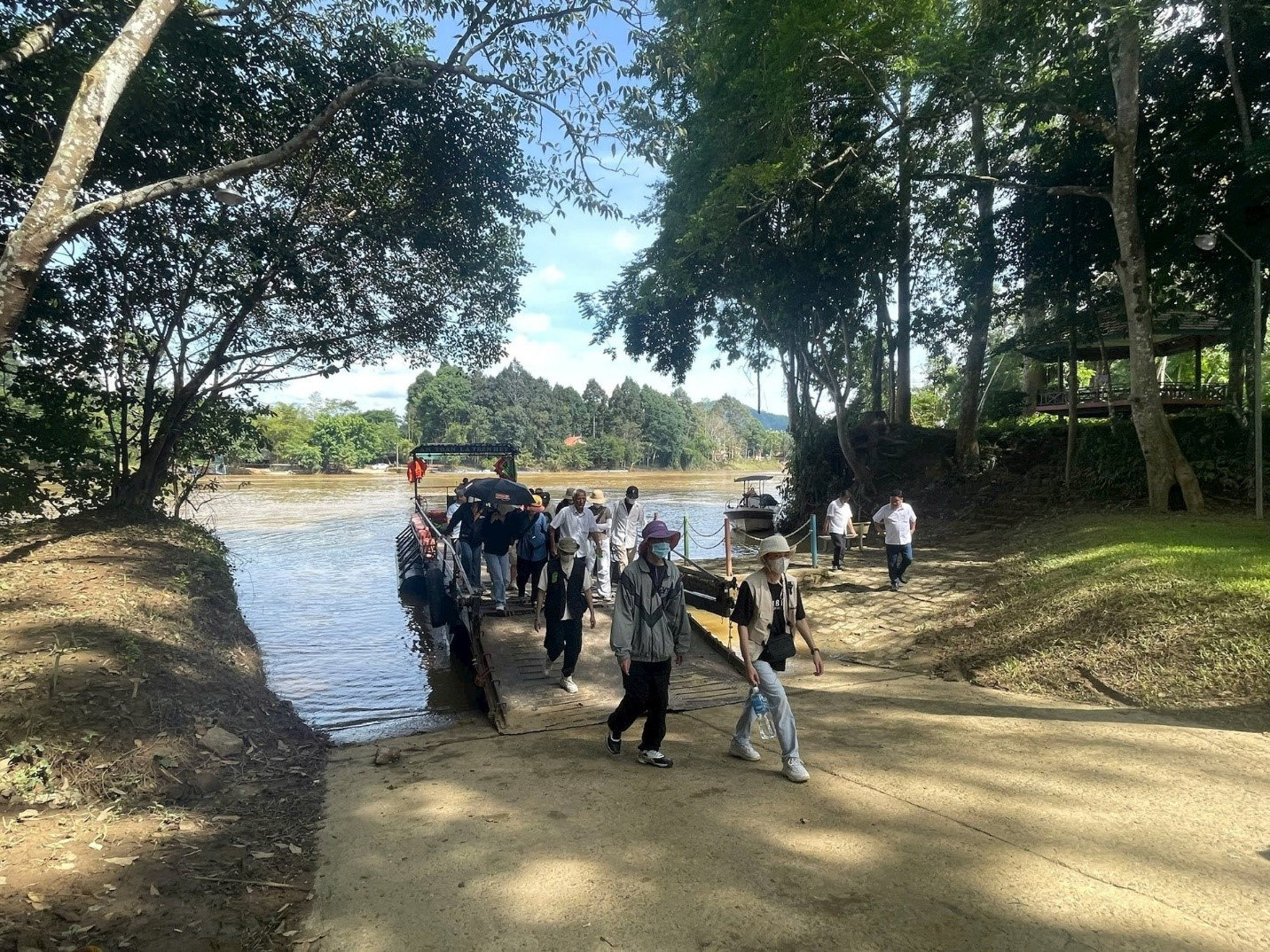
Eco-Tourism – Benefits Shared with the Community
In recent years, thanks to government support for ethnic minority and remote communities, living conditions for residents near the park have significantly improved. As a result, pressure on forest exploitation has decreased, and local communities have become active partners in forest protection and eco-tourism.
This progress was recognized internationally when Cat Tien National Park received four international awards at the Asia Ecotourism Network – International Ecotourism Awards (AEN–IEA 2025) held in India. The park was honored in the categories of: Biodiversity Conservation, Eco-Tourism Promotion, Destination Management, Community Contribution
These achievements mark not only the pride of Cat Tien but also a milestone for Vietnam’s eco-tourism industry.
Preserving the “Green Lungs” for the Future
My visit to Cat Tien left unforgettable memories. Amid the vast forest, I could feel the vitality of nature and the dedication of those who work tirelessly to protect this “green lung” for generations to come.
In Lam Dong Province, where I live, there are also ideal forest tourism sites such as Nui Ong Nature Reserve and Ta Kou Nature Reserve. The province is now focusing on developing diverse tourism models—green, agricultural, and community-based—leveraging its natural and cultural advantages.
With its abundant resources and breathtaking landscapes, Lam Dong’s green tourism sector is poised to thrive, attracting both domestic and international travelers seeking authentic and sustainable experiences.