

Industrial Development in Lam Dong: The Road Ahead Widens
Despite existing obstacles, the industrial sector of Lam Dong is showing strong momentum. With achievements, potential, and new opportunities, the province’s industry is on an upward trajectory—always climbing against headwinds.
Housing for Workers
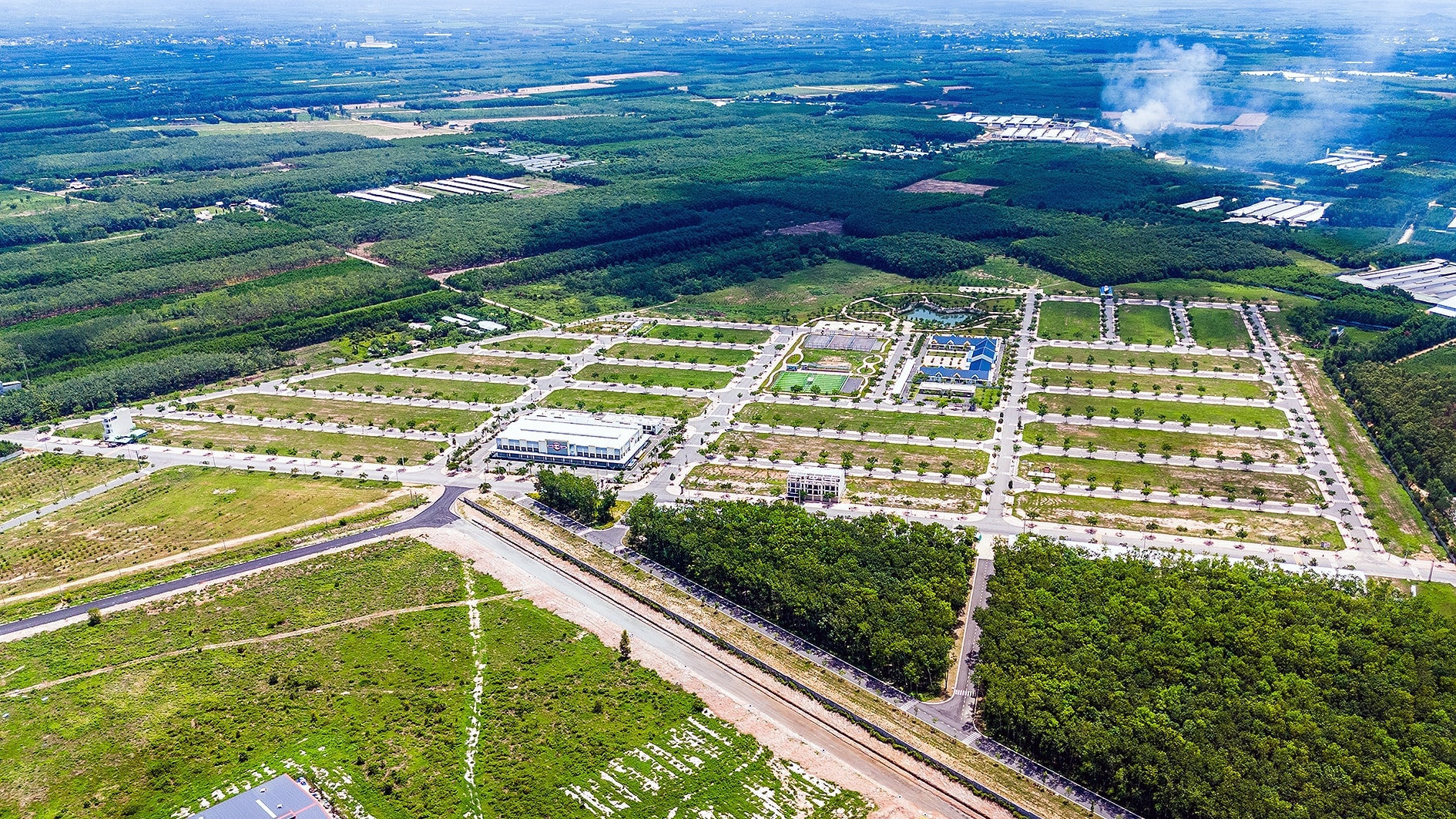
Among many projects proposed by authorities, the Worker Housing Project in Ham Kiem II Industrial Park (Ham Kiem Commune) was chosen as one of the key works to celebrate the 80th anniversary of the August Revolution and National Day (September 2, 1945 – September 2, 2025). On August 19, 2025, construction officially resumed on the remaining apartment blocks under the approved master plan, which includes 20 high-rise buildings totaling 423,664 square meters of floor space, plus 72 detached houses. One block, with 280 units, was already built in 2016. Once completed, the project will provide 5,552 apartments along with social infrastructure.
This move underscores the province’s priority on securing housing for workers—both a social necessity and a strategic advantage to attract investors and skilled labor to Ham Kiem II in particular and to industrial parks across the province in general.
Ham Kiem I Industrial Park has also reserved 14 hectares for worker housing. Other planned industrial parks in the province include provisions for such housing, though for long-established parks, the lack of land makes this nearly impossible. Loc Son Industrial Park, for instance, covers 183 hectares with 55 projects and nearly 4,400 workers but still lacks worker housing. Similarly, Tam Thang Industrial Park has over 2,000 employees but no worker housing, though solutions are now being explored.
Clearance and Occupancy
Five years after being developed with public funds, Loc Son Industrial Park has reached 87.29% occupancy. In the first seven months of 2025 alone, its enterprises generated about VND 7.36 trillion in revenue, USD 150.92 million in exports, and contributed VND 502.82 billion to the budget. Still, 17 hectares remain uncleared.
Phu Hoi Industrial Park, established in 2017, is now 75.02% full, with VND 2.72 trillion in revenue, USD 29.75 million in exports, and VND 8.97 billion in budget contributions over the same period. It still has 14.71 hectares awaiting clearance.
Meanwhile, three large-scale industrial parks are in site clearance stages without infrastructure: Son My I (1,070 ha), Son My II (468.35 ha), and Nhan Co II (400 ha). Clearance for Son My I and II has been delayed but is expected to accelerate, as most of the land is agricultural and resettlement plans are in place. Nhan Co II, however, still lacks a resettlement area, which blocks progress. Authorities have urged Nhan Co Commune to finalize resettlement planning to enable compensation, clearance, and housing for workers and specialists.
With such vast land banks under clearance, challenges are inevitable. However, Lam Dong also holds large tracts of ready land for investors in coastal industrial parks like Ham Kiem I, Ham Kiem II, Tan Duc, Tuy Phong, and Song Binh. The competition with neighboring provinces is fierce—not only in clearance but also in filling available space.
At present, Lam Dong’s industrial parks average a 49.24% occupancy rate. Some standouts include Phan Thiet I at 100%, Tam Thang at 97.01%, and Phan Thiet II at 81.92%. These figures position the province well to attract further investment.
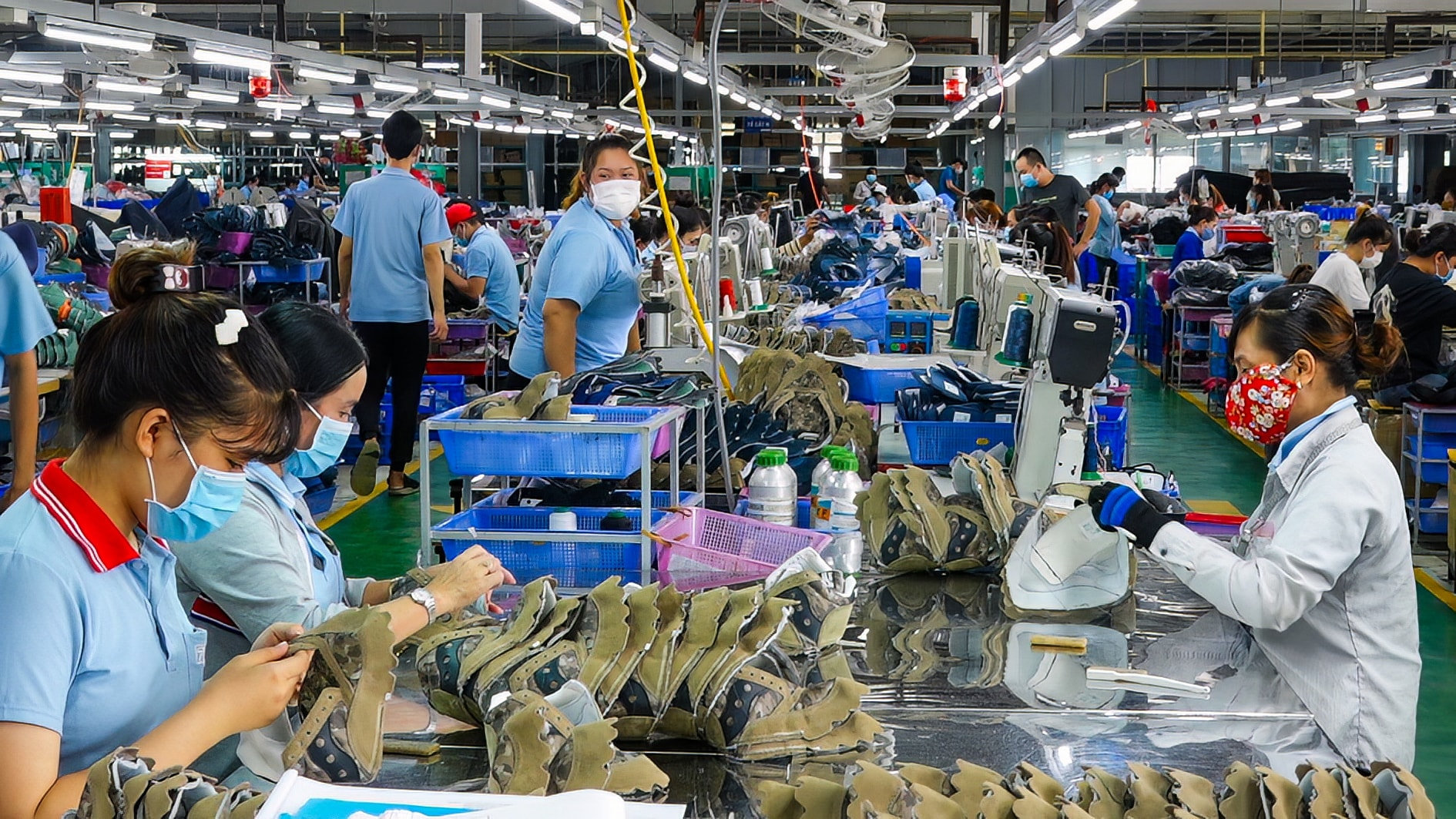
Currently, 14 of 15 planned industrial parks in Lam Dong have been approved, covering 3,950.97 out of 4,022.62 hectares. One, Phu Binh Industrial Park (246 ha), is still seeking investors. Of the 14 approved, 4 were developed with state capital and 10 with other sources, totaling about VND 11.34 trillion in registered investment. Today, 163 projects are operational across the parks, generating VND 19.08 trillion in revenue, USD 400.17 million in exports, VND 664.59 billion in taxes, and providing jobs for roughly 18,700 workers.