

Lam Dong Affirms Its Position as Vietnam’s National High-Tech Agriculture Hub
With a strategy focused on green and smart agricultural development, Lam Dong has accelerated the adoption of high-tech solutions, thereby promoting value-chain–based production to increase value per unit of land.
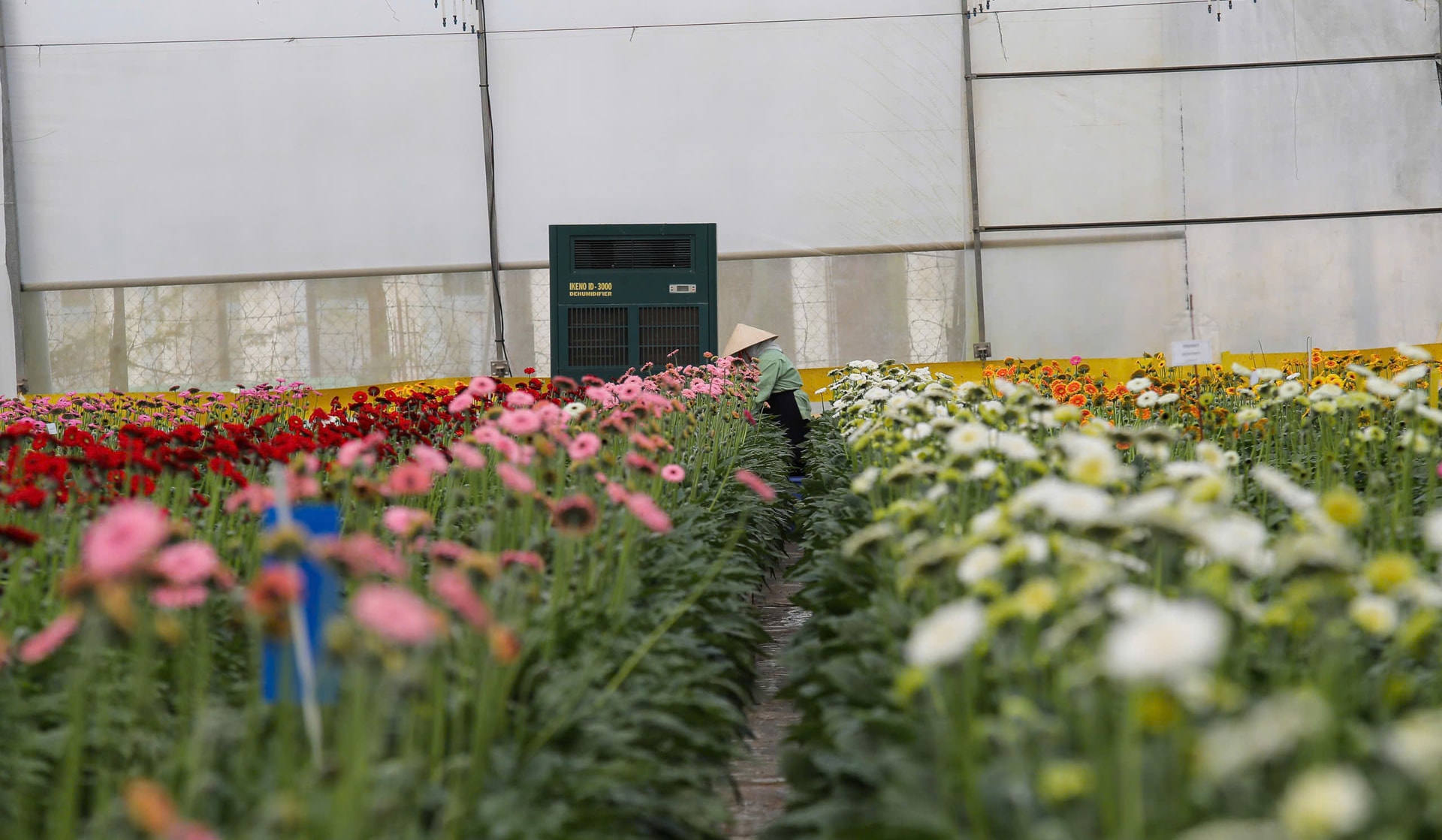
In the comprehensive reorganization of the agricultural sector, Lam Dong is considered one of the top regions in the nation for advancing high-tech farming. In addition to broadening production zones, the province has focused on investing in cutting-edge technologies, digital management, quality standards, and market links. Consequently, farmers have seen an increase in their earnings, and local agricultural goods have gained greater access to global markets.
As of early 2026, statistics indicate that Lam Dong Province has over 107,300 hectares dedicated to high-tech agricultural production, representing nearly 40% of the total cultivation area. Within this, approximately 1,200 hectares are allocated to smart agriculture. The area devoted to high-tech farming in Lam Dong ranks among the highest in the country, reinforcing the province’s prominent status in this sector.
In addition to expanding high-tech farming zones, the province has prioritized sustainable and safe production. Currently, more than 143,353 hectares are cultivated according to certified standards like VietGAP, 4C, and organic farming. These certification frameworks not only ensure product quality control but also enhance export possibilities to demanding international markets.
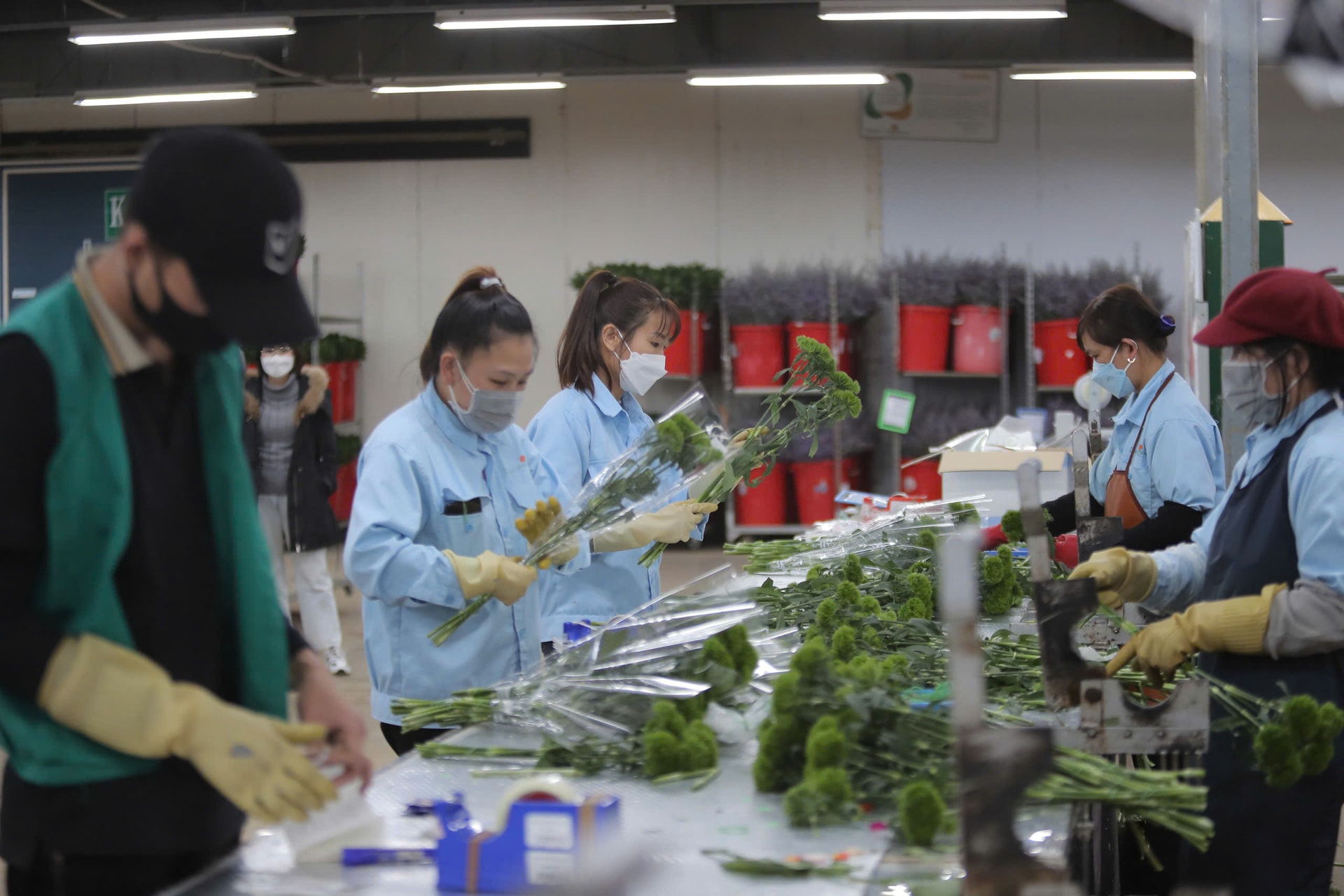
To meet traceability requirements, Lam Dong has granted 954 export crop area codes covering more than 45,000 hectares. In addition, 339 packing facilities have been certified to meet required standards, with many units obtaining HACCP and ISO 22000 certifications.
Across the province, 416 production and consumption linkage chains have been established, contributing to more stable market access and enhanced product value.
An important aspect of advanced agricultural development in Lam Dong is the integrated use of greenhouse and net-house systems, along with drip irrigation paired with automated fertigation, hydroponics, environmental monitoring sensors, IoT technologies, and nutrient and microclimate management. Numerous enterprises and cooperatives have successfully digitized their production workflows to track crop development, maintain farming records, and control pests and diseases.
As a result of these technological advancements, farms and garden households have seen considerable enhancements in agricultural production, achieving a reduction of around 20% in the use of fertilizers and plant protection products, water savings of 30–50%, and profit increases ranging from 115% to 120% in comparison to conventional methods. The average production value now exceeds VND 450 million per hectare annually.
For high-tech vegetables alone, income ranges from VND 500 million to 1 billion per hectare, contributing to higher production value and reinforcing the province’s role as a leading supply center in the region.
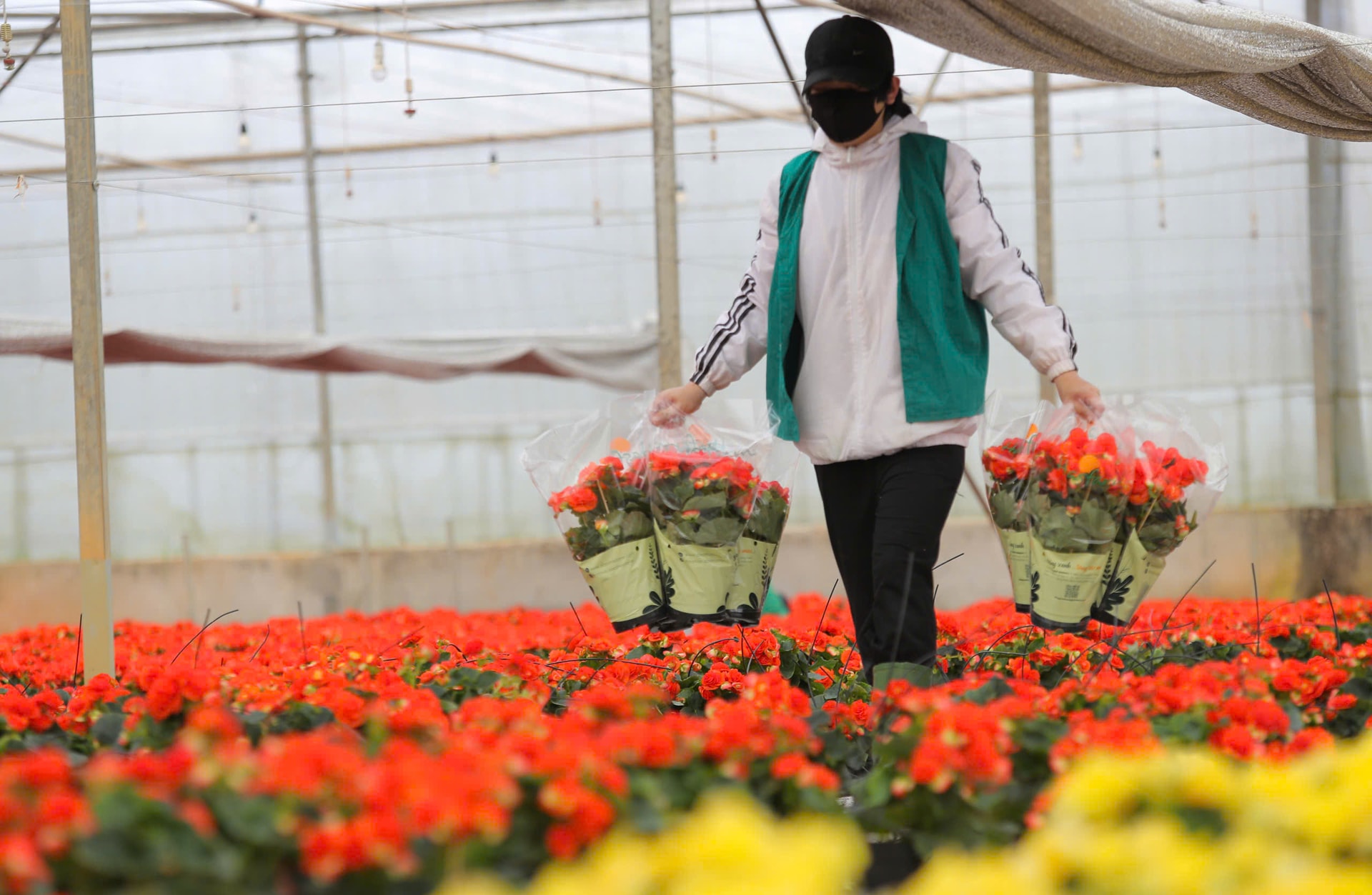
In 2025, Lam Dong reinforced its position as the leading producer of vegetables and flowers in the country, with over 101,000 hectares dedicated to vegetable cultivation that yielded nearly 3.5 million tons, and close to 11,500 hectares of flowers generating over 4.6 billion stems.
From 2021 to 2025, the crop production sector grew at an average annual rate of 4.56%, remaining a crucial component of Lam Dong’s economy.
As reported by the Lam Dong Department of Agriculture and Environment, a significant aspect of the province's agricultural production in recent years has been the increasing involvement of enterprises, particularly intissue culture, high-tech livestock breeding, and advanced aquaculture.

With its specific characteristics and production advantages, the agricultural sector must shift its mindset from traditional farming to agricultural economic development, thereby establishing appropriate and sustainable growth scenarios.
Mr. Le Trong Yen, Member of the Provincial Party Standing Committee and Standing Vice Chairman of the Lam Dong Provincial People’s Committee.
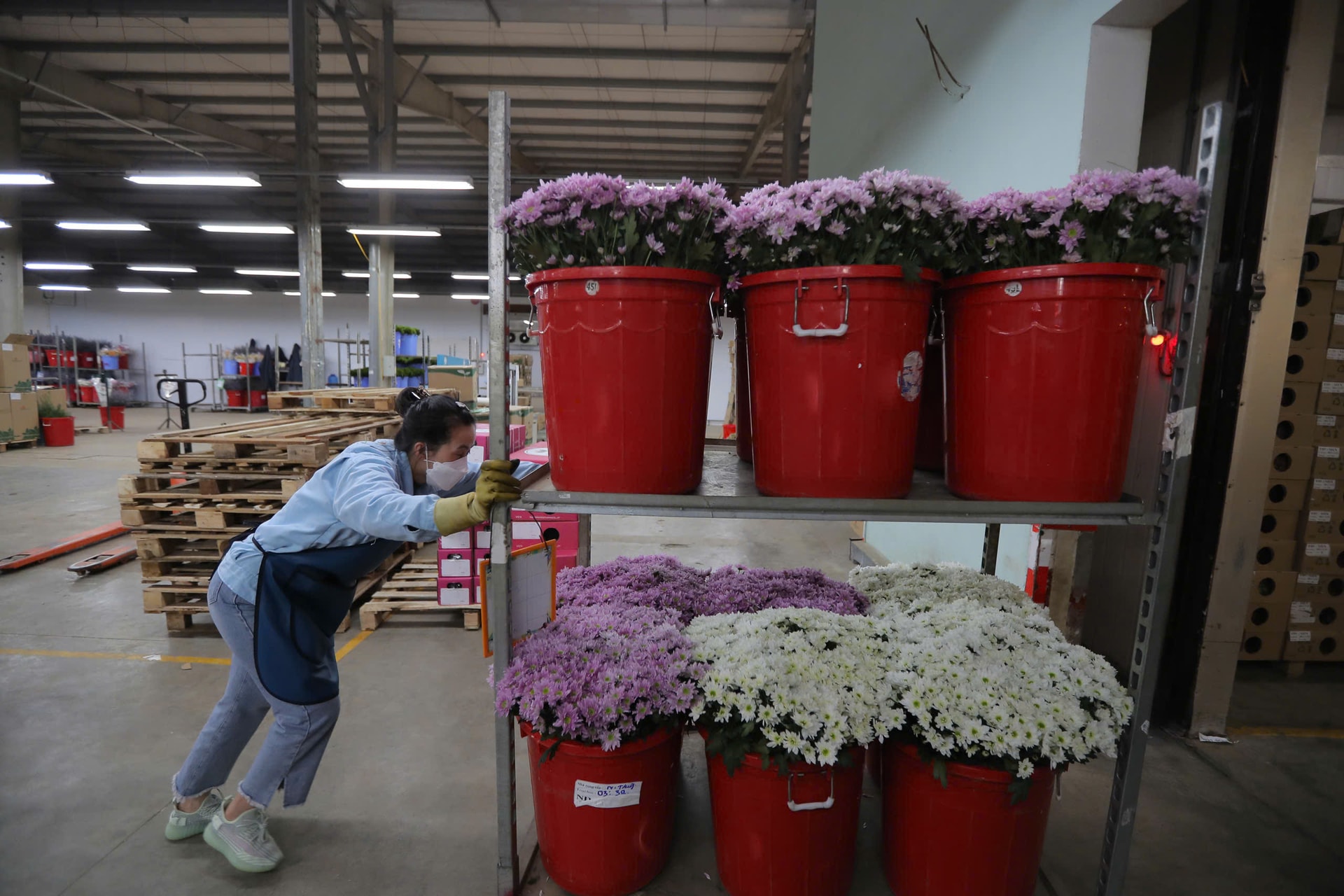
Thanks to the application of biotechnology and digital management, tissue culture facilities supply more than 50 million seedlings annually, of which over 35 million are exported, generating approximately USD 10 million in revenue. This has helped affirm the Lam Dong plant variety brand in the international market.
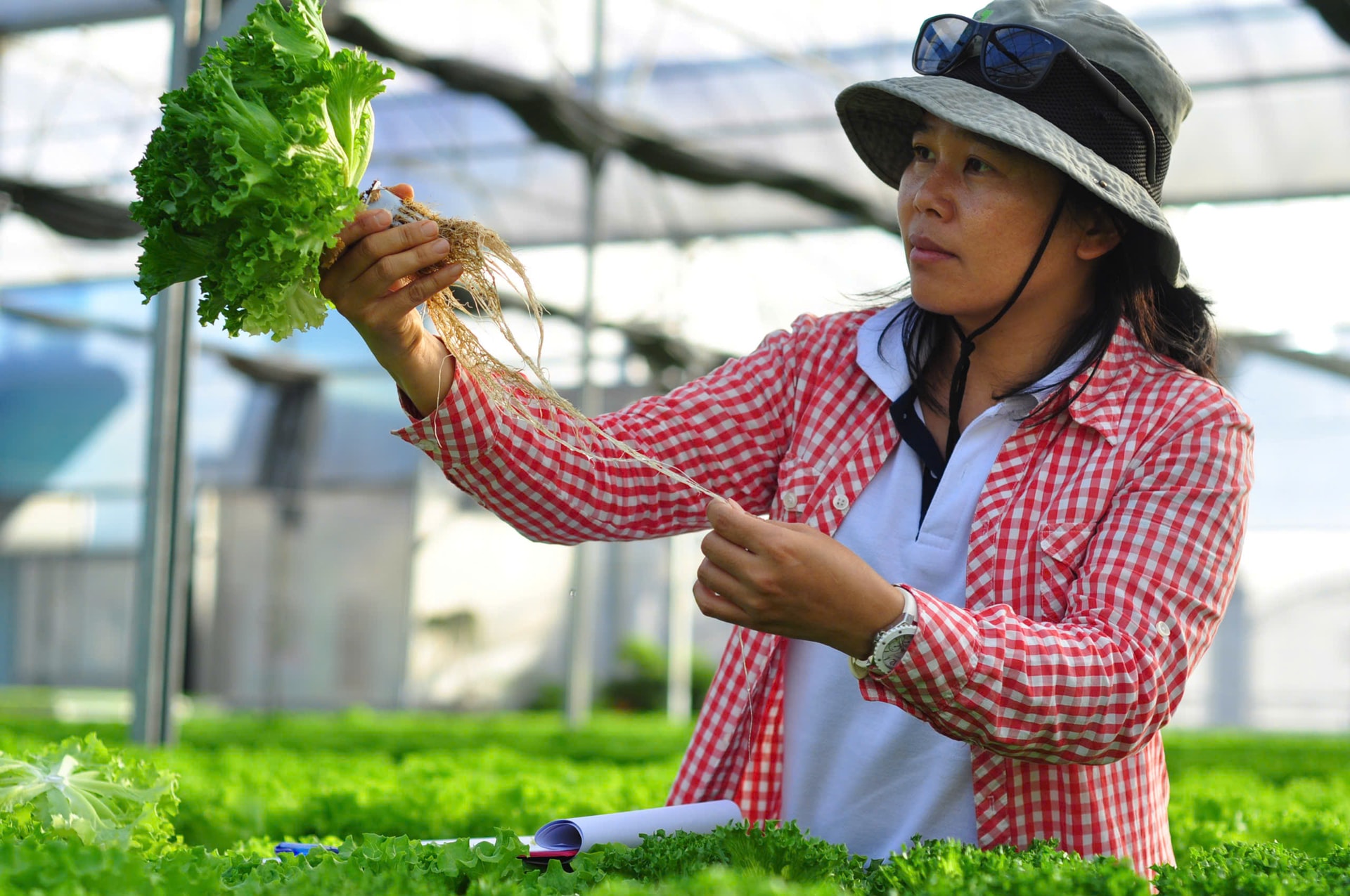
In its 2025–2030 development plan, Lam Dong will continue to restructure its agricultural sector toward a green, high-tech, and circular economy model. The province aims to expand high-tech farming areas to over 150,000 hectares, reorganize integrated value chains from production and processing through distribution, and achieve a target of 70% of key agricultural products undergoing deep processing.
At present, Lam Dong boasts 17 designated production zones and 10 enterprises officially recognized for implementing high-tech agriculture, attracting a variety of domestic and international investors. The integration of high-tech agriculture with agritourism is creating a new development model that helps promote the brand “Da Lat – The Magical Crystallization from Good Earth” within the modern agricultural landscape.
According to Mr. Tran Quang Duy, who is the Deputy Head of the Sub-Department of Crop Production and Plant Protection in Lam Dong, the province's immediate goal is to achieve 119,000 hectares devoted to high-tech agriculture by 2026, aiming for food production to surpass 1.43 million tons, vegetables nearly reach 3 million tons, coffee to exceed 1.05 million tons, and fruit crops to hit around 1.3 million tons. The livestock sector will continue to move toward industrial-scale models that ensure biosecurity, while the fisheries sector will focus on sustainable practices for both fishing and aquaculture.
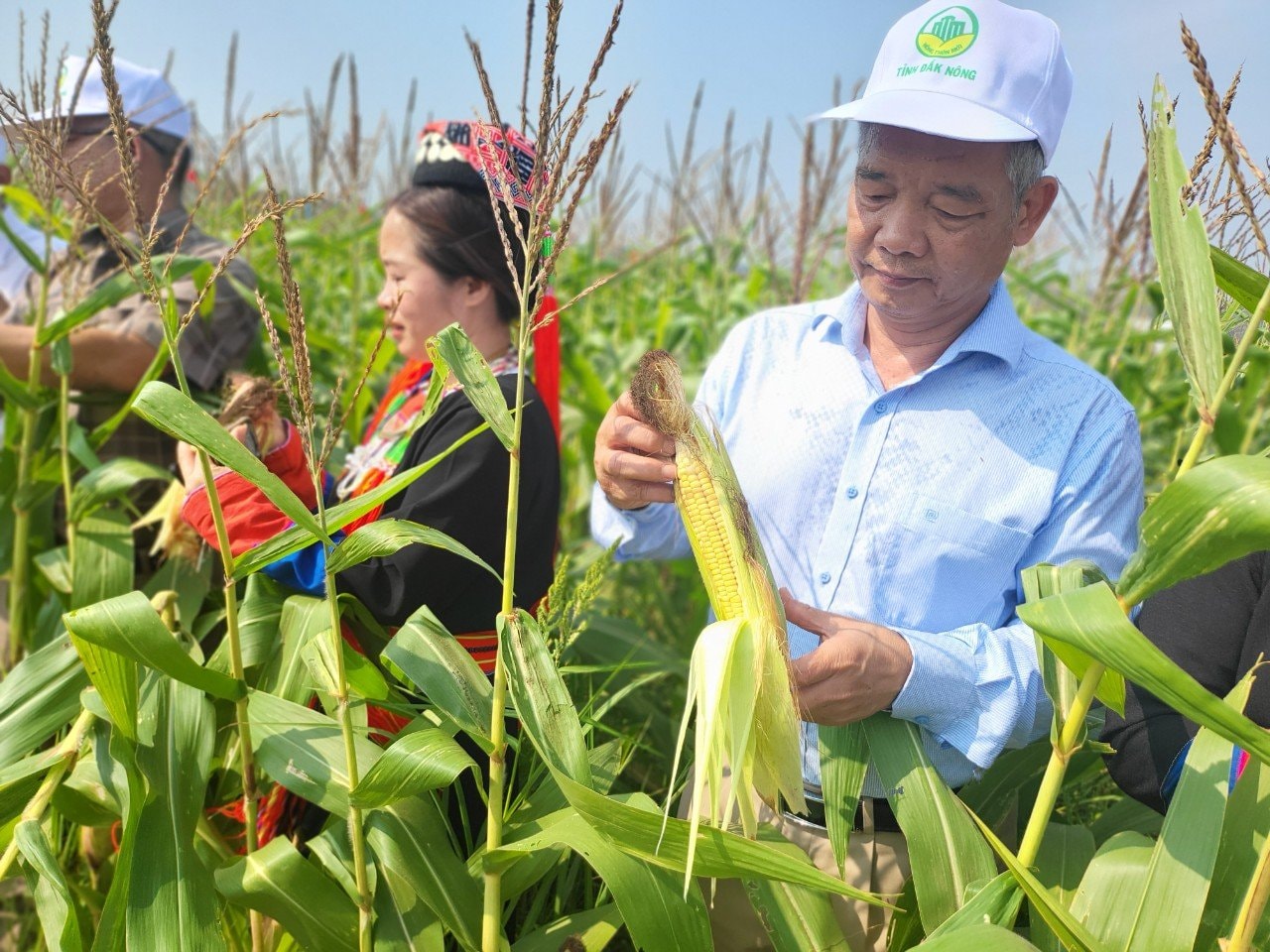
Simultaneously, the province has strengthened collaboration with international organizations, research institutions, and regions in the Central Highlands and South Central areas to improve natural resource management, tackle climate change, and attract financial resources, cutting-edge technologies, and new knowledge.
Through large-scale production, widespread use of advanced technologies, and an evolving business ecosystem, Lam Dong consistently establishes itself as one of the country's top high-tech agriculture hubs. Smart fields, contemporary greenhouses, and integrated value chains have enabled farmers and businesses in Lam Dong to move toward more sustainable development.
Lam Dong’s High-Tech Agriculture – Impressive Figures:
- 107,306 hectares of high-tech agriculture (nearly 40% of total cultivated area)
- 1,200 hectares of smart agriculture
- 143,353.8 hectares of certified safe production
- 954 export crop area codes (covering over 45,000 hectares)
- 339 packing facilities meeting HACCP and ISO 22000 standards
- 416 production–consumption linkage chains
- 20% reduction in fertilizers and plant protection products; 30–50% savings in irrigation water
- Average production value exceeding VND 450 million per hectare per year
- High-tech flowers generating over VND 1 billion per hectare; European-model applications reaching up to VND 5 billion per hectare
- 50 million seedlings produced annually, 35 million exported, generating USD 10 million in revenue
- 107,306 hectares of high-tech agriculture (nearly 40% of total cultivated area)
- 1,200 hectares of smart agriculture
- 143,353.8 hectares of certified safe production
- 954 export crop area codes (covering over 45,000 hectares)
- 339 packing facilities meeting HACCP and ISO 22000 standards
- 416 production–consumption linkage chains
- 20% reduction in fertilizers and plant protection products; 30–50% savings in irrigation water
- Average production value exceeding VND 450 million per hectare per year
- High-tech flowers generating over VND 1 billion per hectare; European-model applications reaching up to VND 5 billion per hectare
- 50 million seedlings produced annually, 35 million exported, generating USD 10 million in revenue