

Lam Dong’s Agriculture–Environment Sector Targets Double-Digit Growth
With its newly expanded development space after the provincial merger, Lam Dong is leveraging its natural advantages to accelerate green growth. The Agriculture–Environment (AE) sector has been identified as a key pillar, aiming for double-digit growth while positioning the green economy as the foundation for long-term sustainability.
Solid foundations for growth
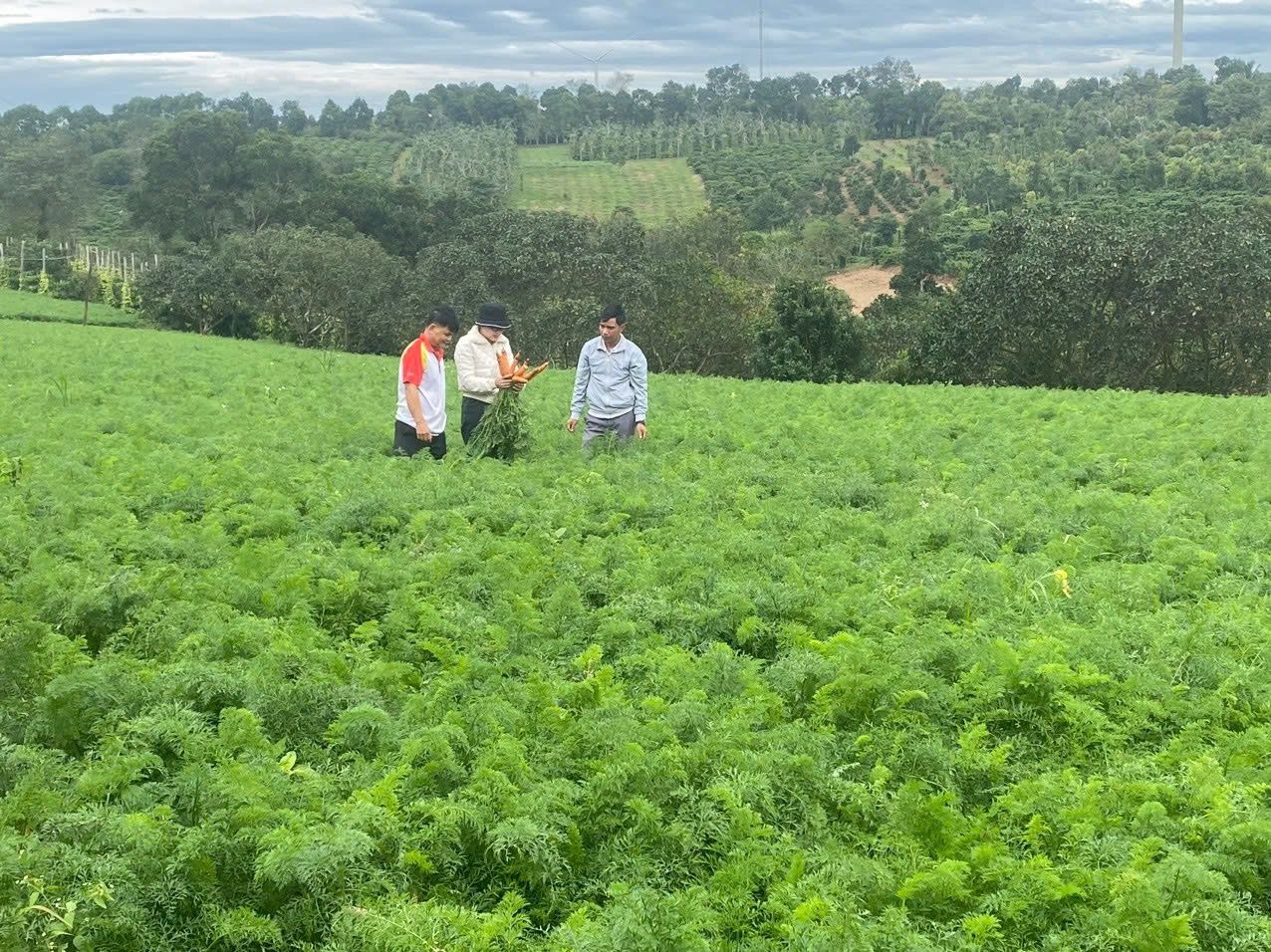
Now the largest province in Viet Nam by area, Lam Dong brings together highlands, forests and coastline—creating ideal conditions for high-tech agriculture, processing industries, logistics and eco-tourism.
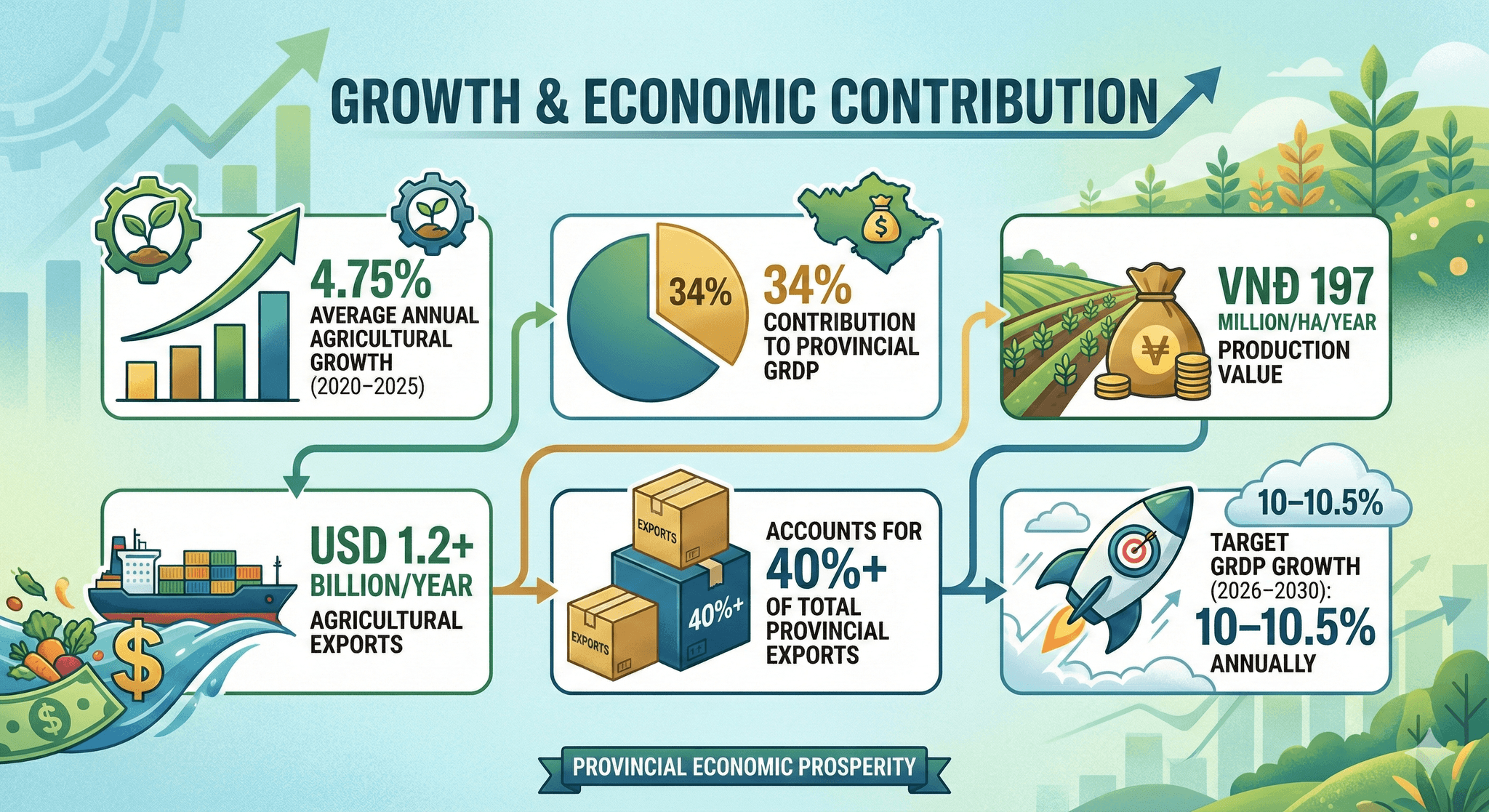
Between 2020 and 2025, the agriculture sector recorded average annual growth of 4.75%, contributing around 34% of the province’s GRDP. Production value reached VND 197 million per hectare per year, 1.5 times higher than the previous period. Agricultural exports have remained stable at over USD 1.2 billion annually, accounting for more than 40% of total provincial exports, placing Lam Dong among the top five localities nationwide.
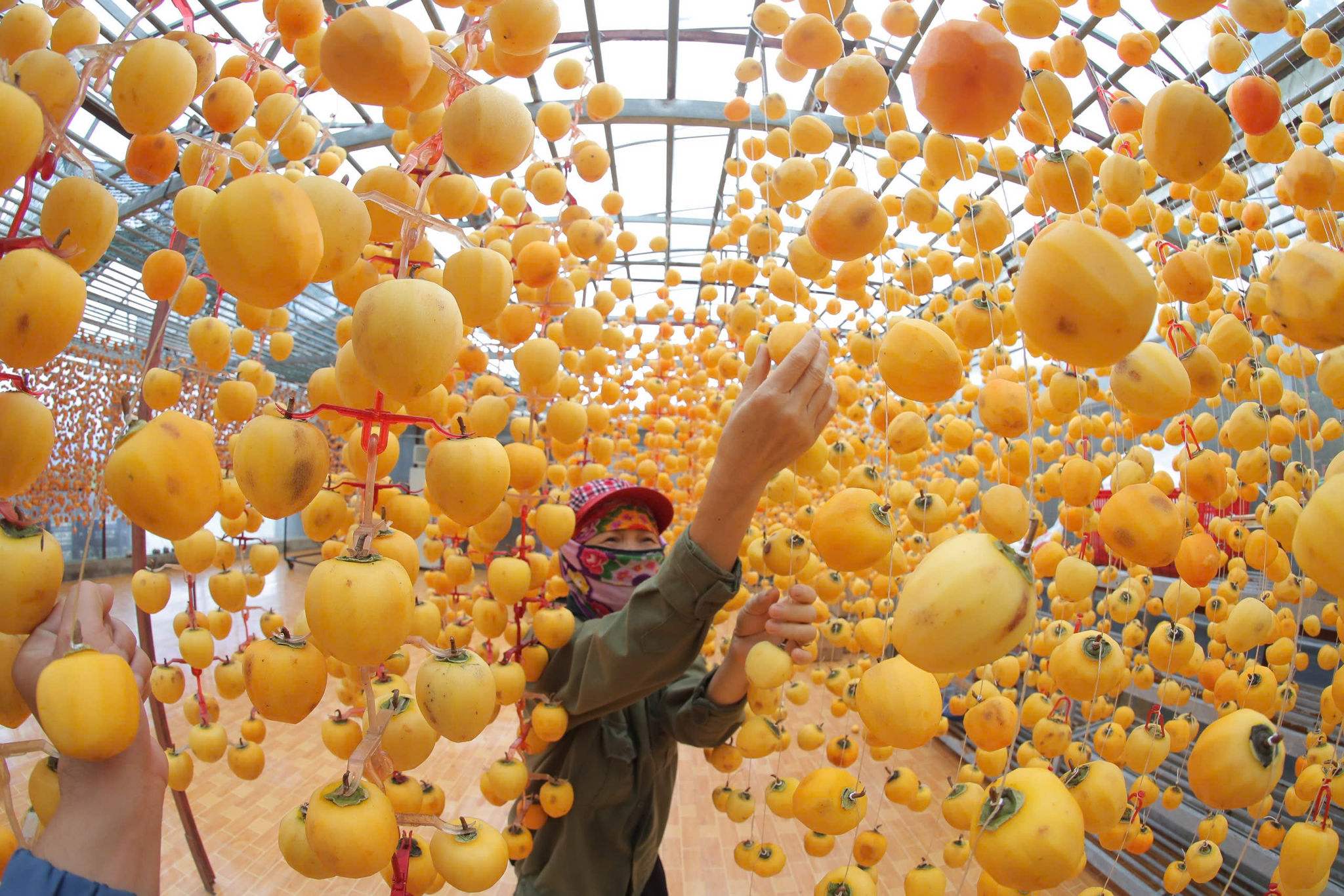
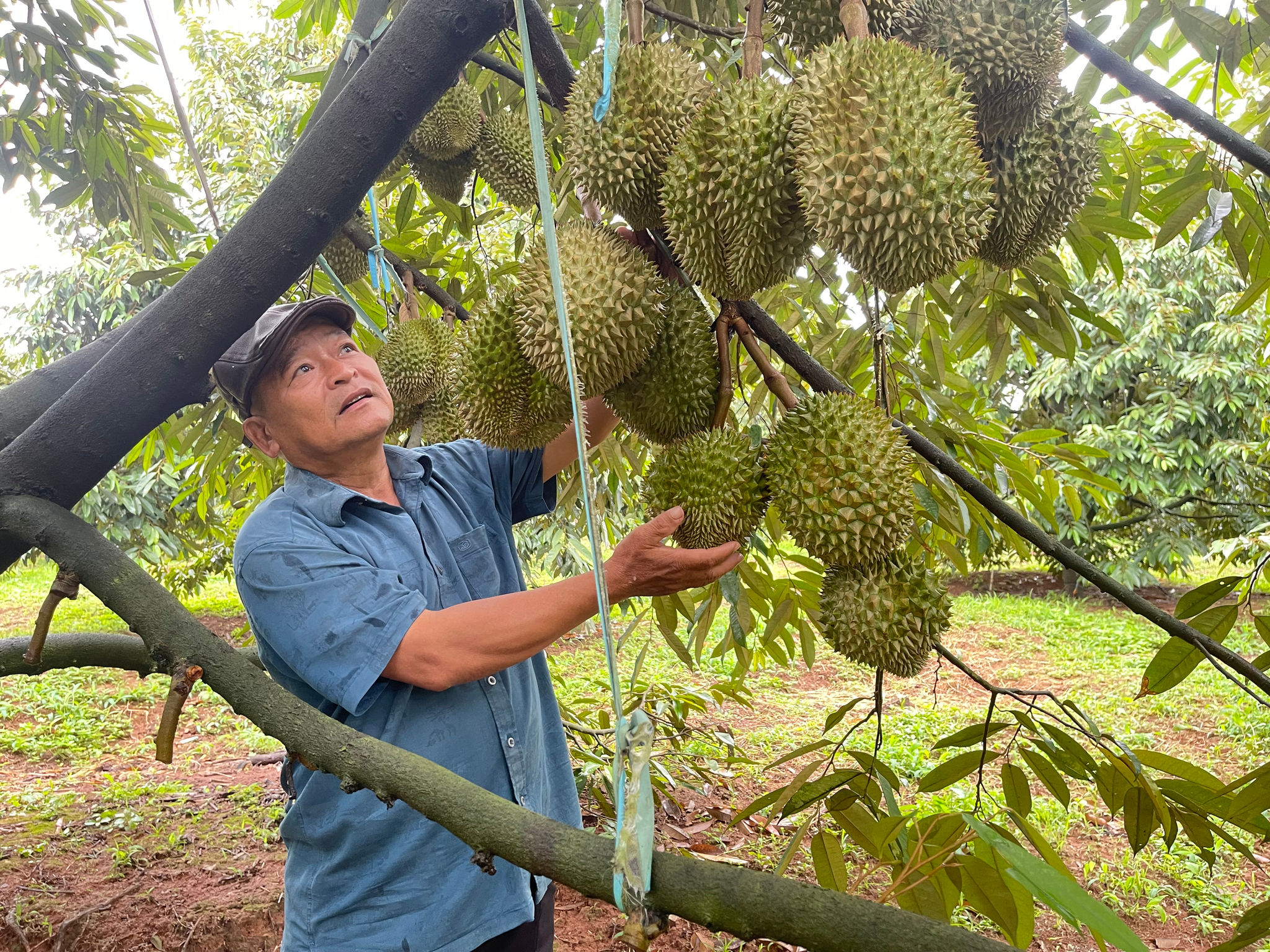
The province leads the country with nine key agricultural products, including coffee, pepper, durian, dragon fruit, avocado, macadamia, mulberry, vegetables and high-tech flowers. These strengths form the basis for deeper processing, stronger value chains and expanded export markets.
Forestry remains another highlight, with 1.13 million hectares of sustainably managed forests, over 5,200 hectares of newly planted forests, and nearly 18 million additional trees, bringing forest coverage to 46.78%, higher than the national average. Forest environmental service payments generate over VND 450 billion annually, supporting more than 20,500 households.
Meanwhile, fisheries output reached 1.4 million tons in the 2020–2025 period, ranking among the top three nationwide, with export turnover exceeding USD 250 million in 2025, up 57% compared to 2020.
Challenges demand greener transformation
Rapid growth has also placed pressure on natural resources. Soil degradation from chemical overuse, mineral extraction risks, waste pollution and increasingly extreme weather linked to climate change are emerging concerns.
At the same time, export markets are tightening standards on carbon emissions, traceability and food safety, posing challenges for remote and ethnic minority areas that still lack modern production practices.
These realities require Lam Dong’s agriculture to shift decisively toward green, circular and low-emission models, focusing not only on scale but also on quality, technology and efficient resource use.
Toward double-digit growth
For the 2026–2030 period, Lam Dong targets average GRDP growth of 10–10.5% per year, with agriculture, forestry and fisheries expanding by 5–5.5% annually while contributing strongly to the province’s overall double-digit performance through higher productivity and exports.
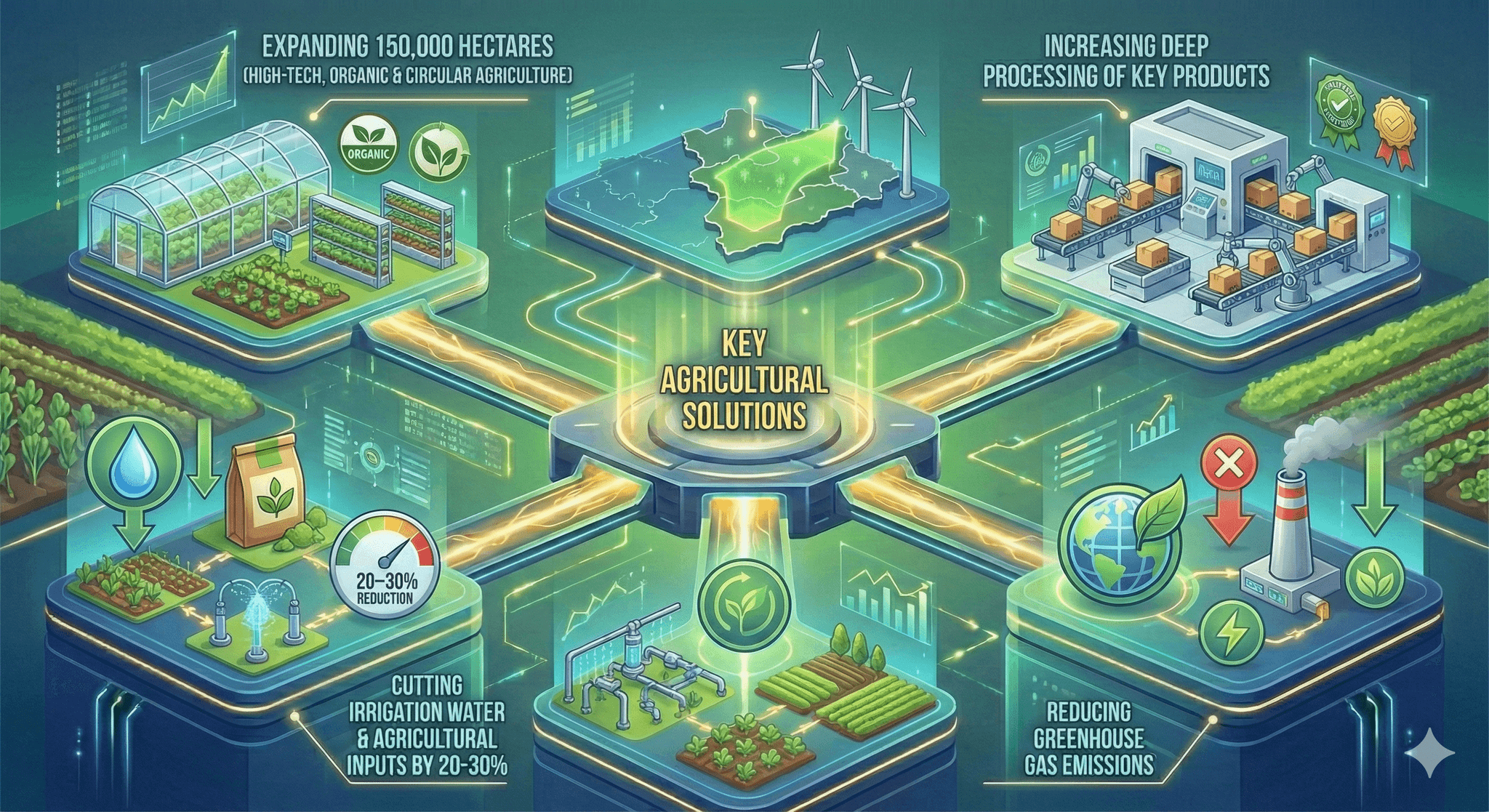
Key solutions include:
In natural resource management, the province will prioritize green land use, renewable energy projects, and digital monitoring systems (GIS and real-time data). Mining activities such as bauxite and titanium processing must go hand in hand with environmental restoration.
Environmental infrastructure is also being upgraded, targeting 65–70% wastewater treatment and reuse and over 95% solid waste collection, while promoting circular economy practices, renewable energy and carbon credit markets.
Forest protection remains central, with 3,500 hectares of new forests planted annually, along with expanded under-canopy economies and eco-tourism to increase local livelihoods.
From quantity to quality
According to Phan Nguyen Hoang Tan, Director of the Department of Agriculture–Environment, double-digit growth is not merely an economic target but a shift from “quantity-based” to “quality- and value-based” development, aligned with Lam Dong’s long-term green strategy.
The province already has a strong base:
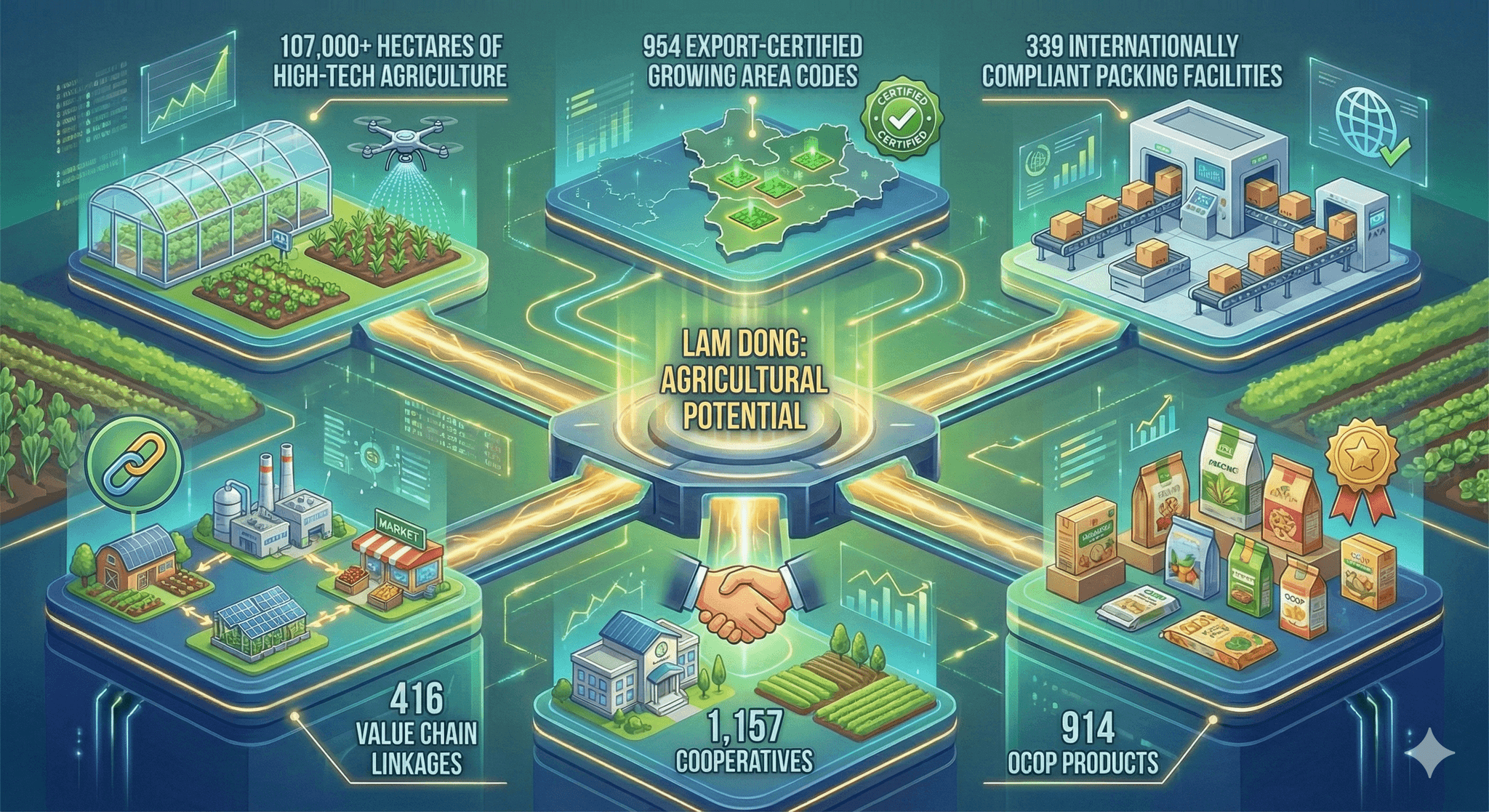
These figures provide a solid platform to enhance quality, ensure traceability and access higher-value markets.
By combining innovation, sustainability and digital transformation, Lam Dong’s agriculture–environment sector is poised not only to grow faster but to grow greener and smarter, reinforcing its role as a cornerstone of the province’s future development.