

A Home Preserving the Soul of M’nong Culture
Amid the pace of modern life, the family of Dieu M’rung in Dak R’moan residential group, Nam Gia Nghia Ward, Lam Dong Province, quietly preserves their ethnic identity in a unique way: bringing forest products into their home garden and safeguarding traditional flavors through everyday meals.
A Kitchen That Keeps Tradition Alive
In the peaceful land of Nam Gia Nghia, Dieu M’rung’s family is known as a typical household dedicated to preserving M’nong cultural identity.
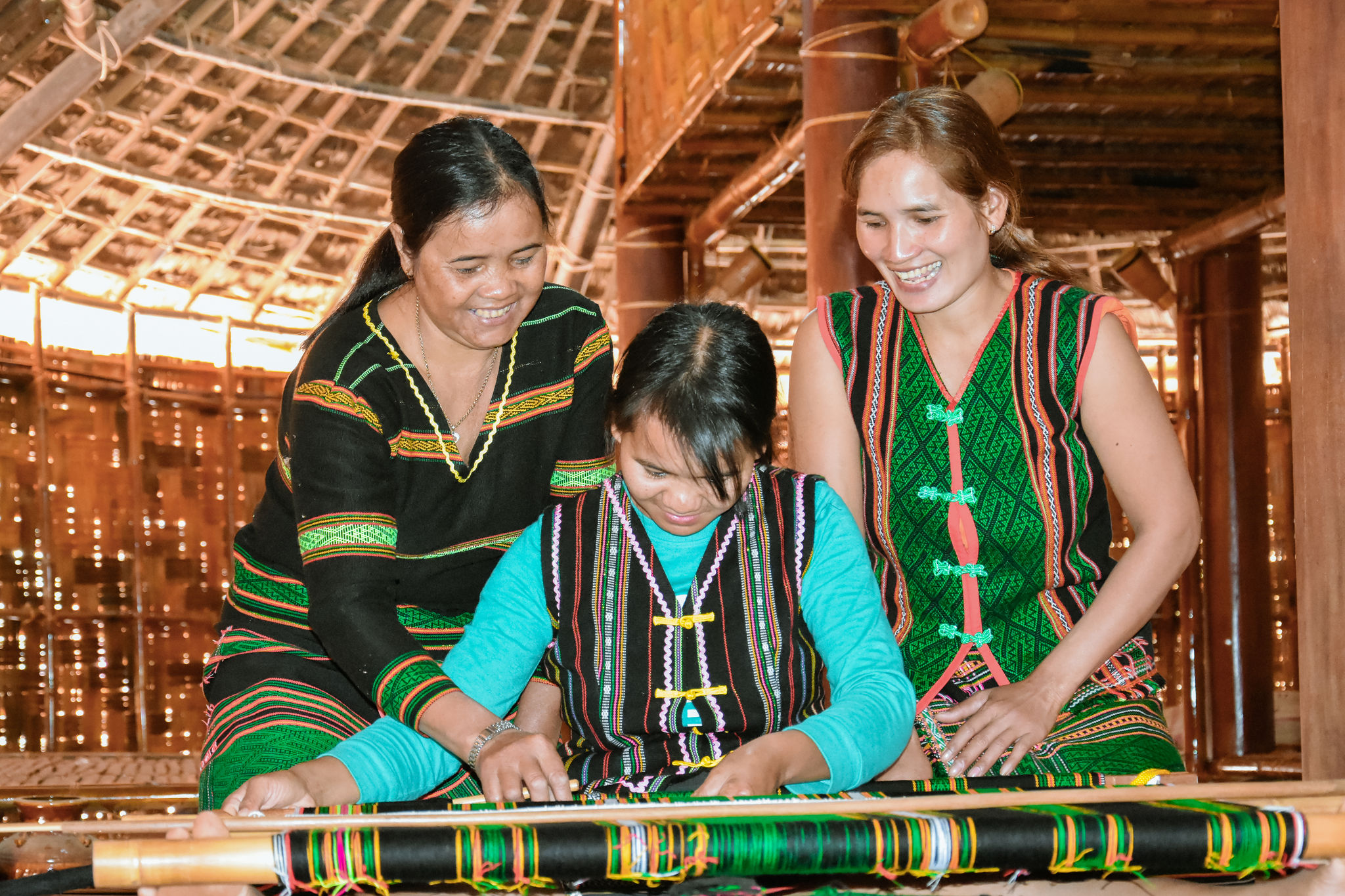
Dieu M’rung skillfully practices traditional weaving crafts, while his wife, Thi D’Je, diligently works at the loom, creating brocade fabrics rich in M’nong cultural colors.
Beyond maintaining traditional crafts, the family also preserves their way of life through daily meals. Next to their modern house, the old kitchen remains an essential part of the home.
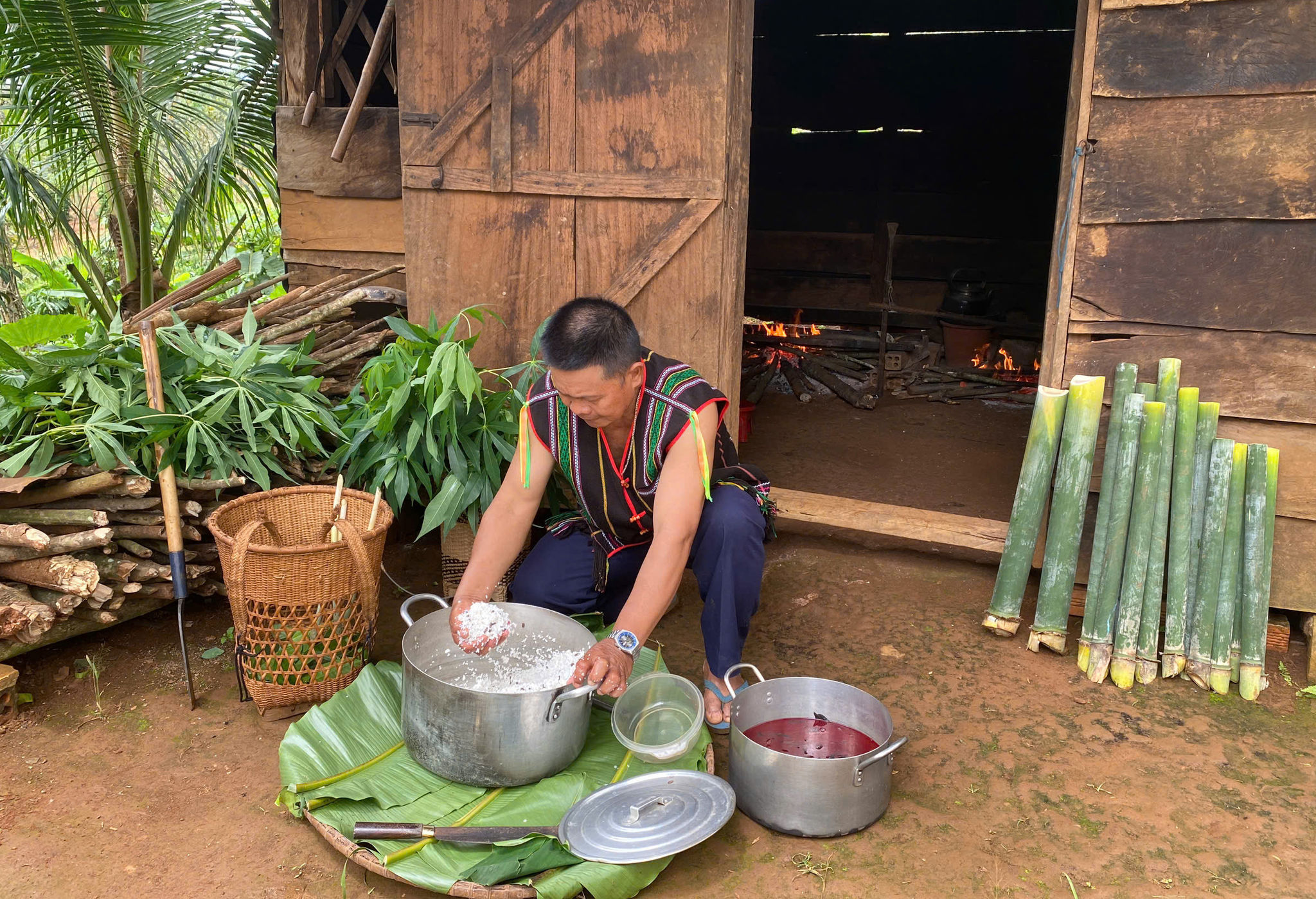
Every day, smoke rises gently from the stove, blending with the aroma of dishes deeply rooted in forest traditions. Foods such as bamboo-tube rice, thut soup, mashed bitter eggplant, grilled rattan shoots, and stir-fried cassava leaves are not just meals but represent memories passed down through generations.
Dieu No N’Sroih, one of the children, shared:
"Since childhood, I have followed my parents to the fields and forests to gather wild leaves and rattan shoots for traditional M’nong dishes. Those memories have became part of my upbringing, nurturing my love for our culture."
Even now, wherever we go, M’nong people like me always remember the taste of home—the way our parents taught us to choose ingredients and cook each dish from an early age.
Dieu No N’Sroih, Dak R’moan residential group, Nam Gia Nghia Ward
His words reflect not only a personal story but also the shared sentiment of many ethnic minority people who leave their homeland. Culture is not distant—it lives in family meals, in cooking methods, and in childhood memories tied to the forest.
On weekends and holidays, the family gathers warmly around the fire. Traditional dishes are carefully prepared—not only for enjoyment but also as an opportunity for generations to share stories and relearn cooking techniques and flavors.
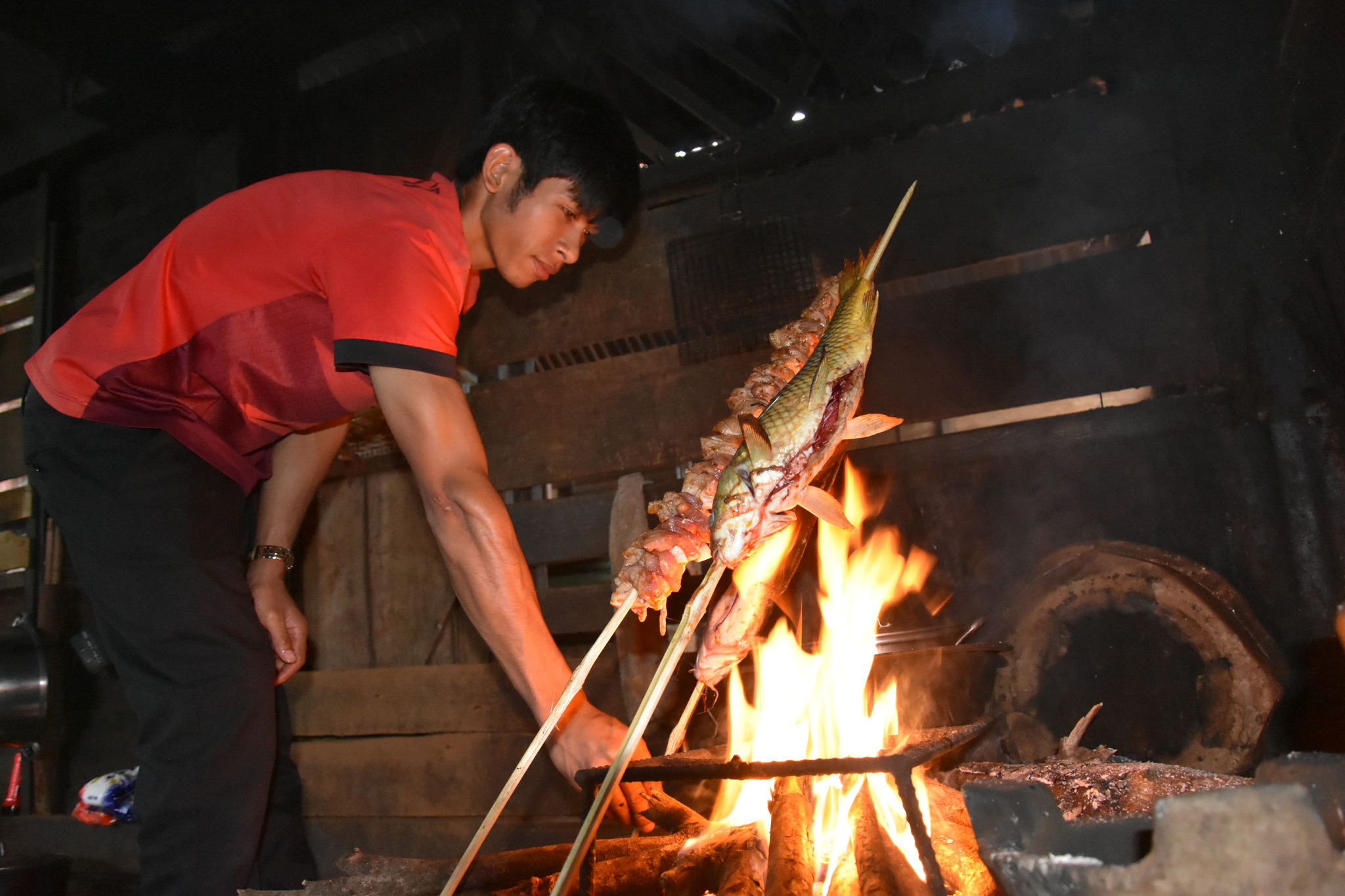
Dieu M’rung said: "During family gatherings, we sit together by the fire and cook traditional M’nong dishes such as bamboo-tube rice, grilled chicken, grilled pork, thut soup, and boi soup."
In M’nong family gatherings, rattan shoots and la bep are indispensable—familiar ingredients that define our traditional dishes. Through them, we pass on to our children how to cook and preserve the flavors of our people.
Dieu M’rung, Dak R’moan residential group, Nam Gia Nghia Ward
In today’s modern life, where many families are changing their habits, images like wood-fired kitchens and traditional meals are becoming rare. Yet here, these values are preserved persistently—anchoring identity in the flow of time.
A Garden That Preserves Roots
If the kitchen holds memories, the family garden preserves their roots.
As natural forest ingredients become scarcer, the family has proactively cultivated traditional plants in their home garden. Alongside forest species, they also grow native crops of the M’nong people such as gourds, pumpkins, tomatoes, pickled onions, red beans, and melons.
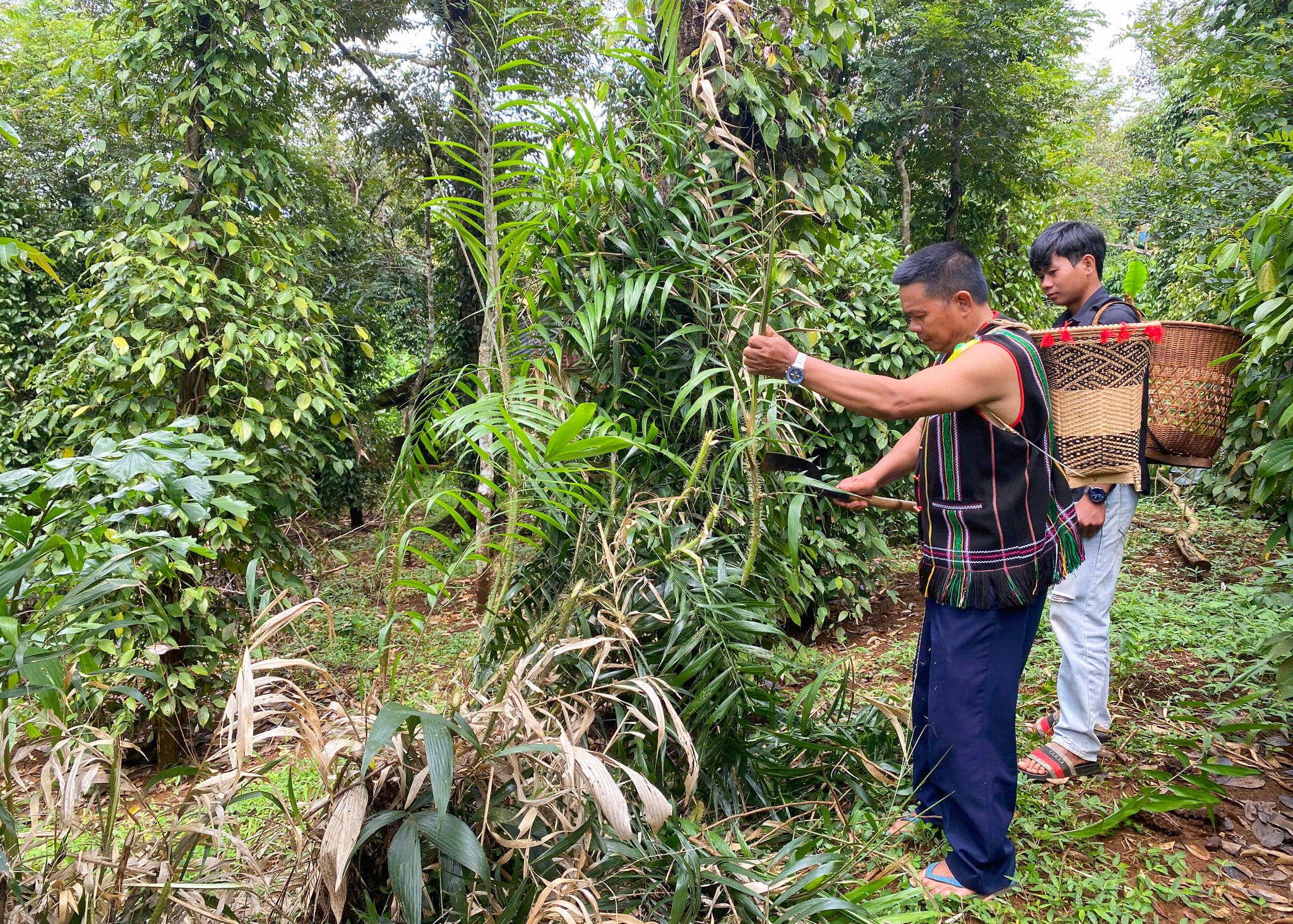
Each garden bed is carefully tended. Familiar plants like wild leaves, rattan shoots, bitter eggplant, forest bitter melon, and cassava leaves grow lush and green. Over time, this small garden has become a “garden of memory,” gathering the distinctive flavors of M’nong culture.
The M’nong people have many traditional ingredients from the forest that cannot be replaced. That’s why my family grows them again in our fields and our home garden. During family gatherings, I can harvest clean ingredients to cook traditional dishes and preserve the original flavors.
Thi D’Je, Dak R’moan residential group, Nam Gia Nghia Ward
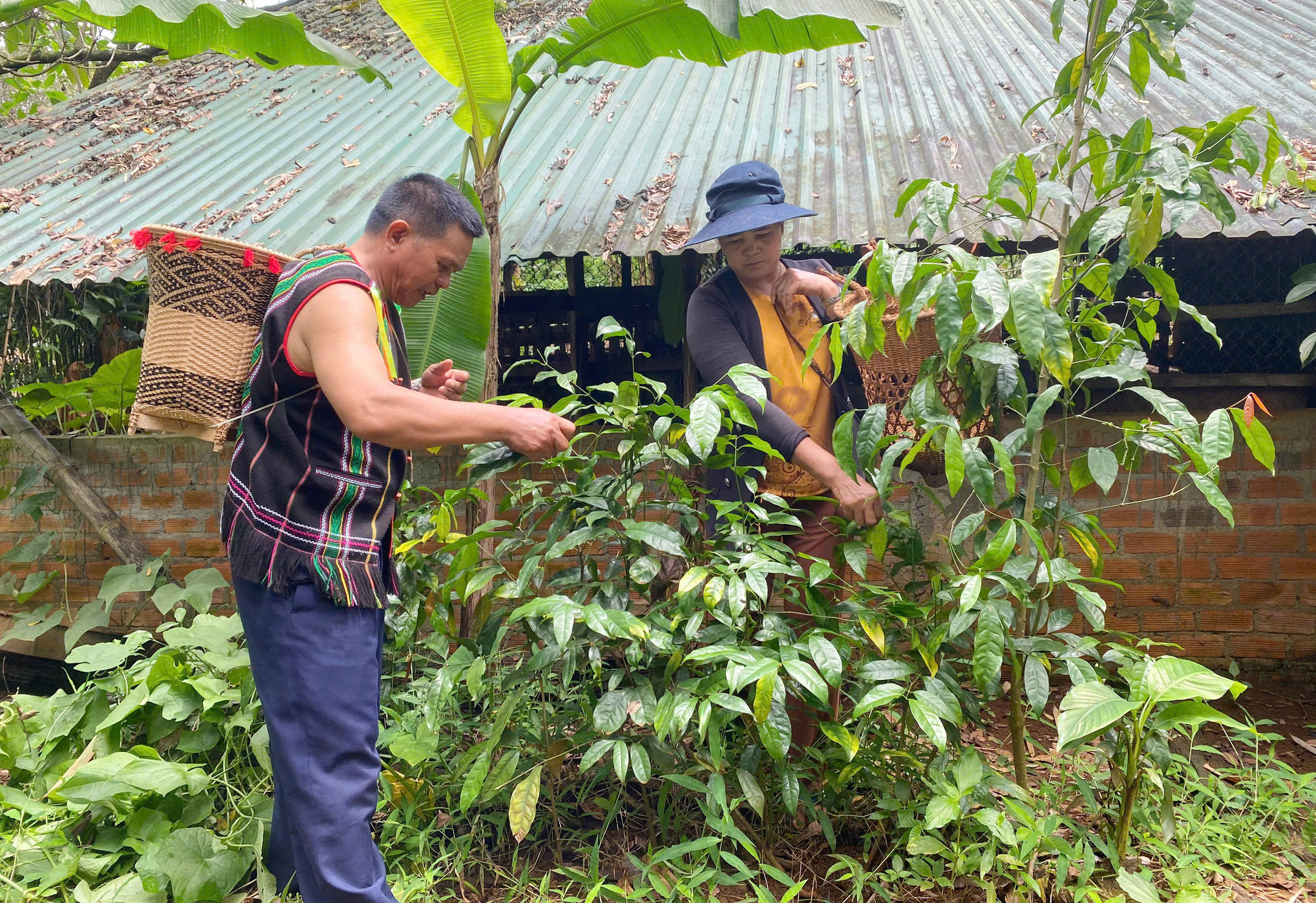
The garden not only provides fresh ingredients but also becomes a space connecting generations. During reunions, the fire is lit, traditional dishes are prepared, and stories of M’nong culture continue to be passed on.
Bringing the forest into the garden is not just about food supply—it is a way to preserve indigenous knowledge and maintain the connection between people and nature.
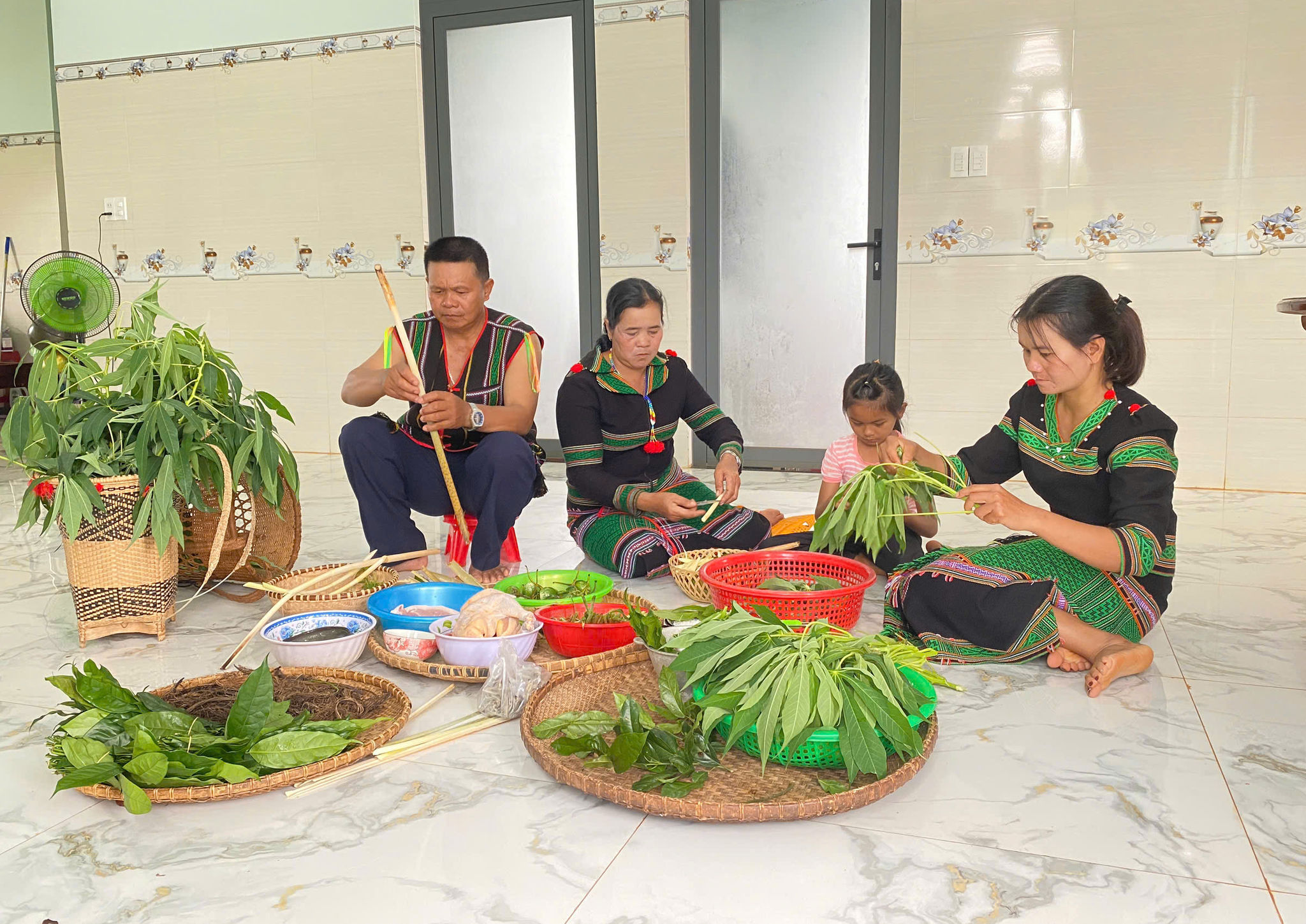
Each plant is tied to a dish, a story and a memory. These seemingly simple meals carry a wealth of experience and ways of living in harmony with nature, accumulated over generations.
The garden also serves as a learning space. Younger family members are guided to identify plants, harvest ingredients, and cook traditional dishes. Through this, cultural values are not lost but naturally continued.
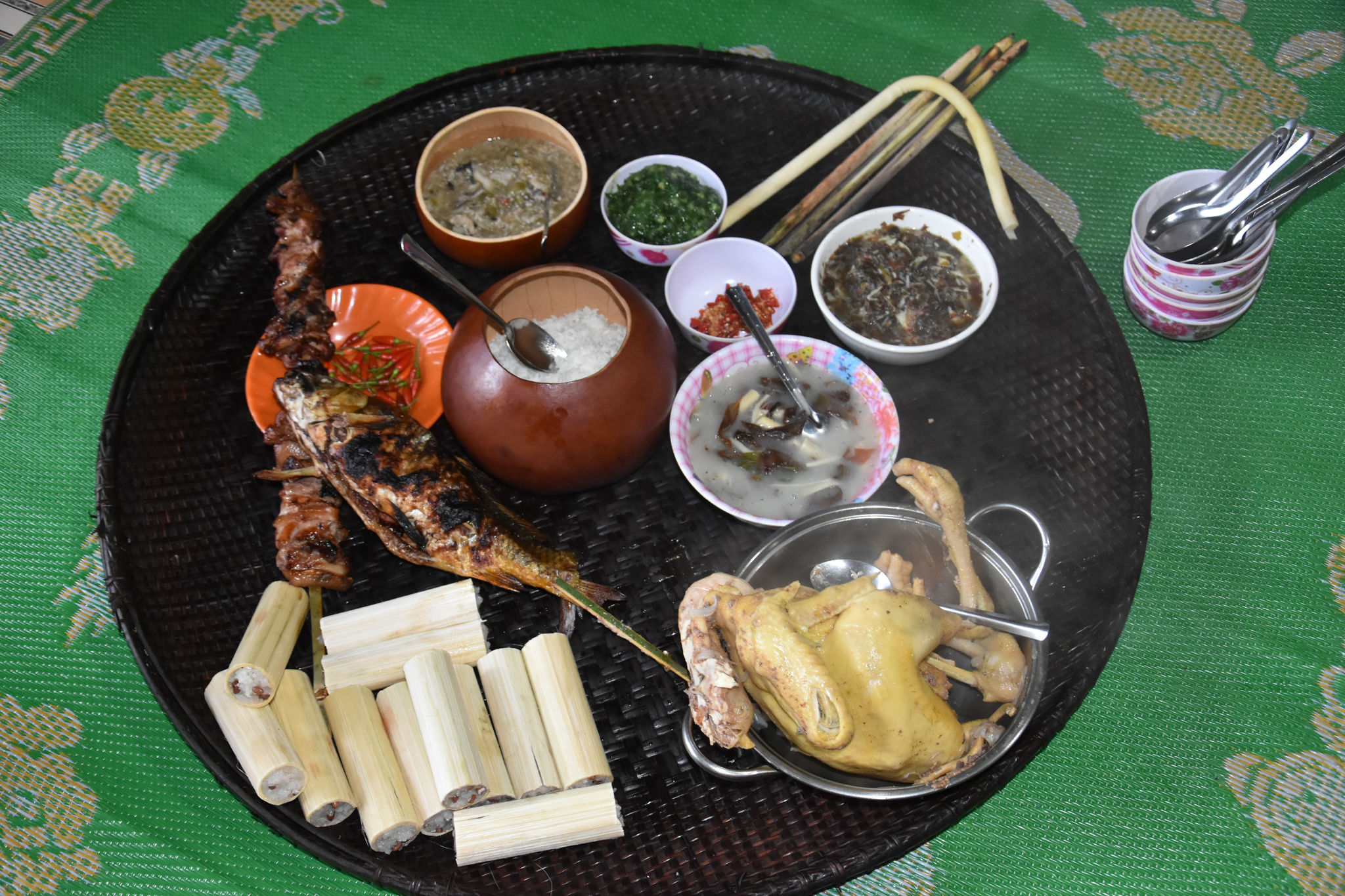
More importantly, the garden and kitchen strengthen family bonds. When the fire is lit and everyone gathers to prepare meals, generational gaps fade away. Stories of the village and lessons about culture and life are shared once again.
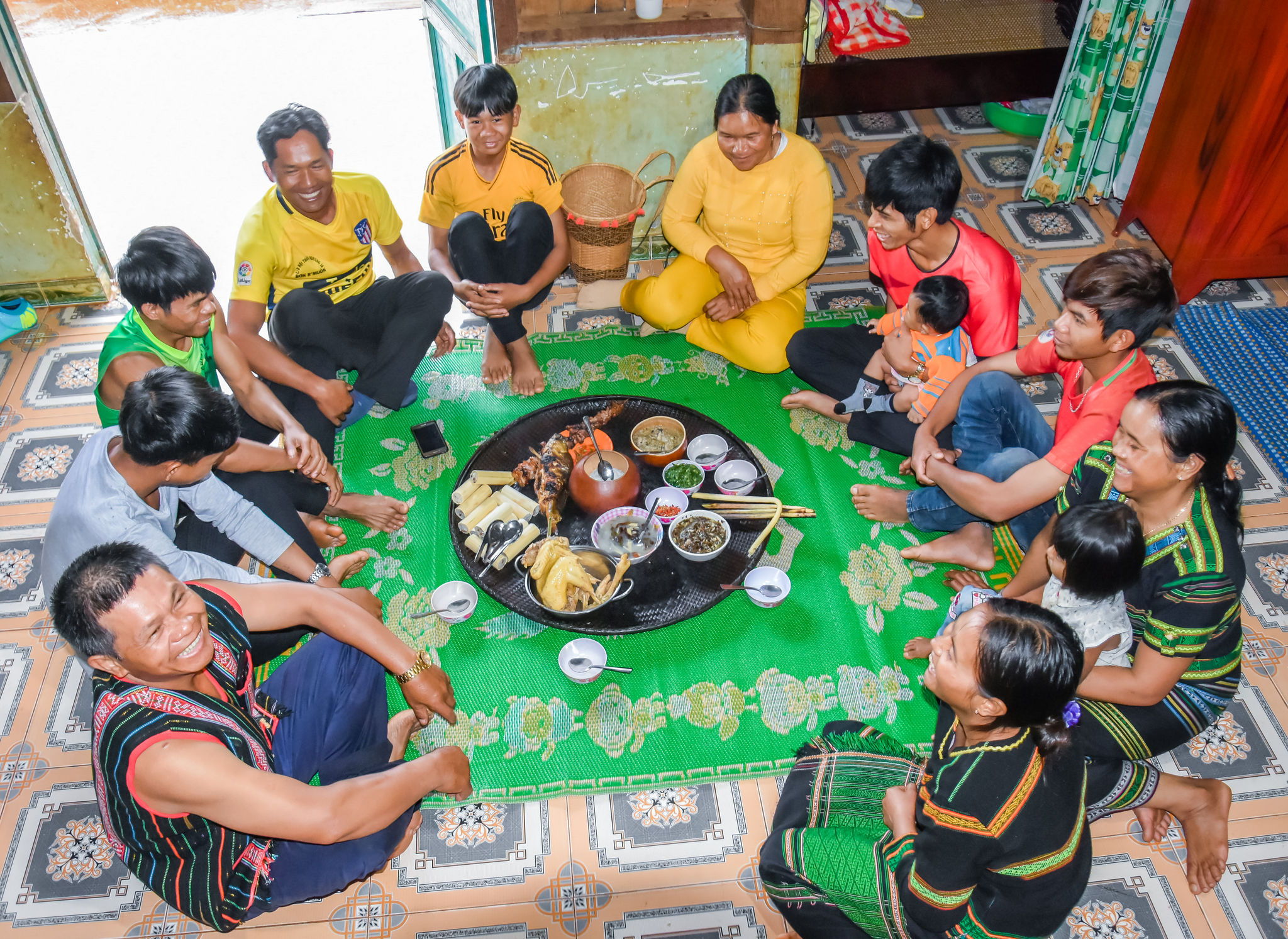
From a small garden and a warm kitchen, M’nong cultural values continue to be preserved, nurtured, and spread. It is not only a way to retain the flavors of the forest but also to keep the “soul” of a people—the essence that defines their unique identity.
In the constant flow of modern life, such quiet yet persistent efforts are increasingly meaningful. From these simple acts, culture is not only preserved but also given the chance to live on, grow, and thrive in the present and the future.