

Infrastructure Accelerates, Lam Dong’s Coastal Tourism Gains Momentum
Improved transport and tourism infrastructure are helping Mui Ne, Lien Huong, and La Gi attract more visitors and boost coastal tourism in Lam Dong.
.jpeg)
Coastal destinations attract more visitors
In the first months of 2026, coastal tourism across several seaside localities in Lam Dong showed strong signs of recovery as visitor numbers surged and tourism-related services became increasingly vibrant following upgrades and the introduction of refreshed tourism products.
According to the People’s Committee of Mui Ne Ward, trade, services, and tourism activities have remained stable since the beginning of the year. Many hotels, restaurants, and tourism businesses have resumed bustling operations. During the Hung Kings Commemoration holiday and the April 30 – May 1 holiday period, many beachfront resorts recorded occupancy rates ranging from 60% to 90%, with some reaching full capacity.
In the first quarter of 2026, Mui Ne welcomed more than 384,000 visitors, with international tourists accounting for over 53%, highlighting the destination’s growing appeal to both domestic and foreign travelers.
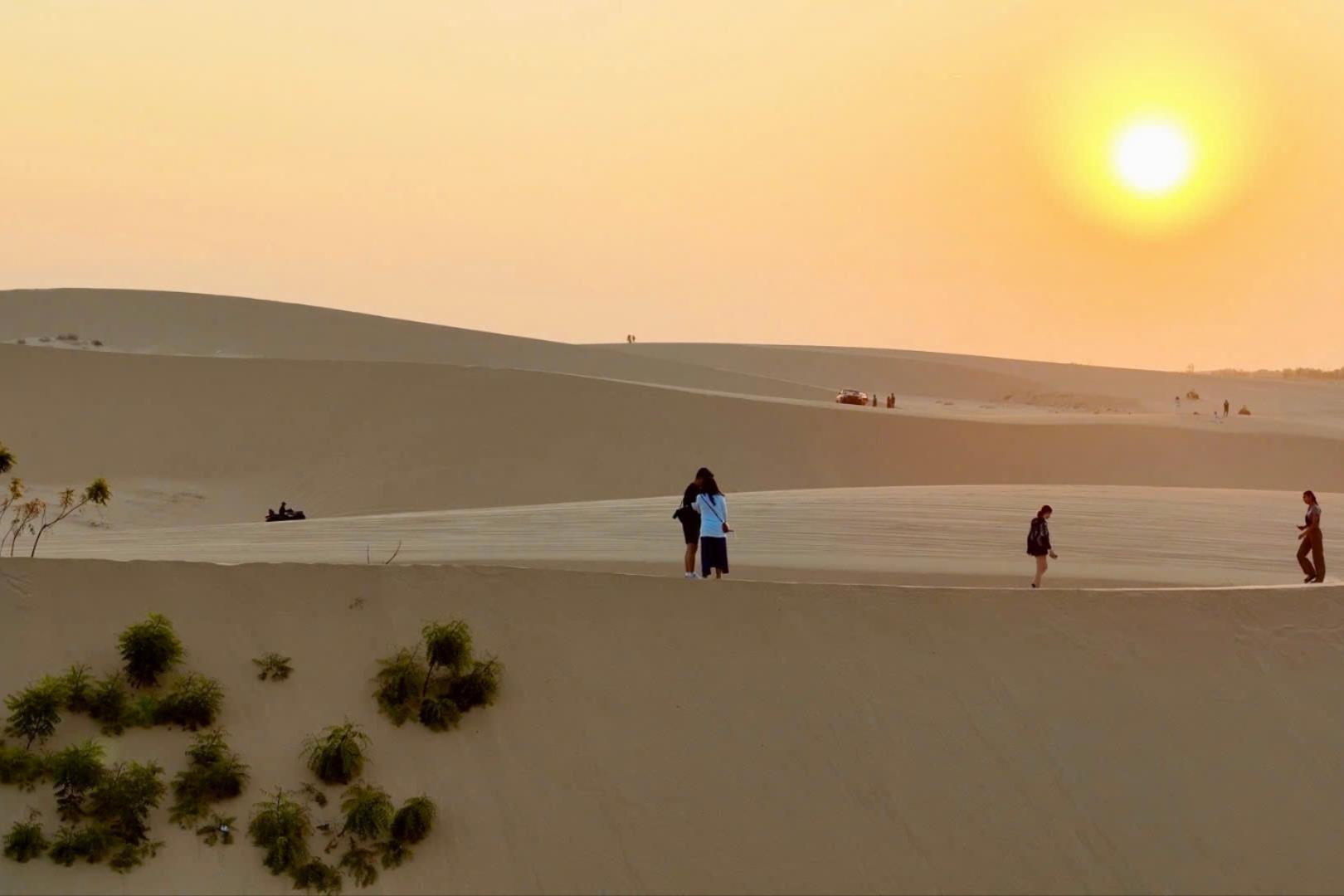
Nguyen Hai Dang, Vice Chairman of the People’s Committee of Mui Ne Ward, said that with its long coastline, dry climate, year-round sunshine, and unique ecosystem, the locality has favorable conditions for developing resort tourism, marine sports, and experiential travel. In addition, Mui Ne is also aiming to develop spiritual tourism while preserving the cultural values of its fishing villages to better connect local residents with tourism activities.
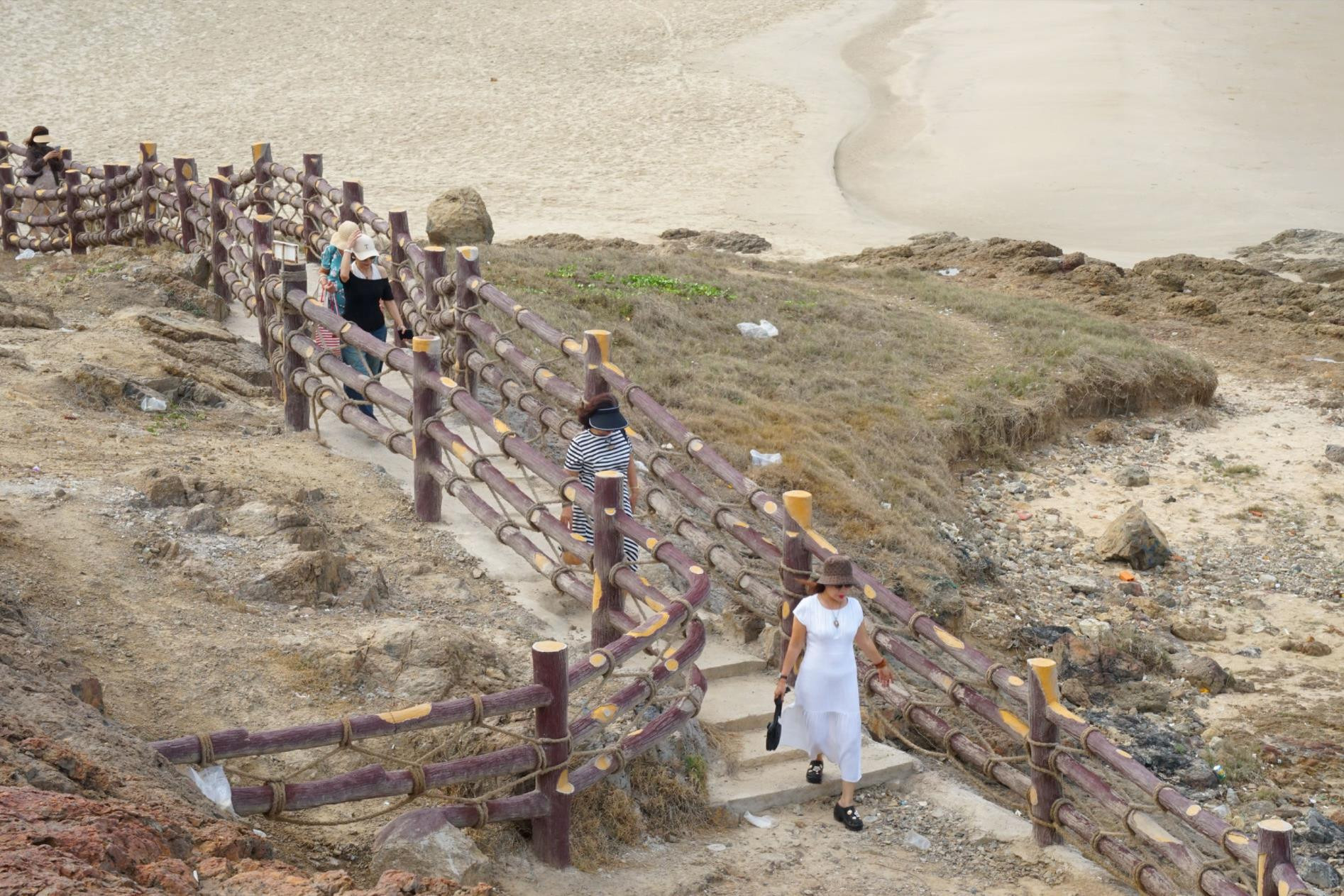
In Lien Huong, Ho Cong Tien, Director of Binh Thanh Tuy Phong Tourist Area, said the destination welcomed more than 10,000 visitors during the holiday period from April 30 to May 2, an increase of around 500 visitors from the same period last year.
Meanwhile, La Gi continues to attract large numbers of tourists thanks to its public beaches and new check-in spots such as the “Mini Bau Trang” area. Cultural and sports activities combined with community-based tourism have also added to the locality’s appeal.
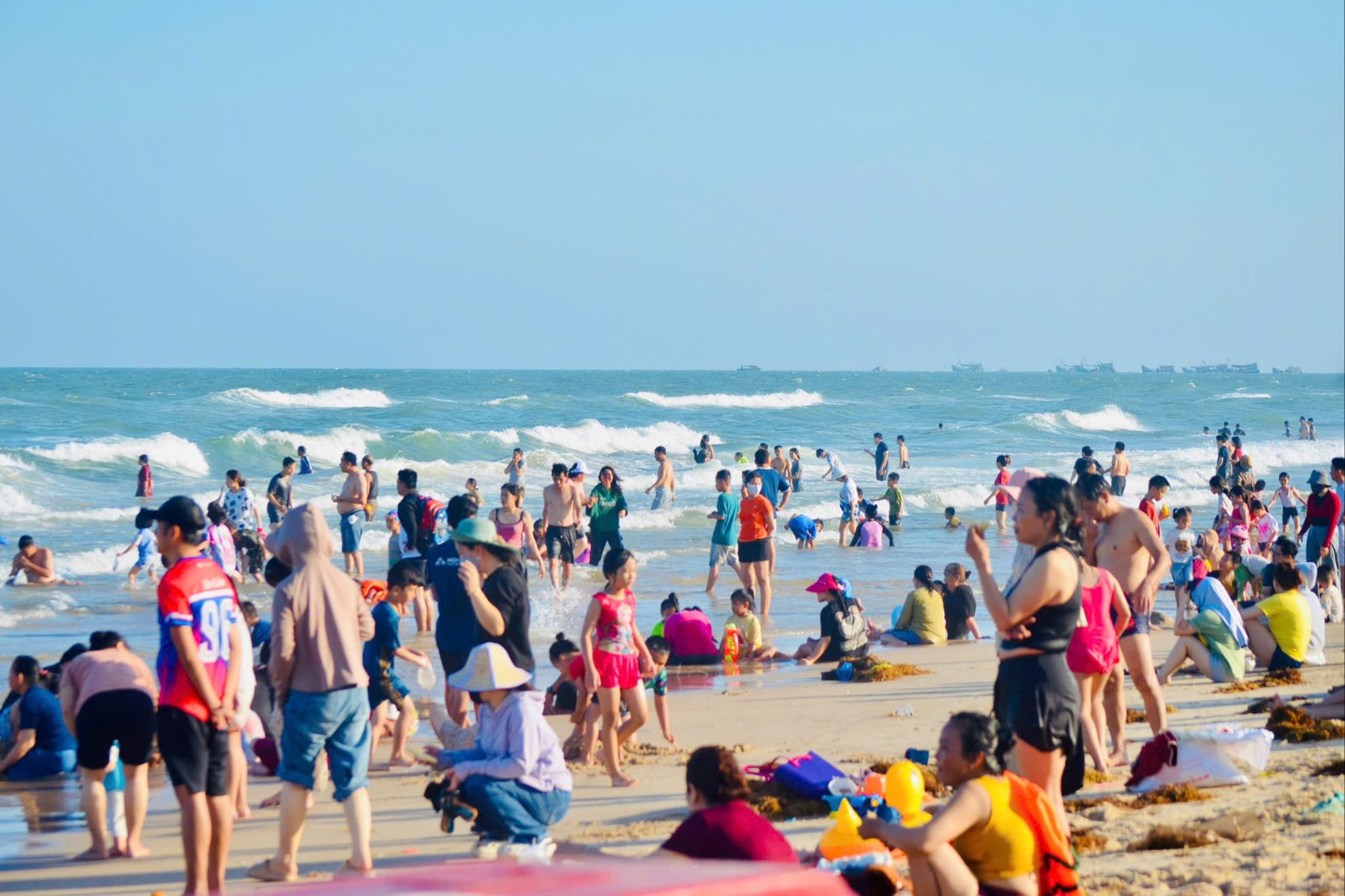
During the Hung Kings holiday and the April 30 – May 1 celebrations, La Gi was estimated to receive around 20,000 visitors, including approximately 7,600 overnight guests. During the April 30 – May 1 holiday alone, the town welcomed about 15,000 visitors, with roughly 6,600 overnight stays.
According to the People’s Committee of La Gi Ward, the locality will continue upgrading public coastal spaces, diversifying tourism products, and improving service quality to attract more visitors in the future.
Infrastructure creates new momentum for coastal tourism
For many years, transportation was considered one of the main bottlenecks for tourism in Mui Ne. However, a series of key infrastructure projects have been implemented, most notably the North–South Expressway. In particular, the Dau Giay – Phan Thiet Expressway has reduced travel time from Ho Chi Minh City to Mui Ne to around two hours.
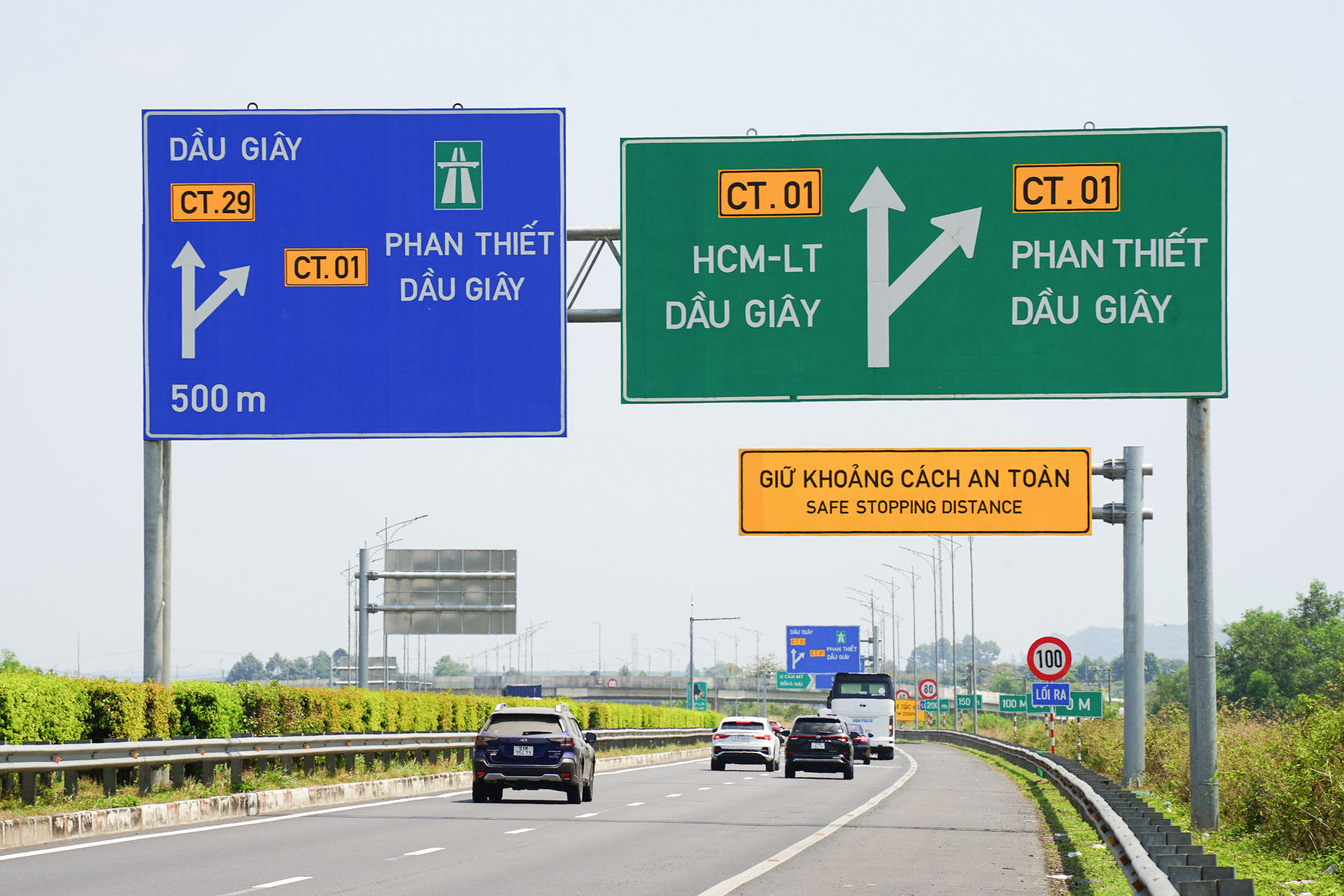
Notably, construction has recently begun on the civil aviation component of the Phan Thiet Airport project. The airport is expected to handle around two million passengers annually and is anticipated to improve regional connectivity and strengthen the competitiveness of local tourism.
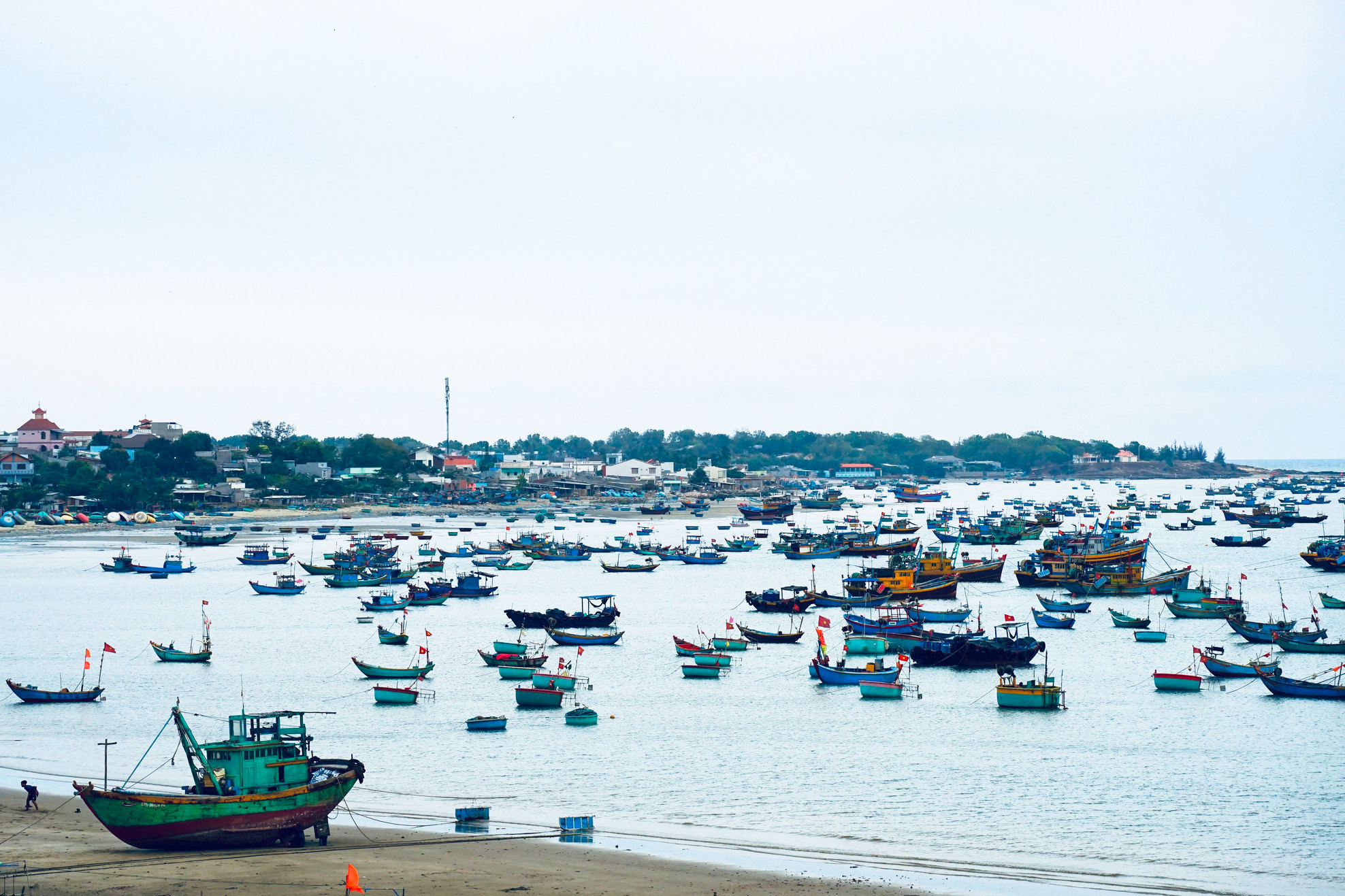
According to Nguyen Thi Hoa Mai, Deputy Director General of the Vietnam National Authority of Tourism under the Ministry of Culture, Sports and Tourism, Vietnam needs to establish national tourism centers capable of leading the market and creating new competitive advantages amid increasingly intense tourism competition. Mui Ne is regarded as one of the country’s major tourism hubs and a key driving force for tourism development in Lam Dong Province.

In addition, the planning of Mui Ne as a National Tourism Area is considered a major turning point for the destination. Under the master plan, the Mui Ne National Tourism Area covers approximately 14,760 hectares, including Phu Thuy Ward, Mui Ne Ward, Hoa Thang Commune, and Phan Ri Cua Commune.
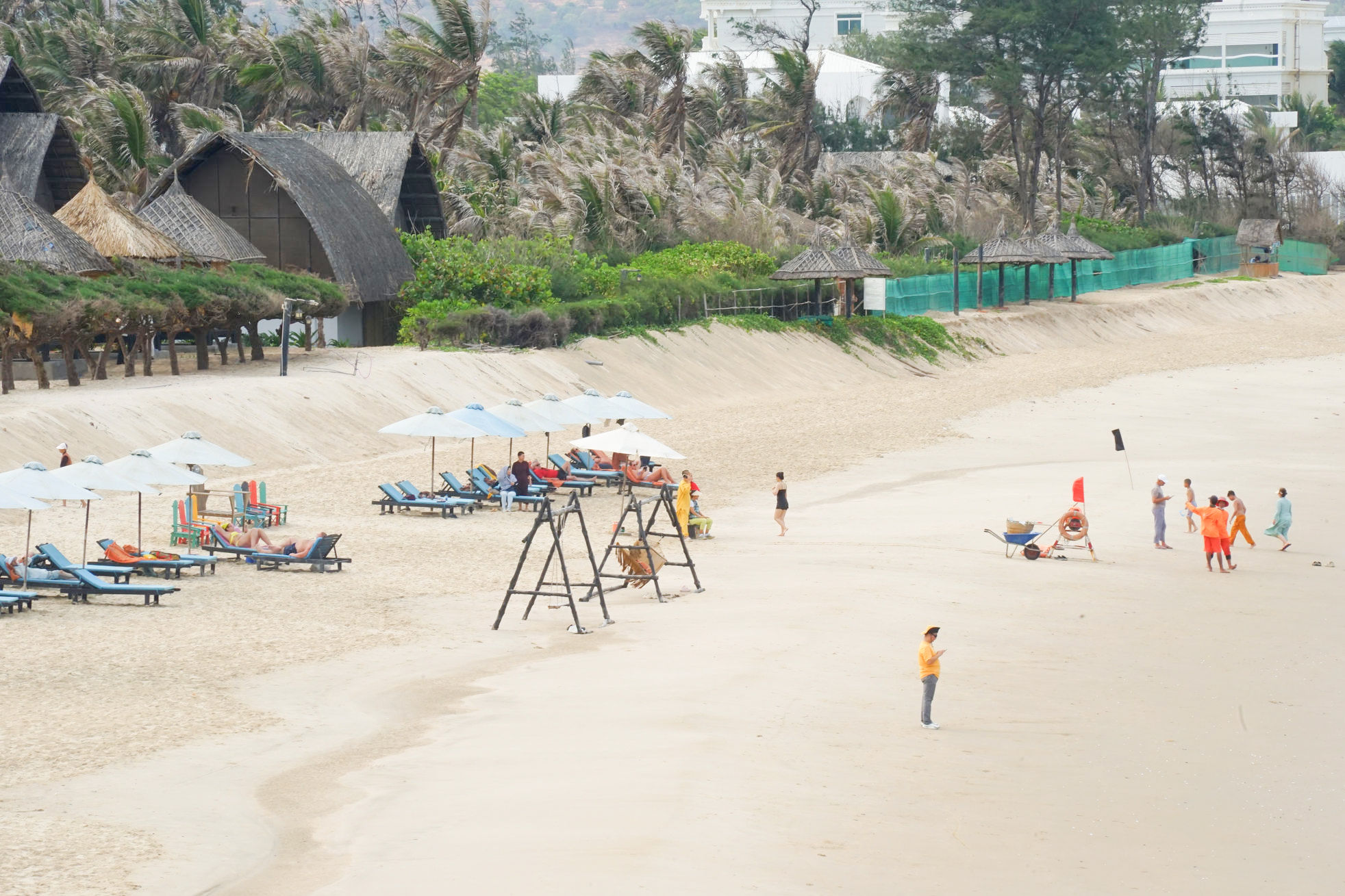
The development space is designed around a coastal corridor model integrated with service centers, resorts, and community spaces. The 63-kilometer coastal corridor is expected to strengthen links among tourism areas and improve public access to the sea.
However, alongside rising visitor numbers, many coastal localities continue to face pressure related to service infrastructure, environmental protection, and the diversification of tourism products. Developing infrastructure in a synchronized manner, improving service quality, and preserving natural landscapes are seen as key requirements for ensuring the sustainable growth of Lam Dong’s coastal tourism sector in the coming years.