
“Boost” for Lam Dong’s Macadamia Industry
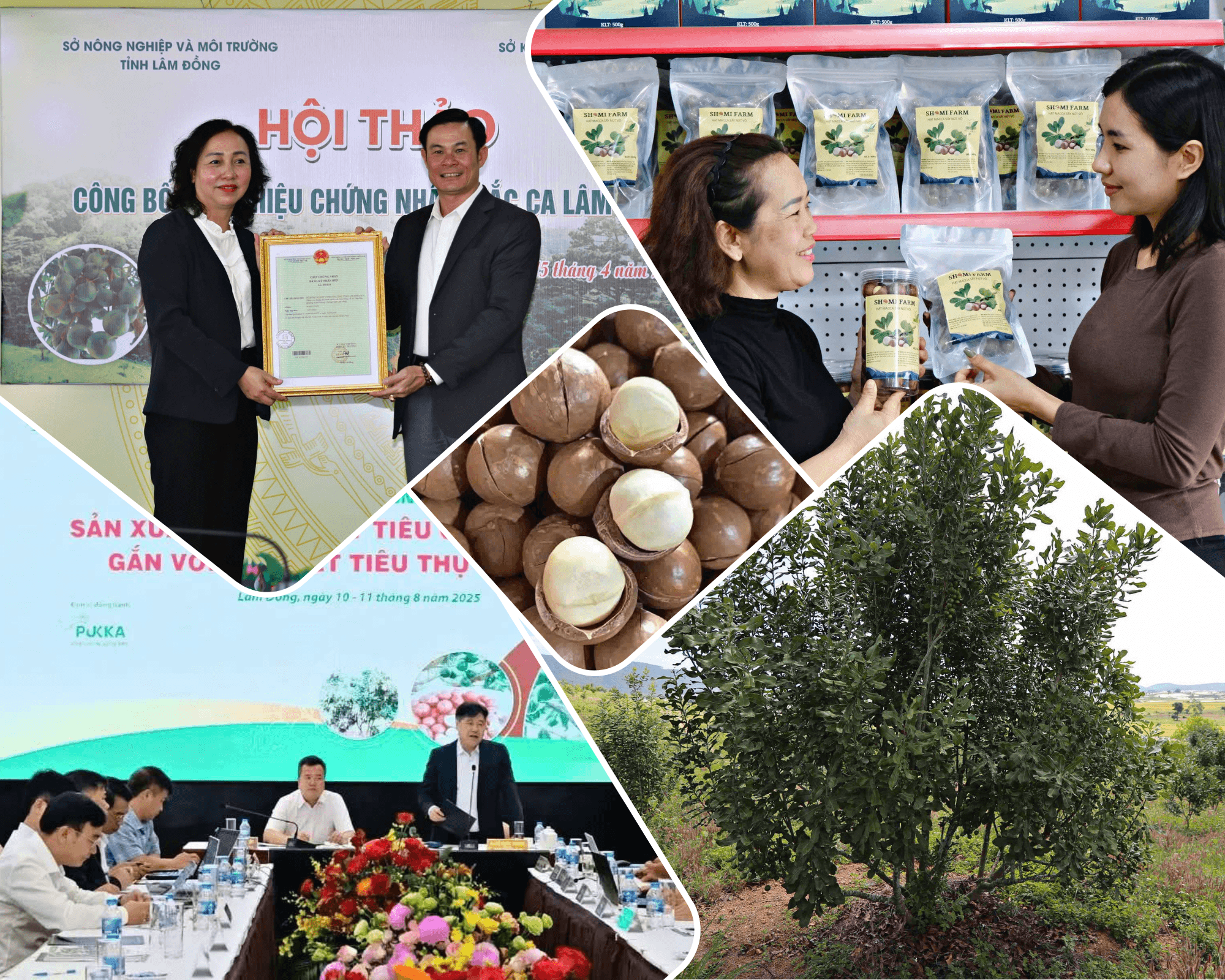
After years of expanding cultivation areas, the local macadamia industry is expected to gain new momentum as the certification mark “Lam Dong Macadamia” is officially announced and put into management and use.
After years of expanding cultivation areas, the local macadamia industry is expected to gain new momentum as the certification mark “Lam Dong Macadamia” is officially announced and put into management and use.
.jpg)
This is considered a “passport” for Lam Dong’s macadamia products to enhance their value and expand markets through the development of sustainable supply chains.

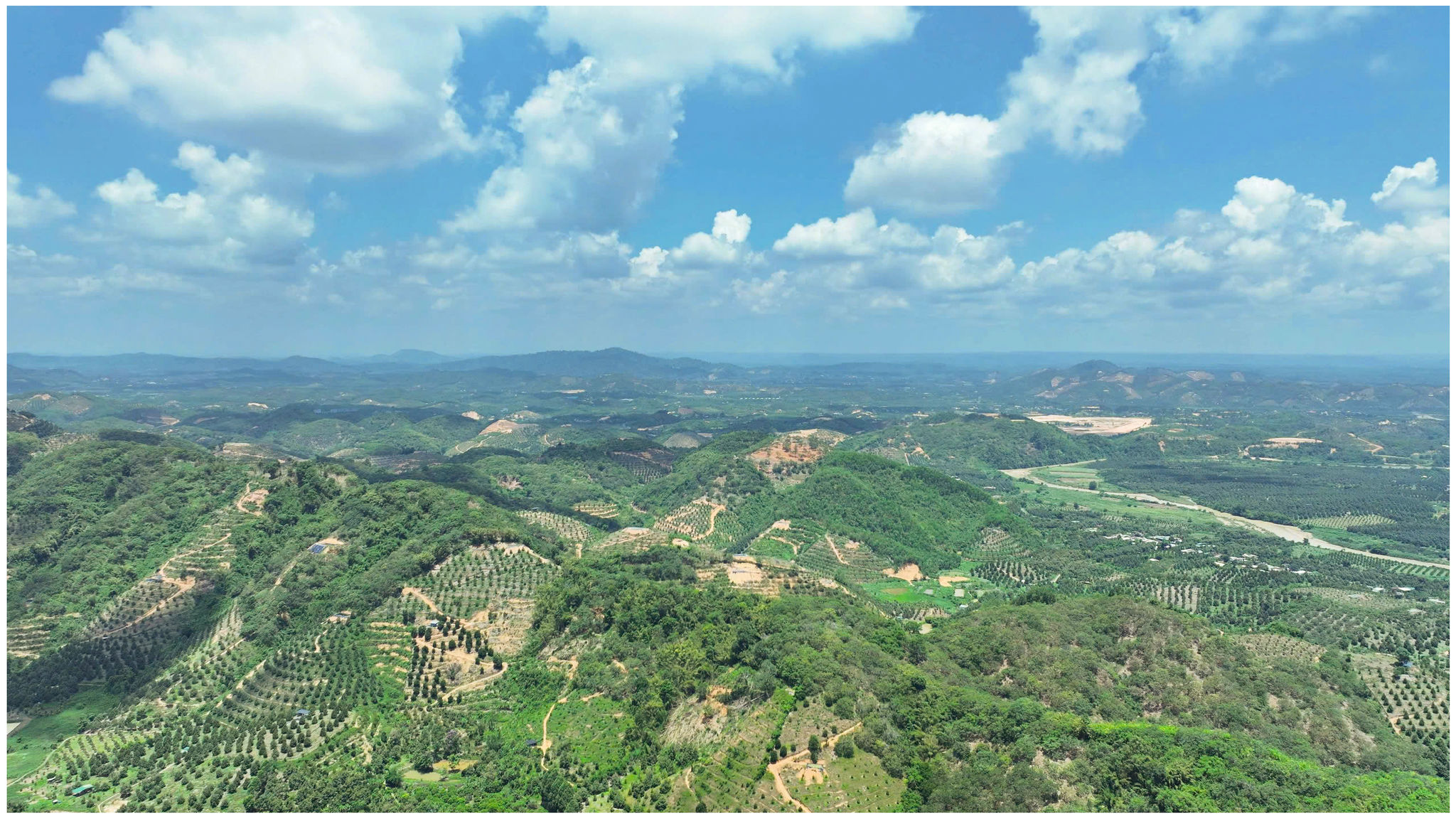
Lam Dong Province has the largest macadamia-growing area in the country, with 11,317 hectares and an annual output of nearly 1,969 tons (statistics updated to the end of 2025).
.png)
According to assessments by the local agricultural sector in recent years, macadamia is considered one of the crops with significant economic potential in Lam Dong, thanks to the province’s favorable temperate climate, fertile soil, and suitable highland farming conditions, particularly in areas known as the “city of thousands of flowers” and the “land of great forests.”
.png)
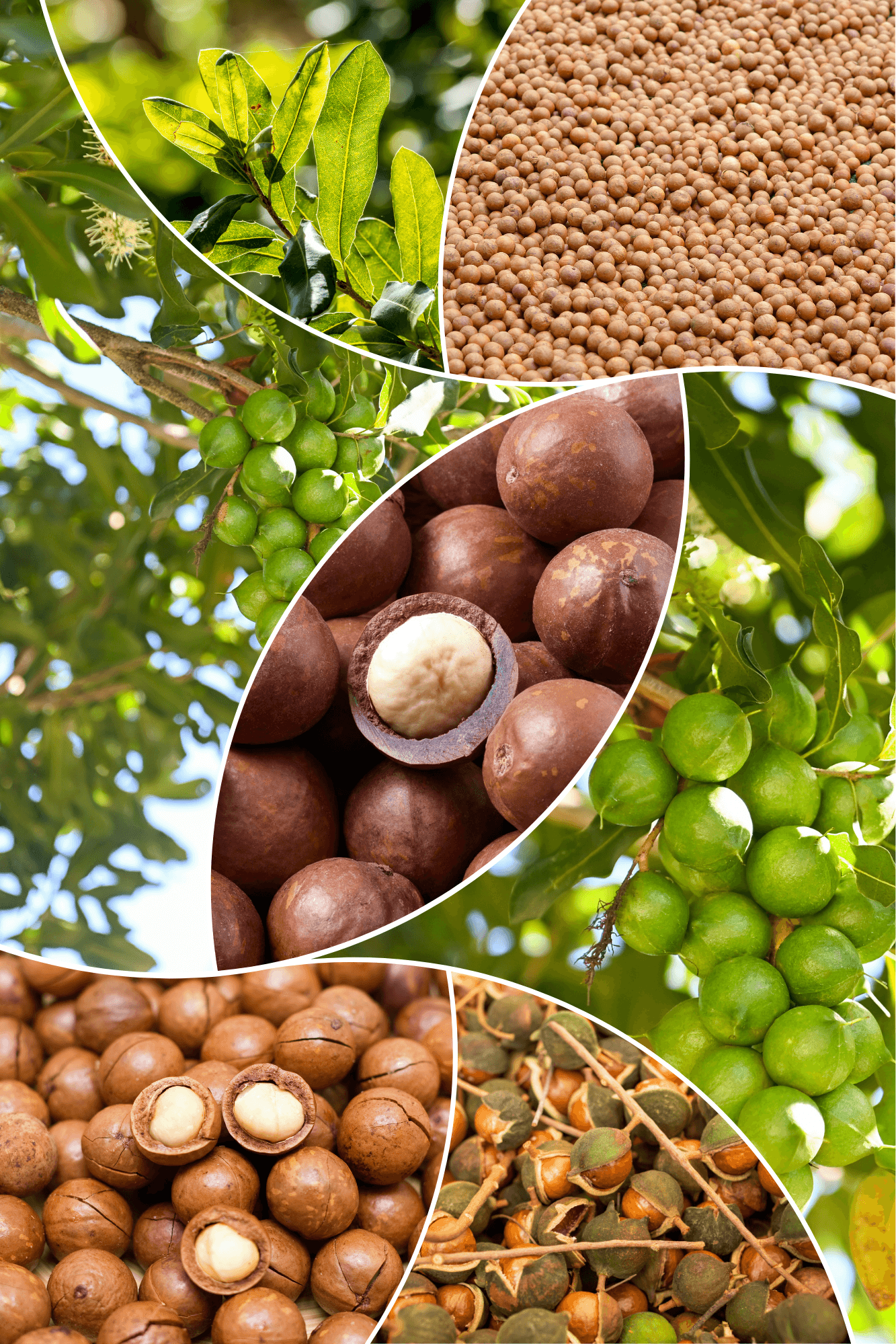
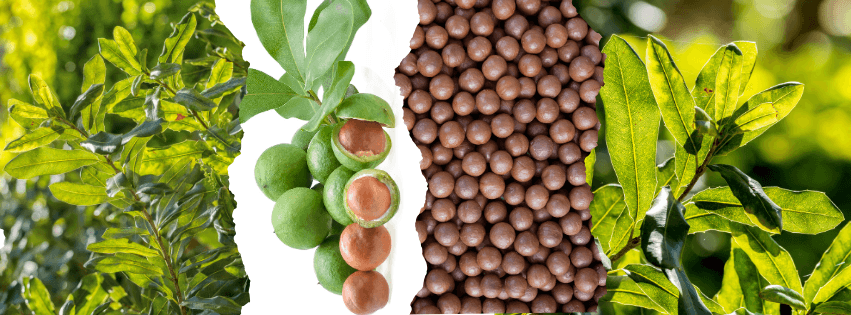
Since it has become widely cultivated and enjoyed locally, macadamia has quickly emerged as a valuable crop. In addition to yielding nutritious nuts, macadamia can also be processed into various products such as kernels, vegetable oil, confections, and nutritional powders. This enhances land-use efficiency, improves the ecological environment, and provides additional livelihoods for rural communities.
Currently, several macadamia cultivation areas in Lam Dong have started to establish initial production chains that include farmers, cooperatives, and processing companies.
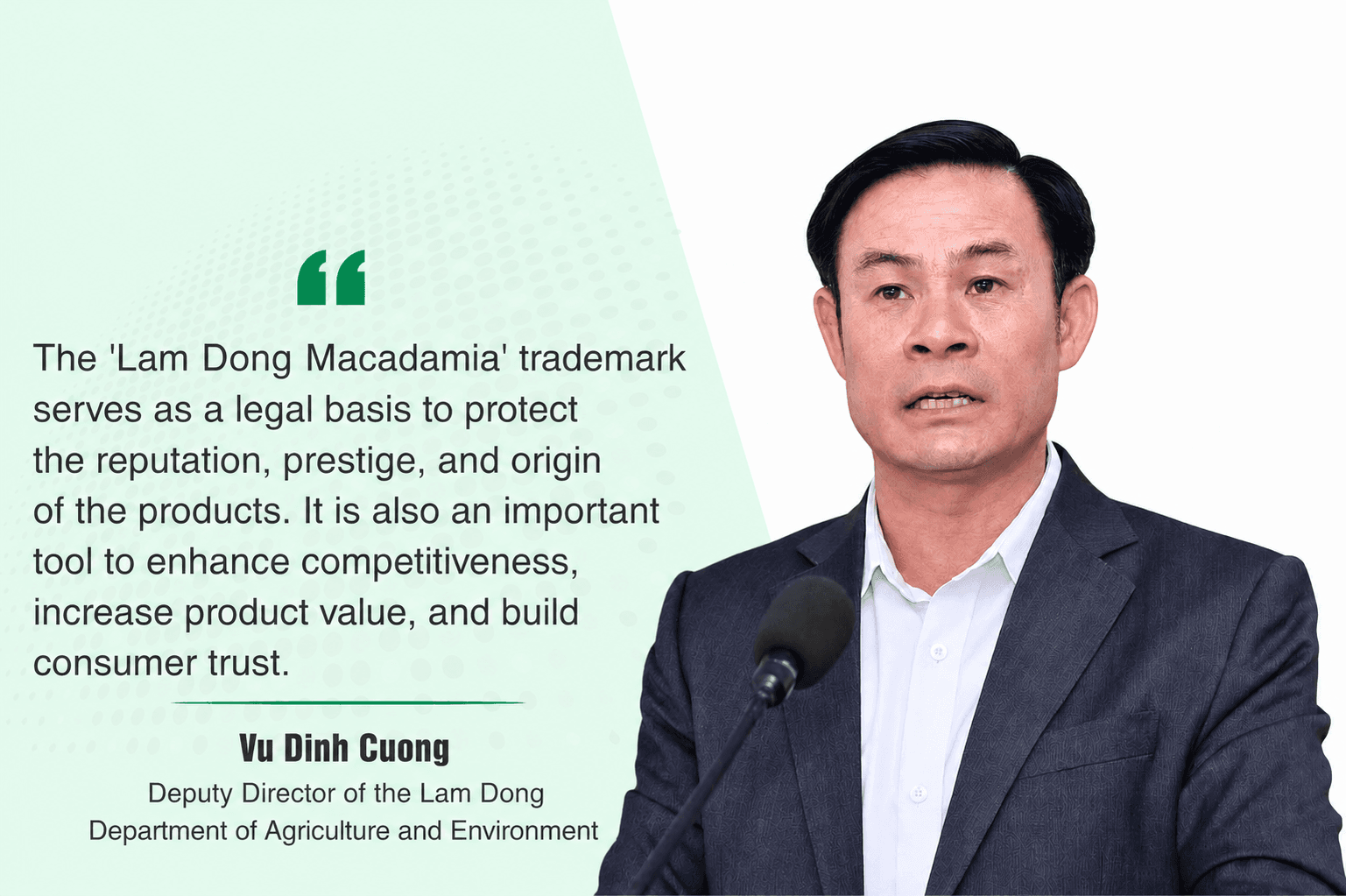
According to Vu Dinh Cuong, Deputy Director of the provincial Department of Agriculture and Environment, the awarding of the "Lam Dong Macadamia" certification mark by the Intellectual Property Office under the Ministry of Science and Technology in April 2026 is very important for the macadamia industry in the province.
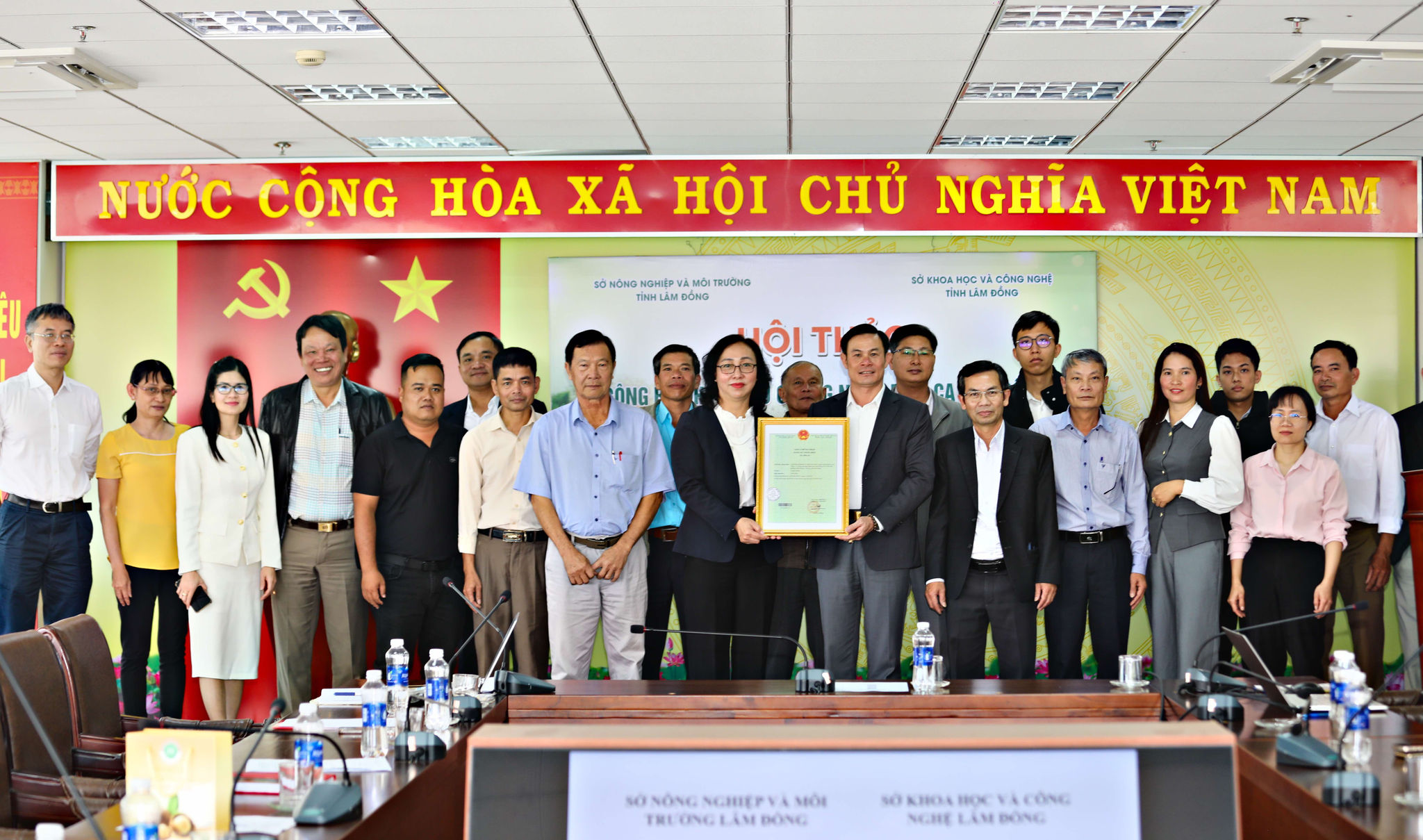
Based on this important foundation, Cuong said that, in the near future, the province’s top 15 macadamia production facilities will pilot production and consumption linkage models under the “Lam Dong Macadamia” certification mark.
In the past, the department issued guidelines on the management and use of trademarks, labeling and packaging standards, product quality assurance, and trademark management strategies as a basis for businesses and production facilities to follow.
Nguyen Chi Linh, Deputy Head of the Department of Quality Management, Processing, and Market Development of the provincial Department of Agriculture and Environment, pointed out that in a market that is becoming more competitive, it is challenging to improve product value and market competitiveness without developing a robust brand and an organized supply chain.
Therefore, products that carry the certification mark must satisfy standards related to quality, production methods, source of raw materials, and traceability.
This enables consumers to easily recognize genuine Lam Dong macadamia products while reducing the presence of low-quality and untraceable items in the marketplace.

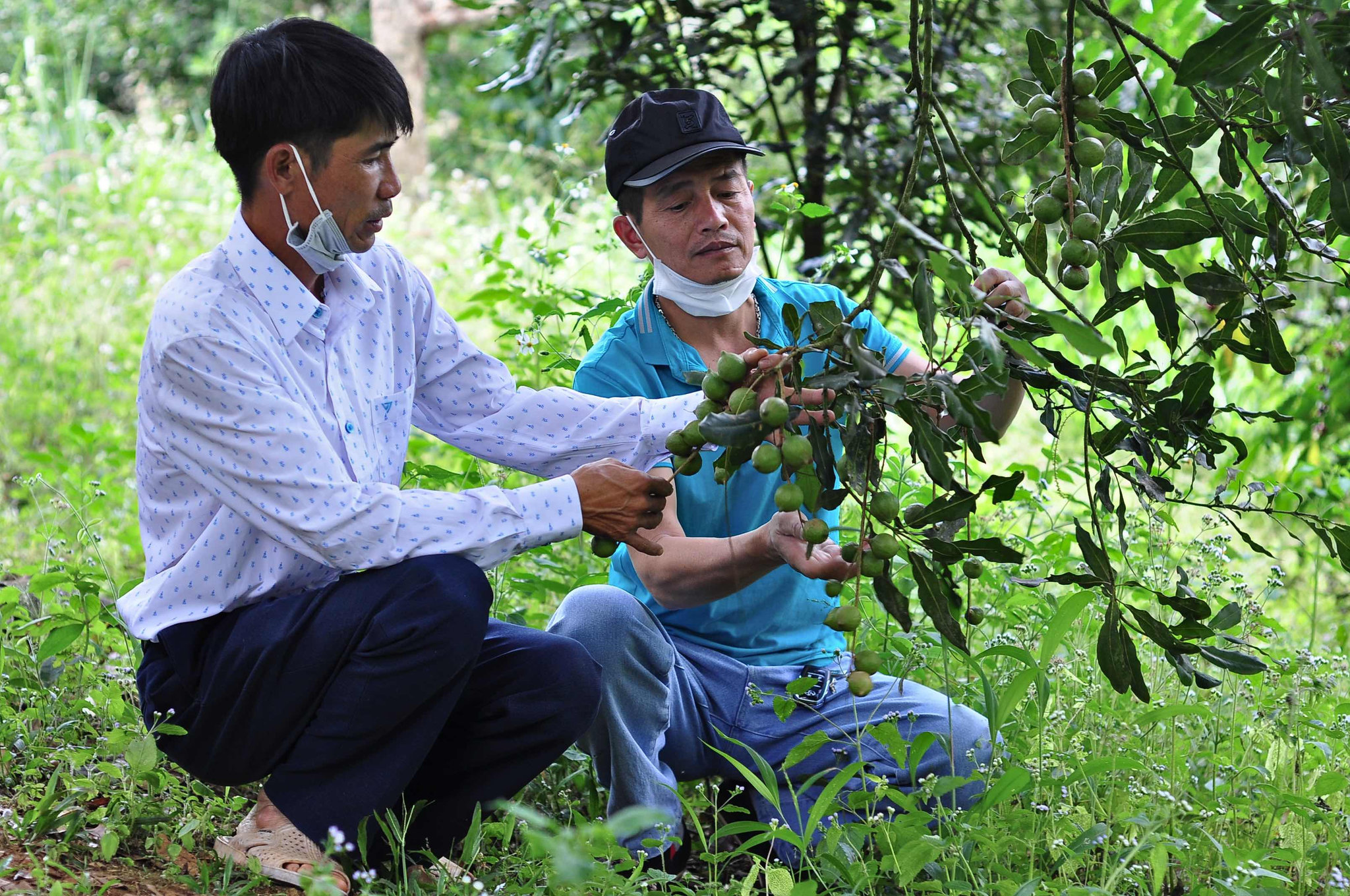
However, the macadamia industry still faces many challenges. Concentrated cultivation areas remain limited, while approximately 80% of macadamia trees are intercropped with other crops and farmed mainly on a small, scattered scale, making it difficult to apply uniform technical standards.
Moreover, numerous expanding regions still lack long-term purchasing agreements, making supply chains susceptible to disruptions when market conditions change.
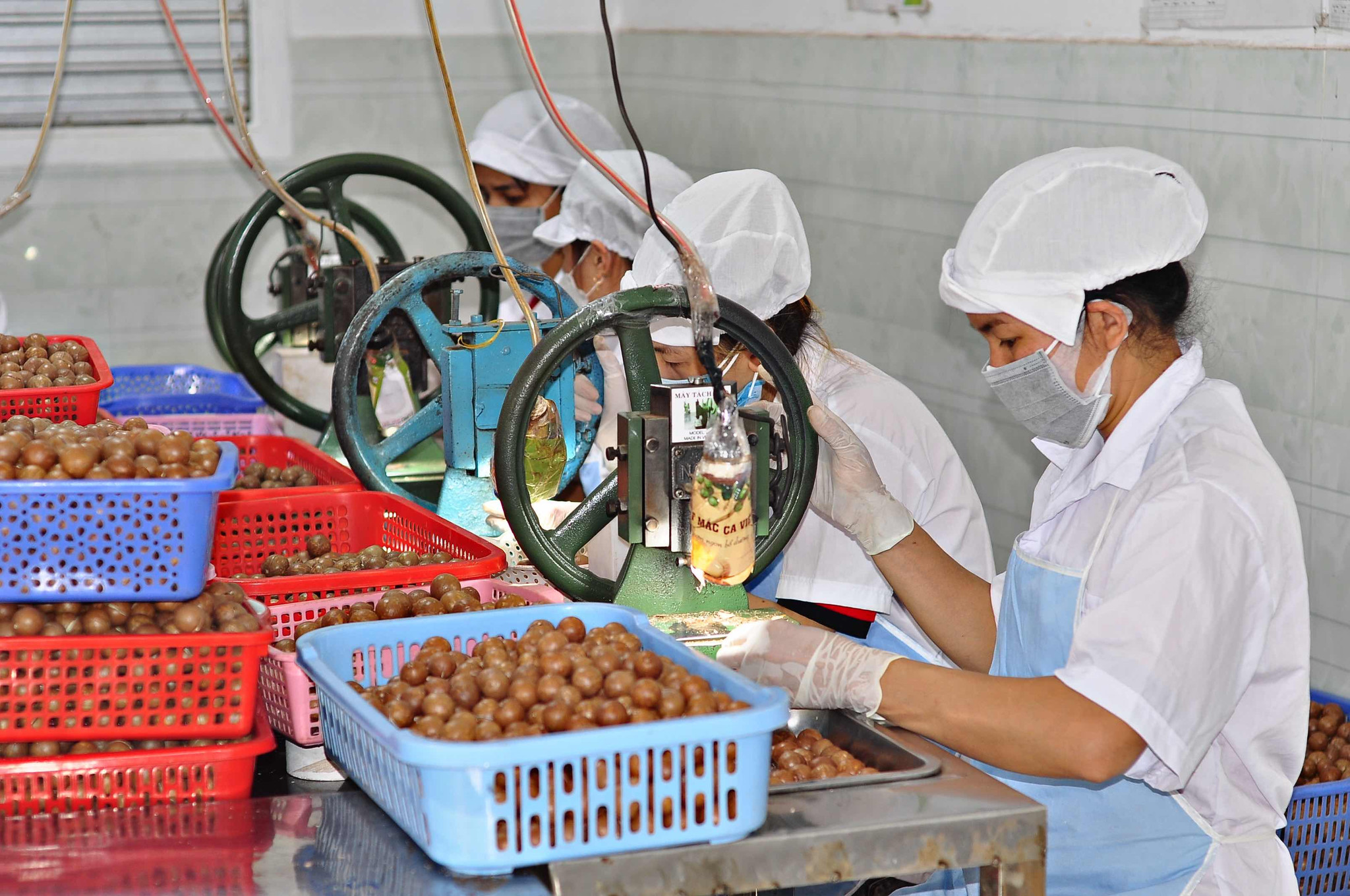
Processing capabilities are also constrained, as most macadamia processing plants in Lam Dong are small and primarily produce dried, cracked nuts with low added value.
These constraints indicate that while the macadamia value chain in Lam Dong has begun to form, it is not yet fully matured and requires reorganization towards more integrated, professional, and sustainable connections.
From a business standpoint, Vo Duan, Deputy Secretary General of the Vietnam Macadamia Association, stated that the current challenges in advanced processing arise not from technology or market factors, but mainly from raw material supply.
According to Vo Duan, although Lam Dong has the country’s largest macadamia-growing area, production remains fragmented and inconsistent, making it difficult for businesses to secure stable raw material supplies for large-scale purchasing and processing.
In addition, Nguyen Thi Huy, owner of a macadamia processing facility in Tan Ha Lam Ha Commune, noted that the main challenge currently is not productivity or quality, but the potential decline in cultivation areas due to a lack of economic appeal. According to her, stable prices for durian and coffee in recent years have made many farmers less interested in growing macadamia than before.


The establishment of the “Lam Dong Macadamia” brand in the production, processing, and distribution sectors is expected to significantly attract investment to the macadamia industry.
With a recognized brand and clearly defined raw material areas, businesses will be more inclined to invest in processing plants, storage facilities, and cooperative production efforts with farmers. This is viewed as a crucial element for sustainable development rather than unplanned growth.
Vu Dinh Cuong, Deputy Director of the Department of Agriculture and Environment, highlighted that for the trademark certification to be effective in the long term, it is crucial to meticulously manage product quality, create stable zones for raw materials, and enhance collaboration among farmers, cooperatives, and businesses.
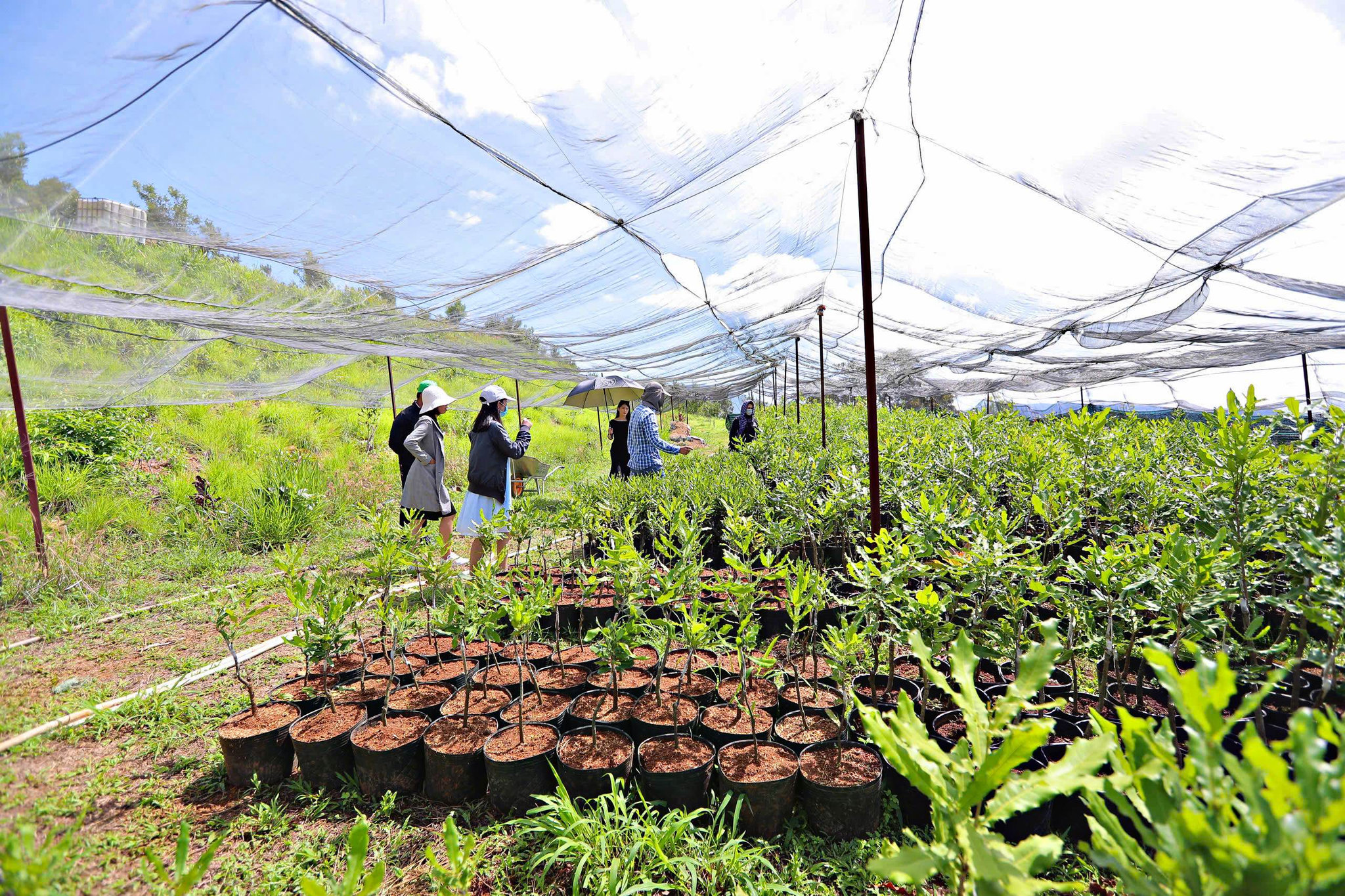
As Cuong stated, if managed correctly, “Lam Dong Macadamia” has the potential to evolve into not just an agricultural trademark but also a valuable local product that can boost the income of rural communities.
Duong Xuan Qua, director of a company specializing in post-harvest technology, pointed out that the global market for macadamia nuts continues to grow, particularly in the premium sector that has exacting standards regarding quality and traceability. Establishing a certification mark will help curb low-quality products and protect the reputation of local products.
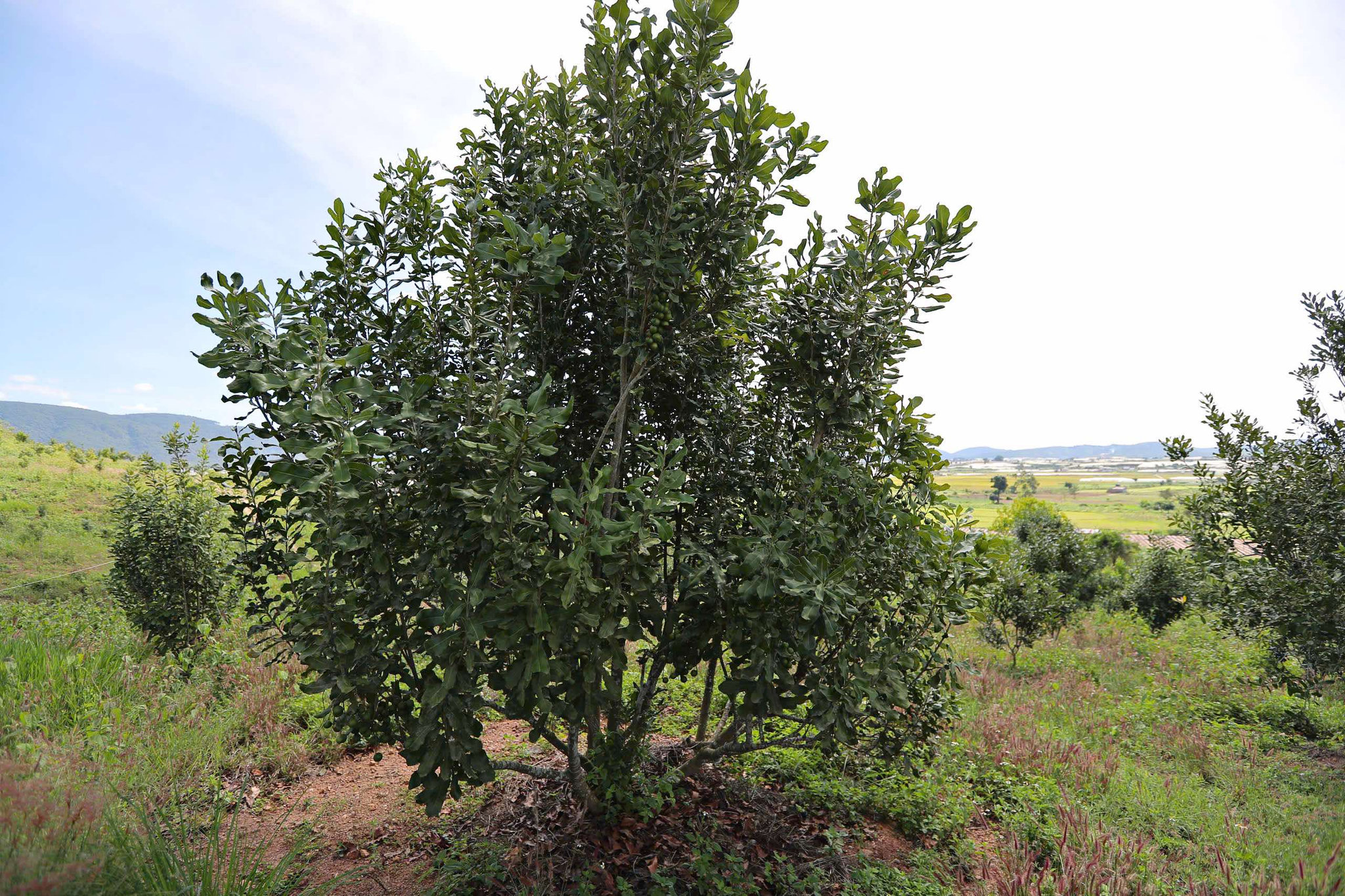
Officials from the Lam Dong Department of Agriculture and Environment said that the province will continue to support the development of standardized raw material areas, enhance quality management processes, promote the brand, and create favorable conditions for the macadamia sector to grow in accordance with its potential.
The introduction of the “Lam Dong Macadamia” certification trademark not only safeguards intellectual property rights but also paves the way for new opportunities to integrate highland macadamia products into broader and more sustainable value chains.