

Agriculture and Environment Sector Builds a New Growth Model
Lam Dong’s agriculture and environment sector has recently approved a growth scenario for the 2026–2030 period, focusing on transitioning to a new growth model. The main driving forces will be science and technology development, innovation and digital transformation.
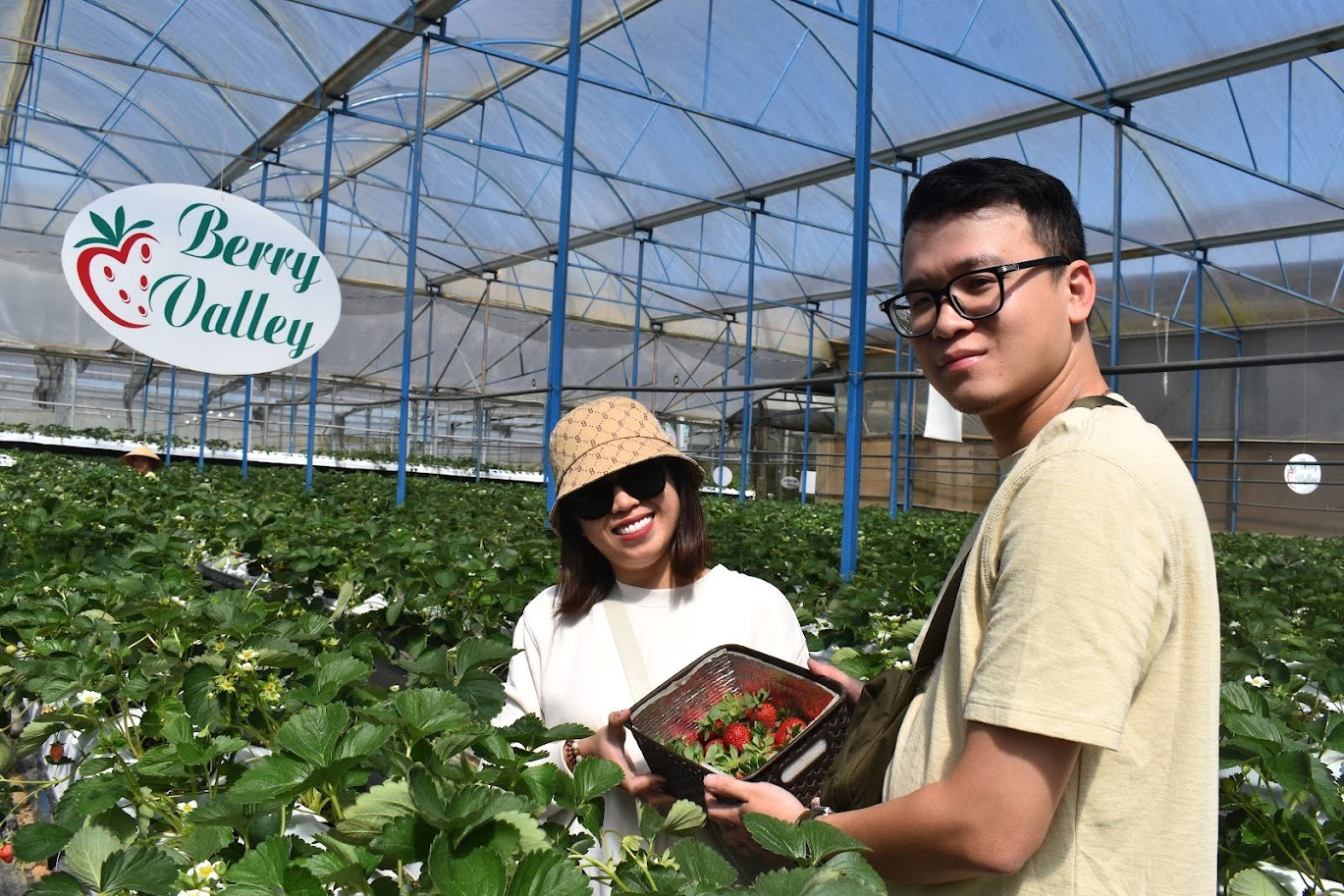
This approach will optimize the benefits of land, waterways, forests, and irrigation systems, creating extensive and sustainable raw materials zones that are resilient to climate change and have low emissions.
The objective is to improve value addition and competitiveness while fostering the growth of agricultural processing industries and enhancing market development. By 2030, agriculture is expected to account for 28.5–29% of Lam Dong’s economic structure.
Science and technology will be widely applied to improve productivity, quality, efficiency and competitiveness for key agricultural products, including vegetables, flowers, coffee, durian, dragon fruit, avocado, sericulture products and pepper.
The entire supply chain will undergo modernization. The province aims to cultivate 150,000 hectares of high-tech agriculture and 8,000 hectares of organic farming by 2030, targeting an average agricultural production value of 250 million VND per hectare annually.
The province also aspires to become a center for high-tech and organic agriculture, both nationally and in the Southeast Asia region.
.png)
Furthermore, the province plans to cultivate high-value aquaculture as a vital sector, concentrating on large-scale industrial farming utilizing modern technologies. This strategy involves addressing market demand and increasing production of essential aquatic species, with an emphasis on marine farming and cold-water species.
Simultaneously, the province will work to highlight its strengths and uphold its reputation for high-quality shrimp seed production, with a goal of producing 30 billion post-larvae by 2030 and achieving a total aquaculture output of approximately 34,000 tons.
.png)
Through the comprehensive implementation of its new growth model, the agriculture and environment sector has set the following targets for 2030:
- Annual agriculture, forestry, and fisheries GRDP growth of 5–5.5%;
- Basic elimination of multidimensional poverty;
- 65% of rural residents supplied with clean water;
- 99% of rural residents having access to hygienic water;
- 100% of waste generated in industrial zones collected and treated;
- 95% of urban solid waste properly collected and treated;
- 90% of rural solid waste properly collected and treated;
- Forest coverage maintained above 46.2%.
The strategy is expected to lay the foundation for a greener, more innovative, and more competitive agricultural economy while supporting Lam Dong’s long-term sustainable development goals.