

Lam Dong Provincial Master Plan: An “Action Roadmap” for a Long-Term Vision
The adjustment of Lam Dong Province’s Master Plan for the 2021–2030 period, with a vision to 2050, is more than an administrative milestone. It serves as a strategic foundation for long-term development, reflecting a bold development mindset and opening new prospects for the province’s breakthrough growth in the years ahead.
Unlocking Development Resources
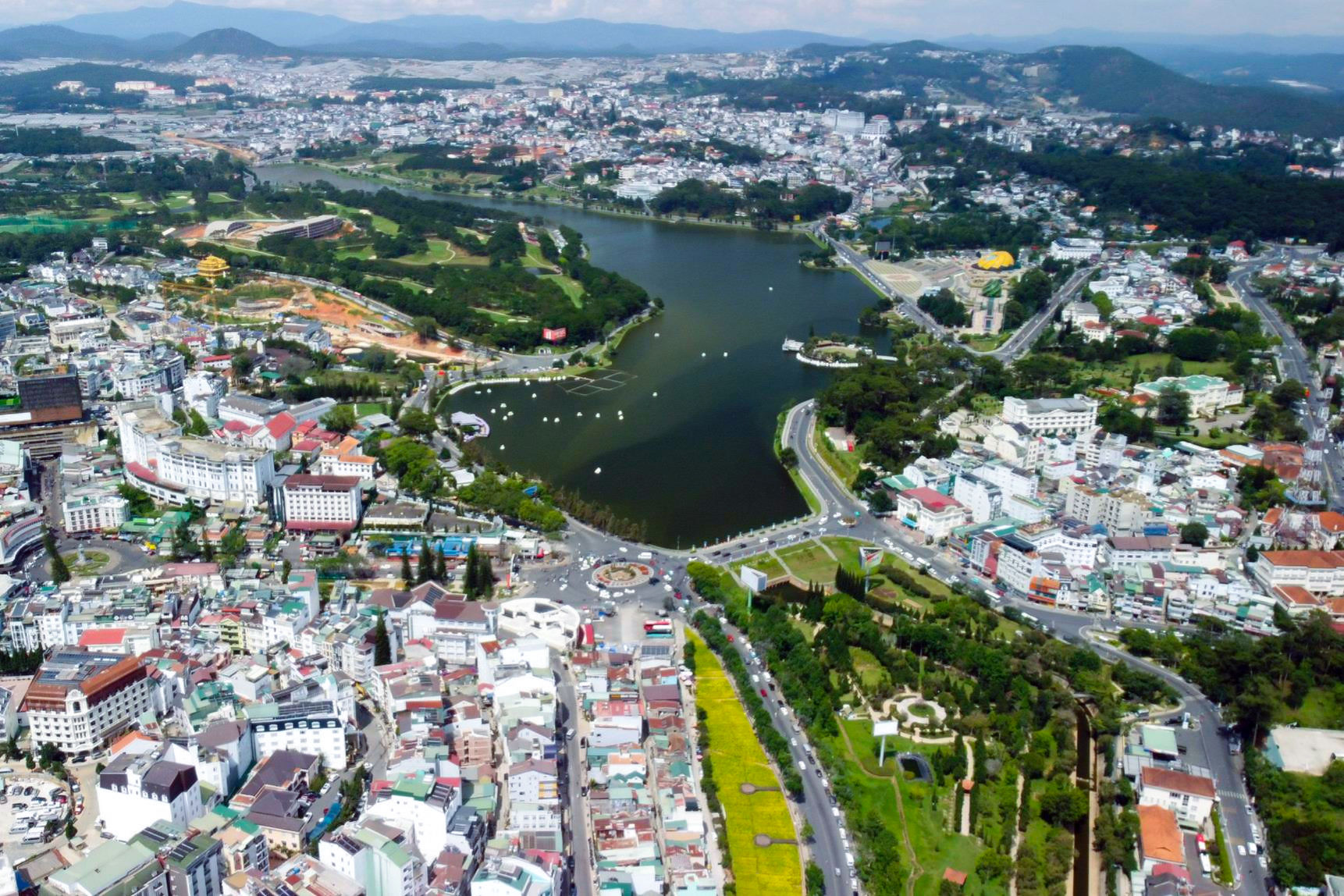
Following the administrative restructuring, Lam Dong now covers more than 24,233 square kilometers, becoming the largest province in Vietnam by area. Its development space stretches from the Central Highlands and midlands to the coastline, creating a diverse natural ecosystem and abundant resource base.
For the first time in its history, Lam Dong possesses all the conditions necessary to establish a large-scale regional connectivity framework. The province boasts significant advantages in land resources, minerals, energy, high-tech agriculture, eco-tourism, resort tourism and premium services.
Its diverse ecosystem and open economic space provide a solid foundation for building a modern and sustainable economic structure.
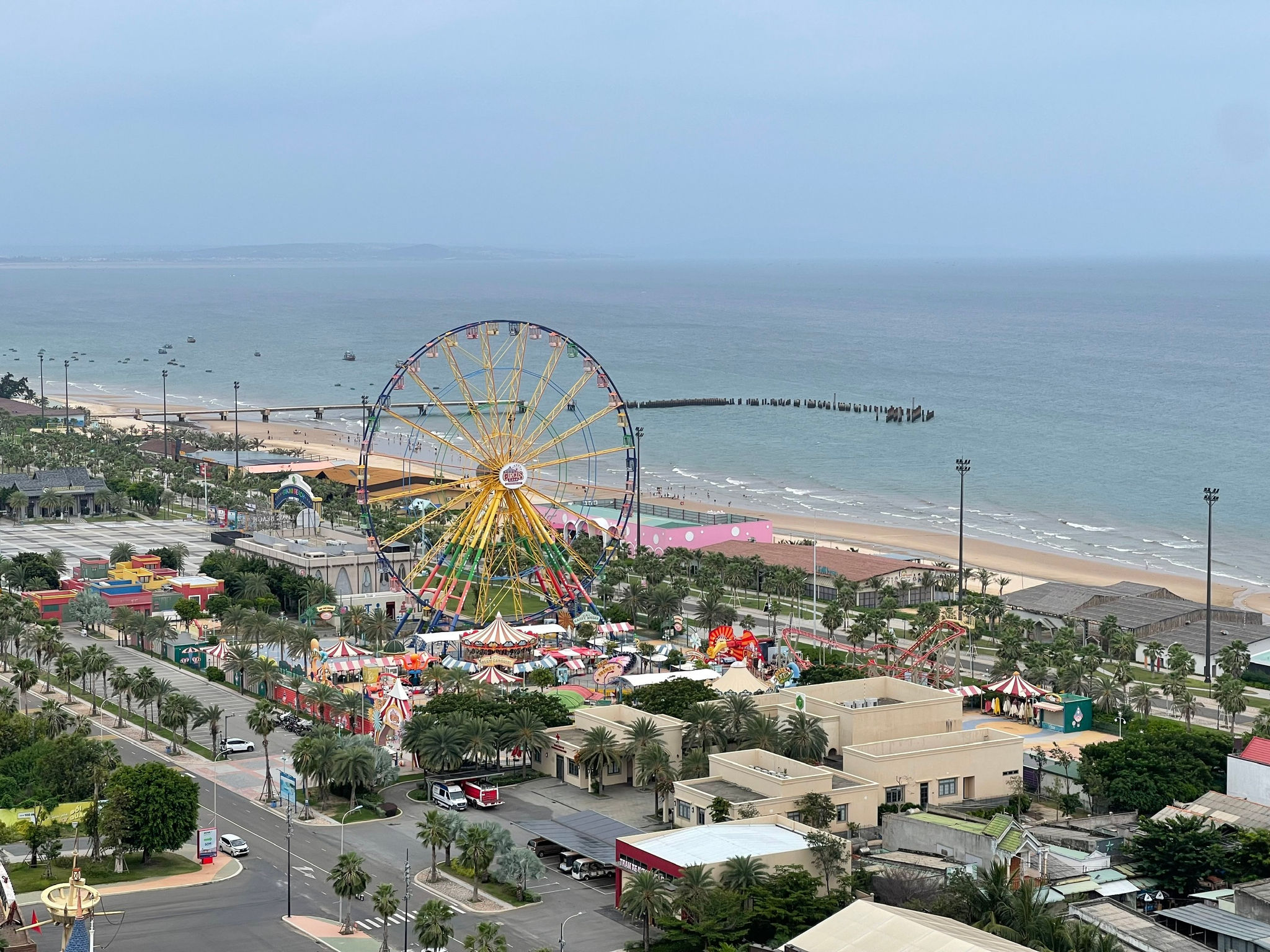
The green and circular economies, high-quality tourism, creative tourism, logistics and marine economy are expected to become new growth engines, strengthening linkages among the Central Highlands, the South Central Coast and the Southern Key Economic Region.
The emergence of a new development space and new growth orientations has underscored the need to revise Lam Dong Province’s Master Plan for the 2021–2030 period, with a vision toward 2050.
The revised plan not only translates major national orientations into local action but also ensures consistency with regional, national and sectoral planning frameworks, helping Lam Dong clearly define its role within the country’s overall development strategy.
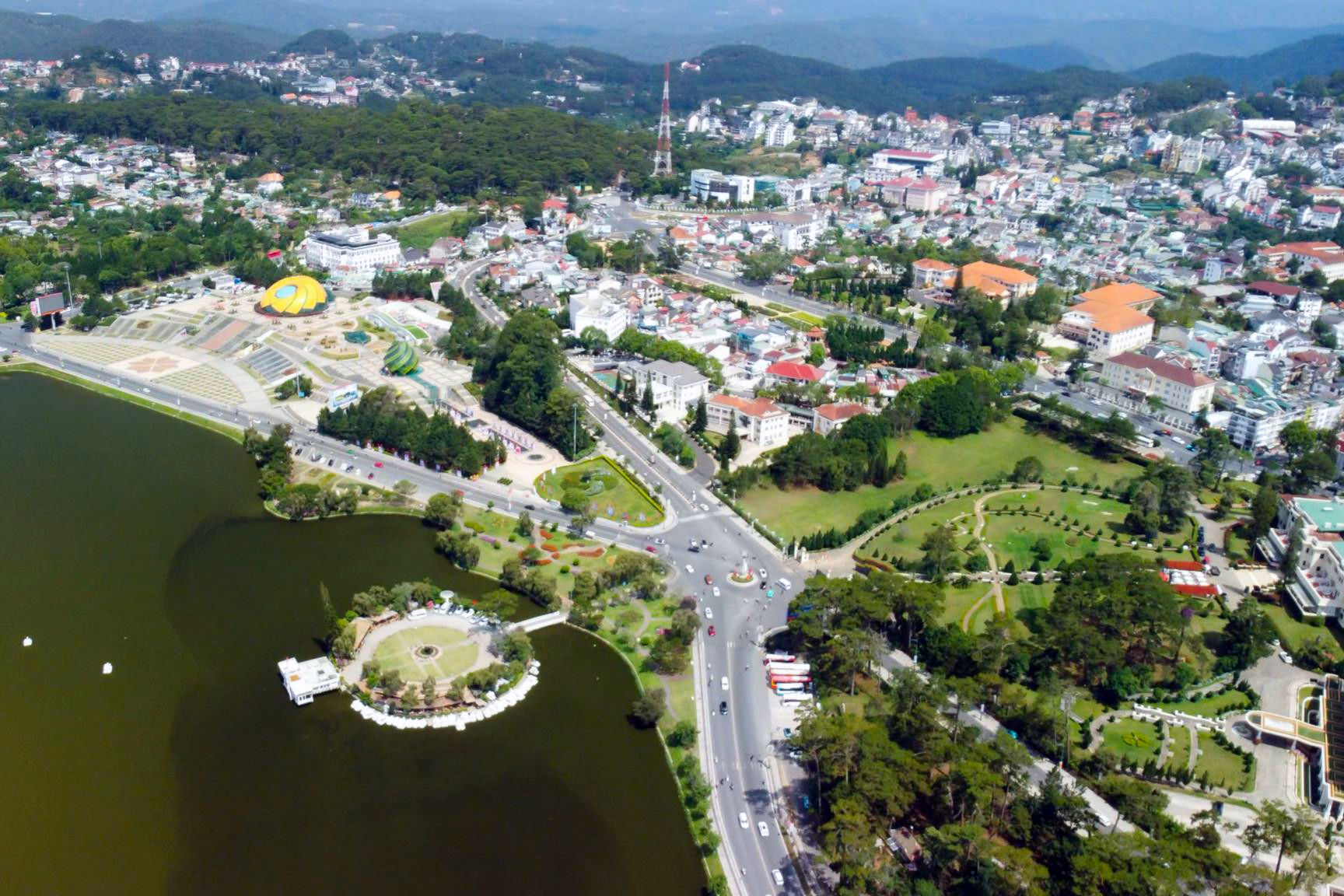
Under the revised orientation, Lam Dong is envisioned as a dynamic and sustainable growth center for both the Central Highlands and the South Central Coast. The province will focus on developing economic corridors, regional value chains, interregional logistics networks and a modern marine economy.
Member of the Party Central Committee, Deputy Secretary of the Provincial Party Committee and Chairman of the Provincial People’s Committee Ho Van Muoi emphasized that a high-quality master plan would enable Lam Dong to maximize its potential and advantages while gradually realizing its growth ambitions and enhancing its future position.
The revision of the provincial master plan is intended to reshape the new development space in an integrated, unified and comprehensive manner. This approach will ensure sustainable and balanced development across sectors and fields in the new phase.
Ho Van Muoi, Member of the Party Central Committee, Deputy Secretary of the Provincial Party Committee and Chairman of the Lam Dong Provincial People’s Committee.
Future development will follow a “highland–midland–coastal” structure, comprising six interregional economic corridors, seven socio-economic development zones and nineteen development sub-regions within a unified framework.
Urban development will be based on a multi-center, green and smart model, integrated with transit-oriented development (TOD) along economic corridors and regional transportation hubs. By 2030, Lam Dong is expected to have 38 urban centers.
Establishing a Promising New Growth Pole
According to the revised plan, Lam Dong targets annual GRDP growth of approximately 10.5–10.6% by 2030, with GRDP per capita reaching VND 200–205 million per year.
Integrated development and stronger regional connectivity are identified as key strategic breakthroughs. Priority will be given to synchronized investment in transport infrastructure, logistics systems, seaports, energy projects and digital infrastructure.
At the same time, science, technology, innovation and digital transformation will play a central role in restructuring the economy and enhancing productivity.
.jpeg)
Arnaud Ginolin, Managing Director of The Boston Consulting Group (BCG), one of the consulting partners involved in the planning adjustment, highlighted innovation as the critical factor for unlocking Lam Dong’s full potential.
According to Ginolin, technology and innovation will maximize the value of key economic sectors, including high-tech agriculture, mineral extraction and processing, manufacturing and logistics.
Lam Dong’s natural assets themselves have the potential to attract scientists and talented individuals to the province. Therefore, innovation can both enhance the development of natural resources and transform nature into a key factor in attracting talent and scientific expertise to the locality.
Arnaud Ginolin, Managing Director of The Boston Consulting Group (BCG) Vietnam Co., Ltd.
The revised master plan demonstrates a clear shift from a resource-based extraction model toward an integrated growth model driven by innovation and sustainability.
To achieve its growth targets, Lam Dong has identified three strategic development pillars:
- Renewable energy, manufacturing industries, the marine economy, seaports, airports and logistics services;
- Ecological agriculture and high-tech agriculture linked to deep processing industries;
- High-quality tourism.
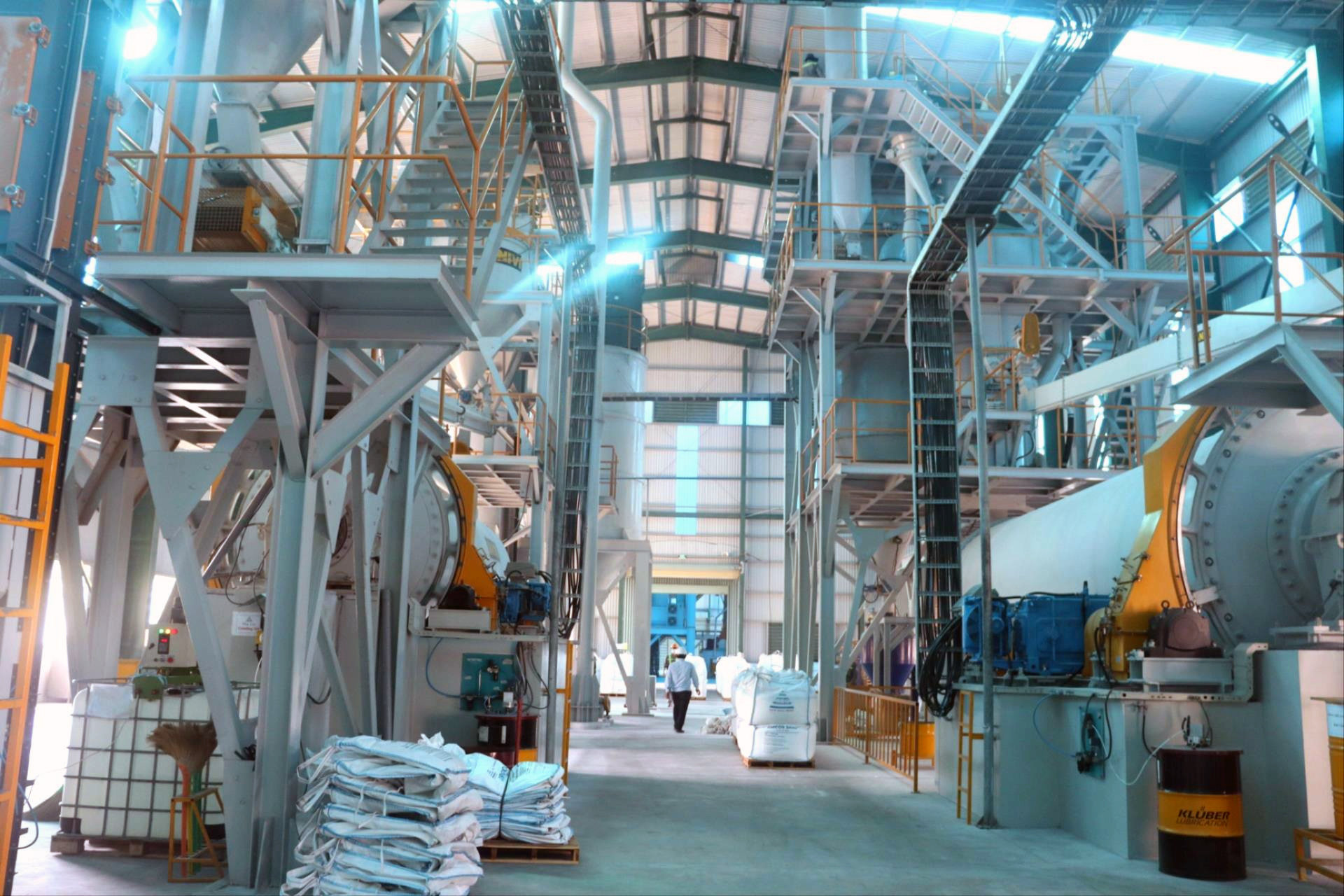
The province will prioritize the development of the bauxite–alumina–aluminum–downstream processing value chain, while also expanding titanium mineral processing activities. These industries are expected to become strategic sectors with high added value and stronger competitiveness within national and regional production networks.
Urban development and tourism expansion will be closely tied to the sustainable use of natural resources and the protection of forests, landscapes and distinctive ecological spaces.
Lam Dong also aims to significantly improve its investment environment, promote private-sector development and position investment attraction as a key growth driver. Digital government, digital economy, digital society and high-quality human resources will continue to receive priority attention.
The Key to Realizing a Green Growth Vision
One of the most significant aspects of the revised provincial master plan is its strong commitment to green growth, circular economy principles and ecosystem conservation.
Economic development will be closely linked to the protection of forests, water resources and the interconnected highland–coastal ecosystem, forming the foundation for sustainable long-term growth.
.jpeg)
Le Ngoc Tien, Director of the Department of Construction, noted that the planning process had been carried out in a comprehensive, scientific and flexible manner, ensuring a high-quality outcome.
“This is not only a demonstration of political determination, but also reflects the province’s long-term vision in building a solid legal foundation to attract investment and ensure the effective allocation and use of resources,” Mr. Tien emphasized.
Meanwhile, Ton Thien San, Director of the Department of Finance, emphasized that the revised plan reflects the province’s proactive adaptation to new circumstances following administrative restructuring.
Our guiding principle is to pursue rapid yet sustainable development, grounded in innovative thinking, institutional reform and a significant improvement in the investment and business environment. This is the key to expanding development space, enhancing competitiveness and attracting investment flows to Lam Dong.
Ton Thien San, Director of the Lam Dong Department of Finance.
With its integrated “highland–midland–coastal” development model, Lam Dong is steadily positioning itself as a new growth pole connecting the Central Highlands, the South Central Coast and Southeast Vietnam.
In that journey, the provincial master plan serves as both an action roadmap and a key instrument for unlocking broader, more modern and more sustainable development opportunities for the future.