

Lam Dong Leads Green Production Shift to Meet Stricter Export Standards
As global export markets tighten regulations and standards, green production has become an unavoidable requirement for the agricultural sector in Lam Dong Province.
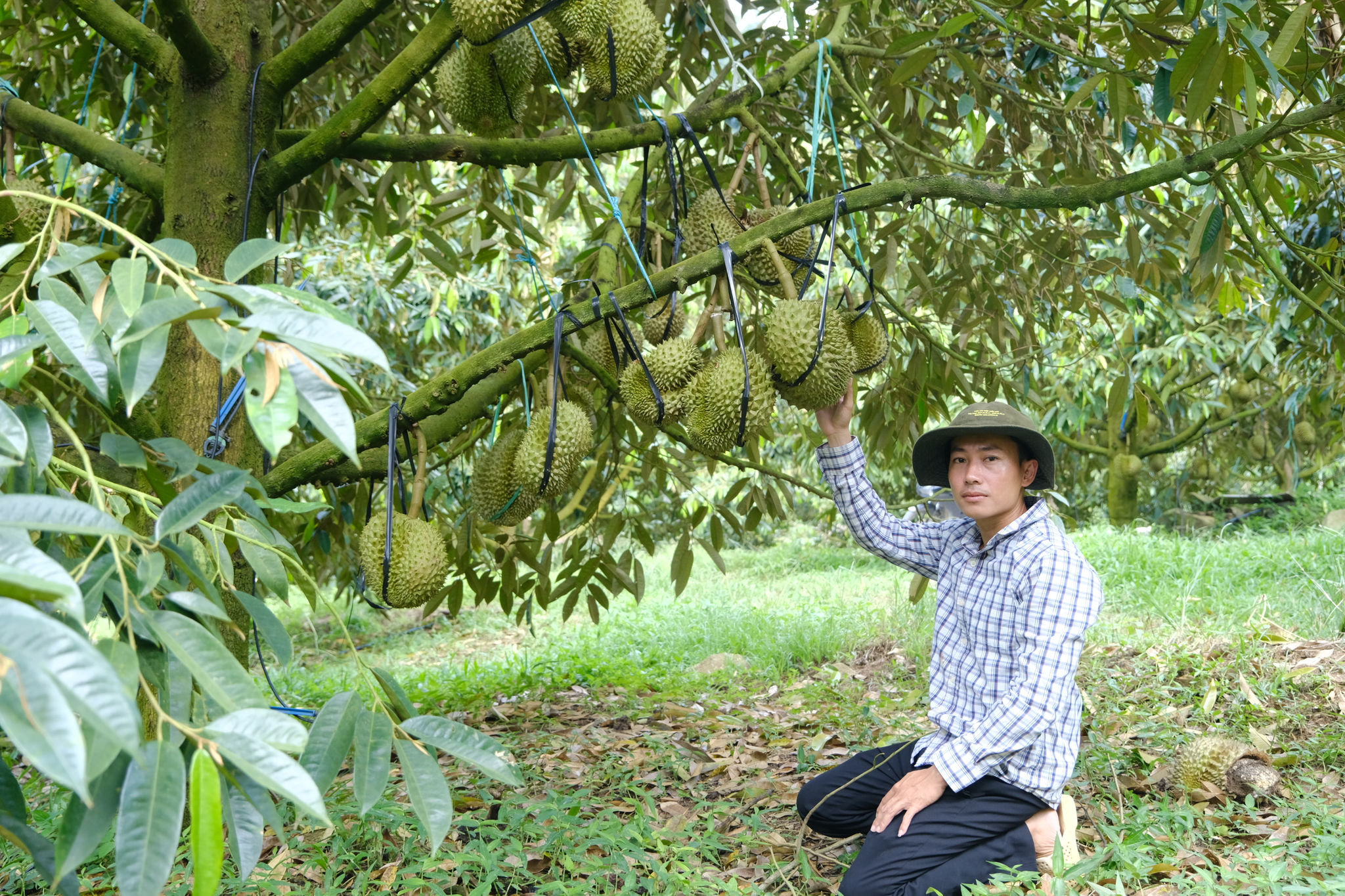
Standardizing Raw Material Areas for Export
Many durian-growing regions across the province are currently entering their 2026 harvest season. Amid surging demand for official exports to China, the strict management of farming area codes and packaging facilities has become a mandatory requirement. This ensures product traceability, food safety, and the long-term preservation of export channels for this high-value fruit.
Under Chinese regulations, all farming areas and packaging facilities participating in the export supply chain must be managed via dedicated identification codes. This framework requires growers to strictly comply with cultivation protocols, utilize regulated agricultural inputs, and maintain comprehensive production logs for traceability purposes.
Hoa Bac Commune, a key agricultural hub in the province, currently manages 7,085 hectares of arable land, including 4,219 hectares of durian and over 3,000 hectares of coffee. The commune's mature durian area under stable commercial exploitation stands at approximately 2,297 hectares, yielding an annual output of over 30,000 metric tons.
Tran Van Hieu, a local farmer in Hoa Bac Commune, emphasized that compliance with farming area code regulations is now the deciding factor for durian export viability."If growers fail to follow the designated protocols, our products could be rejected at the import border, directly damaging the reputation of the entire production zone," Hieu said.
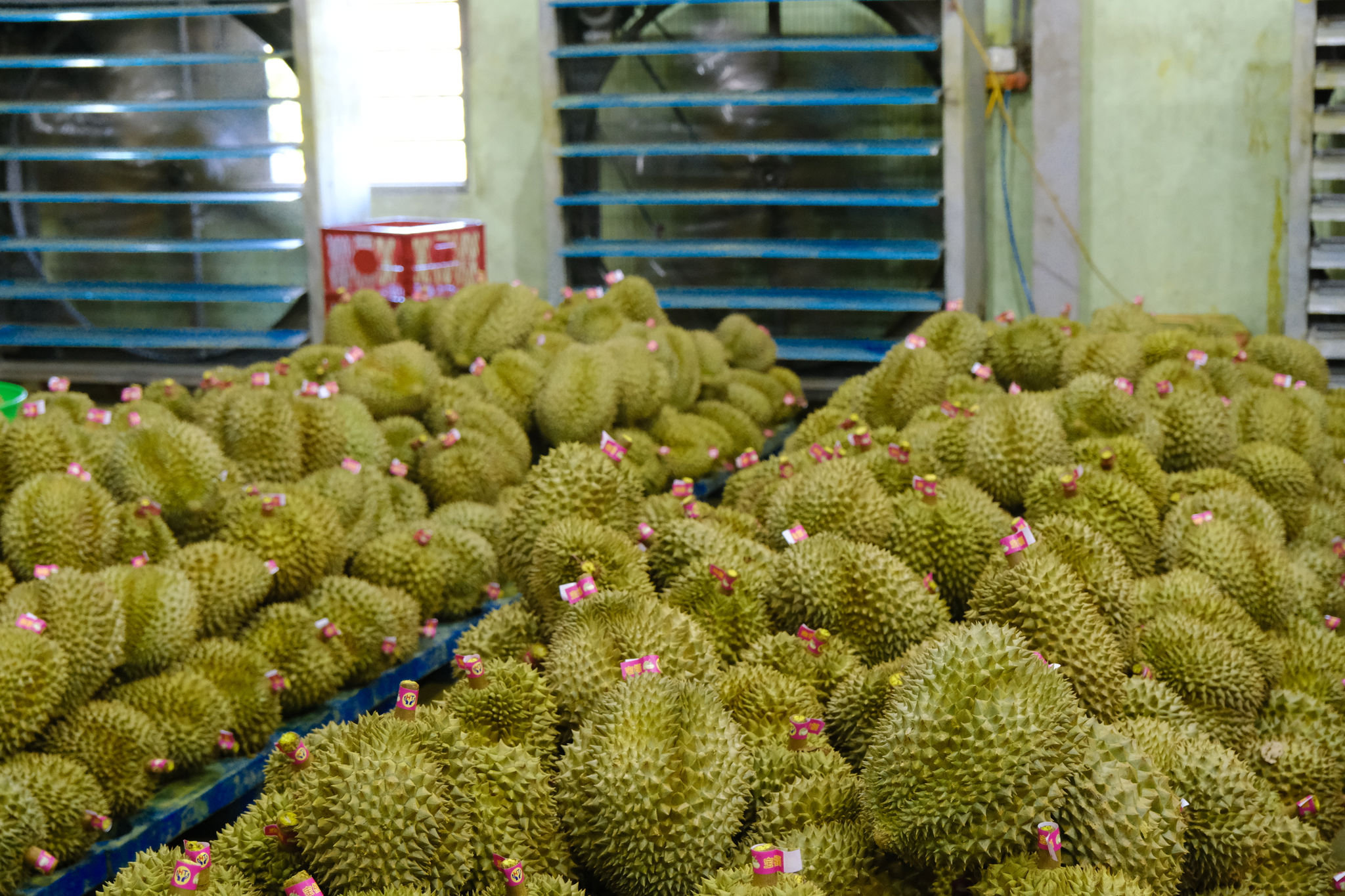
To establish raw material zones that meet international export standards, local authorities have collaborated with specialized agencies to step up advocacy campaigns, guiding farmers to transition from traditional practices toward safe and sustainable agriculture. To date, Hoa Bac Commune has been granted 22 export farming area codes for the Chinese market, covering more than 852 hectares. The program involves 418 participating households with a registered annual volume of nearly 28,717 metric tons.
These farming area codes are currently operated through structured partnerships linking farmers with enterprises, cooperatives, and collaborative groups responsible for product distribution. However, standardizing raw material zones faces persistent headwind due to small-scale, fragmented farming households. Additionally, some supply chain linkages lack long-term stability, and farming log maintenance alongside pesticide residue control remains inconsistent among a segment of growers.
Stricter market requirements are forcing producers to shift their mindset from "selling what they have" to "producing what the market demands," with green, clean, and transparent indicators becoming non-negotiable standards for agricultural exports.
Adapting to Global "Green Barriers"
Beyond the durian sector, Lam Dong’s coffee industry is also undergoing a major structural transition toward green, low-emission, and deforestation-free production models.
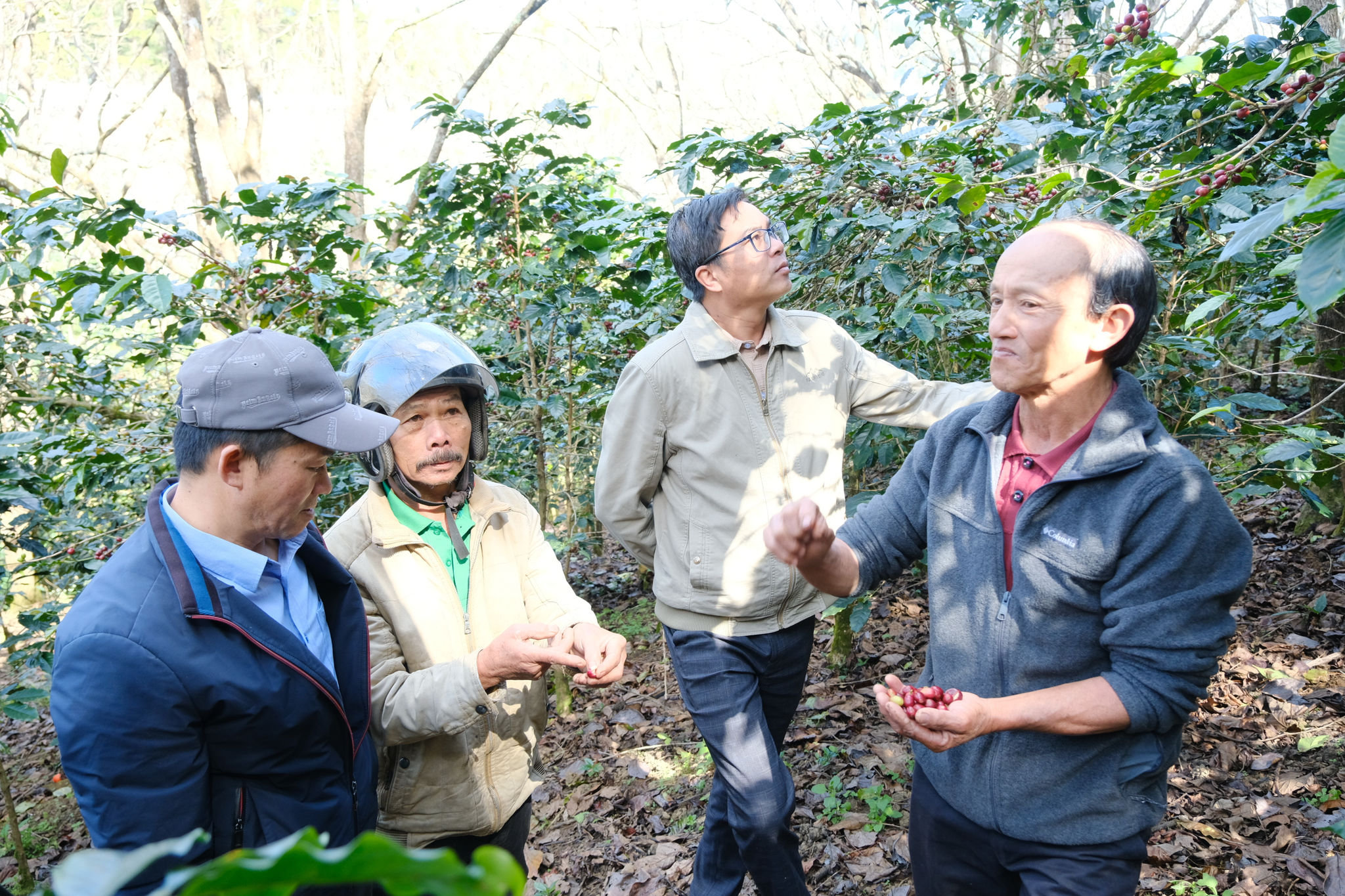
Farmers increasingly adopt and implement sustainable coffee production models to meet global market standards.
The European Union Deforestation Regulation (EUDR) mandates that coffee products entering the EU market must prove they are not linked to deforestation after 2020. This is viewed as one of the most significant "green barriers," heavily impacting the coffee sectors of both Vietnam as a whole and Lam Dong Province specifically.
In response, numerous enterprises, cooperatives, and smallholders across the province have proactively adopted sustainable farming standards, enhanced raw material zone management, increased production transparency, and implemented product traceability systems.
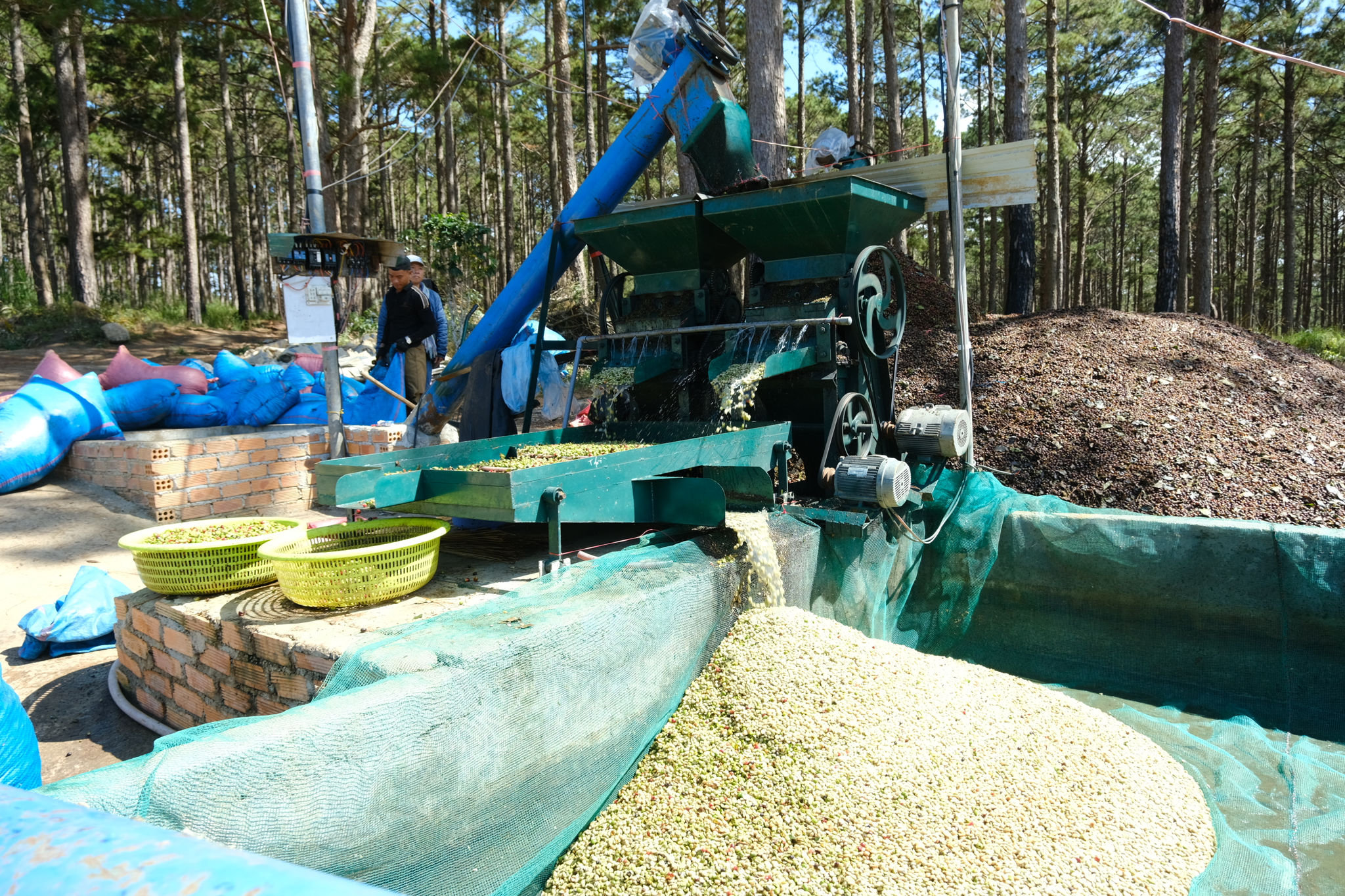
In Di Linh, these initiatives are being deployed with support from the Sustainable Trade Initiative (IDH), establishing a foundational database to meet EUDR traceability compliance. To date, the region has completed initial database mapping for approximately 36,000 hectares of coffee, providing a critical baseline for the local coffee sector to adapt to the new European market mandates.
Global green consumption trends are exerting mounting pressure on the agricultural industry. Since 2025, the European Union has intensified inspections on various imported agricultural goods while lowering maximum pesticide residue limits to near-zero thresholds. This requires agricultural production hubs to radically overhaul their methodologies toward safe, eco-friendly, and low-emission practices.
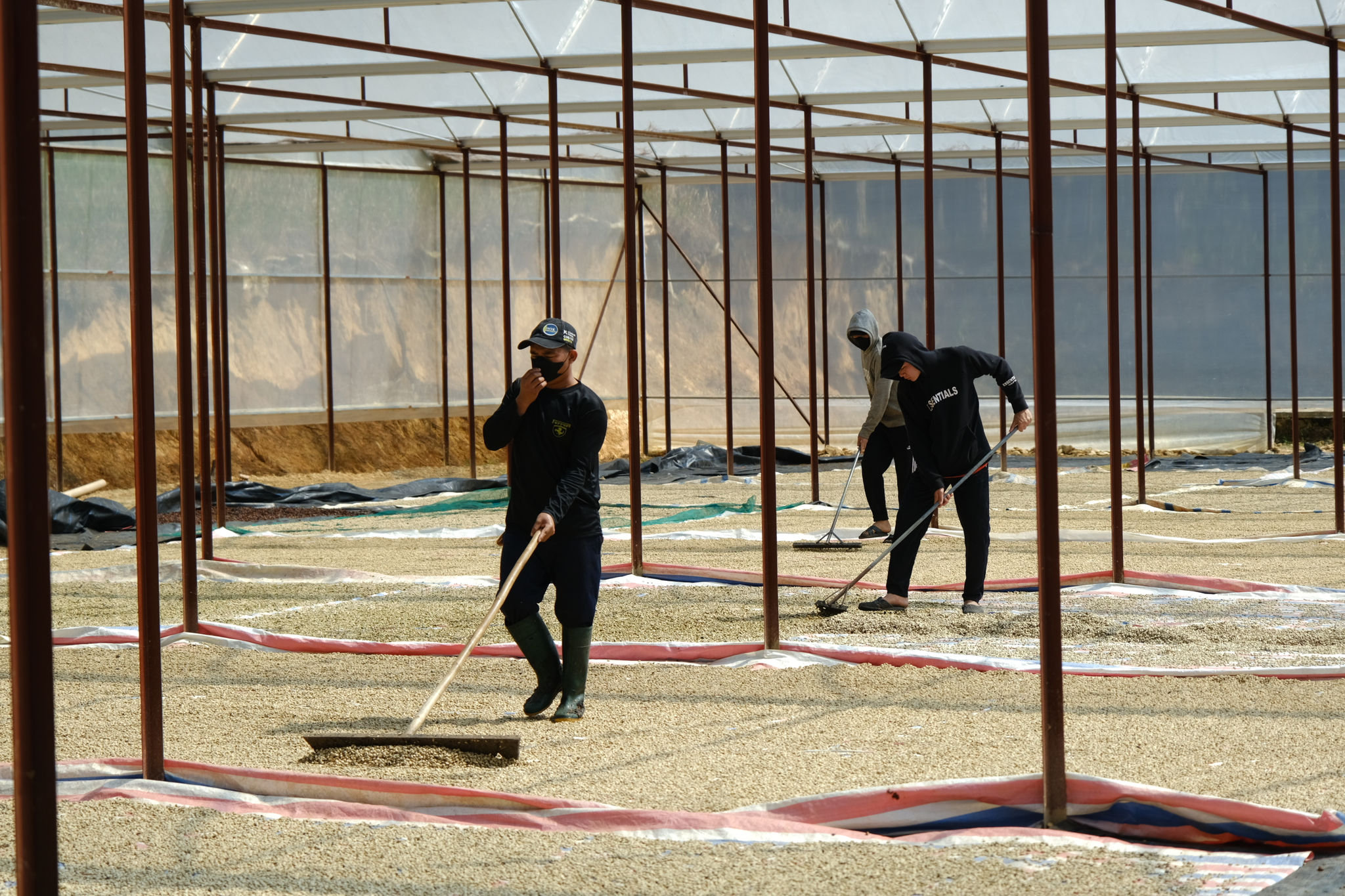
Vu Dinh Cuong, Deputy Director of the Lam Dong Provincial Department of Agriculture and Environment, noted that import market standards are growing increasingly stringent, demanding full transparency across the entire production process, not merely product quality alone.
"This serves as both a challenge and a driving force for the agricultural sector to transition toward a more modern, green, and sustainable model," Cuong stated.
According to provincial agricultural authorities, future targets will expand beyond simple volume growth to focus on quality improvement, emissions reduction, and the architecture of green value chains. Adhering to clean production standards, ensuring traceability, and fostering sustainable development remain the definitive path for Lam Dong's agricultural products to sharpen their competitive edge, boost economic value, and secure positions in high-end global export markets.
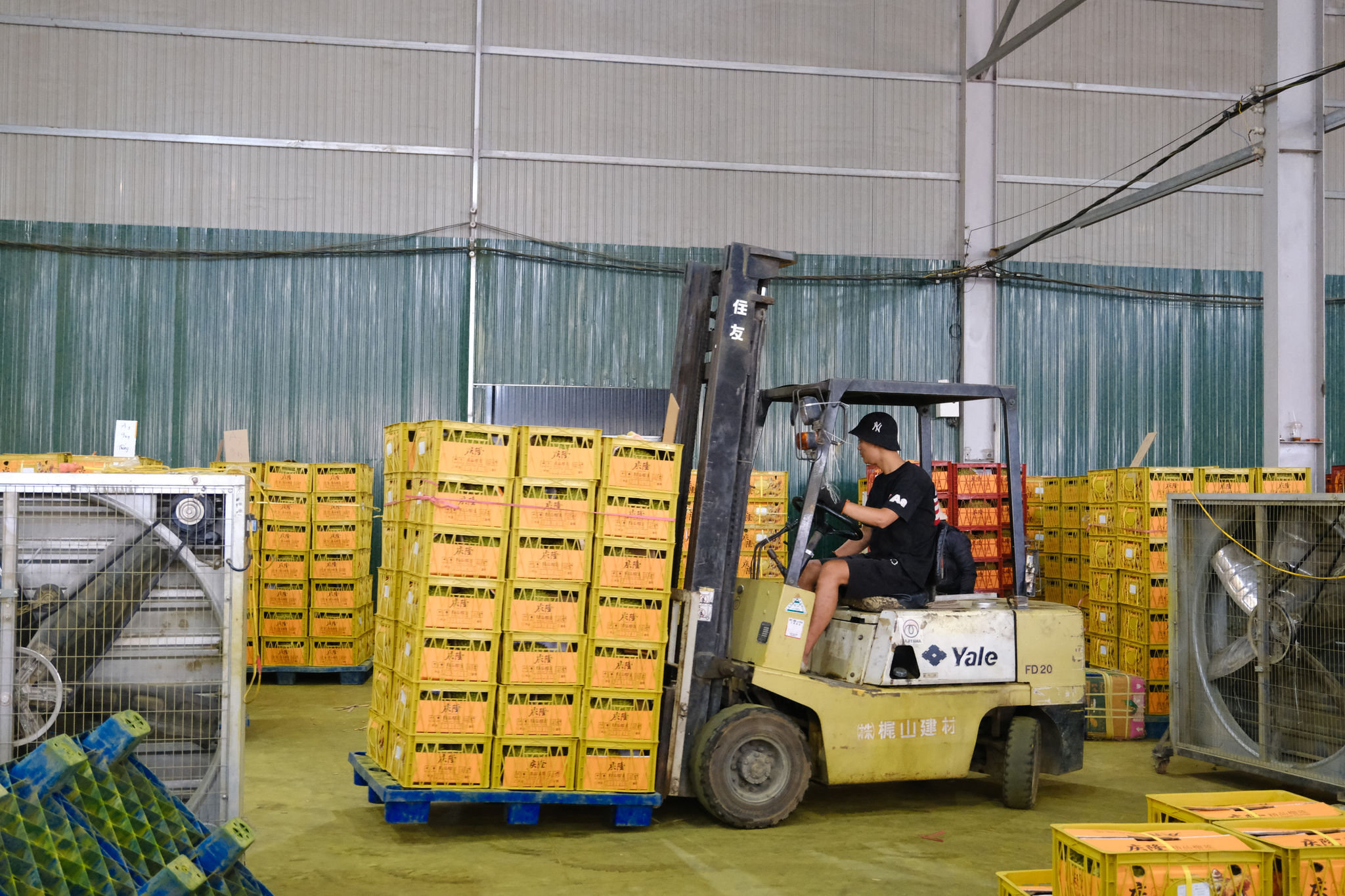
Amid the proliferation of global "green barriers," eco-friendly production is no longer just a trend—it has become a mandatory prerequisite for agricultural exports.
Leveraging its advantages in high-tech agriculture alongside proactive engagement from farmers, enterprises, and regulatory bodies, Lam Dong is progressively developing green, transparent, and sustainable raw material zones. This transformation acts as a vital "passport" for local agricultural products to expand their reach across the international market in the new era.