

Passing down the K’ho Sounds in the Heart of the Great Forests
Ethnic K’Ho communities in southeastern Lam Dong preserve traditional music through oral transmission, with elders leading performances and younger generations learning by listening, observing, and imitating. Gongs, cymbals, the mbuot horn and the sagor drum are passed down from one generation to the next, helping keep K’Ho cultural identity alive.
Learning through listening, preserving through the heart
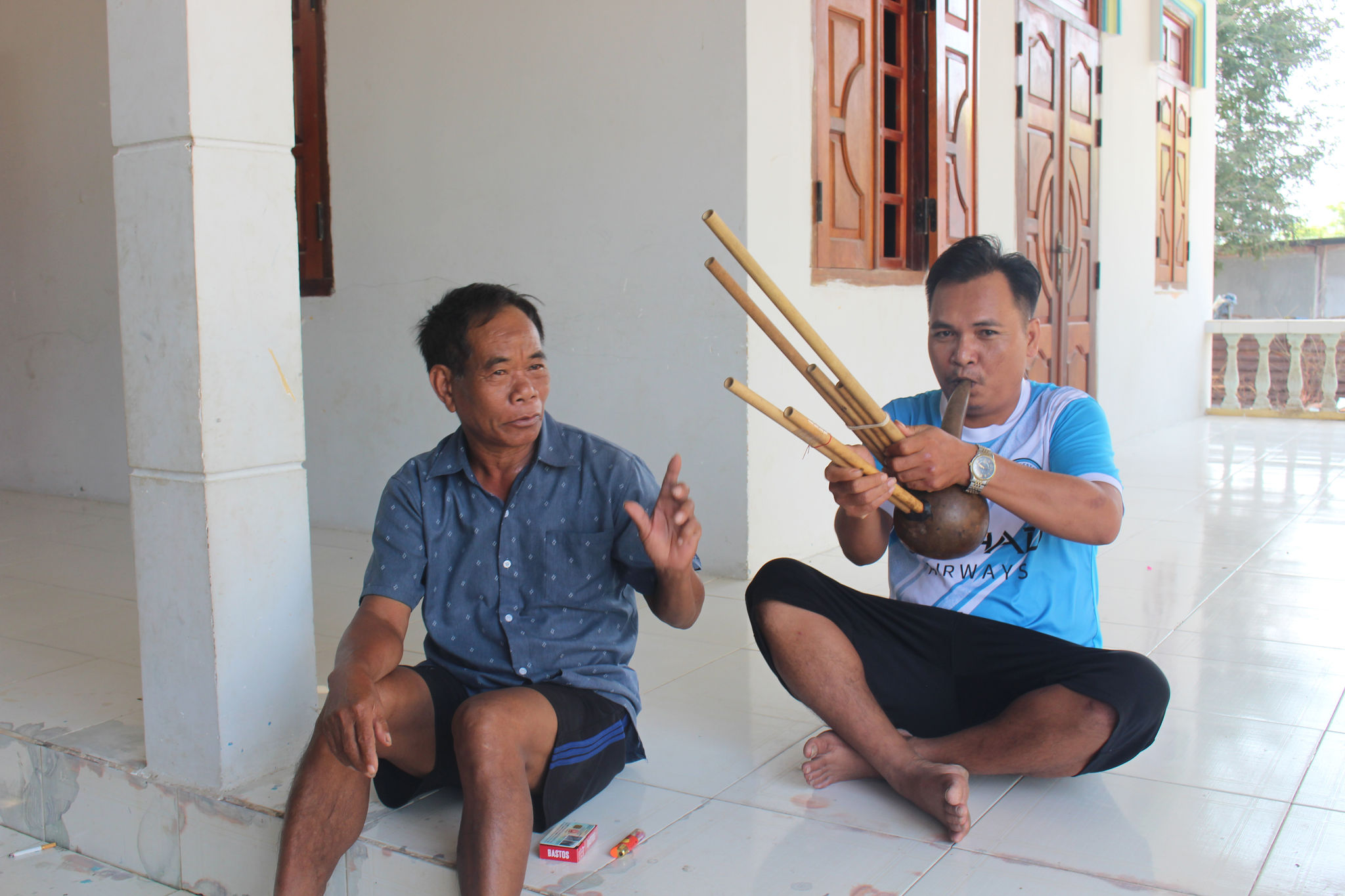
In the late afternoon, following a long day of working in the fields, the gourd horn's sound resonates once more from the porch of artisan K’Van Phiep’s residence in Hamlet 1, Dong Giang Commune. The tone is rich and harmonious, permeating the tranquil village atmosphere and stirring memories of celebratory times and the ancient traditions of the K’ho people.
Next to him is K’Van Mot, who watches in silence. Every time his father-in-law strikes the bronze cymbals or plays the gong, he attentively observes and attempts to replicate the sounds.
For almost two years, this young man has consistently learned traditional musical instruments from his father-in-law and other craftsmen in the village.
Mot mentioned that he has had a passion for traditional instruments since he was a child. However, it was only recently—after marrying into artisan K’Van Phiep’s family and gaining the chance to learn closely from local experts—that he began formal instruction.
“I’ve had an interest in it for a long time, but previously, I only knew how to listen. Lately, my father-in-law and other artisans have been teaching me. I’ve come to realize it is far more challenging than I expected,” Mot expressed.
The K'ho people have traditionally conveyed their musical knowledge through oral means. Experienced musicians perform first, allowing learners to observe and replicate. Some melodies need to be heard multiple times to be memorized, and certain gong rhythms demand repeated practice to achieve accuracy. “With the gourd horn, for instance, the instructor doesn’t teach from sheet music. Instead, he plays it for learners to imitate, which requires a lot of practice to master,” Mot said.
Under the veranda, the quiet exchange between the elder and the young learner showed that what was being preserved was not merely music, but a living cultural memory shaped by generations in the mountains and forests.
Artisan K’Van Phiep recalls learning the gong by watching his father and uncle perform during festivals and traditional ceremonies in the village, where he was captivated by the rhythms around the ceremonial pole.
“I acquired my skills from my father, my uncle, and the village elders. There were no books or structured lessons,” he shared.
More than half a century later, that boy who once loved the sound of gongs has become one of the respected artisans of the village. During traditional festivals of the K’ho people in Dong Giang, he remains the one who sets the rhythm for the gong ensemble, cymbals, and bells. Like his father and uncle before him, he continues to pass these rhythms on to younger generations.
To play well, you must observe carefully, listen with your ears, remember with your mind, and feel with your heart. The instruments must be played in harmony to create the true K’ho musical style
Artisan K’Van Phiep.
The soul of the village
In one corner of his home, a bronze cymbal is carefully displayed on the wall, alongside a collection of old bells. He softly raises a gong as if it were an object of reverence. For the K’ho community, these are more than musical instruments—they are thought to have a spirit.
The K’ho have a diverse array of musical instruments made from materials that are closely linked to the forest, including bamboo, wood, stone, horns, and buffalo hide. Each instrument produces its unique sound and is tied to different cultural contexts. Among these, the gong is regarded as the essence of rituals.
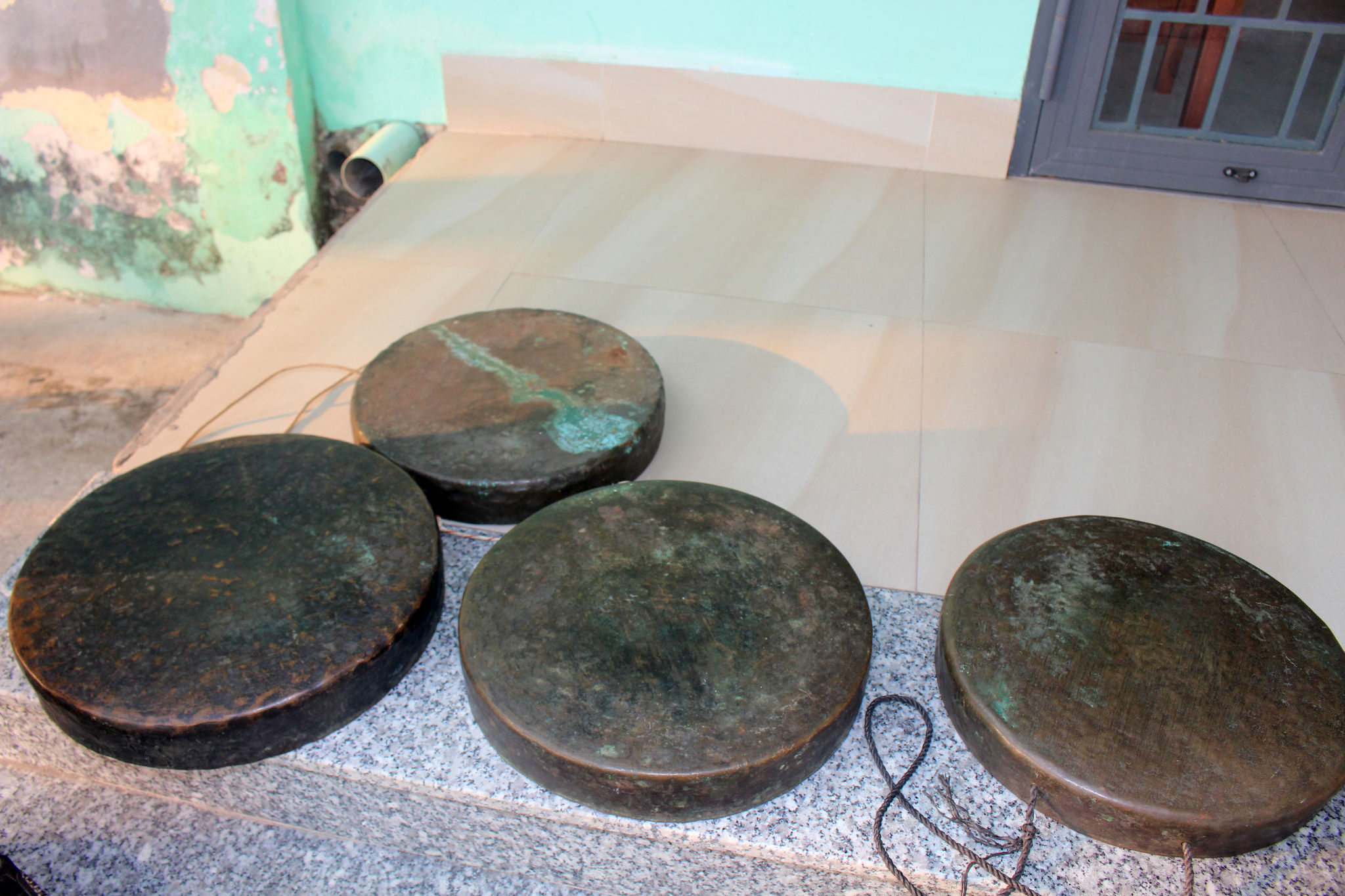
Elderly villagers say that gong music among the K’ho serves not only as entertainment but also as a way to connect with ancestors and spiritual entities. Each gong is thought to possess a “spirit” and is thus meticulously maintained as a valued family heirloom. Gongs play an essential role in various ceremonies, including new rice festivals, house construction rituals, weddings, and rites of passage.
Artisan K’Van Linh shared:“Gongs with knobs, flat gongs, and bronze cymbals—when played together—produce a sacred and powerful harmony. During performances, musicians often arrange themselves in lines or form circles around the ceremonial area. The sound of each gong acts as an invitation for the spirits to witness, bless the harvests, promote peace, and strengthen community unity.”
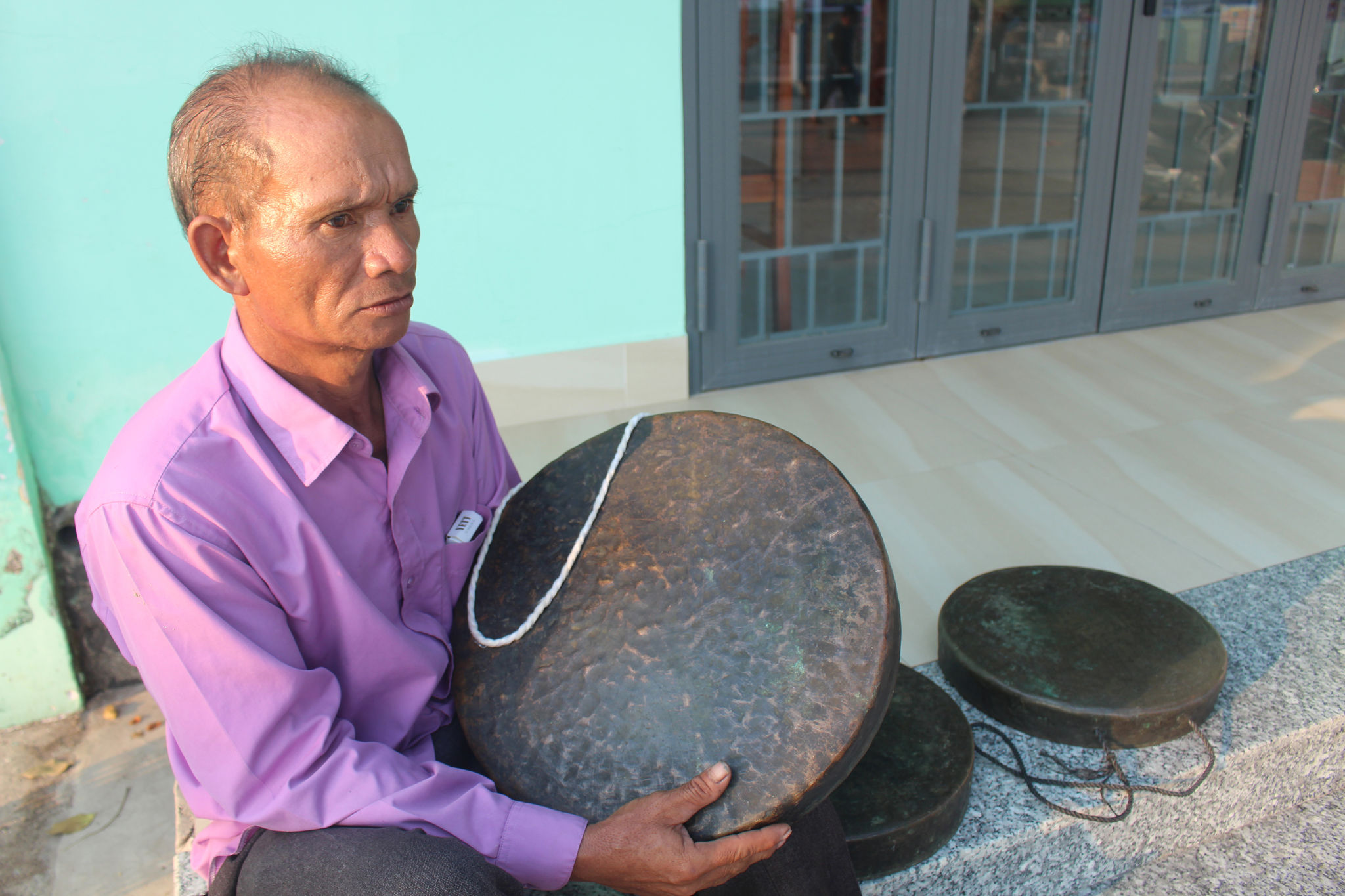
Through these stories, K’ho music reflects how the people perceive the world. According to their traditional beliefs, mountains, rivers, trees, and animals all possess souls. Perhaps that is why their music always carries the presence of the great forests.
At times, the gong ensemble sounds like rushing waterfalls in the rainy season; at others, it echoes like wind across mountain slopes. The gourd horn, meanwhile, carries a longing tone like the love songs of young men and women in the past.
Keeping the K’ho sounds alive
In the southeastern part of Lam Dong, the K’ho ethnic group primarily lives in the communes of Dong Giang, La Da, Ham Thuan Bac, Phan Son, Bac Ruong, and Dong Kho. Along with agriculture and traditional celebrations, the community's cultural heritage is highlighted by the sounds of gongs, cymbals, the mbuot horn, and the sagor drum. The K’ho people also maintain a vibrant tradition of folk songs and dances that are closely linked to their village life and ceremonial practices.
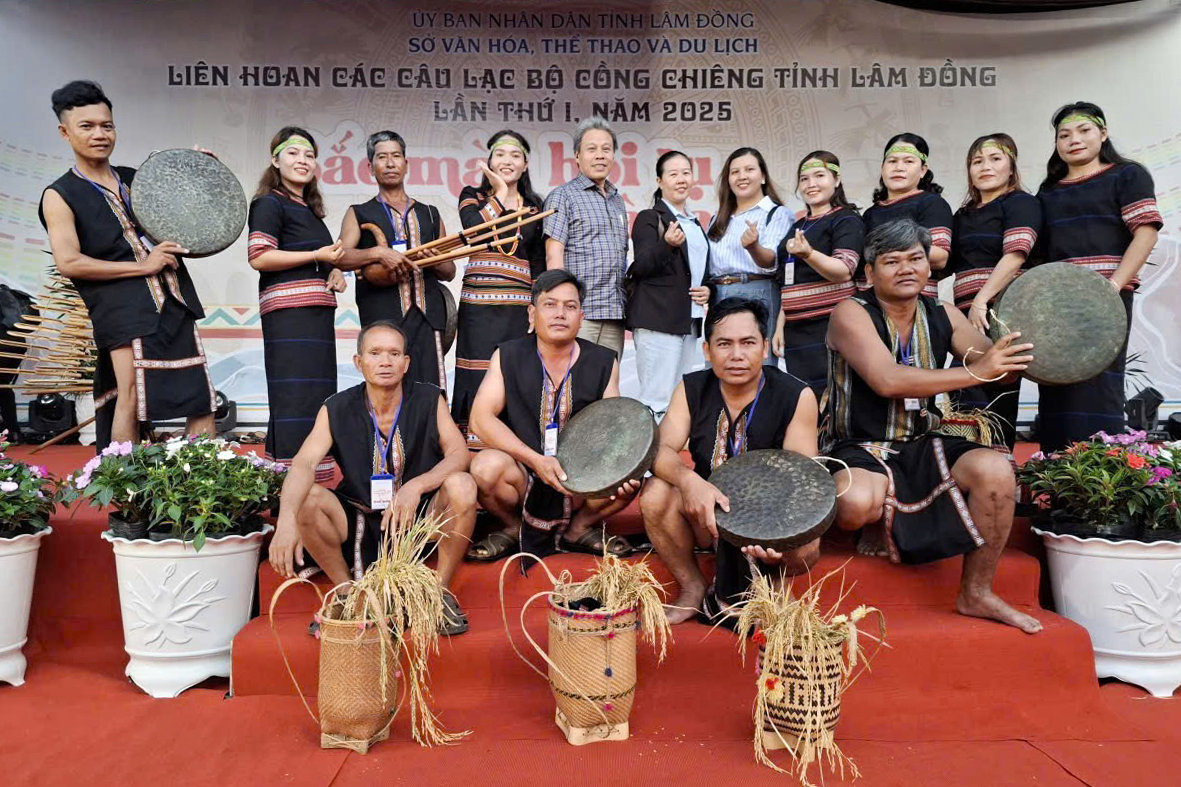
At the same time, similar to other types of intangible heritage, K’ho folk music and dance are at risk of disappearing. The number of individuals who possess a deep understanding of traditional instruments and folk songs is dwindling. Many skilled artisans are aging, and the younger generations capable of performing and maintaining these traditions are few. As a result, training sessions in Dong Giang and La Da have gained considerable importance in recent years.
According to Le Trung Chinh, Head of the Socio-Cultural Department of Dong Giang Commune, the locality currently maintains two gong teams—Dong Giang and Dong Tien—with about 40 members. In recent years, local authorities have regularly organized training classes in folk songs, dance, and music, creating opportunities for artisans to pass on their craft to younger generations, thereby helping preserve the cultural identity of the K’ho people.