

Rural Tourism Attracts Visitors During the Summer
From June to September, many fruit varieties enter their peak harvest season, coinciding with students’ summer holiday. Many families use this time to take their children on trips, allowing them to relax after a year of hard study.
.jpg)
Many exciting experiences
During the summer holiday season, millions of tourists flock to Lam Dong, which is famous for its “blue sea,” the “land of a thousand flowers,” and the “vast highlands.” Many families choose rural tourism trips that combine visits to relatives on both sides of the family with opportunities for children to explore fruit orchards, rivers, waterfalls, and lakes.
After enjoying the blue sea and sliding down the Red Sand Dunes, a number of tourists head to the “land of a thousand flowers” to take in the romantic and serene ambiance of Da Lat, characterized by its clouds and mist. Others seek a more adventurous experiences by discovering lakes, waterfalls, and gardens.
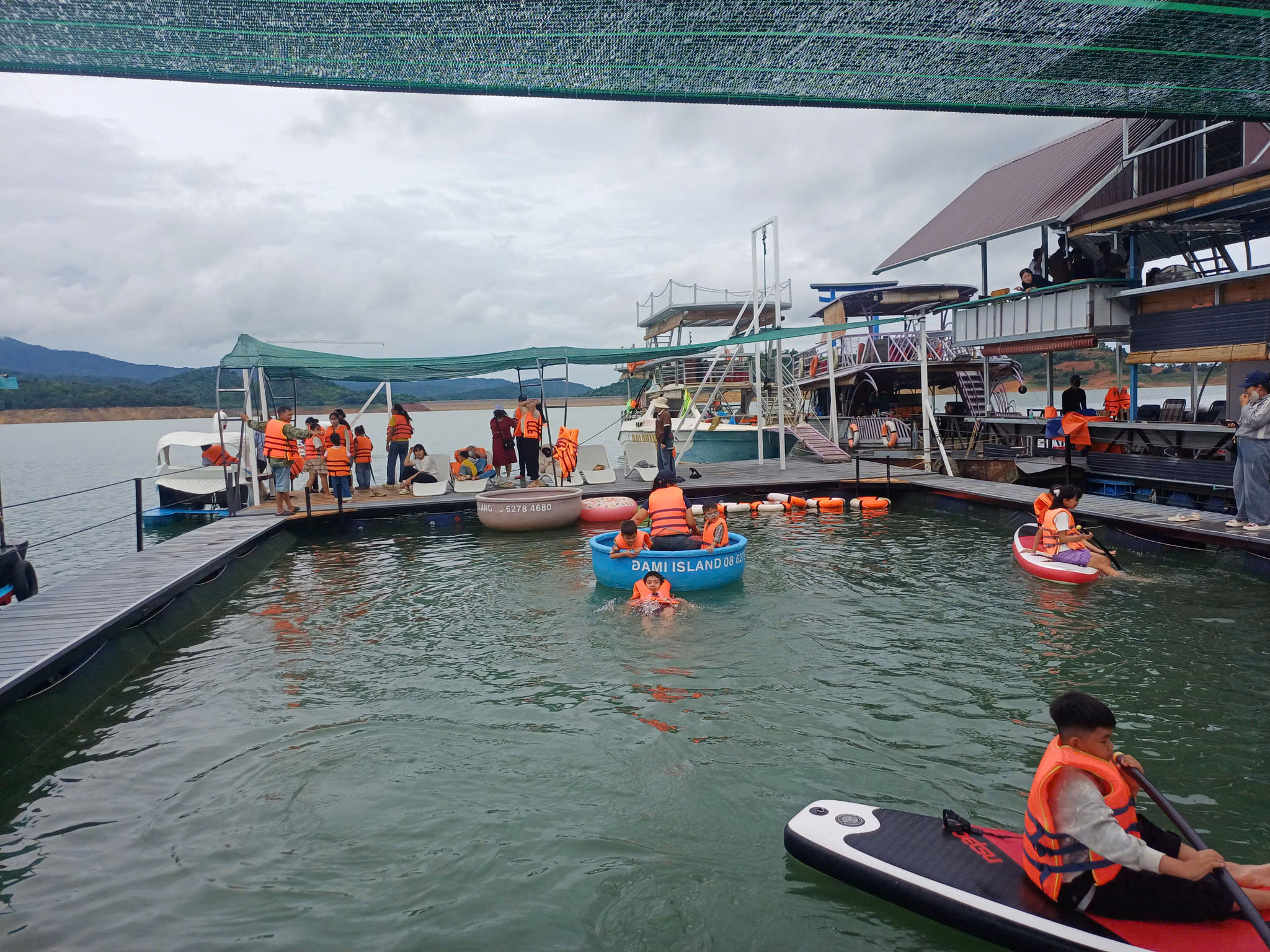
At popular tourist destinations such as Ham Thuan–Da Mi Lake in La Da Commune, Trang La Ngau Bridge in Dong Kho Commune, and Thac Ba in Tanh Linh, visitor numbers have at times exceeded 1,000. During the summer vacation, tourist numbers are particularly high; without prior bookings, service providers may be unable to accommodate visitors.
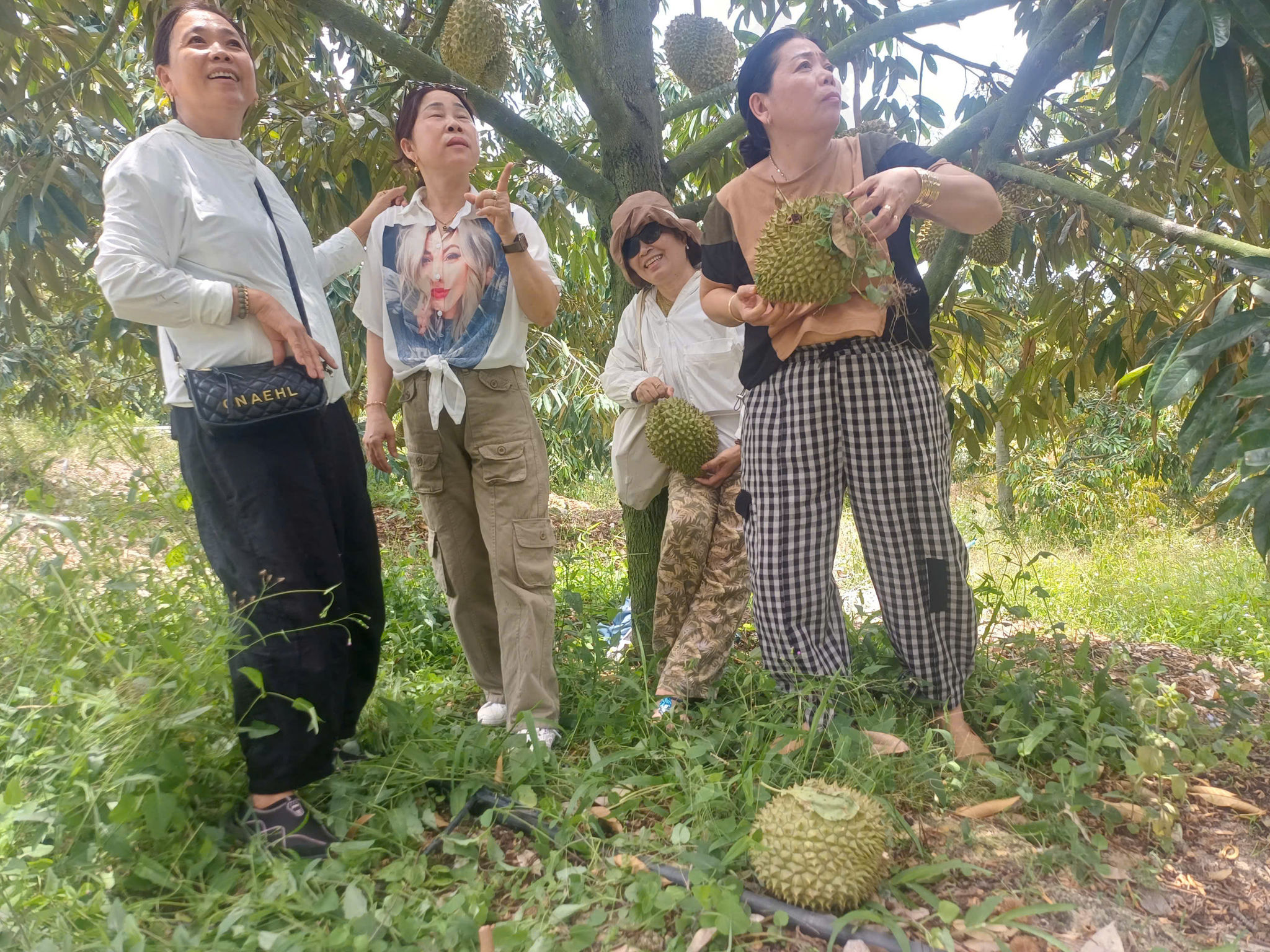
Furthermore, several regions such as Tra Tan, Ham Thuan, Dong Kho, and La Da have utilized fruit orchards—including strawberries, durian, macadamia, avocado, mangosteen, bananas, and mangoes—to promote agro-tourism.
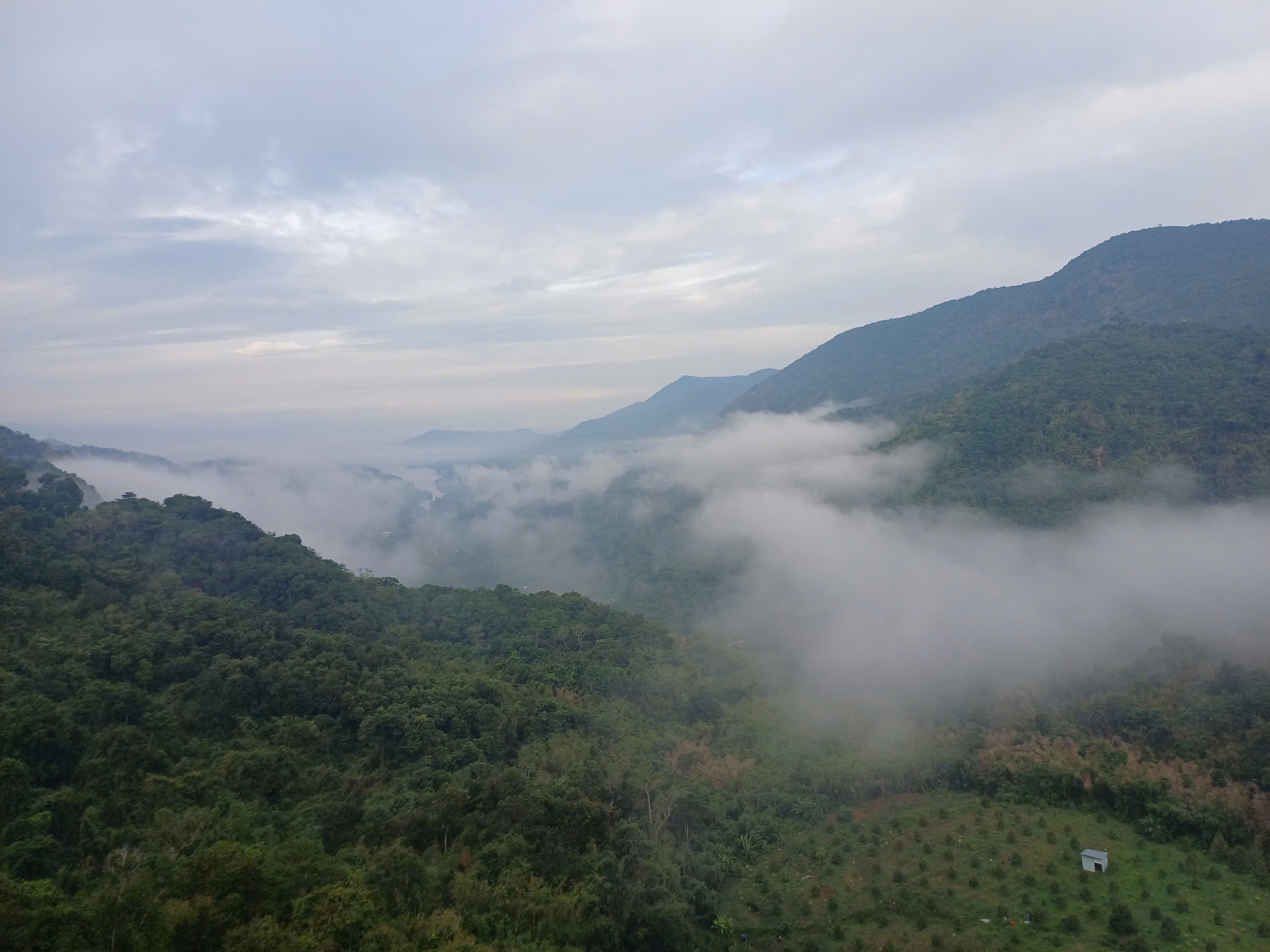
Nguyen Thi Hong from Tay Ninh shared her joy while sipping coffee at Cloud and Wind Hill, taking in the sunrise and observing small boats casting nets on Ham Thuan – Da Mi Lake, which resembled a watercolor painting. She noted that her family, consisting of about 20 members, had spent five days exploring Mui Né, Phan Thiet, and Hoa Thang before heading to Da Mi to relish the sunrise views and visit fruit orchards.
She was amazed to discover a large freshwater lake in Lam Dong adorned with green islands, creating a picturesque scene akin to a miniature Ha Long Bay. Her children particularly enjoyed harvesting ripe fruits directly from the orchard and learning about various types of fruit trees.
Nguyen Van Truong, a contractor from Ho Chi Minh City, took his two children to visit their grandparents in Bac Ruong Commune during the summer. He said it was the first time his children had visited their grandparents and experienced rural tourism at the same time.
They explored locations like Thac Ba Waterfall, Bac Ruong Spillway, and Cau Trang Dong Kho Tourist Site. In addition to the stunning natural landscapes, the children relished local delicacies such as black pork and mountain goat prepared with forest vegetables and bamboo shoots, which they found to be wonderfully tasty and memorable.
“Slow” rural tourism
Lam Dong currently boasts approximately 40 rural tourism initiatives spread across over 300 hectares, with a total investment nearing 377 billion VND, generating employment for nearly 1,000 local individuals. Recently, agro-tourism and rural tourism have gained significant popularity among visitors.
In various regions, locals have leveraged rivers, streams, lakes, and orchards to enhance tourism services. These rural tourism initiatives are helping to diversify and enrich Lam Dong’s tourism sector. Nonetheless, certain locations still encounter challenges due to incomplete legal processes.
Rural tourism is often described as a journey back to one’s roots or as a form of “slow tourism,” because visitors experience warmth and connection when returning to their hometowns. Time seems to slow down as people meet old friends, enjoy traditional meals, and relive familiar memories that feel unexpectedly meaningful.