

The Vibrant Colors of Dao Culture in the Highlands of Lam Dong
For more than two decades, while building new lives on the red basalt lands of Dak Mil, the Dao people have continued to preserve their ethnic identity as a vital part of their roots, enriching the vibrant cultural tapestry of the vast highlands of Lam Dong.
.jpg)
Preserving Ethnic Identity Through Homes and Folk Songs
In the midst of the sturdy residences of a rapidly growing rural area, the stilt house belonging to Ban Sanh Can's family in Hamlet 17, Dak Mil Commune, stands out as a representation of Dao culture.
This house serves not only as a dwelling for multiple generations of the family but also as a keeper of the customs, traditions, and memories tied to the land of his birth. Preserving the traditional stilt house acts as a reminder for younger generations about their ethnic identities.
Ban Sanh Can expressed, "The stilt house has been a crucial element of Dao culture for many generations. My family is dedicated to preserving it so that our children and grandchildren can have a deeper understanding of their people's traditions."
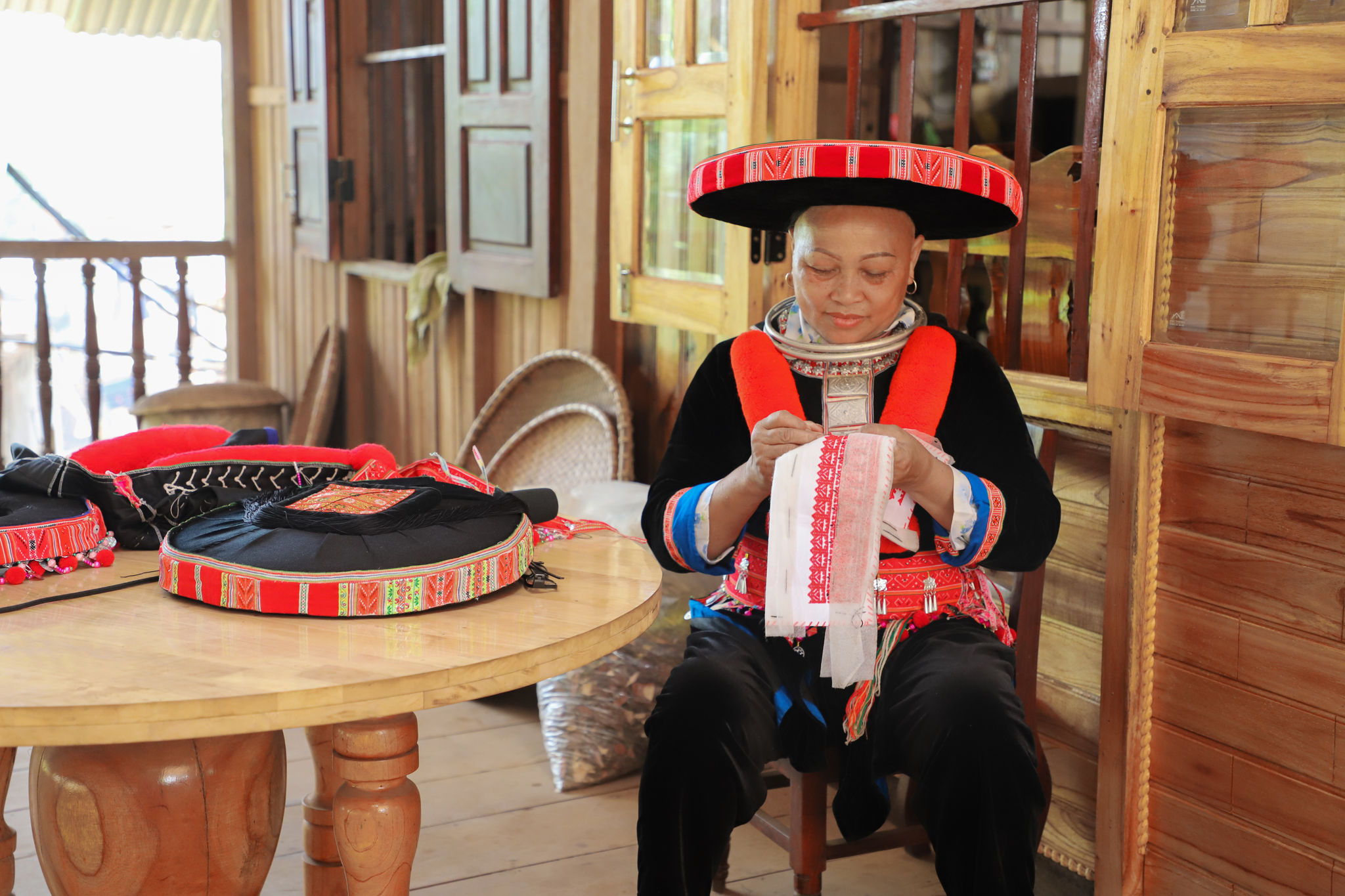
Whenever the whole family gathers in this house, we feel that we are still connected to our homeland and our ancestors
Ban Sanh Can, Dak Mil Commune, Lam Dong Province
The Dao stilt houses in Dak Mil showcase their unique architectural style, characterized by numerous compartments, roomy interiors, and a strong bond with nature. These homes serve as gathering places for families, where they uphold traditions, maintain customs, and reinforce community unity.
In addition to protecting traditional architecture, the Dao people also cherish folk songs that have enriched their lives for many years. Next to the stilt house, simple tunes express teachings about ethics, appreciation for ancestors, love for their homeland, and unity within the community.
These songs serve a purpose beyond mere cultural expression; they are a way for older generations to share life lessons, inspiring younger family members to work hard, remain united, support each other, and maintain their ethnic heritage.
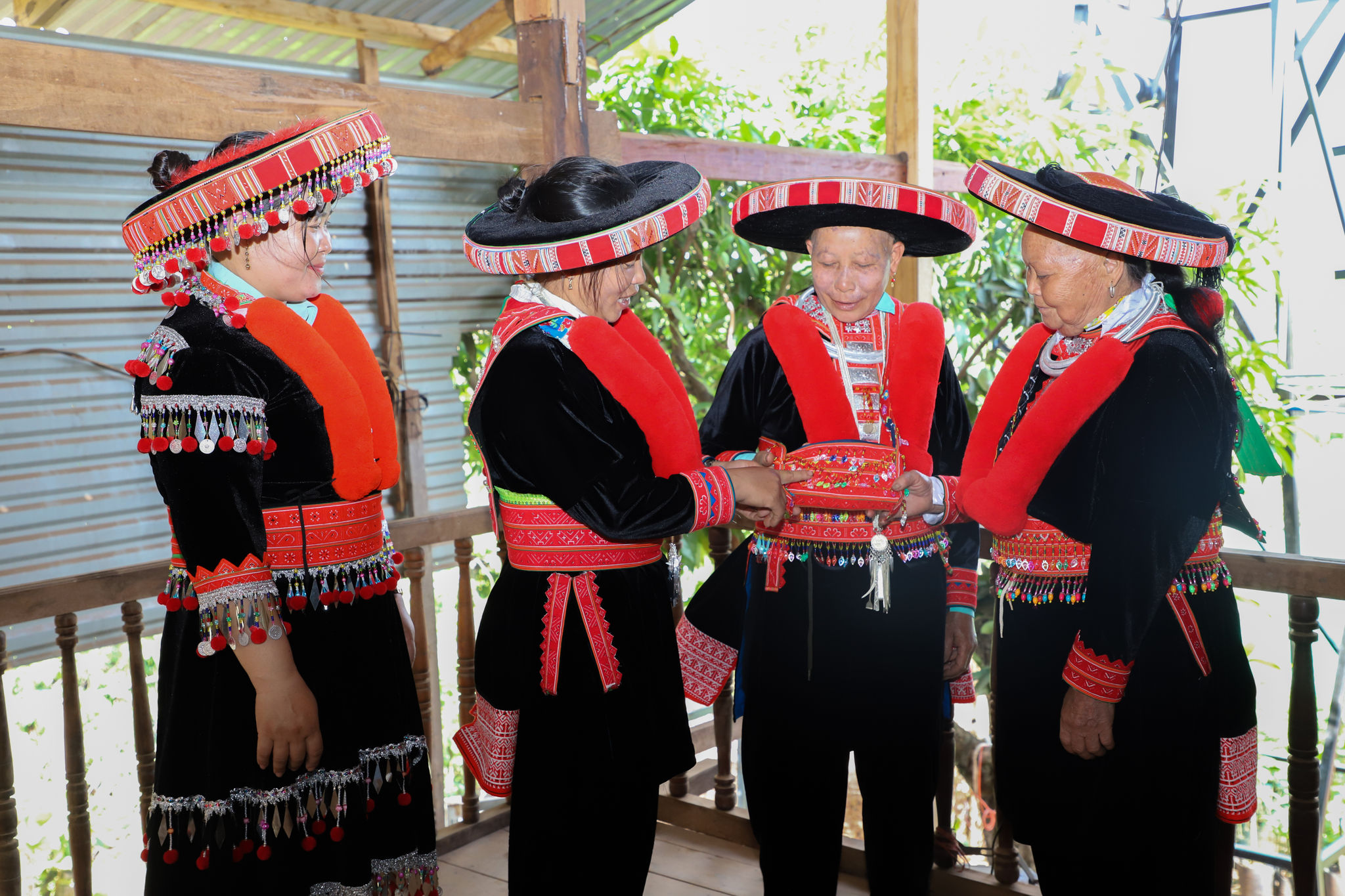
In addition, traditional customs related to weddings, festivals, and community activities continue to be maintained. On important occasions, Dao people wear traditional attire as a proud expression of their heritage.
Trieu Mui Lay, Head of the Women’s Association Branch of Hamlet 17, said that Dao women in the village always encourage one another to develop the local economy, build happy families, and preserve their traditional culture—from traditional cuisine to costumes and folk songs.
From Traditional Attire to Sacred Rituals
Dao costumes, characterized by detailed embroidery, bright colors, and silver accessories, are frequently seen during festivals, weddings, and significant family gatherings. Many traditional bridal garments, embellished with silver decorations, can be valued at tens of millions of dong and are seen as cherished possessions that parents bestow upon their daughters prior to marriage.
From a young age, Dao girls learn sewing and embroidery techniques from their mothers and grandmothers. Every design on a costume holds its unique significance, reflecting the community’s lifestyle, labor, and aesthetic values.
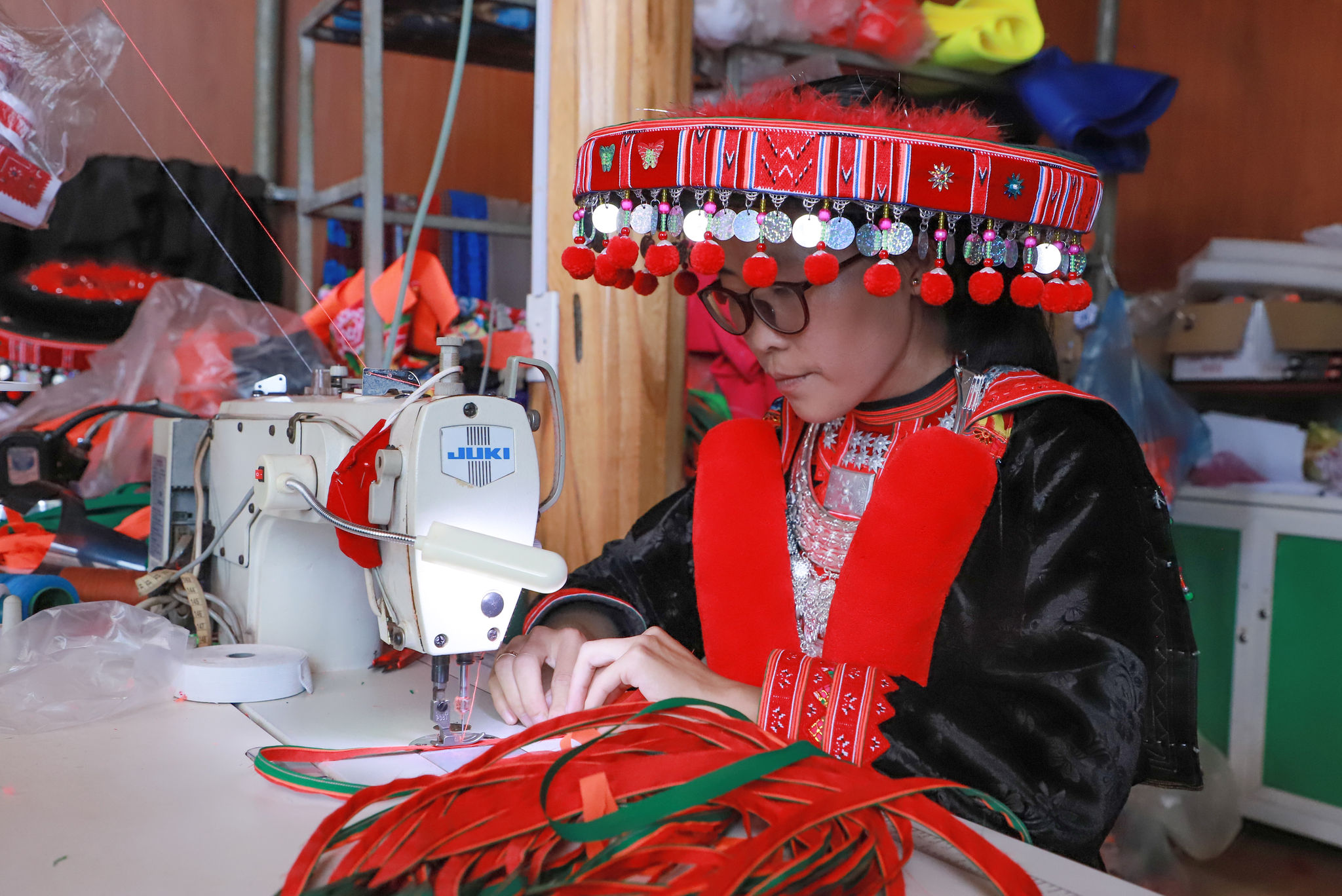
Alongside maintaining traditional embroidery, numerous families have established tailoring enterprises specializing in ethnic attire to meet local needs. Utilizing pre-embroidered fabric, craftsmen meticulously cut and stitch garments based on traditional patterns, helping preserve of cultural heritage while also generating extra income.
Completing a Dao costume requires many meticulous steps. Through embroidery and tailoring, my family not only earns extra income but also contributes to preserving the beauty of our ethnic traditions
Trieu Mui Pham, Dak Mil Commune, Lam Dong Province
Outside of their customary clothing, the Dao community in Dak Mil continues to uphold various customs and rituals that showcase its vibrant cultural heritage. Among these customs, traditional weddings are still widely celebrated, encompassing unique events such as the engagement proposal, betrothal ceremony, bride reception, and offerings to ancestors.
According to Dao traditions, marriage represents not just a union of two people but also a connection between two families and clans. As a result, wedding ceremonies are performed with great seriousness, reflecting reverence for ancestors and traditional moral principles.
.jpg)
On the day of their wedding, brides typically don traditional attire that they or their relatives have hand-embroidered or sewn. The elaborate designs represent both the craftsmanship of Dao women and aspirations for a joyful and thriving life. Despite the transformations brought by contemporary life, numerous families still uphold traditional wedding rituals to maintain cultural identity for the younger generations.
In addition to wedding ceremonies, the Dao people uphold the Cap Sac initiation ritual, which is one of the most revered and significant ceremonies in a Dao man's life. This ceremony signifies the shift into adulthood and validates a person's standing within their family and the community. Traditional beliefs hold that only after undergoing Cap Sac can a man be acknowledged by ancestors and deities as a mature adult eligible to engage in the spiritual and ceremonial practices of the clan and community.
.jpg)
The Cap Sac ceremony is carried out with deep reverence and involves various rituals that hold significant educational meaning, reminding participants of their obligations to their family, clan, and society. In addition to its spiritual importance, the ceremony plays a role in safeguarding folk knowledge, traditional songs, rituals, and the distinct cultural heritage of the Dao people. For the Dao community in Dak Mil, upholding this ceremony serves not only to preserve an ancient tradition but also to bridge generations and cultivate pride in their ethnic identity.
Linked to these customary rituals, the Dao community also maintains a range of traditional musical instruments, such as the khen (reed pipe), drums, gongs, buffalo horns, flutes, and jew’s harps. These instruments are frequently utilized during celebrations, weddings, Cap Sac ceremonies, and various other cultural events within the community.
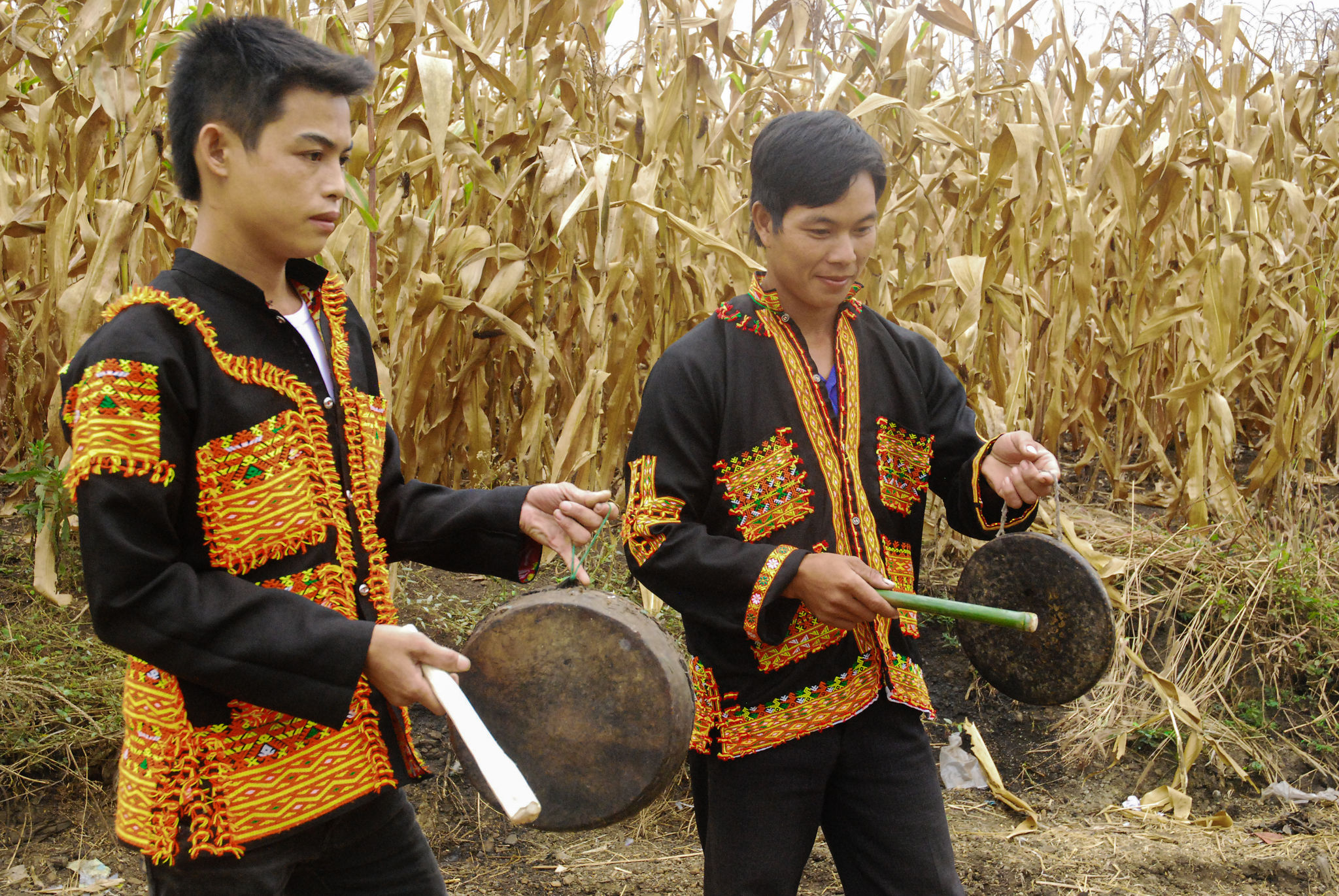
According to the Culture and Social Affairs Division of Dak Mil Commune, the commune is home to nearly 3,700 Dao people, who are primarily located in three main residential zones. After more than two decades of establishing themselves in their new environment, the Dao community has successfully stabilized their livelihoods, enhanced the local economy, and played a significant role in the development of increasingly prosperous villages.
Furthermore, community members have remained close-knit, actively participating in production and economic endeavors while diligently preserving their traditional cultural values, which have enriched the spiritual and cultural life of the area.
Even with the numerous changes introduced by modern society, the Dao people in Dak Mil continue to hold dear their cultural heritage, viewing it as an essential connection to their ancestral roots.