

Green Tourism Begins With Environmental Protection
Boasting diverse ecosystems that stretch from highlands to coastal areas, Lam Dong Province holds a distinct competitive edge in green tourism development. To convert this potential into a sustainable asset, environmental protection must be positioned at the very core of the local tourism strategy.
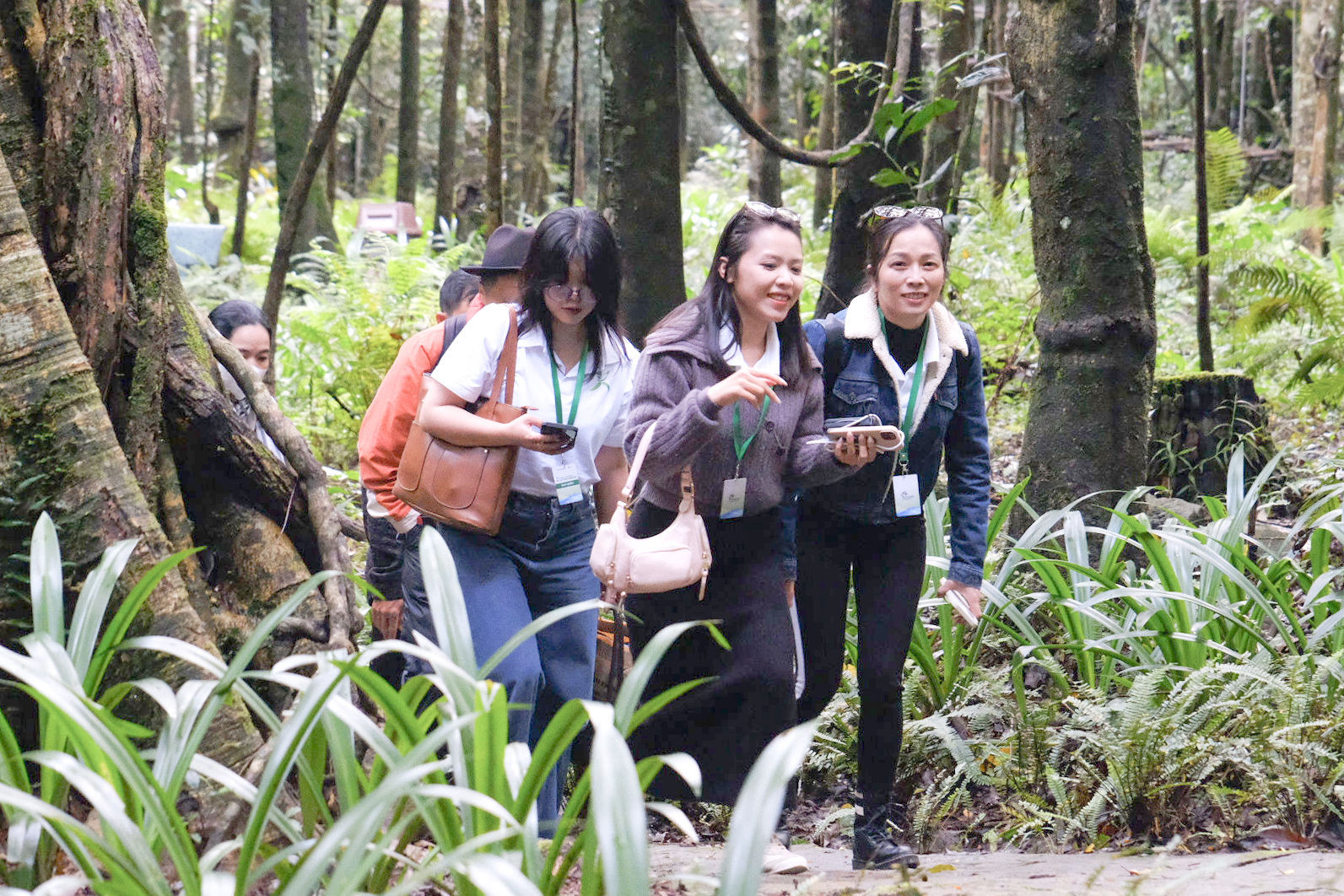
The Foundation of Sustainable Tourism
Regional expansion has fostered a versatile tourism network, weaving together natural and cultural resources from the highlands to the coast. Amid a rising global appetite for eco-friendly travel, Lam Dong has committed to pioneering responsible, environmentally conscious ecotourism, aligning with national sustainable development targets and a net-zero carbon emission pledge by 2050.
However, despite these natural endowments, preserving the environment across tourist hubs remains an urgent and paramount task. The pristine ecology serves as the bedrock of the destination’s appeal. Should the landscape degrade, water sources face pollution, or waste pile up, the region's market competitiveness will suffer an immediate and direct blow.
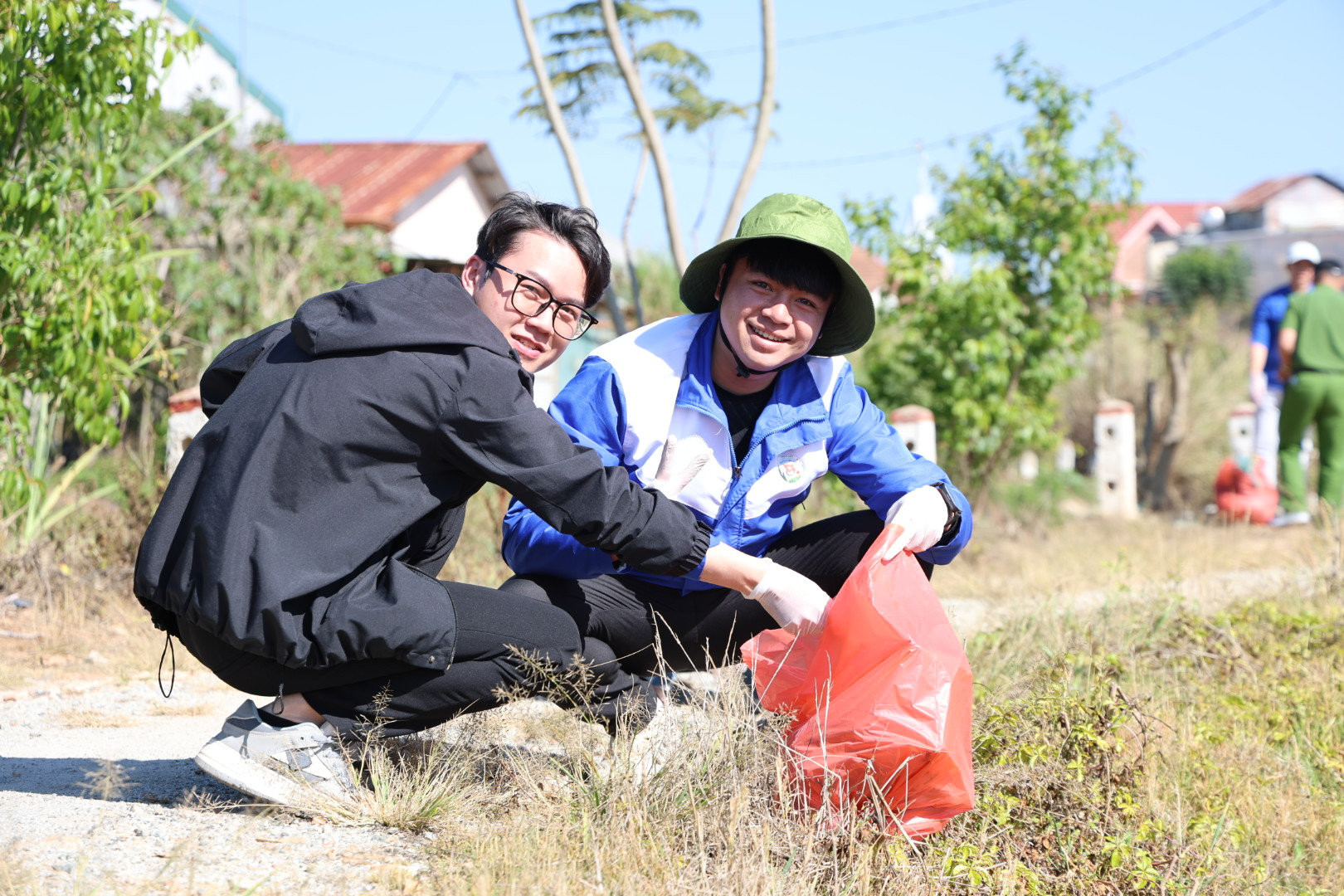
Identifying environmental protection as a key pillar, the Department of Culture, Sports and Tourism has initiated specialized legal and environmental training workshops for local operators. According to Nguyen Xuan Thang, Head of the Tourism Management Division , green tourism does more than safeguard resources and heritage—it enhances destination quality, drives market competitiveness, and secures the industry's long-term viability.

"Preserving the tourism environment today is safeguarding resources for future generations. Protecting our ecosystem for sustainable growth is not just the duty of regulatory bodies and local authorities, but a vital responsibility championed by the business community," Nguyen Xuan Thang emphasized.
Corporate Alliances Preserving the Canvas
In practice, numerous hospitality and tourism operators have proactively deployed eco-protection measures, viewing them as a baseline prerequisite for sustainable growth. The Elephant Mountain Pine Forest Tourist Area stands out as one of the pioneers officially certified with a Green Tourism label by the Vietnam National Authority of Tourism

According to investor Dao Van Tan, the resort has consistently prioritized eco-friendly products and equipment, systematically fine-tuning its operations to meet national green criteria. Based on the National Green Tourism Standards, the facility routinely assesses its ecological impact to design tailored landscape and ecosystem conservation blueprints.
Yet, challenges persist. Dao Van Tan noted that modern threats stem not only from tourism activities inside the resort but also from external pressures, including adjacent residential clusters, nearby agricultural runoff, and the escalating impacts of climate change.
These compounding factors directly endanger environmental quality and the overall visitor experience. Consequently, specialized environmental training remains vital, ensuring businesses maintain strict compliance with regulatory frameworks while perfecting their sustainable practices.

Ultimately, waste accumulation and environmental degradation do more than tarnish urban aesthetics—they severely erode visitor satisfaction. For a premier destination defined by crisp alpine air and lush scenery like Da Lat, the natural environment is the core product itself.
Safeguarding the forests, water resources, and signature highland landscapes will not only preserve the enduring appeal of the destination but also secure the financial and ecological future of Lam Dong’s tourism industry.
Building a green, clean, and beautiful tourism environment is not the sole responsibility of regulatory bodies or businesses; it demands the collective hands of the entire community.
Nguyen Van Hung, Vice Chairman of the Lam Dong Tourism Association