

Lam Dong Promotes Private Sector Growth for Economic Development
As Lam Dong enters a new stage of development, the private sector is increasingly viewed as a key driver of economic growth, job creation, and local budget revenues.
Supporting Business Growth
Lam Dong currently has more than 35,500 registered enterprises. In the first half of 2026 alone, approximately 2,600 new enterprises were established, an increase of 80% compared to the same period last year. The figures reflect the province’s expanding development space and growing investment environment, positioning the business community as an important force in achieving Lam Dong’s double-digit economic growth target.
One year after the provincial merger, Lam Dong has continued implementing measures to improve competitiveness, enhance the investment climate, unlock development resources, and attract new investment.
According to Dinh Ngoc Hieu, Deputy Director of the Provincial Investment, Trade and Tourism Promotion Center, the provincial government partnered with the Vietnam Chamber of Commerce and Industry (VCCI) early this year to organize a conference on improving provincial competitiveness and the business environment. The province also signed a cooperation agreement to strengthen competitiveness and support enterprise development for the 2026–2030 period.
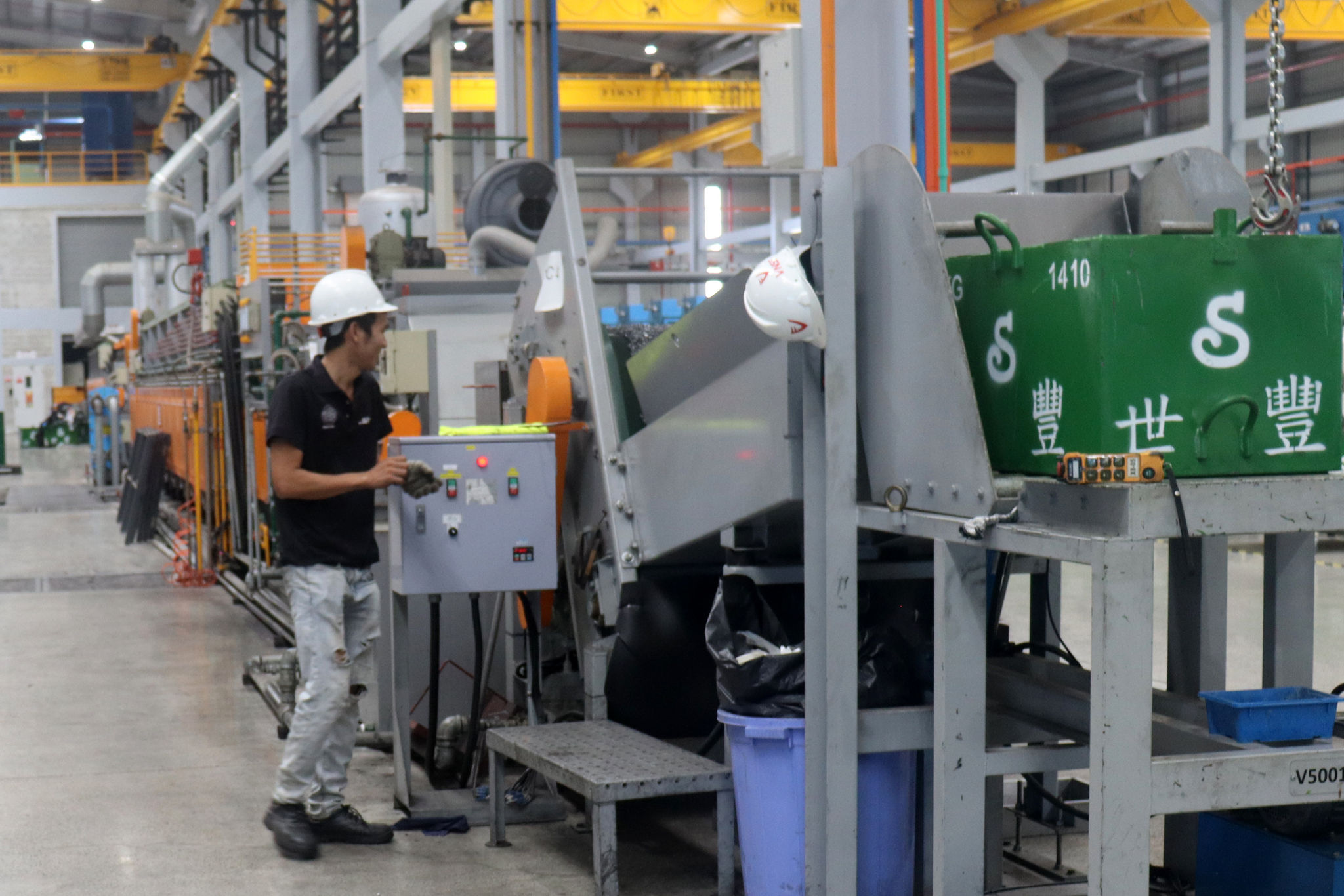
Provincial departments and agencies have actively implemented the Politburo’s Resolution No. 68 on private sector development. The industry and trade sector focuses on manufacturing, industrial promotion, trade promotion, market development, distribution systems, and support for small and medium-sized enterprises.
Meanwhile, the Department of Science and Technology has adopted a business-centered approach by simplifying administrative procedures and helping enterprises access science and technology policies. The Management Board of Lam Dong Industrial Parks has shifted from a management-oriented mindset to one centered on accompanying and supporting businesses, helping enterprises overcome difficulties, implement projects, expand operations, and stabilize production activities.
The provincial government has also launched an emulation campaign titled “Strong Development of the Private Sector and Improved Efficiency of State-Owned Enterprises.” The program aims to foster rapid, sustainable, and effective business growth, with a target of approximately 33,000 actively operating enterprises by 2030 and a private sector contribution of 78% to the province’s GRDP.
Addressing Development Bottlenecks
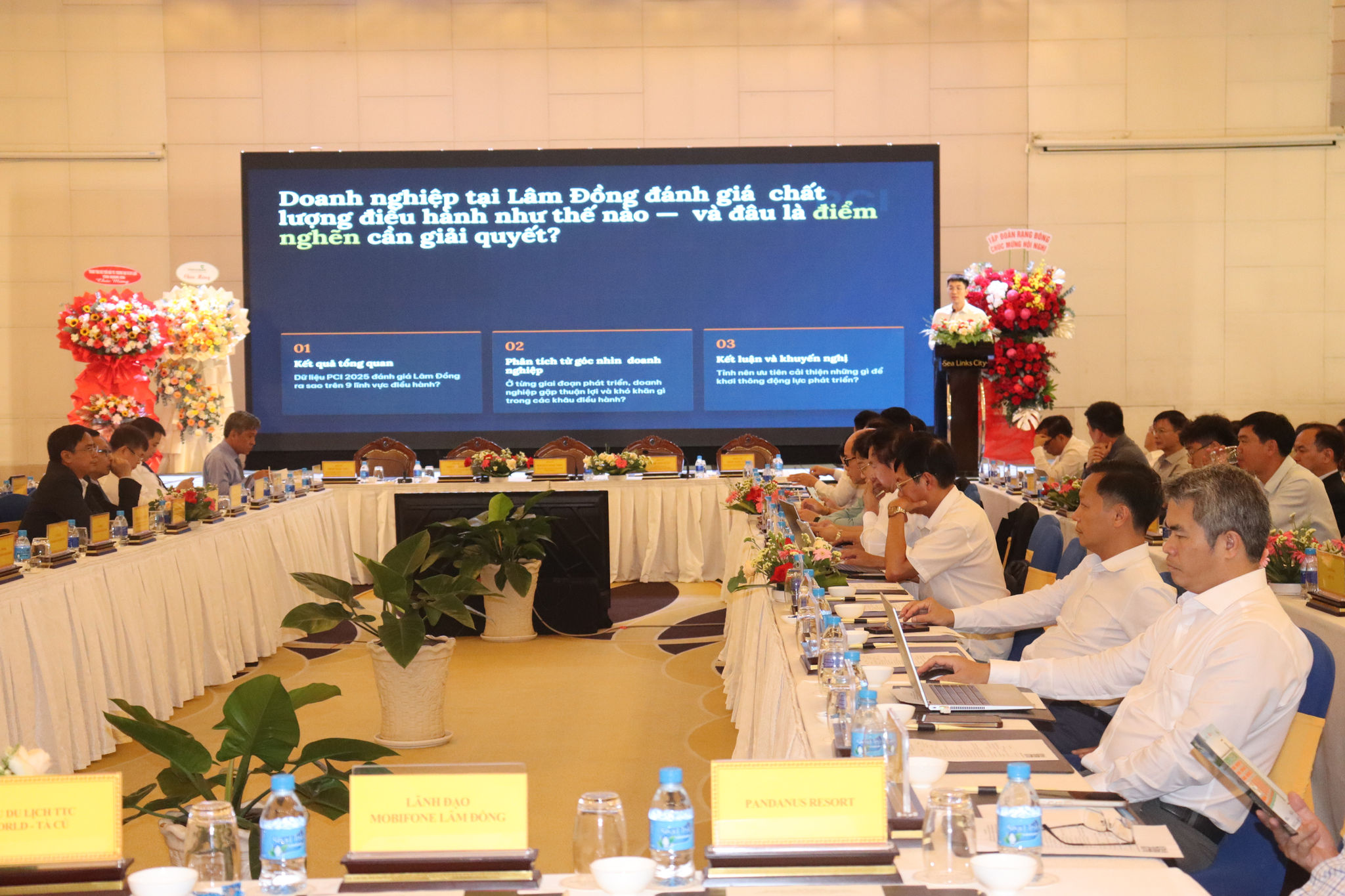
Promoting business development was also a major topic at the 2026 PCI and BPI Conference held on June 19.
BPI results indicate that the private sector remains a dynamic force contributing significantly to economic growth and employment. However, Lam Dong’s Private Sector Efficiency Index reached only 3.26 points, below the national median of 4.20 points. The gap is particularly evident in indicators measuring growth quality, resilience, and future development prospects.
Specifically, both the growth rate of active enterprises and the proportion of profitable businesses remain below the national median. Only 18.56% of enterprises plan to expand within the next two years, significantly lower than the national median of 31.57%.
These figures highlight that the challenge is not only creating new businesses but also ensuring that enterprises can operate sustainably, generate profits, and accumulate resources for expansion.

To address these bottlenecks, the Department of Finance has proposed several solutions, including improving enterprises' access to markets, capital, production sites, and logistics services while enhancing operational efficiency and profitability.
For enterprises seeking expansion through increased charter capital, new business locations, branch establishment, workforce recruitment, or new investment projects, authorities are encouraged to provide proactive guidance and support to help turn business plans into reality.
The province also plans to improve post-registration business support through digital transformation, data integration, and stronger dialogue mechanisms between government agencies and enterprises.
From the business community’s perspective, Nguyen Huu Thanh, Vice Chairman of the Lam Dong Business Association, emphasized that improving competitiveness indicators begins with tangible changes that businesses can directly experience.
This means faster administrative procedures, clearer responses from public agencies, dedicated guidance when difficulties arise, and timely feedback on business recommendations.
According to Thanh, when local authorities remain committed to reform, government departments effectively implement policies, and businesses continue to innovate, Lam Dong’s private sector will be well-positioned for stronger growth in the years ahead.