

Prime Minister Calls for End to “Campaign-Style” Science and Technology Development
Vietnam’s Prime Minister has urged ministries and local governments to abandon symbolic, campaign-driven approaches to science and technology, calling instead for practical innovation that delivers measurable economic and social value.
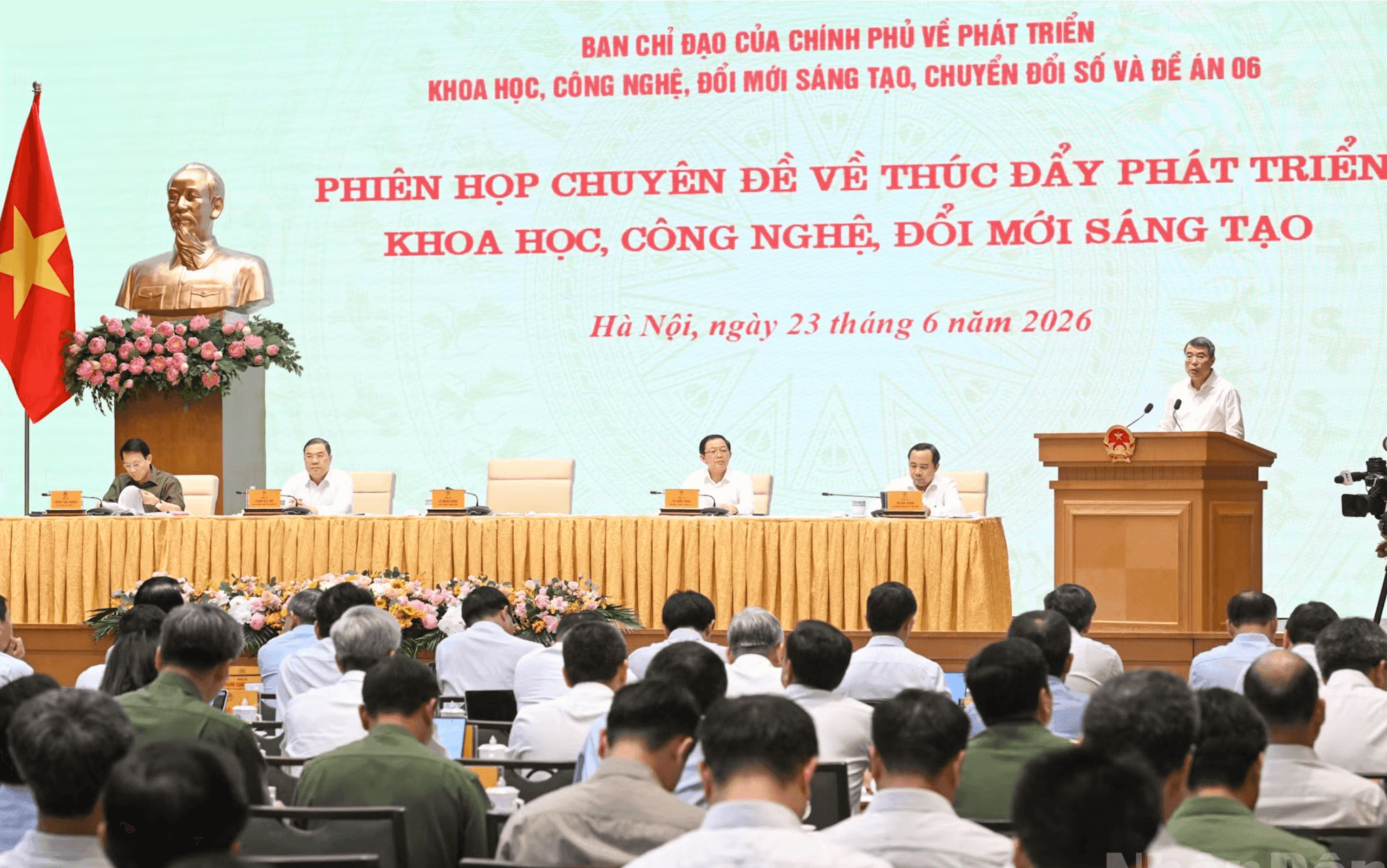
Prime Minister Le Minh Hung, who also chairs the Government Steering Committee on Science, Technology, Innovation, Digital Transformation and Project 06, made the remarks during a national conference on Tuesday focused on accelerating science, technology and innovation development.
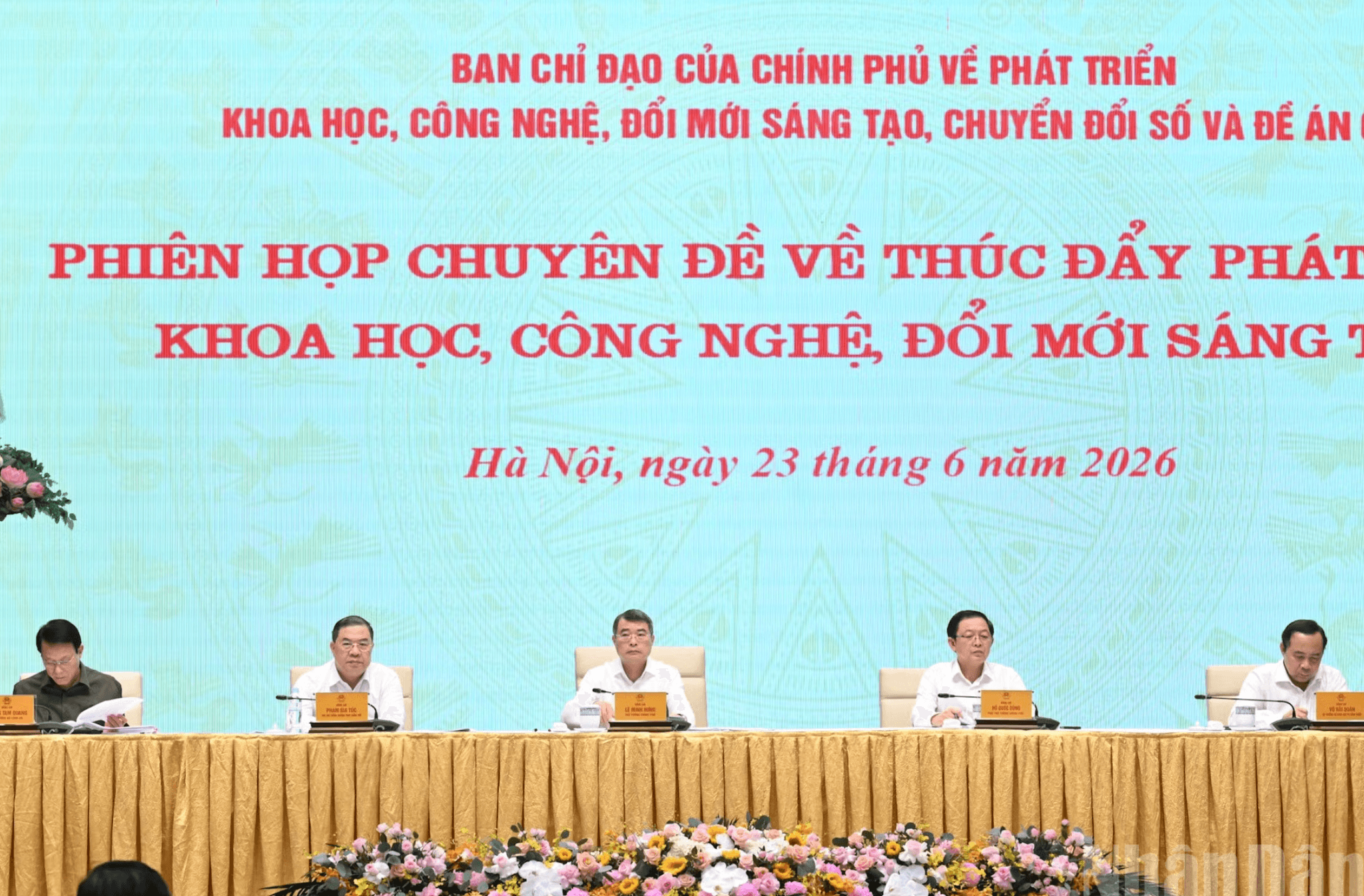
The meeting was co-chaired by Politburo member and Permanent Deputy Prime Minister Pham Gia Tuc, with leaders from ministries and central agencies attending both in person and online. The conference was connected virtually with all 34 provinces and centrally governed cities across Vietnam.
.jpg)
At the Lam Dong provincial hub, the meeting was chaired by Y Thanh Ha Nie Kdam, Member of the Party Central Committee and Secretary of the Lam Dong Provincial Party Committee; Ho Van Muoi, Member of the Party Central Committee and Chairman of the Lam Dong Provincial People's Committee; and Deputy Provincial Party Secretary Bui Thang.
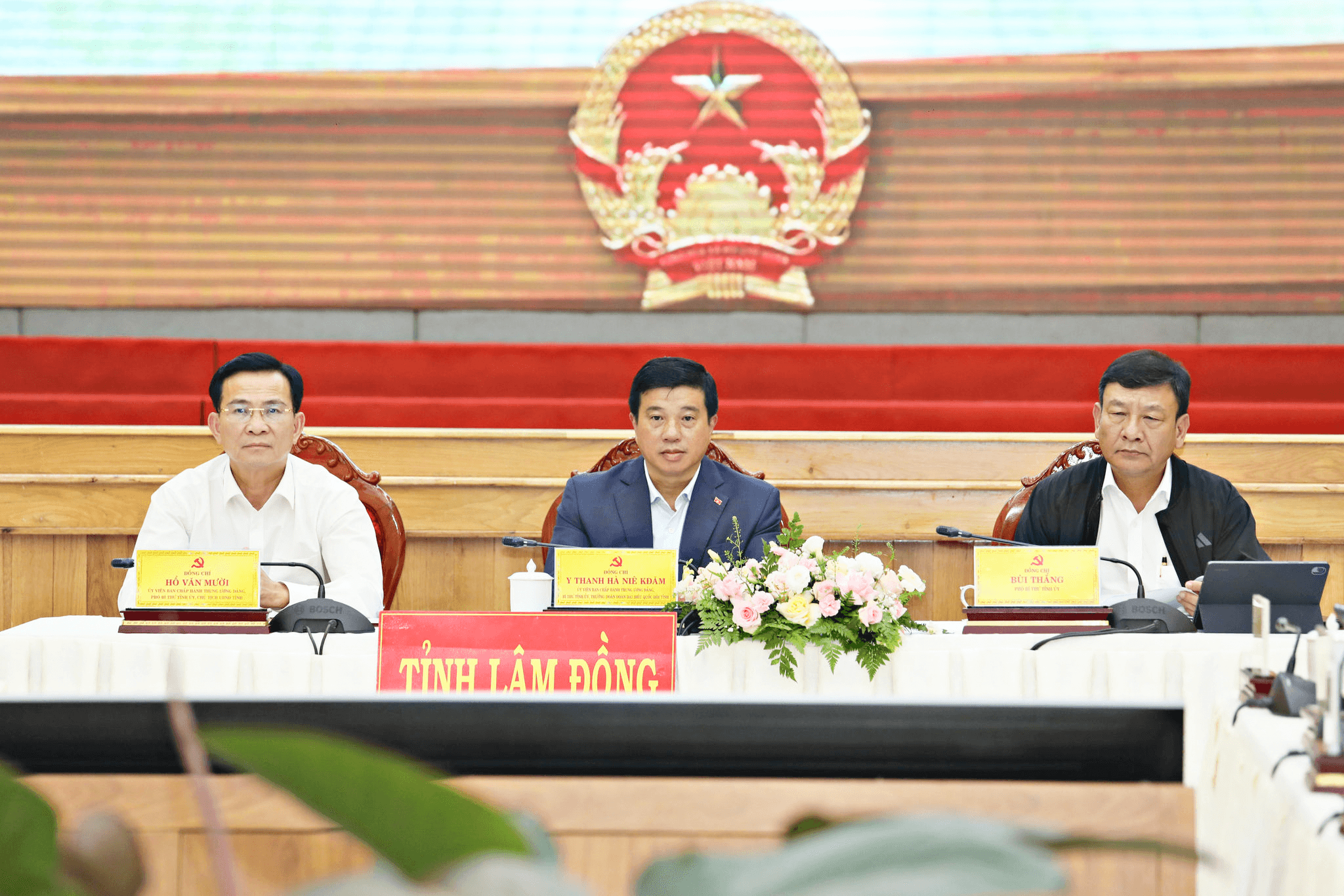
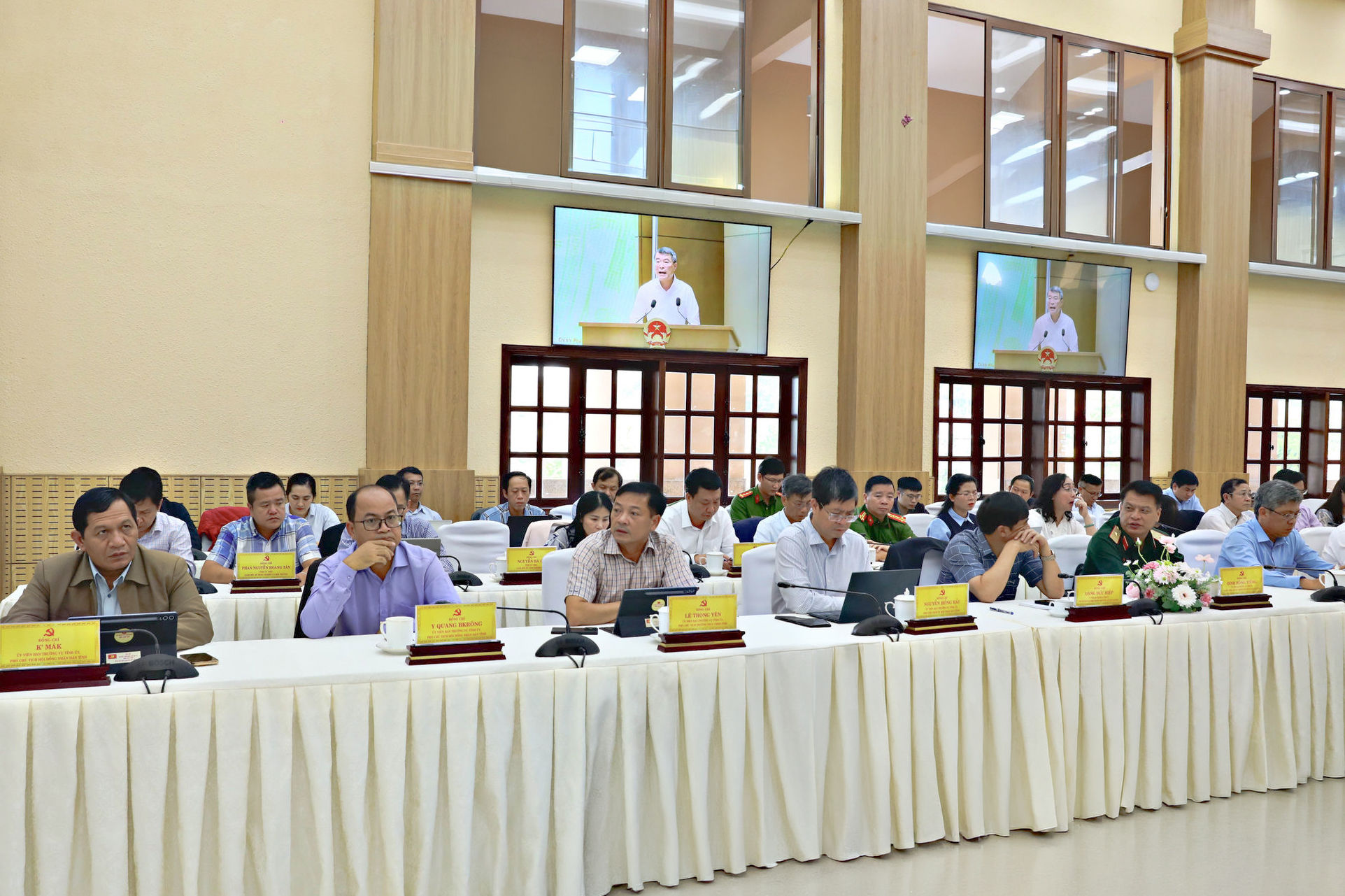
Provincial Standing Committee members, leaders of the People's Council and People's Committee, and members of Lam Dong's Steering Committee for science, technology, innovation and digital transformation also attended. The conference was livestreamed to authorities at the commune, ward and special administrative zone levels across the province.
Legal Framework Expanded, but Progress Remains Uneven
According to reports presented at the conference, ministries and agencies have been implementing 53 key tasks under Resolution No. 57-NQ/TW of the Politburo on science, technology, innovation and digital transformation.
.jpg)
To date, Vietnam has enacted six laws, five government decrees, three resolutions and three prime ministerial decisions to strengthen the legal framework supporting innovation and technological development.
Several provinces have begun developing science and technology products tailored to their local strengths. However, officials acknowledged that overall progress still falls short of expectations.
According to a draft report from the Steering Committee, 29 provinces and cities have registered 124 science, technology and innovation products, although implementation has been slower than anticipated and many initiatives still lack clear strategic priorities.
Officials identified several persistent challenges, including weak market connections for research outcomes, the shortage of leading technology enterprises capable of driving innovation ecosystems, difficulties commercializing intellectual property, and limited investment in research and development.
.png)
Artificial Intelligence and Biotechnology Highlighted as Growth Drivers
During the conference, ministries, local governments and businesses shared experiences in applying artificial intelligence (AI), big data and biotechnology across sectors including high-tech agriculture, tourism, logistics, renewable energy and digital enterprises.
Speaking at the conference, Lam Dong Provincial Party Secretary Y Thanh Ha Nie Kdam said the implementation of Resolution 57 has created important momentum for expanding biotechnology and AI applications in the province's high-tech agricultural sector.
.jpg)
The province currently has more than 109,500 hectares of high-tech agricultural production, including approximately 1,400 hectares utilizing smart technologies such as sensors, automation systems and digital production management platforms.
Key agricultural sectors—including vegetables, flowers and medicinal plants—continue operating at significant scale, providing favorable conditions for innovation and technology deployment.
Lam Dong therefore proposed launching a 2026–2030 AI and Biotechnology Application Program for High-Tech Agriculture, focusing on pest and disease forecasting, seed management, market forecasting, product traceability and logistics optimization for agricultural exports.
.jpg)
The province also proposed that the central government designate Lam Dong as a pilot location for establishing a Regional Center for Biotechnology, Seed Development and Smart Agriculture, centered on strategic products including vegetables, flowers, coffee, fruit and medicinal herbs.
Officials said the proposal would help translate Resolution 57 and the Prime Minister's Decision No. 21 on strategic technologies into practical development of biotechnology as a key economic and technological sector.
Prime Minister: Innovation Must Deliver Real Economic Value
Concluding the conference, Prime Minister Le Minh Hung called for a fundamental shift in how science, technology and innovation programs are designed and implemented nationwide.
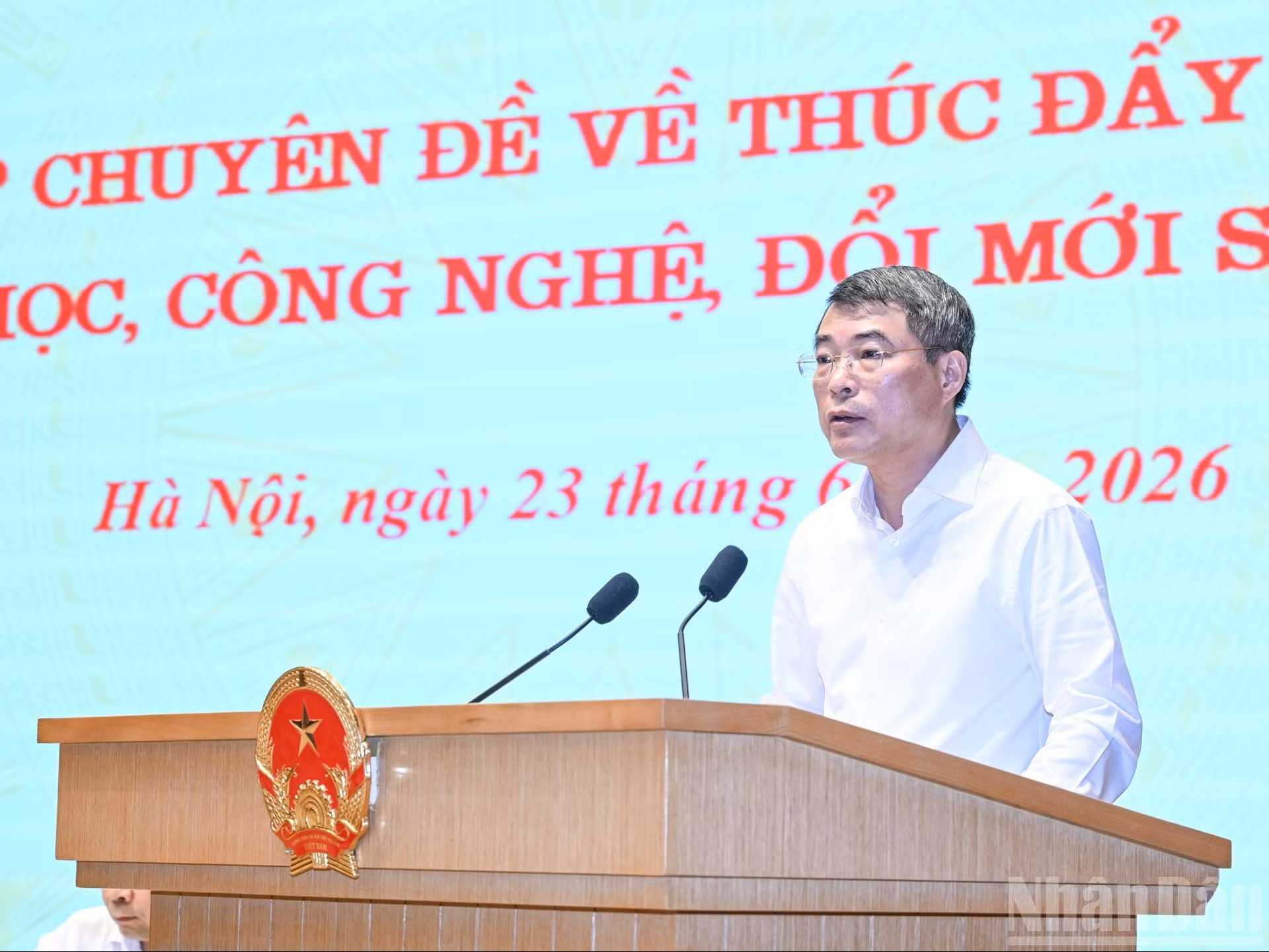
He criticized what he described as the "campaign-style" registration of science and technology projects—initiatives launched for appearance rather than practical impact—and urged ministries and local governments to focus on solving real-world problems.
According to the Prime Minister, future science and technology programs should originate from the practical needs of local governments, businesses and citizens while leveraging the comparative advantages and development priorities of each region and sector.
Practical application, commercialization potential and measurable contributions to socio-economic growth must become the primary criteria for evaluating science and technology initiatives.
Prime Minister Le Minh Hung
He also instructed ministries to play a stronger coordinating role by developing complete science and technology value chains while classifying research tasks at the national, regional and local levels to ensure more efficient allocation of public resources.