

New Health Insurance Benefits to Take Effect from July 1, 2026
From July 1, 2026, a series of new health insurance (HI) regulations will officially take effect in Vietnam, expanding benefits and making healthcare services more accessible for participants.
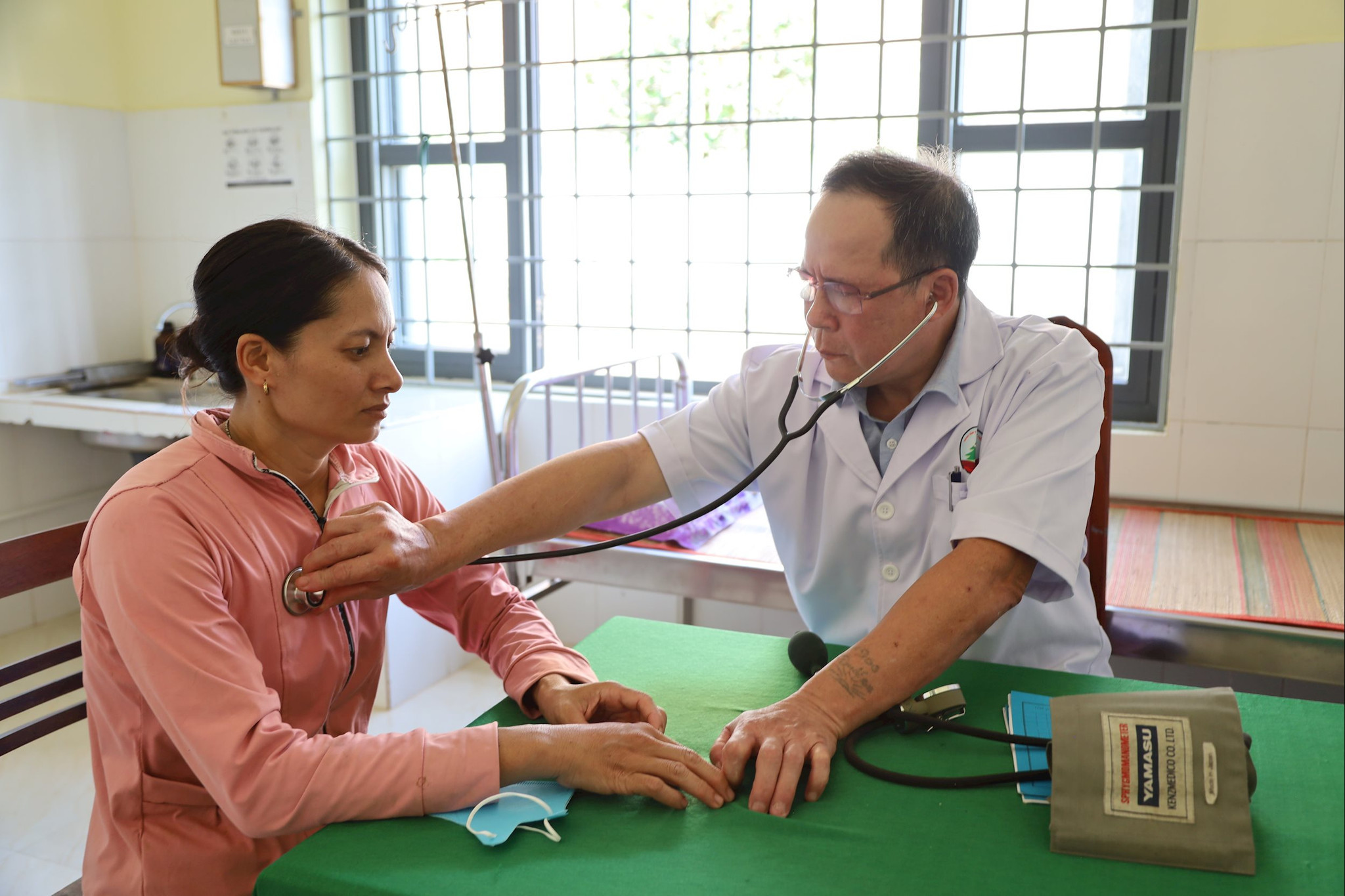
In Lam Dong Province, these policy changes are attracting significant public attention as they are expected to improve access to medical services and reduce treatment costs, particularly for the elderly, people with chronic illnesses and low-income households.
More Practical Benefits for Health Insurance Participants
In late May, Nguyen Thi Lan, 65, from Cat Tien 3 Commune, carefully put her health insurance card back into her wallet after learning that more benefits would become available from July 1.
For years, hypertension and diabetes have required her to undergo regular medical check-ups and receive ongoing treatment. On several occasions, she has to pay a large portion of medical expenses out of pocket because she wanted to receive care at higher-level medical facilities but did not meet the conditions for full insurance coverage under existing regulations.
“When I heard that health insurance benefits for out-of-network medical examination and treatment would be expanded, I was very happy. Older people like us simply want to receive treatment at facilities that best suit our health conditions while still being supported by the health insurance fund,” Lan said.
Her excitement reflects the feelings of many residents as a series of new health insurance policies officially come into force on July 1, 2026, bringing more practical benefits to participants.
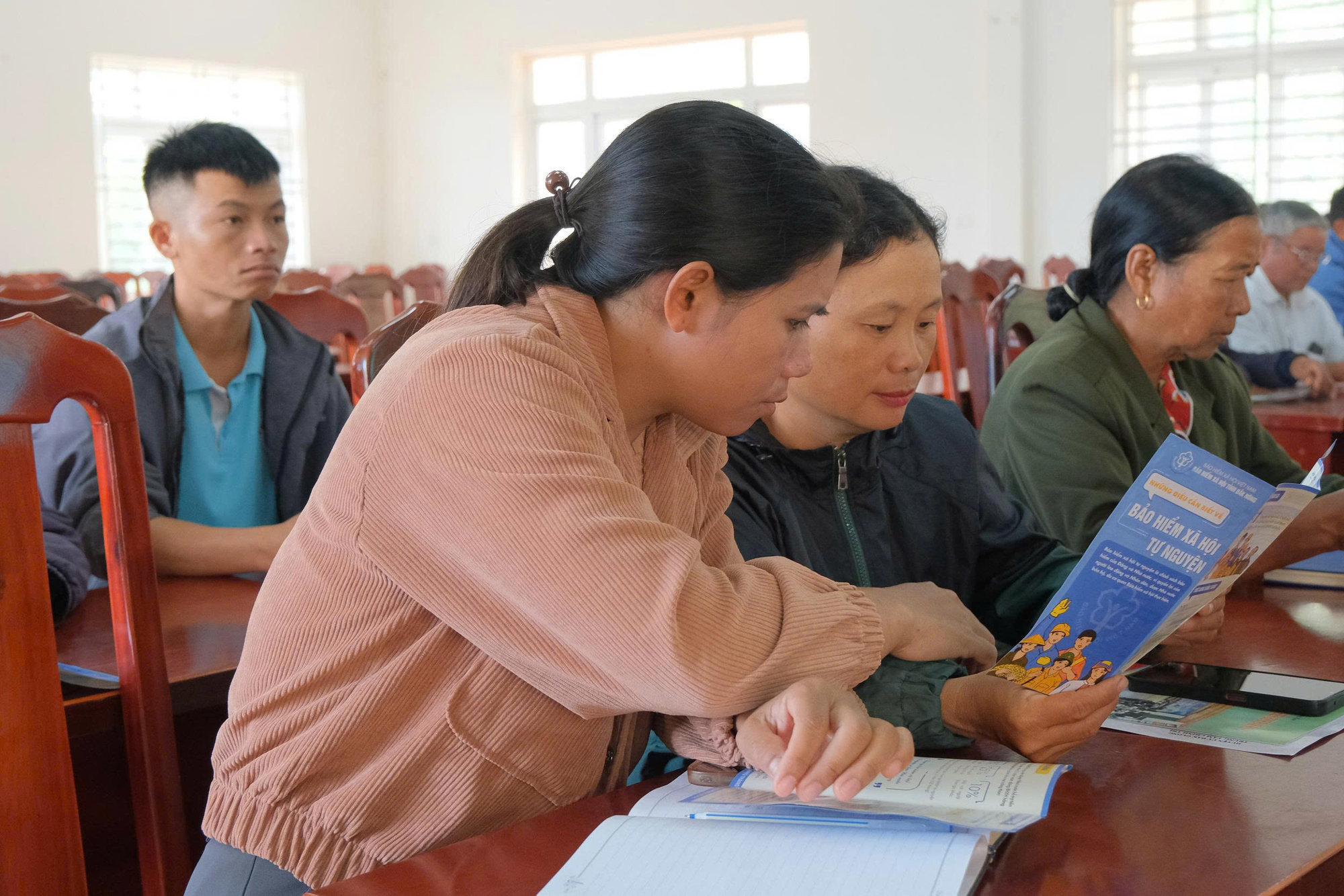
Under the new regulations, individuals who seek outpatient medical examinations and treatment outside their initially registered healthcare facilities at basic-level medical establishments (formerly provincial or central-level hospitals), or at facilities scoring between 50 and under 70 points under the national evaluation system, will have 50% of their eligible expenses covered by the health insurance fund.
For patients with chronic diseases who require regular follow-up visits, this change is considered a major improvement that will facilitate better access to healthcare services. Expanding health insurance coverage will not only reduce the financial burden on residents but also promote greater equity in healthcare access.
Beyond expanding treatment benefits, the new regulations also adjust several reimbursement levels following the increase in the statutory base salary to VND 2.53 million per month from July 1, 2026.
Accordingly, health insurance participants will receive 100% coverage within their eligible benefit package if a single medical examination or treatment costs less than VND 379,500. Those who have continuously participated in health insurance for at least five years and whose annual co-payment exceeds VND 15.18 million will also enjoy additional benefits.
These adjustments are considered particularly meaningful for low-income families, patients requiring long-term treatment and individuals who frequently use advanced medical services.
.jpg)
Nguyen Van Thanh, a retired resident of Ward 2 Bao Loc, said both he and his wife suffer from underlying health conditions, making monthly medical expenses a significant burden.
“Health insurance has already helped us tremendously. With these expanded benefits, people will feel even more secure. As we grow older, illness becomes inevitable, so the health insurance card truly serves as an important safety net,” Thanh said.
Strengthening the Social Safety Net
The policy changes are not only beneficial for older adults but also provide reassurance for families caring for relatives with severe illnesses or requiring prolonged treatment. For these households, each hospital admission brings not only health concerns but also considerable financial pressure.
Every expense covered by the health insurance fund, regardless of size, helps patients access essential healthcare services while easing the burden on their families.
Therefore, expanding health insurance benefits is more than a routine social welfare adjustment; it reflects the State’s commitment to safeguarding citizens’ health and well-being, particularly vulnerable groups.
According to Dang Hong Tuan, Director of Lam Dong Provincial Social Insurance Agency, these reforms clearly demonstrate a people-centered approach to social security policy.
Expanding health insurance benefits will better safeguard citizens’ right to healthcare while encouraging people to maintain continuous and long-term participation in the health insurance system.
Dang Hong Tuan, Director of Lam Dong Provincial Social Insurance Agency
.jpg)
Alongside expanded benefits, household health insurance contribution rates will also be adjusted in line with the new base salary.
Under the revised rates, the first household member will pay VND 1,366,200 per year; the second member VND 956,340; the third member VND 819,720; the fourth member VND 683,100; and the fifth member onward VND 546,480 annually.
While higher contributions are inevitable following the base salary adjustment, the expanded range of healthcare benefits reinforces health insurance as one of Vietnam’s most meaningful social welfare policies.
In practice, health insurance has served as a lifeline for countless families facing unexpected health crises over many years.
It has enabled poor and near-poor households, ethnic minority communities and low-income workers to access quality healthcare services without abandoning treatment due to financial hardship. This also highlights the humanitarian principle underpinning the policy, whereby healthy individuals collectively contribute to supporting those facing illness and disease.
In Lam Dong, health insurance coverage has remained consistently high for many years, reflecting growing public awareness that participation not only protects individuals and families but also contributes to shared social responsibility.
The value of a health insurance card extends beyond reimbursement figures or reduced medical expenses. It provides assurance that citizens, particularly older adults, low-income groups and vulnerable populations, can access healthcare services without overwhelming financial pressure.
As these new policies are set to take effect on July 1, millions of people nationwide, including residents of Lam Dong, will gain a stronger foundation for protecting and caring for their own health and that of their families.