Ethnic Minorities Join Efforts to Protect Lam Dong Forests
Chinh Thanh•26/06/2026 23:09
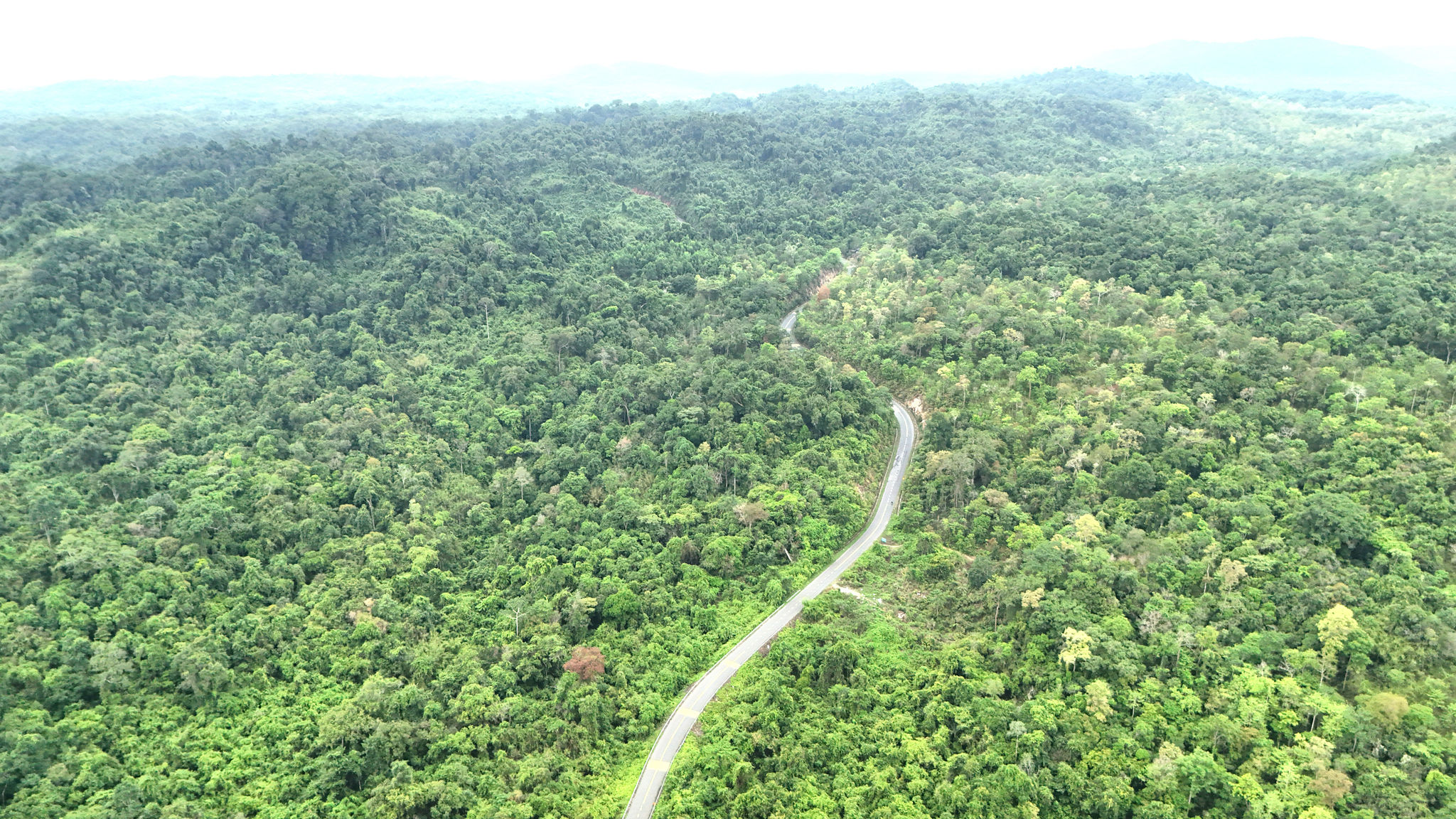
Amid the vast forests of Lam Dong Province, thousands of ethnic minority households are working tirelessly to protect contracted forest areas, helping preserve more than 1.1 million hectares of forest while securing sustainable livelihoods through forest protection activities.
Lam Dong possesses the largest forested land area in Vietnam following the administrative merger that took effect on July 1
Forest Protection Becomes a Way of Life
In June 2026, as the dry season nears its end, periods of intense heat combined with scattered rainfall continue to heighten wildfire risks along National Highway 27C, which connects Da Lat and Nha Trang.
To fulfill forest management, protection, and wildfire prevention duties, members of the contracted forest protection team at the Darahoa Forest Protection Station, under the Da Nhim Watershed Protection Forest Management Board, begin their routine patrols early each morning.
Alongside professional forest protection forces, contracted forest protection teams play a vital role in safeguarding forests, maintaining forest resources, and preventing wildfires
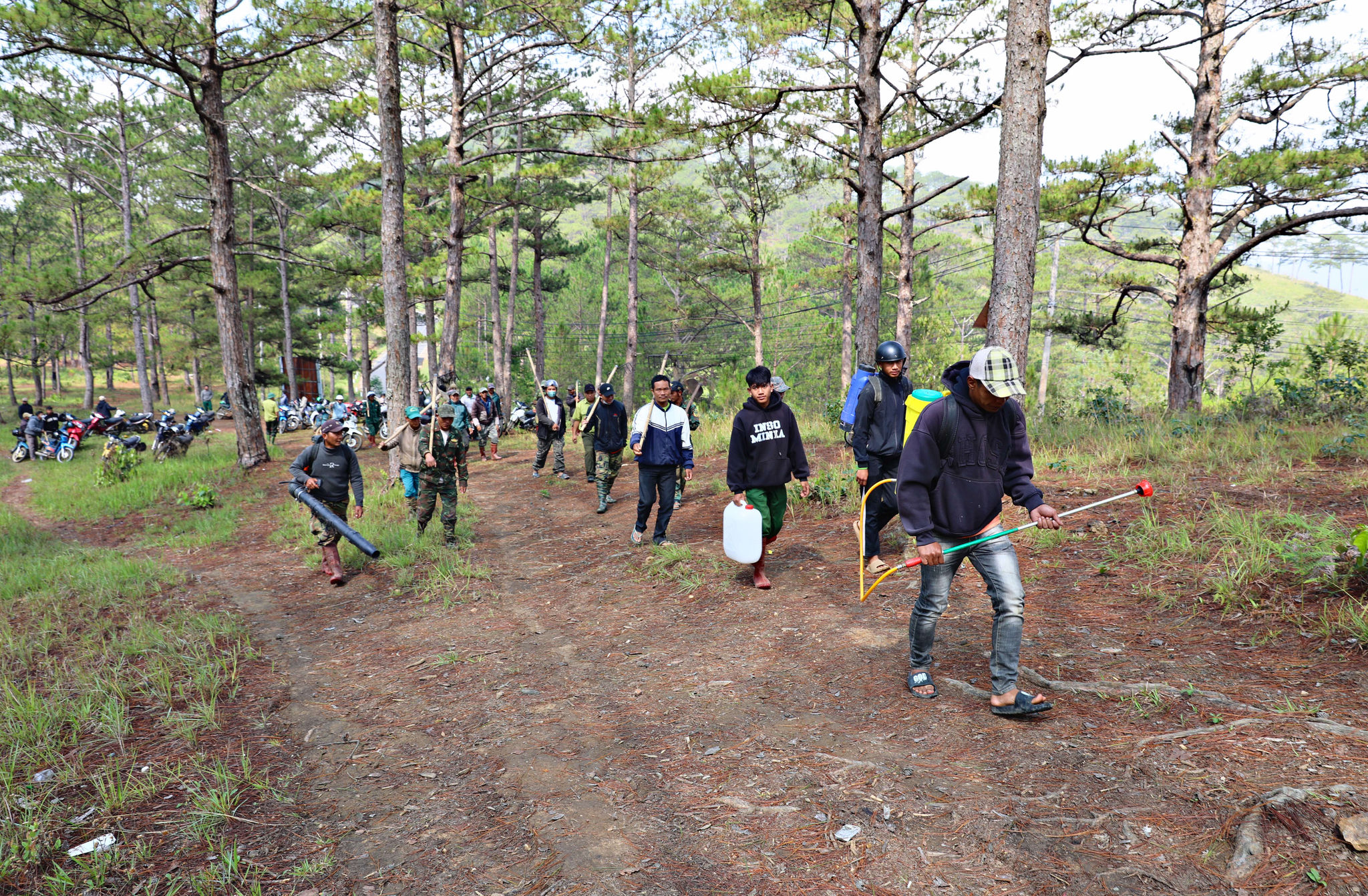
Carrying machetes, leaf blowers, fire extinguishers, drinking water, and basic supplies, local residents prepare carefully before embarking on patrols that often last several hours through extensive forest areas.
Kra Jan Ju Mon, leader of the station’s reserve force team, said that forest protection has become an integral part of his daily life. After many years working in the watershed forests, he knows every slope, trail, and area vulnerable to forestry violations.
“
Without forests, there would be no water sources, fertile land, or stable livelihoods for local communities
Kra Jan Ju Mon, a member of the contracted forest protection team at the Darahoa Forest Protection Station
Like many other K’ho residents involved in forest protection contracts, Mon regards the assigned forest areas as shared community assets. Whenever signs of illegal logging or wildfire risks are detected, residents promptly report them to authorities for immediate action.
According to Duong Quoc Thuan, head of the Darahoa Forest Protection Station, the unit currently manages 11 forest sub-compartments with a workforce of about 50 people. In addition to professional forest rangers, the station collaborates with police, military personnel, and contracted households in forest patrol and protection activities.
Ethnic minority residents and staff of the Lam Ha Protection Forest Management Board conduct a forest protection patrol in the Dam Rong–Lam Ha area
Over the years, the forest protection contracting policy has delivered tangible benefits. Through payments for forest environmental services, each participating household earns an additional income of approximately VND 20–25 million annually, helping improve living standards and encouraging long-term commitment to forest conservation.
At the Serepok Protection Forest Management Board, which oversees nearly 61,000 hectares of forest, the contractng system has also been widely implemented. More than 29,299 hectares have been assigned to 737 households and two community groups for management and protection.
Forest fires are detected early and promptly contained, preventing damage to forest resources
Nguyen Trong Man, head of the Serepok Protection Forest Management Board, noted that most contracted households belong to ethnic minority communities. Given the economic challenges many families face, the agency regularly works with local authorities to raise awareness about the long-term value of forests and foster a sense of responsibility for conservation.
Proactive Forest Protection at the Community Level
In addition to conducting patrols and preventing forest violations, contracted forest protection teams serve as the frontline force in wildfire prevention and response efforts.
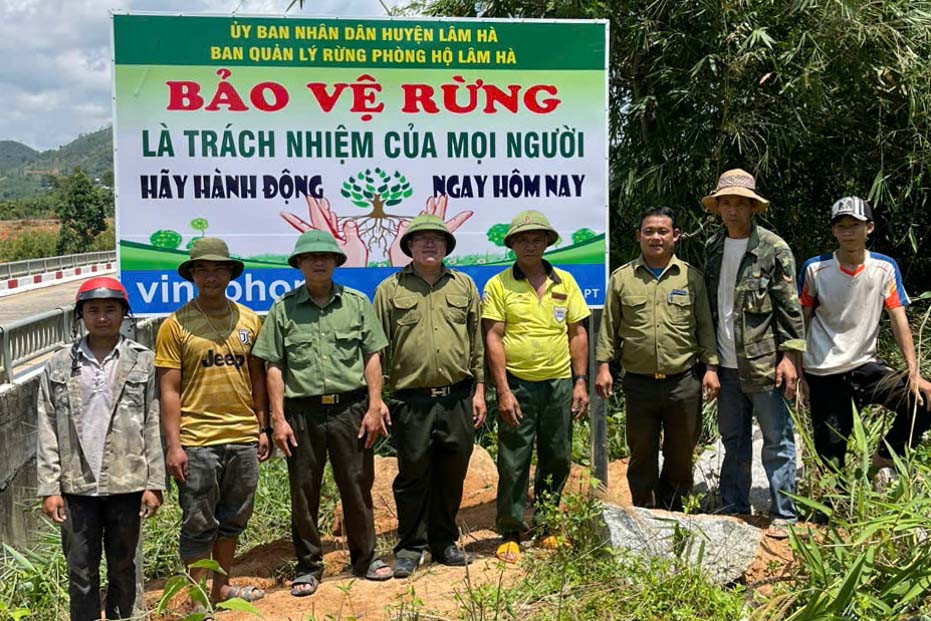
Contracted forest protection team members join forces with staff of the Lam Ha Protection Forest Management Board to protect the forest
In recent years, climate change has led to longer dry seasons and heightened wildfire risks. To address these challenges, forest owners throughout Lam Dong have developed early fire-prevention plans and intensified patrols in high-risk areas.
In the northern part of the province, monitoring stations have been established in vulnerable locations. Contracted households regularly coordinate with forest rangers, police, military units, and local authorities to inspect forests and detect potential fire hazards before they develop into fires.
Their familiarity with local terrain allows them to reach incident sites quickly. Numerous small fires have been detected and extinguished at an early stage, minimizing damage to forest resources.
“
Thanks to stable income from forest protection contracts and environmental service payments, household livelihoods have improved. More importantly, forests are better protected, water resources are preserved, and future generations can enjoy a greener and more sustainable environment
Village elder Krong of Lieng Hung Hamlet, Dam Rong 2 Commune, Lam Dong Province
In southern Lam Dong, localities such as Cat Tien, Da Teh, and Da Huoai continue to organize regular patrols in key forest areas to reduce wildfire risks and prevent illegal activities.
Across Lam Dong Province, nearly 480,000 hectares of forest have been entrusted to more than 20,500 households and 37 community groups for management and protection. More than 16,000 ethnic minority households from the K’ho, Ma, Churu, and M’nong communities are directly involved in patrols, forest conservation, and wildfire prevention.
One notable achievement is the growing sense of responsibility among local residents. Many contracted households voluntarily participate in overnight fire-watch duties during the peak dry season. Some have devoted decades to forest protection, viewing it as a commitment to both their communities and future generations.
Responsibility for forest protection has been strengthened by linking economic benefits to forest conservation duties
Economic incentives linked to forest conservation have strengthened accountability and improved protection outcomes. Meanwhile, village elders and respected community leaders continue to encourage residents to comply with forest protection regulations, avoid illegal slash-and-burn cultivation, and refrain from using fire in forest areas during high-risk periods.
According to leaders of Lam Dong’s Department of Agriculture and Environment, experience has shown that areas where local communities actively participate in forest management consistently achieve better conservation results. As a result, contracted forest protection teams have become a vital component of the province’s forest management and protection system.



.jpg)
.jpg)
.jpg)
.jpg)