

Dam Rong 1 Builds Sustainable Livelihoods and Higher Incomes
By leveraging its natural advantages, expanding high-tech agriculture and maintaining traditional livelihoods, Dam Rong 1 is creating sustainable incomes and improving living standards.
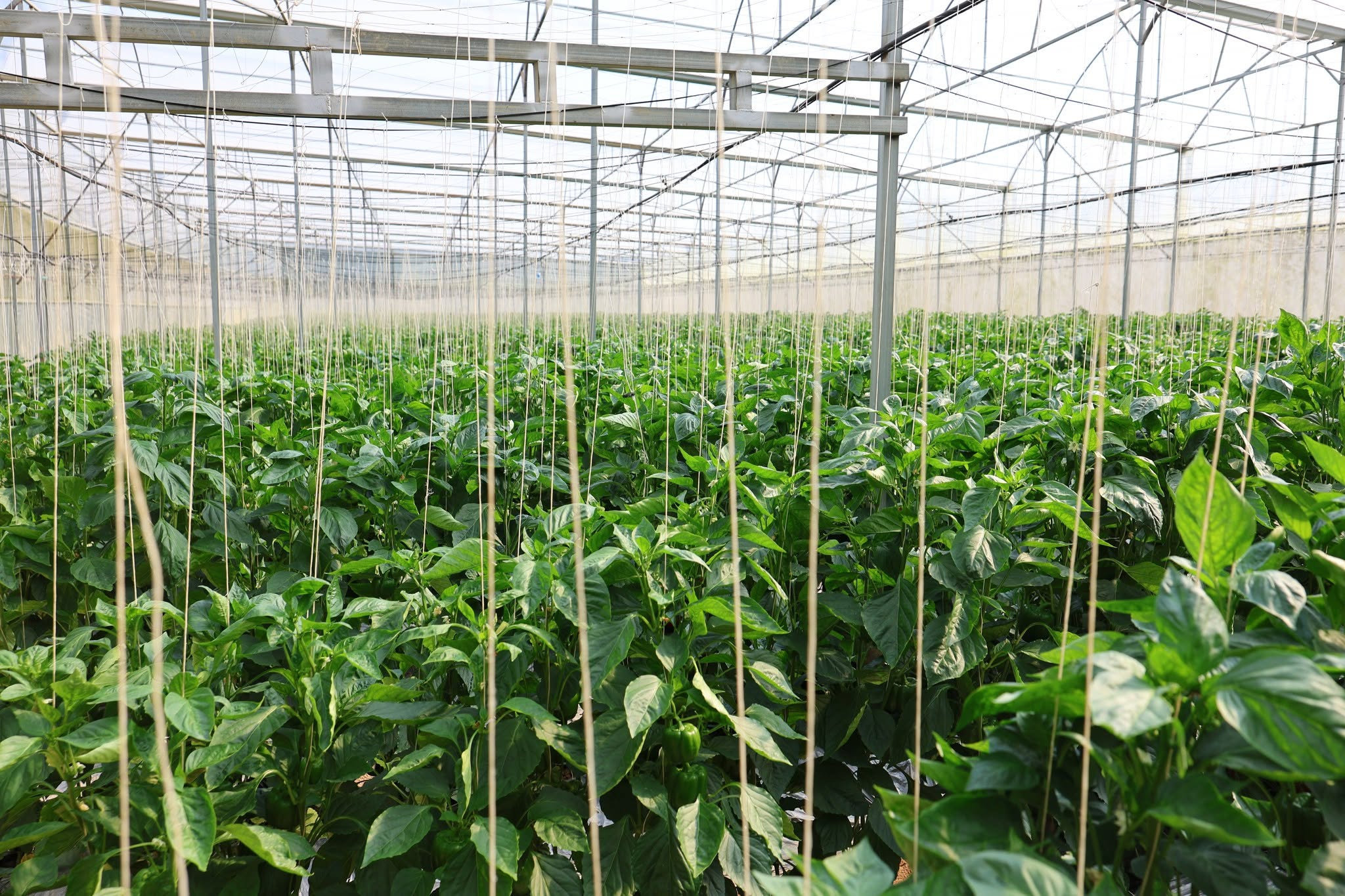
Leveraging Local Strengths to Raise Incomes
In recent years, Dam Rong 1 Commune has seen a growing number of high-tech agricultural models that are generating strong economic returns.
Pham Van An's family is among the local pioneers investing in greenhouse farming. With more than about 4,000 square meters of greenhouses dedicated to beef tomato cultivation, the model has provided a stable source of income.
According to An, greenhouse production helps reduce pests and diseases, lowers spending on crop protection products, and improves both yield and product quality. Each sao produces around 25-30 tonnes of tomatoes on average. With prices of about VND 20,000 per kilogram, the model delivers significantly higher returns than traditional farming methods.
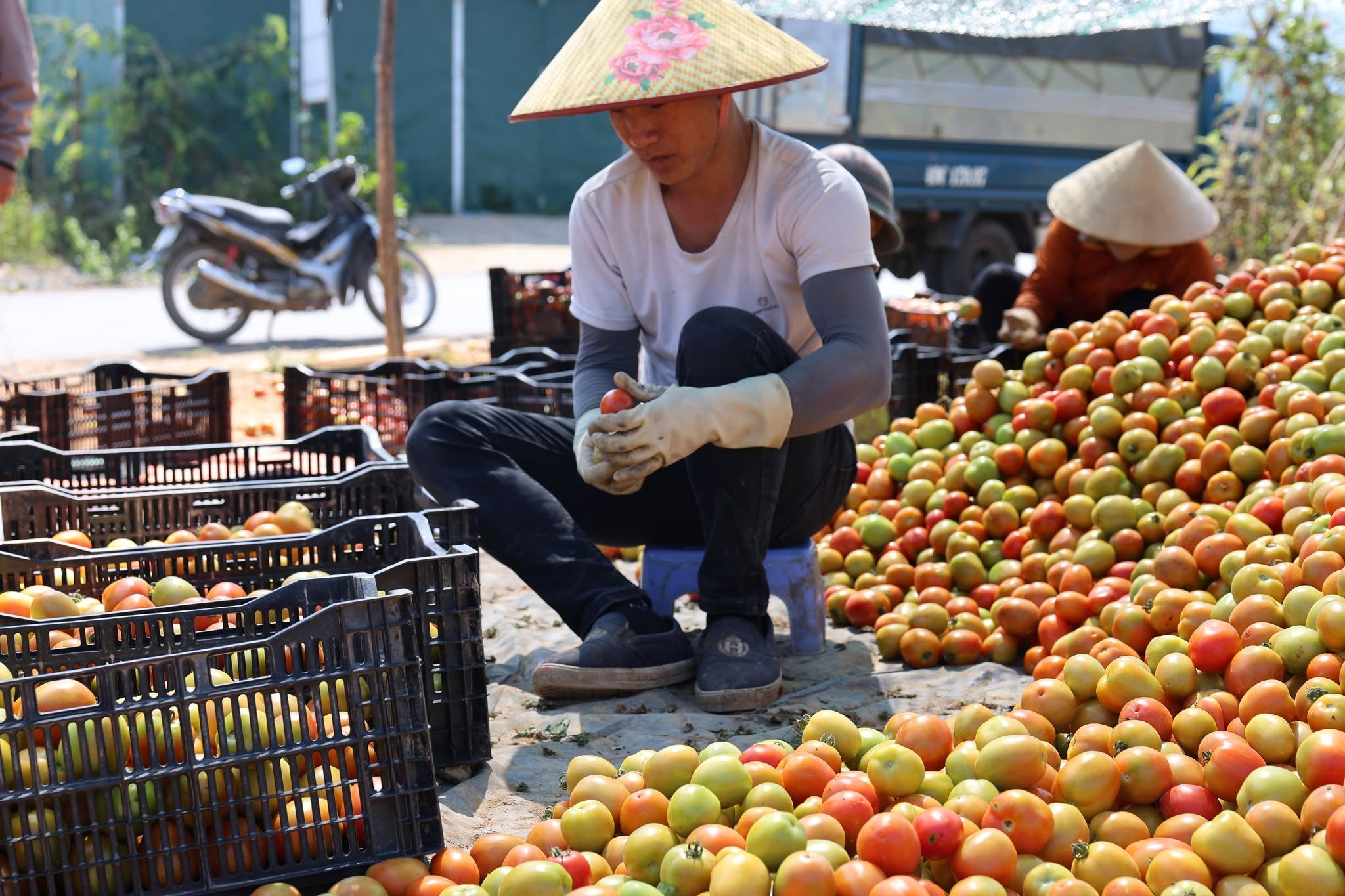
An's family is not alone. Many households across Dam Rong 1 are investing in high-tech farming models for high-value crops such as vegetables, flowers, tomatoes and fruit trees.
Local residents have expanded cultivation of key crops such as coffee, macadamia and mulberry, while preserving traditional occupations that provide additional income. This diversified production structure has helped improve incomes and living standards across the commune.
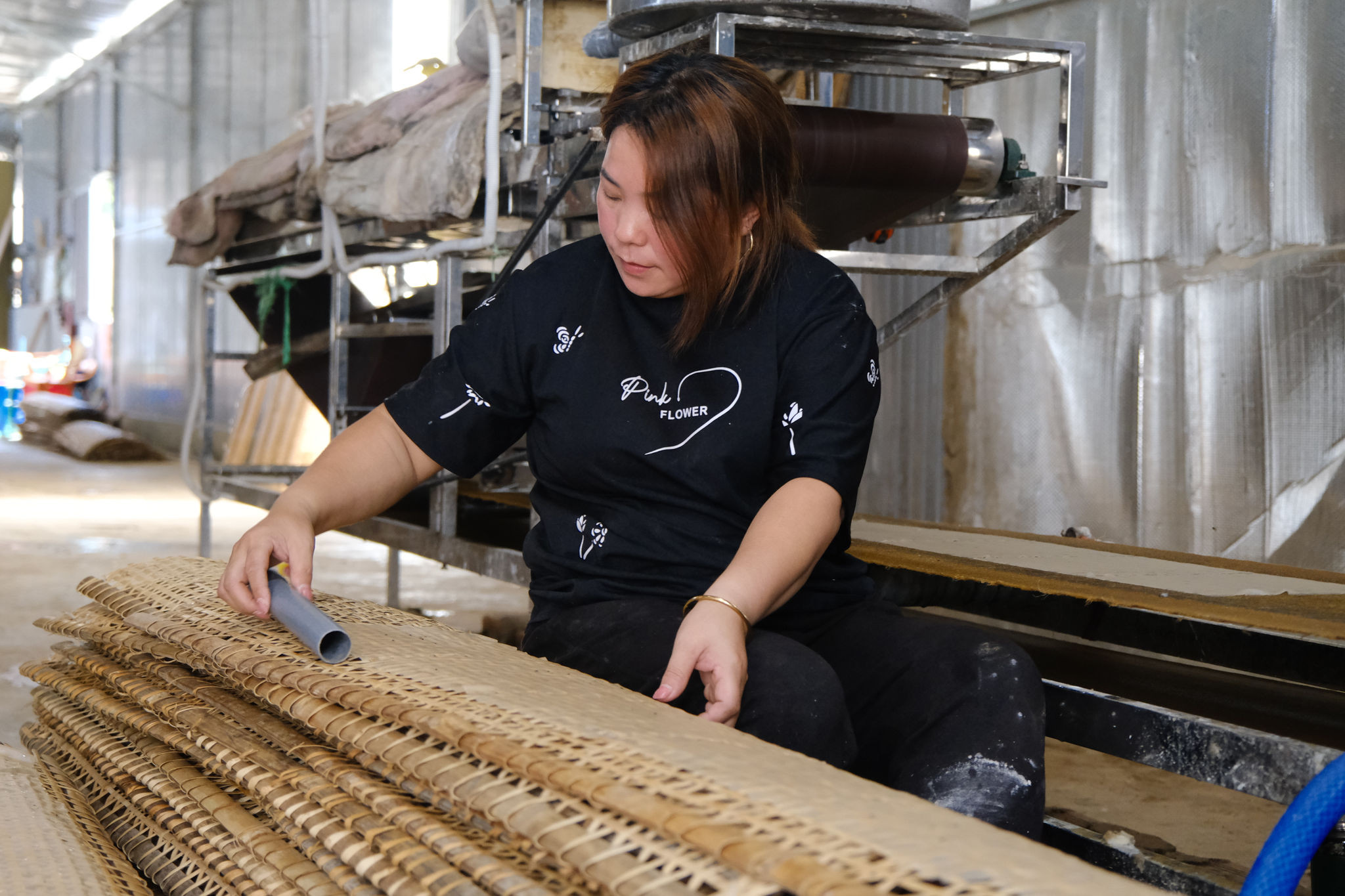
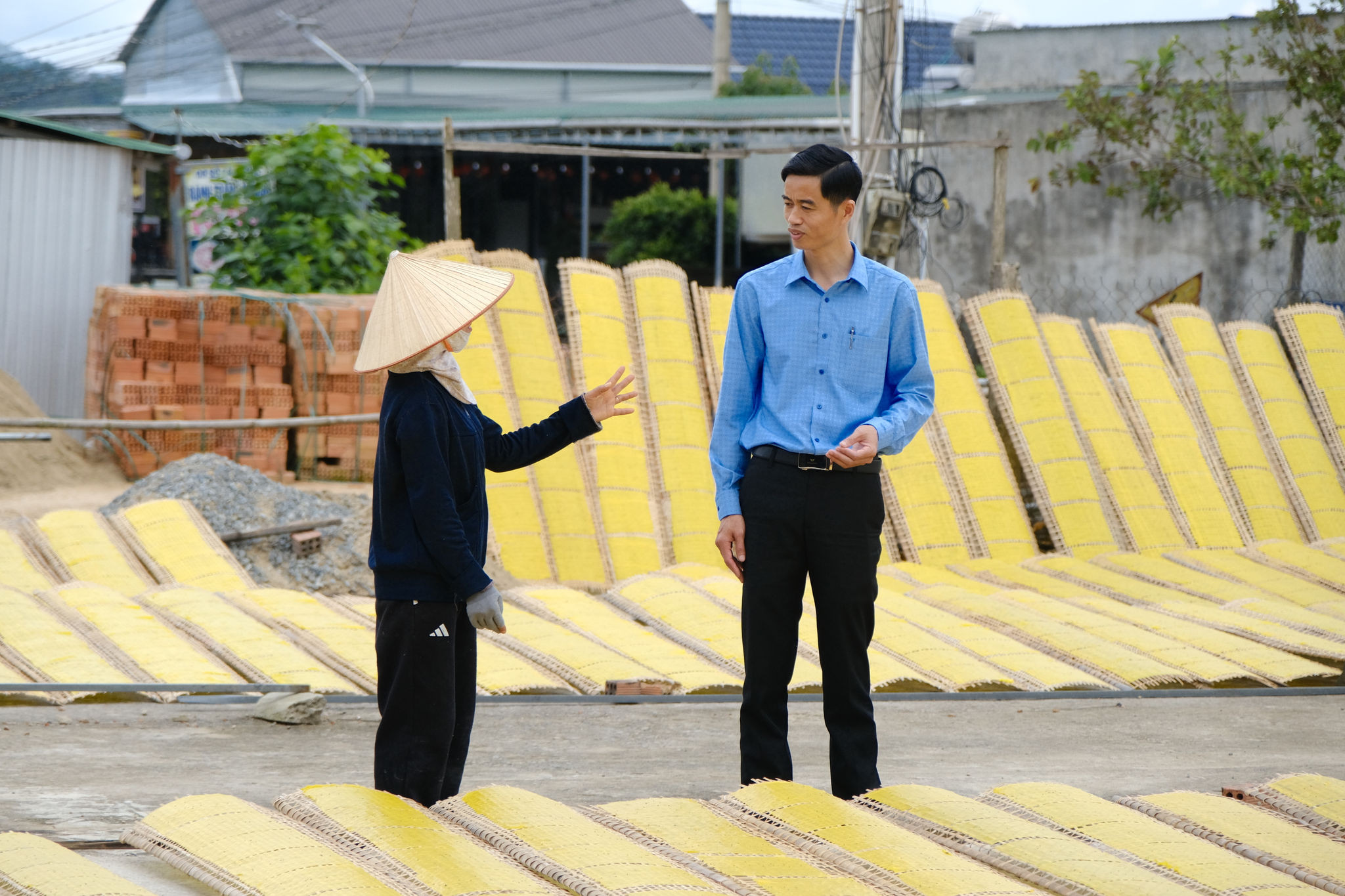
Trieu Thi Hoa, a rice paper producer in Tay Village, said the settlement, established nearly 30 years ago, is home to more than 100 households, most of them from the Tay ethnic group who migrated from northern mountainous provinces.
“In the past, residents mainly relied on coffee and vegetable cultivation for their livelihoods. Since 2015, Tay Village has developed a new occupation - rice paper making. Thanks to this, local living standards have steadily improved,” Hoa said.
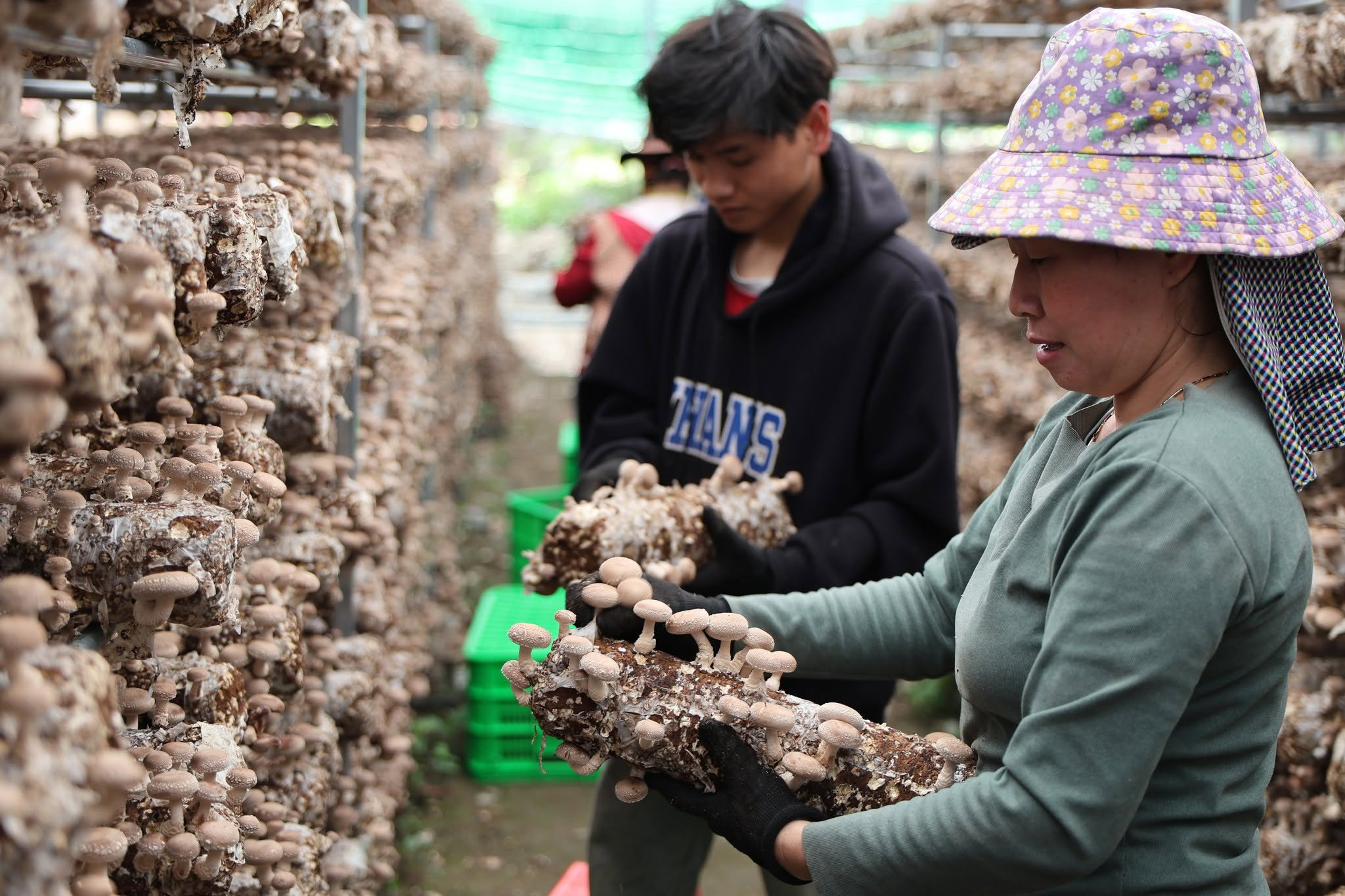
With agriculture as a key strength, Dam Rong 1 authorities have focused on supporting farmers in applying science and technology, developing specialized production areas and adopting suitable crop patterns.
As a result, the commune has become one of the region's leading high-tech agricultural areas, with average annual income reaching around VND 62 million per person.
According to Phan Van Dang, Vice Chairman of the Dam Rong 1 Commune People's Committee, increasing income remains a key development goal. The commune has promoted suitable production models and supported residents in expanding household businesses to improve their livelihoods and quality of life.
Toward Sustainable Poverty Reduction
Alongside income growth, sustainable poverty reduction remains a priority for Dam Rong 1. Living standards continued to improve during the 2021- 2025 period, with the poverty rate declining year by year.
However, local authorities noted that the commune's multidimensional poverty rate still stood at 2.98% at the end of 2025. While significantly lower than in previous years, it remains above the average level, particularly in ethnic minority communities where the risk of falling back into poverty persists.
Under Vietnam's multidimensional poverty standards for 2026 - 2030, poverty is assessed not only by income but also by access to essential social services, including healthcare, education, housing, clean water and information.
This requires local authorities to implement comprehensive solutions that both raise incomes and narrow gaps in access to basic services.
To achieve these goals, the Dam Rong 1 Commune People's Committee has adopted a plan to implement the National Target Programs on New Rural Development, Sustainable Poverty Reduction, and Socio-Economic Development in Ethnic Minority and Mountainous Areas for the 2026–2030 period.
According to Phan Van Dang, the commune aims to ensure that 100% of eligible poor and near-poor households have access to policy credit programs.
It also targets full health insurance coverage for all poor and near-poor residents, while ensuring that all workers in need receive career counseling, vocational training and suitable job placement support.
By making the most of its local strengths, Dam Rong 1 targets an annual reduction of 0.35 - 0.75 percentage points in its multidimensional poverty rate, with the goal of lowering it to below 1% by 2030.
Phan Van Dang, Vice Chairman of the Dam Rong 1 Commune People's Committee.
.jpg)
The commune plans to expand technology transfer, support production, replicate successful livelihood models, create jobs and improve workforce skills. It will also encourage residents to take a more proactive role in overcoming poverty.
Experience shows that higher incomes and better living standards lead to stronger participation in new rural development programs. Income growth is therefore both a development outcome and a driver of broader progress.
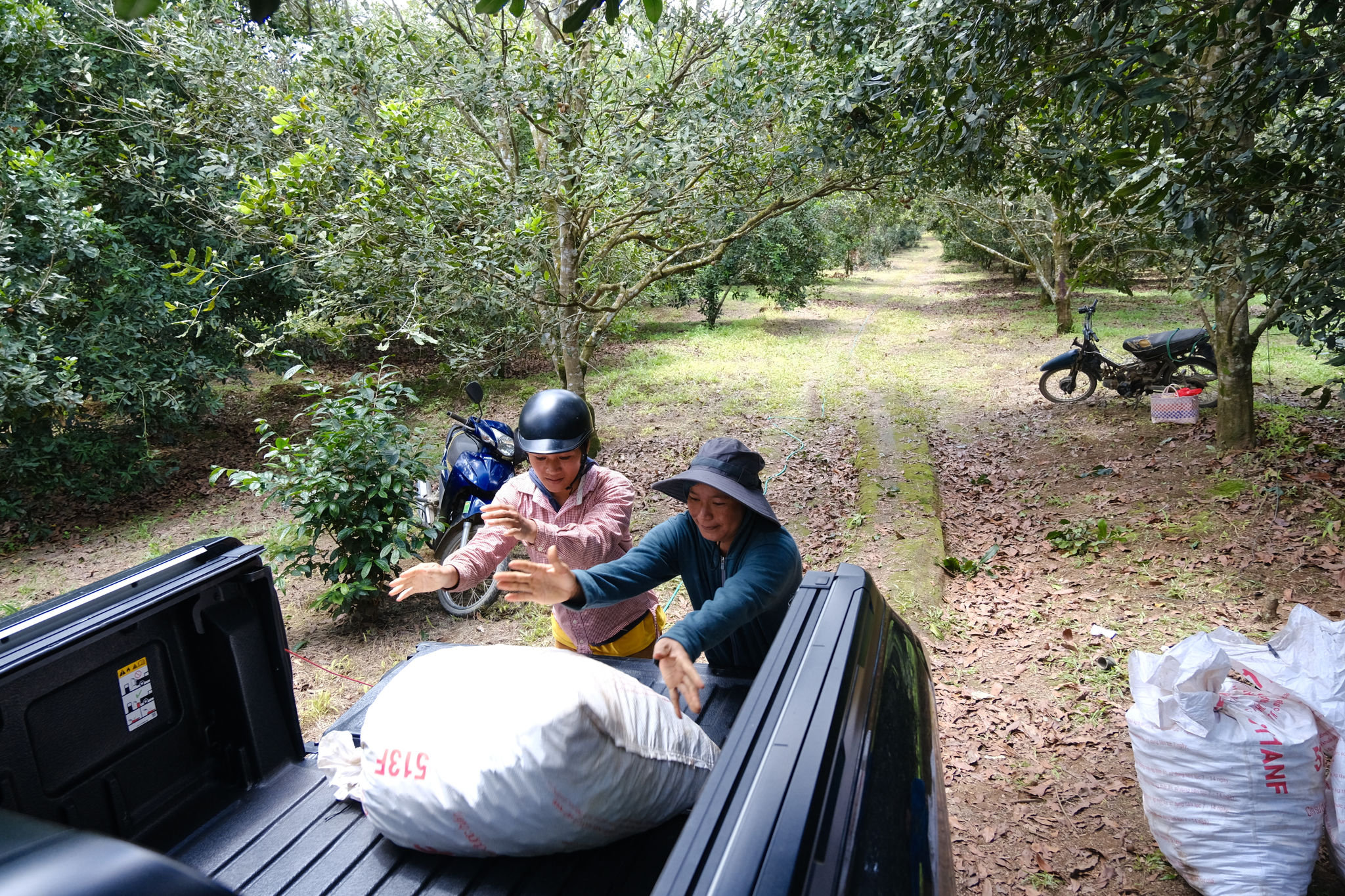
With a development strategy tailored to local conditions, effective use of its natural advantages and a strong focus on creating sustainable livelihoods, Dam Rong 1 is steadily improving residents' quality of life.
These efforts are laying a solid foundation for building a new countryside that is more substantive, sustainable and responsive to local needs.