

Lam Dong Targets Tourism as Key Economic Driver Despite Airport Closure
Despite the temporary closure of Lien Khuong Airport for renovations, the tourism sector of Lam Dong is experiencing robust growth. The region is successfully repositioning itself as a multi-product, multi-spatial integrated tourism hub.
Positive Indicators for Tourism Growth
According to the provincial Department of Culture, Sports and Tourism, Lam Dong welcomed nearly 12 million visitors for sightseeing and leisure in the first half of the year, fulfilling 47.83% of its annual target. Tourism revenue reached over 33 trillion VND (approx. 1.3 billion USD), accounting for 46.95% of the yearly plan.
These results lay a solid foundation for the province to achieve double-digit growth by the end of 2026. Notably, international arrivals surged by 18.6%, driven by proactive efforts to expand overland and inter-regional tours, alongside familiarization trips (FAM trips) organized for travel agencies and media outlets to showcase new tourism products.
Following recent administrative mergers, Lam Dong has expanded its development space and stands before a major opportunity for a breakthrough. The province aims to become one of the country's more developed localities by 2030, with GRDP per capita exceeding 100 million VND. To realize this target, the tourism sector must develop rapidly and sustainably, cementing its role as a key economic driver of socio-economic growth.
Chairman of the Provincial People's Committee Ho Van Muoi.
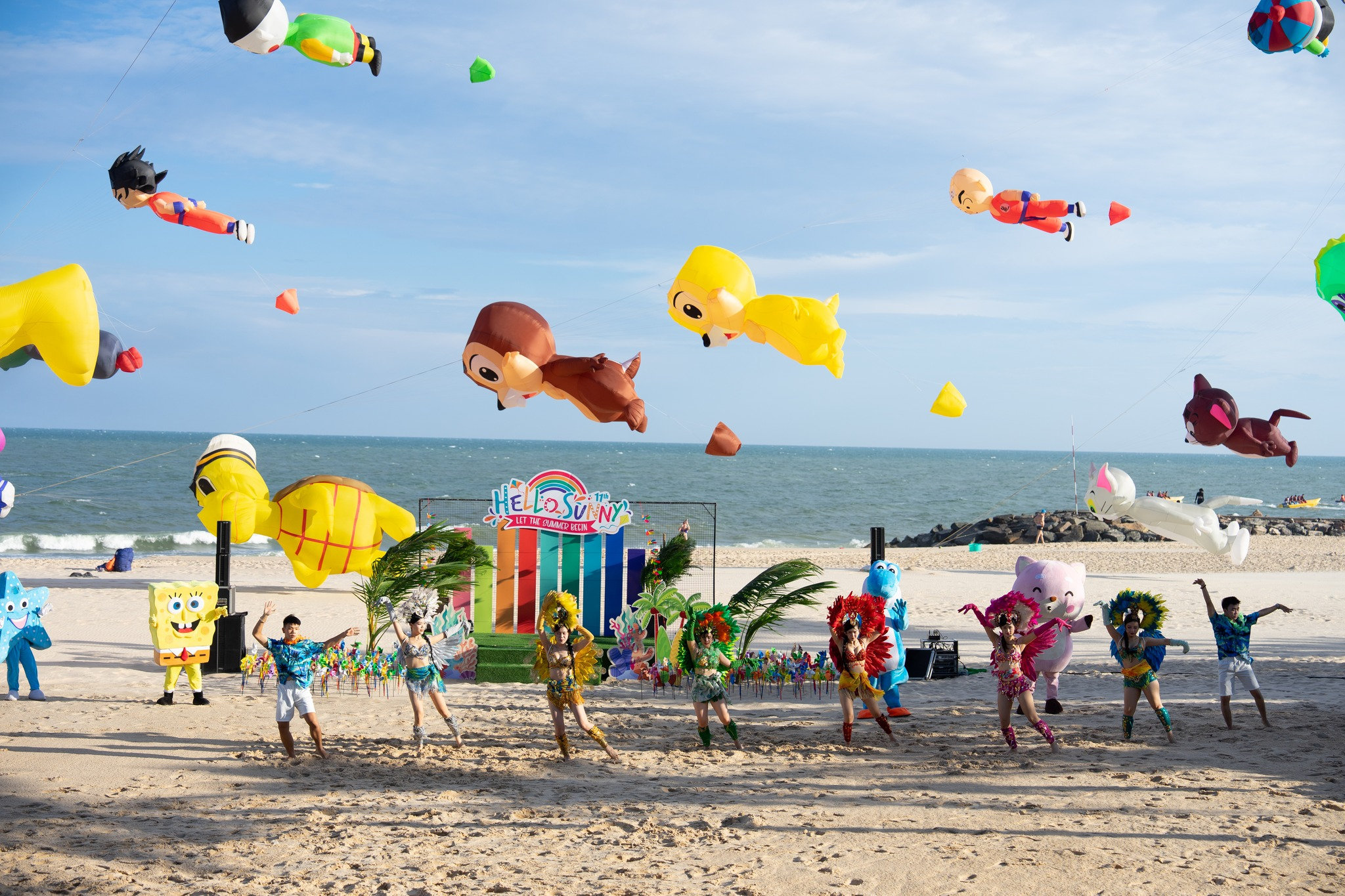
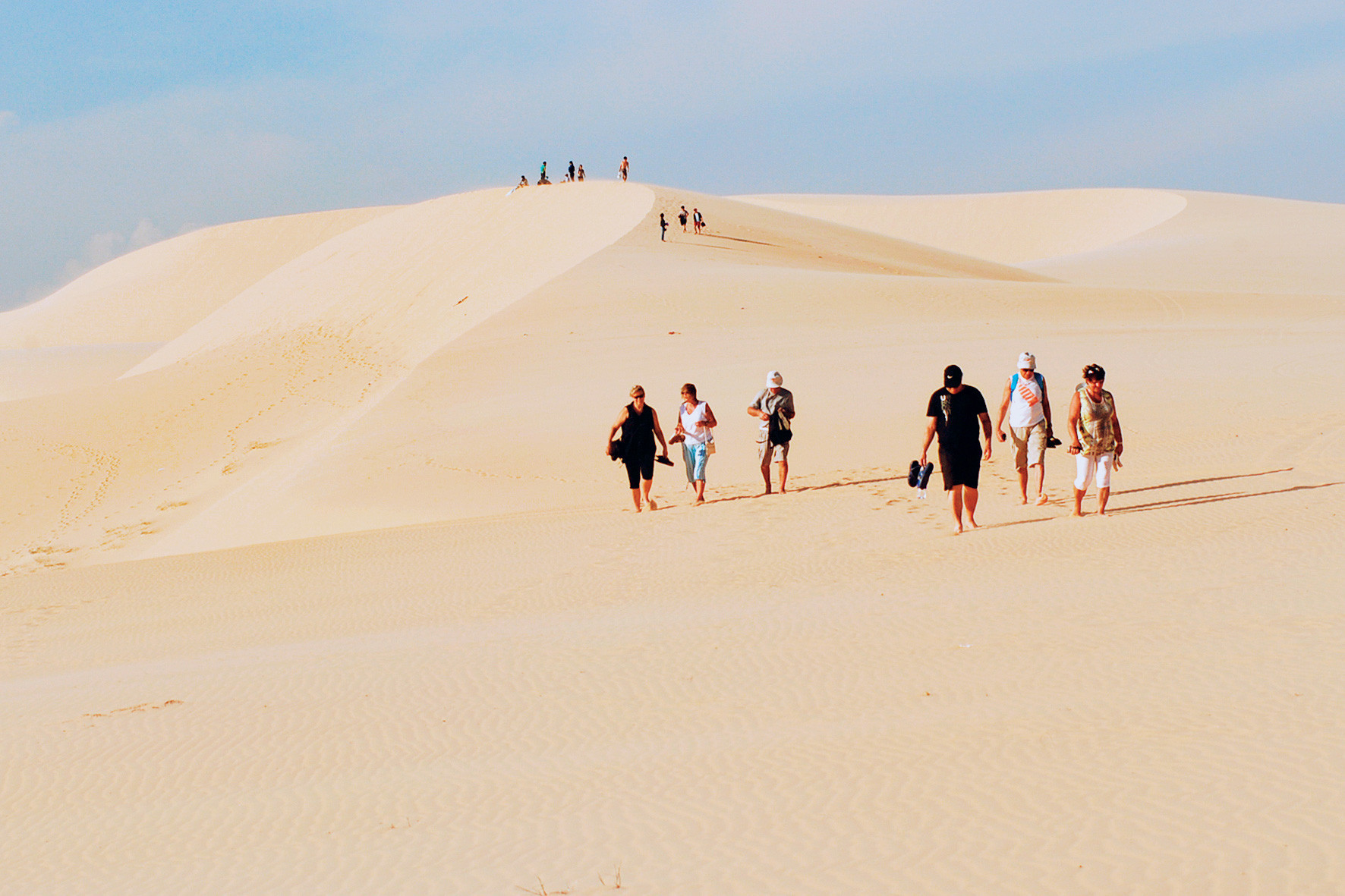
Alongside Da Lat, Mui Ne has emerged as one of the fastest-growing destinations in southeastern Lam Dong this summer. Every afternoon, beaches in the Mui Ne area buzz with activity. Visitors can be seen swimming, kitesurfing, windsurfing, and kayaking, alongside participating in beach teambuilding games under skies filled with giant kites, creating a vibrant summer landscape.
Dang Hoang Thuy Phuong, Director of Mui Ne Travel Co., Ltd., noted that international arrivals have rebounded sharply since September 2025. With the summer peak season underway, most 3- to 4-star resorts in the Mui Ne area are fully booked on weekends. Newly launched resorts require bookings up to two weeks in advance. Additionally, travel agencies are rolling out promotional packages under the province's tourism stimulus campaign.
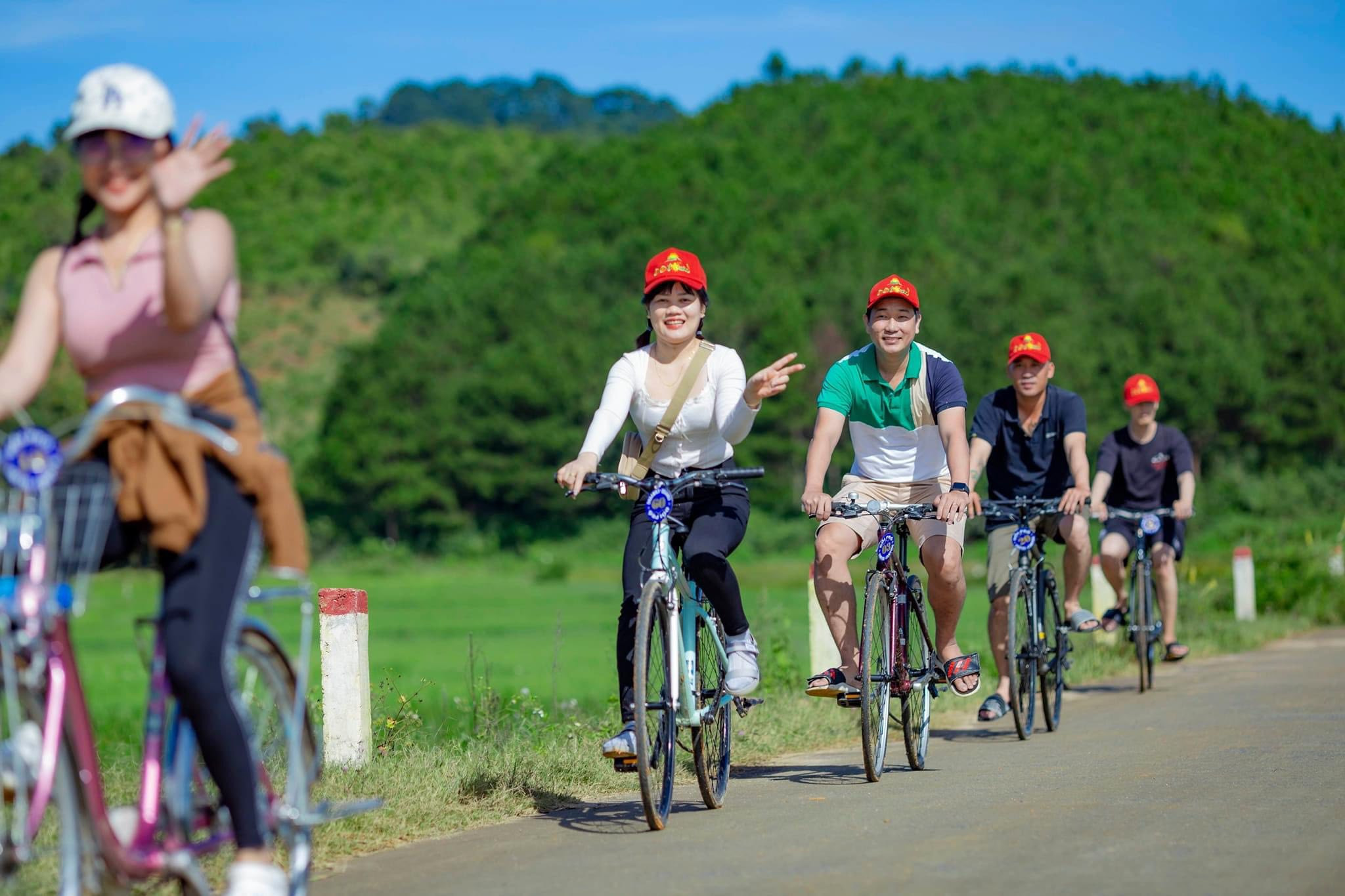
To boost summer travel, travel agencies, resorts, and hospitality businesses across the province have engaged in discounting and promotional campaigns since April, offering tourists enhanced experiences.
Hoang Cong Dinh, Director of Dima-Tour Import-Export Trading & Tourism Co., Ltd. (based in Mui Ne Ward), shared: "Beyond traditional sightseeing in Da Lat and Mui Ne, our company is focusing on experiential products that blend nature, culture, high-tech agriculture, and outdoor activities. In particular, increasingly convenient expressway connections have made inter-regional tours linking Da Lat, Mui Ne, Ta Dung, and Bao Loc highly attractive. These are the products businesses are leveraging to extend visitor stays and increase spending."
Unclogging Bottlenecks for Sustainable Growth
However, to meet its 2026 year-end targets of welcoming over 25 million visitors and generating more than 71 trillion VND in revenue, Lam Dong's tourism sector requires long-term strategies. Many tour operators point out that despite rising visitor numbers and revenues, the sector still faces several bottlenecks. The majority of local tourism products remain limited to short-stay sightseeing and leisure, lacking innovative offerings to prolong stays or incentivize repeat visits.
Dinh observed that while the "highlands-flowers-blue ocean" tourism linkage has begun to take shape, it has not yet achieved the seamless "one journey, three destinations" expectation. He suggested that the province build a unified experiential chain with signature products, backed by close coordination between local authorities, travel agencies, accommodation providers, and attractions.
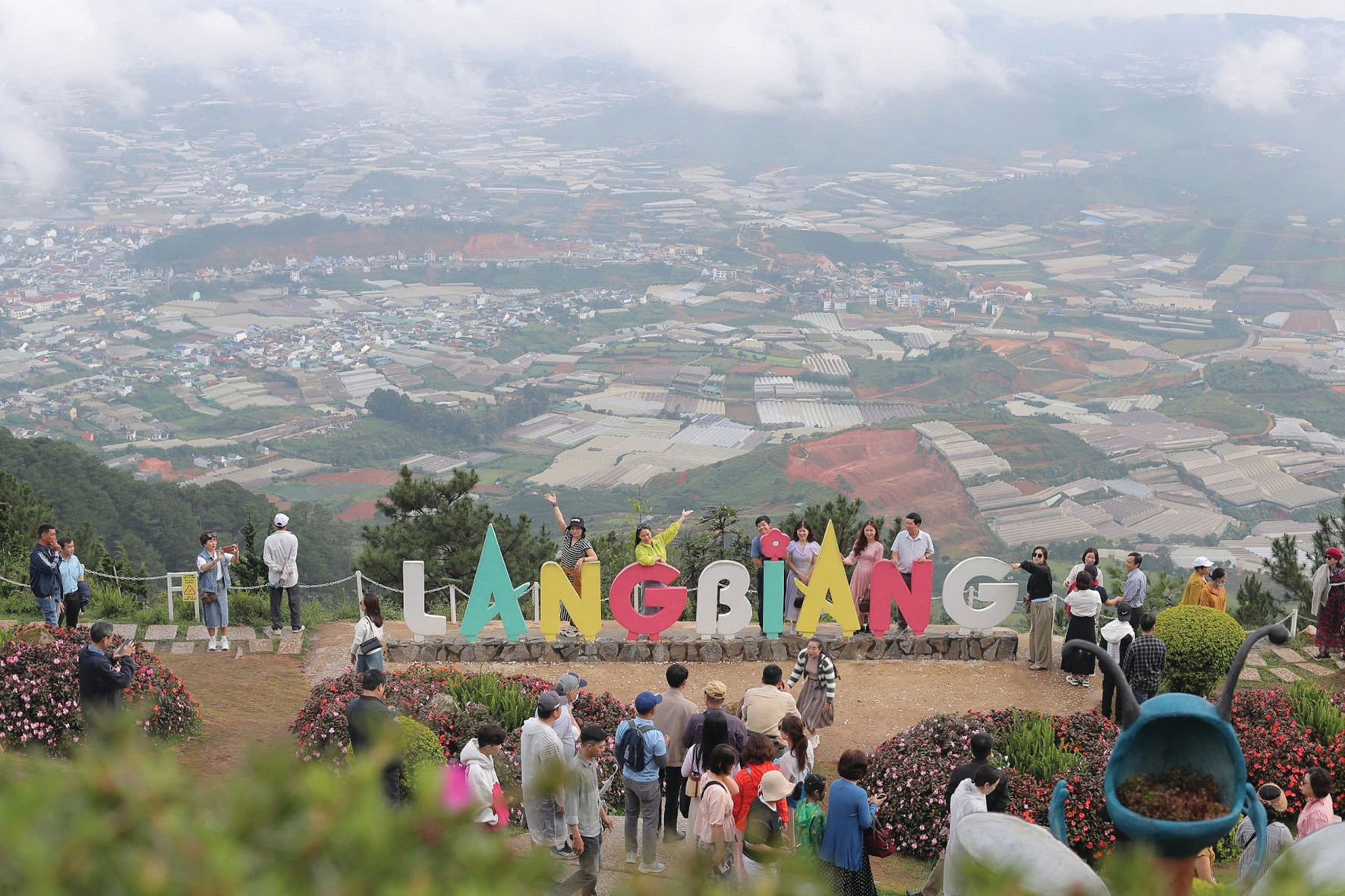
Furthermore, nightlife tourism products, landscape highlights, and clean-and-green urban spaces remain limited, failing to create a strong pull for tourists.
To sustain growth in the final months of the year, Mr. Dinh proposed: "We anticipate that the reopening of Lien Khuong Airport will provide a major boost. To capitalize on this, the tourism sector must intensify promotional campaigns in key domestic and international markets, particularly those with the potential for direct flights."
He added that the province should support new products like night tourism and high-tech agricultural tourism, host large-scale cultural and sporting events, and strengthen links with provinces in the South Central Coast and Southeast regions to expand its tourism footprint.
At a recent meeting of the Provincial Tourism Development Steering Committee, Dinh Van Tuan, Vice Chairman of the Provincial People's Committee and Head of the Steering Committee, affirmed that Lam Dong possesses immense potential to transform tourism into a driving economic sector.
To hit growth targets, he directed the Department of Culture, Sports and Tourism to step up marketing and stimulus campaigns. Concurrently, provincial departments and local authorities must proactively resolve bottlenecks regarding planning, land use, infrastructure, and investment attraction. Leaders urged a shift in mindset to build competitive, signature tourism products tailored to each locality, alongside ongoing support for community-based tourism, the night economy, and new experiential products.