

Short-Break Travel Trend Expected to Boost Local Tourism
Summer travel among Vietnamese tourists is changing. Traveling farther or staying longer is no longer the only measure of a quality holiday. Instead, travelers are looking for journeys that are close enough and convenient enough, yet still offer a sense of novelty. In this context, the eastern coastal area of Lam Dong is well positioned to tap into the short-break travel trend and boost local tourism.
Weekend Getaways
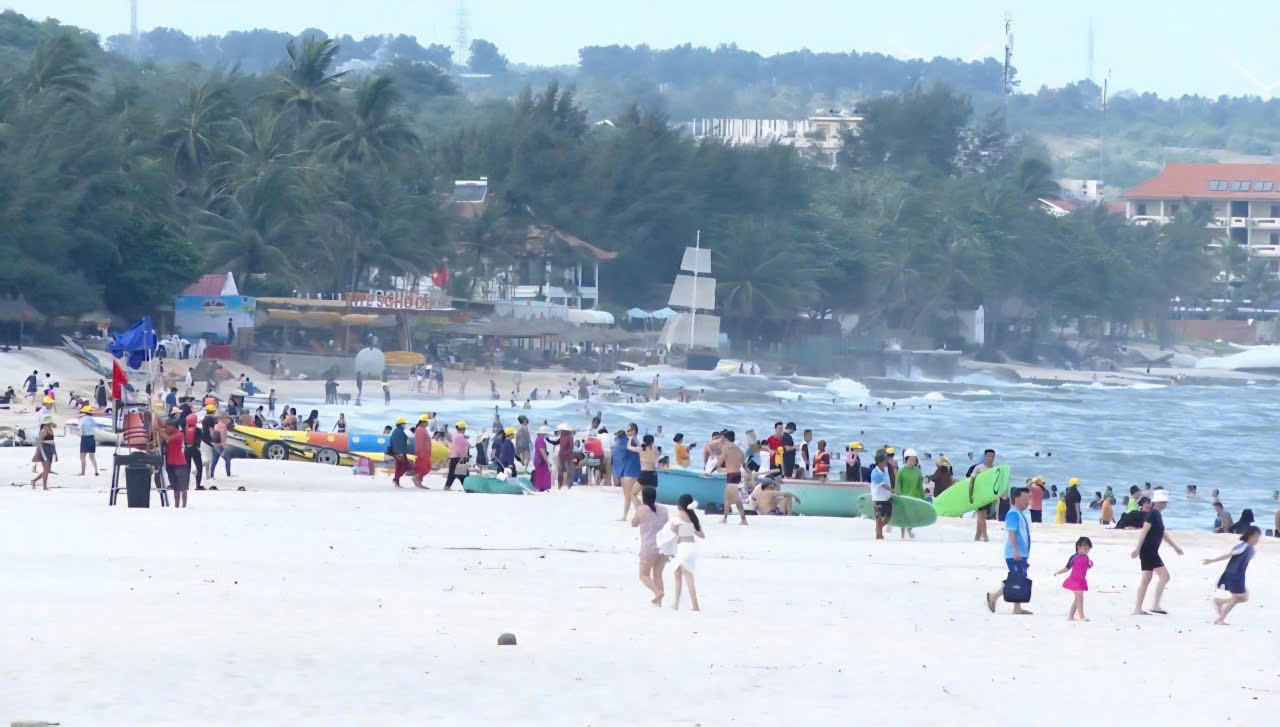
Beach tourism is often associated with long, carefully planned holidays. However, this year’s peak summer travel season has shown a clear shift, with travelers choosing short beach trips of two to four days, making use of weekends or short breaks to recharge. This trend is opening up significant room for growth for destinations that have advantages in distance, convenient transport connections and the ability to offer multiple experiences within a single journey.
Recent data from travel platform Traveloka show that searches for domestic accommodation in April and May 2026 increased by 46% compared with the early months of the year. The data also highlight the rise of short-break travel, also known as micro-holidays, along with the staycation trend.
Travelers are booking trips more frequently and flexibly, while taking a more proactive approach to choosing their destinations. A Traveloka representative said high-quality beach and island holidays continue to maintain their appeal, but more and more people now see beach trips as an accessible option that can be taken regularly. This is creating major opportunities for the tourism sector in the eastern coastal area of Lam Dong, which boasts a system of seaside resorts, distinctive natural landscapes, rich coastal cuisine and increasingly convenient connectivity with Ho Chi Minh City, Dong Nai and neighboring areas.
The Advantage of Shorter Travel Runtime
Amid the growing trend of short-break travel, distance and travel time have become factors just as important as service quality. Instead of spending half a day or an entire day on the road, travelers now prioritize destinations that can be reached within one to three hours. This is a clear advantage of the eastern coastal area of Lam Dong.
From Ho Chi Minh City and neighboring areas, visitors can reach Phan Thiet – Mui Ne more quickly thanks to the expressway network and increasingly improved transport infrastructure. Shorter travel time makes weekend trips easier, reduces fatigue and allows visitors to spend more time enjoying experiences at the destination.
Nguyen Thu Thuy, a visitor from Ho Chi Minh City, said her family chose a three-day, two-night trip because traveling by expressway is now very convenient. After just over two hours, the whole family arrived at the resort. “Because we were not tired from the journey, once we arrived, the whole family could immediately have fun and enjoy the sea atmosphere” she shared. This convenience is not only suitable for families, but also for groups of young travelers, corporate groups and those looking for a change of scenery after a week of work.
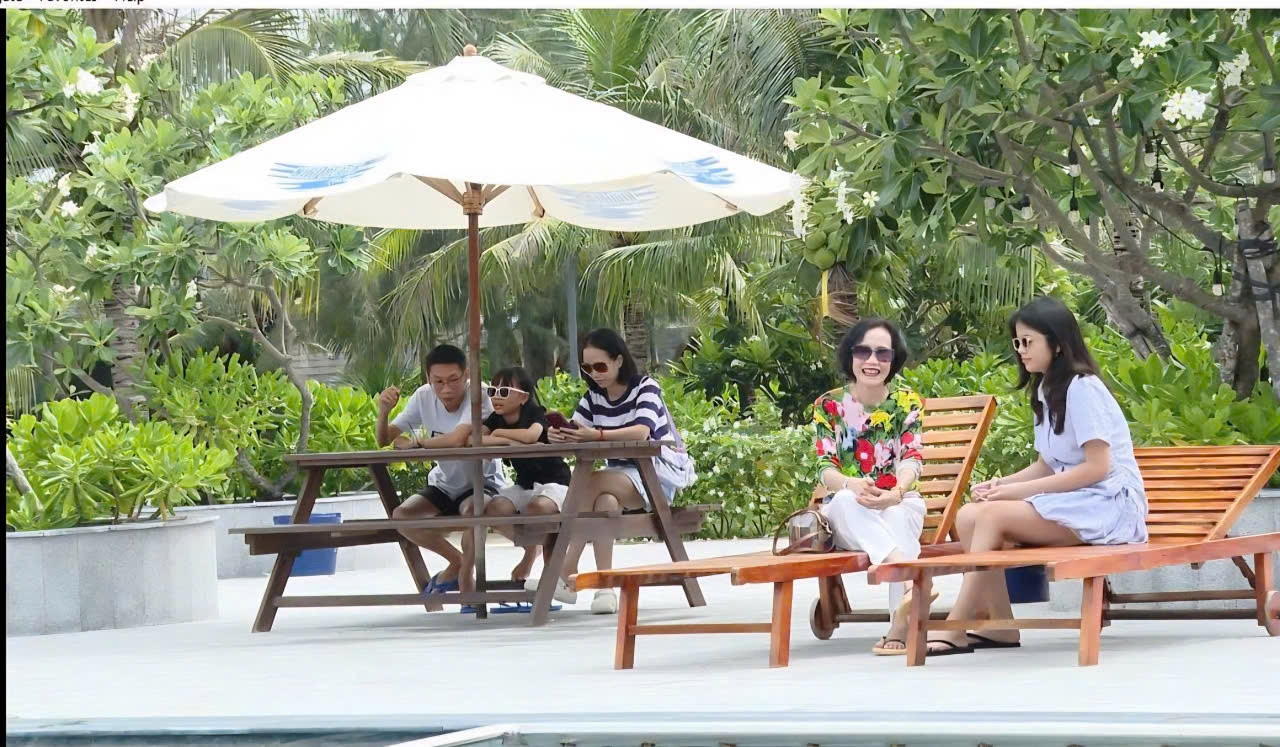
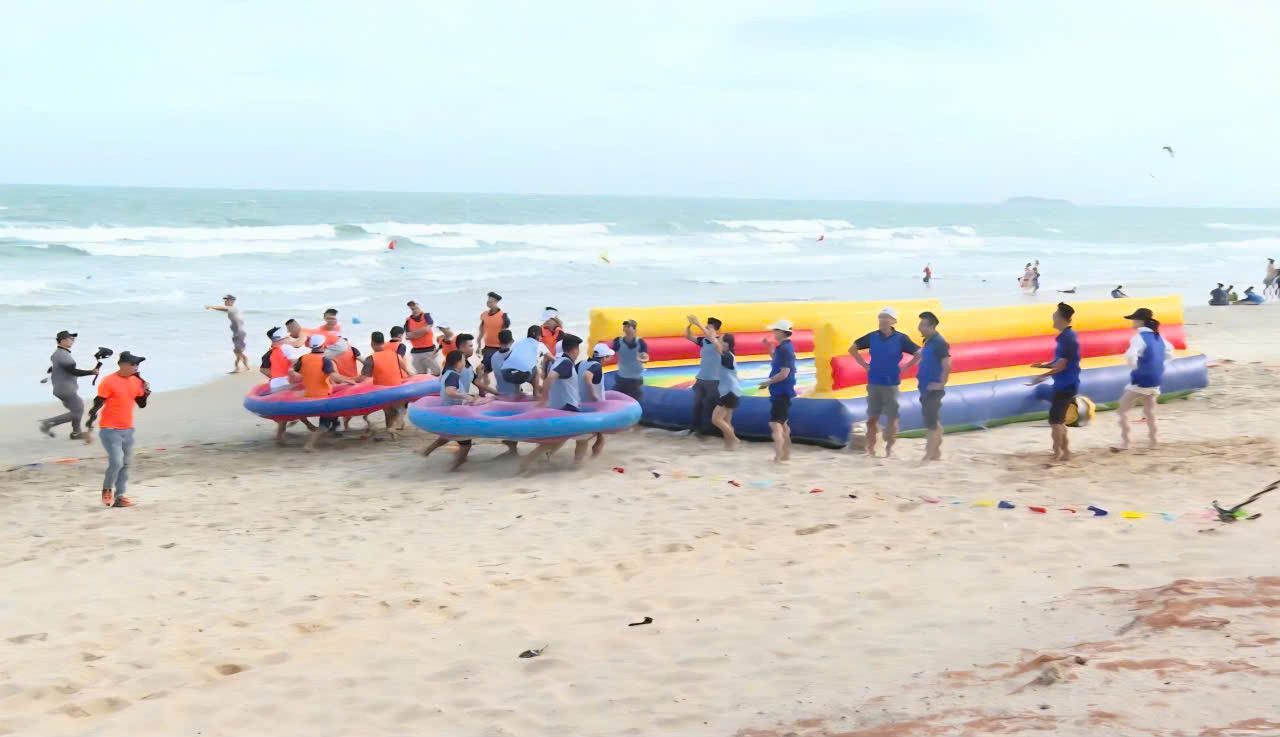
At many beachfront resorts, average room occupancy has consistently reached 70% or higher. On weekends in particular, many establishments are often fully booked, with advance bookings already extending through the end of August. Nguyen Thi Khanh Linh, head of the reception department at a coastal tourist site in Mui Ne, said this summer has seen a sharp increase in families and groups of friends from Ho Chi Minh City, Dong Nai and nearby localities. The most common length of stay is three days and two nights, matching the short-break travel trend while still giving visitors enough time to relax and experience a range of services at the destination.
Responding to this trend, accommodation providers and tourism businesses have proactively improved service quality, refreshed their products and organized more on-site activities to enhance their appeal. Nguyen Thi Mai Tram, assistant to the general director of a tourism establishment in Mui Ne said that the unit has introduced coral diving services directly in the Mui Ne sea area.
Previously, visitors seeking this experience often had to travel to Phu Quy Island or Nha Trang. Now, by offering such experiences in its nearshore waters, Mui Ne has created a compelling new draw for tourists.
“Today’s visitors are not only looking for a beautiful place to stay; they also want activities that offer a sense of discovery. Diversifying tourism products helps increase the appeal of the province’s eastern coastal area and encourages visitors to stay longer,” Tram added.
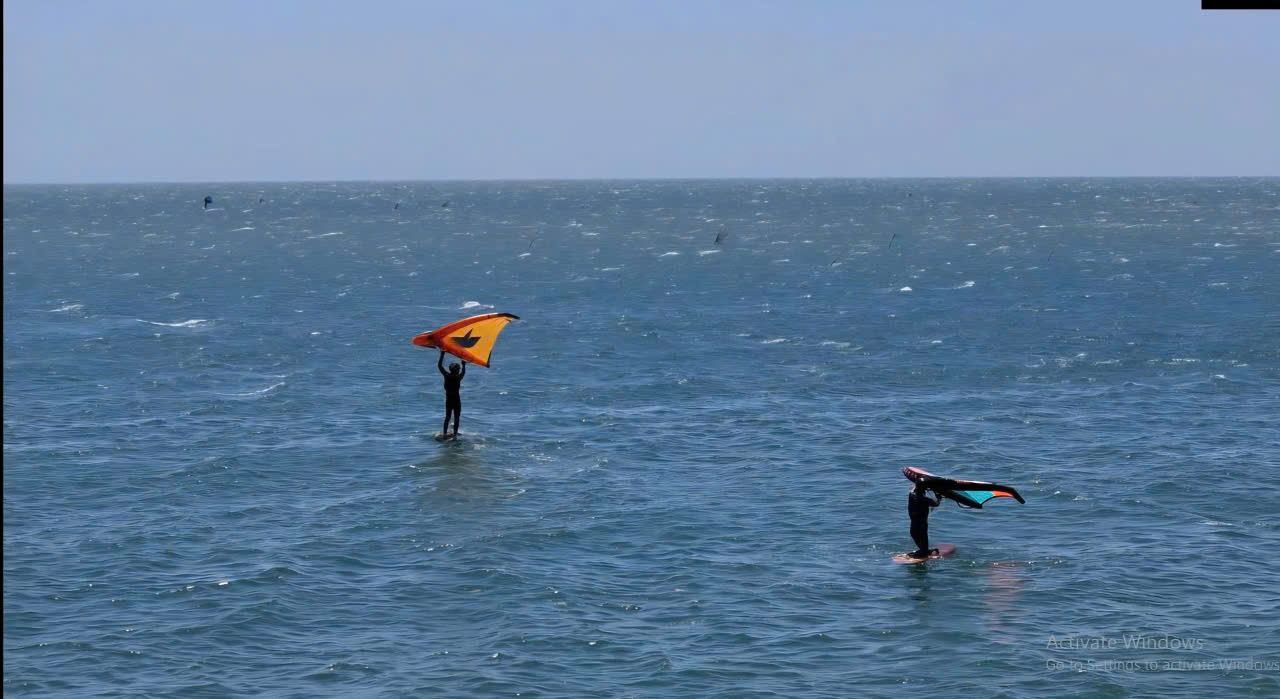
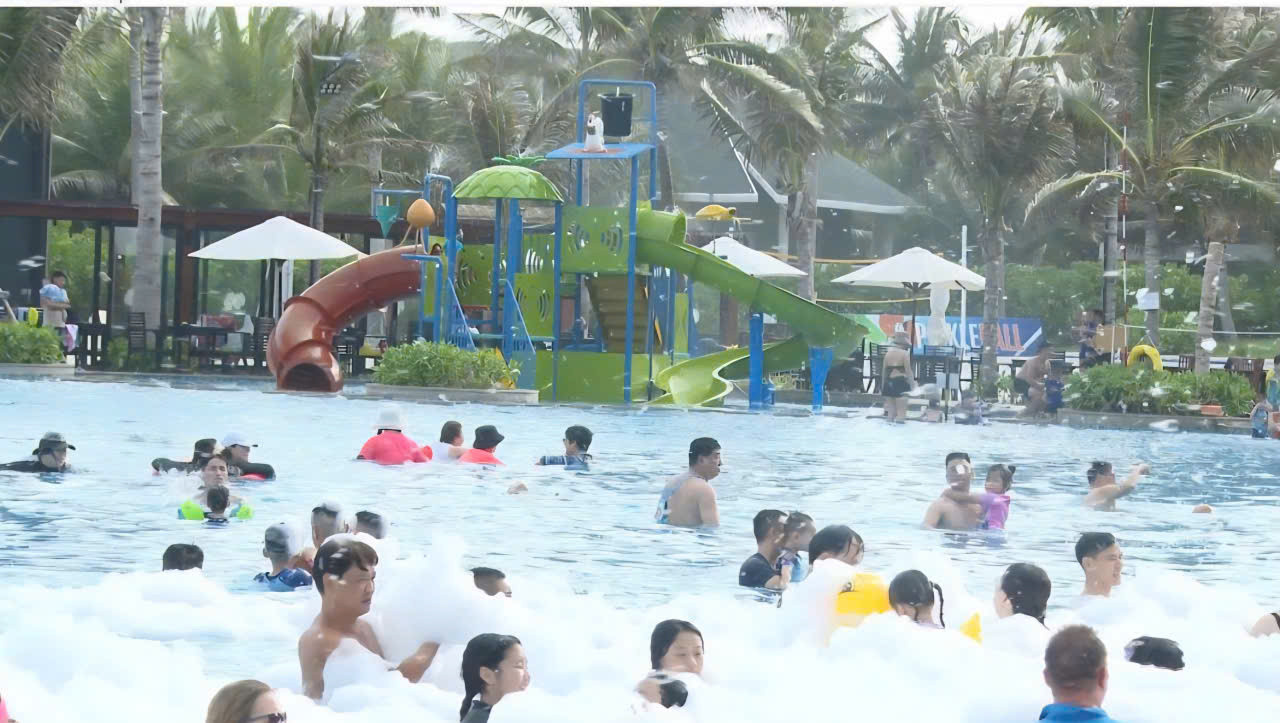
Dao Van Sang, a visitor from Ho Chi Minh City, said he initially only wanted to find a place near the city to escape the heat for a few days. However, the trip exceeded his expectations, with many activities available to experience. Having a wide range of options within a short holiday made the journey more worthwhile.
A successful destination in the micro-holiday trend is more than just a beautiful location; it must be easy to choose, easy to reach, rich in memorable experiences and capable of inspiring repeat visits. With its natural landscapes, accommodation facilities, transport connectivity, large visitor market, flexible response to travel trends and diversified experience-based tourism products, the province’s eastern coastal region is well positioned to emerge as a highly competitive hub for short-break beach tourism.