

Lam Dong's Agriculture and Environment Sector Exceeds First-Half Growth Target
Lam Dong's agriculture and environment sector outperformed its first-half growth target in 2026 despite market uncertainty and challenging weather conditions, reinforcing its role as a key pillar of the provincial economy, officials said at a mid-year review conference on June 29.
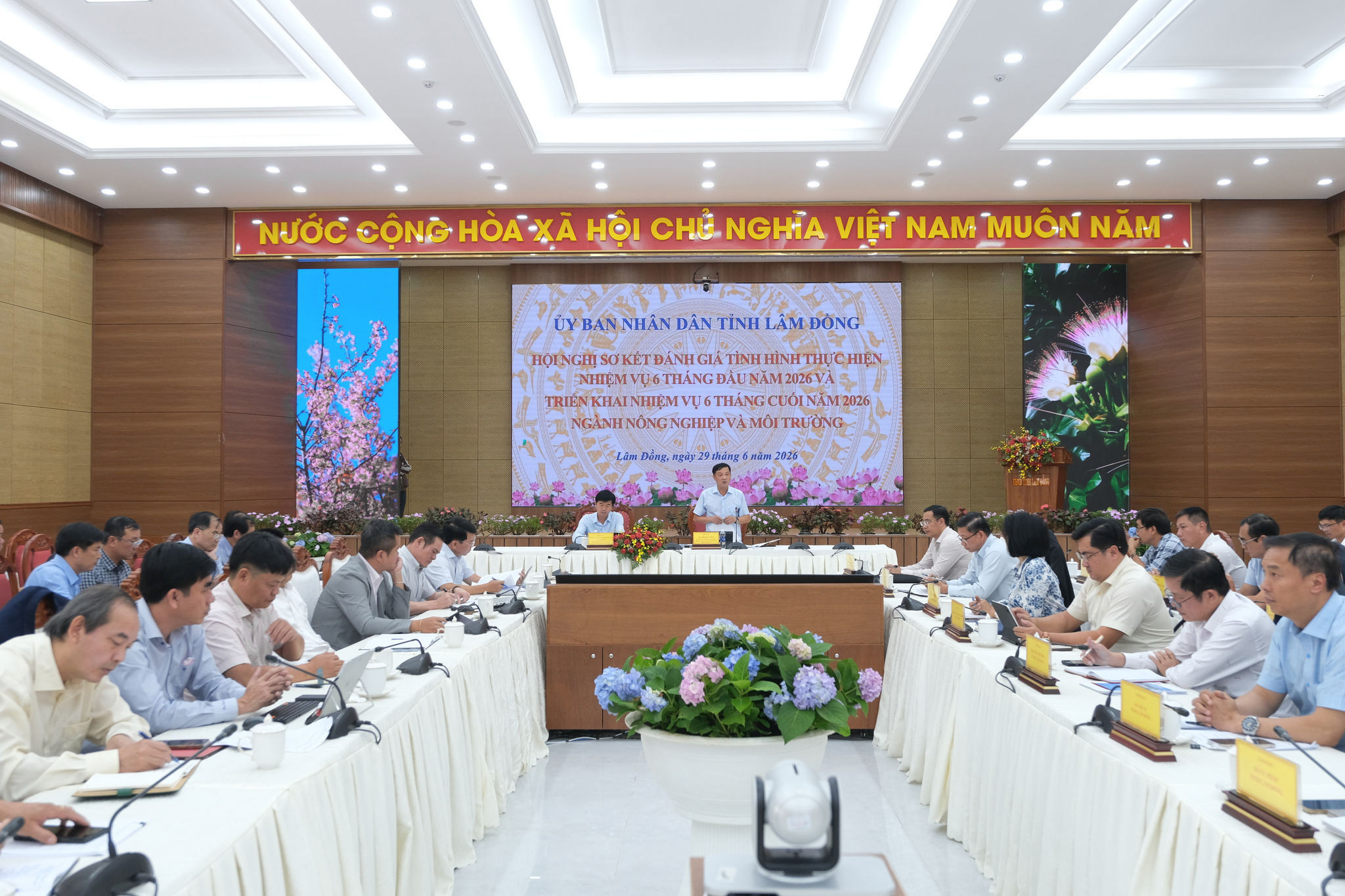
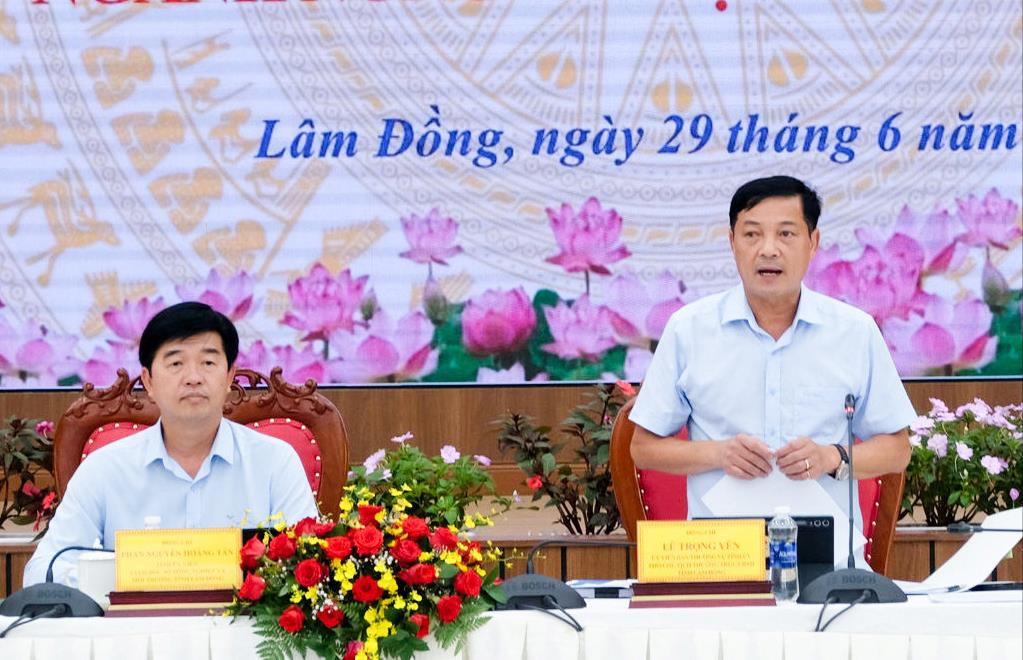
The conference was chaired by Le Trong Yen, Member of the Provincial Party Standing Committee and Standing Vice Chairman of the Lam Dong Provincial People's Committee, to review the sector's performance during the first six months of 2026 and outline priorities for the remainder of the year.
According to the Department of Agriculture and Environment, agriculture, forestry and fisheries continued to provide a stable foundation for the provincial economy despite mounting pressure on agricultural exports and increasingly unpredictable weather.
During the first half of 2026, the sector recorded an estimated 5.3% growth rate, exceeding both the planned target of 4.89% and the growth scenario established by the province, contributing positively to Lam Dong's broader economic growth objectives.
The province's total cultivated area reached an estimated 914,000 hectares, representing 100.7% of the level recorded during the same period last year.
Livestock production remained one of the strongest-performing segments, with the provincial herd approaching 2 million head, up 4.7% year-on-year, while poultry numbers increased 11.4% to 23.6 million birds.
In the marine economy segment, wild-caught fisheries production in the first half of the year was estimated at 121,300 tons, a 4.2% increase, while aquaculture output reached 15,370 tons, up 9%.
Alongside sustaining production volumes, the department continued to tighten the management of fishing vessels, enforce strict traceability of caught seafood, and crack down on Illegal, Unreported, and Unregulated (IUU) fishing violations to secure export market stability and uphold the reputation of the province's marine products.
Downstream agro-processing also registered positive gains. The output of processed vegetables and fruits in the first half of the year reached an estimated 20,700 tons, up 11.6%; processed and preserved fisheries and seafood products surpassed 12,700 tons, a 24.2% surge. Total agricultural and seafood export turnover was estimated at $805.7 million, driven by core export commodities including unroasted coffee beans, black pepper, cashew nuts, seafood, fruits, vegetables, and fresh flowers.
Despite strong macro numbers, authorities highlighted persistent structural risks, specifically forestry violations, illegal encroachment of woodland, sluggish centralized afforestation progress, slow public investment disbursement, waste management deficiencies, natural disaster prevention, and operational adjustments following administrative unit reorganizations.
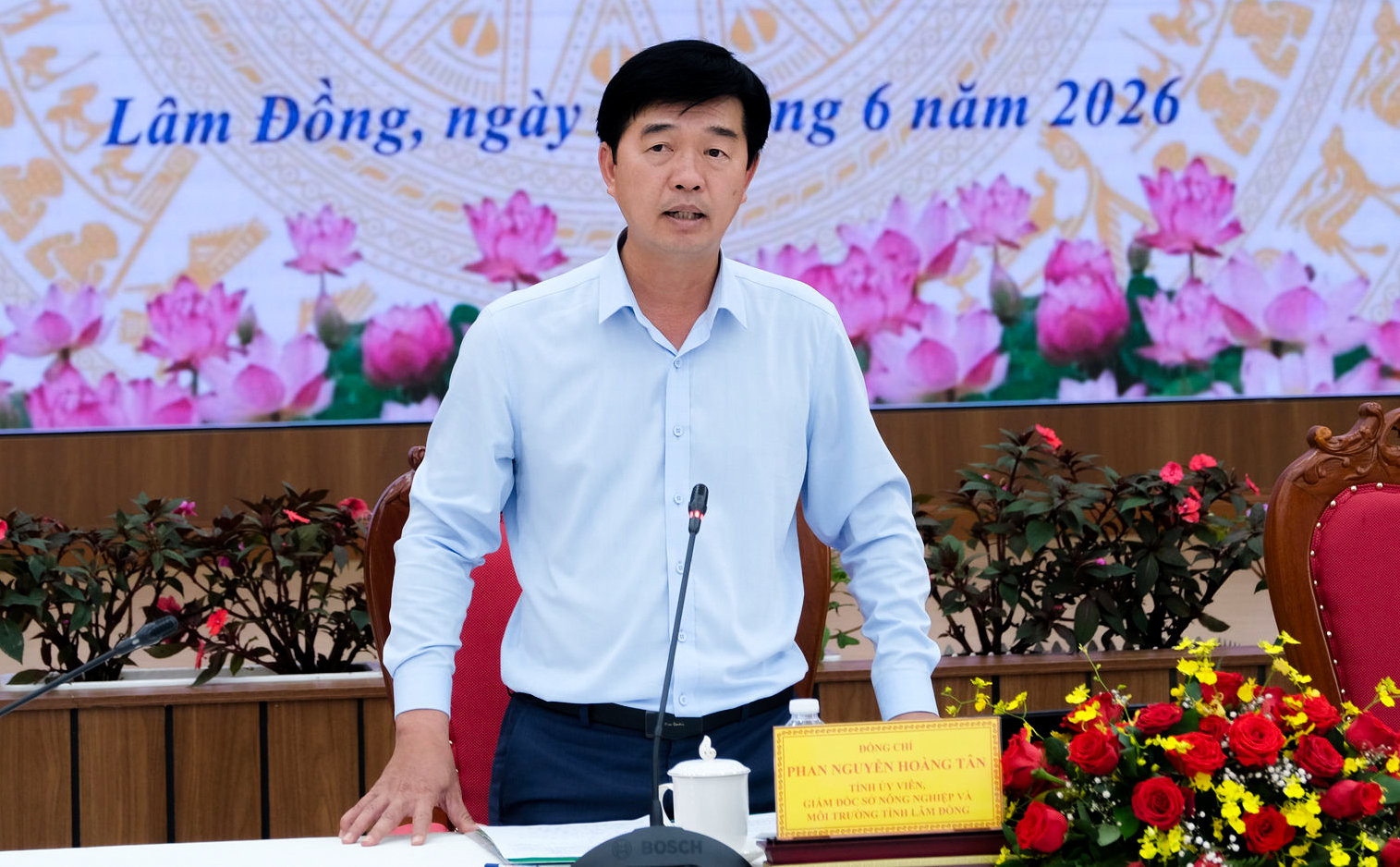
A key operational bottleneck highlighted at the conference was the low disbursement rate of public investment capital within the sector.
As of June 30, 2026, disbursed capital stood at an estimated 154.652 billion VND, translating to just 24.08% of the annual allocation. Officials project an additional 105 billion VND will be disbursed before July 15, 2026, which would push the cumulative figure to 259.652 billion VND, or 40.4% of the target.
Addressing this fiscal gap remains a core directive for the final six months of the year, requiring thorough reviews of individual projects and capital channels, the rapid resolution of procedural bottlenecks, and clearer accountability structures across land-use and administrative documentation.
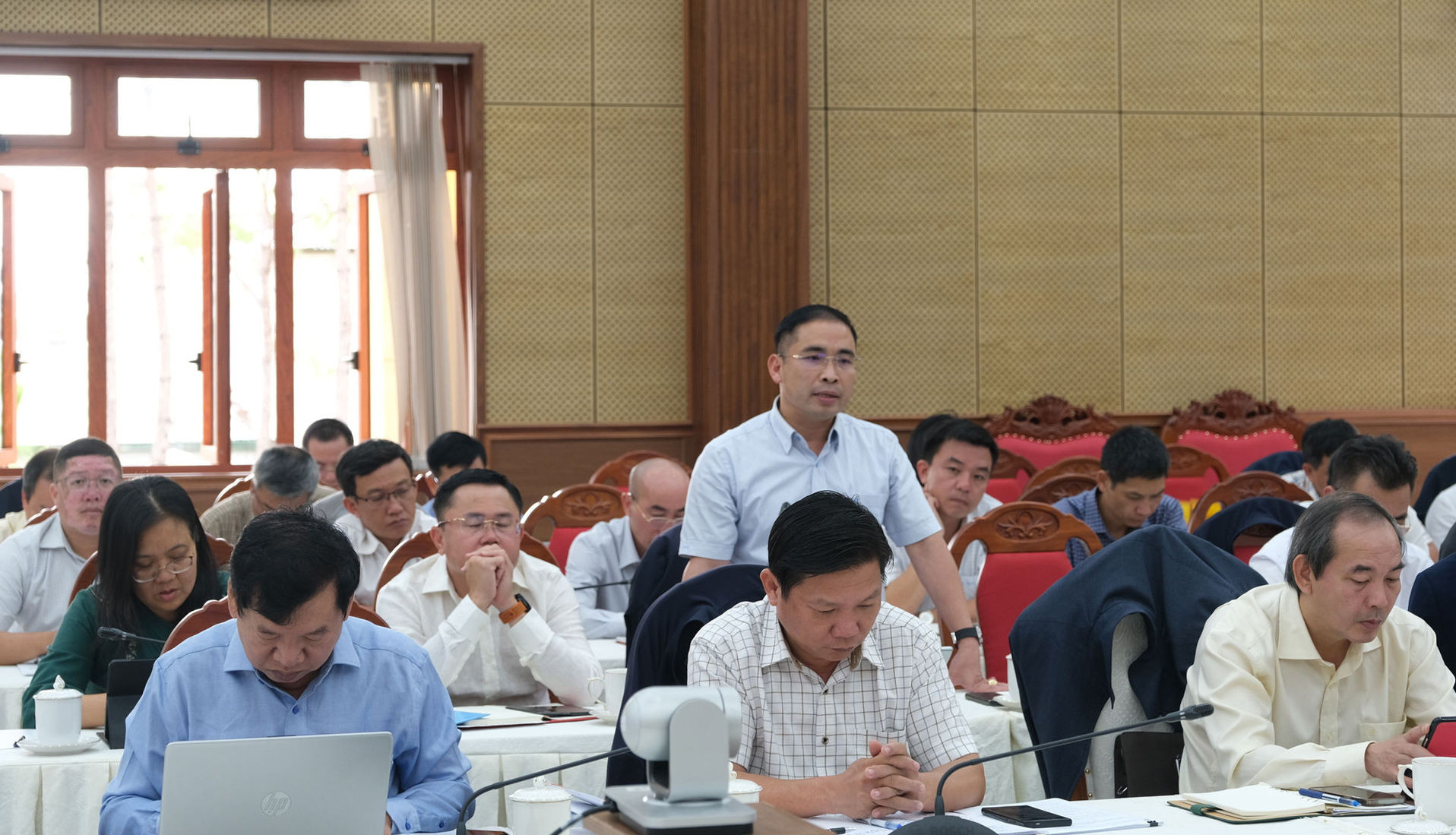
Delivering his keynote guidance, Comrade Le Trong Yen commended the agriculture and environment sectors for anchoring production, sustaining growth momentum, and bolstering the province's macroeconomic trajectory.
The Standing Vice Chairman demanded that the departments rigorously audit lagging or bottlenecked indicators, prioritizing tasks with immediate impact on growth. For the second half of the year, attention must center on land-use planning, administrative reform, import-export forecasting, environmental surveillance, and mining sector oversight.
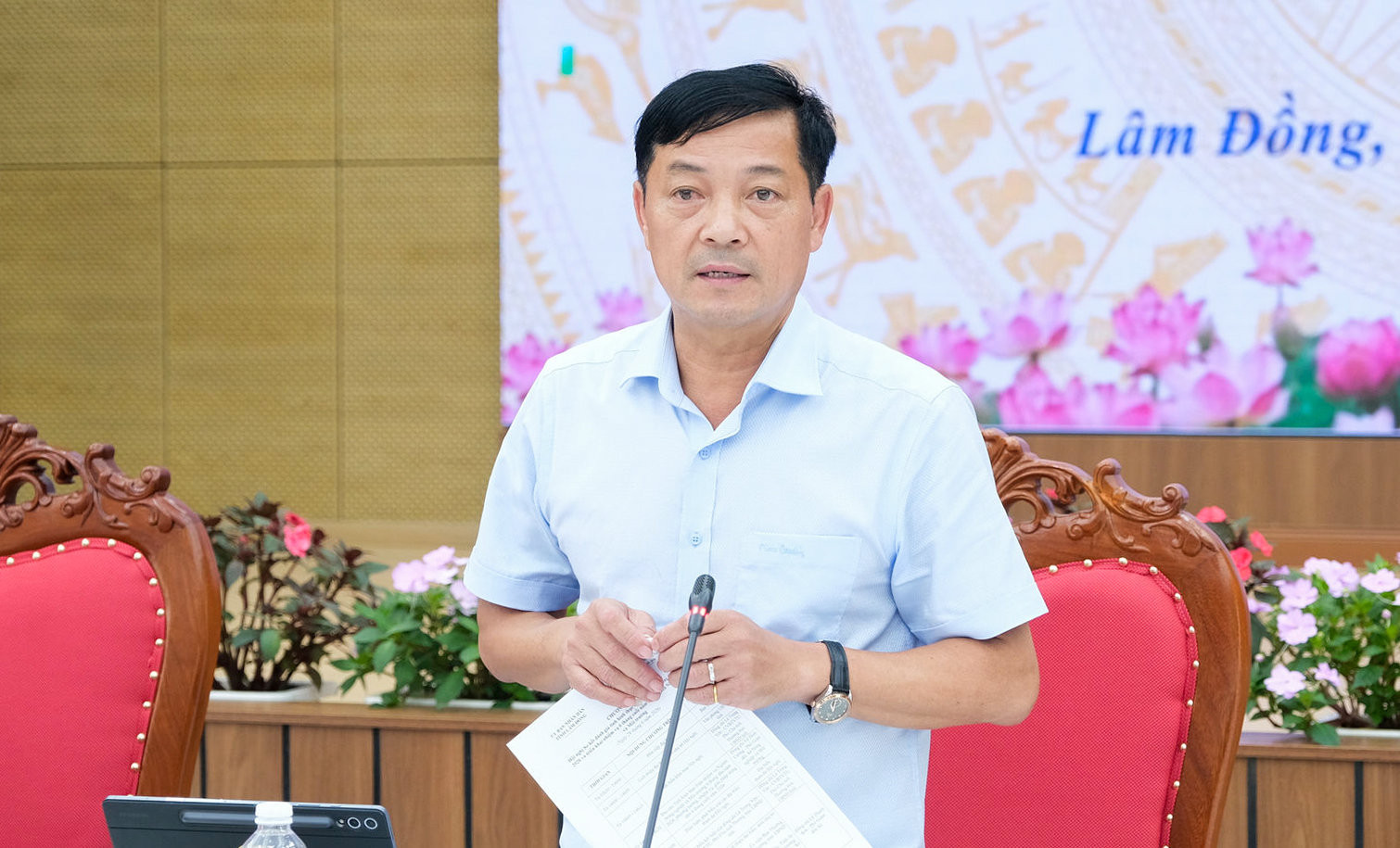
The second half of the year will determine whether the sector achieves its annual targets. Every assignment must be clearly allocated—with defined responsibilities, timelines, expected outcomes and accountability. Our work must remain practical, closely connected to local realities, and responsive to the needs of local governments, businesses and citizens
Standing Vice Chairman of the Lam Dong Provincial People's Committee Le Trong Yen