

Leveraging Local Strengths Through OCOP Products
The One Commune One Product (OCOP) Program is creating new opportunities for ethnic minority communities across Lam Dong Province to capitalize on their local strengths enhance the value of agricultural products and gradually improve their livelihoods.
.jpg)
Building a Coffee Brand in a Remote Area
In Bao Lam 4, various Tay and Nung ethnic families have lived for over thirty years, and coffee beans that were previously sold solely as green beans have now been developed into brand-name OCOP products. Reflecting on the cooperative's history, Luong Thi Vinh, Director of B'La Agroforestry Cooperative, stated that the initial years following its establishment in 2018 posed significant challenges. With only seven members, limited resources, and a small scale of production, organizing the production process was quite difficult.
In 2020, the cooperative made investments in deep processing by buying coffee beans from partnered farmers for roasting and grinding, while also building its own brand. These initiatives proved successful, as in 2023, the cooperative's Hoang Gia Coffee was awarded three-star OCOP certification. The cooperative also received assistance to enhance its packaging, obtain planting area codes, and achieve the necessary certifications for production and marketing.
Luong Thi Vinh noted that most local farmers had historically only sold unprocessed green coffee beans, leading to relatively low profits despite their significant efforts. To boost the value of their crop, the cooperative chose to invest in roasting, grinding, and deep processing, gradually developing its own coffee brand.
She highlighted that maintaining consistent product quality starts with using high-quality raw materials. The cooperative has created partnerships with approximately 50 farming households, offering them technical support and production resources. This cooperative approach enables oversight of the entire production process, starting from the coffee plantation.
By managing every phase, from soil moisture and organic fertilizers to the harvesting process, the cooperative has progressively enhanced the quality of its raw materials. Annually, it supplies around 350 tons of organic and microbial fertilizers to partner farmers through deferred payment arrangements. Promoting the use of organic fertilizers not only enhances product quality but also fosters the growth of environmentally sustainable production areas.
Expanding Opportunities for Local Products
From 2021 to 2025, the One Commune One Product (OCOP) Program became an important driver of rural economic development, enabling local communities to leverage their distinctive strengths and resources more effectively. Numerous producers have committed to upgrading product quality, enhancing packaging, developing brands, and becoming more integrated into value chains.
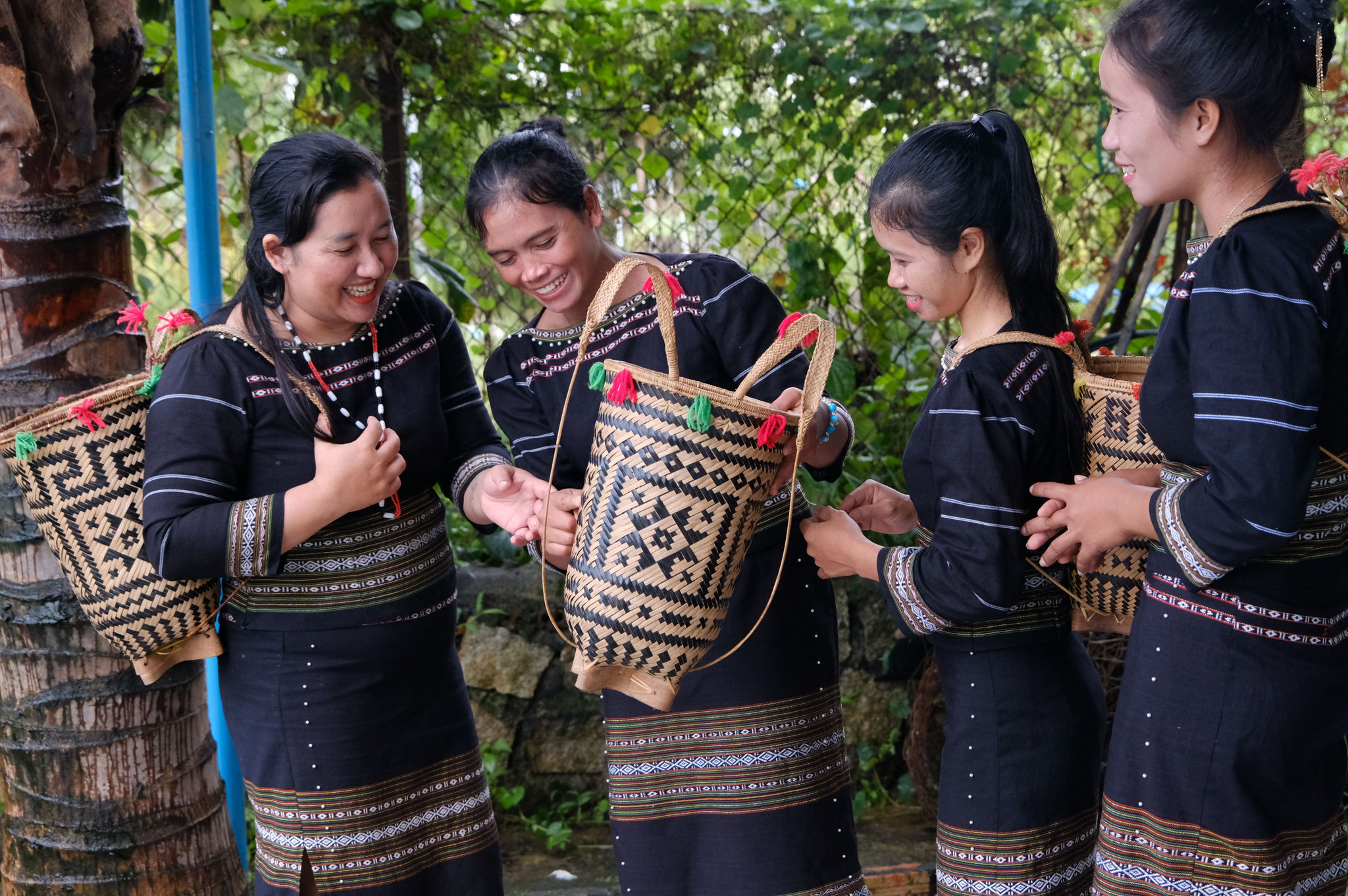
Lam Dong Province currently has 946 certified OCOP products, more than 4.4 times the number recorded in 2020. The number of producers involved has also seen significant growth, reaching 533 enterprises, cooperatives, cooperative groups, and household businesses. In addition to the increase in quantity, OCOP products have demonstrated considerable advancements in quality, traceability, packaging, branding, and access to markets.
Many of these products can now be found in modern retail channels, product showrooms, and e-commerce platforms, which enhances the value of local agricultural goods while motivating farmers to adopt production methods that are more aligned with market demands.
Instead of operating on a small, fragmented basis, numerous farmers have come together to form cooperative groups and cooperatives, focusing on value chain standards with increased emphasis on quality and market needs. Among OCOP producers, average incomes have seen an annual rise of 15 to 20 percent, leading to the creation of more jobs and enhanced living standards in rural areas.
For ethnic minority communities, the OCOP Program has opened up avenues for products that reflect local natural conditions, traditional production techniques, and indigenous knowledge, thereby helping them secure a stronger market presence. Products such as coffee, traditional rice wine, bamboo and rattan crafts, and brocade textiles not only provide income but also contribute to the preservation of cultural identity while fostering economic growth.
Through training brand development and trade promotion activities ethnic minority producers have gained greater access to modern production techniques stronger management skills and improved product development capacity.
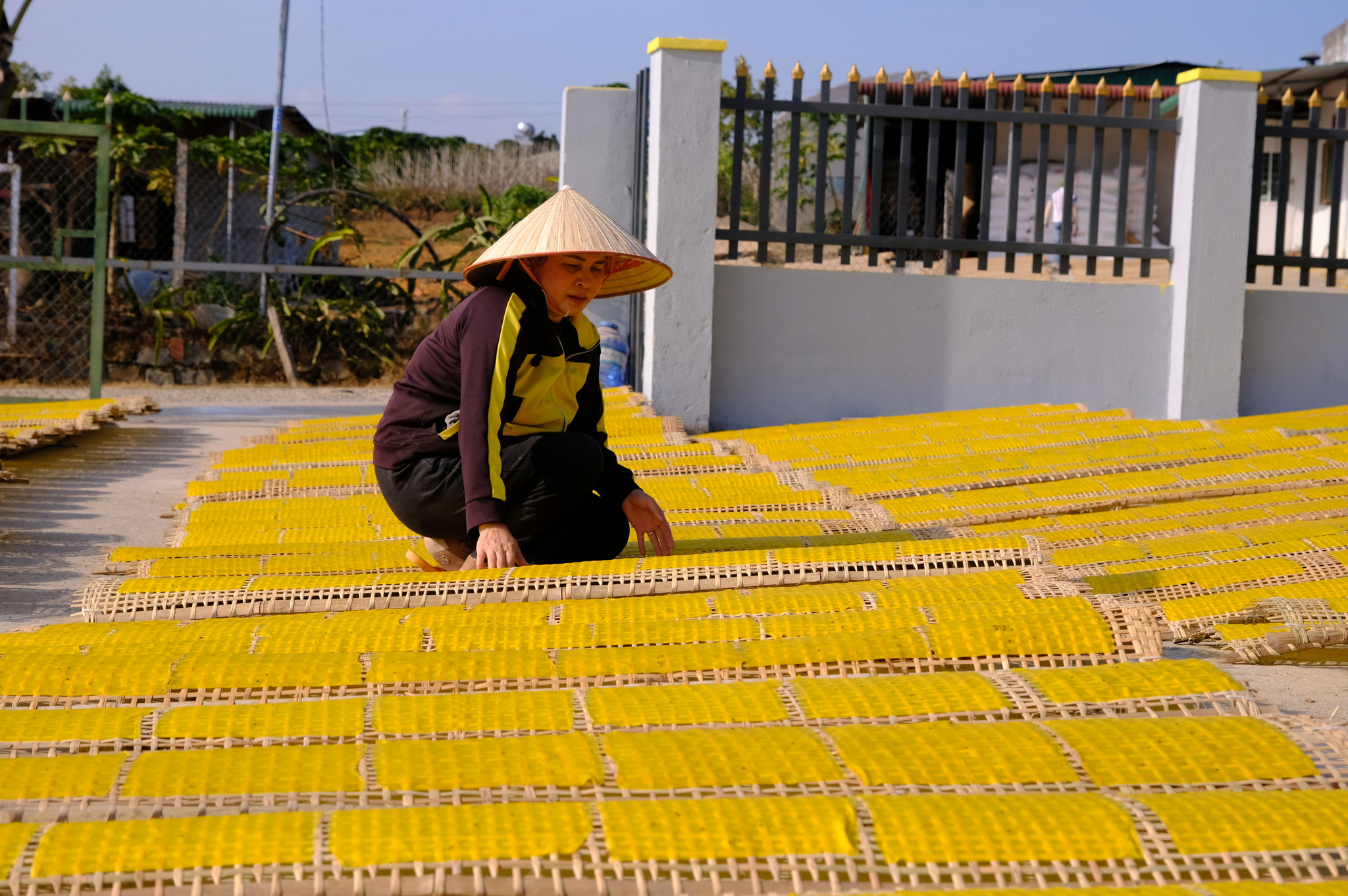
Cil Anh Dao, Director of Da Nghit Agricultural Services and Tourism Cooperative in Lang Biang - Da Lat Ward, stated that the cooperative has recognized the importance of producing high-quality products from the beginning, aided by acknowledged certifications like OCOP to enhance consumer trust. The cooperative is now prepared to submit its products for evaluation later this year.
Beyond impressive growth figures, the most significant accomplishment of the OCOP Program has been empowering local communities, particularly ethnic minority groups, to fully utilize their strengths, add value to regional products, and foster sustainable rural development while preserving the diverse cultural heritage of Lam Dong Province.
We believe that producing high quality coffee begins with controlling the source of our raw materials Everything from the soil and water to the use of fertilizers must be carefully managed to ensure the quality of every coffee bean
Luong Thi Vinh, Director of B'La Agroforestry Cooperative