

Two Tier Local Government Delivers Better Services for People and Businesses
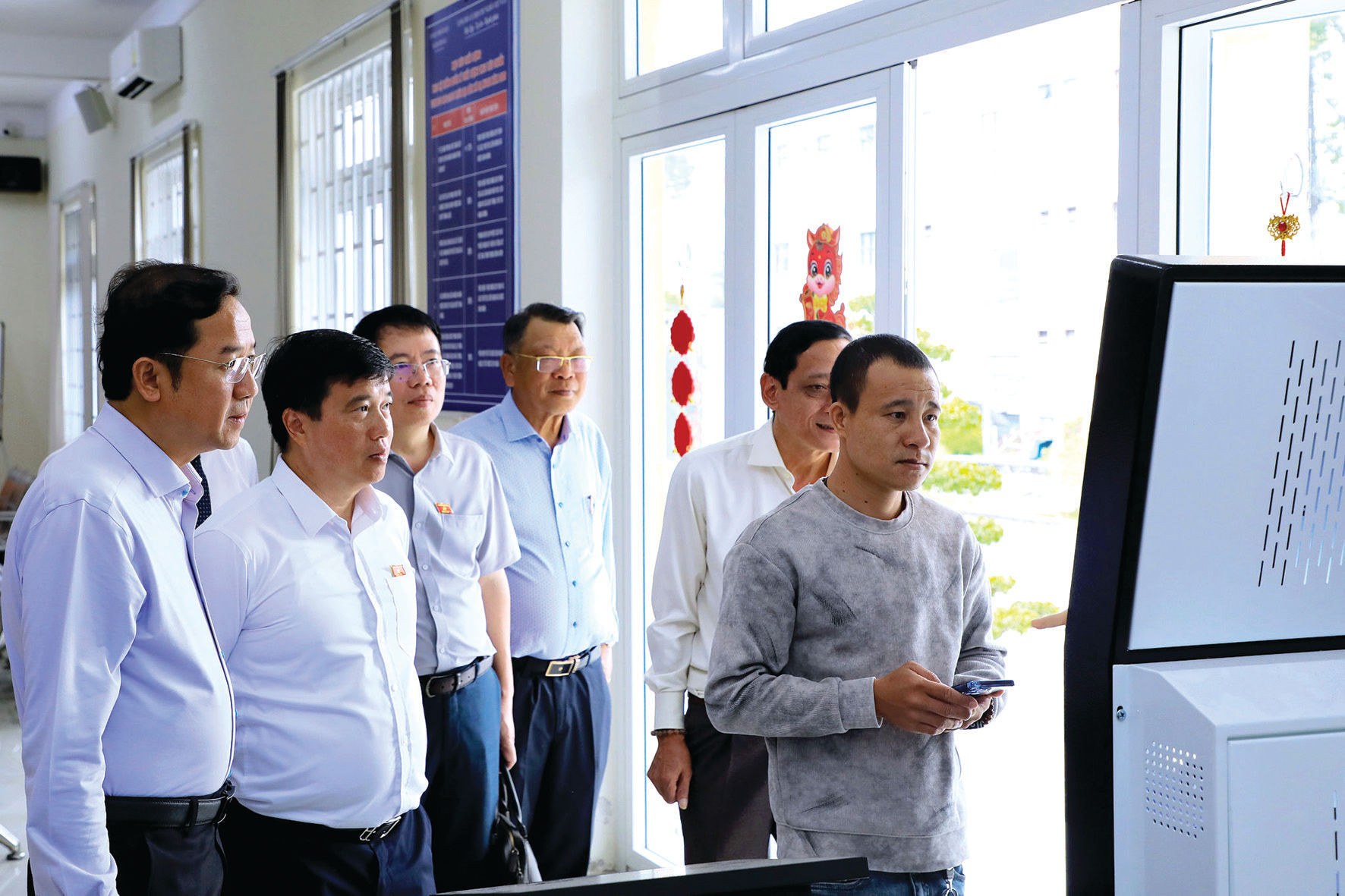
One year after implementing Vietnam's two-tier local government model, Lam Dong Province has established a more streamlined and effective administrative system, laying the foundation for stronger governance, improved public services and a more business-friendly environment.
A leaner and more stable administrative system
On July 1, 2025, the new Lam Dong Province was officially established through the merger of the former Lam Dong, Binh Thuan, and Dak Nong provinces.
The newly formed province covers more than 24,233 square kilometers, has a population exceeding 3.9 million, and comprises 124 commune-level administrative units.
After one year of operation, the new administrative structure has gradually stabilized, improving government effectiveness while creating fresh momentum for socio-economic development. At the same time, authorities acknowledge that higher standards of governance, public administration and institutional capacity will be required in the next stage of development.
From the outset, the province faced an unprecedented challenge: reorganizing its administrative structure while ensuring uninterrupted public administration across a vastly expanded territory.
Managing a unified administrative system covering 124 communes, wards and special administrative zones, 2,773 villages and neighborhood groups, and 128 Party organizations directly under the Provincial Party Committee required extensive coordination.
The transition benefited from stable socio-economic conditions, secure national defense and public security, a strengthened political system, and an increasingly professional civil service.
Strong leadership from the central government together with the Provincial Party Committee, People's Council and People's Committee also ensured consistency throughout the restructuring process.
At the same time, administrative reform, digital transformation and wider adoption of information technology have become key drivers in helping the two-tier government model operate more efficiently while improving services for citizens and businesses.
Regarding organizational restructuring, significant progress has been achieved across the political system.
Within Party organizations and socio-political bodies, the Provincial Party Committee now oversees only two subordinate Party committees, reducing organizational units by 66.6%.
The number of Party advisory agencies has been streamlined to five, while the Fatherland Front and socio-political organizations have been consolidated into a single agency, reducing administrative units by 94.4%.
Mass organizations have also been reorganized, with the number of associations reduced from 40 to 16.
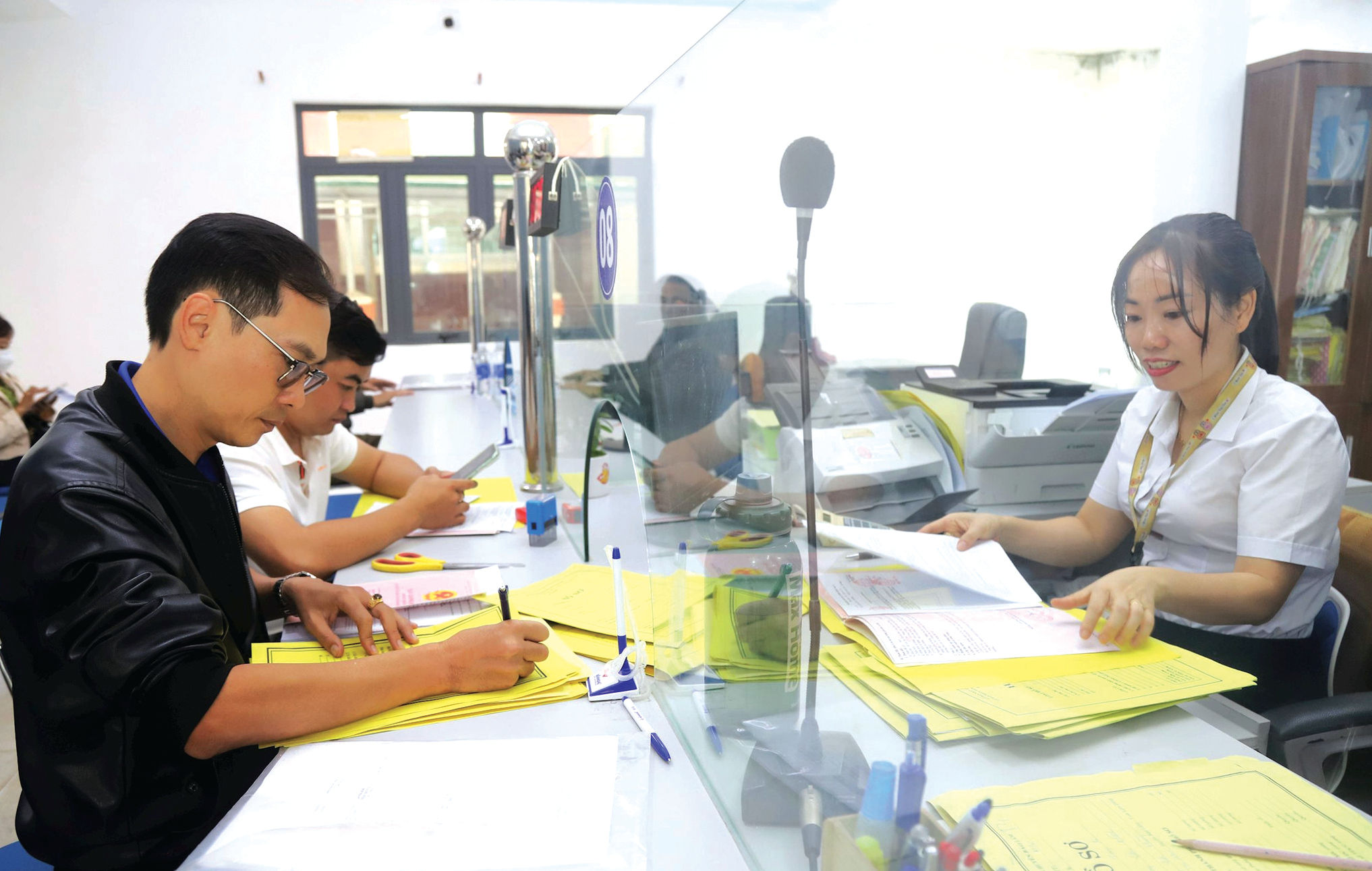
Improving public service effectiveness
Despite encouraging progress during the first year of implementation, Lam Dong has openly acknowledged several challenges that emerged during the transition.
One of the most significant issues is that legal regulations and implementation guidelines have not always kept pace with practical requirements.
Several sector-specific regulations issued by central authorities remain incomplete or inconsistent, particularly those concerning decentralization of authority and administrative procedures under the new governance model.
As a result, many local administrations have had to continue operating while awaiting additional guidance, reducing both efficiency and decision-making flexibility.
Another challenge stems from differences in organizational structures across government sectors.
For example, while the procuracy system has been reorganized into regional prosecution offices, the police now operate through commune-level police units and local investigative teams.
These differing structures have created coordination difficulties in criminal investigations and prosecutions in some areas, affecting the efficiency of law enforcement at the grassroots level.
Local governments also face increasing pressure from limited staffing and financial resources.
Current staffing levels, salaries and allowances for commune-level civil servants have yet to fully reflect their growing workload.
Meanwhile, financial resources allocated to some communes following administrative restructuring remain insufficient to meet operational demands or attract and retain qualified personnel.
The greatest pressure is now concentrated at the commune level, where local governments have assumed many responsibilities previously handled by district administrations, along with additional functions delegated from the provincial level.
Without corresponding increases in staffing, many officials are now responsible for multiple sectors while managing substantially heavier workloads.
Provincial leaders acknowledge that unless staffing, professional training, digital technology and administrative procedures continue to improve, excessive workloads could eventually affect service quality and administrative performance.
With strong political determination and the unity of the entire political system, Lam Dong will continue refining the two-tier local government model, improving the quality of its civil service, accelerating digital transformation, removing institutional and resource bottlenecks, and building a modern, effective administration where the satisfaction of citizens and businesses is the ultimate measure of success
Y Thanh Ha Nie Kdam, Member of the Party Central Committee, Secretary of the Provincial Party Committee and Head of the National Assembly Delegation of Lam Dong Province
Provincial leaders emphasize that acknowledging existing challenges does not diminish the progress already achieved.
Instead, it reflects a practical approach to continuously improving the new governance model.
Lam Dong's experience also demonstrates that once institutional barriers, organizational issues, human resource constraints and digital infrastructure challenges are addressed in a coordinated manner, the two-tier local government system will be better positioned to drive development, deliver higher-quality public services and support the province's goal of achieving rapid and sustainable growth during the 2026–2031 period.