

Survey Conducted to Delineate Protection Zones for Special National and Provincial Heritage Listing Dossiers
The Lam Dong Provincial Museum recently conducted a field survey and reached agreement on the protection zone boundaries for the Duc Thanh School Historical Site in Phan Thiet Ward, as part of preparations for a scientific dossier to be submitted to the Prime Minister for recognition as a Special National Relic Site.
.jpg)
The survey was attended by representatives of the Department of Agriculture and Environment, together with leaders of relevant agencies, units, wards and communes.
.jpg)
During the survey, the agency responsible for preparing the scientific heritage dossier briefed participants on the current status of the protection zones and related requirements under the Law on Cultural Heritage and its guiding regulations.
The working delegation also carried out field surveys, measurements, boundary identification, land area determination, mapping and preparation of official records defining the protection zones, providing the basis for completing the dossier for submission to the competent authorities.
The survey team agreed that all original heritage elements—including Duc Thanh School, Nguyen Thong Temple, the historic well, the starfruit tree, the main gate, the screen wall and the lotus pond—will be included in Protection Zone I, while Protection Zone II will comprise the area adjacent to Protection Zone I.
.jpg)
The Duc Thanh School Historical Site was recognized as a National Historical and Cultural Relic by the former Ministry of Culture and Information (now the Ministry of Culture, Sports and Tourism) on December 12, 1986.
Duc Thanh School is closely associated with the early life of President Ho Chi Minh, who, under the name Nguyen Tat Thanh, taught at the school from September 1910 to February 1911.
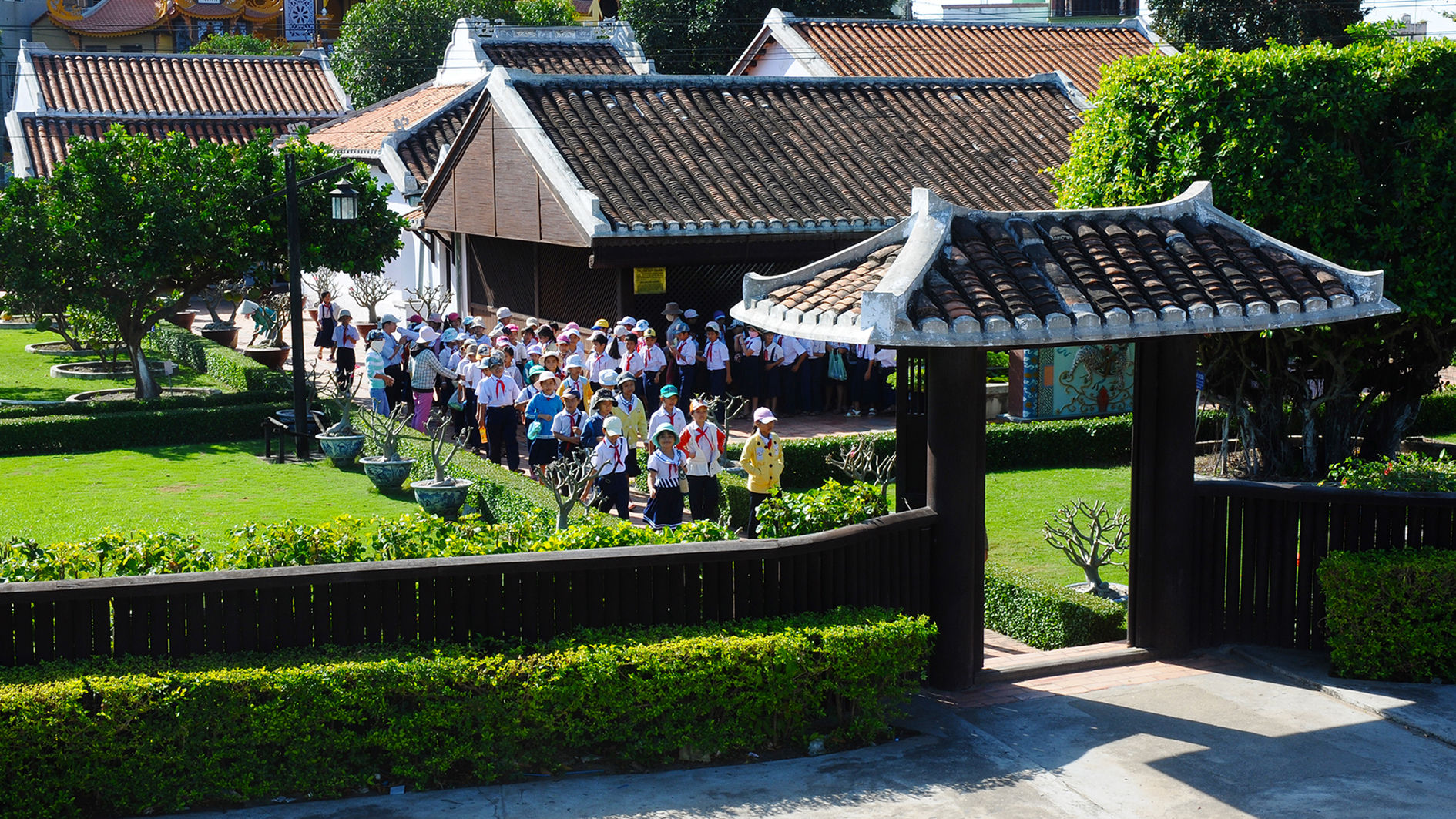
Following the liberation of the locality, the Duc Thanh School Historical Site was restored, and construction of the Exhibition House on the Life and Revolutionary Career of President Ho Chi Minh began in 1983.
Since then, Duc Thanh School and the Exhibition House have formed a historical and cultural heritage complex of special significance within Vietnam's network of Ho Chi Minh memorial sites and museums.
.jpg)
Earlier the same day, the delegation also conducted a field survey and finalized the protection zone boundaries for the Le Hong Phong Base Historical Site in Hoa Thang Commune, serving the preparation of a scientific dossier proposing provincial-level relic recognition.
The Le Hong Phong Base Historical Site is characterized by forests of o ro trees, sand dunes, arid land and limited water resources. Despite the harsh natural conditions, the terrain provided favorable conditions for guerrilla warfare.
The site served as a base for the provincial leadership, the Executive Committee of the southernmost South Central region, and revolutionary armed forces during the establishment, protection and expansion of the revolutionary base area.
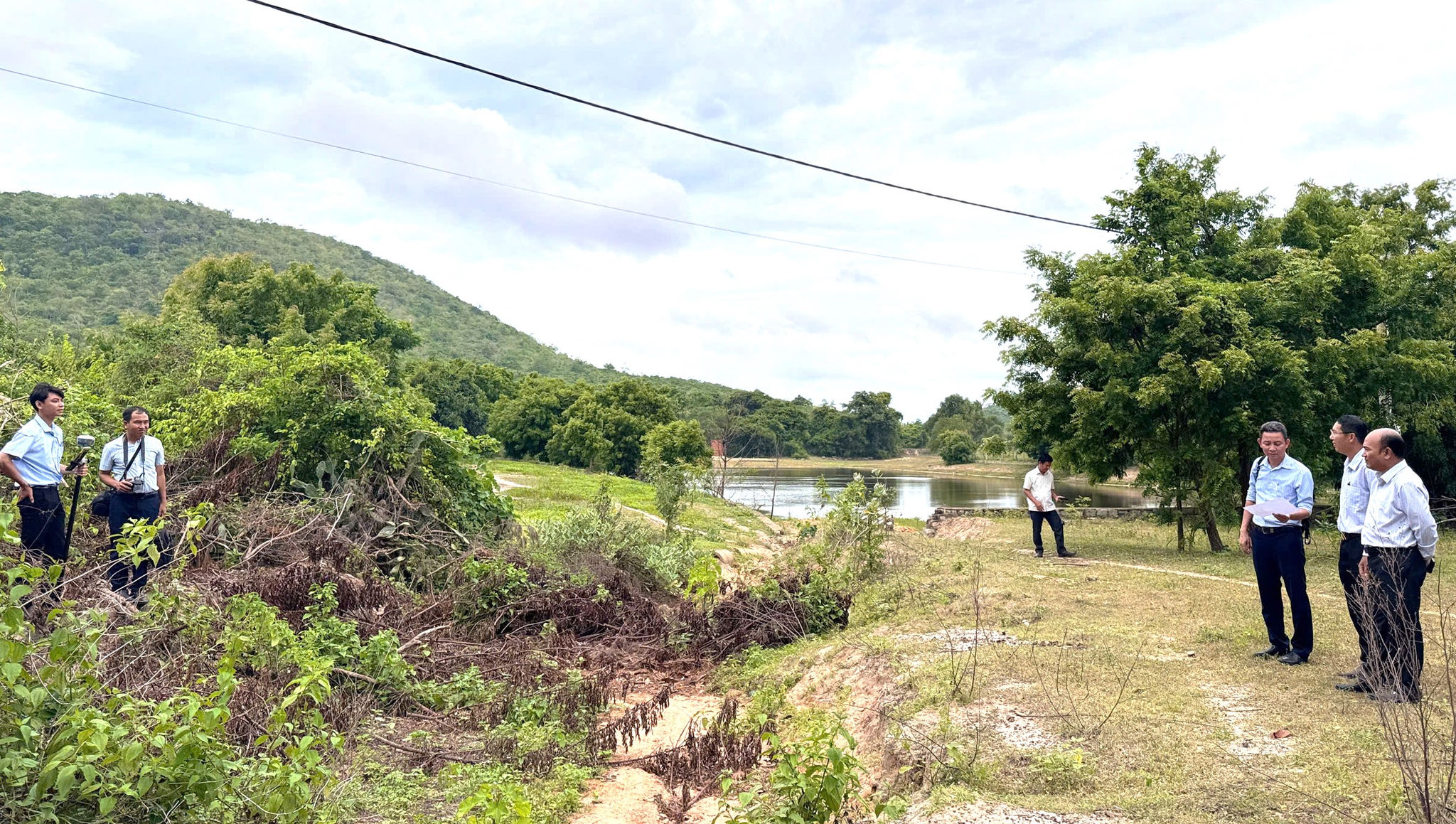
The relic site is located in Hoa Thang Commune, Lam Dong Province (formerly Hong Phong Commune, Bac Binh District, former Binh Thuan Province).
The official name adopted in the scientific dossier is the Le Hong Phong Base Historical Site, honoring revolutionary leader Le Hong Phong and reflecting the revolutionary ideals and steadfast spirit of the local Party organization and people.
According to Doan Van Thuan, Deputy Director of the Lam Dong Provincial Museum, the survey and agreement on the protection zoning plan will help preserve the integrity of the relic sites. It also provides the legal basis for completing the scientific dossier for submission to the Lam Dong Provincial People's Committee for consideration of recognition of the Le Hong Phong Base Historical Site as a provincial-level relic in 2026.
Regarding the Duc Thanh School Historical Site, the scientific dossier will continue to be finalized before submission to the competent authorities for consideration and recommendation to the Prime Minister for recognition as a Special National Relic Site in the coming period.