

Bringing Lam Dong's "Green Dragon" aboard Vietnam Airlines
A slice of dragon fruit served on a Vietnam Airlines flight may seem like a simple dessert, but it can also become a showcase of Vietnamese agricultural products for international travelers.
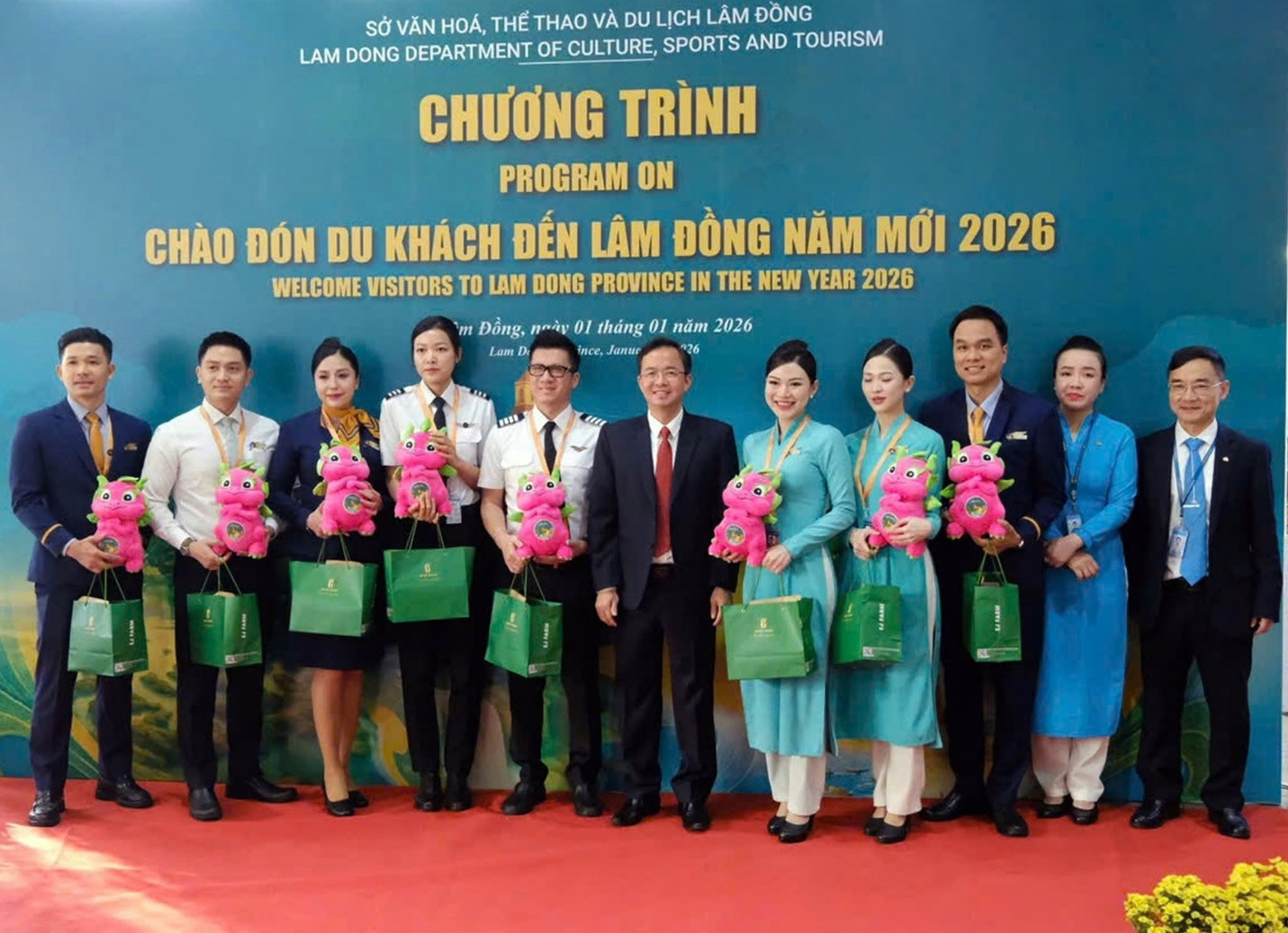
The Lam Dong Department of Industry and Trade has proposed that the provincial Investment, Trade and Tourism Promotion Center coordinate with Vietnam Airlines to promote the province's dragon fruit, melons and mangoes through in-flight meal services.
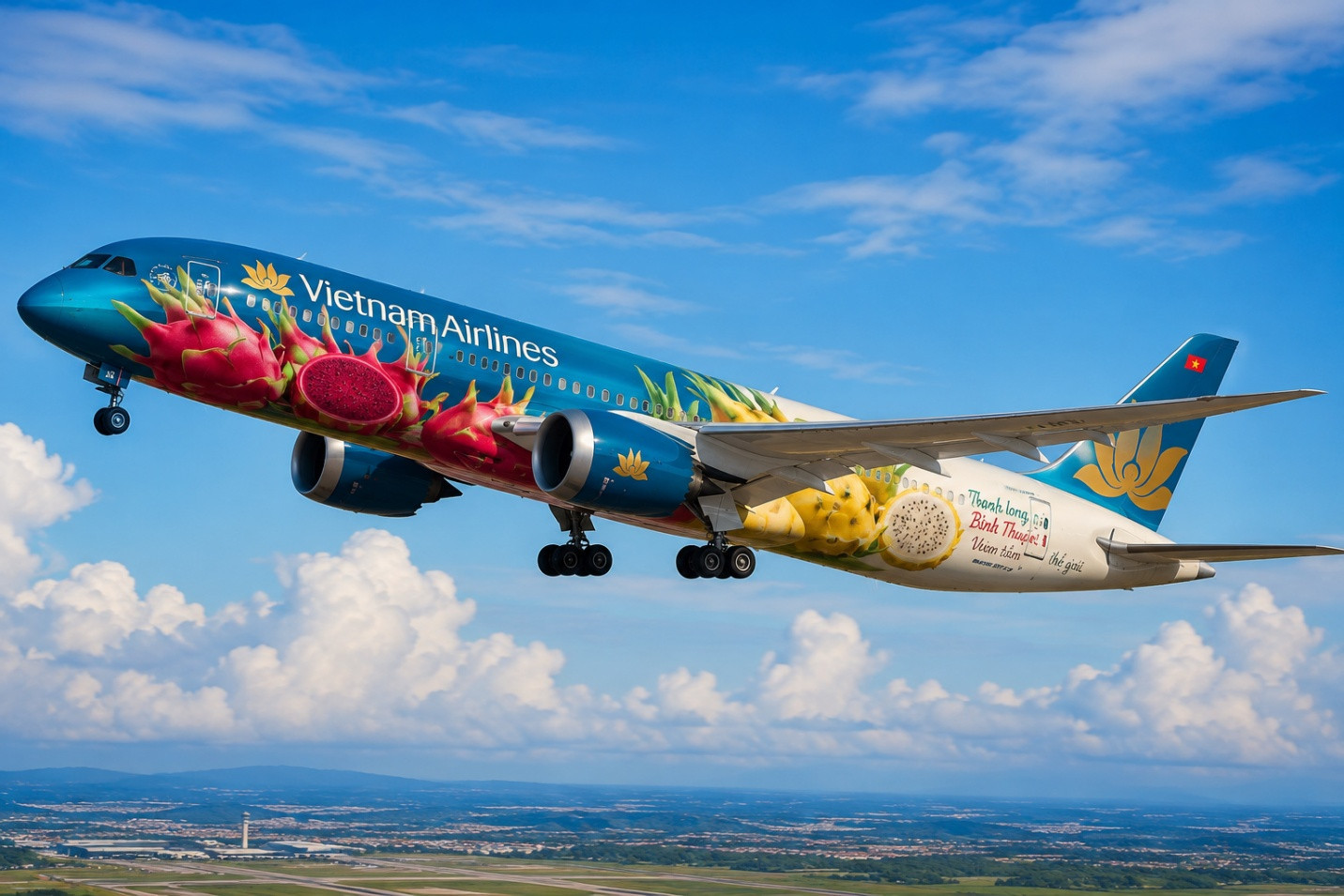
Lam Dong fruit to be featured on Vietnam Airlines flights
The Lam Dong Department of Industry and Trade said a comprehensive cooperation agreement between the province and Vietnam Airlines would help promote the province's signature agricultural products through the airline's in-flight services.
Earlier, the Chairman of the Lam Dong Provincial People's Committee directed relevant agencies and local authorities to review Vietnam Airlines' proposal to feature the province's fruit on its flights and submit implementation reports in July 2026.
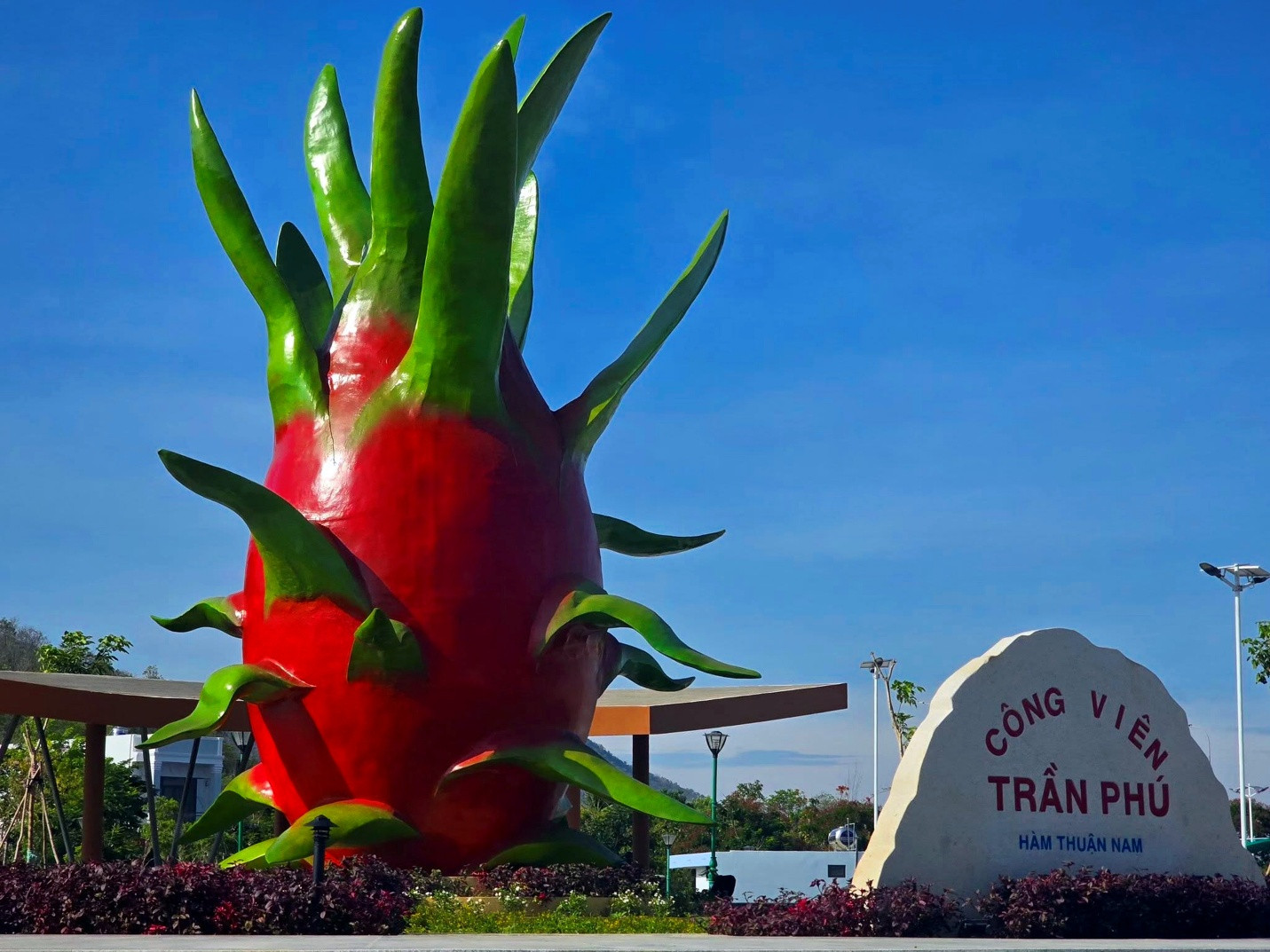
What may seem like a simple addition of dragon fruit, melon or mango to Vietnam Airlines' in-flight meals could become a powerful marketing opportunity. In business, a product introduced to the right audience at the right time can open the door to new markets.
Under the proposal, eligible businesses will be able to promote their products through in-flight meal packaging, Heritage magazine and Vietnam Airlines' digital platforms, including its website, Facebook and TikTok. These channels reach millions of domestic and international passengers, including business leaders, importers, investors and tourists who could become long-term partners.
While these figures are impressive, more than 70% of the province's dragon fruit exports still depend on the Chinese market.
For years, many businesses have relied on border trade and Chinese buyers, leaving both growers and exporters vulnerable to market fluctuations.
Yet significant opportunities remain elsewhere. India, with a population of more than 1.4 billion, is an increasingly promising market as demand for tropical fruit and healthy food continues to grow.
Vietnam exported just over 11,000 tonnes of dragon fruit to India in 2020, worth US$9.86 million. By 2025, exports had risen to around 23,000 tonnes, with dragon fruit from the former Binh Thuan Province accounting for more than 70% of Vietnam's shipments to the market. Even so, the volume remains modest given India's vast consumer market.
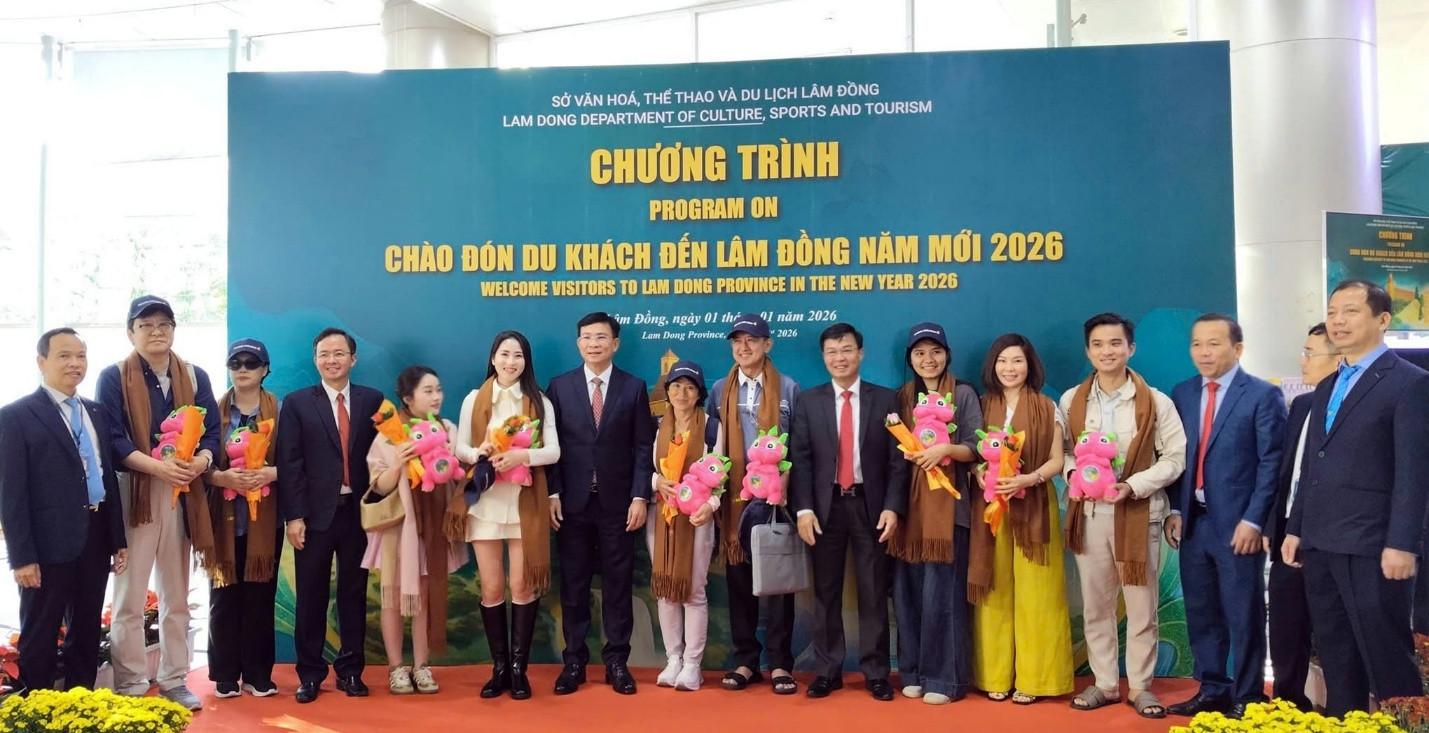
The figures suggest that dragon fruit promotion has yet to fully tap the potential of markets such as India. Despite five years of market access, exports remain modest, highlighting the need for stronger trade promotion beyond traditional destinations.
For agricultural exports, market diversification is essential. Just as businesses avoid relying on a single customer, the long-term growth of a key export product should not depend on one market alone.
Selling more than fruit
From a marketing perspective, Vietnam Airlines is more than just an airline—it is a showroom in the sky.
Each international flight brings together hundreds of passengers from around the world, including distributors, traders, logistics specialists, retailers and potential buyers looking for new products.

If business travelers from India, the Middle East, or Europe enjoy Lam Dong's crisp, sweet dragon fruit during a flight and learn about its origin, production standards, and producers through the in-flight meal service, they may be encouraged to explore the product further.
In modern marketing, this is known as experiential marketing-allowing consumers to experience a product before making a purchasing decision.
Many major export deals begin not in boardrooms, but with a first taste of a product at a trade fair, promotional event or other marketing activity.
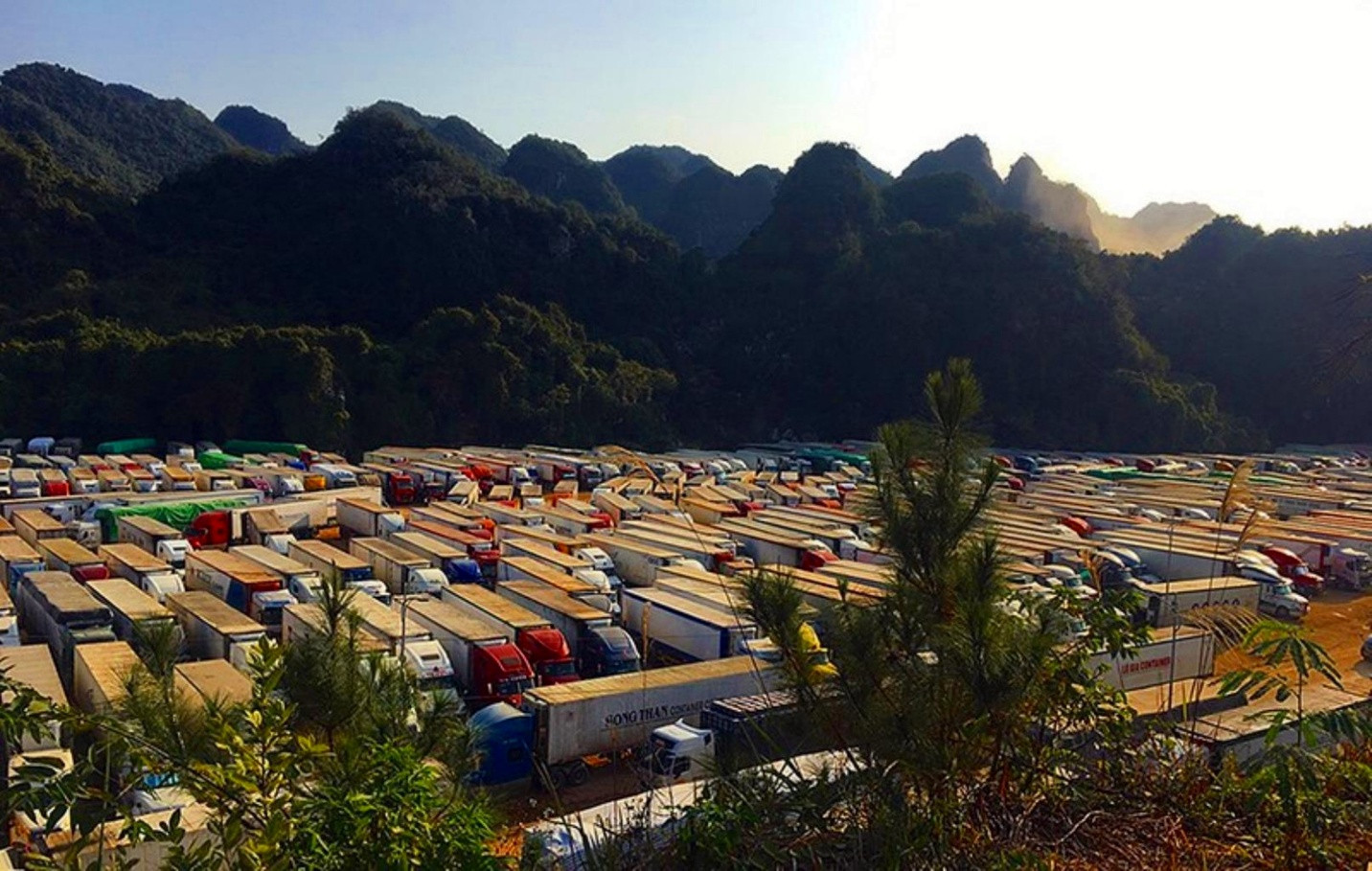
For the fresh fruit trade, a single slice of dragon fruit served on board could become the starting point for a future export deal.
This is more than a marketing concept-it reflects a basic principle of global trade: before products can be sold, they must first be recognized.
Investing in future markets
The Department of Industry and Trade has proposed studying funding options and public-private partnerships to implement the program.
Rather than relying solely on the state budget, the initiative could mobilize support from exporters, cooperatives and major agricultural brands, creating a more sustainable approach to promoting Lam Dong's farm produce.
The provincial authorities should continue supporting the agricultural sector by working closely with Vietnam Airlines to maximize promotional opportunities for Lam Dong's fruit. As local brands gain exposure on international flights alongside certified products, marketing spending should be viewed as a long-term investment rather than a cost.
The province's goal should not simply be to sell more containers of dragon fruit, but to build a strong brand capable of securing a lasting presence in international supermarket chains instead of relying on seasonal demand or short-term export opportunities.
To achieve that, trade promotion must stay one step ahead of production, ensuring markets are developed before output expands.
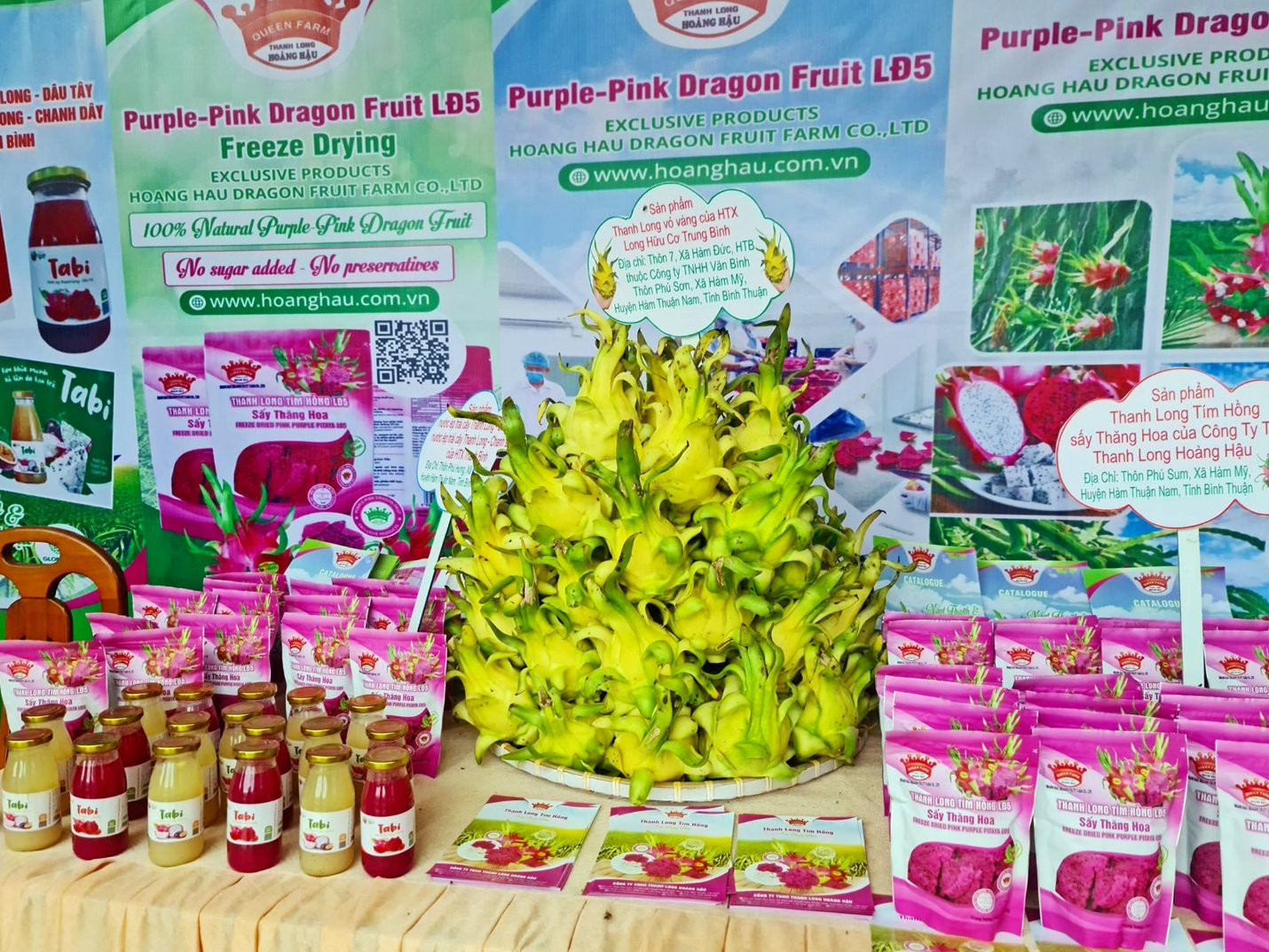
A slice of dragon fruit on an airline meal tray may look like a simple dessert, but to those in international trade, it can serve as a calling card for Vietnamese agriculture.
When dragon fruit is promoted through a strong brand, major export contracts become the result of a long-term strategy rather than chance.
The opportunity is here. Lam Dong should seize it-not only for dragon fruit, but for the province's agricultural products as a whole.