

Lam Dong Industry and Trade Drives 'Double-Digit' Growth Momentum
Faced with the mandate to achieve double-digit Gross Regional Domestic Product (GRDP) growth in 2026, Lam Dong’s industry and trade sector is aggressively leveraging its competitive advantages in industrial manufacturing, infrastructure, and market development to generate high added value and foster sustainable growth momentum for the local economy.
.jpg)
Industrial Sector Anchors Economic Growth
According to Nguyen Ba Ut, Director of the Department of Industry and Trade, industrial production across the province maintained solid growth momentum during the first six months of 2026. Most enterprises maintained stable production and concentrated heavily on fulfilling signed commercial orders.
Notably, 16 out of the 18 primary industrial commodities registered significant year-on-year increases. Several product segments recorded highly positive expansion, including construction stone, processed seafood, processed fruits and vegetables, beverages, yarn, garments, athletic footwear, fertilizers, construction bricks, ready-mix concrete, structural metal components, generated electricity, and commercial electricity.
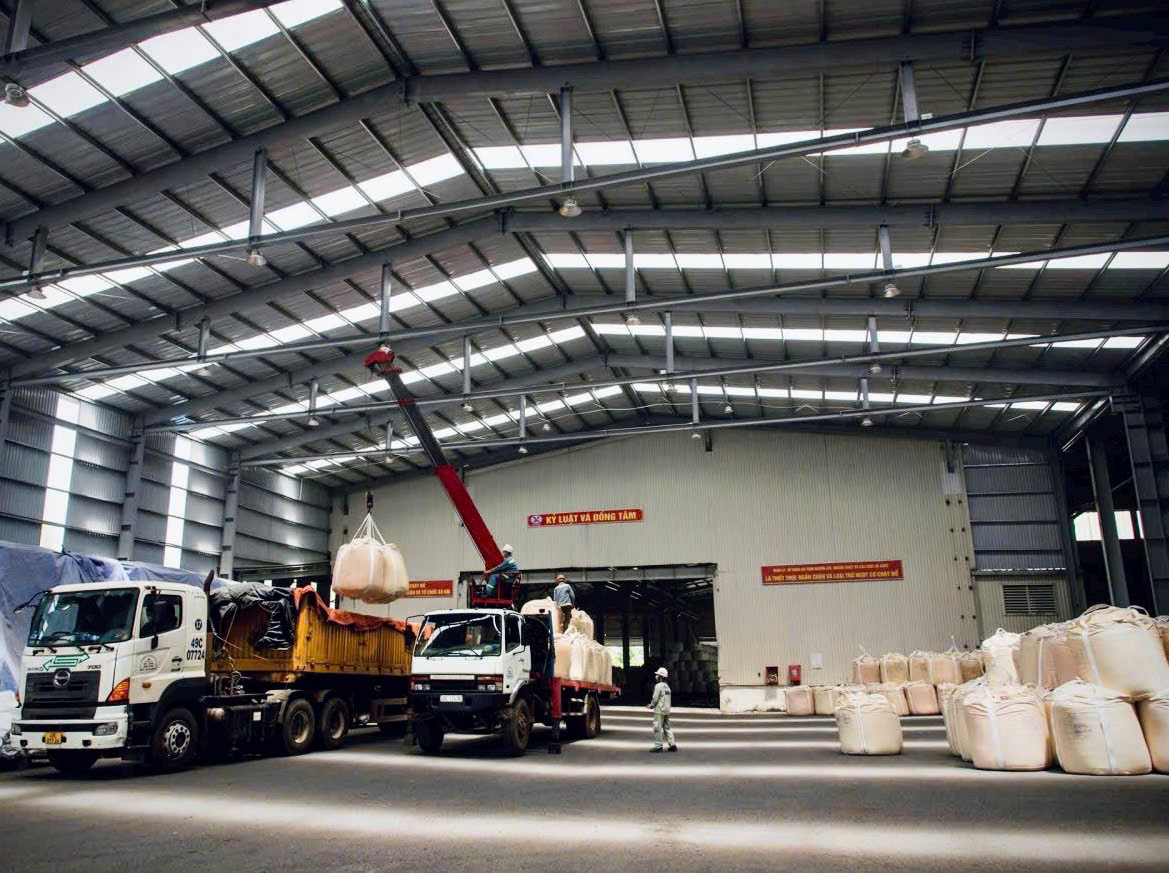
These figures clearly demonstrate that Lam Dong's industrial structure is diversifying effectively, transitioning smoothly from agricultural processing and construction materials to energy and mineral industries.
However, the current mandate demands more than a mere increase in output volume; it requires a substantial rise in deep-processing ratios, the establishment of robust value chains, and the strategic development of supporting industries.
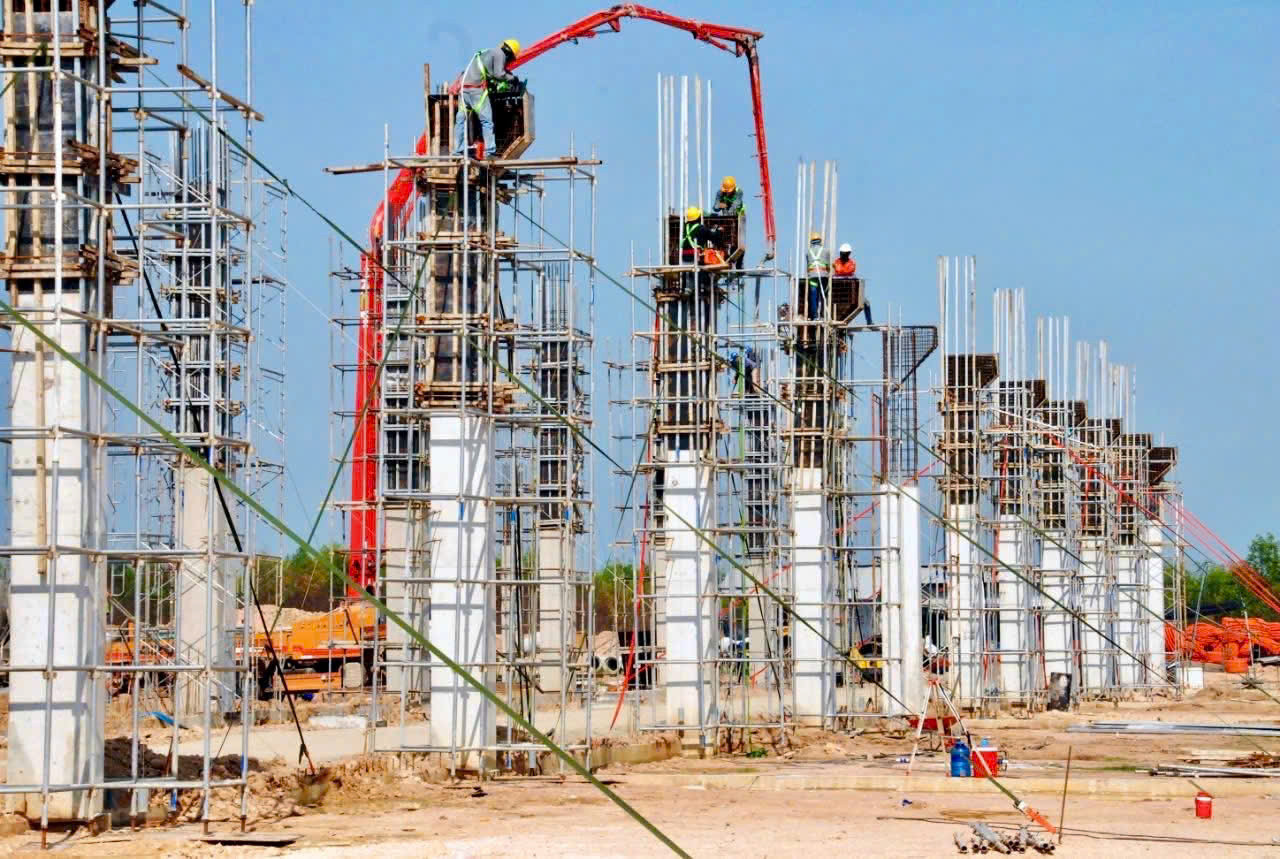
To unlock further headroom for growth, the province is accelerating the completion of infrastructure across various industrial clusters. In the first half of the year, the Department of Industry and Trade provided strategic counsel for the formal establishment of the Tan Ha 3 Industrial Cluster. Concurrently, the department evaluated dossier requirements for setting up the Loc An, Tam Bo, and Lieng Sronh industrial clusters, while adjusting development frameworks for several existing clusters to better align with infrastructural capacity, transportation networks, and investment attraction potential.
The strategic expansion of the industrial land bank is highly anticipated to create ample space for processing projects, directly boosting production capacity and enhancing the local manufacturing sector's total added value.
Alongside industrial infrastructure is the expansion of energy infrastructure. Lam Dong currently houses 105 operational power source projects with an aggregate capacity exceeding 8,242 MW. This diverse energy mix comprises thermal power, hydropower, wind power, centralized solar power, and diesel-generated power in Phu Quy.
The province continues to provide comprehensive support to accelerate the execution pace of the Son My Power Center, alongside various renewable energy projects and the Dak Nong Aluminum Electrolysis Plant, ensuring sufficient electricity supply to meet upcoming demands from the processing and metallurgical industries.
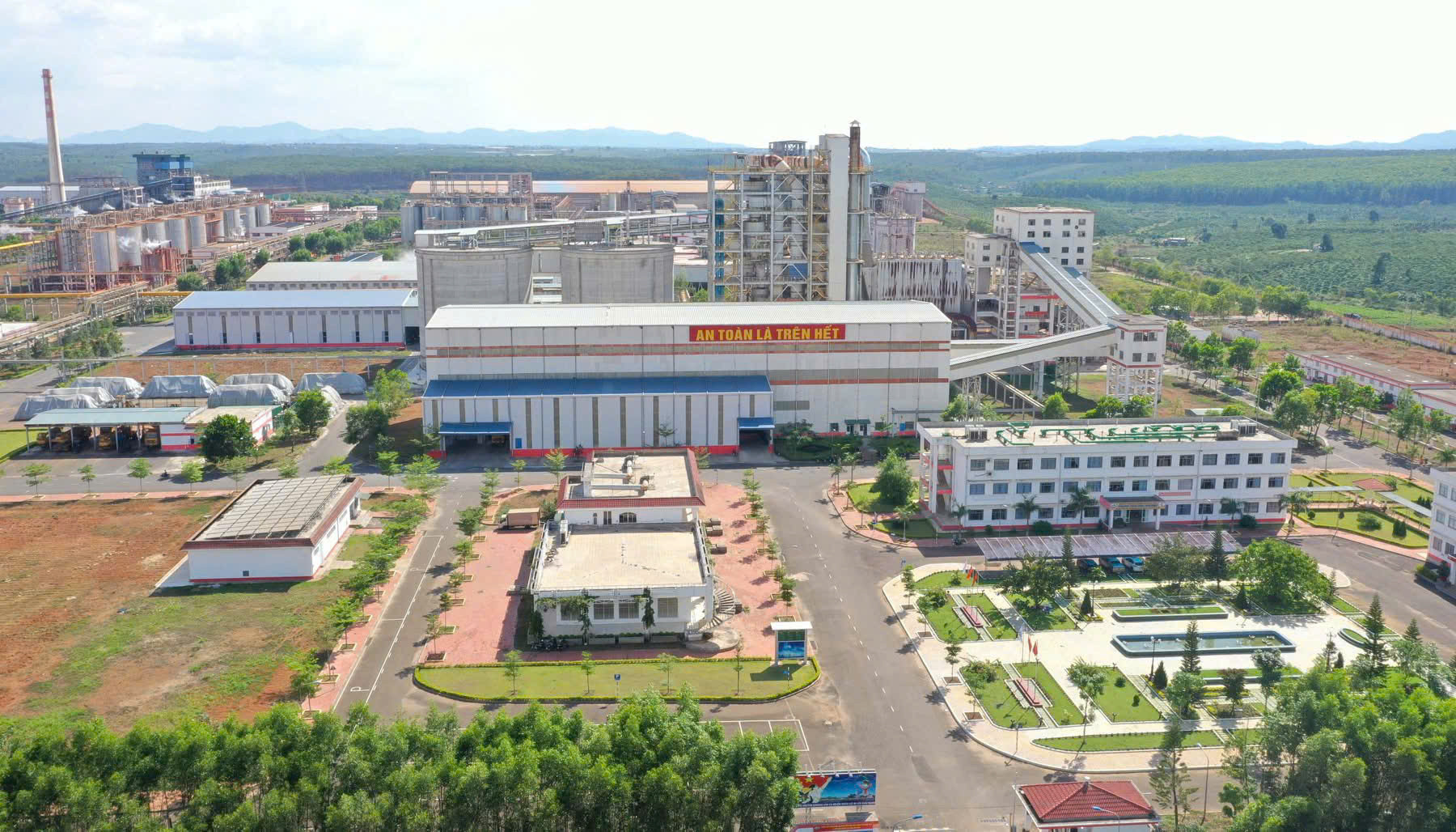
The hallmark highlight of the industrial sector in 2026 remains the Dak Nong Aluminum Electrolysis Plant, which is projected to roll out Vietnam's very first commercial aluminum ingot in July. Under the current operational roadmap, the facility will run at an annualized capacity of 150,000 tons starting in August 2026, scaling up rapidly to 300,000 tons by the end of the year, before ultimately reaching its full design capacity of 450,000 tons per annum in early 2027.
This marks a crucial turning point, proving that Lam Dong is no longer confined strictly to bauxite extraction and alumina production, but has successfully advanced to a higher link within the global aluminum value chain. This milestone event is projected to catalyze the expansion of mechanical engineering, advanced materials, supporting industries, and high-value deep processing over the coming years.
Market Expansion Enhances Growth Quality
Alongside robust manufacturing lines, domestic and international market consumption remains the deciding factor governing the absolute quality of the industry and trade sector's growth.
In the first six months, total retail sales of consumer goods and services revenue reached VND 97,606.7 billion, up 16.7% over the same period last year, yet meeting only 91.5% of the targeted growth scenario. Total export turnover reached USD 1.6298 billion, achieving 96.8% of the established plan but representing a slight 0.9% dip year-on-year. On the other side of the ledger, import turnover stood at USD 936.2 million, contracting by 16.4%.
.jpg)
These indicators reveal that while domestic purchasing power remains resilient and positive, outbound shipping activities continue to bear the brunt of severe volatility across global markets. This reality demands that the industry and trade sector relentlessly broaden consumer markets, diversify distribution channels, and fiercely sharpen the competitive edge of local products.
For the remaining six months of the year, the sector will concentrate heavily on executing trade promotion programs through highly pragmatic approaches. Key initiatives involve supporting enterprises, cooperatives, and household businesses in integrating their products into modern retail distribution networks, e-commerce platforms, and stable export markets. The ultimate target transcends mere networking programs, aiming squarely at generating definitive commercial contracts, solid purchase orders, and sustainable market outlets.
Le Trong Yen, Standing Vice Chairman of the Provincial People's Committee, emphasized that industrial development must persistently pursue deep processing and supporting industries. Simultaneously, the commercial sector must shift dynamically from basic trade promotion to aggressive market expansion, while the export sector must lock down traditional markets and systematically upgrade product quality to optimize added value.
Evidently, the foundational growth structure of Lam Dong’s industry and trade sector has been solidly anchored by robust manufacturing capacity, industrial hubs, energy security, and market reach.
The overriding challenge for the final six months of the year is not merely fulfilling statutory growth targets, but effectively converting inherent advantages in natural resources, infrastructure, and industrial capacity into tangible, high-value economic gains, thereby cementing a sustainable development bedrock for the local economy.