

Opening Eastern Lam Dong's New Growth Corridor
More than just a transport project, the planned road linking the Le Duan – Truong Chinh Intersection to the North–South Expressway interchange is expected to play a strategic role in boosting economic growth while strengthening national defence and security in Lam Dong Province.
Connecting to the National Transport Network
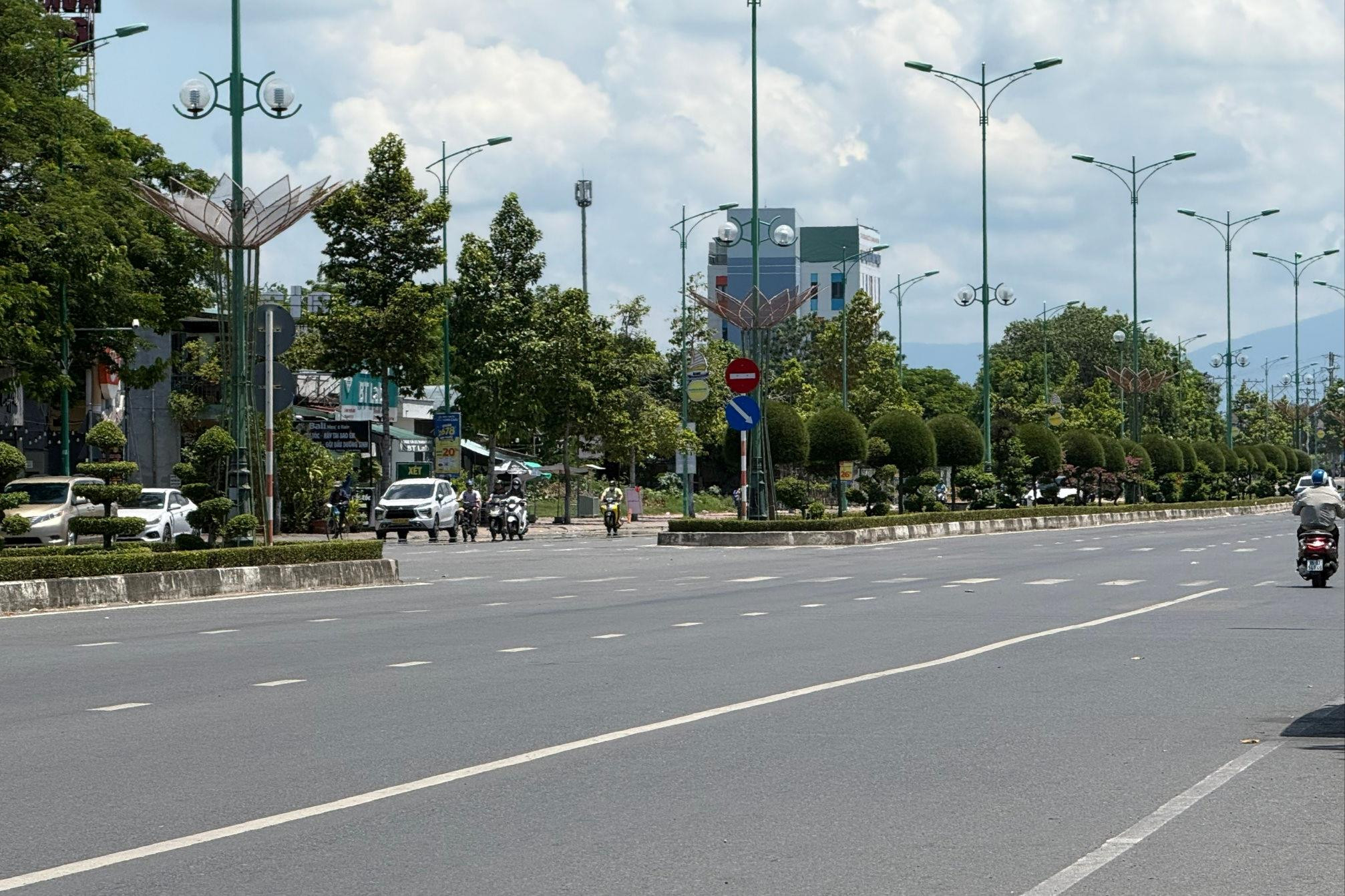
Within Lam Dong Province's transport infrastructure development strategy, the road connecting the Le Duan – Truong Chinh intersection in Binh Thuan Ward to the North–South Expressway interchange has been identified as one of the province's key strategic projects.
Beyond addressing current traffic demand, the route will lay the foundation for a modern urban–industrial–service corridor while creating seamless links with Vietnam's national transport network.
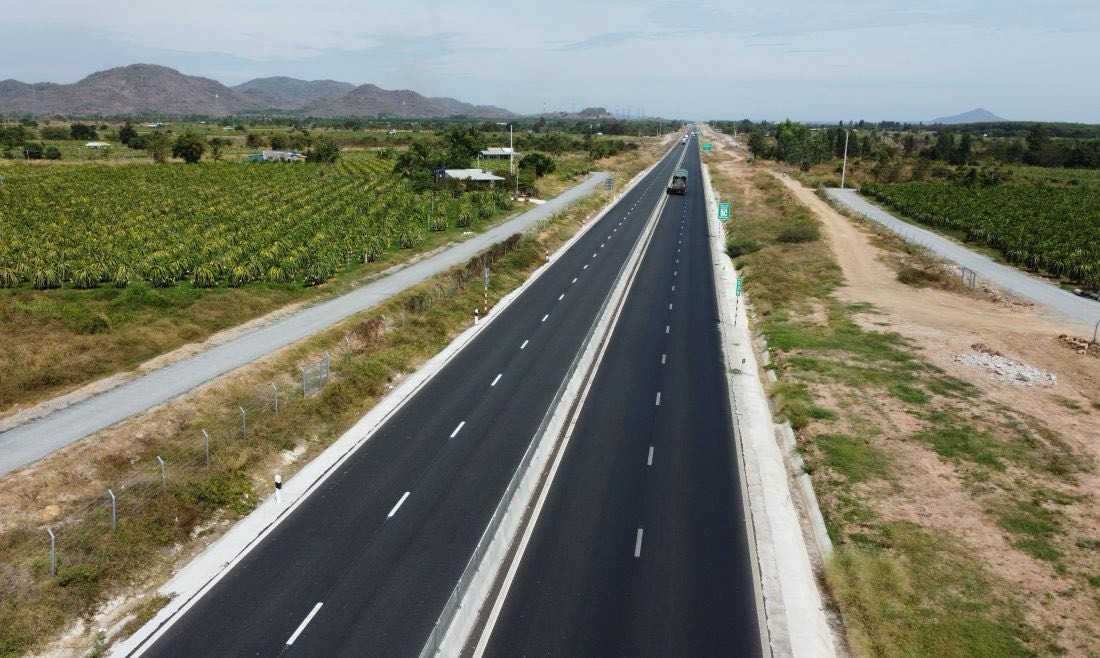
The project stretches approximately 12.5 kilometres, beginning at the Le Duan – Truong Chinh intersection and ending at the interchange connecting directly to the Vinh Hao – Phan Thiet Expressway. The total investment is estimated at more than VND 4.7 trillion.
According to the Construction Investment Project Management Board No. 2, the route is planned to become a major gateway corridor connecting eastern Lam Dong's urban centre with National Highway 1A, the future high-speed railway station, the interprovincial bus terminal and newly planned urban areas.
It will also serve as the starting point of the proposed Phan Thiet – Bao Loc – Gia Nghia Expressway, forming a vital link in the regional transport network that will facilitate freight movement, stimulate services and attract new investment.
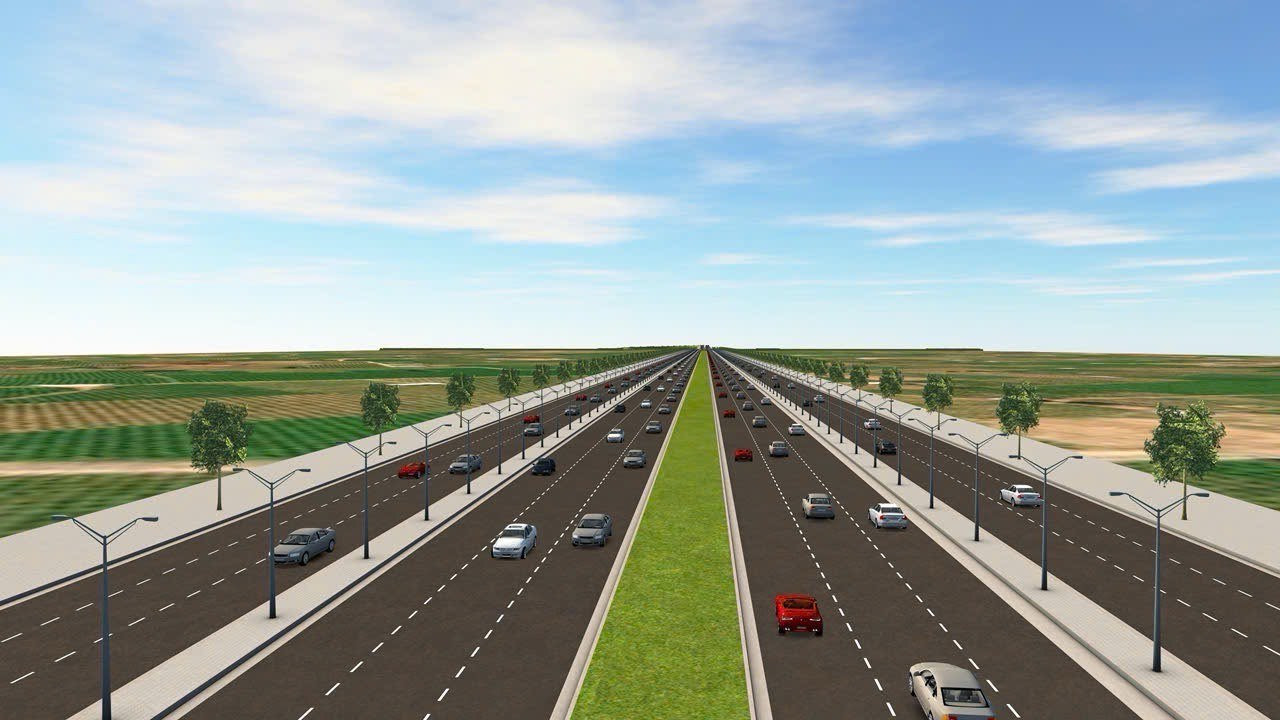
Under the approved design, the first section will have a 37-metre-wide cross-section with six traffic lanes and a design speed of 60 km/h.
From Km1 to Km11.2, the road will expand to 79 metres. Initially, six lanes will be put into operation, while sufficient land will be reserved for a future expansion to 12 lanes and the construction of an urban light rail line. This section will be built to Class III highway standards, with an operating speed of 80 km/h.
The project also includes a 332-metre railway overpass crossing the North–South Railway, together with drainage systems, utility corridors, landscaping, street lighting, protective structures and comprehensive traffic safety facilities.
Driving Growth While Strengthening Defence and Security
Beyond improving transportation, the new road will unlock a completely new development corridor for eastern Lam Dong.
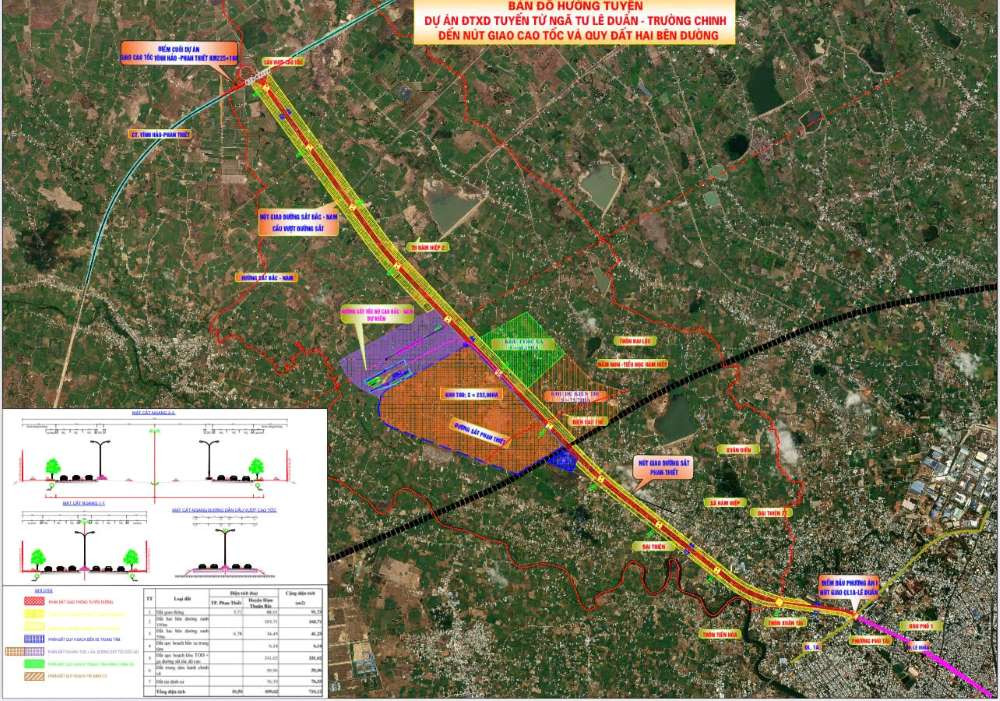
According to the provincial master plan, land along both sides of the corridor will be developed into modern urban areas, high-tech zones and transit-oriented development (TOD) projects.
In addition to its economic value, the project holds significant national defence and security importance. A modern transport network will improve the mobility for emergency response forces, strengthen rescue and disaster relief capabilities, and enhance readiness for emergency situations.
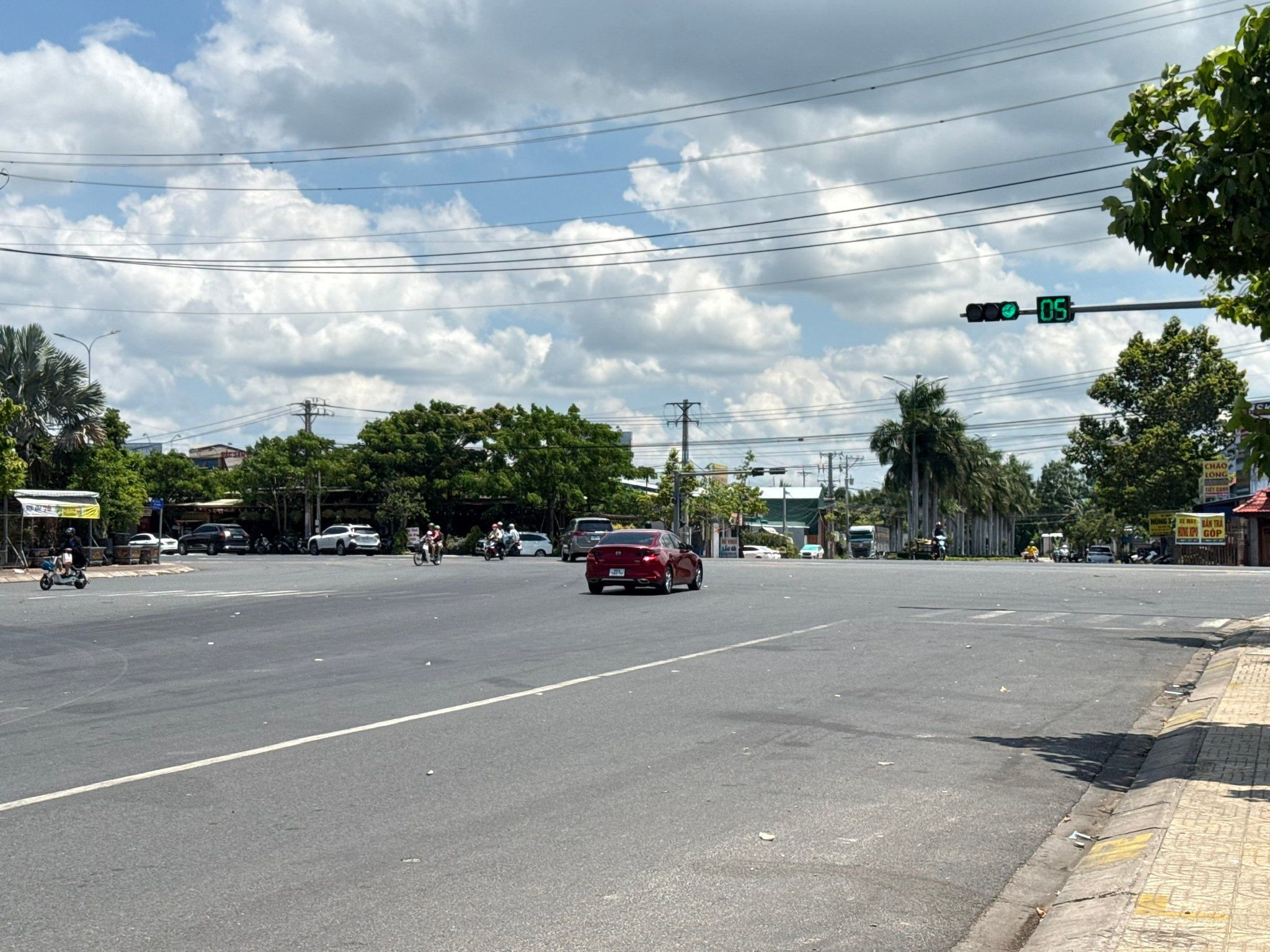
To realise these objectives, land clearance has been identified as one of the province's top priorities.
The project requires the acquisition of approximately 247 hectares of land, affecting around 1,200 households in Binh Thuan Ward.
According to Nguyen Huu Trung, Chairman of the Binh Thuan Ward People's Committee, the locality is currently implementing the land clearance component of the project, aiming to complete compensation and site clearance for the section between the North–South Railway and the Vinh Hao – Phan Thiet Expressway by the end of this year, thereby paving the way for construction.
To safeguard residents' interests, authorities are also proactively preparing resettlement areas before land acquisition begins.
The Provincial Land Development Centre, together with Binh Thuan Ward, is developing the Ham Hiep Resettlement Area to provide stable housing for relocated households. Once detailed engineering designs are completed, contractors are selected and site conditions are ready, construction will commence.
The project is expected to mark another significant milestone in Lam Dong's transport infrastructure development.
When completed, it will substantially shorten travel time between the expressway and eastern Lam Dong's urban centre, expand investment opportunities, strengthen the province's competitiveness and make a lasting contribution to the province's long-term socio-economic development.