

Lam Dong Eyes Deeper Integration into the Global Halal Value Chain
As the global Halal economy continues to expand rapidly, Lam Dong Province is positioning itself to become an active player in the international Halal market. Leveraging its strengths in high-tech agriculture, food processing and green economic development, the province is exploring new cooperation models to participate more deeply in the global Halal value chain while attracting international investment.
Developing a Halal Zone
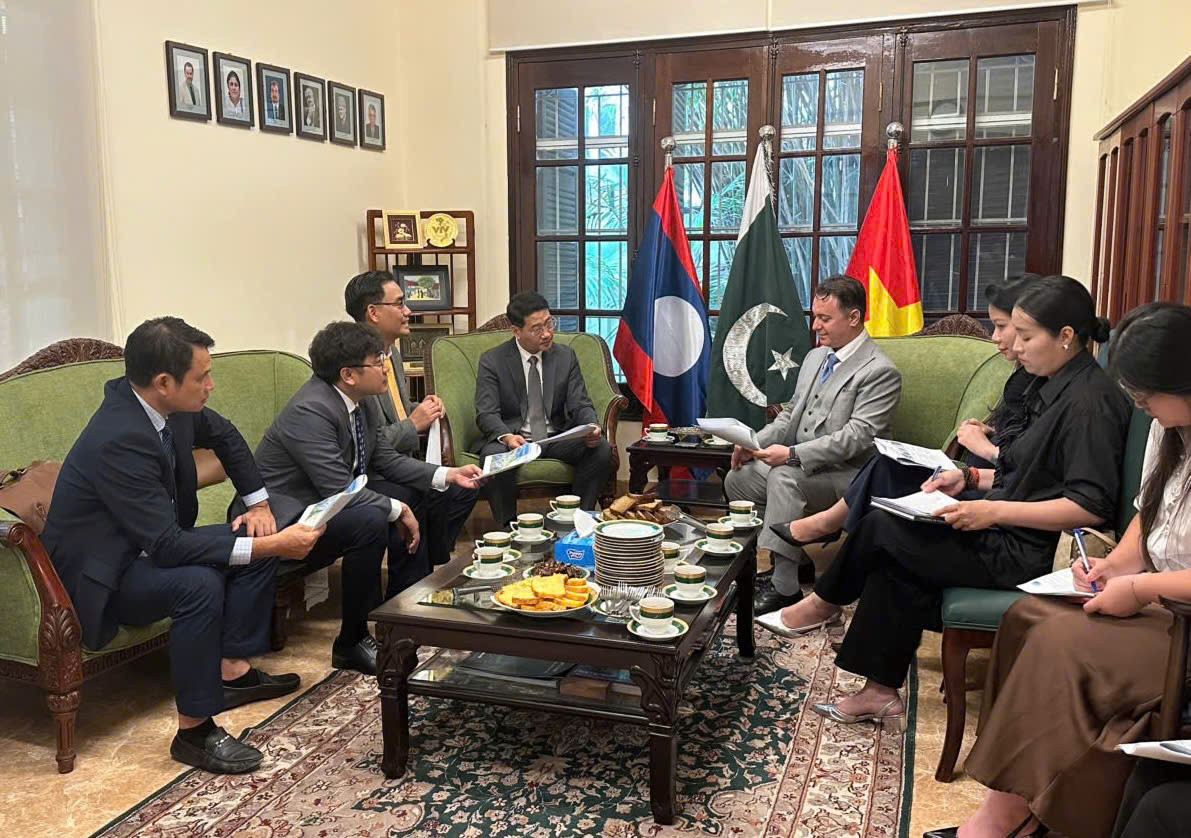
Recently, the Lam Dong Investment, Trade and Tourism Promotion Center held a meeting with the Embassy of Pakistan in Vietnam to discuss opportunities for cooperation in the Halal sector and explore the development of a Halal Zone at Phu Binh Industrial Park in Duc Trong Commune.
If implemented systematically, the project could become one of Vietnam's pioneering Halal industrial initiatives, enabling Lam Dong to integrate more deeply into the global Halal value chain while attracting international investment.
According to Nghiem Dinh Hieu, Director of the Lam Dong Investment, Trade and Tourism Promotion Center, the proposed Halal Zone will focus on Halal-certified manufacturing, agricultural processing, logistics, product traceability, trade, tourism, certification support and international market connectivity.
"The goal is not merely to establish a specialized industrial park, but to build an integrated Halal ecosystem. This development model aligns well with Lam Dong's advantages in agriculture, food processing and regional connectivity, while creating a foundation for accessing major Halal markets worldwide," he said.
The center also expressed its hope to receive continued support from international partners in connecting businesses, sharing expertise, facilitating Halal certification and promoting investment to gradually turn the Halal Zone into reality.
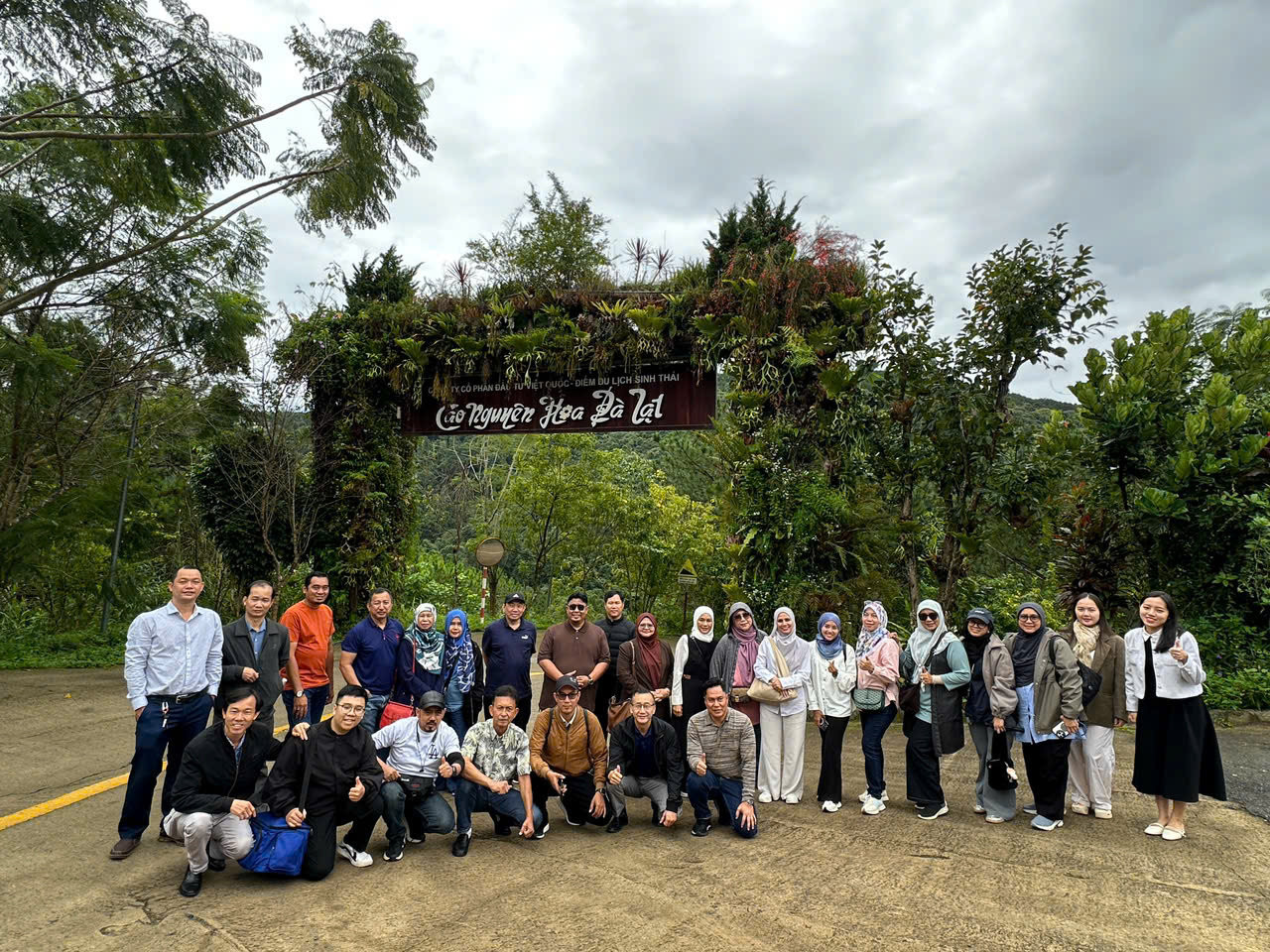
Representatives from the Embassy of Pakistan highlighted the strong growth of the global Halal market, the increasing demand from Muslim travelers, and the importance of establishing a comprehensive Halal ecosystem.
They noted that developing a Halal Zone should be regarded as the first step toward building a sustainable Halal value chain that strengthens Vietnam's competitiveness and expands export opportunities.
The embassy also shared that while Pakistan has invested in several sectors in Vietnam, it has yet to develop a flagship Halal project. Therefore, Pakistan hopes to cooperate in building a well-planned pilot project that could serve as a model for future bilateral cooperation.
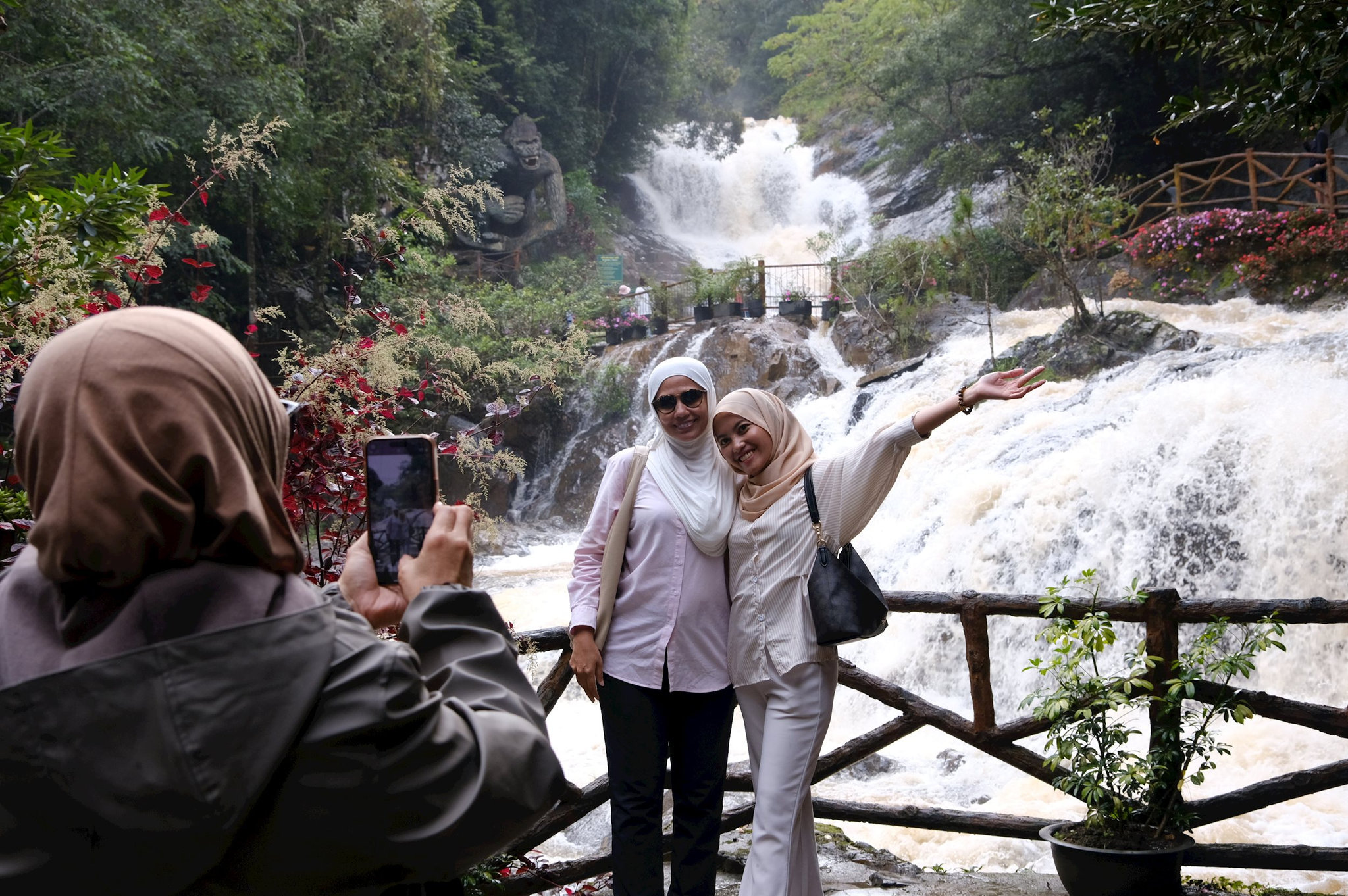
Expanding Opportunities for International Investment
Regarding Halal certification, representatives of the Embassy of Pakistan said they were considering assigning a dedicated professional team to directly coordinate certification procedures instead of relying on individual specialists as in the past.
This approach is expected to shorten processing times, improve operational efficiency and ensure greater professionalism throughout the certification process.
The embassy also pledged continued support in trade promotion, market expansion and sharing practical experience in developing Halal value chains.
As global demand for Halal products and services continues to rise, proactive cooperation with experienced international partners, expanding collaborative networks and attracting strategic investors are expected to help position Lam Dong among Vietnam's leading localities in Halal economic development and global Halal market integration.
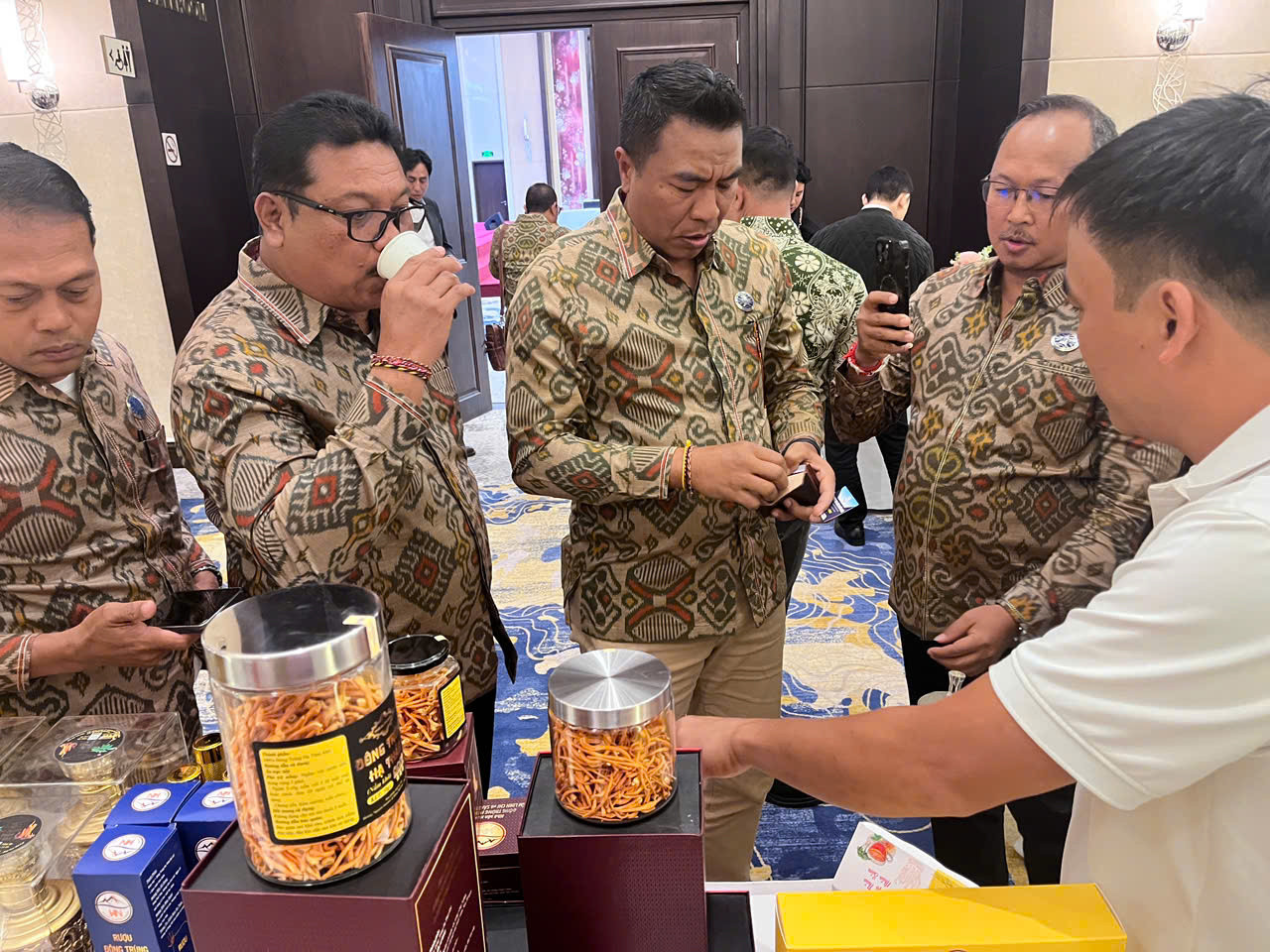
At a seminar on the Halal market and industry held in Lam Dong last month, Nguyen Phuong Tra, Director General of the Middle East and Africa Department under Vietnam's Ministry of Foreign Affairs, emphasized that the Halal economy is one of the world's fastest-growing and most dynamic markets.
With an estimated global Muslim population of around two billion, demand for Halal products and services extends far beyond food to sectors including tourism, hospitality, finance, cosmetics, pharmaceuticals, logistics and e-commerce.
Valued at several trillion US dollars, the Halal economy presents significant opportunities for Vietnamese localities and businesses—including Lam Dong—to diversify export markets and participate more deeply in global supply chains.
What is a Halal Zone?
A Halal Zone is a specially designed area or destination that provides products, services and facilities meeting Halal standards, catering to the lifestyle, dining and travel needs of Muslim visitors and consumers.
Developing Halal Zones is expected to help Vietnam attract high-potential international Muslim travelers while creating new opportunities to expand exports and strengthen the country's position in the global Halal economy.