

Lam Dong Harnesses Traditional Culture to Drive Tourism Growth
As Lam Dong strives for double-digit GRDP growth, the province is positioning its rich cultural heritage not only as a legacy to preserve but also as a strategic asset that strengthens tourism competitiveness and supports sustainable economic development.
Culture as a Driver of Livelihoods
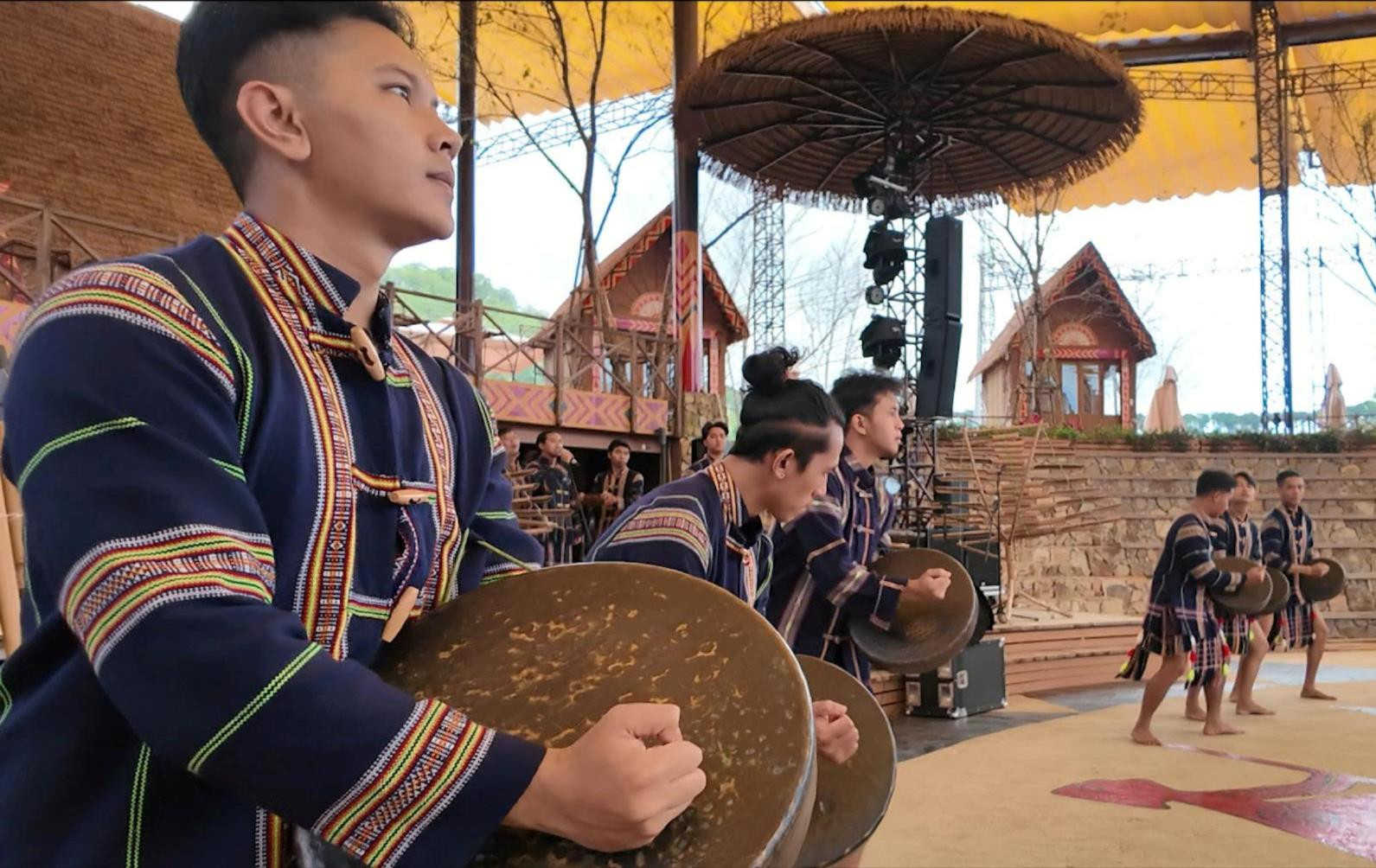
As dusk descends on Lang Biang, the deep sounds of gongs resonate through the highlands as members of the K'Ho ethnic group come together around a traditional bonfire. Elders pass on each rhythm to younger generations, while guests participate in the xoang dance to connect with the essence of the Central Highlands. Initially meant for ceremonial purposes, gong performances have transformed into engaging tourism experiences that not only safeguard cultural heritage but also provide income for local communities.
"Every beat of the gong conveys the tales and memories of the K'Ho people," remarked Kra Jan Jun Guy, a member of the Lang Biang–Da Lat Gong Performance Team. "By educating the younger generation and sharing our culture with visitors, we contribute to the preservation of these traditions."
Traditional brocade weaving has been passed down through generations among the Cill people near Lang Biang Mountain and the Ma community along the Dong Nai River. Each design woven on a traditional backstrap loom embodies the indigenous knowledge and history of every village.
"Our young people continue to learn and preserve our traditional motifs," expressed Dieu Thi Chocs, a Ma artisan from Cat Tien 3 Commune. "For many of us, maintaining the craft equates to preserving our identity."
.jpg)
What were once perceived merely as cultural heritage are now increasingly recognized as economic assets. Brocade items are being marketed as handicrafts and fashion accessories, while gong performances have turned into prominent features of community-based tourism experiences.
Lam Dong aims to create a vibrant cultural tourism environment where every gong performance, woven textile, and indigenous narrative provides visitors with a unique and genuine experience.
This objective is embodied in the province’s Cultural Development Project, which encourages the blending of brocade weaving, traditional musical instruments, and folk arts with modern design to develop cultural products of greater value.
Prof. Dr. Vo Xuan Vinh, Director of the Institute of Business Research at the University of Economics Ho Chi Minh City, believes that achieving double-digit economic growth while maintaining Lam Dong's distinctive identity largely relies on the involvement of local communities.
Achieving Lam Dong's goal of double-digit economic growth while preserving its unique cultural identity requires greater participation from its more than three million residents. The people themselves are the true custodians and ambassadors of the province's cultural heritage
Prof. Dr. Vo Xuan Vinh, Director of the Institute of Business Research, University of Economics Ho Chi Minh City
From weaving workshops in Da Huoai and Cat Tien to the reverberation of gongs across Lang Biang, community involvement is breathing new life into culture.
When cultural heritage is developed into tourism offerings and linked with creative industries, it creates jobs, boosts income, and enhances local branding. In this manner, Lam Dong is gradually transforming its cultural assets into catalysts for economic growth.
.jpg)
Identity Shapes Sustainable Growth
Lam Dong features an extraordinary cultural landscape spanning Central Highlands of Vietnam and the South Central Coast. The province is home to 49 ethnic groups and has received seven UNESCO recognitions, ten elements of national intangible cultural heritage, and 144 sites of historical, cultural, and scenic significance, including three Special National Relics.
Among its cultural treasures are the UNESCO-recognized Gong Culture, the indigenous knowledge of ethnic groups such as the K'Ho, Ma, Chu Ru, and M'nong, along with rich coastal traditions and Da Lat’s dynamic creative scene. Additionally, the province has digitized almost 6,000 museum artifacts, established over 250 three-dimensional displays, and launched a virtual 3D museum that draws approximately 1,000 to 1,500 visitors each day.
Around 1,500 historical villas and architectural landmarks have been preserved, including Da Lat Pedagogical College, which is acknowledged as one of the world's 1,000 outstanding architectural works of the 20th century. Importantly, Da Lat was the first city in Vietnam to join UNESCO's Creative Cities Network, specifically in the area of music.
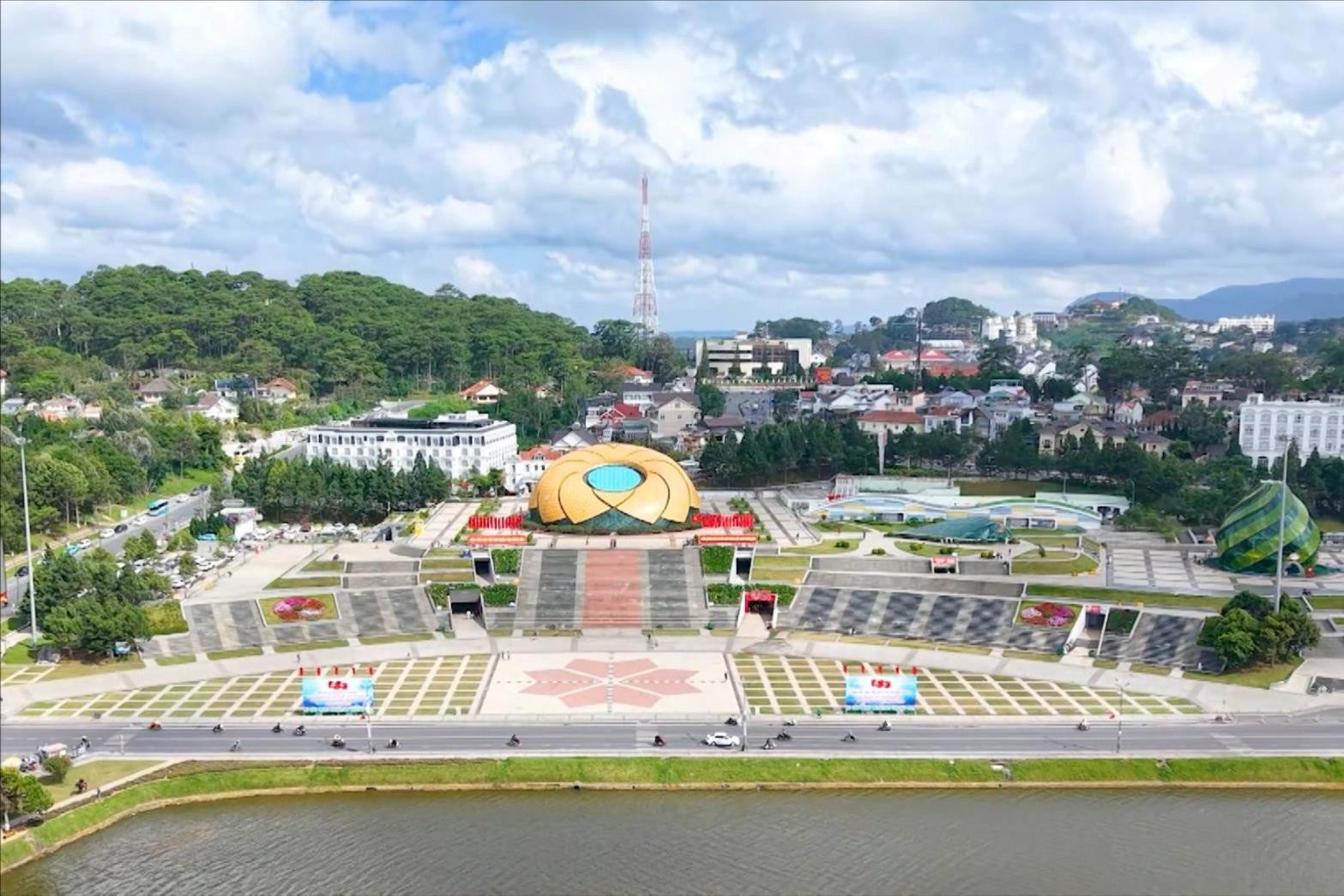
These competitive advantages cannot be easily established through mere investment. While infrastructure can be built in a matter of years, cultural identity is nurtured over generations, turning it into a lasting draw for tourists, investors, and skilled professionals.
As noted by Dr. Phan Van Bong from Da Lat University, the true essence of Da Lat is not found in singular landmarks but in its overall urban landscape, where nature, architecture, and community life come together to form what he refers to as "a living heritage"—a character that many contemporary cities find hard to replicate.
.jpg)
Recognizing this strength, the Resolution of the First Provincial Party Congress outlines the creation of a vibrant cultural tourism ecosystem as a key strategic priority. The goal is to position Lam Dong as a premier tourism center, showcasing famous destinations such as Da Lat, Bao Loc, Phan Thiet, Mui Ne, Phu Quy, the UNESCO Global Geopark, and Ta Dung Lake.
This initiative goes beyond mere tourism; it serves as a blueprint for converting cultural resources into drivers of sustainable economic growth.
Speaking from the viewpoint of the tourism sector, Nguyen Quoc Ky, Chairman of Vietravel, noted that Lam Dong needs to first define and preserve its distinct identity. When its essential cultural values are protected and promoted, culture can serve as a foundation for tourism growth, economic prosperity, and enduring competitiveness.
.jpg)
During the second meeting of the Central Steering Committee for the Advancement of Vietnamese Culture, General Secretary To Lam emphasized the importance of going beyond mere preservation by merging conservation efforts with creativity and leveraging heritage as a resource for cultural industries, innovation, and economic development.
For Lam Dong, this vision holds particular importance as the province aims for double-digit economic growth. In a highly competitive landscape for investment and tourism, success will depend not only on infrastructure and funding, but also on the capacity to generate unique cultural value. By maintaining its heritage while weaving it into the creative economy, Lam Dong is establishing a sustainable competitive edge grounded in its own identity.
Lam Dong's Cultural Development Project outlines five key areas for the growth of its cultural industries:
- Unique and abundant cultural assets
- Innovative environments
- Digital infrastructure and technological innovation
- A vast tourism market
- Creative businesses backed by supportive policies and institutional structures