

Improving Quality and Broadening Market Reach for Lam Dong’s Produce
In the context of increasingly stringent requirements for quality, traceability, and sustainable development, Lam Dong is implementing a comprehensive set of solutions—ranging from quality management and market expansion to the accelerated application of science-technology and the development of the cooperative economy.
Quality Management: The Foundation for Market Expansion
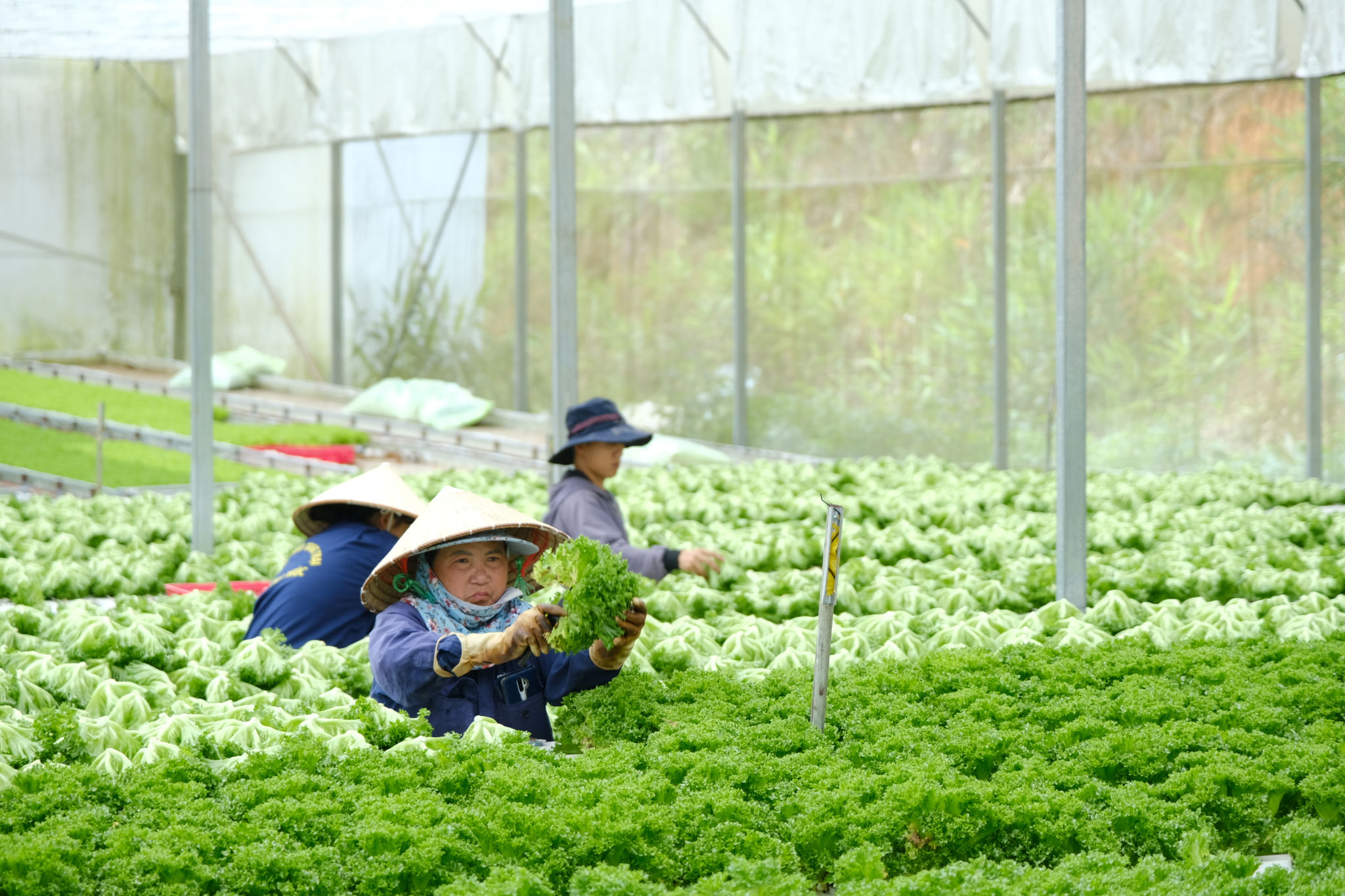
Agricultural quality management is no longer merely a production necessity; it has evolved into an essential requirement for products to enter international markets. Understanding this, the Department of Agriculture and Environment in Lam Dong has concentrated on implementing a comprehensive range of measures to ensure quality from inputs to outputs, connect production with traceability and adhere to international standards.
During the initial six months of 2026, the sector hosted a training course focused on food safety in agriculture and conducted three workshops on food sampling for the certification of agricultural, forestry, and fishery products. Additionally, 66 articles were published, and 650 handbooks offering guidance on agricultural supply management and food safety were disseminated.
The department also received 80 registration applications for support in obtaining VietGAP, organic, and other advanced production certifications, ultimately selecting 50 organizations and individuals to receive assistance with implementing safe production processes.
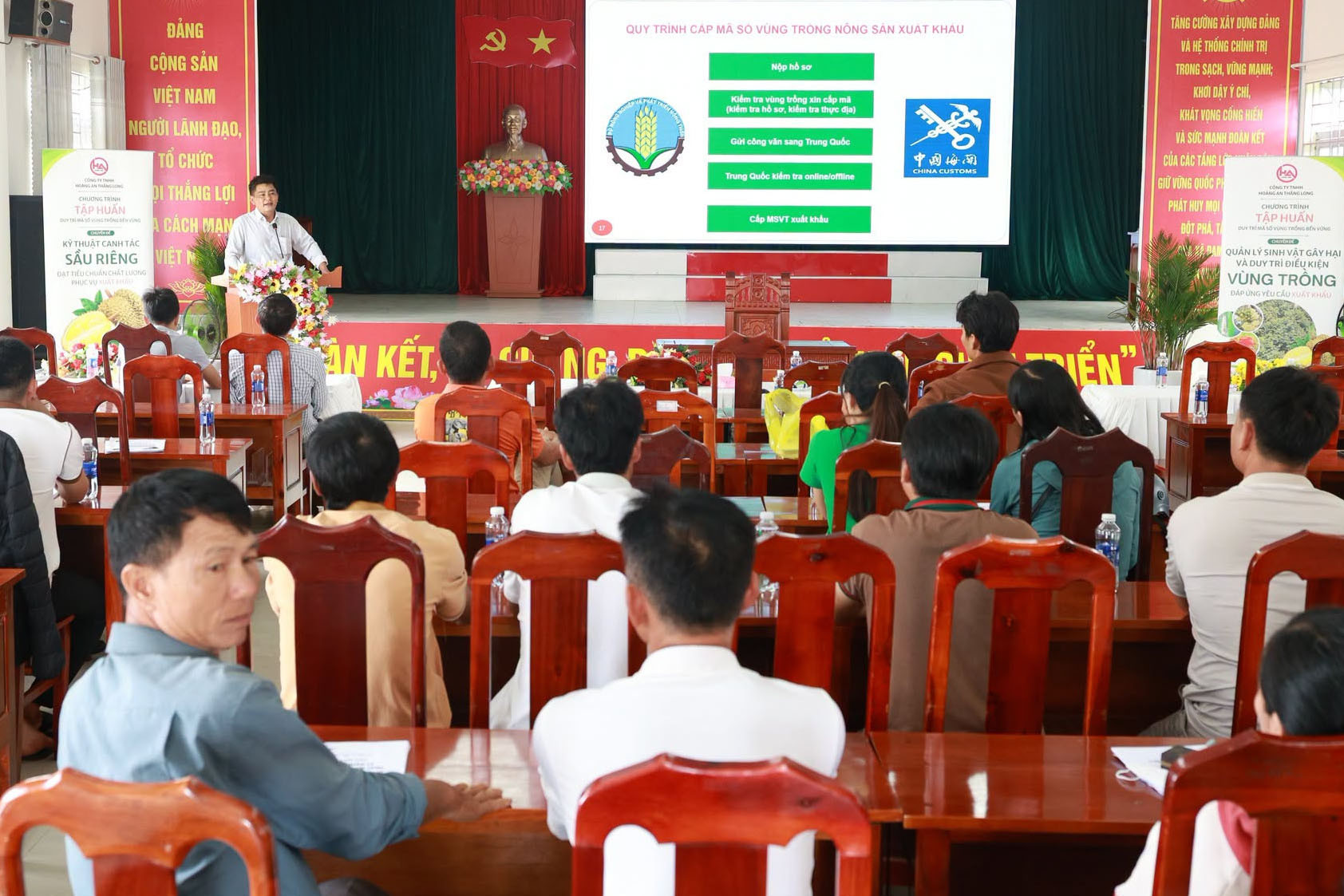
Additionally, inspection and supervision efforts have been intensified. In the first half of the year, the sector evaluated 249 facilities and issued 196 food safety certificates. To date, 3,614 out of 3,750 production and trading facilities in the province have been granted certificates of eligibility or have adopted advanced quality management systems such as HACCP and ISO.
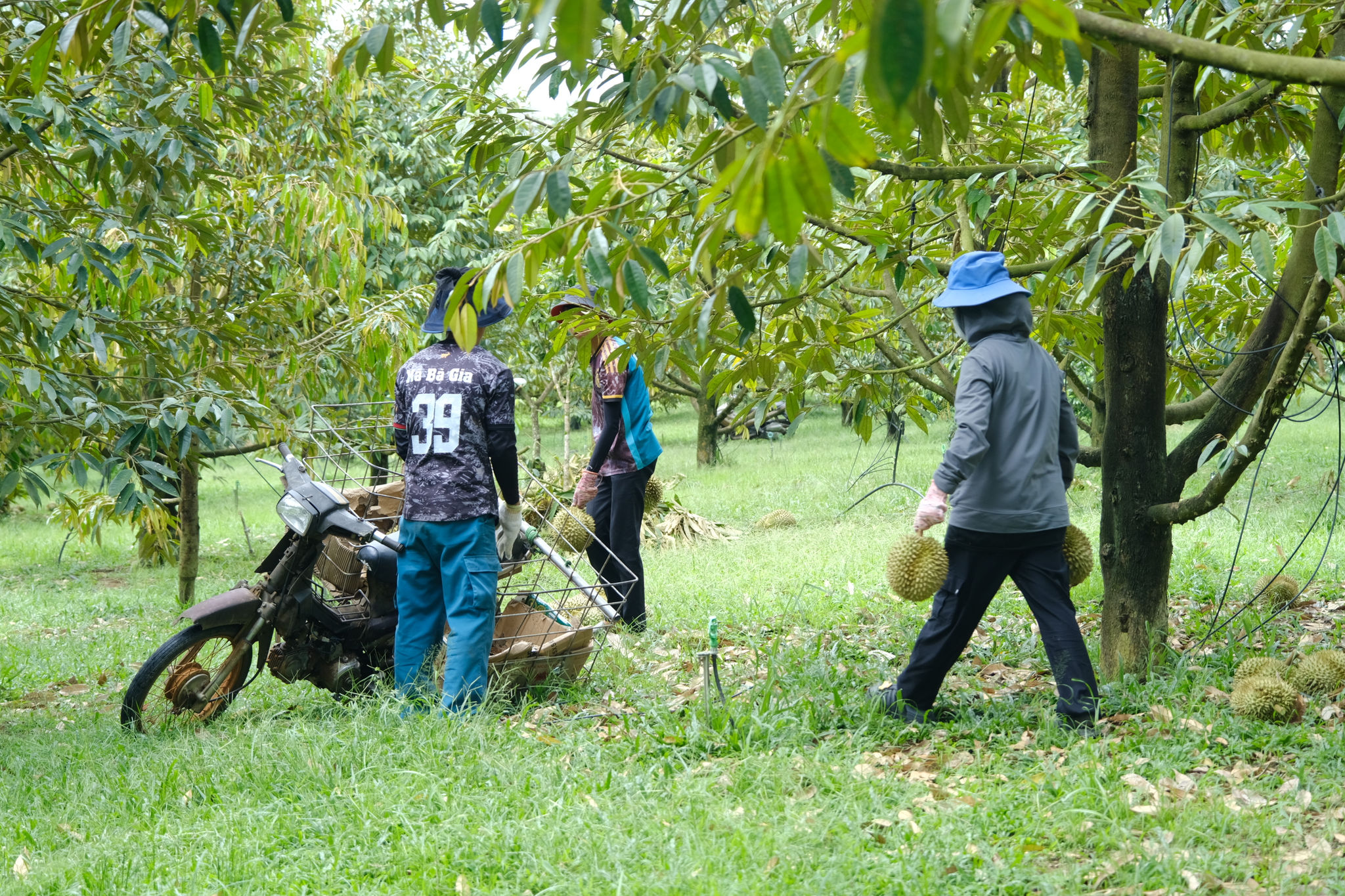
The establishment and oversight of growing area codes and packing facility codes have produced favorable outcomes, allowing Lam Dong's agricultural products to meet the stringent traceability standards of major markets.
Currently, the province is home to 1,459 growing area codes spanning almost 51,000 hectares, along with 540 packing facility codes supporting the export of essential products such as durian, dragon fruit, mango, pomelo, passion fruit, jackfruit, and coconut.
Ha Ngoc Chien, the Head of the Lam Dong Sub-Department of Crop Production and Plant Protection, emphasized that as import markets continually increase their demands for quality, food safety, and traceability, the agricultural sector must maintain strict management from the production stage onward.
"We focus on helping farmers and businesses implement higher standards, strengthening inspection and oversight and increasing the number of growing area and packing facility codes to fulfill export requirements. This approach is crucial for elevating product value, expanding market opportunities, and ensuring sustainable production growth," he stated.
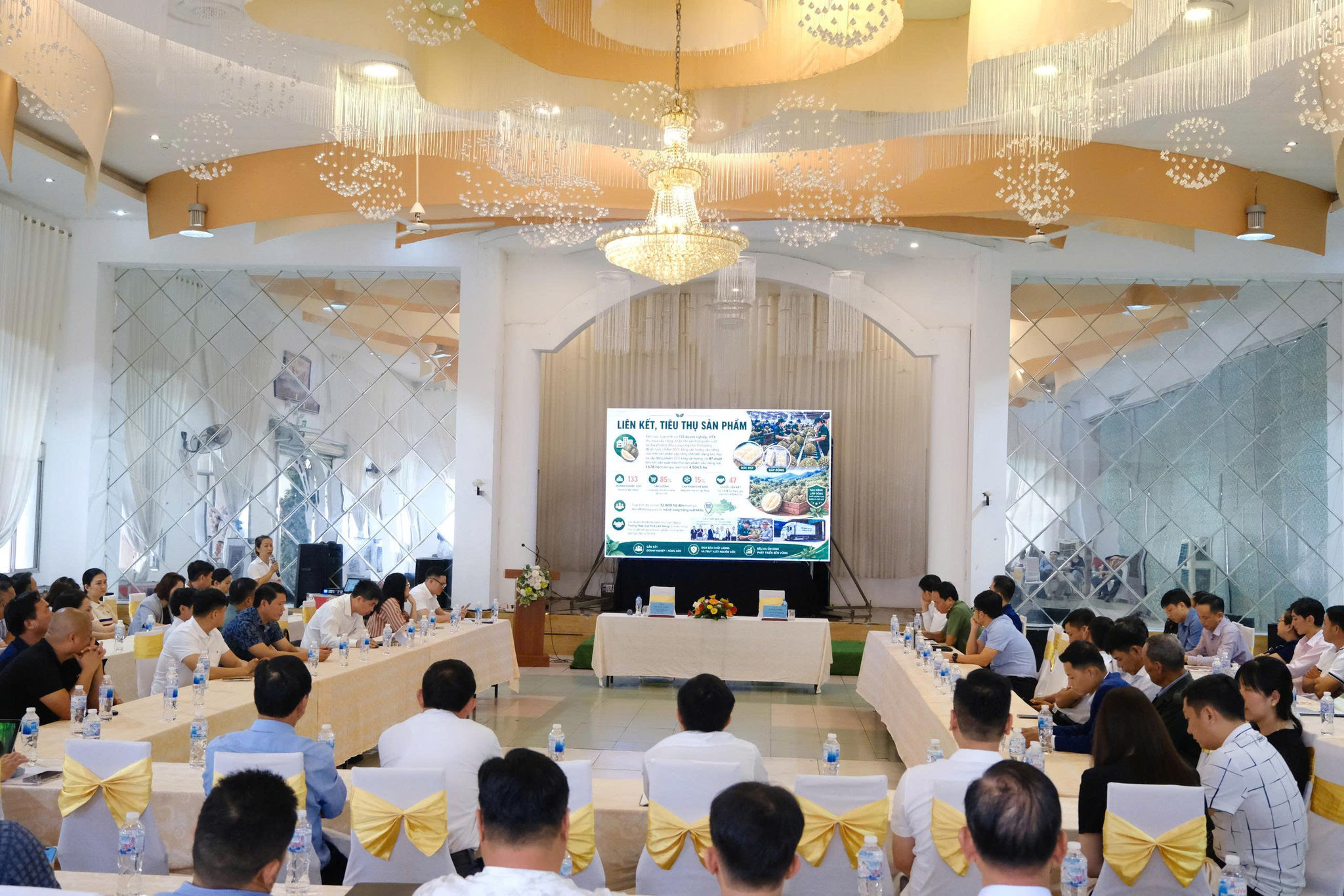
In parallel with quality management efforts, there has been a surge in trade promotion activities. Significant initiatives included conferences promoting agricultural consumption with the participation of over 200 delegates—comprising more than 150 businesses and cooperatives—as well as trade promotion programs in Shanghai (China), Dong Thap, and various domestic retail chains, creating numerous opportunities for regional agricultural products.
Additionally, regular updates on SPS (Sanitary and Phytosanitary) measures, technical barriers, and import requirements from China, the European Union (EU), and other markets have enabled businesses to adapt proactively to changing market conditions.
Furthermore, e-commerce is emerging as a powerful channel for promotion and distribution. So far, the province's agricultural e-commerce portal has assisted 933 entities by showcasing 2,106 products.
Thanks to these synchronized solutions, Lam Dong's agricultural and fishery export turnover in the first six months of 2026 reached approximately USD 805.7 million. Coffee remained the province's key export commodity, accounting for over USD 416 million.
Accelerating Science-Technology Application and Cooperative Economics
In addition to quality management and expanding markets, the integration of science and technology is essential for enhancing productivity, quality, and the competitiveness of agriculture in Lam Dong.
Recently, the Department of Agriculture and Environment has carried over 7 projects from 2025 and introduced 13 new models that utilize advancements in science and technology. These models prioritize cost-effective production, adaptation to climate change, and fulfilling the needs of today’s consumers.
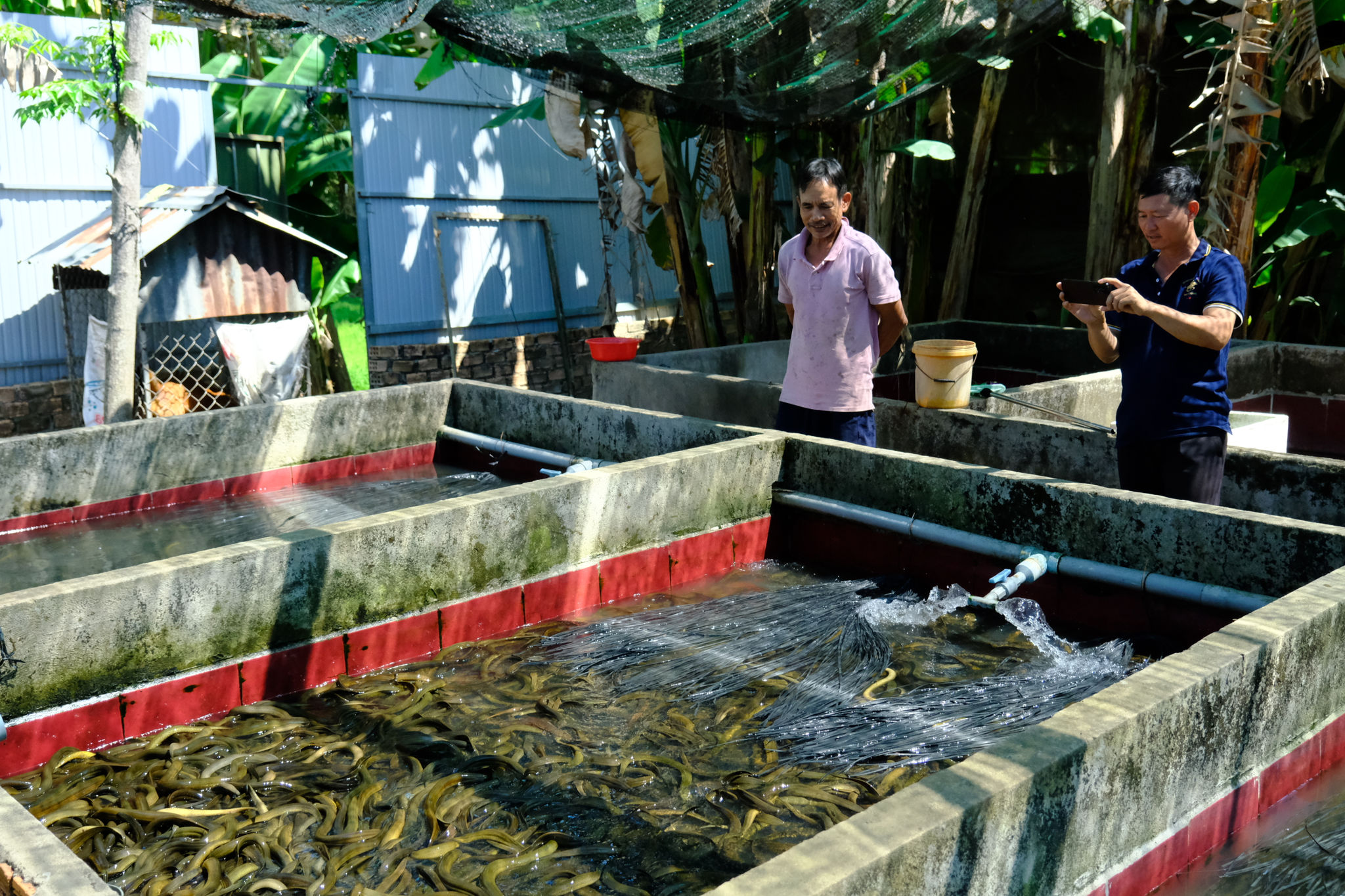
The activities related to agricultural extension have been modified to better meet the demands of production. The province conducted 19 training sessions focused on intensive macadamia farming, sustainable practices for coffee and durian, crop health management, and integrated pest management (IPM) for durian, enabling farmers to swiftly adopt new technical methods.
Consequently, during the first half of the year, 1,010 hectares received new certification for quality, increasing the total area that complies with safety and sustainability standards to 154,375 hectares. This total comprises 23,800 hectares under VietGAP/GlobalGAP standards, 4,075 hectares designated for organic farming, and 126,500 hectares of coffee that meet international criteria such as 4C and UTZ/Rainforest.
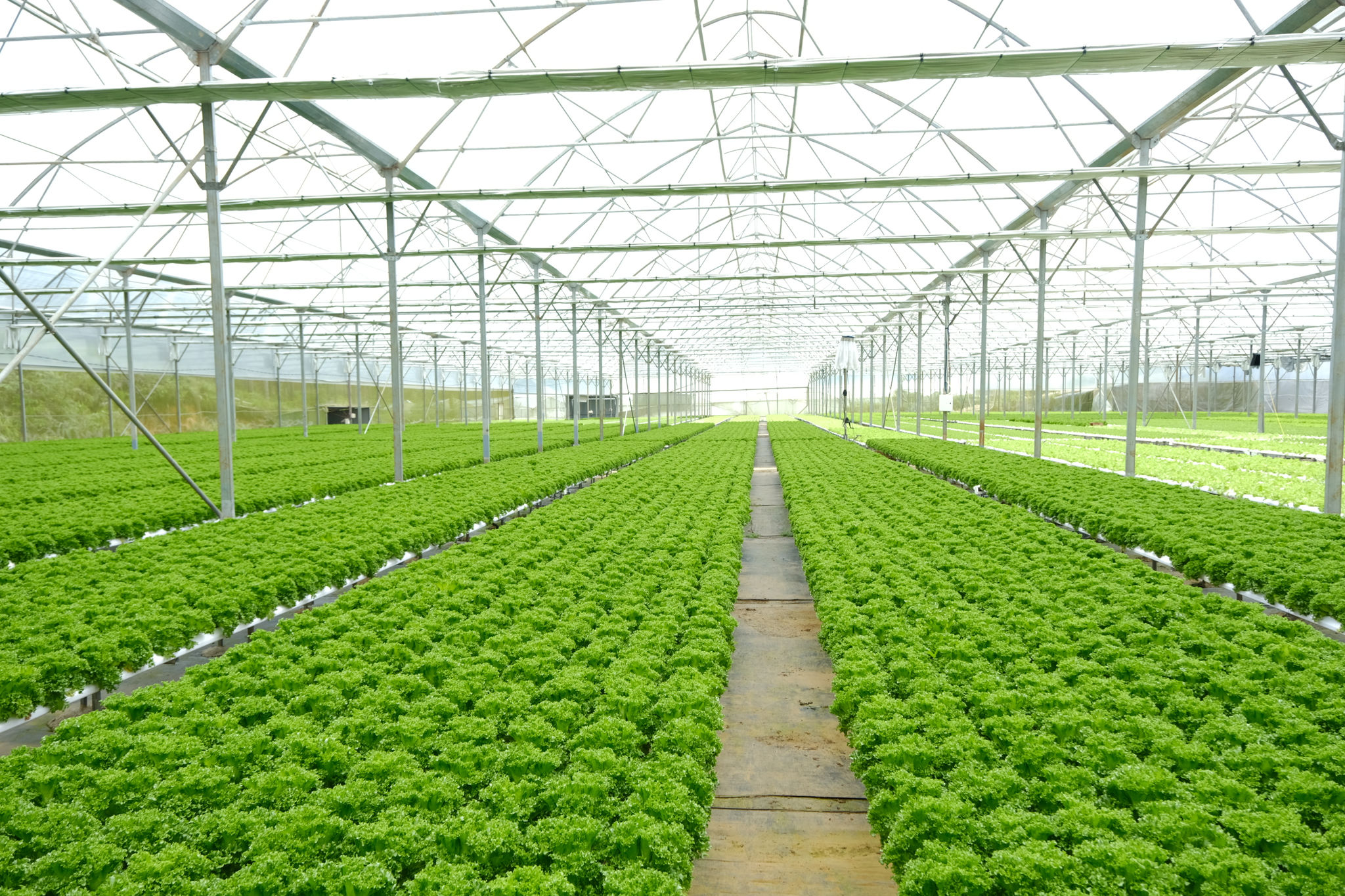
The cooperative economy continues to serve as a connection among farmers, businesses, and the marketplace. The province currently features 8 agricultural cooperative unions, comprising 45 member cooperatives and 834 agricultural cooperatives across different sectors.
The farm-based economy is becoming increasingly professional, with 1,448 farms (1,410 of which are currently operational), gradually transitioning from extensive development to advanced technology applications and enhanced management efficiency.
At present, Lam Dong has 428 production-consumption link chains involving 47,590 households. The linked area for crop production spans approximately 85,000 hectares, yielding over 920,000 tons per year. In the livestock sector, there are around 2.23 million animals, producing approximately 210,000 tons.
The "One Commune, One Product" (OCOP) program continues to drive rural economic development, with 918 valid OCOP products, including 88 four-star and 830 three-star products from 518 owners.
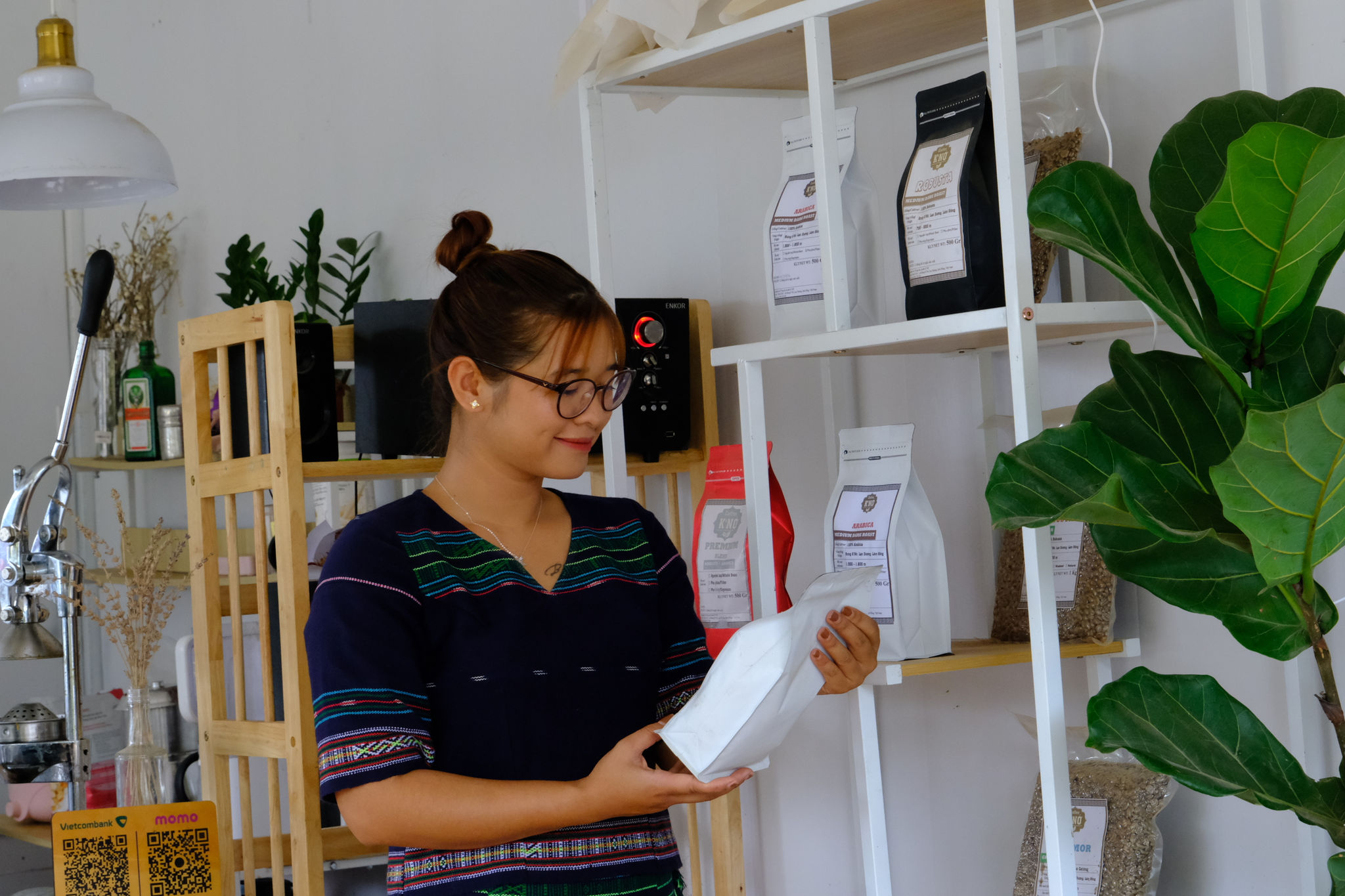
In discussing the future direction of the sector, Vu Dinh Cuong, Deputy Director of the Lam Dong Department of Agriculture and Environment, stated that the focus will remain on developing modern, eco-friendly, and sustainable agriculture. This strategy emphasizes enhancing product quality, speeding up the adoption of science and technology, encouraging digital transformation, building value chains, and growing export markets.
The sector will persist in aiding businesses, cooperatives, and farmers in complying with international export standards, which will increase the value of agricultural products and support the province's overall growth objectives.
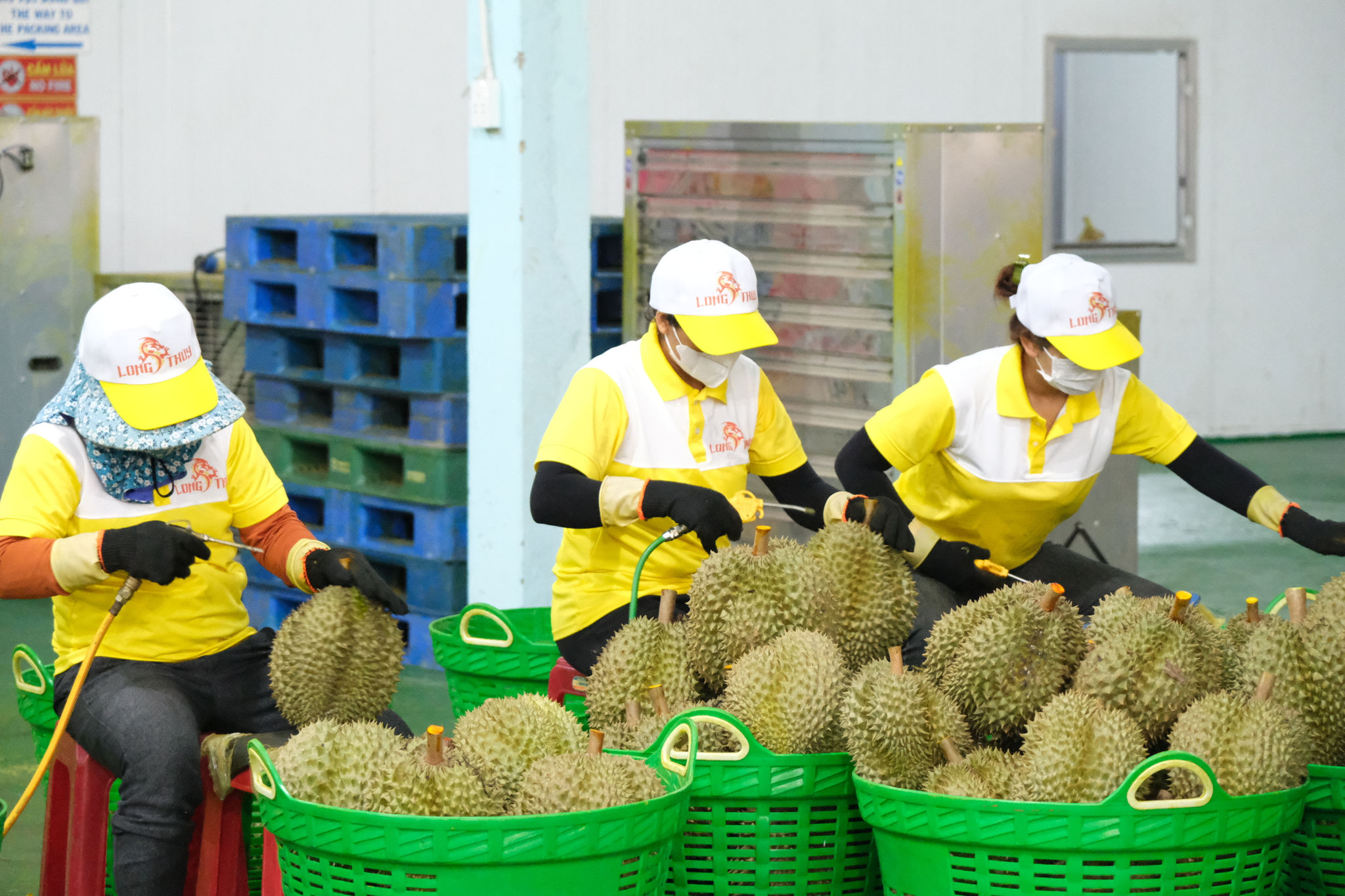
By synchronizing solutions—ranging from quality management and the development of standardized raw material zones to scientific-technological applications, market expansion, and the fostering of cooperative economy—Lam Dong is gradually building a modern, transparent, and sustainable agricultural industry."