

Resolution No. 10 Paves the Way for Lam Dong Businesses to Join FDI Value Chains More Deeply
Resolution No. 10-NQ/TW issued by the Politburo on developing the foreign-invested economic sector (Resolution No. 10) marks a strategic shift from “attracting investment” to fostering “cooperation and linkages.” It is expected to provide a major impetus for businesses in Lam Dong to engage more deeply in the global value chains involving the FDI sector.
High Expectations
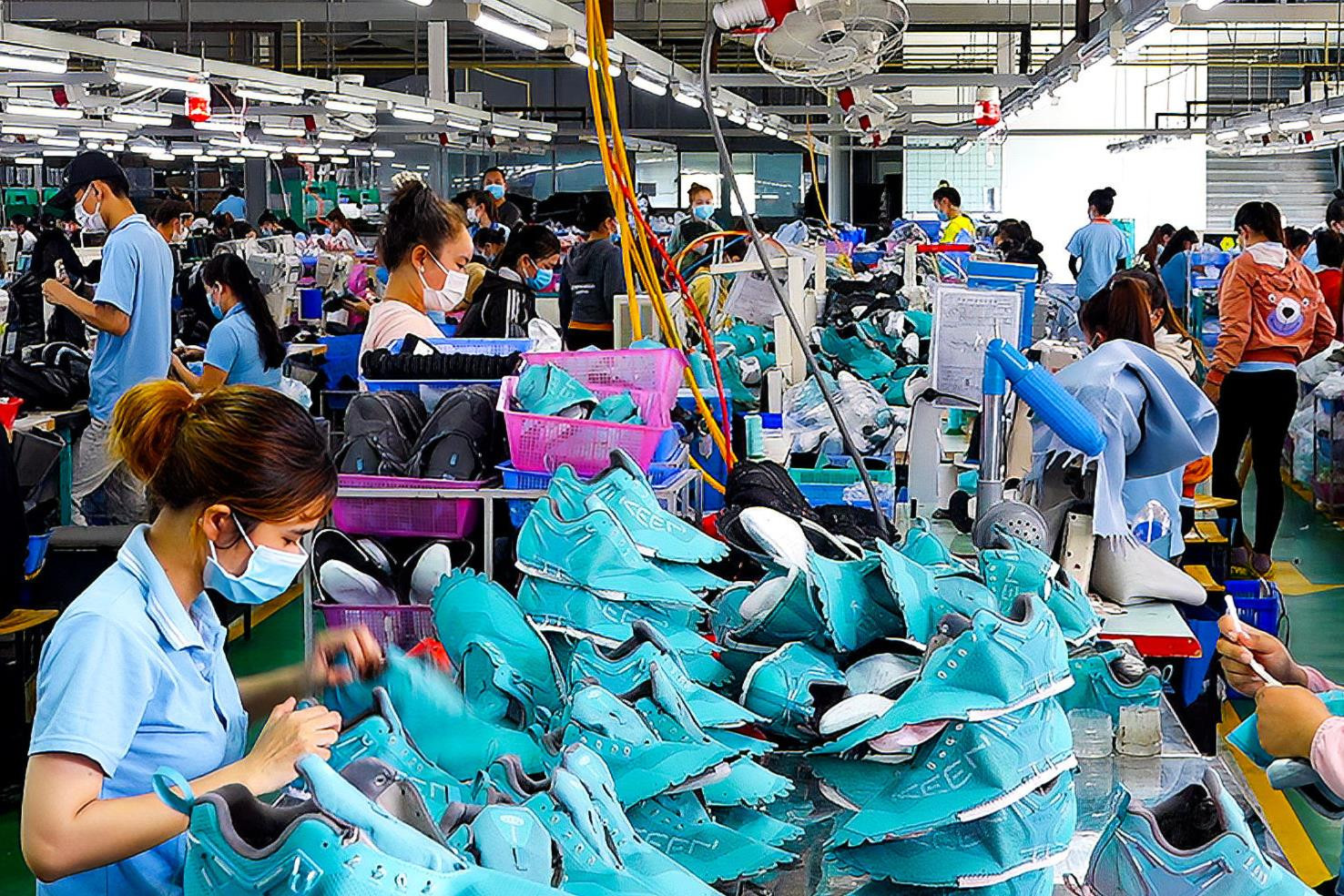
In recent years, the industrial sector in Lam Dong has drawn the interest of numerous foreign-invested enterprises (FDI) across areas such as garment production, machinery parts, and mechanical components. Nevertheless, despite the influx of investment capital, there exists a disconnect between FDI enterprises and local businesses.
The adoption of Resolution No. 10 has generated significant optimism within Lam Dong's business community regarding improved connections with FDI enterprises, as the resolution recognizes the foreign-invested economic sector as a vital part of the national economy.
One of the main features of Resolution No. 10 is its decisive shift from merely attracting investment capital to developing a national strategic investment framework with the goal of elevating Vietnam's role in global value chains.
.jpeg)
The resolution also seeks to make quality, efficiency, technology transfer, participation in supply chains, and added value key criteria. Implementation will gradually shift from incentives based on inputs to support tied to the fulfilment of commitments, while incorporating project lifecycle management and stronger linkages with domestic businesses.
This means that Vietnamese companies will no longer simply be indirect beneficiaries of foreign direct investment (FDI) projects; they will be recognized as crucial links within production ecosystems and supply chains.
According to Le Binh Minh, Deputy Director of the Lam Dong Department of Finance, Resolution No. 10 lays out a new development framework where the quality of capital flows, technology transfer, innovation, and linkages with domestic businesses serve as core criteria.
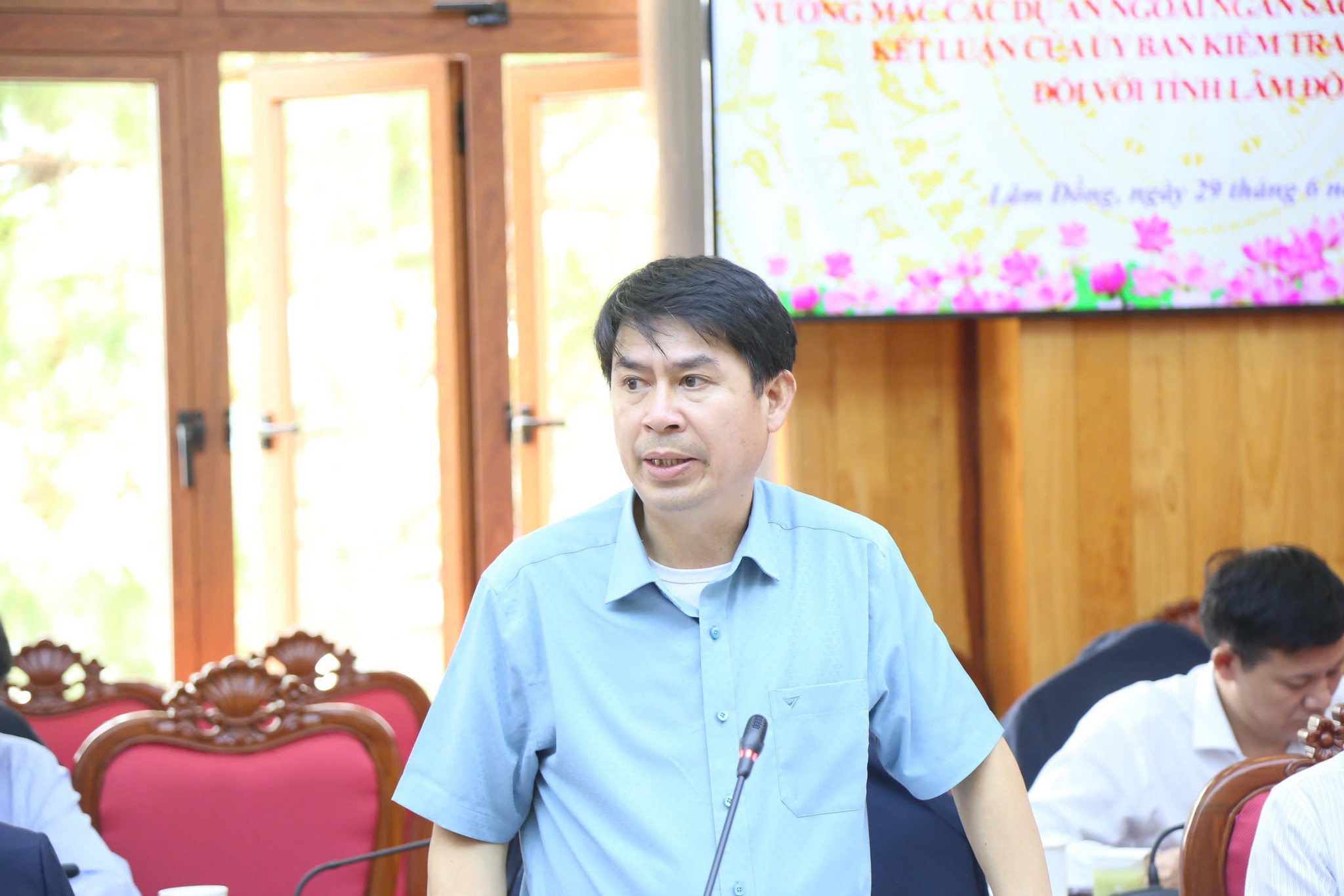
In the past, the effectiveness of attracting foreign direct investment (FDI) was primarily measured by the volume of registered capital. The emphasis has now transitioned to evaluating technology transfer, management capabilities, and supply chain development.
"An essential element of Resolution No. 10 is to position domestic companies at the center of the linkage and spillover process. This will create a basis for businesses in Lam Dong to engage more deeply in the value chains of FDI enterprises operating in the province," said Le Binh Minh.
Nguyen Van Thien, Director of Lam Dong New Energy Joint Stock Company, expressed optimism about the opportunities created by Resolution No. 10, stating that the resolution, together with Resolution No. 68-NQ/TW on private-sector growth, would pave the way for local firms to deepen cooperation with foreign investors.
"We anticipate that the policies detailed in the resolutions will soon be turned into effective support mechanisms, providing local businesses with more chances to collaborate with foreign-invested enterprises, take part in investment projects, and gradually become links in supply chains," Thien noted.
Remaining "Gaps"
In recent years, some companies in Lam Dong have emerged as service providers for foreign direct investment (FDI) projects. However, most cooperation has remained confined to individual contracts of relatively low value, with little substantial, long-term collaboration in areas such as technology or product development.
A spokesperson from a transportation firm in Lam Dong noted that collaboration is still limited. The volume of orders remains modest, and local businesses primarily operate independently.
"We have yet to receive technology transfers, technical assistance, or development of management capabilities from our foreign partners. What local businesses urgently need today goes beyond just opportunities to market products and services; they require frameworks that enable deeper involvement in production chains. Companies are looking for training, technology transfer, and support to enhance their competitiveness," the spokesperson stated.
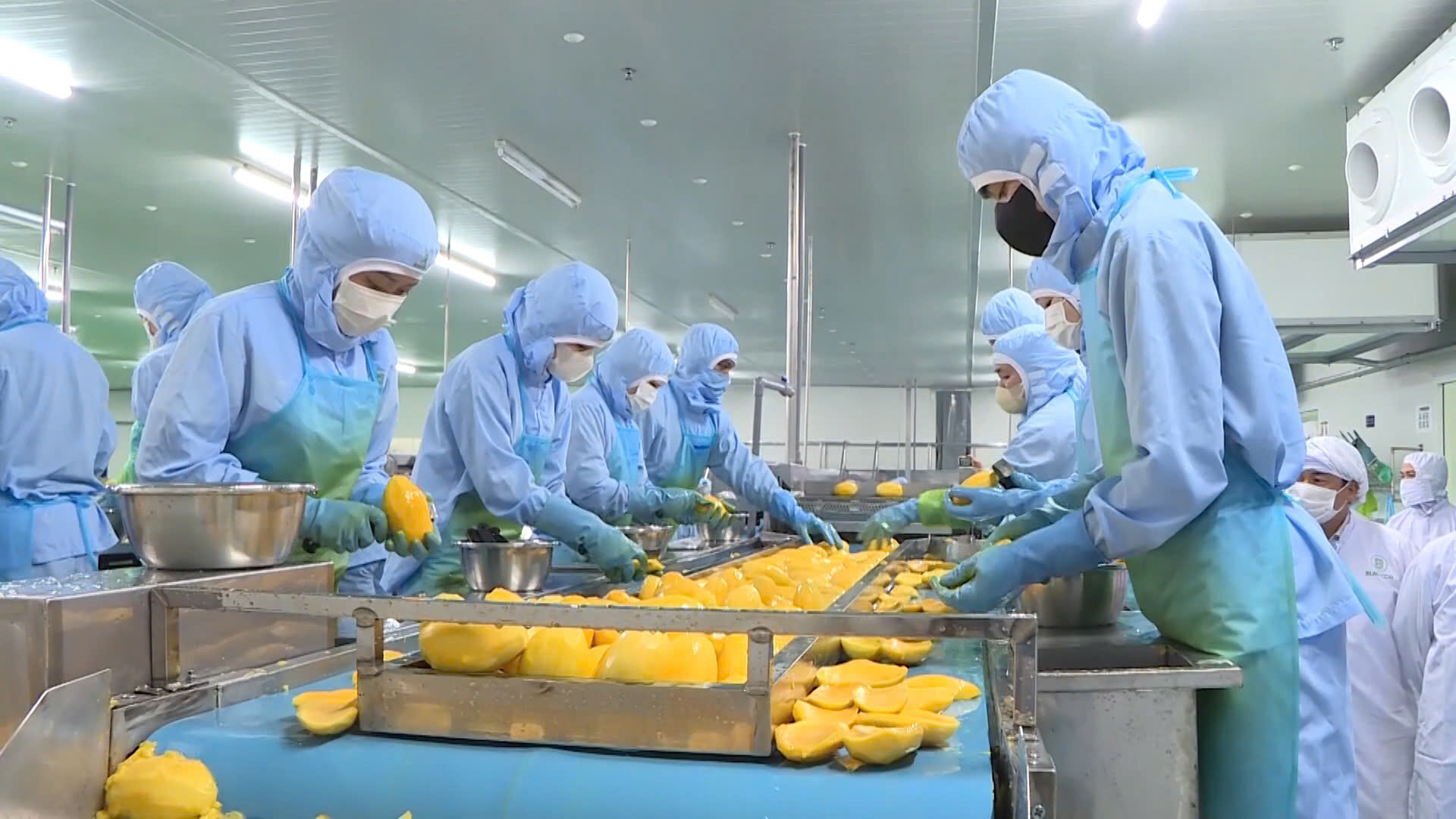
To date, Lam Dong has attracted 245 FDI projects with total registered investment capital of nearly US$9 billion. In the first six months of 2026 alone, exports by FDI enterprises exceeded US$556 million, while their contributions to the state budget topped US$30 million.
In practice, the spillover impact of foreign direct investment (FDI) on local enterprises has not reached the scale of investment. A study conducted by the Vietnam Chamber of Commerce and Industry (VCCI) found that merely about 4% of businesses in Lam Dong have formed connections with the FDI sector. These linkages generally take the form of direct exports or indirect participation through foreign-invested enterprises.
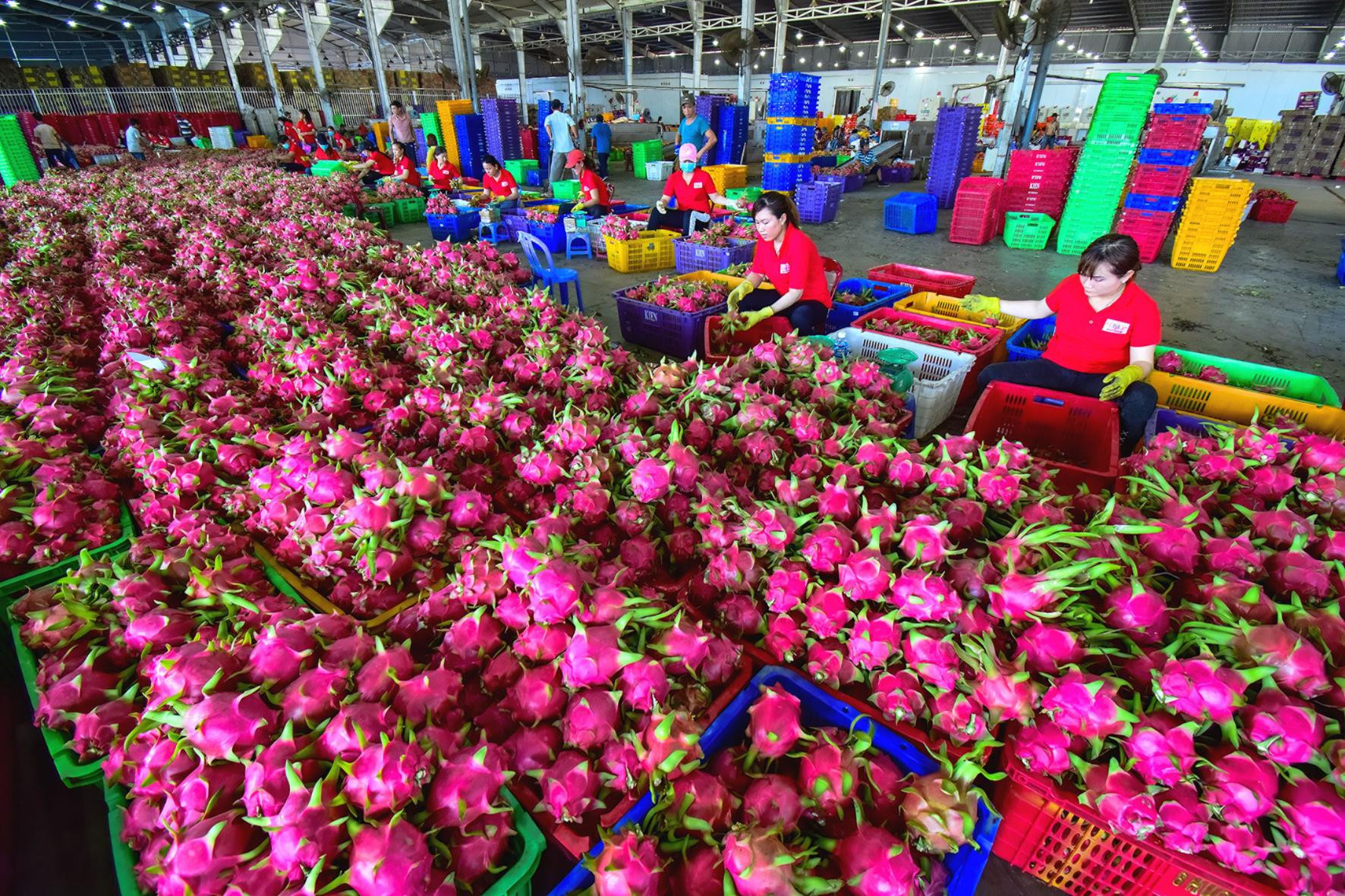
Deputy Director Le Binh Minh stated that Lam Dong will continue to enhance its investment attraction policies, shifting towards a more selective strategy that emphasizes projects utilizing advanced technologies and creating high added value. The province will also concentrate on establishing networks between foreign-invested enterprises and local enterprises.
In addition to attracting investments, Lam Dong will create mechanisms to link FDI businesses with domestic firms through programs promoting supply and demand. The province will also focus on advancing supporting industries, improving the quality of the workforce, aiding businesses in technological advancements, and helping them achieve international standards.
The goal is not simply to increase the number of FDI projects. More importantly, we aim to create sustainable production linkages that enable Lam Dong businesses to participate more deeply in regional and global supply networks
Le Binh Minh, Deputy Director of the Lam Dong Department of Finance