

Lam Dong expands renewable energy development
Lam Dong is expanding its renewable energy sector as a series of floating solar projects move forward with investment approvals. The projects will help maximise the use of reservoir surfaces, boost clean energy generation and support long-term energy security and sustainable development.
Untapped potential of vast reservoir surfaces
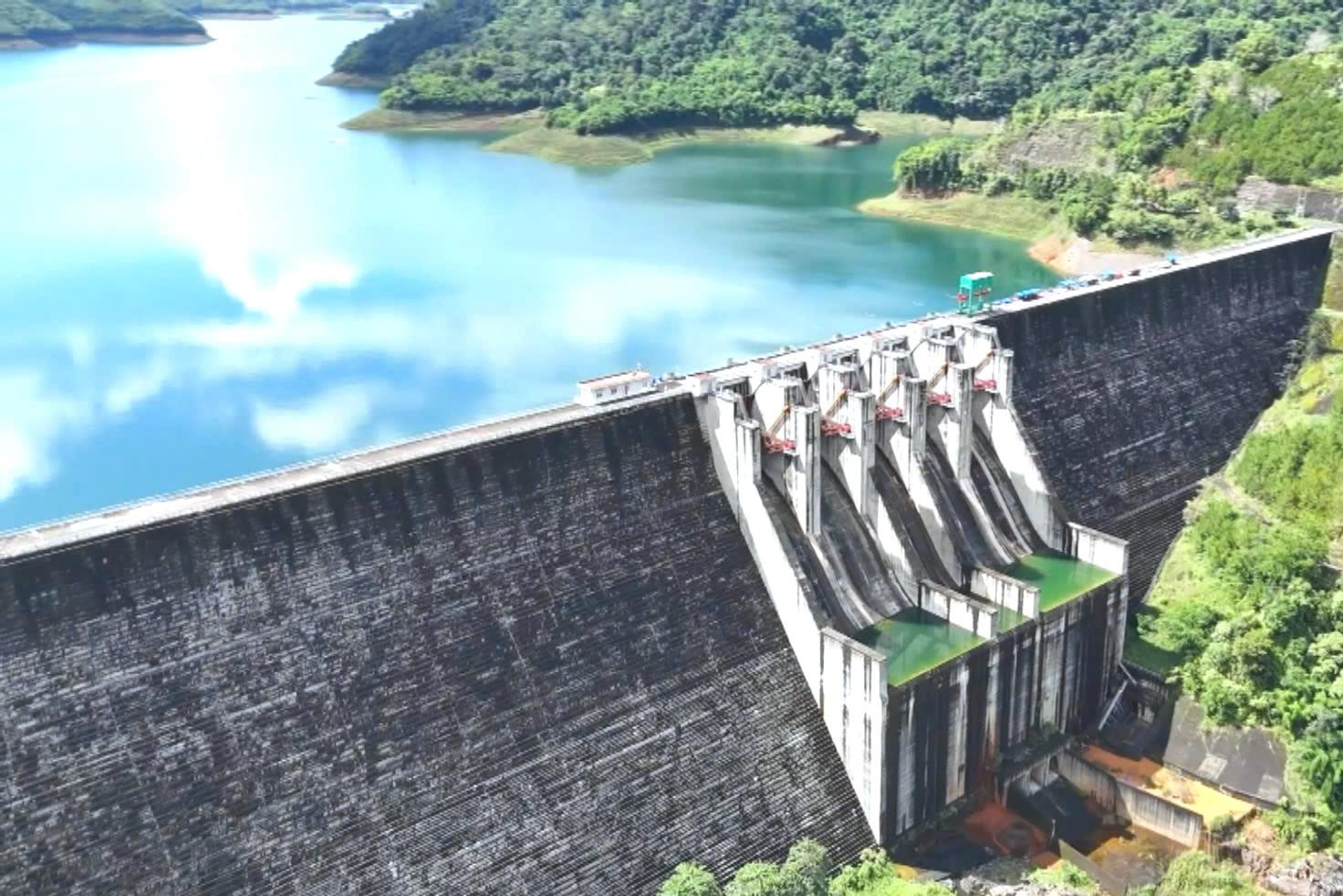
Lam Dong is home to more than 530 reservoirs of various sizes, with a combined storage capacity of nearly 600 million cubic metres. Beyond supporting irrigation and hydropower generation, the reservoir network also contributes to the province's tourism landscape.
According to experts, these natural advantages support the expansion of both hydropower and floating solar power. Combined, the two energy sources can create a more flexible electricity system, with hydropower quickly compensating for fluctuations in solar generation during adverse weather, helping maintain grid stability.
The expansion of these clean energy sources is also expected to support Vietnam's commitment to reducing greenhouse gas emissions while positioning Lam Dong as a leading green energy hub.
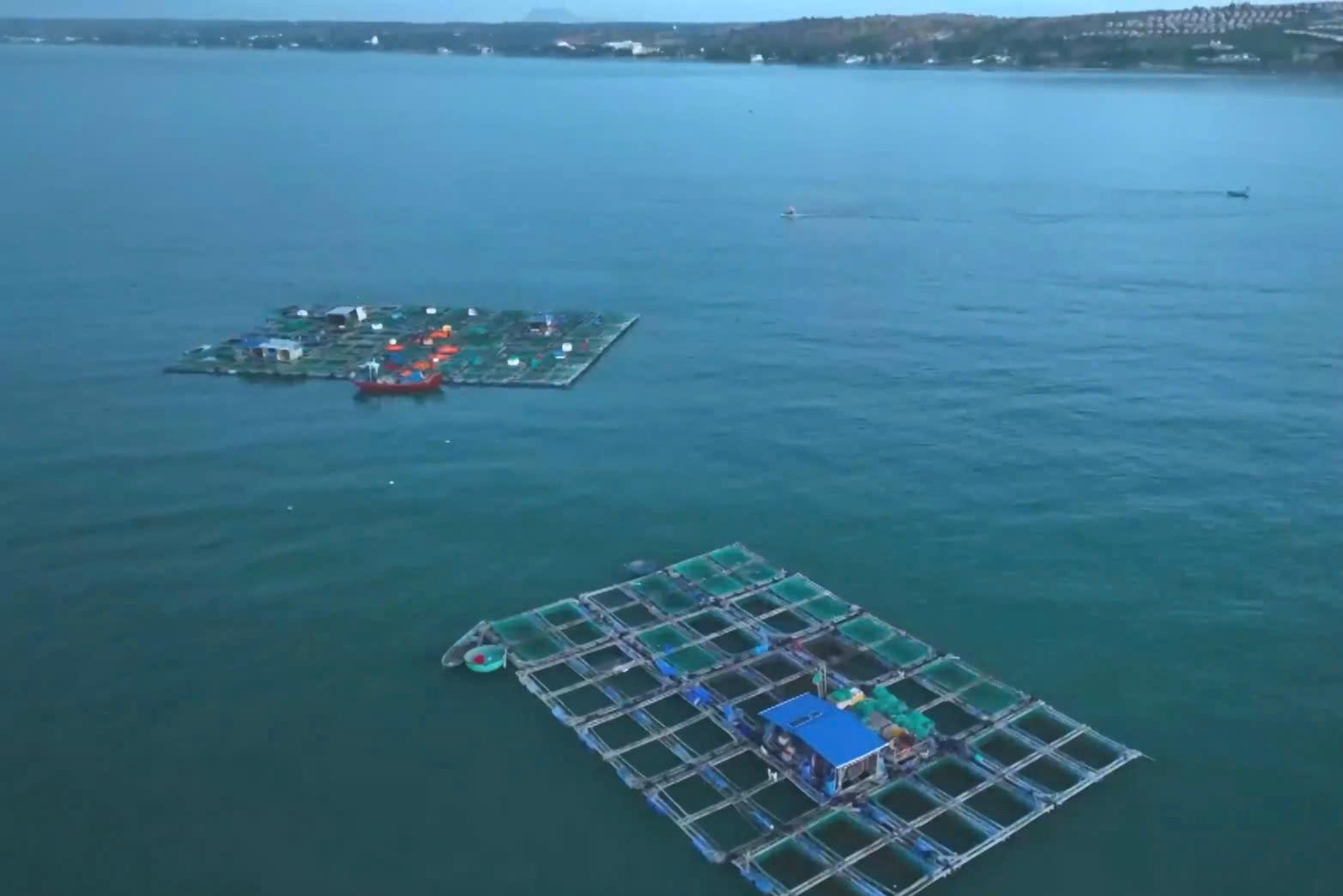
Under the revised provincial master plan for 2021–2030, with a vision to 2050, Lam Dong plans to develop dozens of power projects with a combined capacity of several thousand megawatts. By 2030, the province aims to diversify its energy mix through hydropower, pumped-storage hydropower, onshore, nearshore and offshore wind power, solar power, LNG-fired power and floating solar projects.
The strategy is intended to ensure a stable electricity supply for production and daily life while accelerating the development of the province's energy industry through the adoption of new energy technologies.
Lam Dong has already begun translating these plans into action under Vietnam's Power Development Plan VIII. Among the key projects is the 240 MW floating solar power plant at the Dong Nai 2 Hydropower Reservoir, which has secured investment approval with a total investment of nearly VND 5 trillion. Major energy companies, including EVNGENCO1, have also proposed feasibility studies for floating solar projects at the Dai Ninh, Ham Thuan and Da Mi reservoirs, underscoring the province's growing appeal to investors.
Most recently, in late May 2026, a consortium led by Agrimeco proposed a renewable energy programme covering reservoirs and irrigation canals across Lam Dong. The programme comprises 32 sub-projects with a combined capacity of around 2,399 MW and a total investment exceeding VND 78 trillion.
According to Chu Thanh Hoai, Deputy General Director of Agrimeco and representative of the investor consortium, early approval of the programme would make a significant contribution to Lam Dong's gross regional domestic product (GRDP).

More importantly, the programme would add clean electricity to the national grid, helping meet growing demand from socio-economic development while reducing transmission losses.
Commenting on the province's floating solar potential, Nguyen Ba Ut, Director of the Lam Dong Department of Industry and Trade, said electricity demand is rising steadily alongside economic growth. Developing renewable energy projects, particularly floating solar, would not only increase the supply of clean power to the national grid but also strengthen the province's appeal to investors.
These projects will be key drivers of the province's energy industry, bringing Lam Dong closer to its goal of becoming one of the region's and the country's leading green and renewable energy hubs.
Nguyen Ba Ut, Director of the Lam Dong Department of Industry and Trade
Balancing clean energy with environmental protection
Floating solar projects have been deployed in many countries over the years. In Vietnam, the technology has gained traction through major projects at Dau Tieng, Tan Chau (Tay Ninh), Da Mi (Lam Dong) and Thien Tan (Gia Lai).
Operational experience shows that floating solar systems can safely operate on reservoirs supplying drinking water, provided they comply with technical standards and environmental management requirements.
Alongside their economic benefits, however, floating solar projects place stringent demands on environmental protection and reservoir management. Investors are required to avoid chemical cleaning agents for solar panels, instead using dry-cleaning robots or purified reverse osmosis (RO) water.
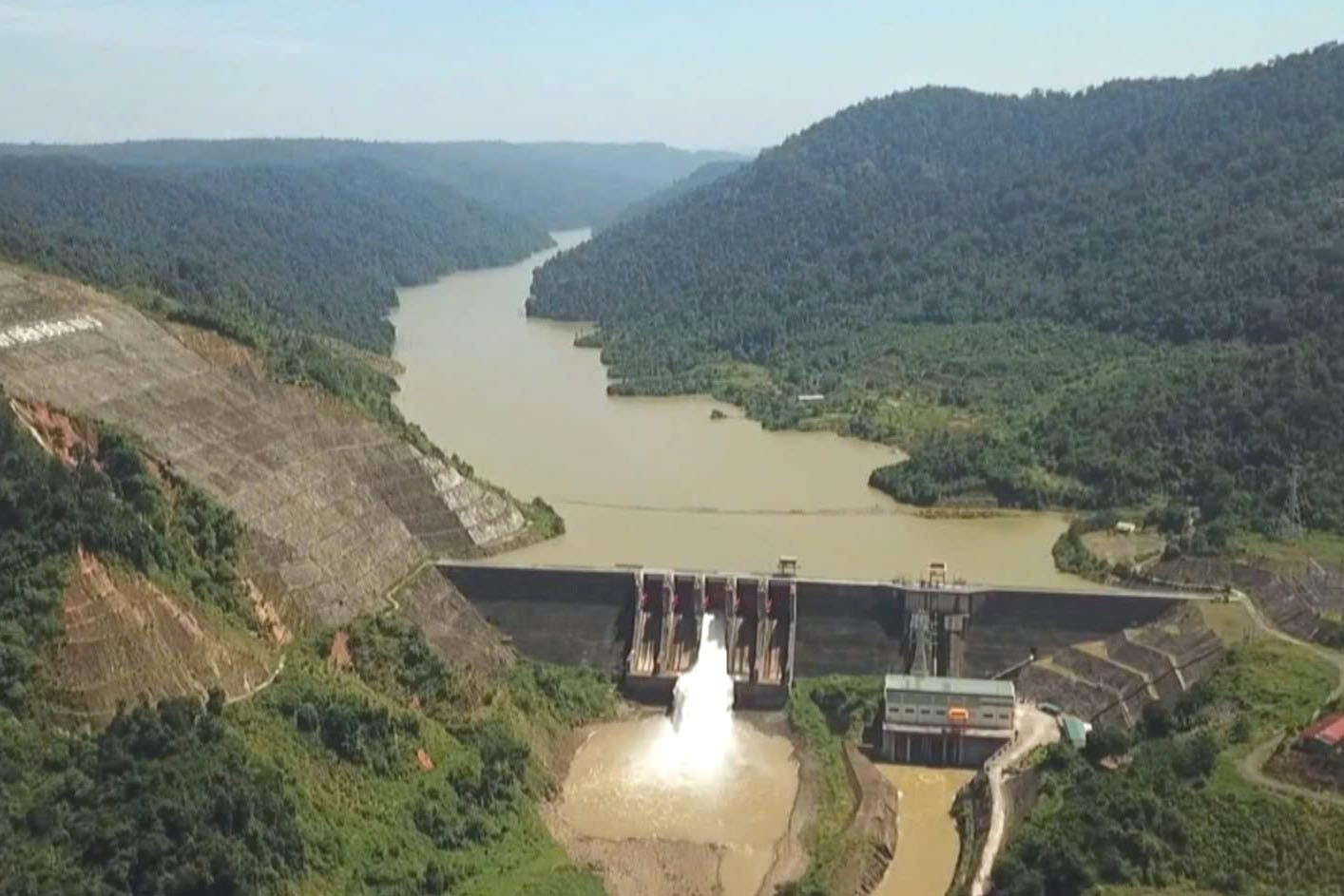
Projects must also install automated water quality monitoring systems, safeguard water resources, comply with dam safety regulations and maintain sufficient open-water areas to protect aquatic ecosystems. These measures are essential for balancing clean energy development with environmental protection and the sustainable use of water resources.
One of the province's key challenges, however, is that transmission infrastructure in some areas has yet to keep pace with renewable energy development, limiting grid connections and the integration of new generating capacity.
According to Nguyen Ba Ut, Director of the Lam Dong Department of Industry and Trade, the province will continue reviewing and removing regulatory and investment bottlenecks while strengthening coordination with central ministries and businesses to accelerate key energy projects.
He said the coordinated development of power generation and transmission infrastructure would not only strengthen national energy security but also create new growth opportunities, providing fresh momentum for Lam Dong's socio-economic development.