

When Traditional Markets Tell the Story of a Destination
Amid the rise of modern supermarkets, traditional markets across coastal Lam Dong continue to hold a unique appeal. Beyond serving as places of trade, these markets have become must-visit destinations where travelers can experience the region's culture, cuisine and everyday life.
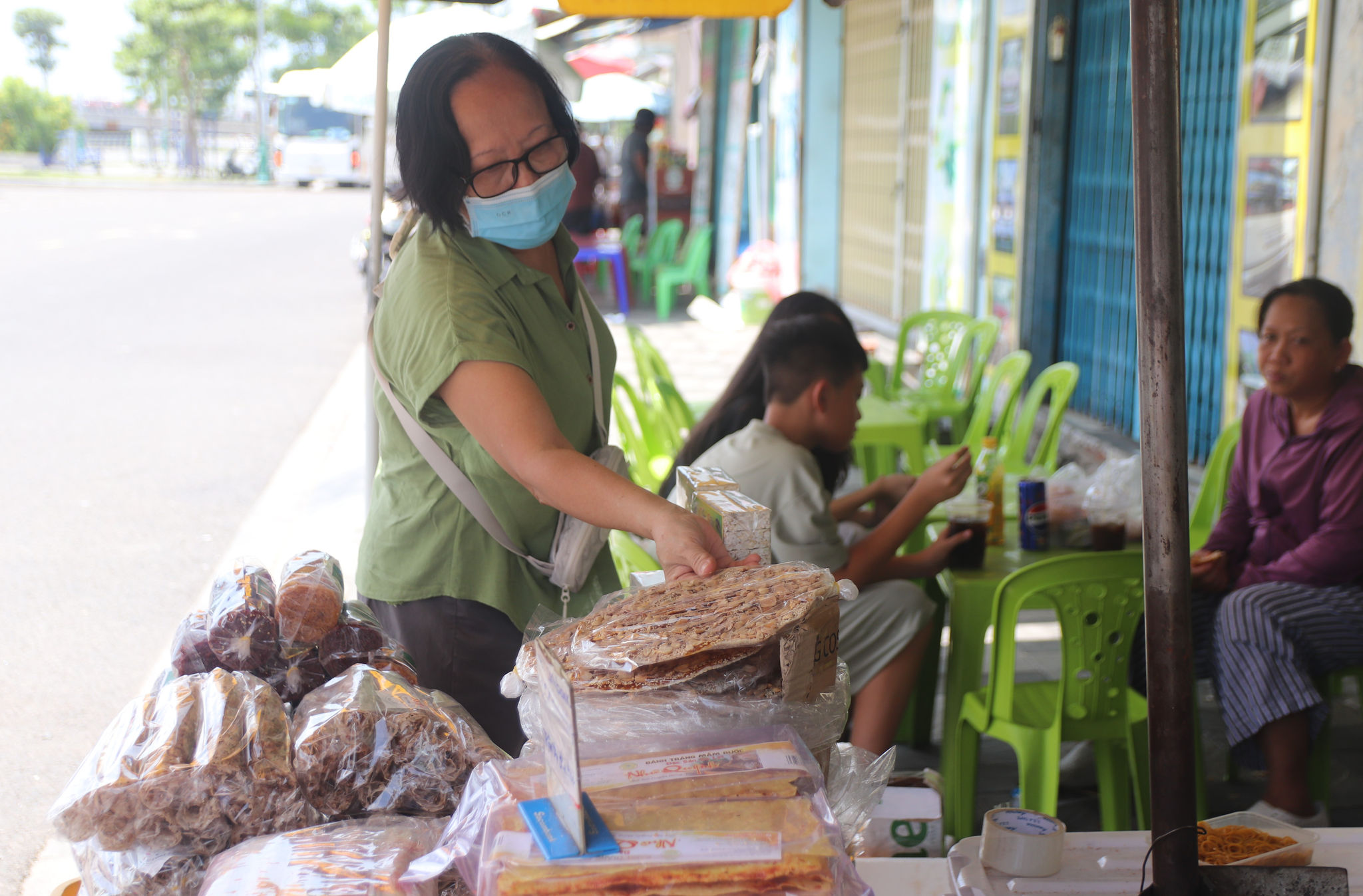
Traditional Market - A Living Cultural Space
"You don't come to the market just to buy local specialties. You come to experience the rhythm of daily life, hear the familiar calls of vendors and meet the warm-hearted people of this coastal region." That is how a visitor from Dong Nai city described the experience after stepping off a tour bus and joining the bustling crowds at Phan Thiet Market.
The market comes alive before the seaside city fully awakens. As dawn breaks over the coast, motorbikes and three-wheeled carts carry baskets of freshly landed seafood from the fishing port into the market. The salty scent of the sea mingles with the day's fresh catch, while the sounds of engines, bargaining and cheerful greetings create the vibrant rhythm of a new morning.
Vendors quickly sort fresh mackerel, scad, squid, blue swimming crabs and shrimp. Brief yet friendly exchanges between buyers and sellers reflect the warmth and hospitality that define the coastal way of life.
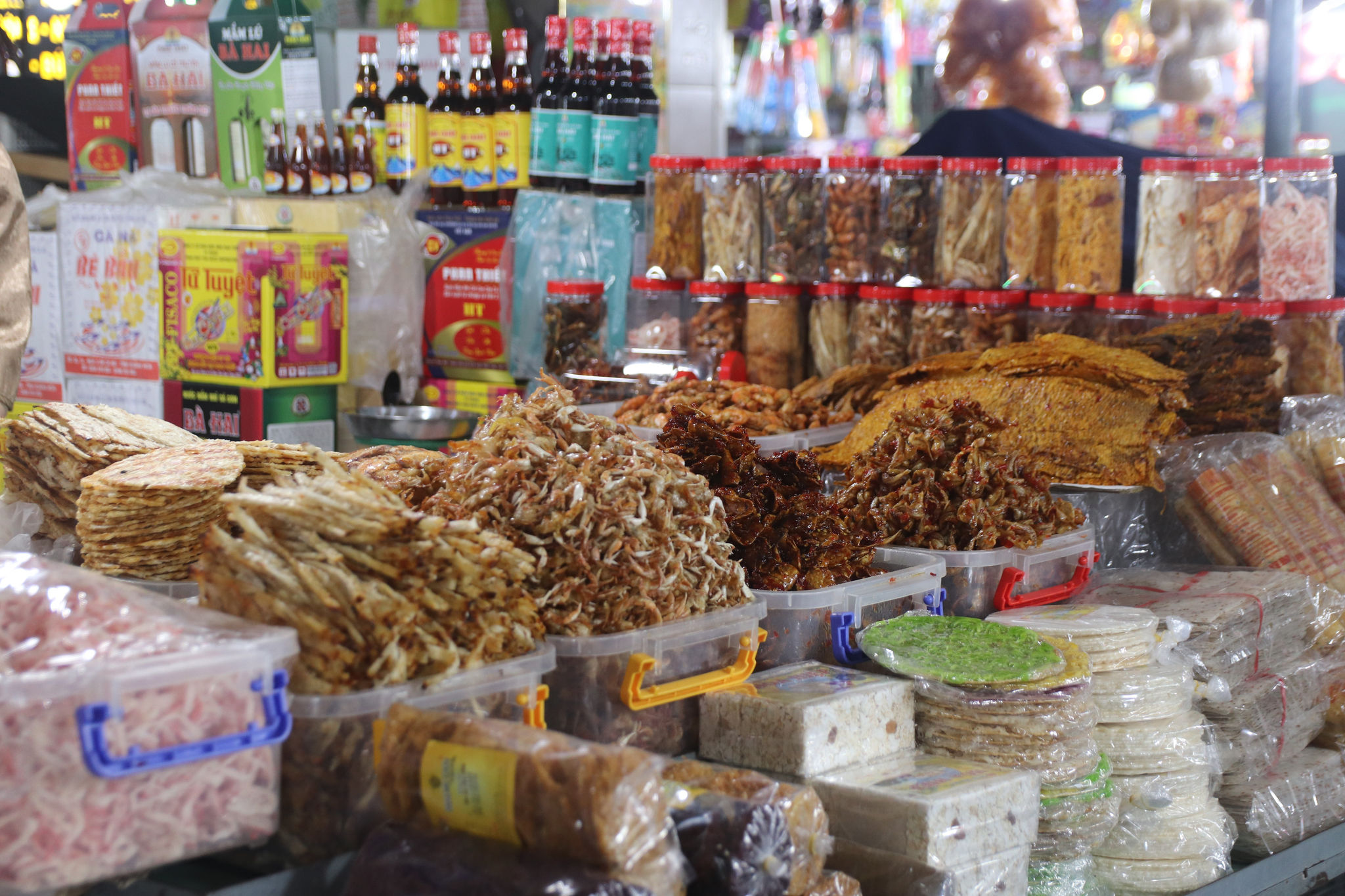
Elsewhere in the market, visitors discover a distinctly traditional atmosphere. Vendors enthusiastically introduce both their products and the stories behind them. Having operated a stall selling "banh kep, banh re" and fish sauce for more than 20 years, Tran Thi Thu Hoa said:
"Visitors can watch us make "banh kep" right in front of them. Seeing the ingredients and the entire process gives them confidence in the product, and many are fascinated because it's the first time they have seen a traditional Phan Thiet specialty being made."
An Authentic Local Experience
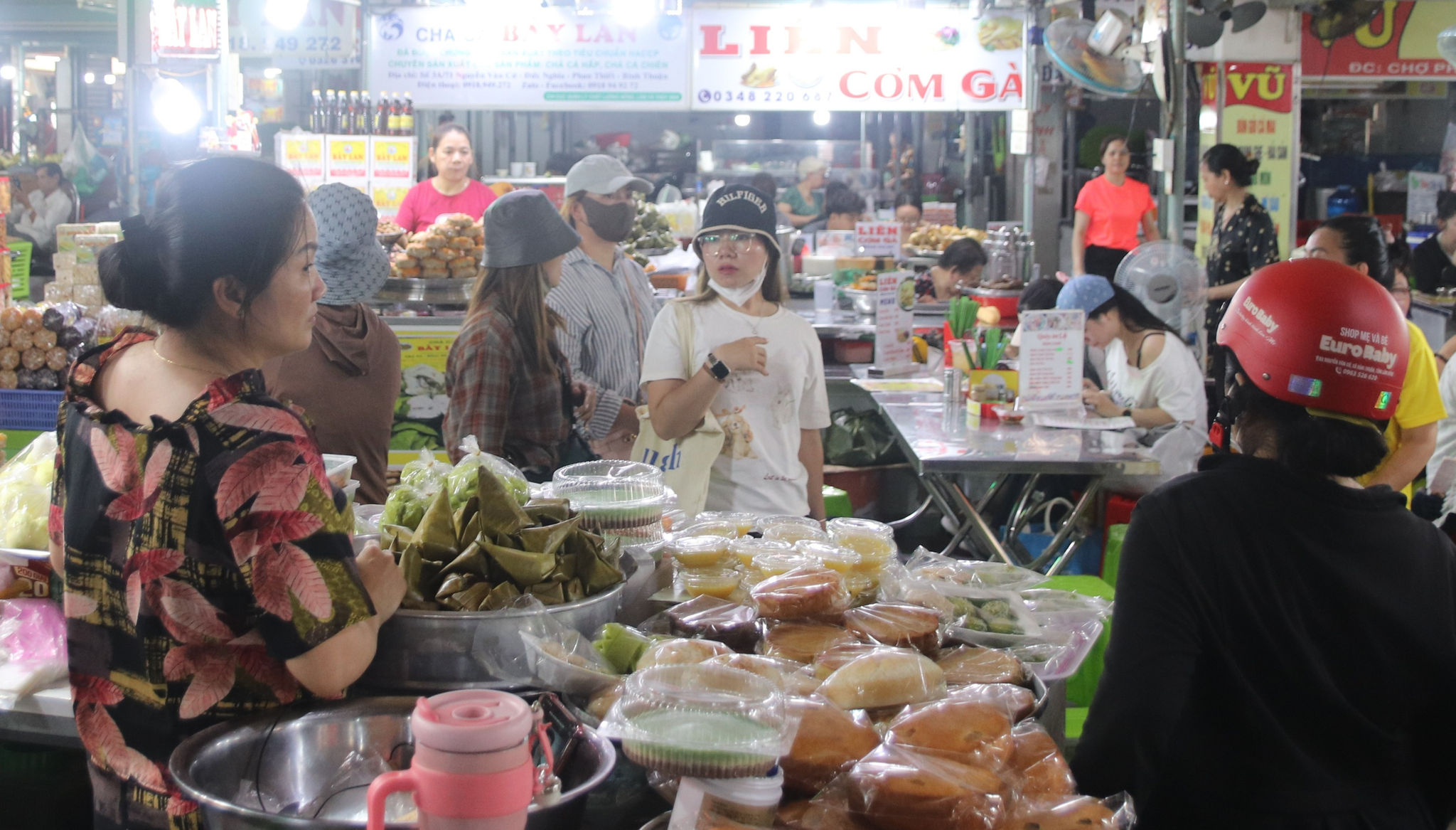
Beyond Phan Thiet Market, Ham Tien Market and Mui Ne Market (Mui Ne ward) have also become popular stops for visitors. Conveniently located near resorts and hotels, both markets offer fresh seafood alongside affordable local specialties such as "banh xeo" (Vietnamese savory pancakes) and fish cake noodle soup.
Meanwhile, Phu Thuy Market (Phu Thuy ward) offers a different experience. Though smaller in scale, it is known for its wide selection of products from northern Vietnam, including seasonal produce, processed foods, spices and regional specialties that serve both local residents and people living away from their hometowns.
Nguyen Anh Duc, a driver who regularly brings tour groups from Ho Chi Minh City to Lam Dong, said many visitors now ask to include a stop at a traditional market after spending a couple of days relaxing by the sea.
"After sampling local dishes at the market, many visitors also buy fish cakes, banh quai vac and other regional specialties as gifts to take home," he said.
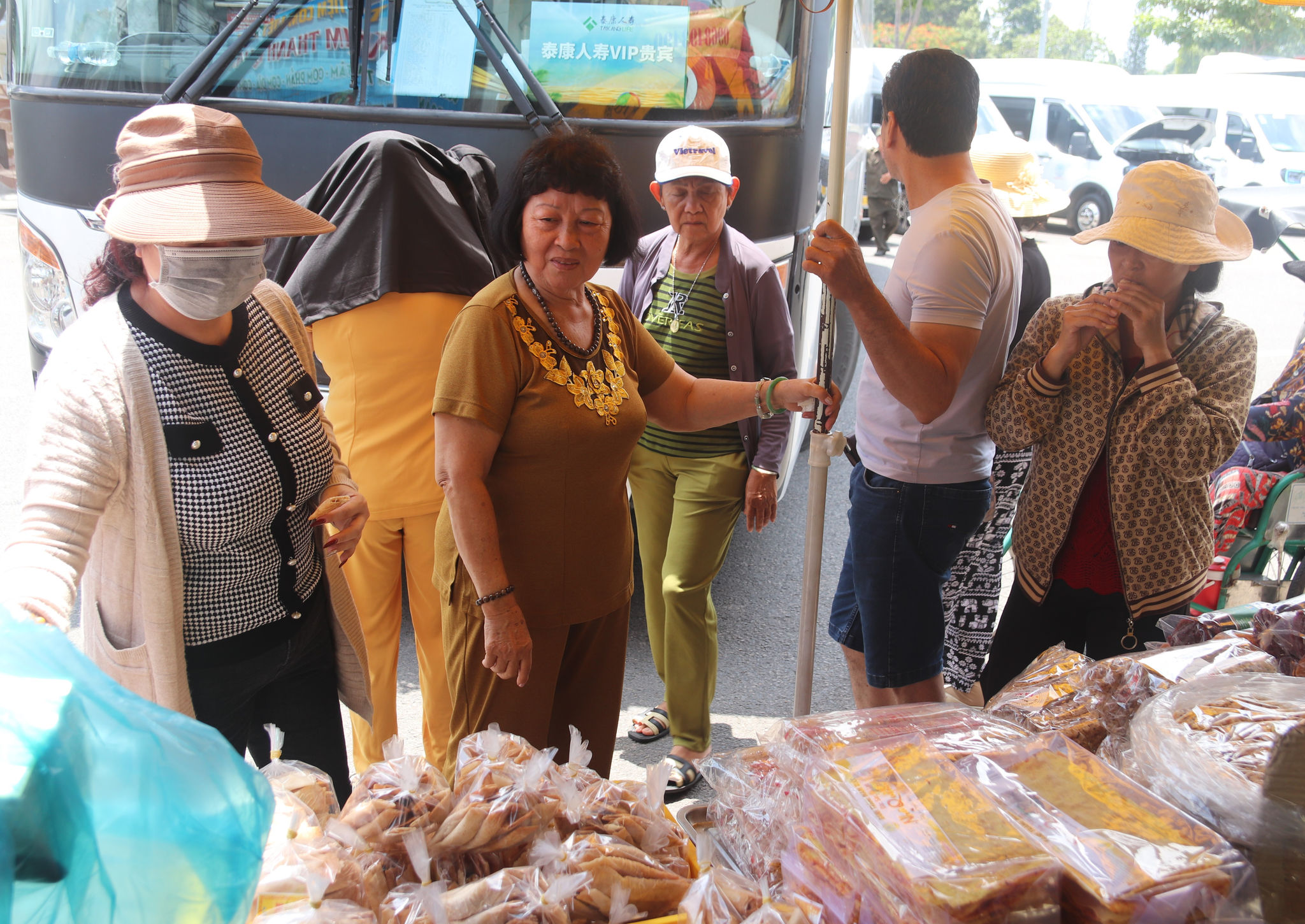
According to Le Van Hau, Head of the Management Board of Phan Thiet Market, the market has a history spanning more than 300 years and is home to over 500 registered vendors.
"On weekends, Phan Thiet Market becomes a regular stop for domestic and international tour groups. We continuously encourage vendors to maintain a friendly, civilized shopping environment, display prices transparently and ensure food safety," he said.
As travel preferences evolve beyond sightseeing alone, more visitors are seeking authentic experiences that immerse them in local life. Traditional markets have therefore become one of the first places where travelers can truly discover the culture, flavors and everyday stories that define a destination.