

Creating Sustainable Livelihoods to Reduce Poverty
Reducing poverty is not merely about lowering the number of poor households. It also means helping people secure sustainable livelihoods, gain access to essential social services and steadily improve their quality of life. With this approach, local authorities across Lam Dong are implementing comprehensive solutions aimed at achieving lasting and meaningful poverty reduction.
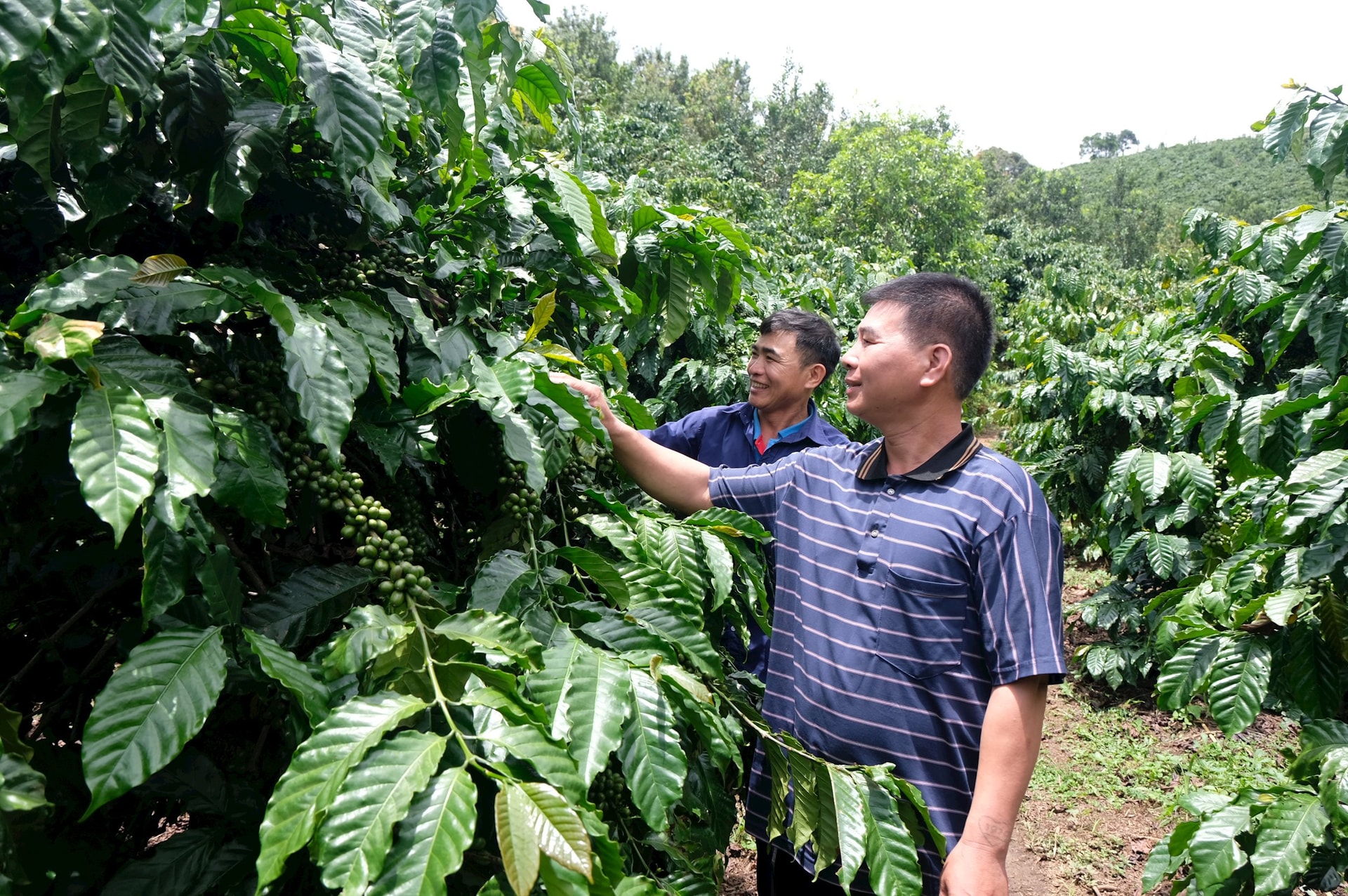
Strengthening Local Capacity for Sustainable Livelihoods
According to the Lam Dong Provincial People's Committee, by the end of 2025, the province's multidimensional poverty rate had fallen to 3.33%. Among ethnic minority communities, the poverty rate declined significantly from 26.96% to 9.18%, averaging an annual reduction of 3.56% during the 2021–2025 period.
These results reflect the effectiveness of investments in infrastructure, livelihood support, vocational training, concessional credit and the coordinated implementation of social welfare policies in ethnic minority areas.
In Dam Rong 1 Commune, poverty reduction efforts have achieved encouraging progress. According to Phan Van Dang, Vice Chairman of the Commune People's Committee, the local poverty rate declined steadily throughout the 2021–2025 period. However, by the end of 2025, the multidimensional poverty rate remained at 2.98%, indicating that the risk of households falling back into poverty still persisted.
The primary challenges include limited production capital, unstable employment, low workforce skills and restricted access to science and technology. In addition, many households continue to lack essential social services such as adequate housing, clean water, information access and health insurance, creating obstacles to sustainable poverty reduction.
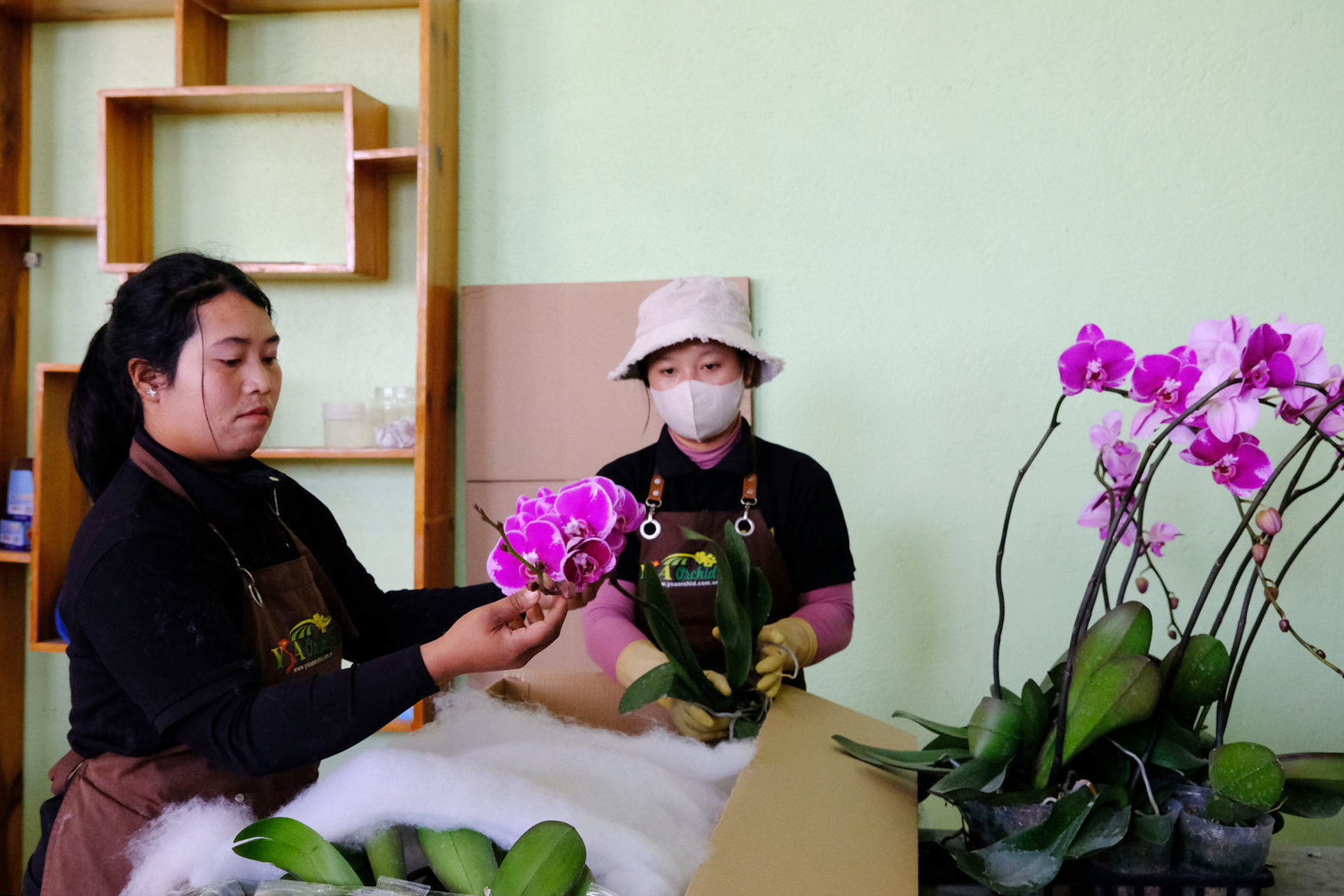
To address these issues, Dam Rong 1 Commune has identified livelihood development and job creation as the cornerstone of its poverty reduction strategy. Each year, the commune develops vocational training programs linked to the National Target Programs on New Rural Development and Socio-economic Development in Ethnic Minority and Mountainous Areas.
Alongside vocational training, the commune has expanded career counseling, job placement services, production loans and employment linkages with businesses and farms both inside and outside the locality. These efforts create employment opportunities for approximately 100–200 workers annually.
According to Phan Van Dang, stable employment and reliable income not only improve living standards but also provide a solid foundation for sustainable poverty reduction.
Expanding Resources for Disadvantaged Communities
At the provincial level, substantial resources continue to be allocated to support poverty reduction programs.
By 2025, Lam Dong had been allocated VND 1.2396 trillion under the National Target Program for Socio-economic Development in Ethnic Minority and Mountainous Areas. As of May 31, 2026, the province had disbursed VND 827.7 billion, equivalent to approximately 66.8% of the planned budget.
Priority investments are being directed toward essential infrastructure, including clean water systems, electricity networks, housing and production facilities, helping residents stabilize their lives and develop sustainable livelihoods.
The province has also identified several urgent investment priorities for the coming period, including the construction of 55 rural water supply projects, 16 electricity projects, three public lighting projects, and housing support for 35 households, requiring an estimated VND 325.5 billion. These projects are expected to improve living conditions, strengthen production capacity and create favorable conditions for long-term economic development.

During a working session with a delegation from the Ministry of Ethnic and Religious Affairs, Nguyen Thi Thu Huong, Director of the provincial Department of Ethnic and Religious Affairs, emphasized that the province's objective extends beyond meeting budget disbursement targets.
"Our ultimate goal is to create tangible improvements in livelihoods, incomes, infrastructure, access to essential public services and the overall quality of life for ethnic minority communities," she said.
Looking ahead, Lam Dong will continue reforming production support policies by encouraging greater self-reliance among local residents, promoting commodity-based agricultural production tailored to each area's strengths, and strengthening partnerships between farmers, businesses and cooperatives to develop sustainable value chains.
Livelihood development will also be closely linked to restructuring crops and livestock, applying science and technology, and advancing digital transformation in agriculture. At the same time, the province will continue implementing vocational training, employment support and preferential credit programs to raise incomes and reduce the risk of households falling back into poverty.
By 2025, Lam Dong had received VND 1.2396 trillion under the National Target Program for Socio-economic Development in Ethnic Minority and Mountainous Areas. As of May 31, 2026, VND 827.7 billion, or approximately 66.8% of the allocated budget, had been disbursed.