

Lam Dong tightens seafood controls to safeguard tourism
Following complaints that substandard lobsters were being sold to tourists, authorities in Mui Ne and Phu Thuy wards in Lam Dong Province have launched inspections, taken action against violators and tightened oversight of seafood businesses to protect consumer rights and preserve the province's tourism reputation.

Tracing seafood sources
In early July, several tourists reported purchasing lobsters of suspected substandard quality at Mui Ne Fishing Village in Mui Ne Ward and the Ong Dia Rock Beach area in Phu Thuy Ward. Both locations are popular tourist attractions, where seafood is bought, sold and served to visitors every day.
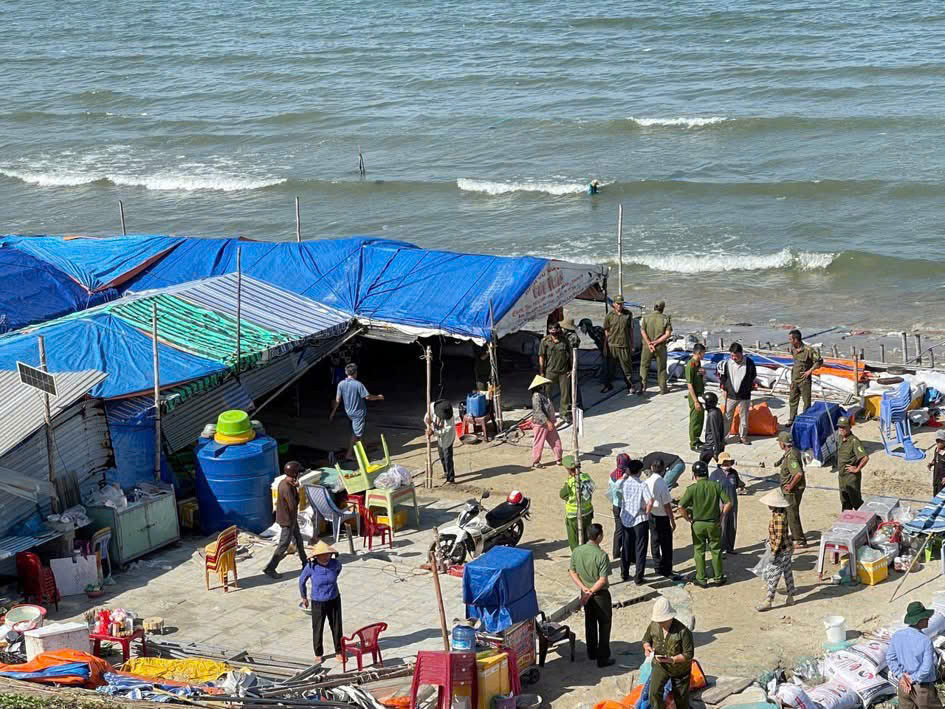
Upon receiving the tourists' complaints, the People's Committees of Mui Ne and Phu Thuy wards immediately instructed relevant agencies to conduct on-site inspections. At Mui Ne Fishing Village, inspectors discovered a vendor selling dead lobsters deemed unfit for sale. The entire batch was ordered off the market and handled in accordance with regulations. The vendor was summoned to work with authorities, issued an inspection record and required to sign a commitment not to sell substandard seafood again.
Authorities did not stop at the retail level. They expanded the investigation to trace the supply chain. The Mui Ne Ward People's Committee identified three households supplying the lobsters to local retailers. All were called in to clarify their sourcing, transportation, storage and distribution practices.
According to Nguyen Thi Vinh, a lobster trader in Mui Ne Ward, product quality depends on proper handling throughout the supply chain.
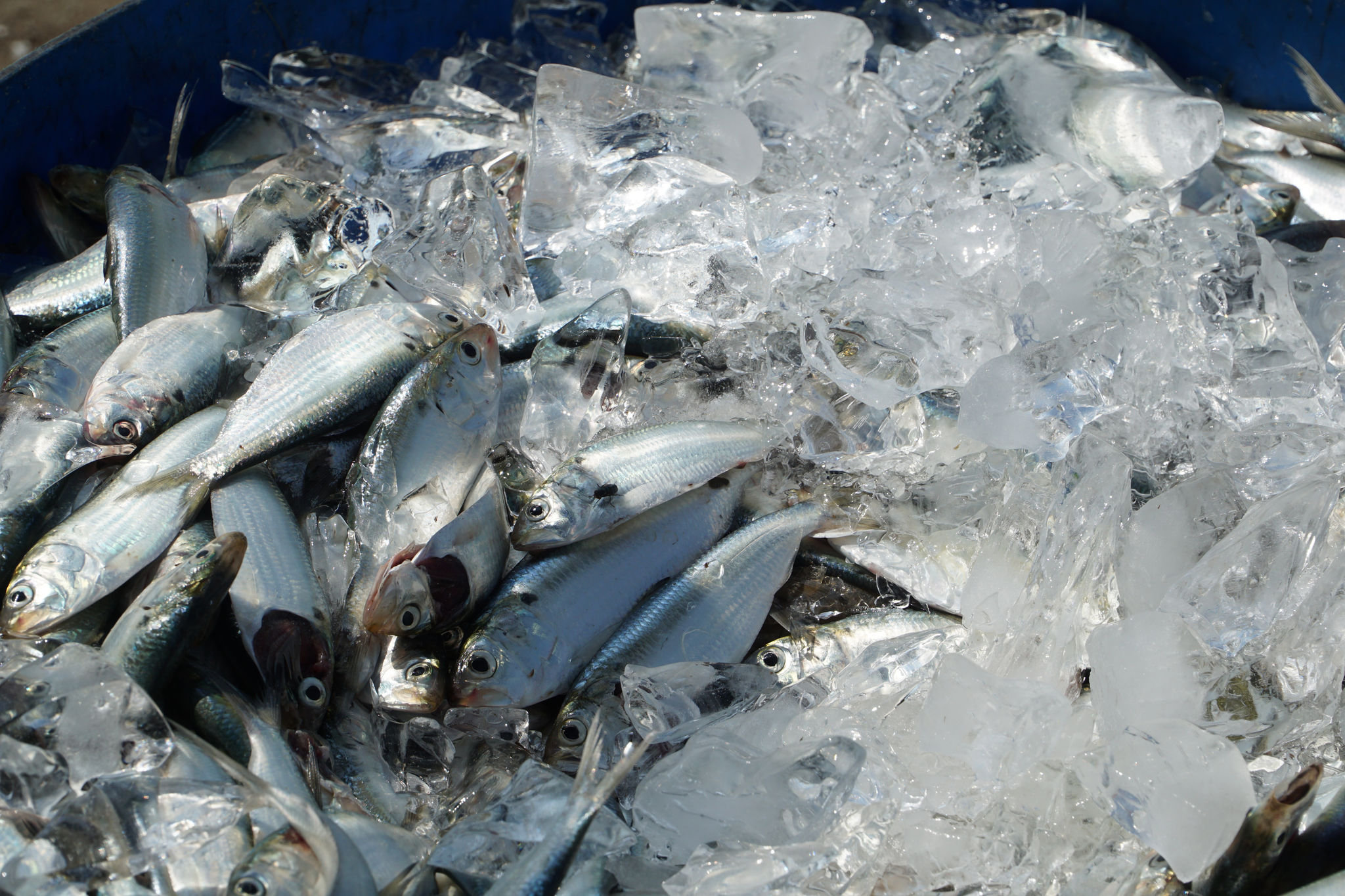
"When we receive the lobsters, they are still alive or have only just died, but they are still fit for consumption. However, before they reach retailers, they go through multiple stages of transportation and storage. If the cold chain is not properly maintained or the storage period is prolonged, the quality of the product can be compromised," she said.
Vinh added that legitimate seafood traders want authorities to strengthen oversight at the source to prevent substandard products from entering the market and damaging the reputation of businesses that comply with regulations.

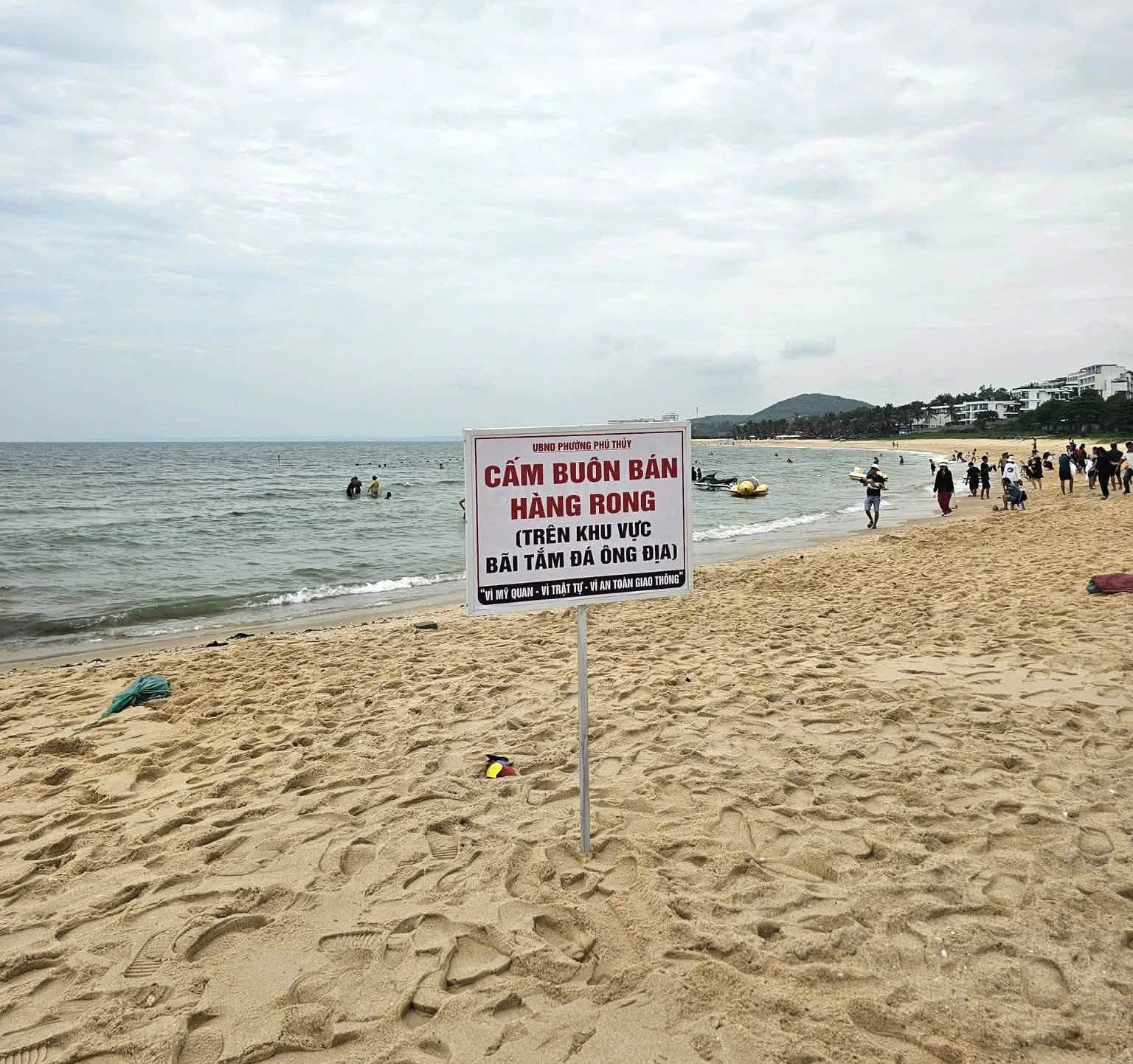
The issue was not confined to Mui Ne Fishing Village. After tourists reported buying substandard lobsters from unlicensed street vendors near Ong Dia Rock Beach, the Phu Thuy Ward People's Committee also launched inspections, tightened oversight of seafood trading, ordered vendors to stop selling seafood from unknown sources and vowed to take strict action against violators.
According to Le The Phuong, Vice Chairman of the Phu Thuy Ward People's Committee, ensuring food safety is essential to protecting consumers' health and preserving the area's tourism reputation.
"Immediately after receiving the complaints, we carried out inspections and rectified business activities in the Ong Dia Rock Beach area. We are determined to deal firmly with businesses selling substandard food while stepping up public awareness efforts to help traders comply with food safety regulations," Phuong said.
Tightening oversight to protect the tourism brand
According to local authorities, most lobsters consumed in eastern Lam Dong Province are transported from Khanh Hoa Province before being distributed to restaurants, hotels, traditional markets and retail outlets serving residents and tourists.
Before reaching consumers, a shipment of seafood may pass through multiple intermediaries, including collectors, transport operators, distributors, retailers and food establishments. If information on the product's origin, delivery records or storage conditions is incomplete, tracing the source in the event of a food safety incident can become significantly more difficult.

Recognising gaps in regulatory oversight, the Mui Ne Ward People's Committee has instructed seafood suppliers to clarify their sourcing, storage and distribution processes. Authorities have also stepped up public awareness efforts and required traders to sign commitments not to sell seafood of unknown origin or food that fails to meet quality standards.
According to Nguyen Hai Dang, Vice Chairman of the Mui Ne Ward People's Committee, taking action against a single vendor addresses only part of the problem.
"What we are aiming for is to trace the origin of seafood products so that responsibility can be identified at every stage of the supply chain," Dang said.
He added that the ward would continue working with relevant agencies to strengthen both routine and surprise inspections, while requiring businesses to strictly comply with food safety and product traceability regulations.

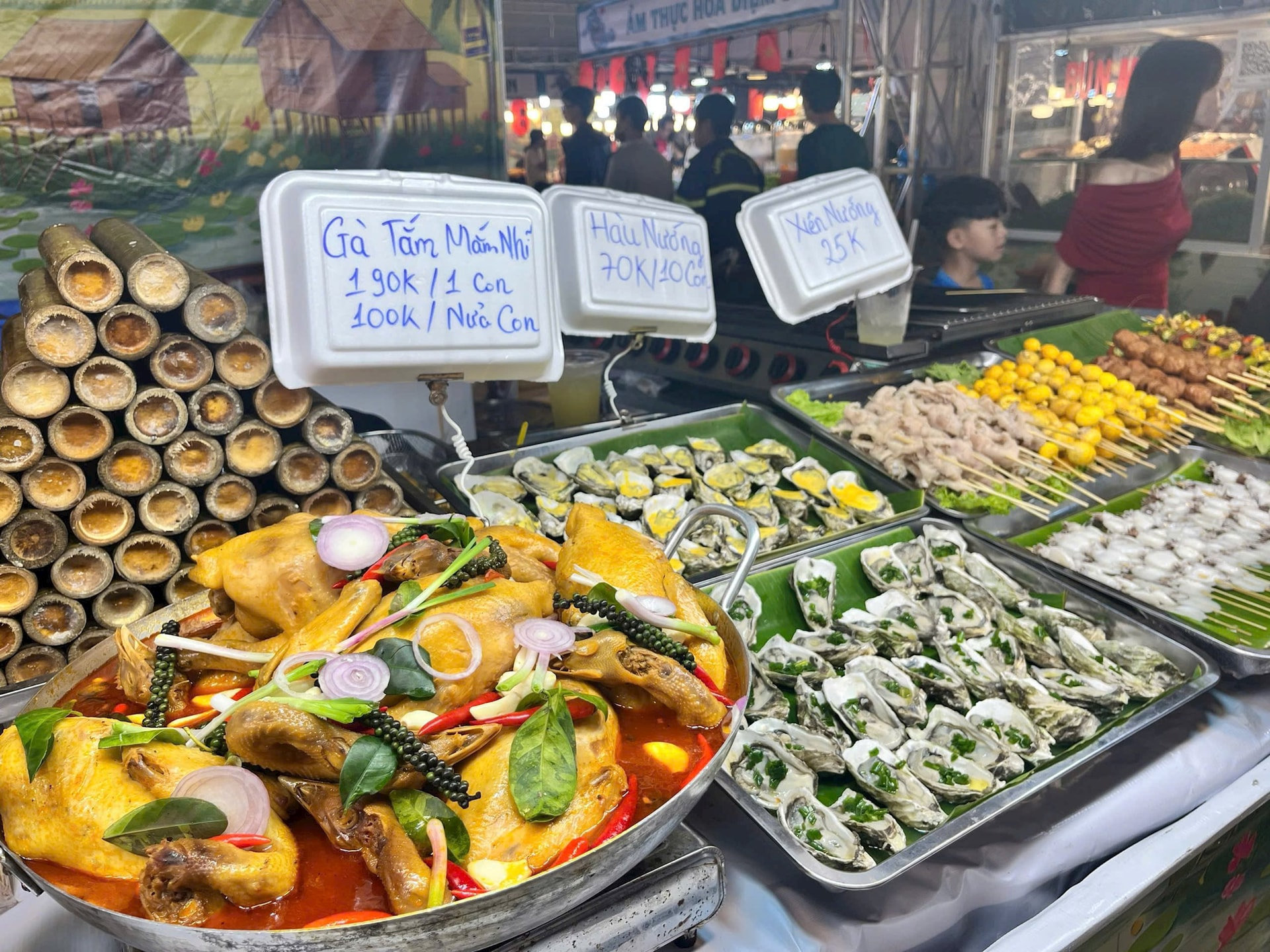
For a tourist destination like Mui Ne, seafood quality is not only a food safety issue but also a key factor in maintaining the destination's reputation and appeal. A single negative experience can damage visitors' perceptions and undermine the local tourism industry.
The swift response by local authorities to tourists' complaints reflects a proactive approach to regulatory oversight and consumer protection. More importantly, strengthening product traceability, tightening controls across the entire seafood supply chain and conducting regular inspections will help prevent substandard products from entering the market, safeguard consumers and preserve Mui Ne's reputation as one of Lam Dong's leading coastal tourism destinations.