

Culinary arts-Retaining travellers, Elevating Lam Dong tourism
Culinary tourism is not a new direction; however, given Lam Dong's current advantages, diverse approaches will help the province effectively capitalise on its unique natural and cultural assets, gradually realising the goal of making tourism one of its key economic sectors.
Dishes That Tell Regional Stories
Each dish, dining setting and cultural story offers travellers a deeper connection with the region’s identity.
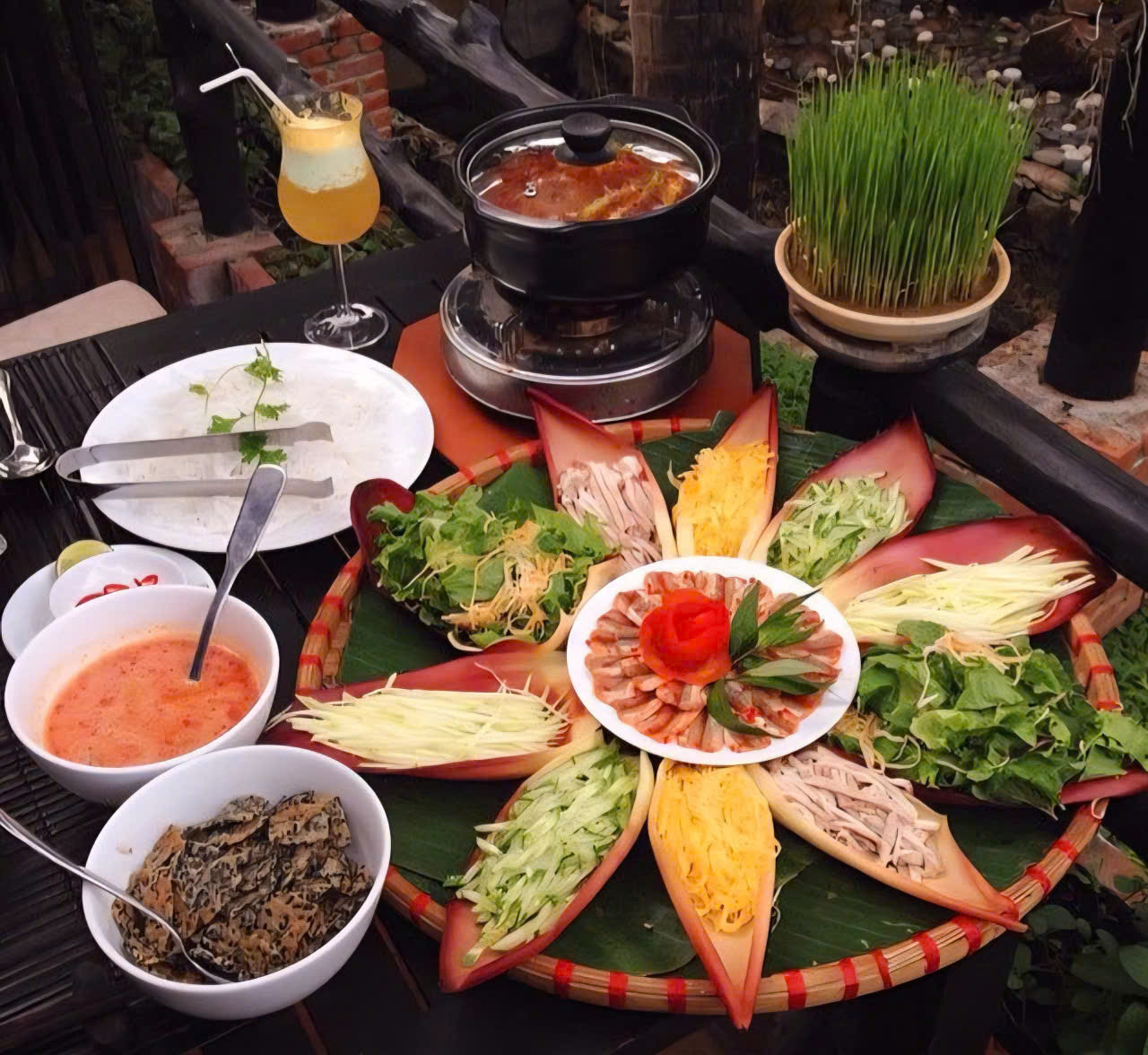
After each fishing trip, local people turn freshly caught fish and simple, readily available ingredients into nutritious meals. Over generations, the creativity of local chefs has transformed lẩu thả (drop hot pot) into a distinctive coastal speciality that reflects the culture and character of the region.
Today, lẩu thả has become a signature dish on the menus of restaurants and coastal resorts in the eastern part of the province. With simple ingredients arranged on a flat bamboo tray, the fish fillets are placed at the centre, surrounded by shredded mango, cucumber, sliced fried egg, pork belly, fresh rice vermicelli and herbs. This presentation not only enhances the dish’s visual appeal but also evokes the image of basket boats closely associated with the lives of coastal fishermen.
Nguyen Thanh Nam, sous chef at a coastal resort in Mui Ne, said that the key factors determining the quality of the dish are the freshness of the mai fish, the naturally sweet, clear broth and meticulous preparation at every stage. “The mai fish must be exceptionally fresh, having just been removed from the nets. Although the fish are small, the preparers must work quickly to fillet and process them properly, preserving their natural sweetness.”
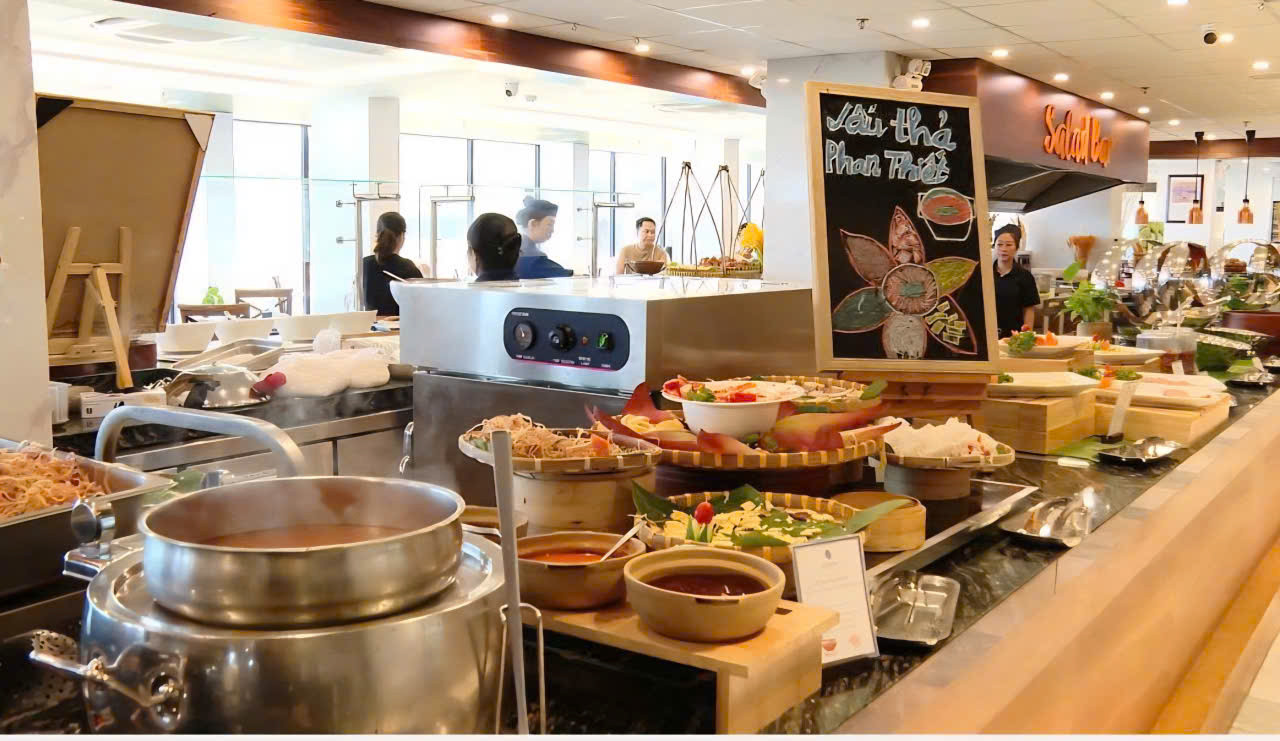
From the ingredients and preparation methods to the presentation, lẩu thả is not merely a dish. It is also a story about the sea, fishing livelihoods and the lives of local residents.
Le Ngoc Tram, a tourist from Ho Chi Minh City, said that whenever her family visited Mui Ne, they always chose lẩu thả to enjoy together. “The ingredients may look simple and familiar, yet in the hands of the chef, they become visually appealing and enticing. In particular, the dipping sauce has a very distinctive flavour that leaves a lasting impression after just one taste.”
In addition to lẩu thả, the eastern coastal region of Lam Dong also features many specialities, such as sun-dried squid (mực một nắng), mai fish salad (gỏi cá mai), cobia hot pot (lẩu cá bớp), bánh căn, bánh quai vạc (dumplings), herring spring rolls (chả cuốn cá trích) and dishes prepared from dragon fruit. Each dish is tied to locally sourced ingredients, a distinctive preparation method and its own cultural story. These elements distinguish a local culinary experience from an ordinary meal.
Cuisine as a Driver of Destination Choice
Current tourism trends show that travellers are increasingly interested in authentic local experiences. They seek not only beautiful landscapes but also opportunities to explore history, culture and community life through food.
According to Agoda, cuisine is increasingly becoming one of the key factors influencing travellers’ choice of destination. In Agoda’s 2026 Travel Outlook report, 35% of Vietnamese travellers consider food a primary factor influencing their travel decisions. Domestic coastal destinations are among the most searched-for destinations, with Phan Thiet continuing to attract significant attention not only for its landscapes but also for the rich diversity of its culinary culture.
An Agoda Vietnam representative said: “Cuisine is becoming an increasingly important part of how Vietnamese travellers experience a destination. From casual eateries near hotels and local markets to lively food streets, every dish offers a glimpse into the culture and daily life of the local community.”

In the first half of 2026, Lam Dong welcomed nearly 12 million visitors, up more than 18% year-on-year. The growth reflects the effectiveness of the province’s promotional campaigns, regional development partnerships and continued efforts to improve service quality.
Building on the advantages created by the administrative merger, Lam Dong's tourism sector will continue to introduce a range of stimulus programmes in the coming period. Efforts will focus on highlighting the province's distinctive strengths, strengthening links among destinations and promoting its cultural identity. The province aims to welcome 25.8 million visitors in 2026, with tourism contributing to its double-digit economic growth target.