Lam Dong Accelerates Resettlement Development for Expressway Projects
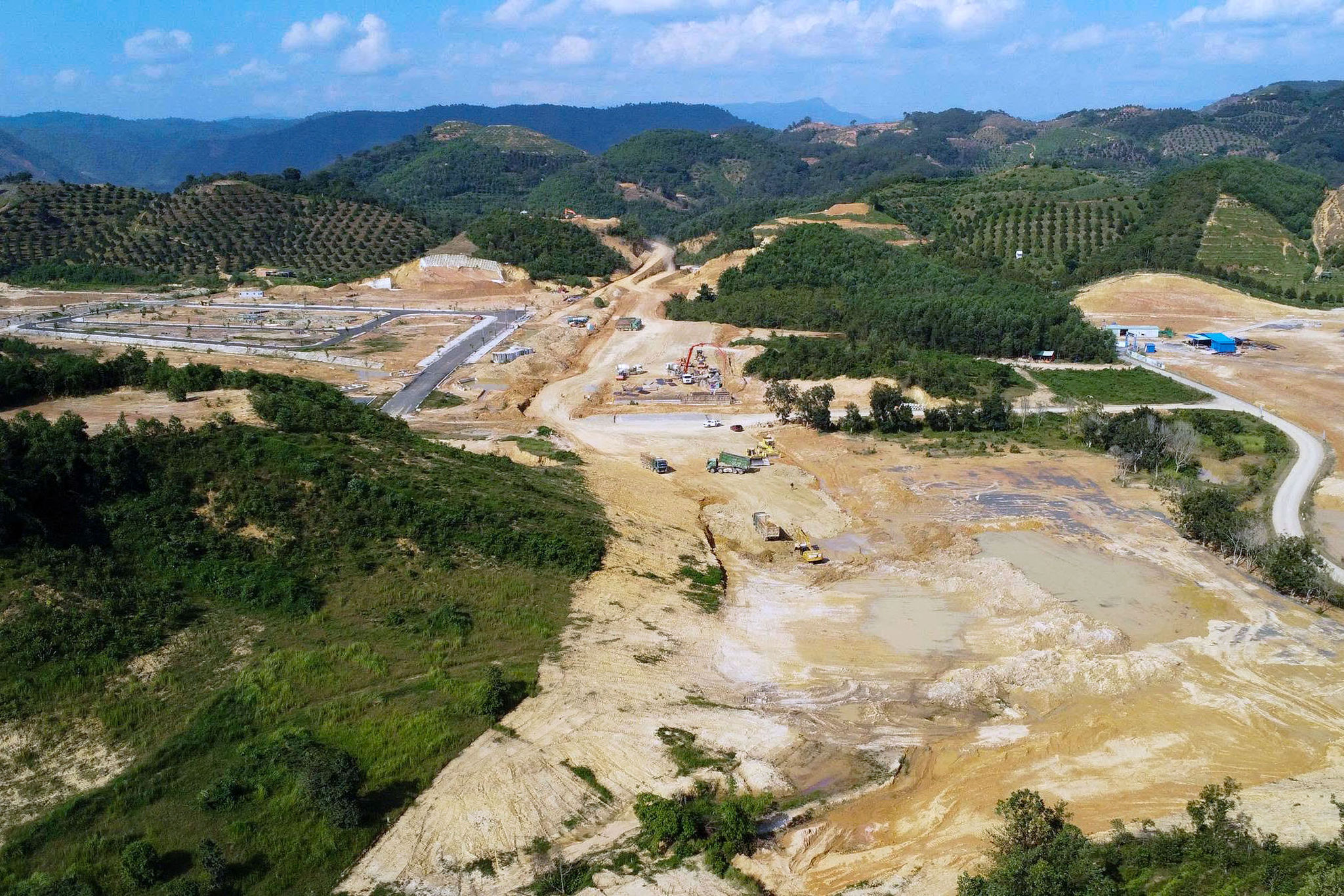
As land clearance for the Tan Phu - Bao Loc and Bao Loc - Lien Khuong expressways gathers pace, Lam Dong Province is also speeding up the construction of resettlement areas to ensure displaced residents can relocate before their land is acquired.
Fast-tracking Resettlement Areas
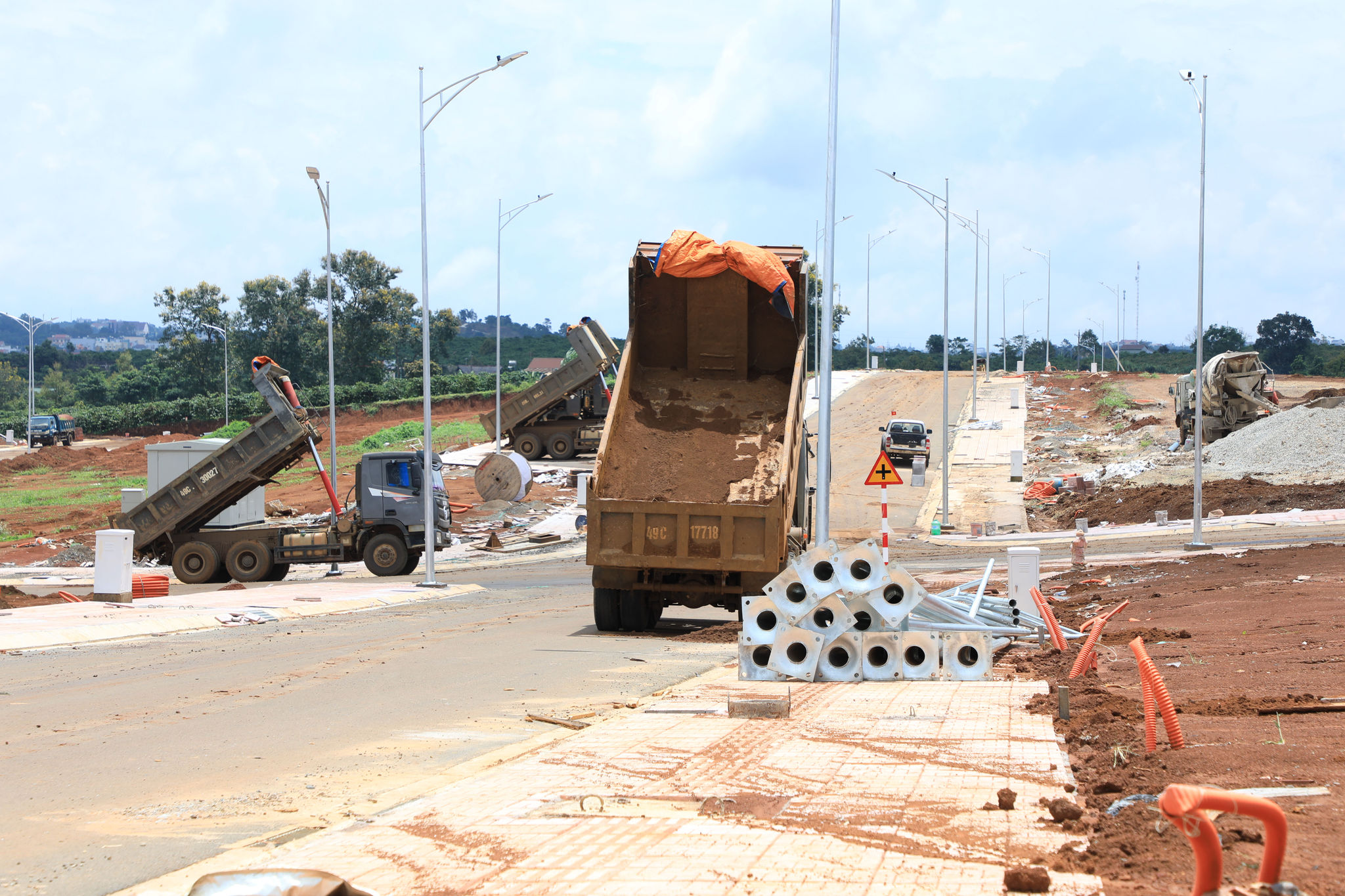
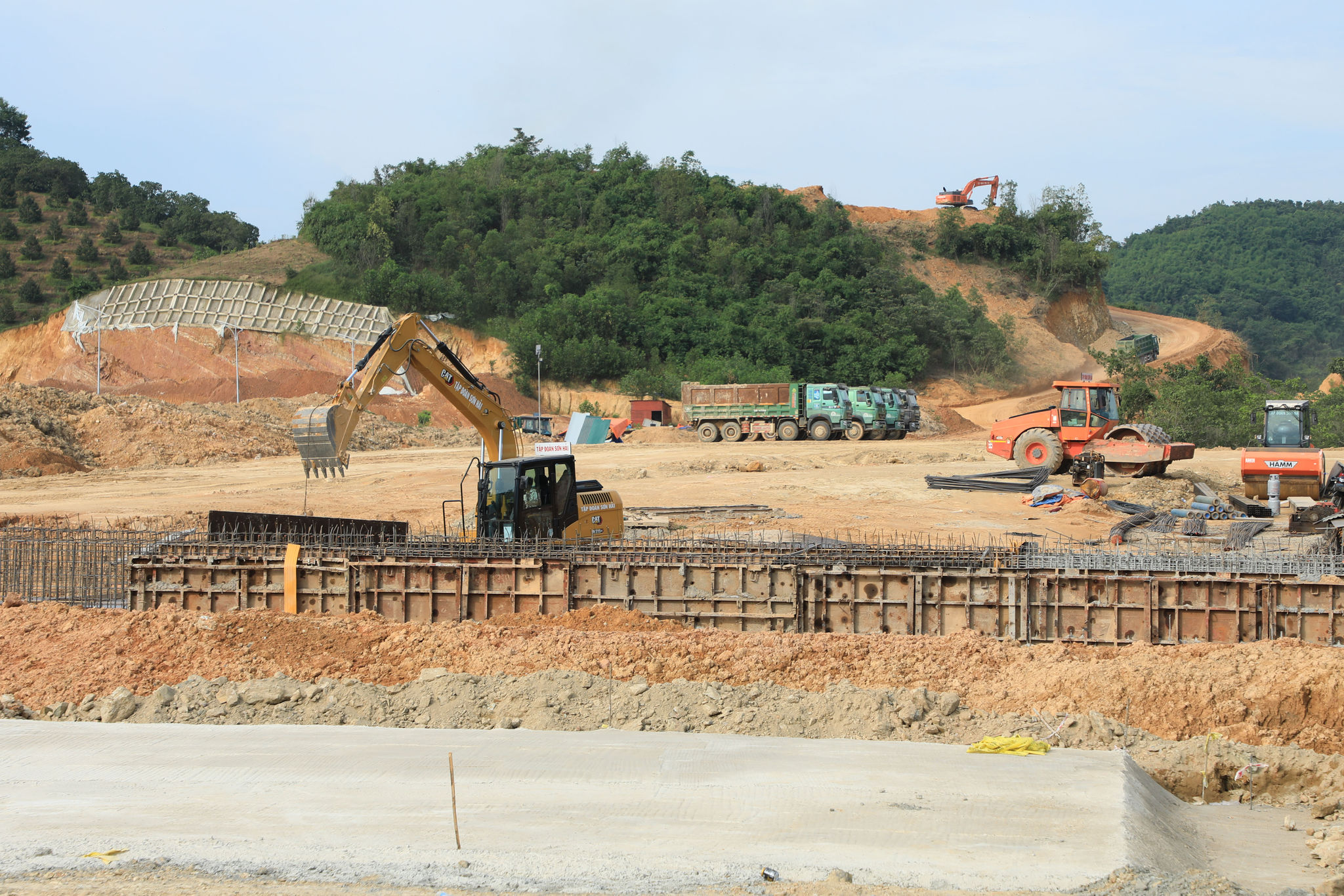
By late July 2026, construction was progressing rapidly at several resettlement sites serving the province's two key expressway projects. Heavy machinery has been operating continuously as workers race to complete roads, electricity, water supply, and other essential infrastructure.
The Gung Re Resettlement Area in Di Linh Commune is among the most advanced projects. Covering more than 5.3 hectares, it includes 107 residential and commercial-service plots with a total investment of over VND 70 billion.
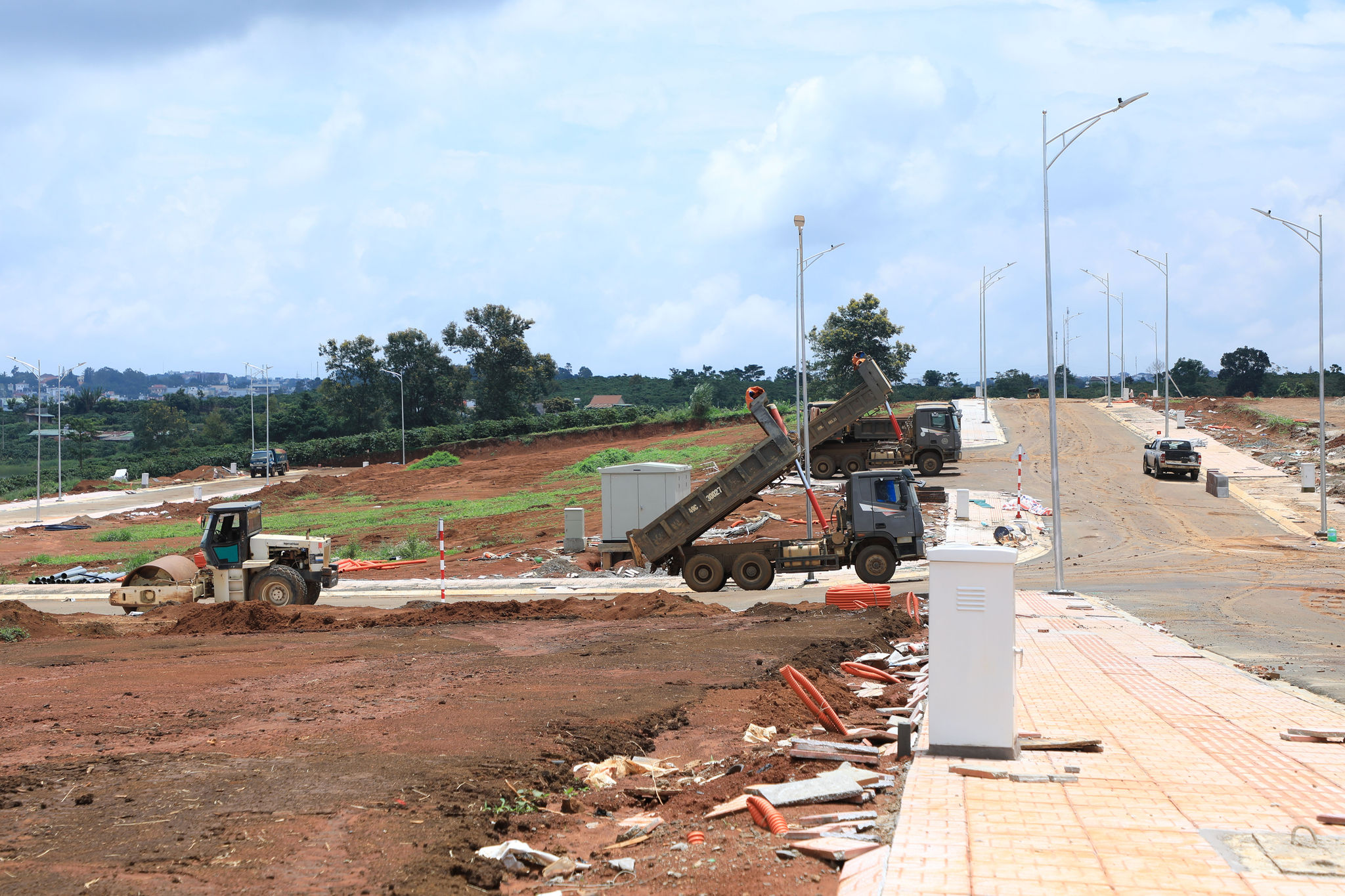
The entire project site has now been handed over. Roads, power substations, electricity, street lighting, and water supply systems have been completed. The wastewater treatment plant is around 80% finished, while the wastewater drainage network has reached approximately 60%. The investor aims to complete the project by the end of July.
According to Tran Nhat Thi, Chairman of the Di Linh Commune People's Committee, the resettlement project is a top local priority supporting the expressway. The commune has worked closely with contractors and investors to resolve obstacles while encouraging residents to relocate and settle into their new homes.
.jpg)
In B'Lao Ward, another resettlement area covering more than 3 hectares with 78 residential plots is also moving ahead quickly. After nearly six months of construction, the project has reached approximately 51% completion by contract value.
Road construction is largely complete, while water supply, drainage, fire protection, and electrical infrastructure are nearing completion. The project is expected to be operational in August 2026.
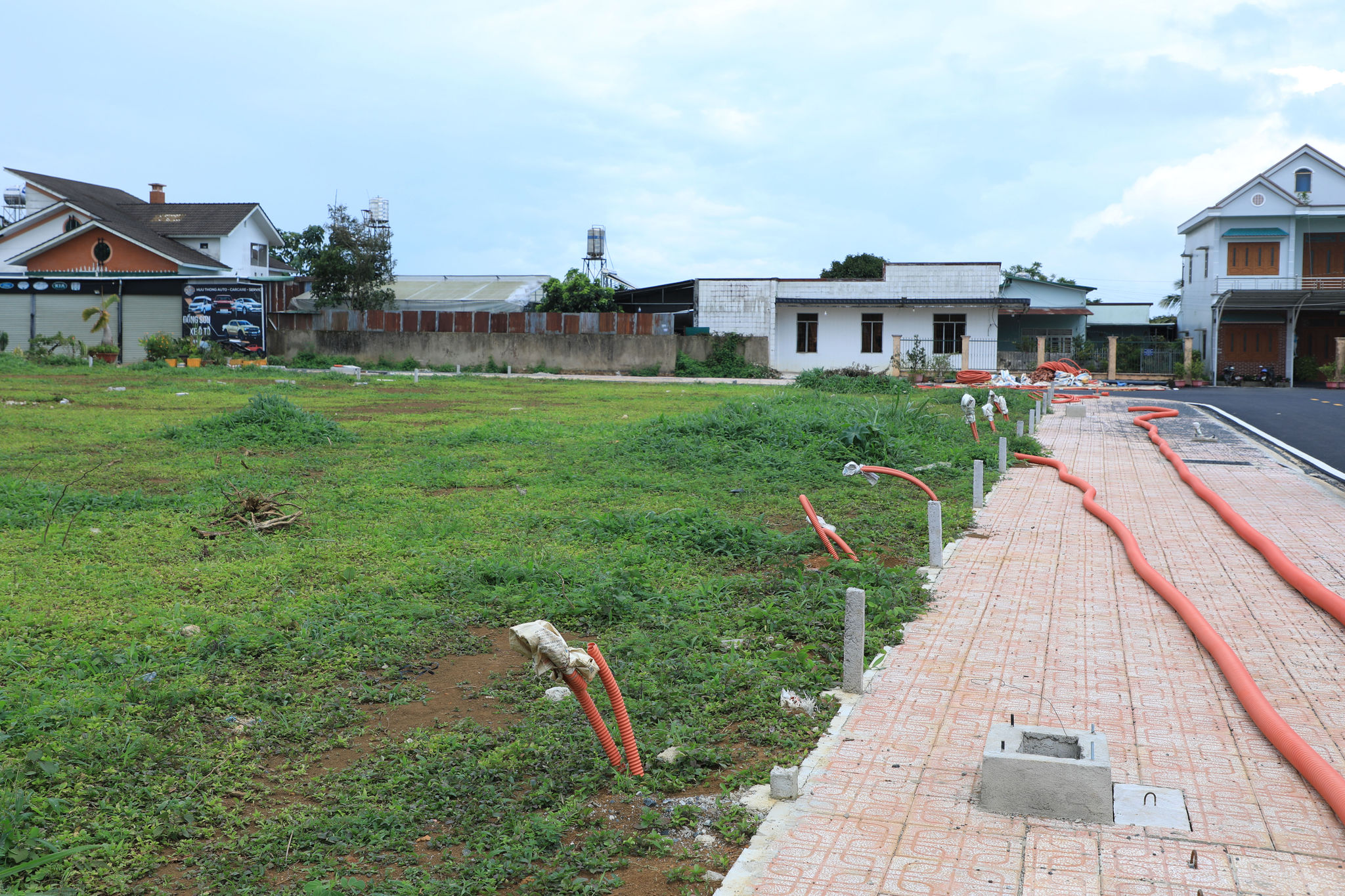
Local authorities said they are working with the project developer to resolve the remaining issues, particularly the relocation of power infrastructure and the completion of final site handovers.. The goal is to complete the project on schedule and provide housing for affected households.
In Da Huoai Commune, the resettlement area serving the Tan Phu - Bao Loc Expressway covers more than 12.5 hectares and includes 140 residential plots, with a total investment exceeding VND 151 billion. Overall construction has reached around 60%.
Site leveling is about 90% complete, stormwater drainage 80%, wastewater drainage 70%, while roads, water supply, lighting, and landscaping have each reached roughly 50%.
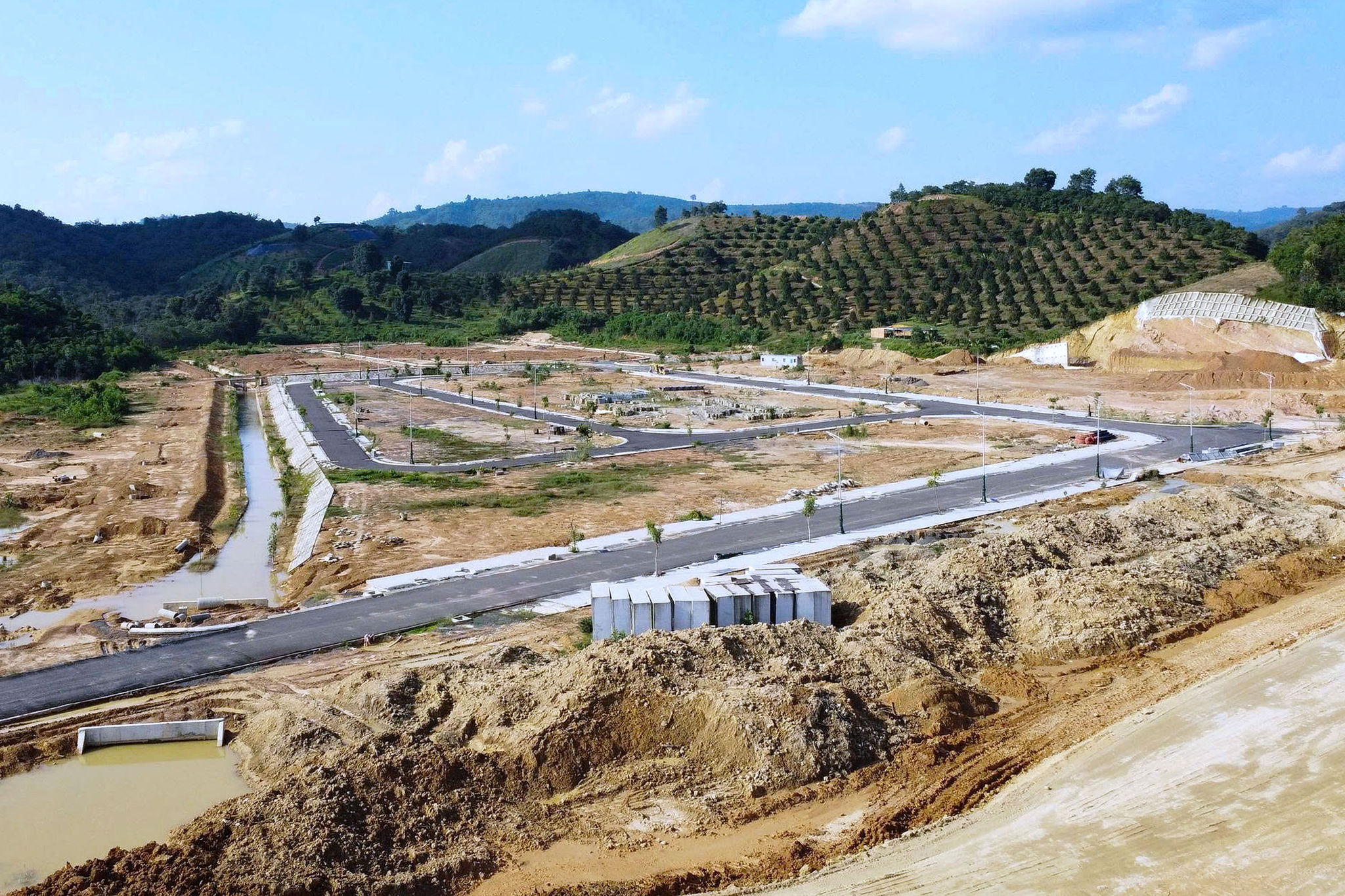
Luu Hong Long, Chairman of the Da Huoai Commune People's Committee, said the locality is focusing on resolving outstanding land issues through dialogue and policy communication while coordinating closely with investors and relevant agencies to keep construction on schedule.
Ensuring Housing Before Land Acquisition
Construction of resettlement areas is progressing alongside accelerated land clearance for both expressway projects.
For the Tan Phu - Bao Loc Expressway, compensation plans had been approved for 827 of 929 affected households, equivalent to 89%, by the end of July 2026. More than 473 households have received compensation, while 111 hectares of land, nearly 28% of the required area, have already been handed over.
Resettlement projects in Da Huoai, Bao Lam 1, B'Lao, and several other locations are also advancing rapidly.
.jpg)
Progress on the Bao Loc - Lien Khuong Expressway has been even faster. Compensation plans have been approved for 97% of affected households, with more than 2,040 households already receiving compensation payments.
Nearly 472 hectares of cleared land, about 76% of the project's total area, have been handed over. Most resettlement areas in B'Lao, Hoa Ninh, Di Linh, and Hiep Thanh are expected to be completed within 2026.
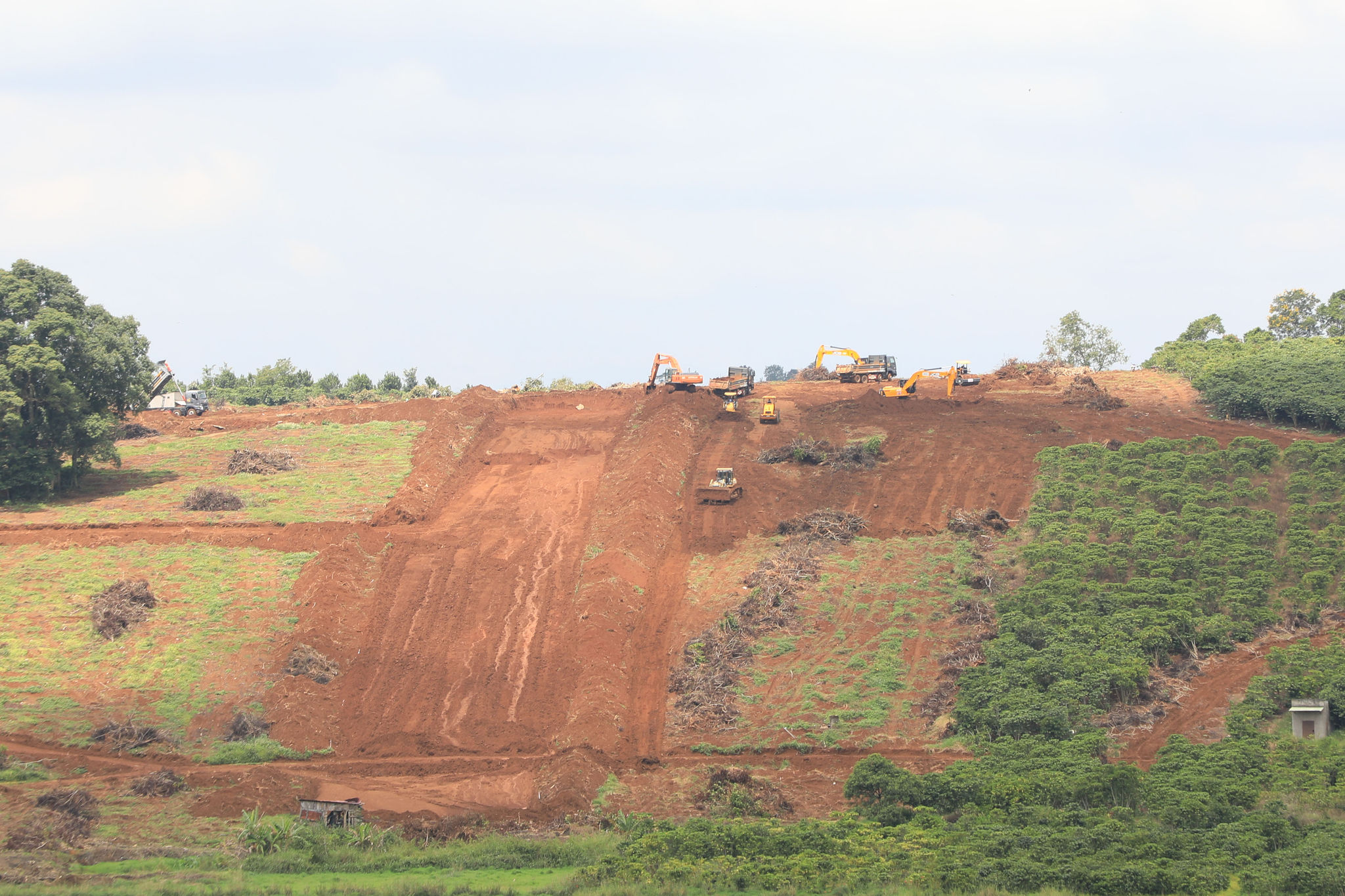
According to leaders of Project Management Unit No. 1, the progress of resettlement areas directly determines the pace of land clearance and construction for both expressway projects.
The unit is working with local authorities, investors, and contractors to review each construction package and promptly resolve issues related to land availability, construction materials, and investment procedures. Contractors have also been instructed to prepare weekly implementation schedules, maximize manpower and equipment deployment, and extend working hours wherever site conditions allow.
Remaining challenges include land clearance, relocation of technical infrastructure, fluctuating material prices, and compensation disagreements with some households. Nevertheless, many projects remain on schedule and are expected to be completed within 2026 if these issues are resolved promptly.
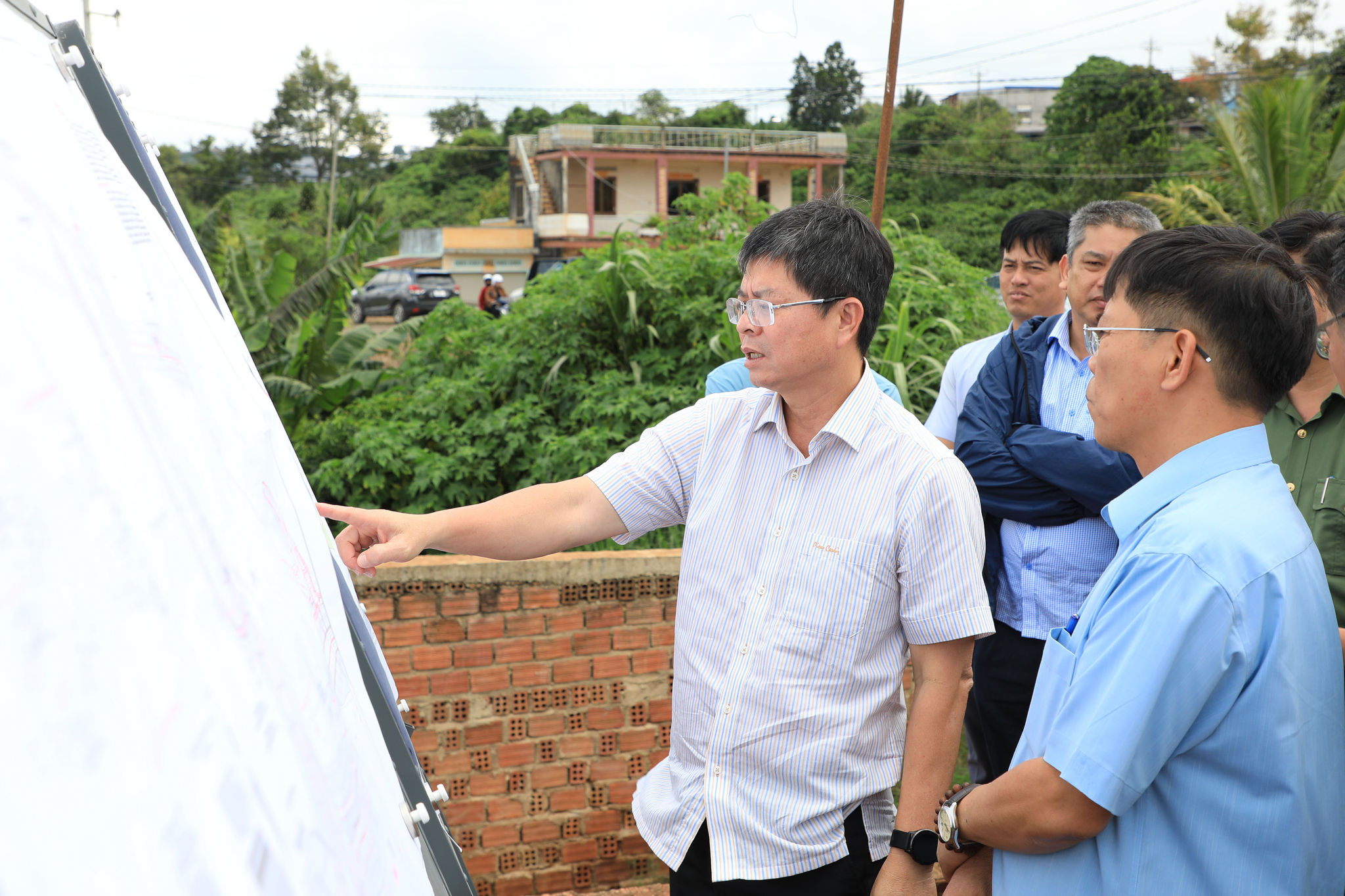
Following multiple site inspections, Vice Chairman Nguyen Hong Hai instructed provincial departments, local authorities, and investors to prioritize resettlement throughout the implementation of both expressway projects.
The province's policy is that resettlement areas should be completed before, or at least in parallel with, land acquisition, ensuring residents have new homes before surrendering their land. Technical and social infrastructure must also be developed simultaneously to help residents quickly stabilize their lives.
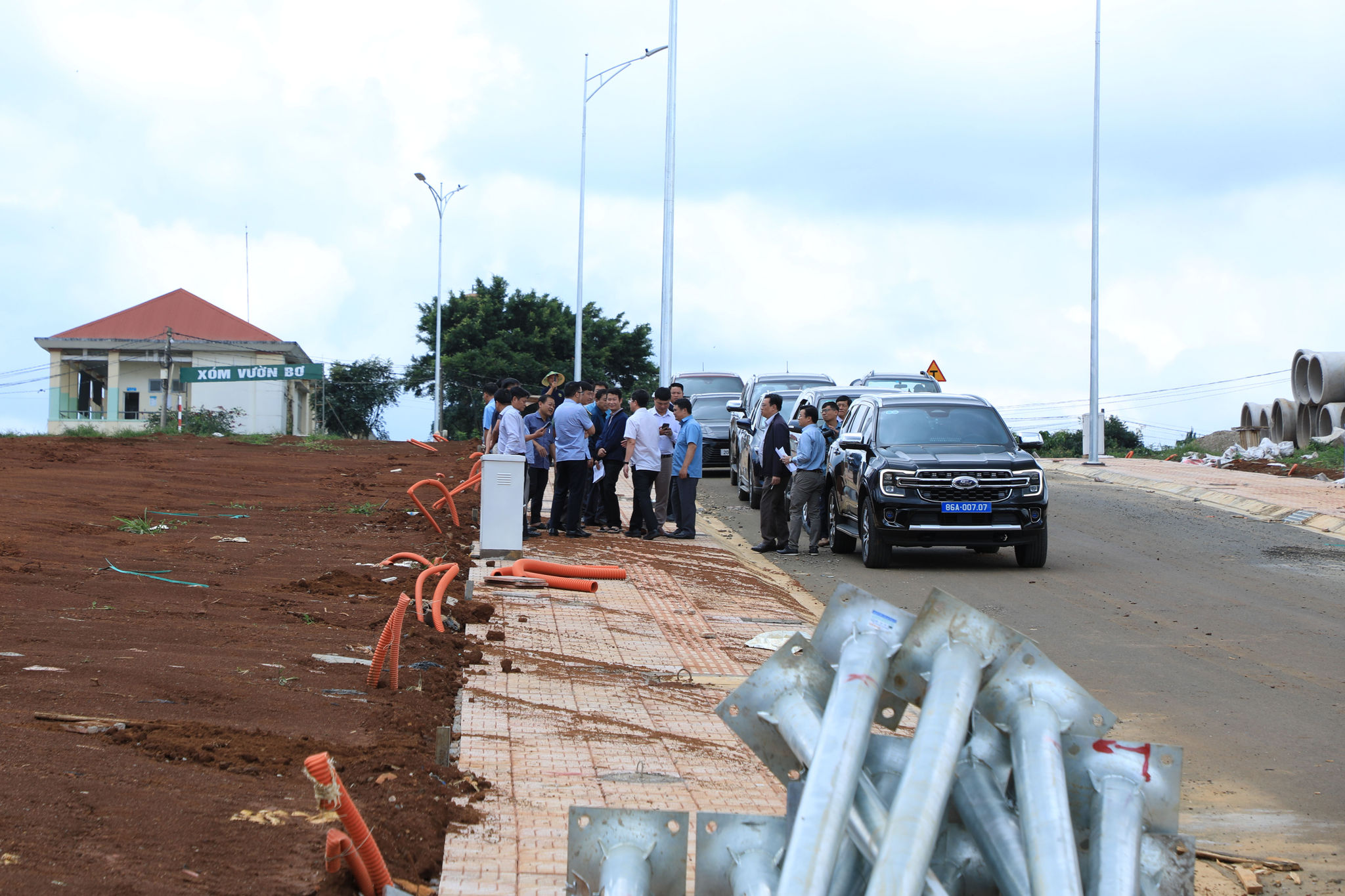
Provincial leaders also instructed local authorities to strengthen dialogue with residents and promptly address public concerns.
Investors and contractors have been told to mobilize sufficient resources and accelerate construction immediately in areas where land has already been cleared. Provincial departments are required to stay closely engaged with the projects and promptly resolve issues within their authority to prevent delays.
According to Vice Chairman Nguyen Hong Hai, the two expressways are strategic infrastructure projects that will create new momentum for Lam Dong's long-term development.
He emphasized that resettlement is not only a prerequisite for land clearance but also a commitment to safeguarding the legitimate rights and interests of residents who hand over their land for these key infrastructure projects.