

Tra Tan Industrial Hub Prepares for a New Wave of Investment
Industrial development in Tra Tan is doing more than creating thousands of jobs, improving rural livelihoods and generating stable public revenue. It is also unlocking greater economic value from previously underutilized land. Backed by improving infrastructure and strategic advantages, the locality is positioning itself to attract a new generation of large-scale investors.
Industrial clusters improve livelihoods
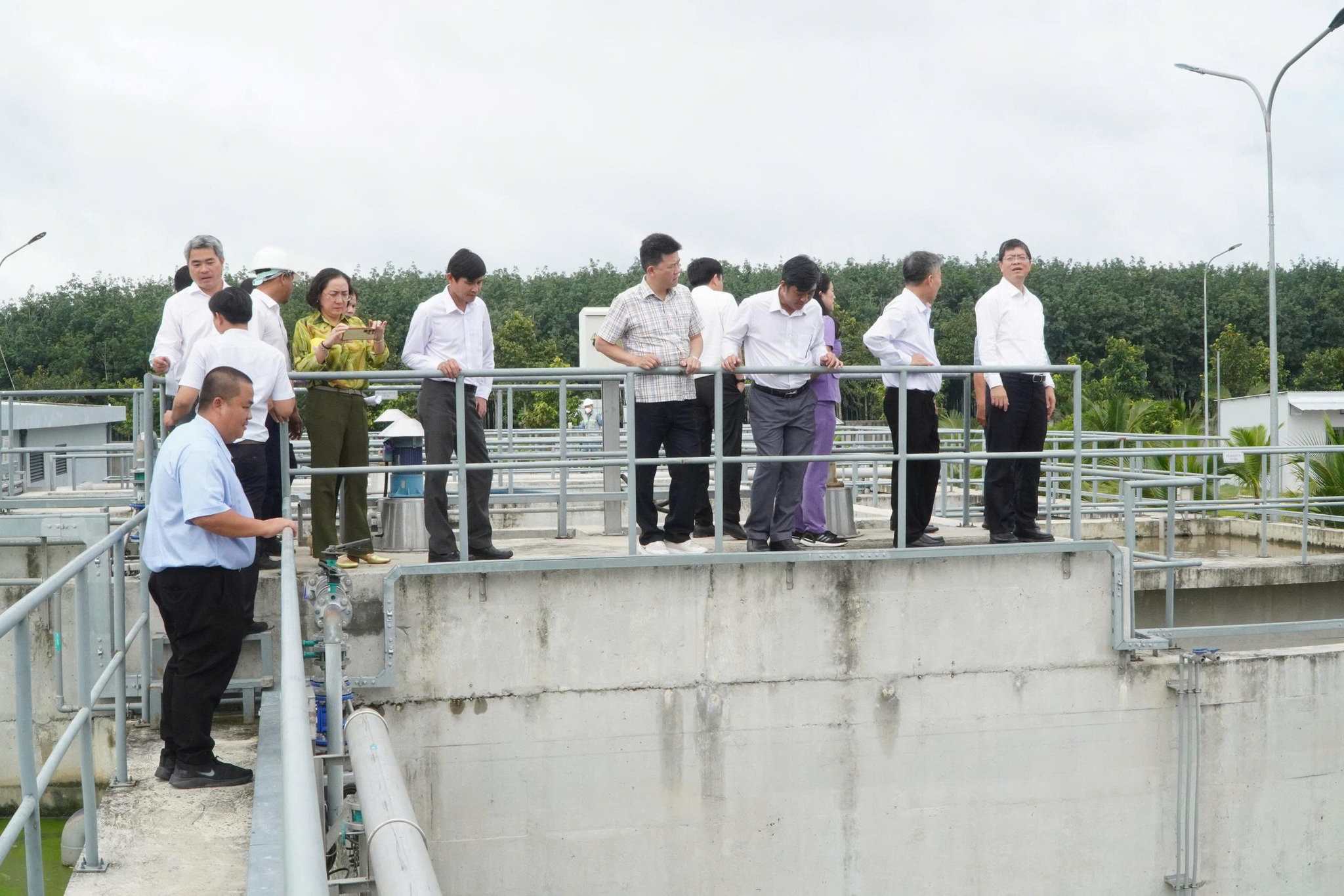
Despite heavy rains in the final days of July, thousands of workers continued commuting to factories across Tra Tan's industrial clusters, highlighting the area's growing manufacturing activity.
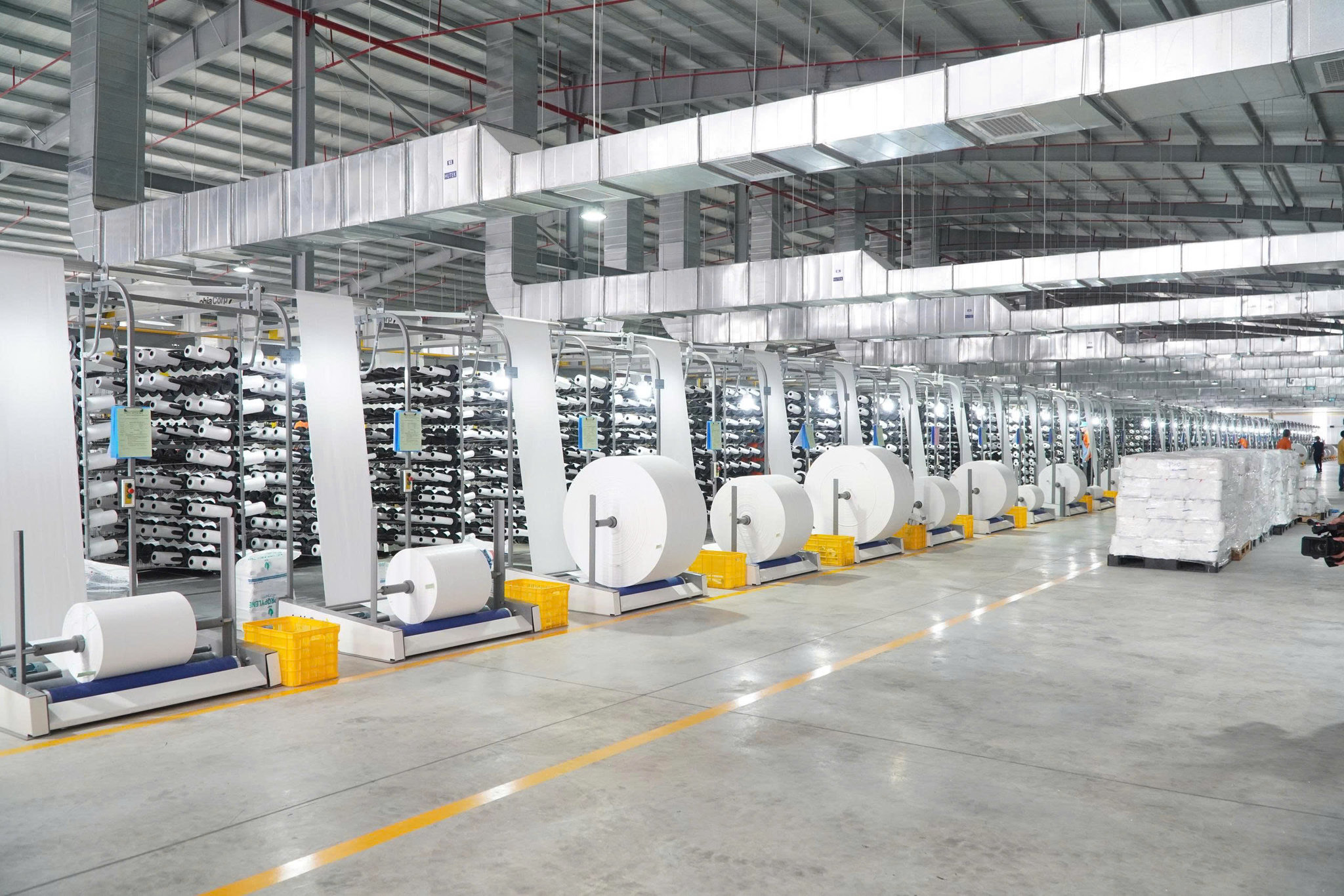
Tra Tan has emerged as one of Lam Dong Province's most dynamic industrial zones. Existing industrial clusters are reaching high occupancy rates while an increasing number of domestic and foreign investors are exploring new opportunities in the area. Three industrial clusters are currently operating effectively: Nam Ha Industrial Cluster, Nam Ha 2 Industrial Cluster and Dong Ha Industrial Cluster.
The expansion of manufacturing facilities has brought immediate benefits to local communities. Thousands of residents have secured stable employment, leading to higher household incomes and improved living standards.
Chu Quoc Doanh, Head of Hamlet 1A in Tra Tan Commune, said that more than 300 residents from his hamlet alone are employed at industrial clusters within the commune. Other hamlets have similarly large workforces engaged in industrial production.
Residents with higher qualifications typically work in management positions, while others are employed as factory workers. Stable incomes have enabled many families to build new homes, significantly transforming the appearance of Tra Tan's rural communities.
Beyond employment, industrial development has substantially increased land values. Previously underdeveloped areas have been converted into industrial land, generating sustainable budget revenue while significantly increasing the value of surrounding residential, commercial and agricultural land.
Industrial expansion has also stimulated local commerce. Many households have converted gardens into cafés and refreshment stalls serving factory workers, while others have opened restaurants, convenience stores, boarding houses and rental accommodations. Retail and service businesses have expanded rapidly, creating additional income streams and supporting broader local economic growth.
Preparing for a new investment wave
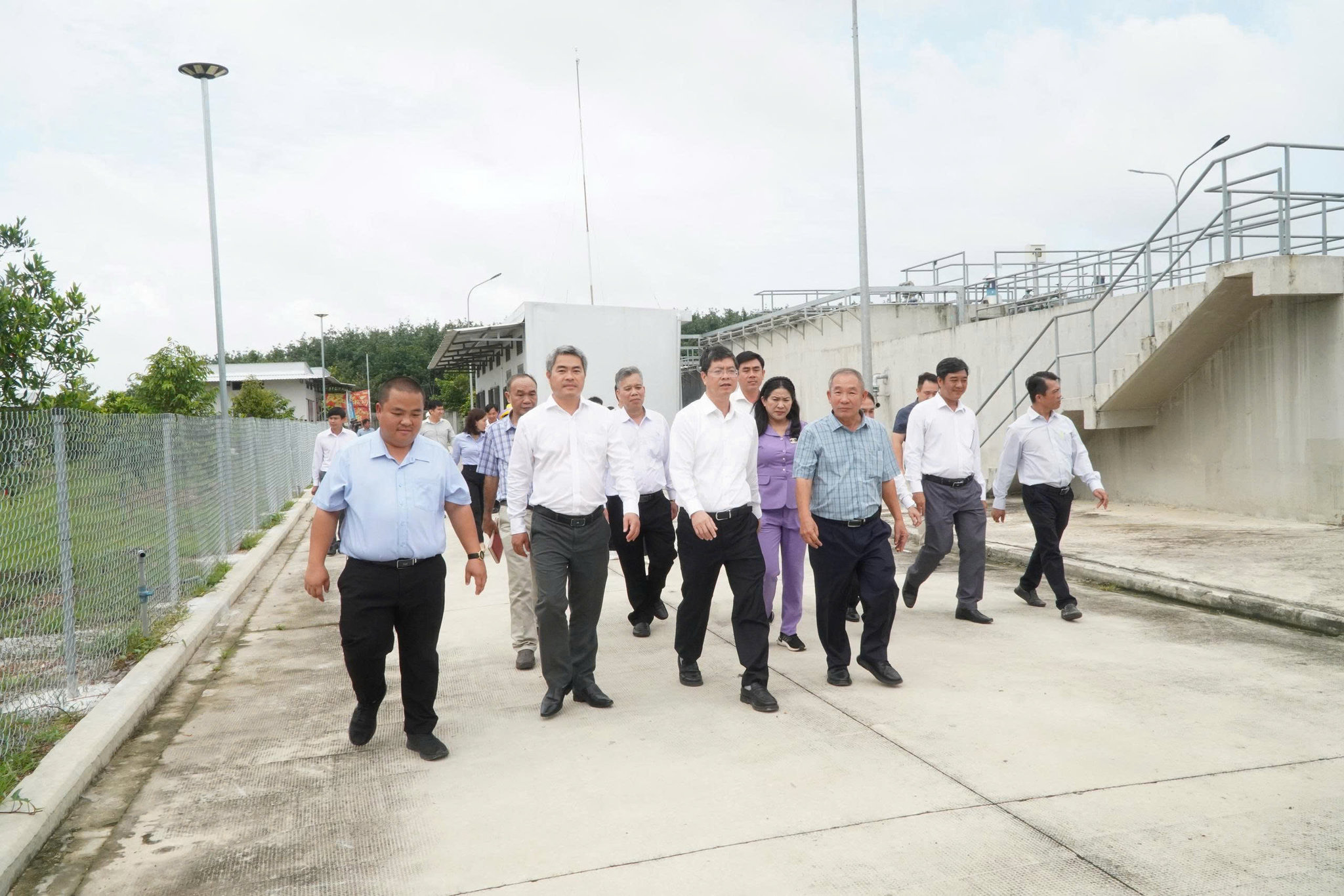
According to the Tra Tan Commune People's Committee, the province's newly approved master plan designates four industrial parks within the commune: Hoai Duc Industrial Park, Tra Tan Industrial Park, Duc Linh Industrial Park and Thuan Tan Industrial Park.
The plan also includes three new industrial clusters:
- Tra Tan 2 Industrial Cluster – 52 hectares;
- Tra Tan Industrial Cluster – 74 hectares;
- Nam Ha 3 Industrial Cluster – 20.1 hectares.
These industrial zones are expected to drive economic growth, create jobs, attract advanced technologies and investment, while supporting the transformation of the rural economy toward industrialization and modernization. The strategy also aims to improve land-use efficiency and capitalize on the local labor supply.
To strengthen its investment appeal, Tra Tan is prioritizing improvements in transport infrastructure, electricity supply and clean water systems capable of serving both industrial projects and supporting satellite developments. Authorities also plan to develop residential areas, schools, healthcare facilities, markets and other social infrastructure alongside industrial expansion.
The success of Tra Tan's existing industrial clusters has been built over many years through close coordination between businesses and local authorities. What began as a challenging development process has gradually produced tangible economic results.
Today, Tra Tan has established a solid industrial foundation supported by practical development experience and strategic geographical advantages. The commune borders Dong Nai City and is located approximately 25 kilometers from the Dau Giay–Phan Thiet Expressway, providing convenient logistics connections for both domestic and international investors.
These advantages are expected to position Tra Tan as one of Lam Dong's emerging industrial growth poles, capable of attracting a new wave of investment in the coming years.
The addition of new industrial clusters is both necessary and urgent to meet growing investment demand while creating new momentum for industrial, commercial and service-sector development in Tra Tan and neighboring areas. To fully unlock the commune's industrial potential, we recommend that provincial departments prioritize funding for external infrastructure, including the construction of the eastern arterial road to improve transport connectivity and attract secondary investors. We also propose upgrading the DT766–Suoi Ke road during the 2026–2030 period.
Do Duc Anh, Vice Chairman of the Tra Tan Commune People's Committee