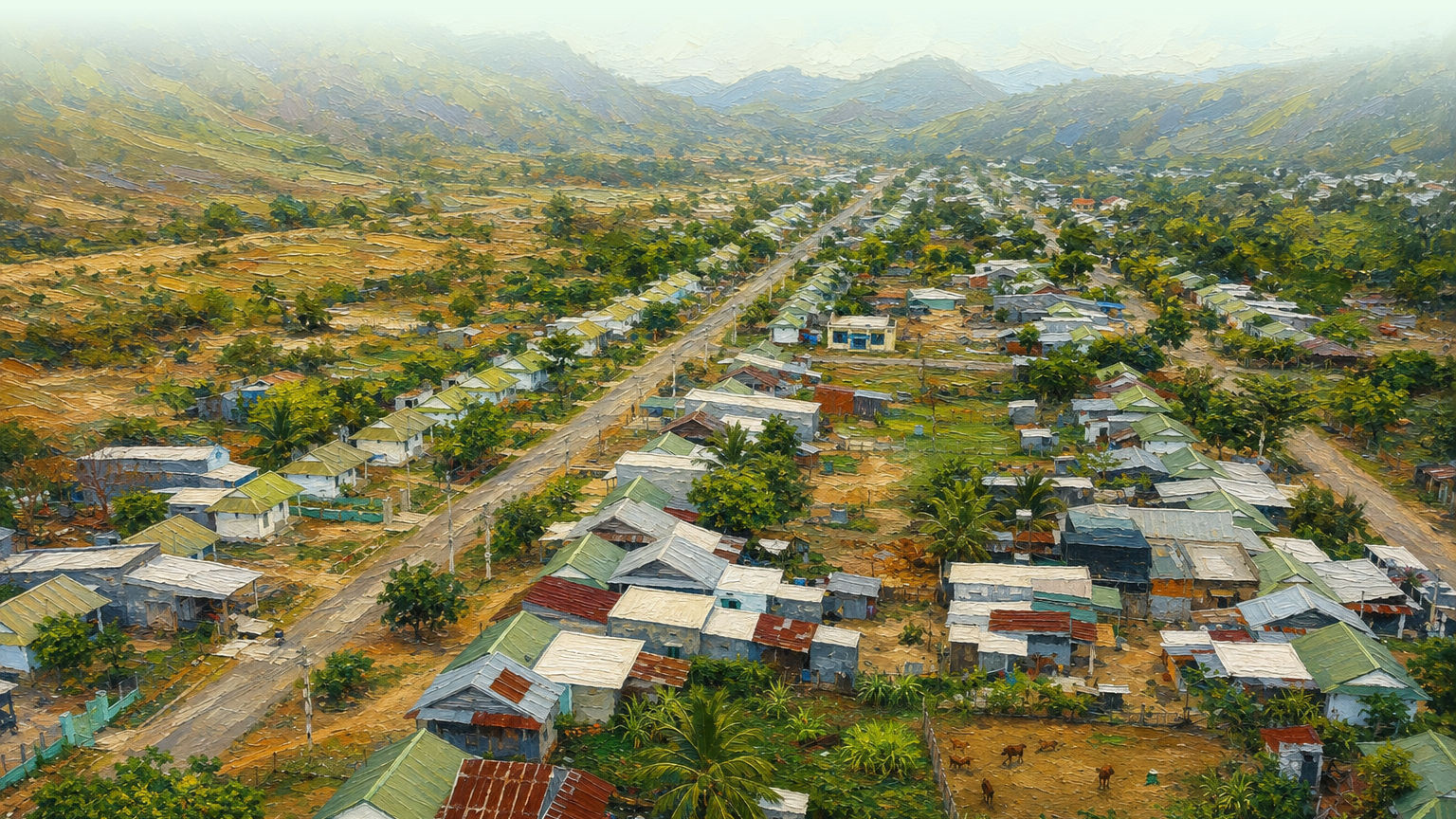
Amid the rapid pace of modern life, as many traditional cultural values gradually fade into memory, the Raglai people in the highland commune of Phan Son, Lam Dong Province, continue to quietly preserve the distinctive aroma and heritage of their traditional rice wine.
a
Amid the rapid pace of modern life, as many traditional cultural values gradually fade into memory, the Raglai people in the highland commune of Phan Son, Lam Dong Province, continue to quietly preserve the distinctive aroma and heritage of their traditional rice wine.
Every jar of ruou can (traditional jar-fermented rice wine) is crafted not only from fragrant glutinous rice and forest herbs, but also from the collective memory of an ethnic community, their spiritual devotion to Yang (the deity), and their determination to pass their cultural identity on to future generations.
Residents of the Raglai ethnic community in the highland commune of Phan Son, Lam Dong Province, are enjoying steadily improving livelihoods while preserving the traditional flavor and cultural heritage of ruou can (traditional jar wine).
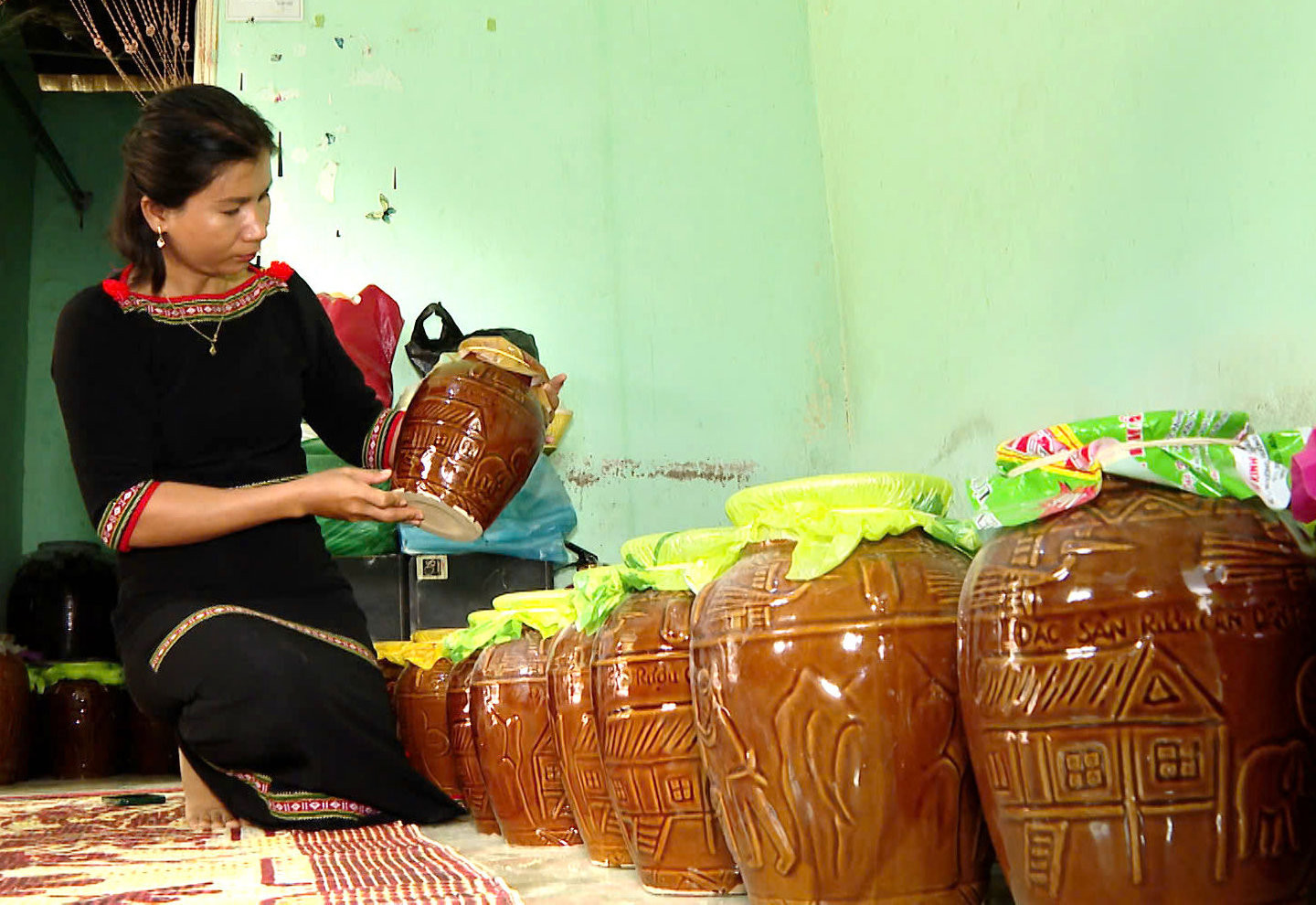
Morning mist still lingers over the mountains of Phan Son. Inside the modest homes of the Raglai people, rows of earthenware jars rest quietly in the corners, standing as silent witnesses to countless harvests, festivals and generations.
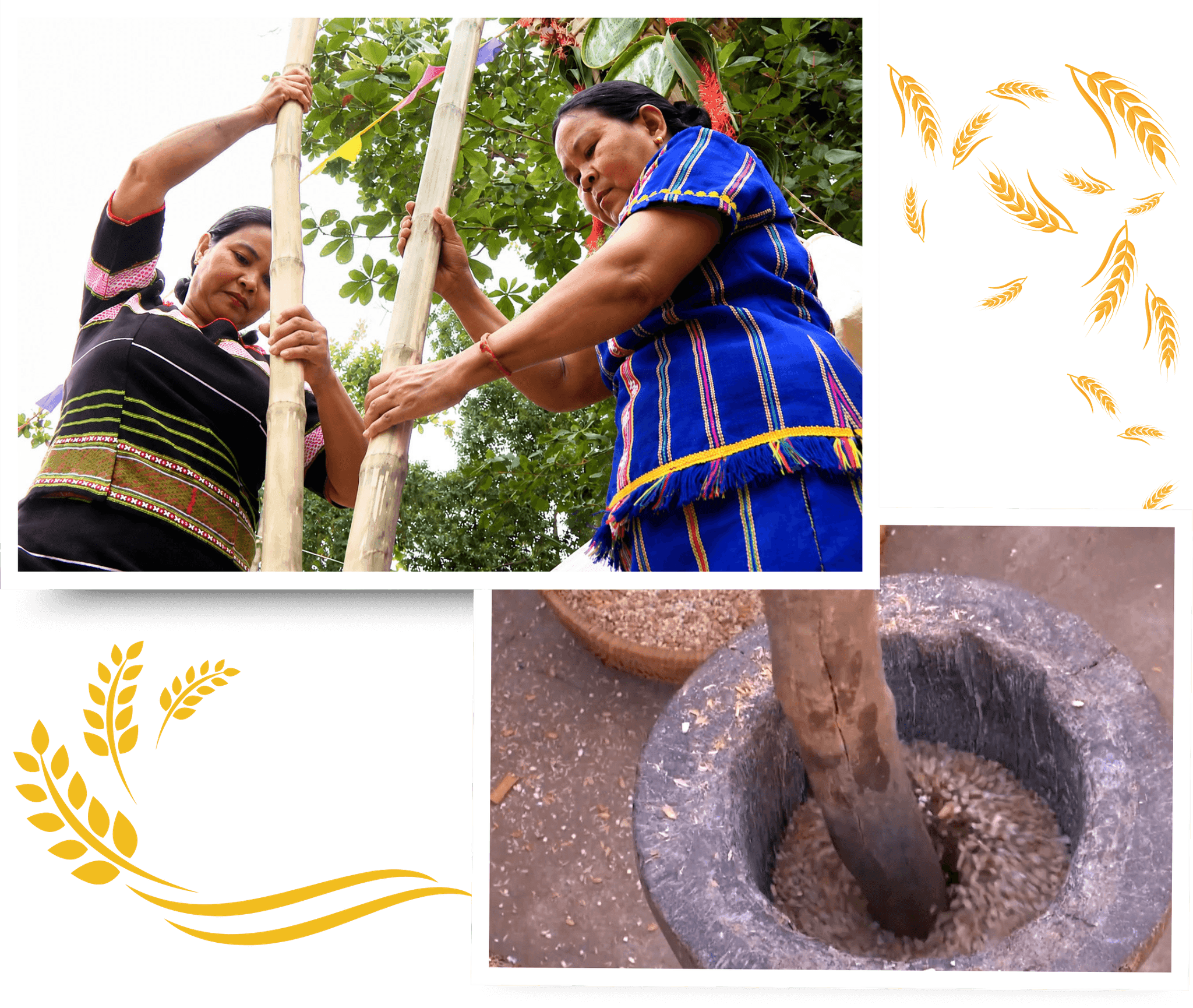
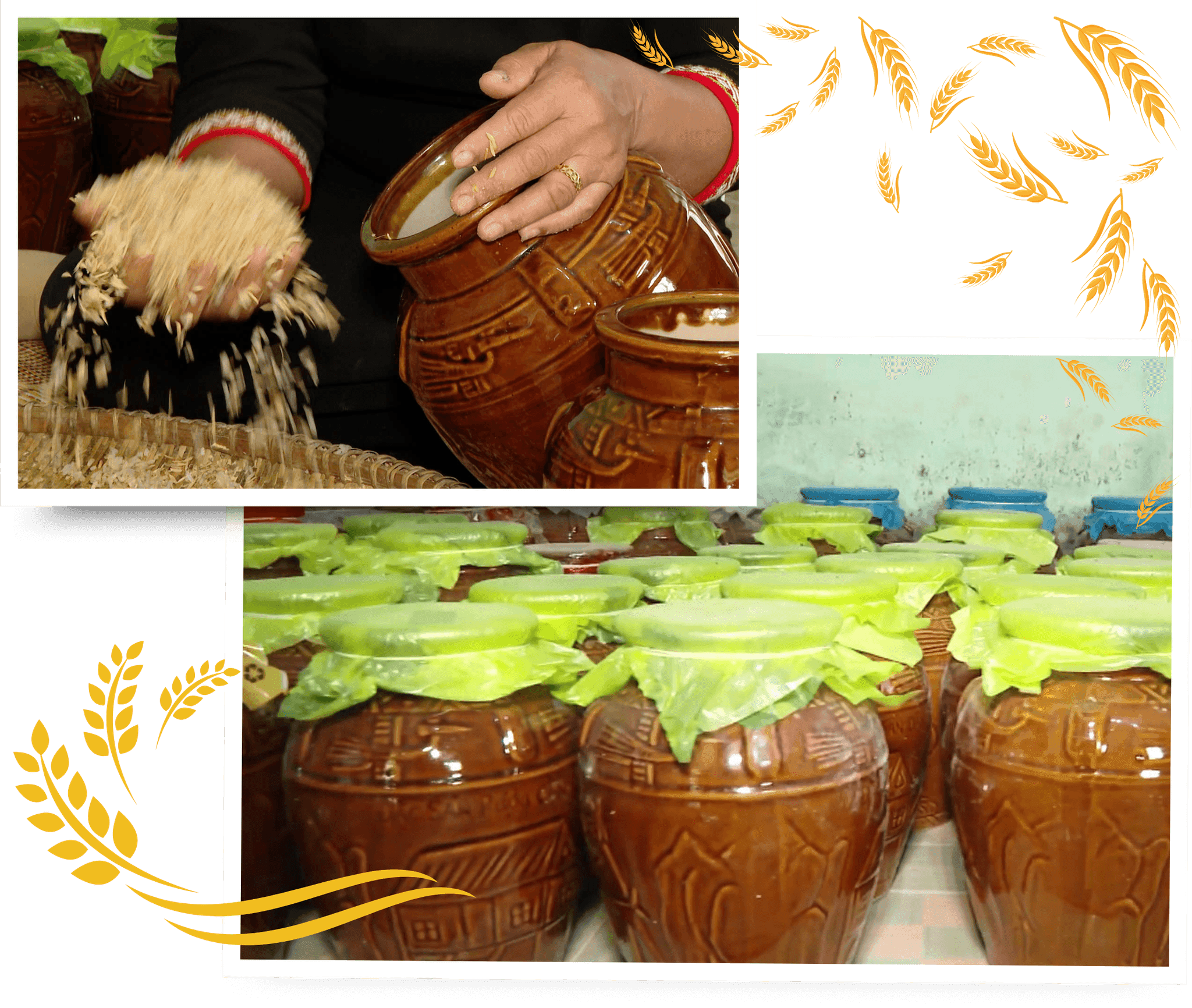
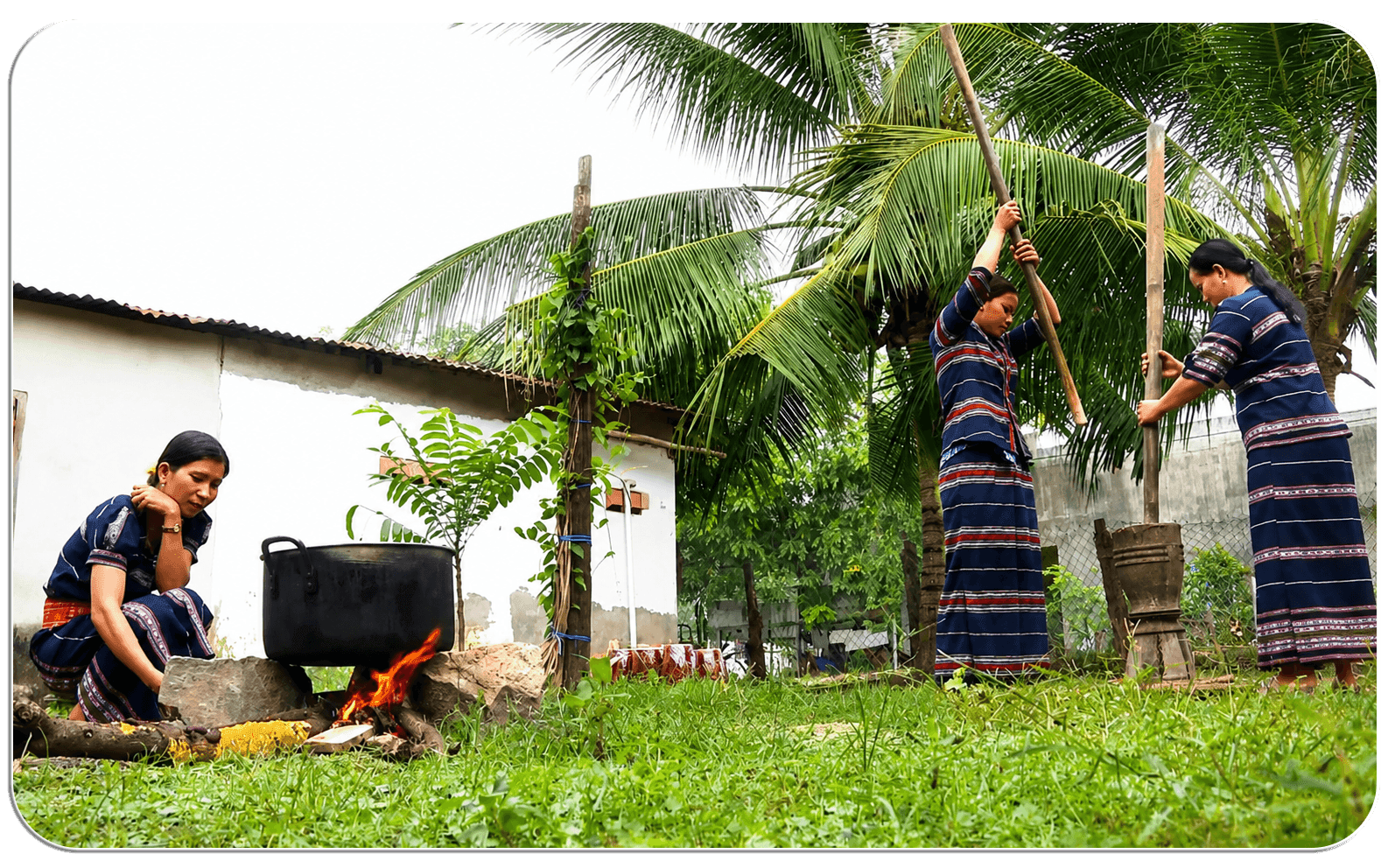
After the traditional mother rice reaches maturity, the Raglai people in the highland commune of Phan Son hand-thresh the grains, dry them under the sun, pound them into rice, and then begin the fermentation process to brew their traditional jar wine.
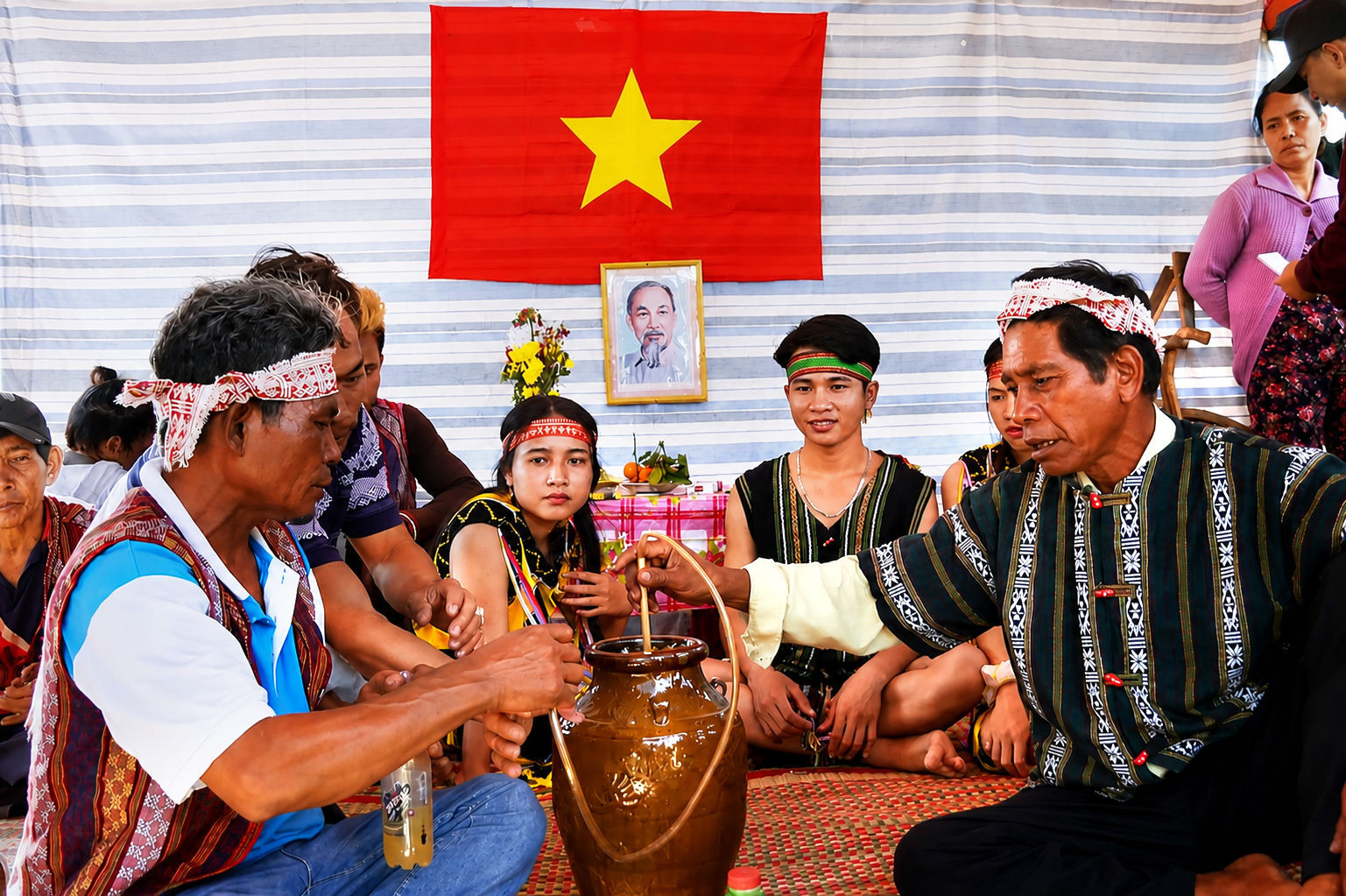
For the Raglai, ruou can is far more than a traditional beverage. It is an offering to Yang, an expression of gratitude to ancestors, a symbol of abundance after each harvest, and a powerful bond that unites the community.
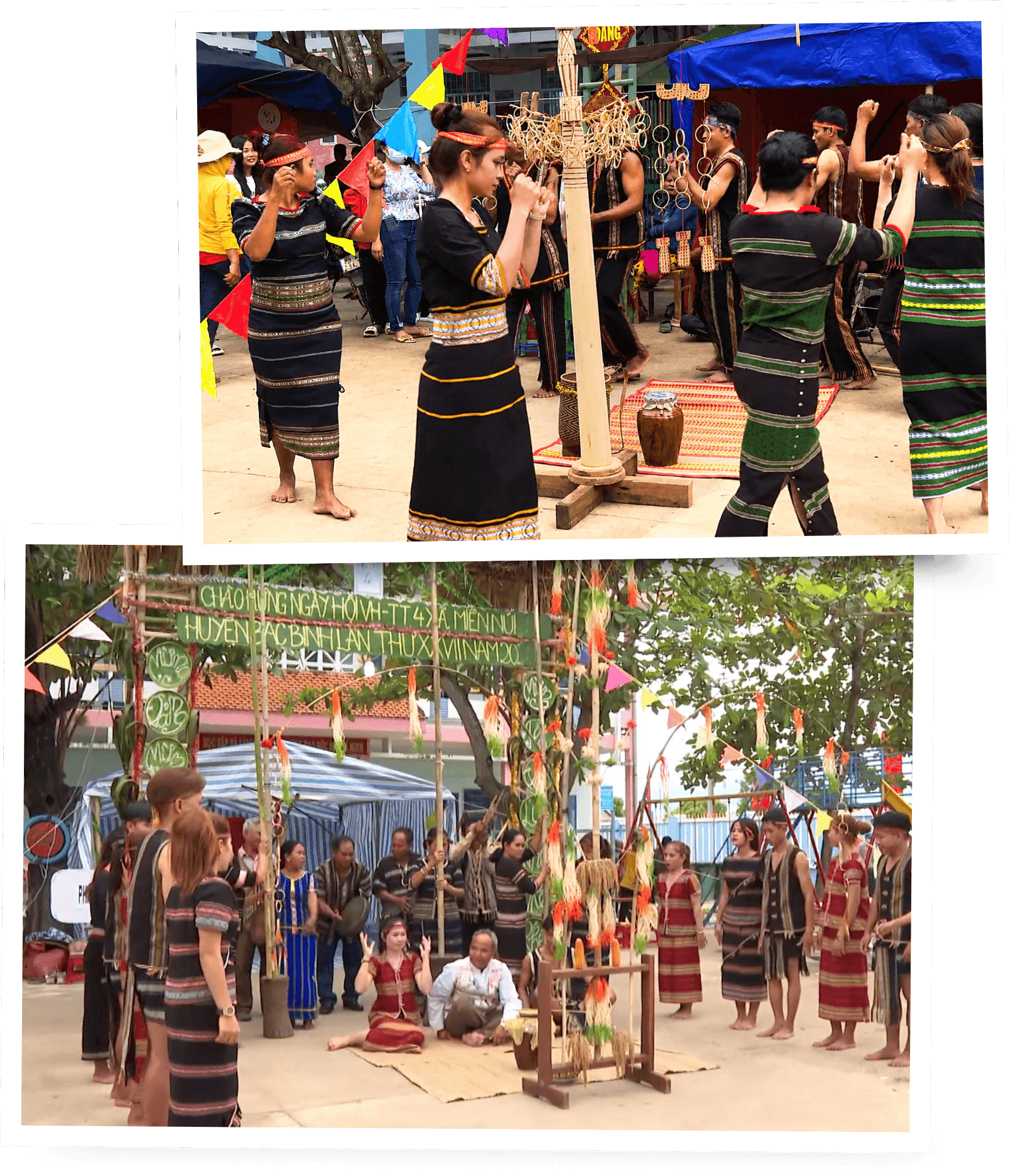
At the New Rice Festival, ceremonies honoring mountain and river spirits, housewarming celebrations, weddings and naming ceremonies for newborns, jars of fragrant rice wine are always present alongside the resonant sounds of Ma La gongs, traditional folk songs and ceremonial dances.
After the traditional mother rice reaches maturity, Raglai people in the highland commune of Phan Son hand-thresh the grains, dry them under the sun, pound them into rice, and then begin the fermentation process to brew their traditional jar wine.
According to Raglai customs and traditions, ruou can is an indispensable offering in every ceremonial ritual, reflecting the community's deep-rooted spiritual beliefs and cultural identity.
The Raglai believe that prayers to the deities are only complete when accompanied by a jar of ruou can.
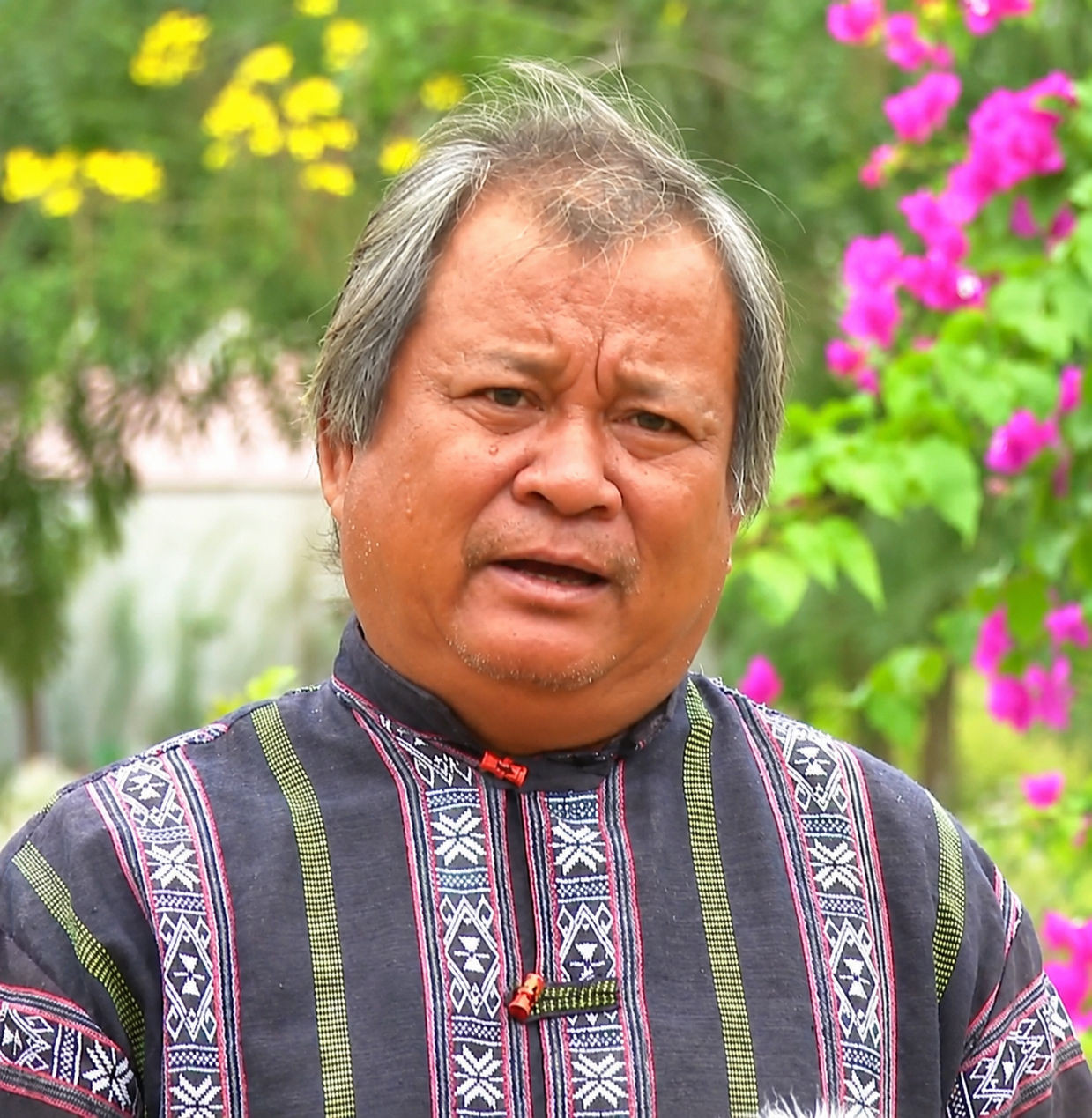
Mang Ngoc Van, a respected elder in Phan Son Commune, explained:
"For the Raglai people, every ritual and every New Rice Festival must include ruou can. To make the wine, we first need lua me. After harvest, the rice is hand-threshed, dried, pounded into grain and then fermented. Whether it is a housewarming ceremony, a wedding, the birth of a child, or rituals before and after the harvest, ruou can is always indispensable."
“
Whether it is a housewarming ceremony, a wedding, the birth of a child, or rituals before and after the harvest, ruou can is always indispensable.
Mang Ngoc Van, Phan Son Commune
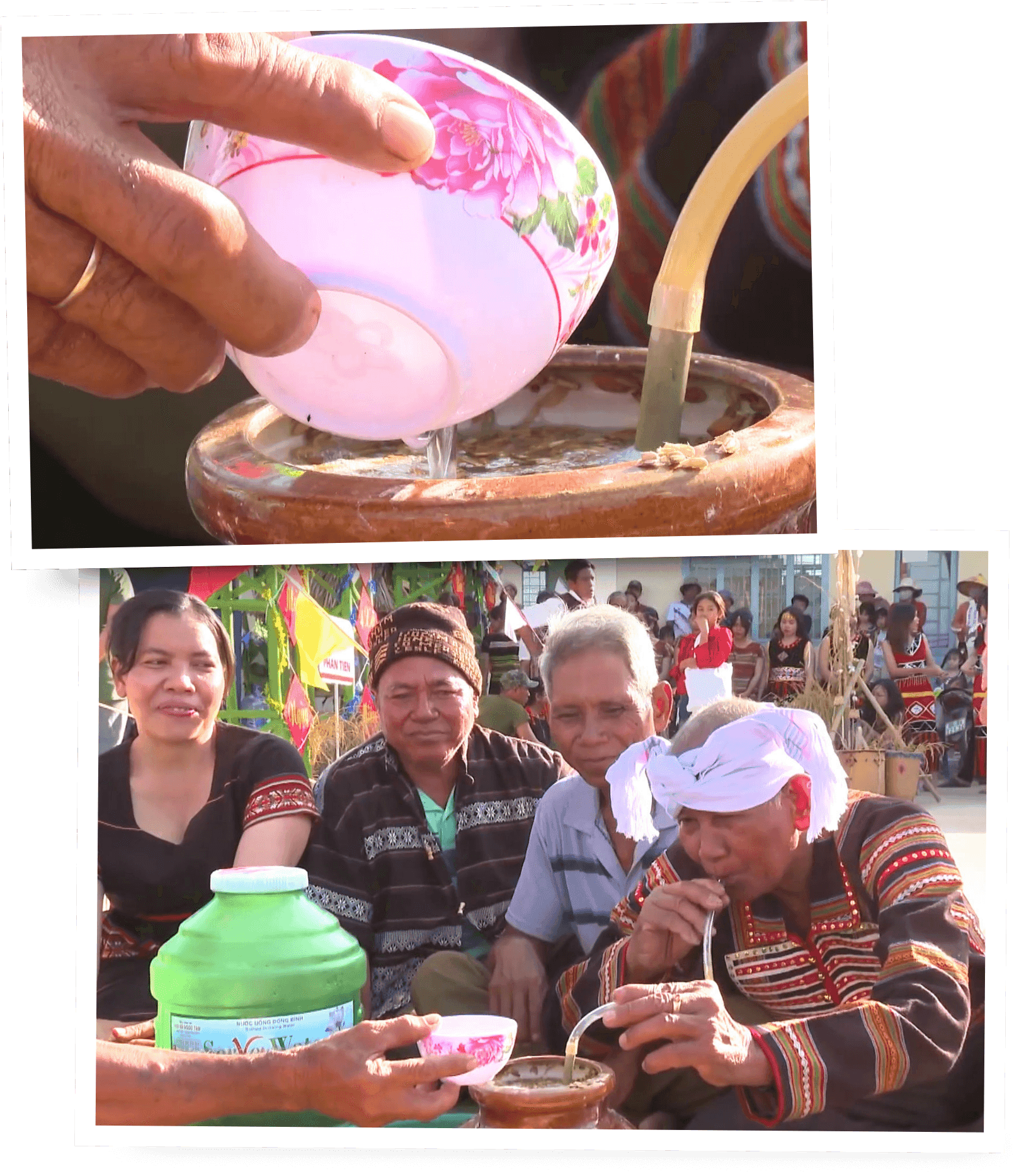
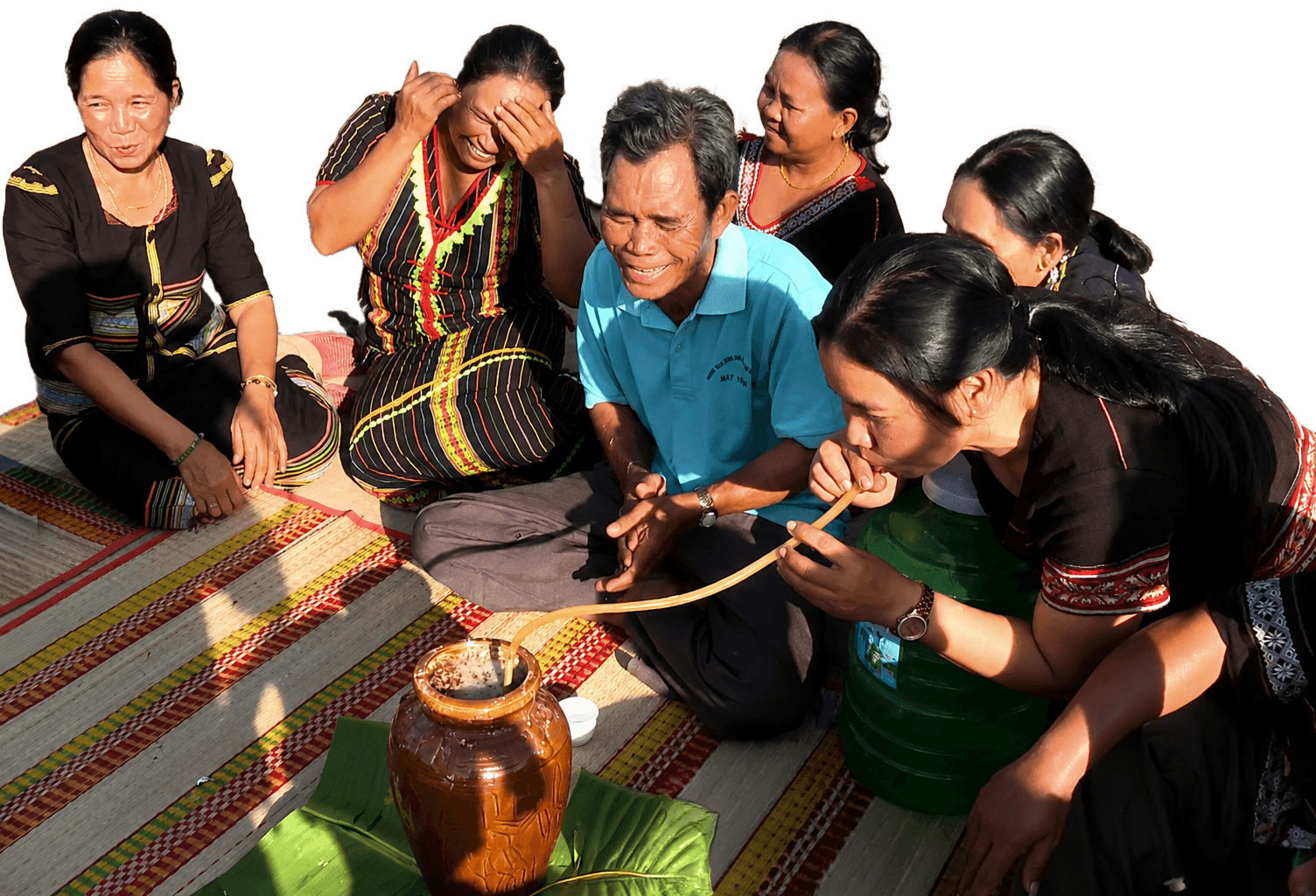
The wine has long been regarded as the soul of Raglai culture. Gathered around a shared wine jar, distinctions of age and social status disappear. Families and neighbors drink together, celebrate together and share hopes for abundant harvests, peaceful homes and a united community.
Every Tet Dau Lua (New Rice Festival) and ceremonial ritual of the Raglai community in Phan Son Commune is marked by the presence of fragrant jars of ruou can, an enduring symbol of hospitality, gratitude, and cultural tradition.
The aroma of ruou can from the great forest carries more than the fragrance of rice and traditional yeast—it also embodies the essence of the mountains and forests of Phan Son's highlands in Lam Dong Province.
There was once a time when nearly every household in Phan Son knew how to brew ruou can. As modern lifestyles evolved and commercial alcoholic beverages became increasingly common, however, the traditional craft gradually declined.
Ruou can has long accompanied the Raglai people in their traditional ceremonies, remaining an enduring symbol of their cultural and spiritual heritage.
Kitchens that once glowed year-round are now lit only during major festivals. Many young people no longer know how to prepare the herbal yeast or master the traditional fermentation process. Without dedicated custodians, the distinctive fragrance of the forest could one day survive only in memory.
The Raglai people in the highland commune of Phan Son believe that only with a jar of ruou can can their prayers be fully conveyed to the deities.
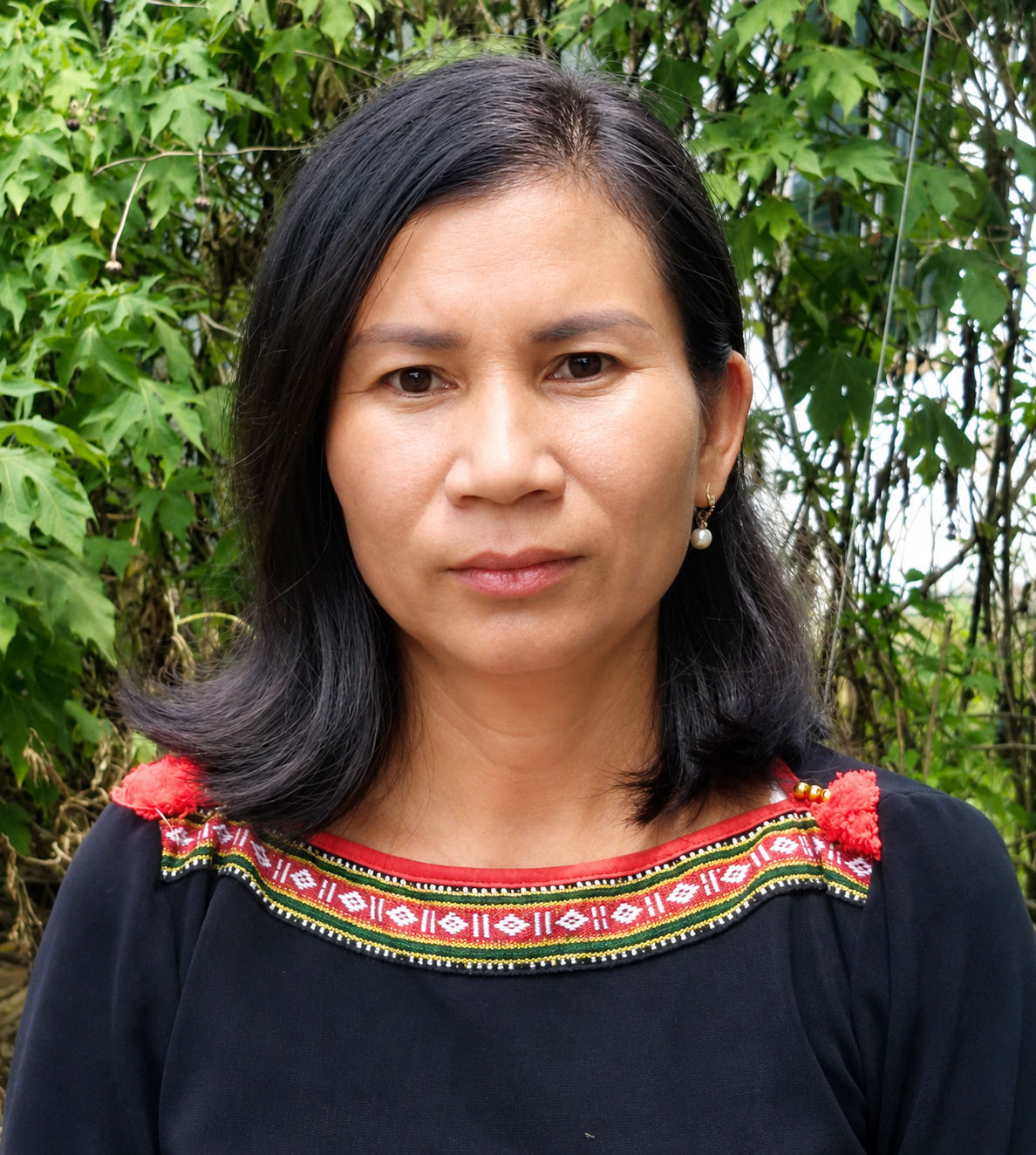
Inside her small home in Phan Son, Dao Thi Tuyn continues to care for every jar of rice wine as if preserving a treasured part of her own heritage. Having devoted more than half her life to the craft, she learned every step from her mother while still young. No written recipes existed—only knowledge passed down through experience, intuition and patience.
"Few people brew ruou can regularly these days," she said. "My family continues the tradition to serve local residents, while also selling our products to customers in Lam Dong and Dong Nai. Those who taste it often come back for more."
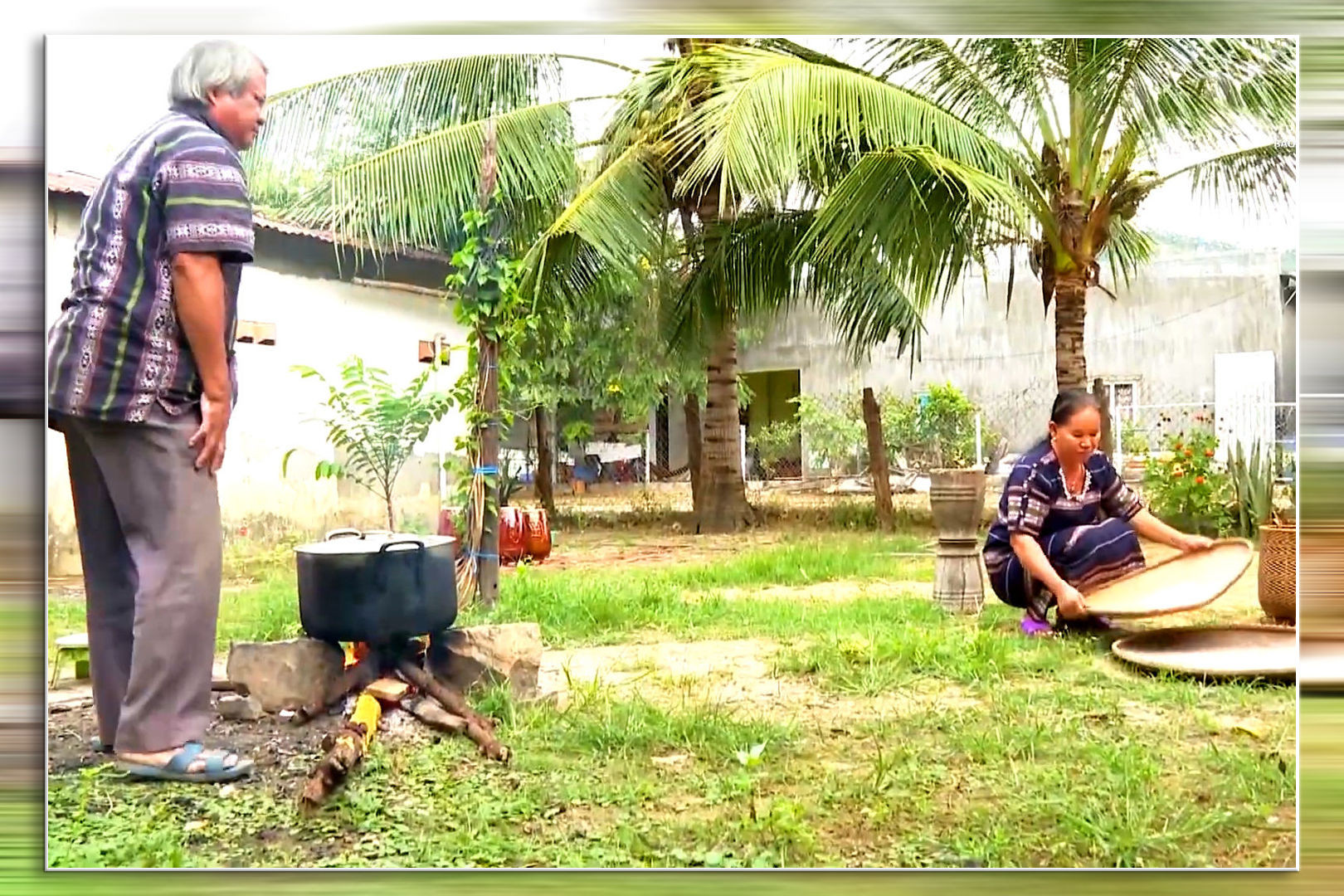
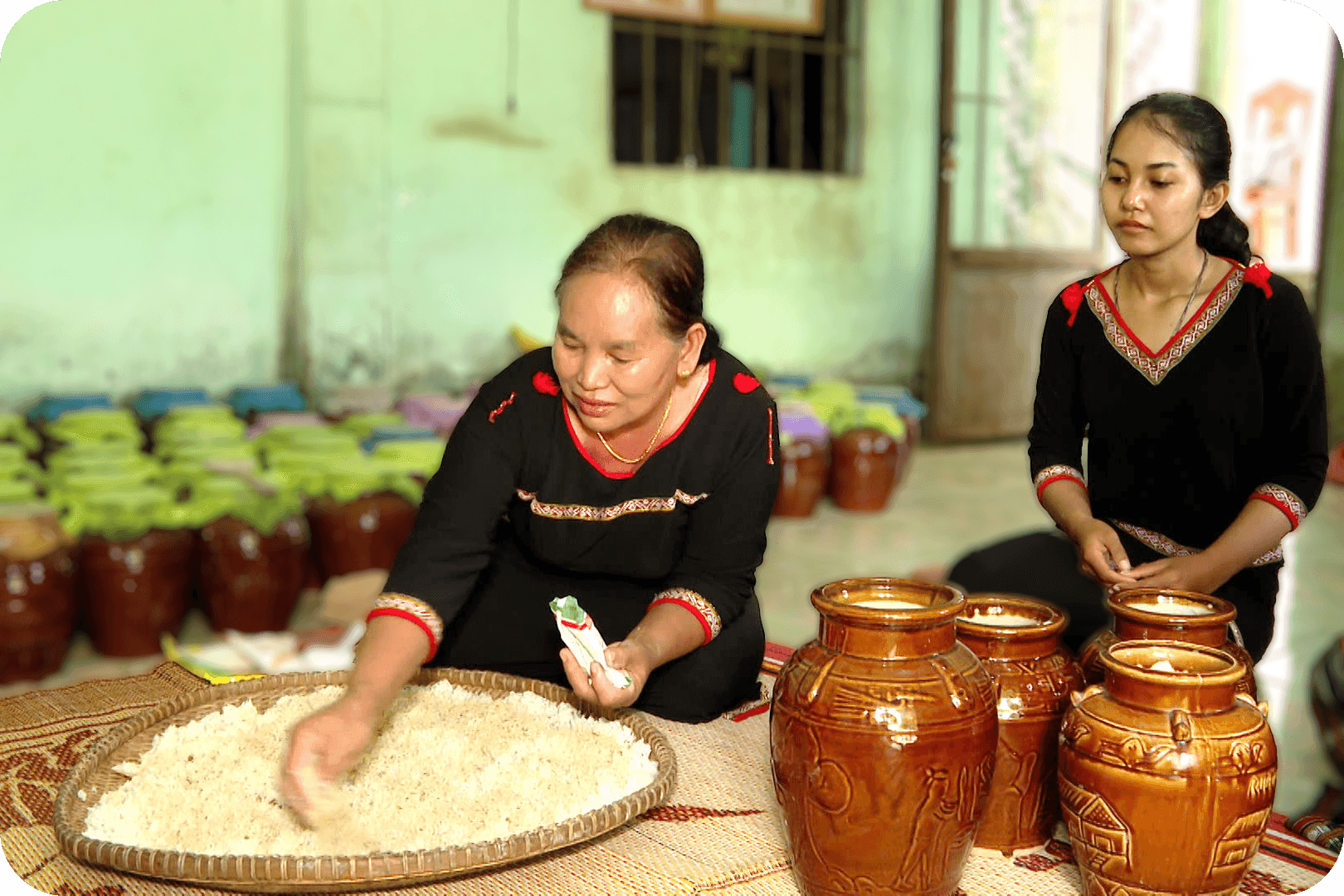
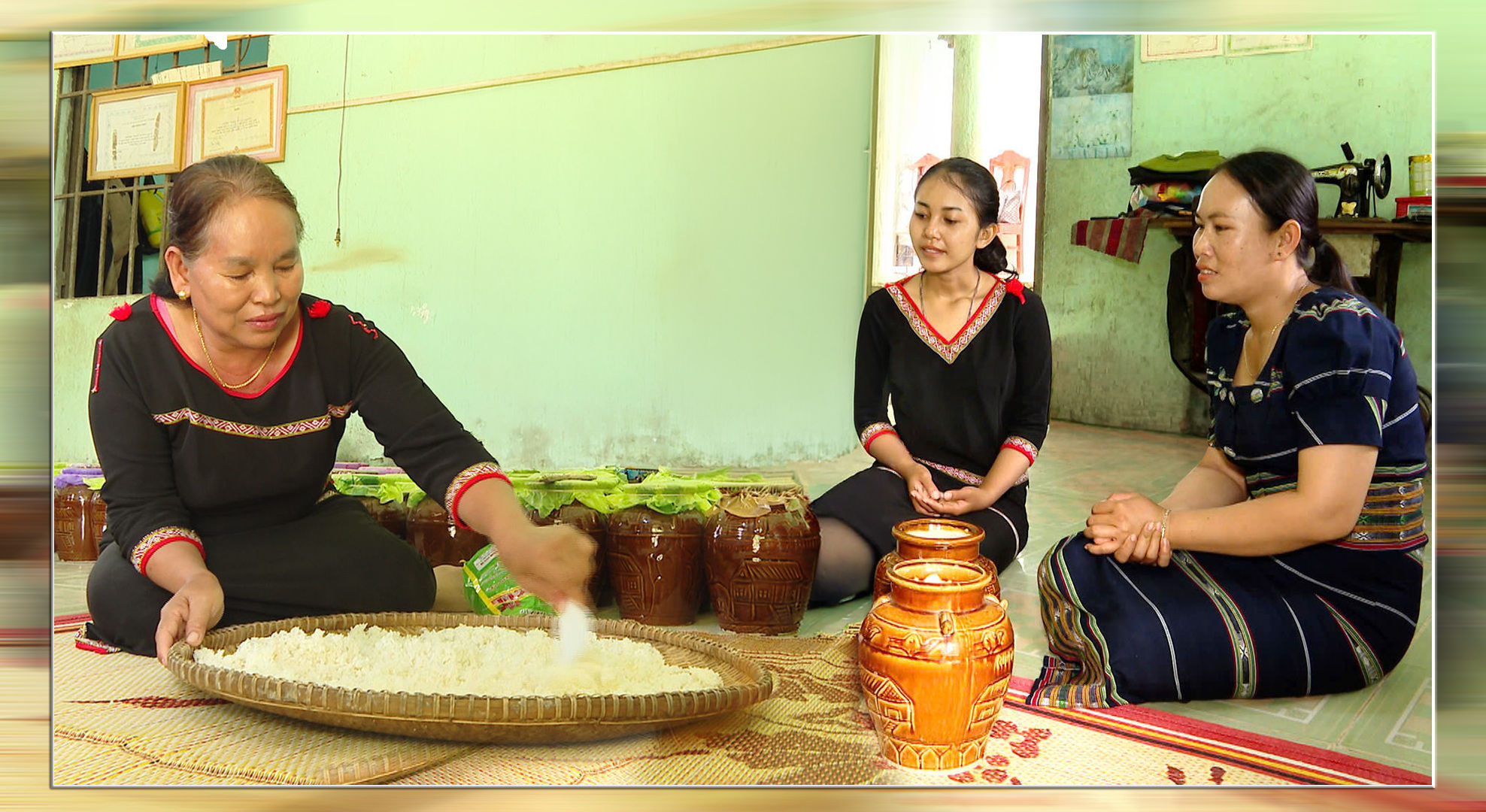
Once cooked, the rice is left to cool before being carefully mixed with finely ground traditional yeast made from wild forest leaves.
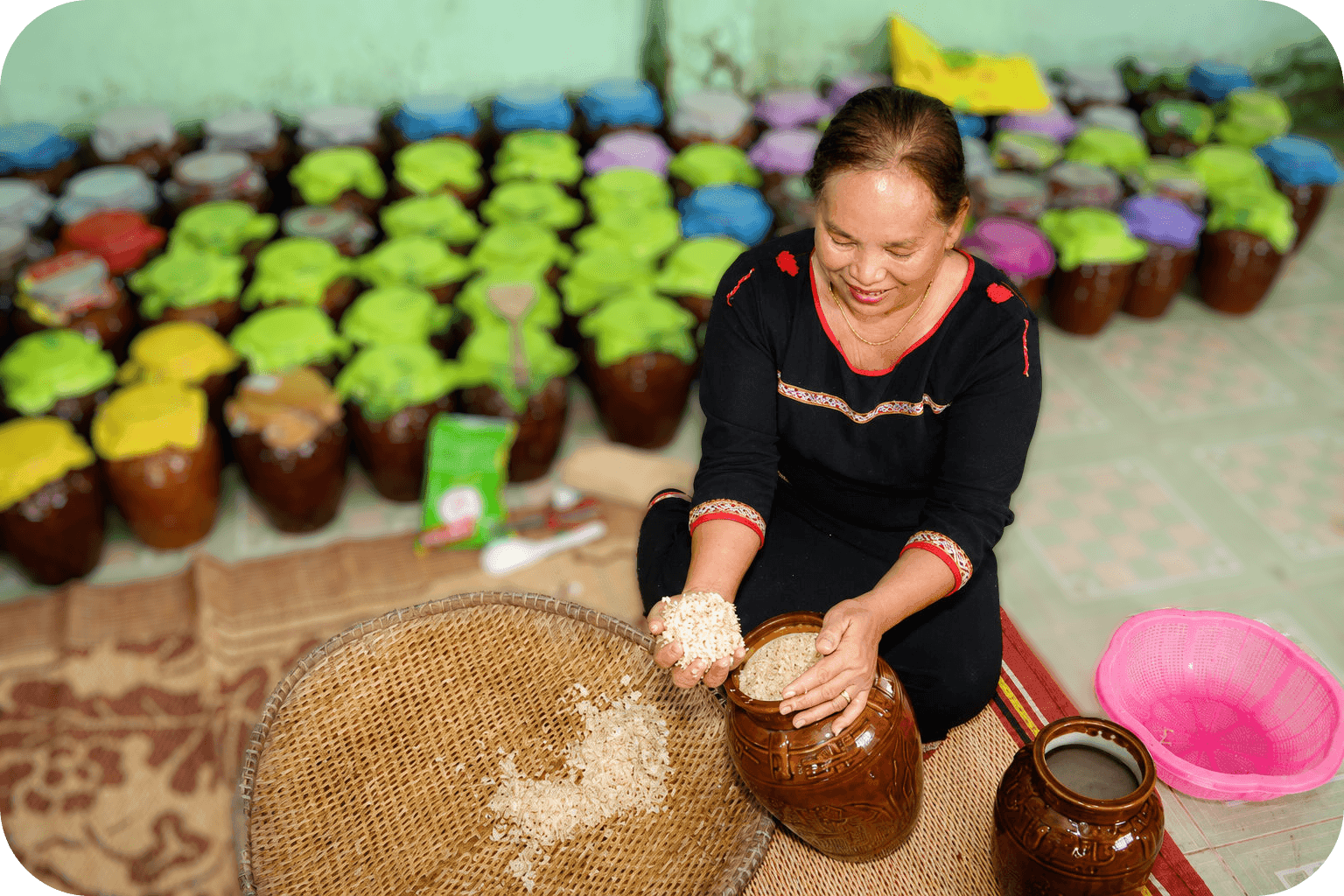
After thoroughly mixing all the ingredients, Dao Thi Tuyn of Phan Son Commune carefully packs the mixture into ceramic jars before the fermentation process begins.
According to Tuyn, the main ingredients are premium glutinous rice and traditional forest yeast. In the past, millet, maize, cassava and sweet potatoes were also used, together with locally gathered leaves and tree bark to produce the yeast. Today, better-quality sticky rice is preferred.
After cooking, the rice is cooled and mixed with finely ground herbal yeast before being placed into jars lined with clean rice husks and tightly sealed.
Yet the secret to producing exceptional wine lies in seemingly simple details.
"The jars must be thoroughly cleaned, sterilized with rice wine and dried in the sun for a long time. The better they are dried, the sweeter and more aromatic the wine becomes, without turning sour," she explained.
Dao Thi Tuyn, a longtime ruou can brewer in Phan Son Commune, is passing on the traditional technique of mixing cooked rice with finely ground forest-leaf yeast to the younger generation, helping preserve the Raglai community's cultural heritage.
After around two weeks of fermentation, the wine is ready to drink. Longer fermentation produces a richer flavor, fragrant with glutinous rice and the subtle bitterness characteristic of forest herbs—an unmistakable taste impossible to replicate through industrial production.
For Tuyn, preserving the craft alone is not enough; ensuring someone continues it is even more important.
"I always tell the women that this is part of our people's heritage and must never disappear. My mother taught me, and now I teach my children and grandchildren."
Her home has become an informal classroom where the traditional art of making ruou can is passed down from one generation to the next.
Once all the brewing stages are completed, the jars of ruou can are placed in a cool, well-ventilated area to ferment naturally.
Recognizing the risk of losing the tradition, the Women's Union of Phan Son Commune established a Ruou Can Craft Group, appointing Tuyn as its instructor.
Each month, participants gather at her home to learn every stage of production—from selecting rice and preparing herbal yeast to cleaning jars and managing fermentation.
What they gain, however, extends far beyond brewing techniques. They deepen their understanding of Raglai culture and strengthen their pride in their ancestral heritage.
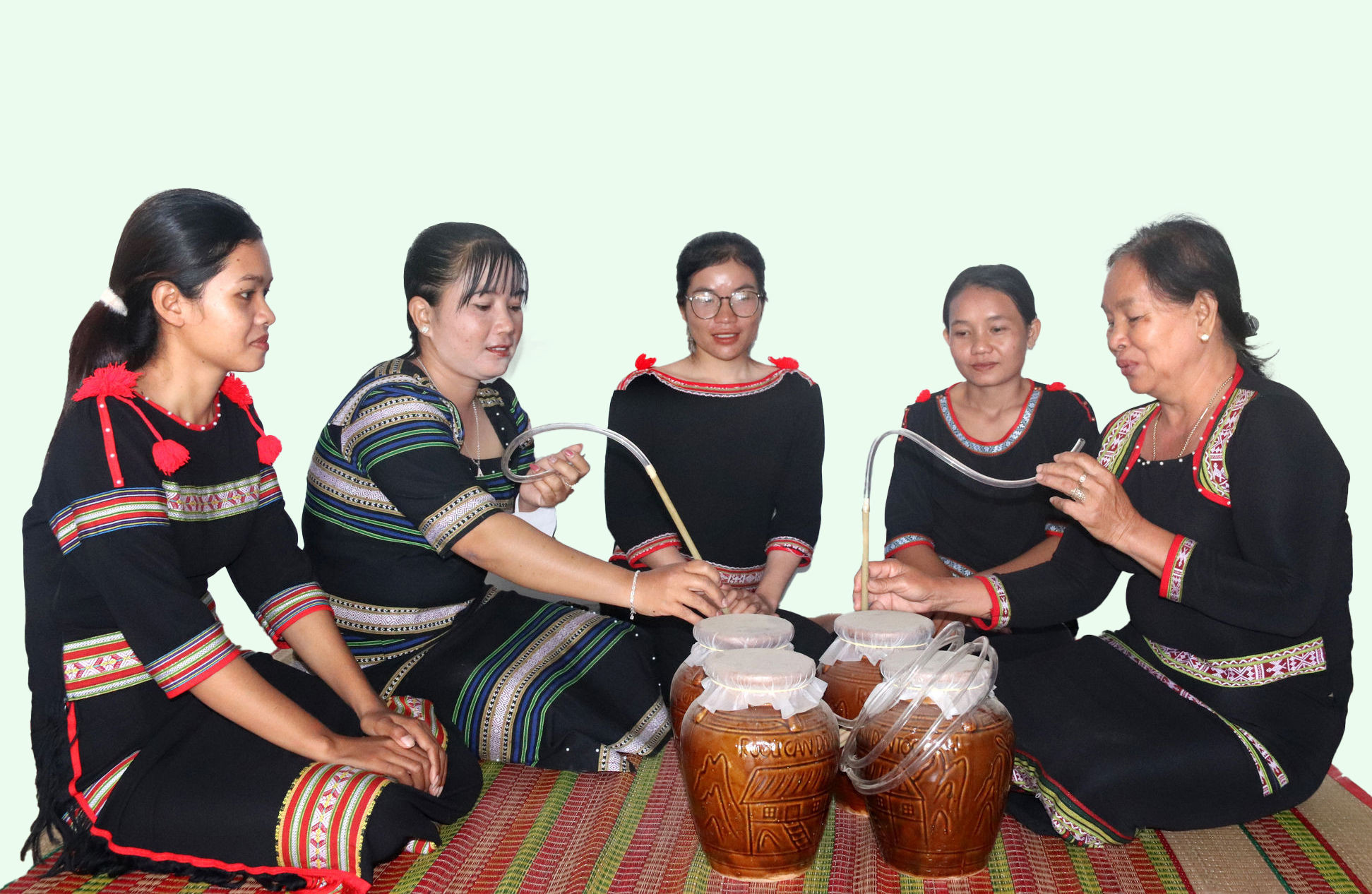
The class currently has eight participants, who are learning traditional techniques such as pounding rice and preparing rice for fermentation. Each trainee brings a unique story, a shared aspiration, and a deep sense of responsibility to preserve the cultural heritage of the Raglai people.
Dao Thi Ngoc Tha, Chairwoman of the Phan Son Women's Union, said the group continues to meet regularly.
"We are maintaining the training classes so that women can learn directly from Mrs. Tuyn and pass the craft on to future generations. At the same time, we are gradually expanding production and participating in start-up competitions to create new development opportunities for traditional ruou can."
“
The current training class has eight participants, each bringing a different story, aspiration and commitment to preserving their cultural heritage.
Dao Thi Ngoc Tha, Chairwoman of the Phan Son Women's Union
Dang Thi Thai Thuan, one of the trainees, shared:
"I truly enjoy attending these classes. Besides learning how to brew quality ruou can, I have gained a much deeper appreciation of Raglai culture. One day I hope to pass this knowledge on to my children so this beautiful tradition will never fade."
Every month, the trainees gather at the home of Dao Thi Tuyn in Phan Son Commune to learn each step of the traditional ruou can brewing process—from selecting rice and preparing the forest-leaf yeast to mixing the starter, cleaning the jars, and fermenting the wine.
Ruou can is much more than a culinary specialty. Every jar reflects the Raglai people's spiritual beliefs, agricultural traditions, customs, festivals and indigenous knowledge accumulated over generations.
When a jar of traditional rice wine disappears, what is lost is not merely a beverage, but an irreplaceable piece of collective memory.
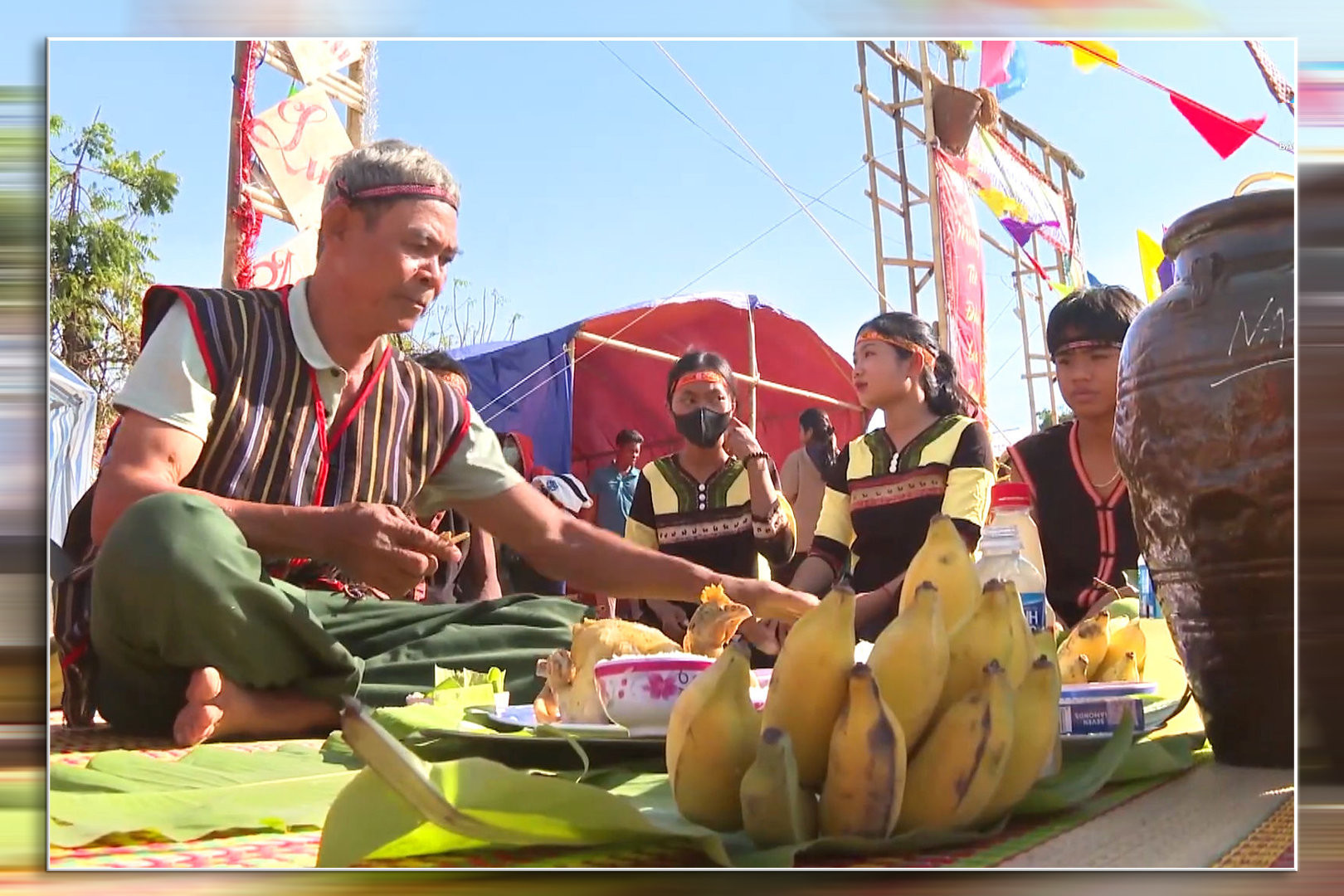
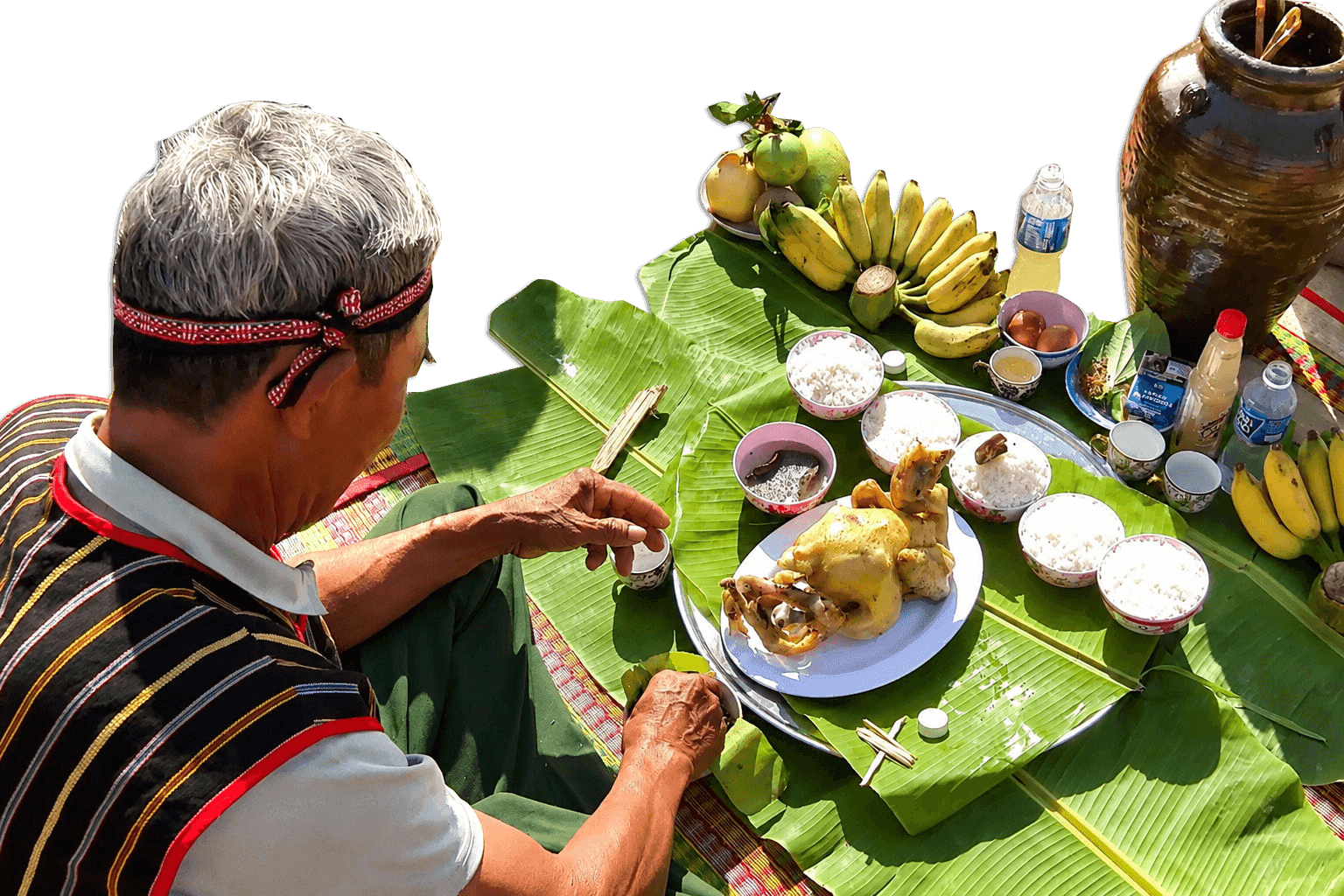
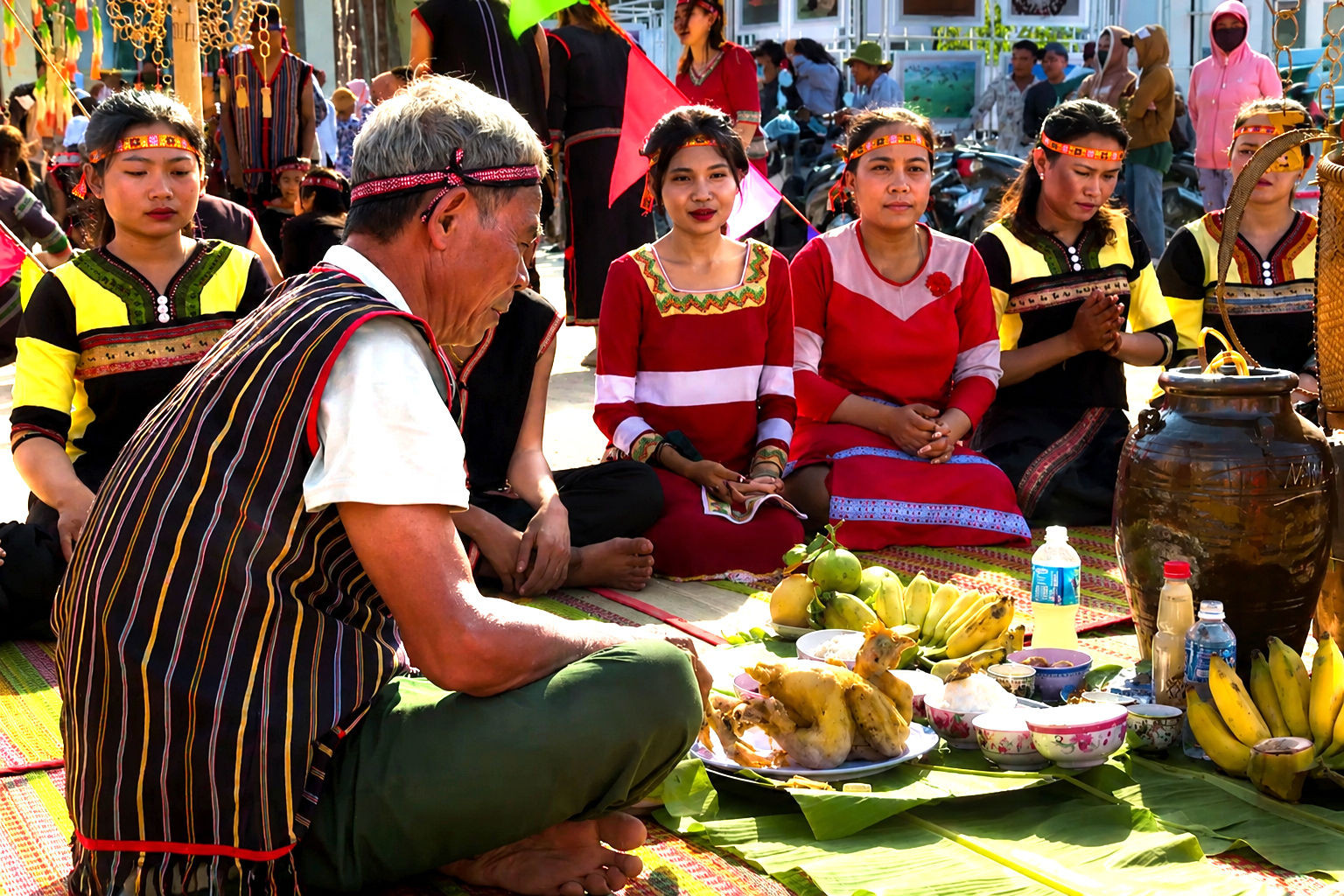
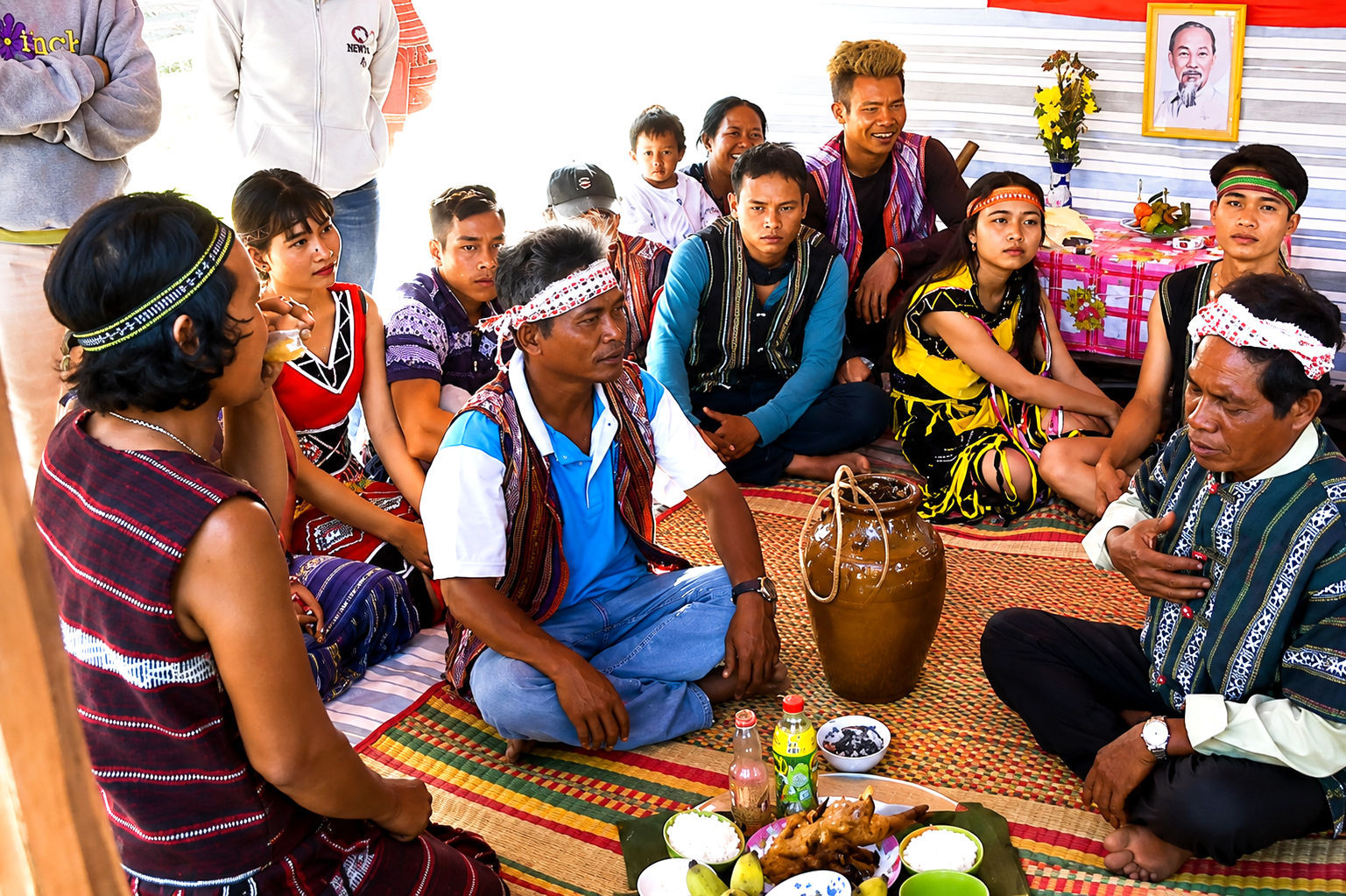
As the village elder performs the ritual to invite the deities—the Rice God, the Mountain God, and the River God—to join the traditional New Year celebration, Raglai women offer their own prayers for peace, prosperity, and well-being for their families and the entire community.
Preserving the craft therefore means safeguarding the cultural identity of the Raglai people.
Members of the ruou can brewing group in Phan Son Commune continue to care for each fermentation jar with dedication, preserving not only the wine itself but also cherished memories and the enduring cultural heritage of the Raglai people.
Nguyen Thuy Phu, Vice Chairwoman of the People's Committee of Phan Son Commune, said local authorities continue to prioritize the conservation of Raglai cultural heritage, including traditional rice wine making.
The commune is working closely with mass organizations to maintain training classes, encourage community-based tourism linked to traditional products and promote indigenous culture so that this heritage remains a living part of contemporary society.
“
Our locality places great importance on preserving the traditional cultural values of the Raglai people, including the craft of making ruou can.
Nguyen Thuy Phu, Vice Chairwoman of the People's Committee of Phan Son Commune
As evening falls over the mountains, smoke from kitchen fires mingles with the fragrance of newly fermented rice wine. Raglai women continue their careful work beside rows of earthenware jars.
Within each jar, grains of glutinous rice slowly ferment with forest herbs and time itself. More importantly, a priceless cultural legacy continues to be nurtured through love, perseverance and the quiet dedication of ordinary people.
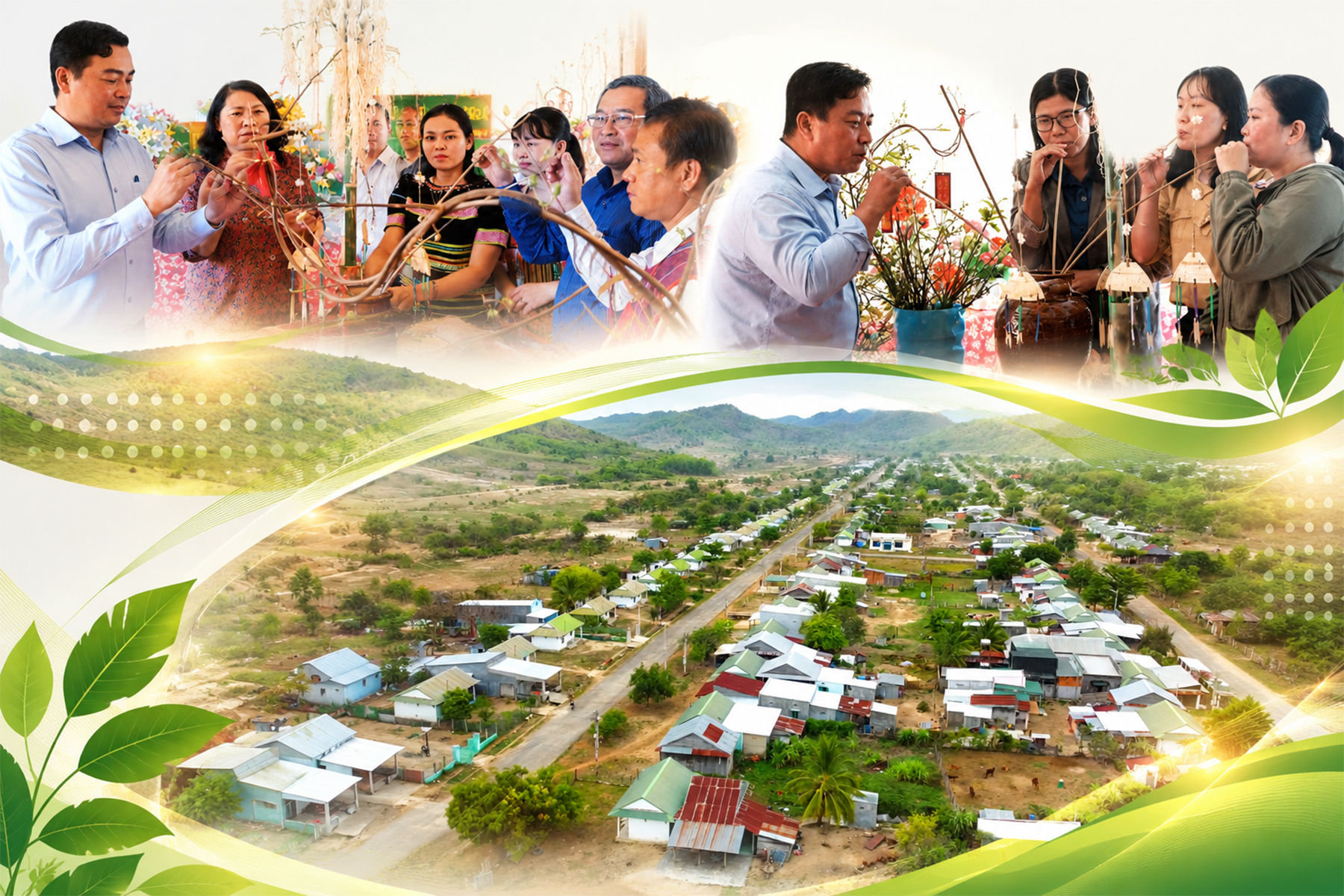
The village elder introduces ruou can to the younger generations as a treasured cultural tradition of the Raglai people, encouraging them to preserve and promote this enduring heritage for the future.The village elder, together with Raglai men and women, gathers around the ceremonial offering table and jars of ruou can during the Tet Dau Lua (New Rice Festival), celebrating one of the community's most important cultural traditions.
Many customs may eventually change with the rhythm of modern life. Yet as long as jars of ruou can continue to be opened during each New Rice Festival, the cultural identity of the Raglai people will endure. For within every sip lies not only the taste of rice and herbal yeast, but also the timeless spirit of the Truong Son Mountains—a heritage faithfully carried from one generation to the next.
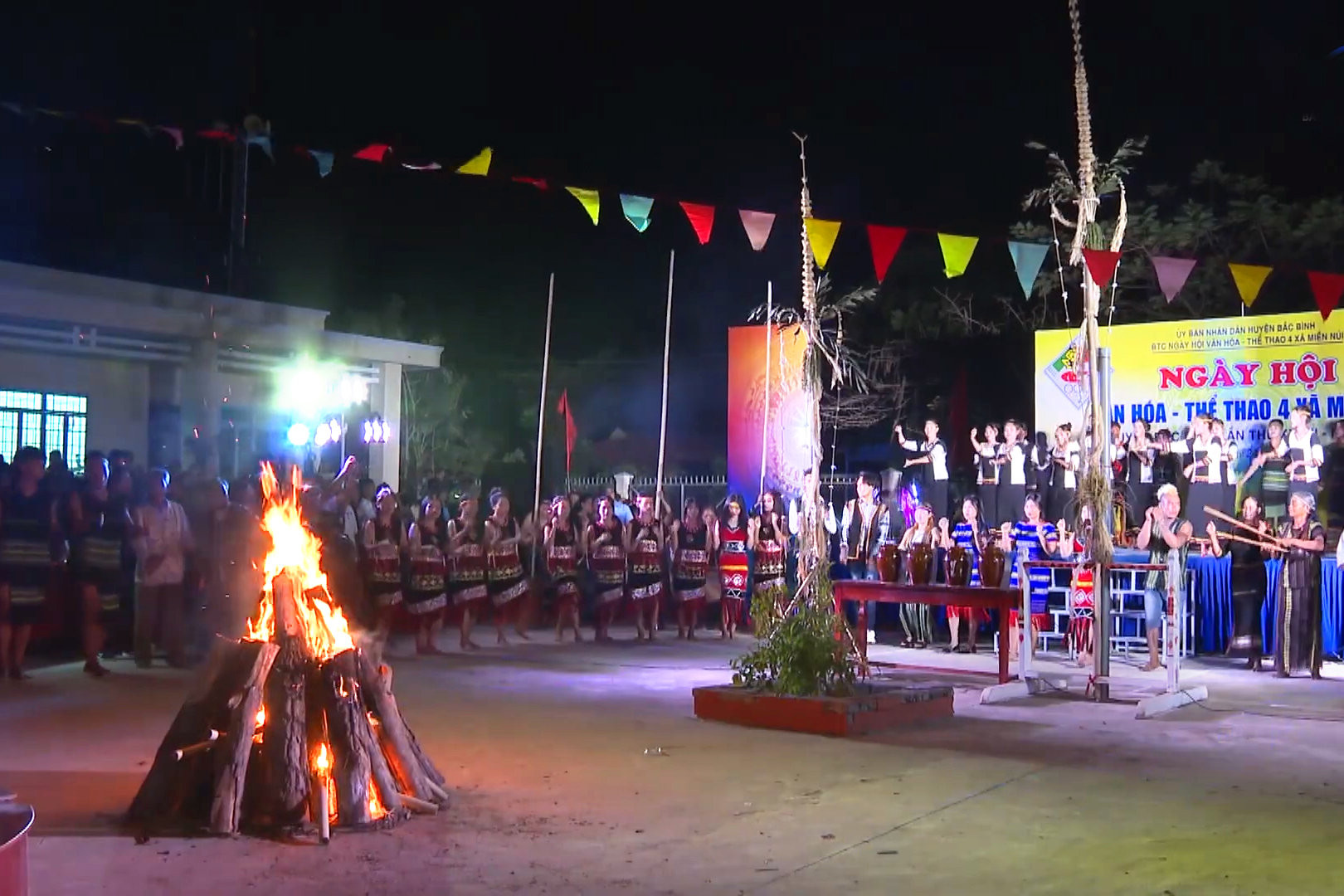
At every festival, ruou can is ceremonially shared to open the celebration, accompanied by the rhythmic sound of gongs and the graceful dances of Raglai men and women.Before the sacred festival fire, ruou can is ceremonially presented to open the cultural celebration, as the rhythmic echoes of gongs blend with the graceful dances of Raglai men and women, creating a vibrant expression of the community's living heritage.



.jpg)