

Empowering Local Governments to Drive Sustainable Regional Development
Although Lam Dong Province has officially announced adjustments to its 2021–2030 Provincial Master Plan with a vision to 2050, many localities are still working to translate planning priorities into practical development strategies. As the province enters a new phase of development, long-term planning will only deliver results when combined with effective implementation by grassroots authorities.
.jpg)
A Clear Development Vision
The adjusted Provincial Master Plan introduces a new approach to organizing Lam Dong’s development space, positioning the province as a large-scale regional growth hub with stronger interregional connectivity.
Under the revised plan, Lam Dong will develop according to a "highlands–midlands–coastal" spatial model, creating closer linkages between the coast, the Central Highlands and border areas while maximizing the ecological characteristics and comparative advantages of each region.
Accordingly, the province will expand its development space toward the sea by making efficient use of coastal land resources, developing coastal urban areas and studying land reclamation projects where conditions are suitable.
The Central Highlands will continue serving as the province's hub for high-value agriculture, focusing on high-tech farming, eco-tourism, renewable energy and mineral processing industries.
.jpg)
Meanwhile, the midlands will function as a transitional zone supporting processing industries, energy development and logistics, strengthening production links with markets and regional economic corridors.
The coastal area is expected to become a new growth engine, prioritizing the development of the marine economy, resort tourism, coastal industries, renewable energy and modern coastal urban systems.
These orientations demonstrate that the revised provincial master plan goes beyond adding projects or adjusting development targets. More importantly, it establishes a new development framework designed to unlock local advantages while promoting balanced and integrated growth across the province.
Assessing this development vision, Prof. Dr. Hoang Anh Son, Director of the Academy of Science and Technology, noted that Lam Dong possesses a rare combination of development advantages stretching from the Central Highlands to the coastline.
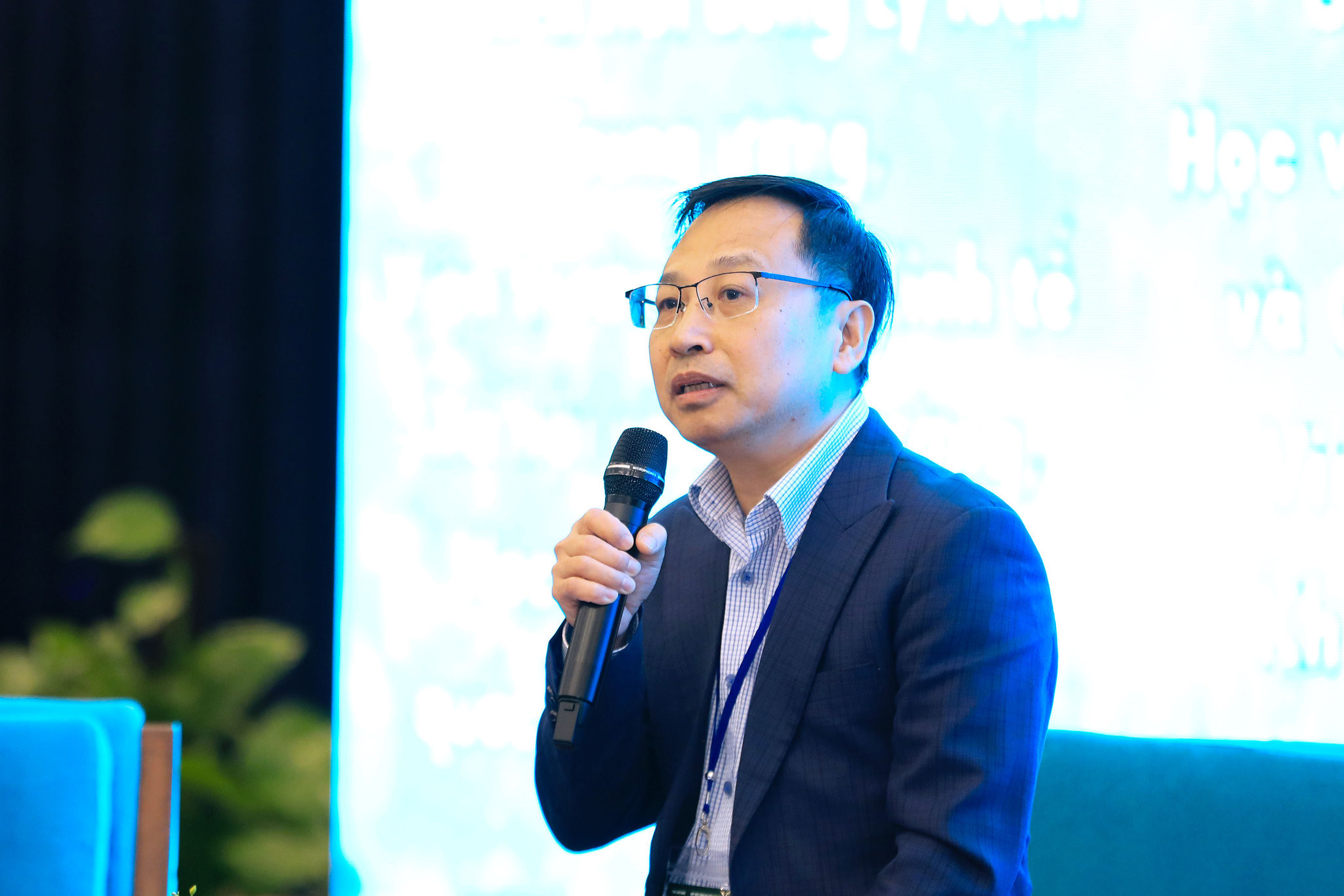
A planning strategy that promotes balanced development across different regions will provide a solid foundation for Lam Dong to strengthen regional connectivity and make better use of its existing advantages and development potential.
Prof. Dr. Hoang Anh Son
Director, Academy of Science and Technology
According to Prof. Dr. Hoang Anh Son, the revised Lam Dong Provincial Master Plan has been developed with a comprehensive and well-structured vision. However, its true value will only be realized when the provincial planning framework is translated into concrete development decisions and practical actions by each local government.
Grassroots Governments Hold the Key
While the revised provincial master plan provides a strategic roadmap, its success will ultimately depend on the leadership and implementation capacity of local governments.
Following the introduction of the two-tier local government model, commune- and ward-level administrations now perform not only administrative functions but also serve as key drivers of local development.
This means every commune and ward must proactively translate provincial planning orientations into its own socio-economic development plans and identify priority investment projects that reflect local realities and comparative strengths.
.jpg)
After announcing the revised provincial plan, Ho Van Muoi, Member of the Party Central Committee, Deputy Secretary of the Lam Dong Provincial Party Committee and Chairman of the Provincial People's Committee, emphasized that local authorities bear significant responsibility for attracting investment.
According to Chairman Ho Van Muoi, no one understands local resources and competitive advantages better than grassroots governments themselves.
He called on every locality to identify its development potential and fully leverage its strengths to transform planning into concrete outcomes. Each commune and ward should also complete its master planning to avoid overlapping plans and improve implementation efficiency.
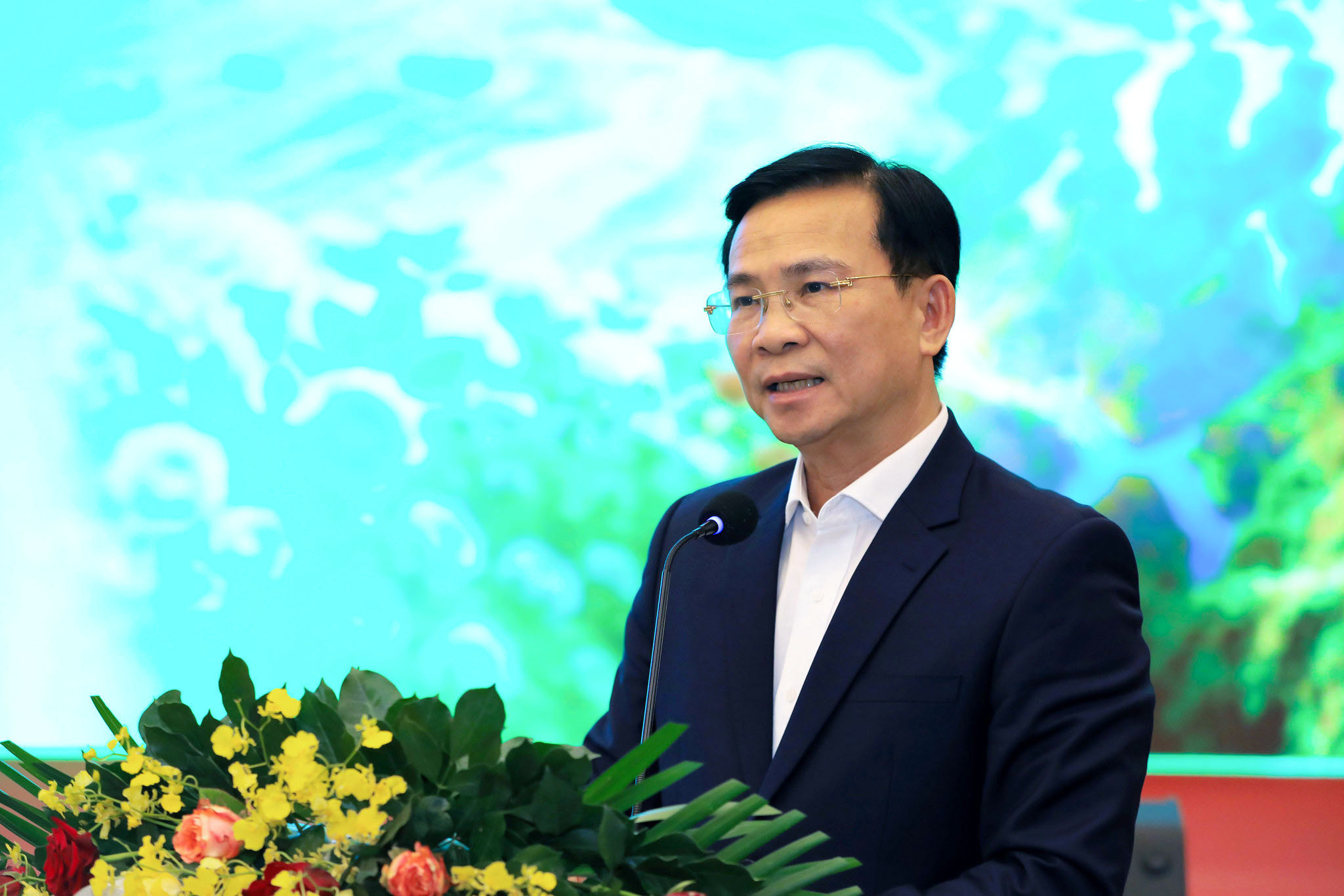
Each locality must accurately identify its comparative advantages and build an appropriate development strategy. Local leaders need to be proactive, innovative, willing to take responsibility and determined to turn planning into reality.
Chairman of the Provincial People's Committee Ho Van Muoi.
Commenting on the role of local governments, Prof. Dr. Nguyen Dinh Tho, Deputy Director of the Institute of Strategy and Policy for Agriculture and Environment under the Ministry of Agriculture and Environment, stressed that commune- and ward-level authorities must thoroughly study the revised provincial master plan.
"Each locality should pay particular attention to the planning contents directly related to its area. Urban and rural planning must closely follow provincial orientations to ensure consistency and effective implementation," he said.
At the scientific conference "Lam Dong Development Model: Potential and Breakthrough", held in late May 2026, experts agreed that localities should not simply comply with the provincial master plan but also identify their own unique strengths and development identity.
.jpg)
Unlike in the past, when many localities pursued similar development models, each commune and ward is now expected to define its own comparative advantages and strategic role within the province's broader development framework. When every locality fully utilizes its strengths, they can form a complementary development network that creates greater collective competitiveness.
Experts also noted that implementing the revised provincial master plan requires stronger capacity among grassroots officials. Beyond administrative management, local governments must be capable of identifying development opportunities, organizing economic space and mobilizing resources effectively.
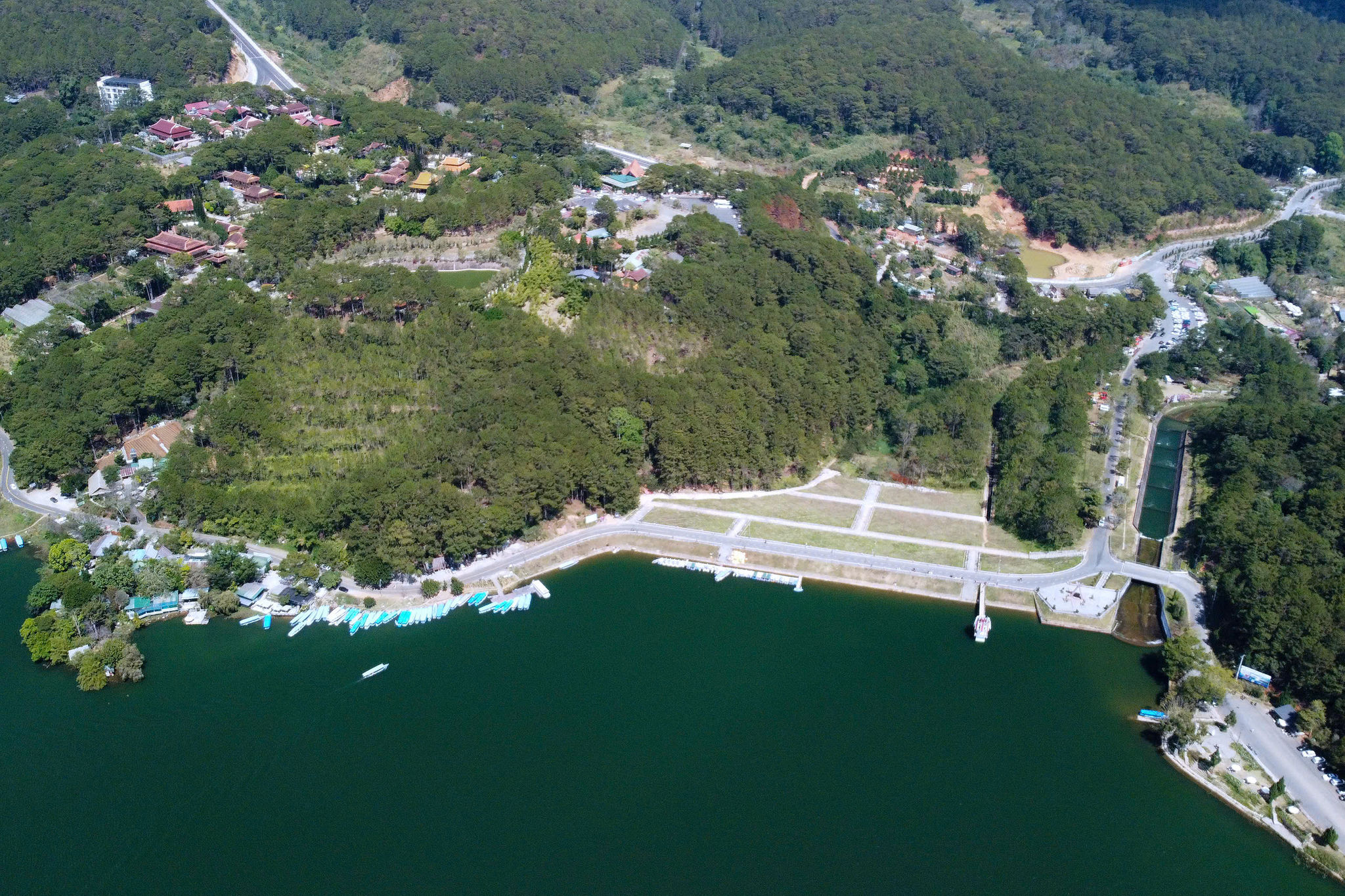
The revised provincial master plan is opening up new opportunities for Lam Dong through an expanded development vision. However, transforming that vision into reality will ultimately depend on political commitment and the implementation capacity of grassroots governments.
Its success will be measured not only by completed infrastructure projects, specialized production zones and distinctive tourism destinations, but also by tangible improvements in the quality of life of people across the province.