

Promoting the Multifunctional Value of Lam Dong’s Forests
Through surveys of the multifunctional potential of Lam Dong’s forests, scientists, forest owners, businesses and cooperatives are developing green livelihood models based on multipurpose trees, ecotourism, medicinal plants, non-timber forest products and the carbon credit market.
Opening new pathways for a green forestry economy
In B’Nor Village, Ta Dung Commune, information technology engineer Le Minh Ca Na is leading a 55-hectare bamboo production and value chain project aimed at increasing forest cover while creating green livelihoods and opening up opportunities for medicinal plants and forest-based tourism.
Of the total area, 40 hectares are located on elevated terrain near National Highway 28, just a few kilometers from Ta Dung National Park. The bamboo forest is now 10 years old and has entered the harvesting and processing stage, generating annual revenues of billions of Vietnamese dong.
In addition to fresh and dried bamboo shoots, the value chain connects with businesses that purchase bamboo trunks and branches to produce handicrafts for export, as well as materials for greenhouses, net houses and crop-support structures. More recently, the group has begun working with a business in Thanh Hoa Province to supply large volumes of bamboo for export-oriented panel production.
“During our information technology internship in Taiwan, our group of students was introduced to a four-season bamboo variety with multiple uses. We brought it to B’Nor Village, Ta Dung Commune, where we began trial cultivation and successfully expanded the plantation to 40 hectares over the past 10 years,” Le Minh Ca Na said.
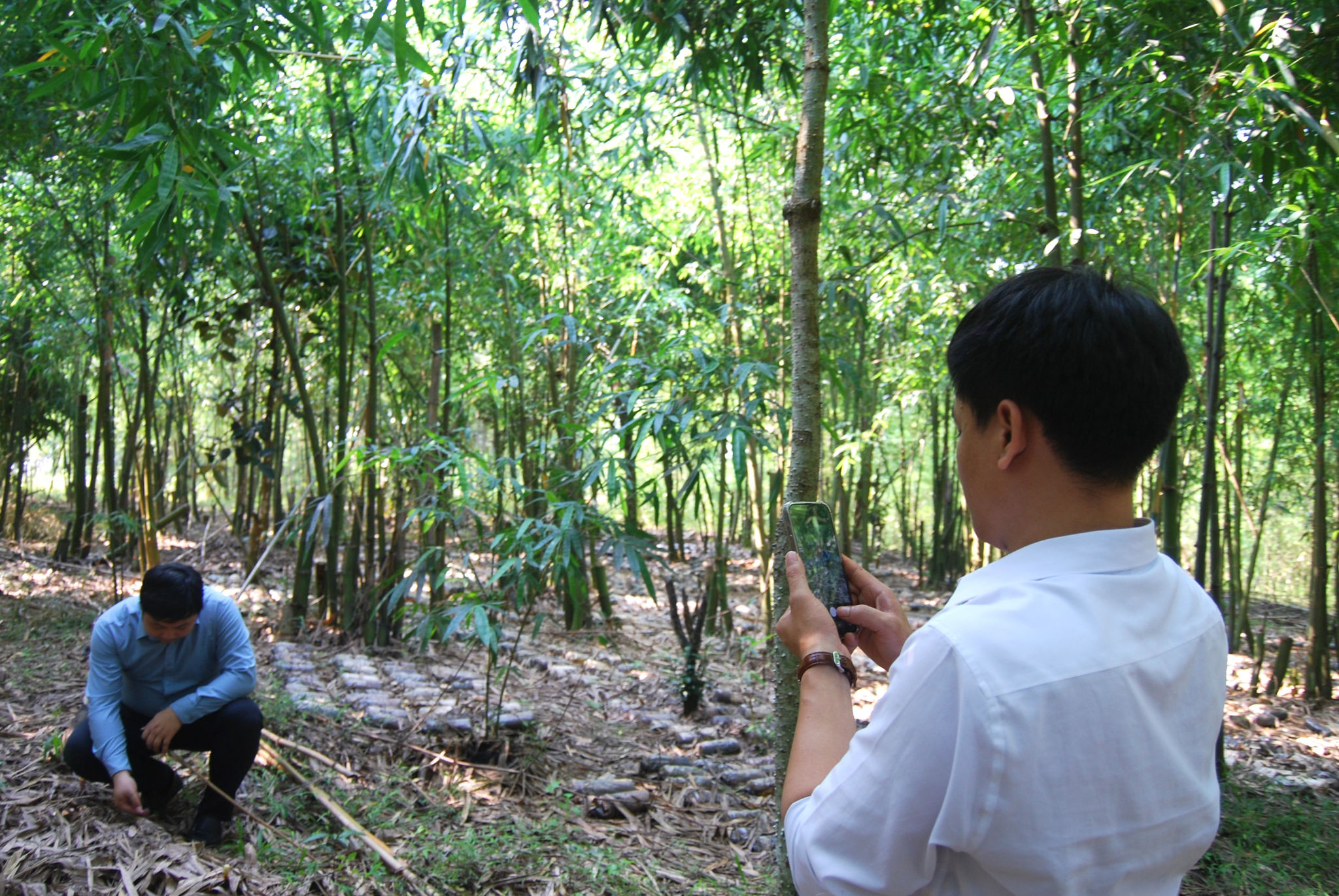
“In recent years, through the Ta Dung Commune Farmers’ Association, the value chain has brought another 15 hectares of household farmland into the model. Lingzhi mushrooms are now being cultivated beneath the bamboo canopy with promising results. We are also developing plans for forest-based tourism in the coming period,” he added.
A similar approach combining tourism with medicinal plant cultivation beneath the forest canopy has been proposed by the Provincial Border Belt Protection Forest Management Board, which is seeking investment in approximately 2,500 hectares of forestland in Thuan An, Dak Wil and Quang Truc communes.
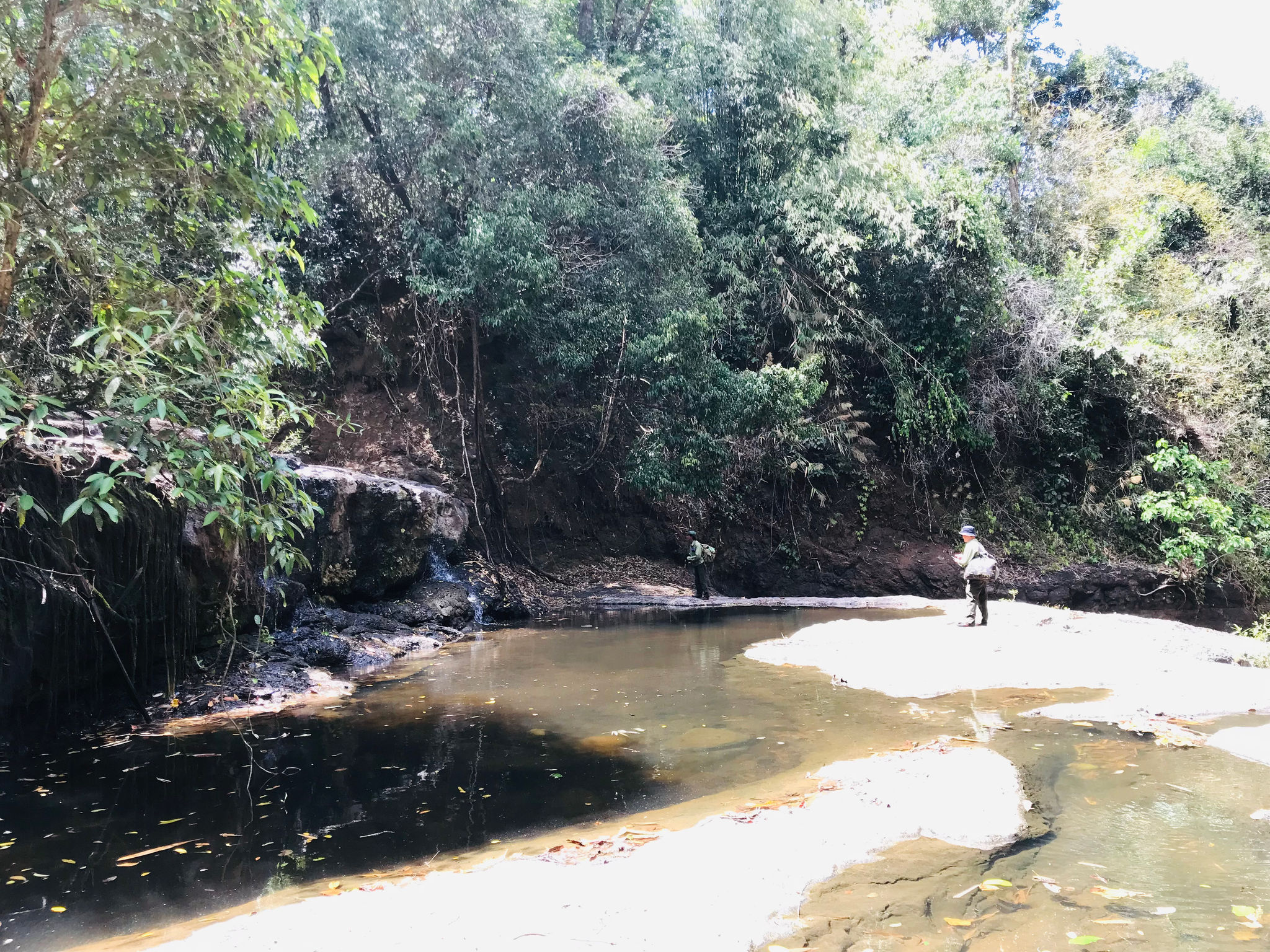
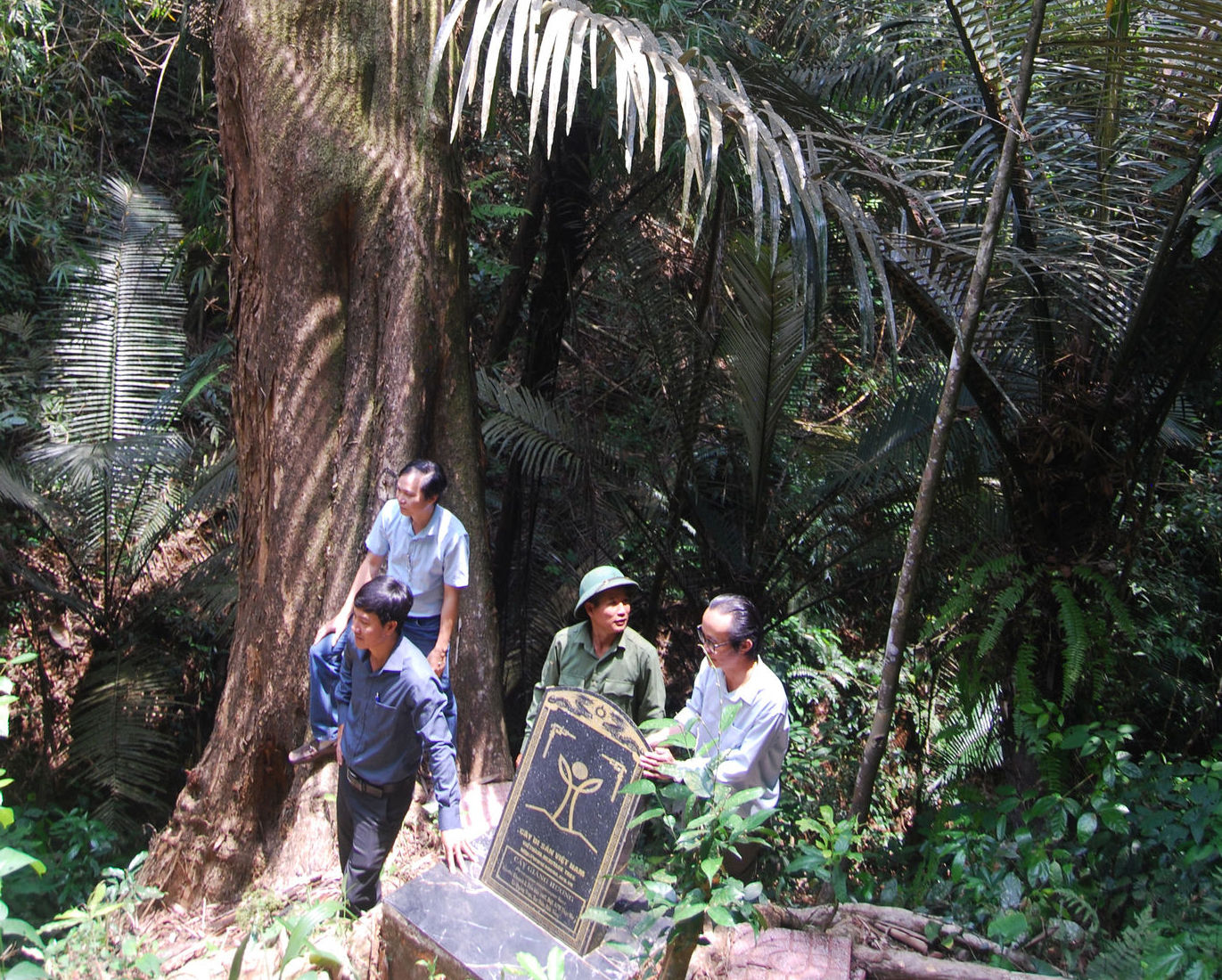
The area contains dozens of waterfalls surrounded by multilayered native vegetation. It is also home to a centuries-old heritage rosewood tree, standing more than 30 meters tall with a trunk diameter of up to 6 meters, making the area suitable for scientific research, sightseeing and experiential tourism.
Creating stronger incentives to stay connected with forests
The proposed 2,500-hectare investment area of the provincial border belt protection forest stretches along major paved roads and features pristine forests, fresh air and forestland suitable for developing tourism and native medicinal plants beneath the canopy.
The model is designed to preserve the existing forest while making responsible use of its landscape, biodiversity and natural ecosystem values.
Forestry engineer Nguyen Dung of the Provincial Border Belt Protection Forest Management Board said green tourism combined with medicinal plant cultivation is expected to create a sustainable forestry value chain.
“Visitors will not only experience natural landscapes and explore forest ecosystems, but also have opportunities to learn about the conservation, propagation and development of medicinal plant species, thereby raising awareness of the importance of protecting natural resources,” Nguyen Dung said.
According to the Scientific Council of the Vietnam Sericulture and Ecotourism Cooperative Union, Lam Dong has more than 1.1 million hectares of forest, most of which is natural forest.
During 2026–2035, green livelihood models beneath forest canopies will continue to explore the cultivation of bamboo, native and multipurpose tree species to increase forest cover on currently unforested land. The models are expected to create jobs, raise incomes and strengthen local communities’ incentives to remain connected with and protect forests for future generations.
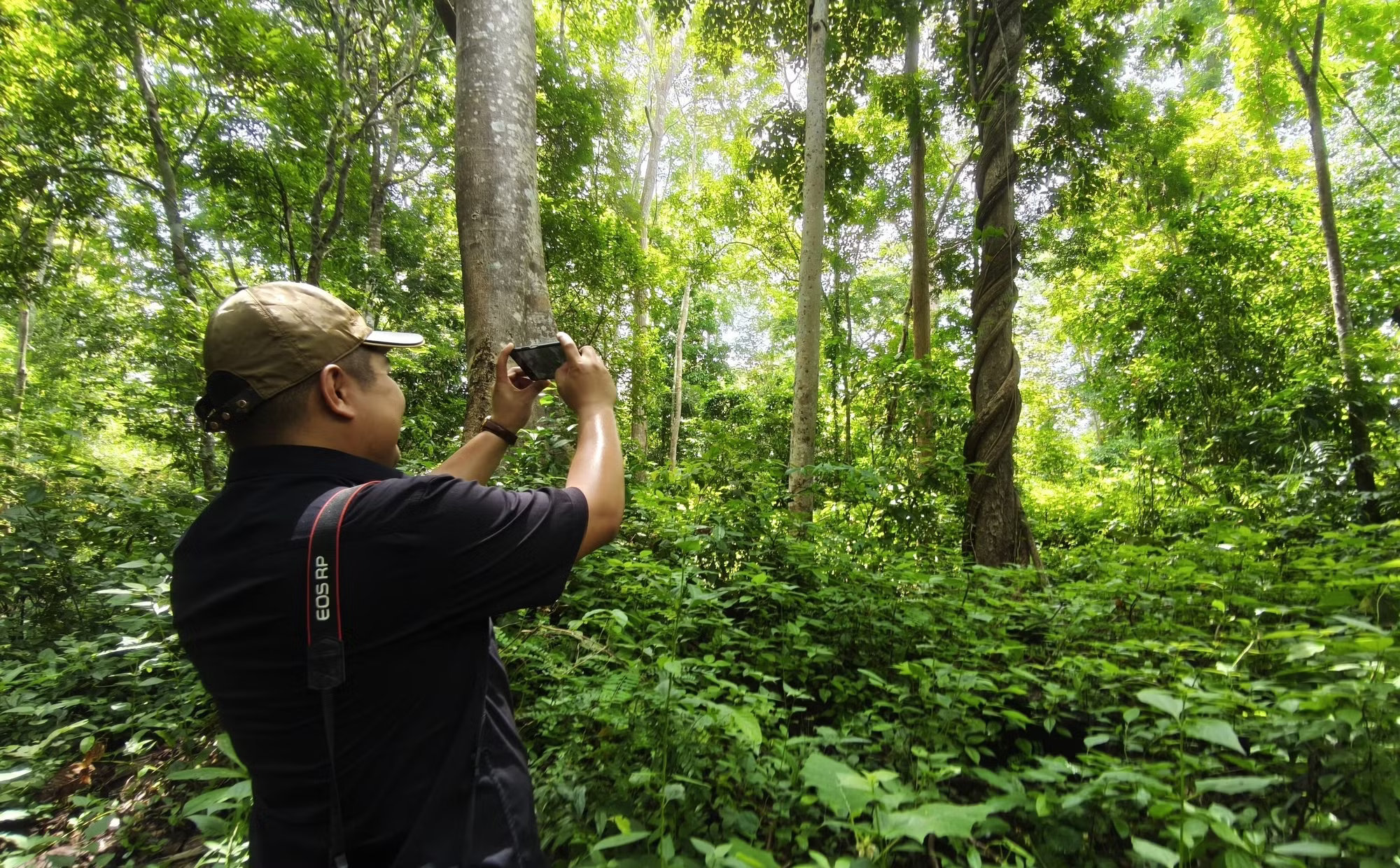
As an immediate priority, authorities are reviewing legal records, current forest conditions and boundary data, including sub-compartments, zones, plots, codes, point data and polygon data. This information will provide a standardized foundation for forest resource management, digital transformation and the development of future green-economy models.
The approach aims to generate greater economic value from forests while maintaining their ecological functions.
Phan Nguyen Hoang Tan, Director of the Department of Agriculture and Environment, said the province is restructuring its forestry sector toward a multifunctional and sustainable model.
“The province will shift its focus from conventional forest management and protection toward creating comprehensive value from forests; accelerate digital transformation; increase the value of forest products through science and technology; restore forest resources and support community livelihoods; effectively develop forest environmental services and the carbon credit market; improve forest productivity and quality; and encourage and support the development of large-timber plantations, native forests and FSC-certified forests,” he said.
The development of green tourism combined with medicinal plant cultivation is expected to create a sustainable forestry value chain, allowing local communities to benefit economically while contributing to forest conservation.
For Lam Dong, the approach marks a shift from viewing forests primarily as resources to be protected toward recognizing them as multifunctional ecosystems capable of generating economic, environmental and social value.
The combination of ecotourism, medicinal plants, non-timber forest products, sustainable timber production and carbon services could provide new sources of income while strengthening long-term incentives for communities and businesses to protect the province’s forests.
Green tourism combined with medicinal plant cultivation is expected to create a sustainable forestry value chain. Visitors will not only experience natural landscapes and explore forest ecosystems, but also have opportunities to learn about the conservation, propagation and development of medicinal plant species, thereby raising awareness of the importance of protecting natural resources.
Nguyen Dung, Forestry Engineer, Provincial Border Belt Protection Forest Management Board