

Enhancing the Value of Key Fruit Crops
To enhance the value of its key fruit crops and meet increasingly demanding market requirements, the provincial agricultural sector is continuing to develop concentrated production areas with consistent quality, traceability and reliable output, while building stable market linkages to strengthen competitiveness.
Increasing Production Value
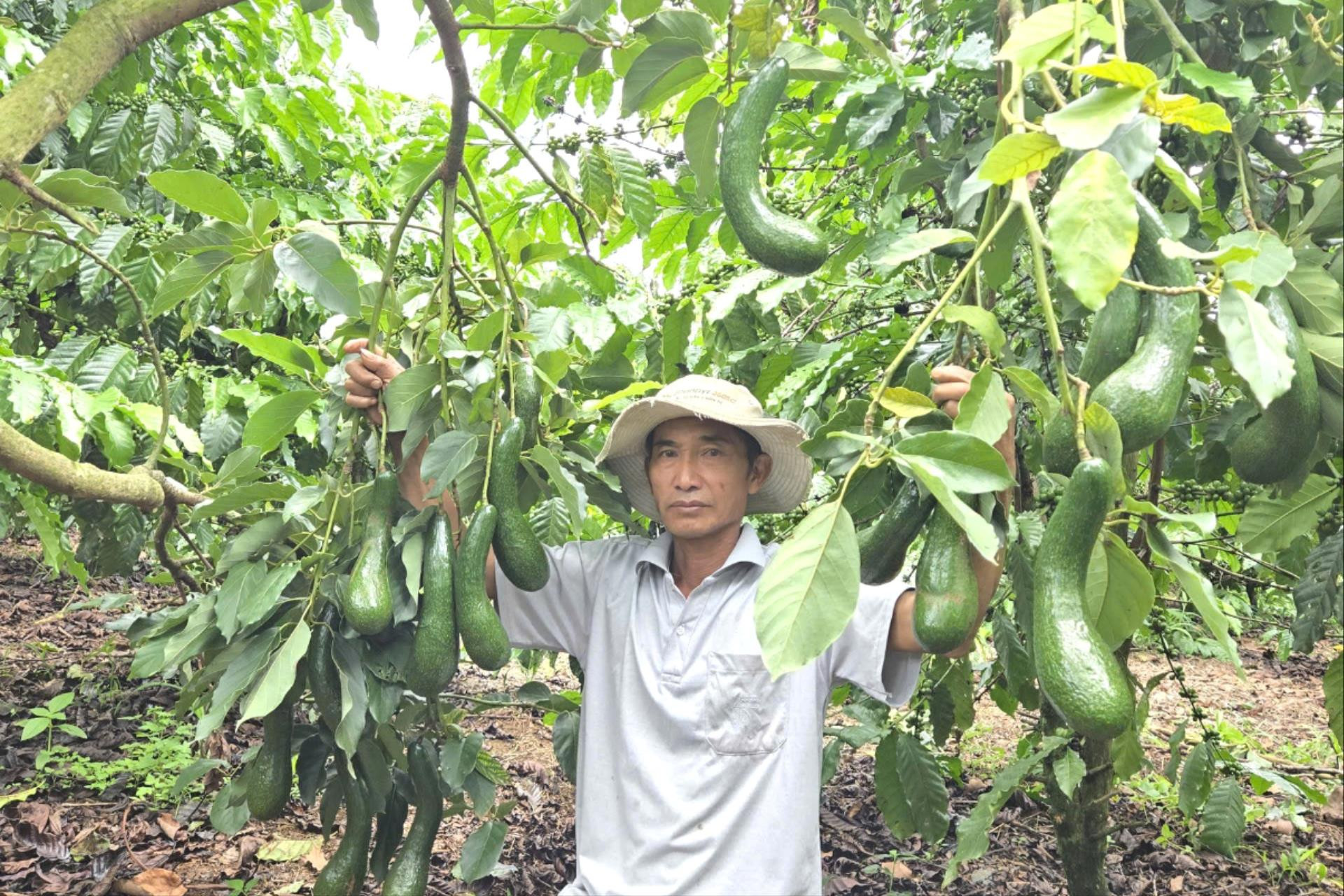
In the key agricultural areas of central Lam Dong, avocado cultivation is being intensified while acreage is stabilized to ensure higher returns per unit of land. The Dau Loan 034 Avocado Farm in Bao Lam 1 Commune, for example, continues to improve its orchards and apply techniques to induce off-season flowering and fruit setting, helping increase annual revenue.
In particular, over the past three years, the farm has successfully researched and applied techniques enabling off-season avocado production across a total area of six hectares. Farm owner Nguyen Van Dau said: “After many years of applying measures that have enabled avocado harvesting in two seasons each year, the farm has tripled its revenue.”
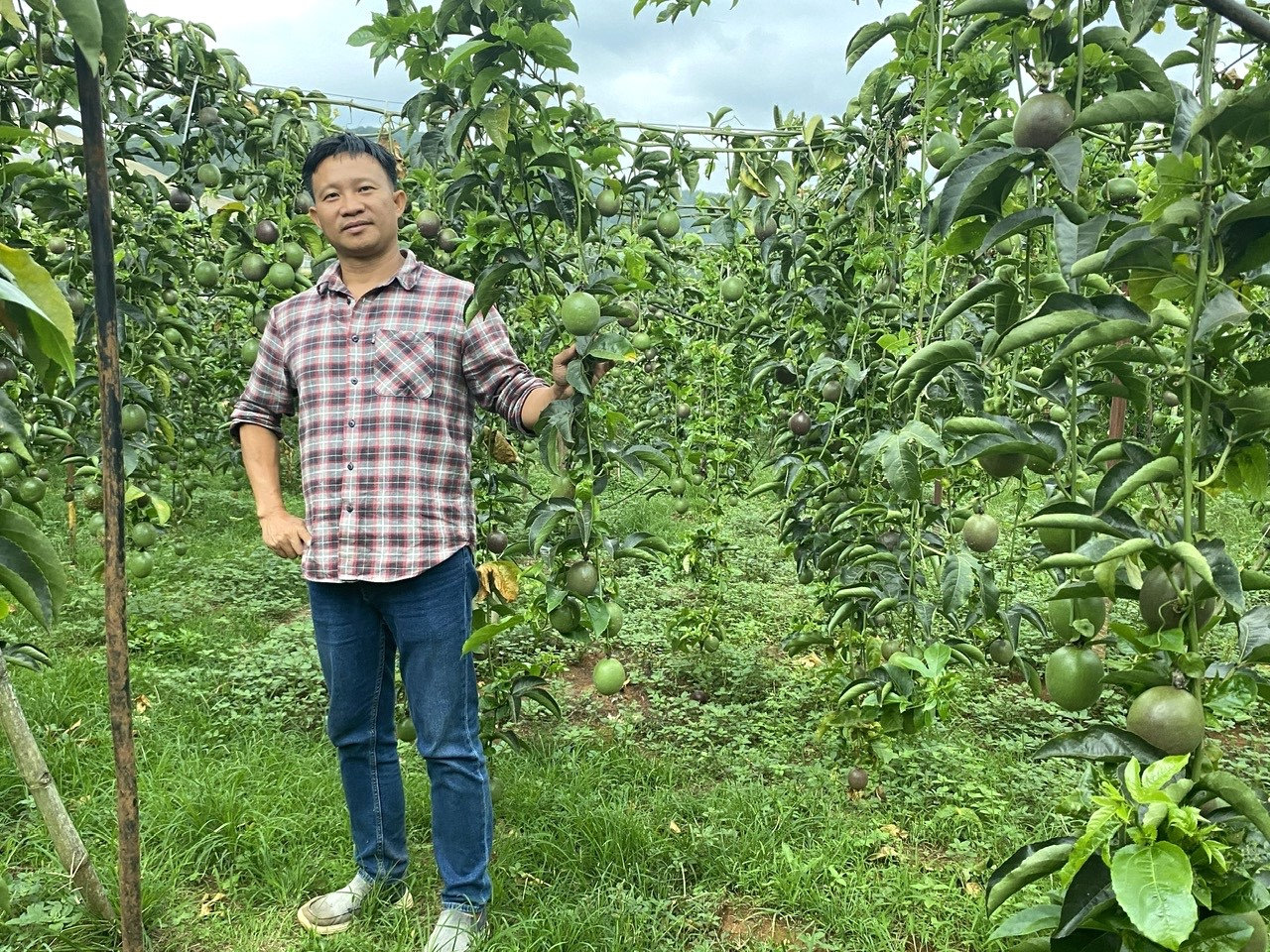
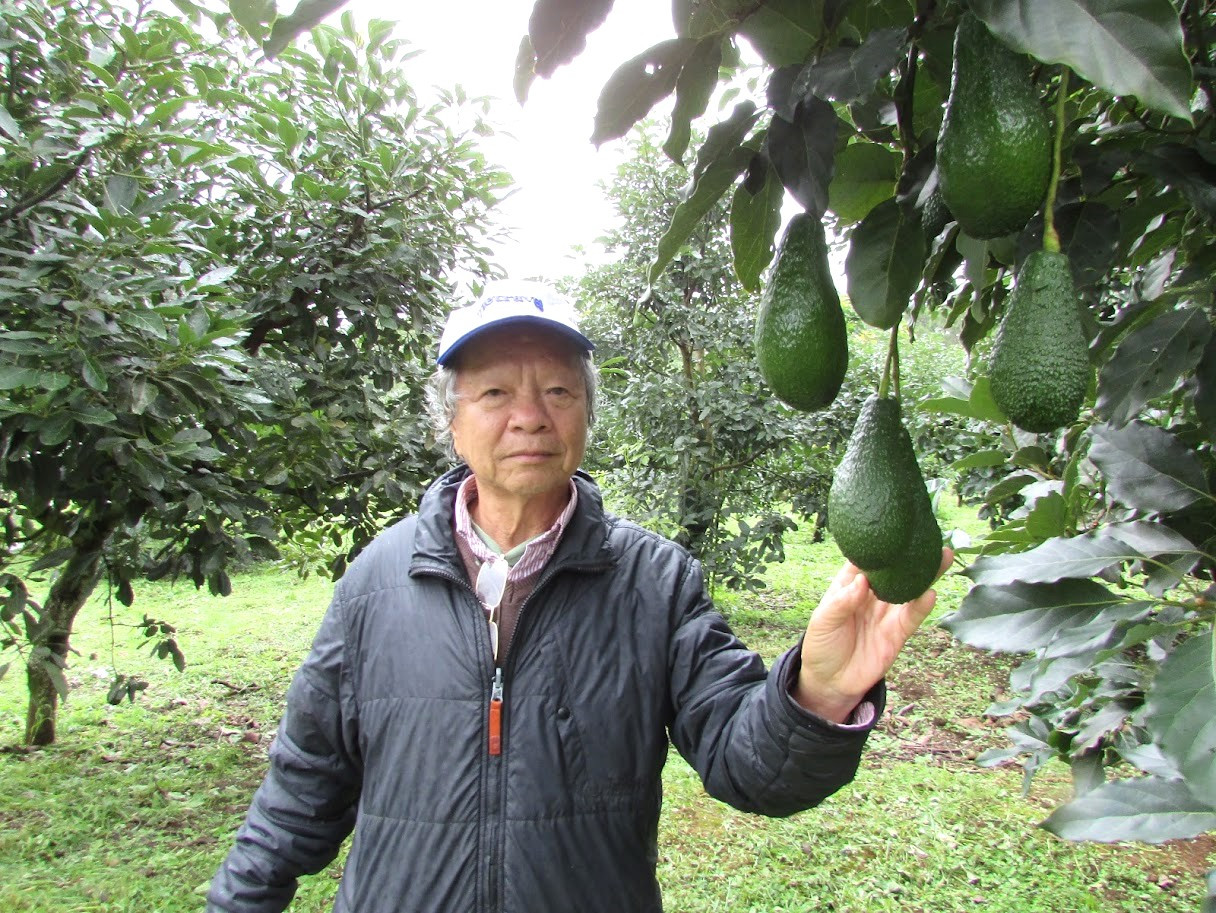
According to Lam Dong's agricultural sector, avocado is identified as one of the province's key fruit crops, covering 8,900 hectares. The province's total fruit-growing area currently stands at approximately 111,000 hectares. In addition to avocado, durian accounts for around 44,450 hectares, dragon fruit 26,126 hectares, passion fruit about 2,000 hectares and persimmon approximately 1,633 hectares.
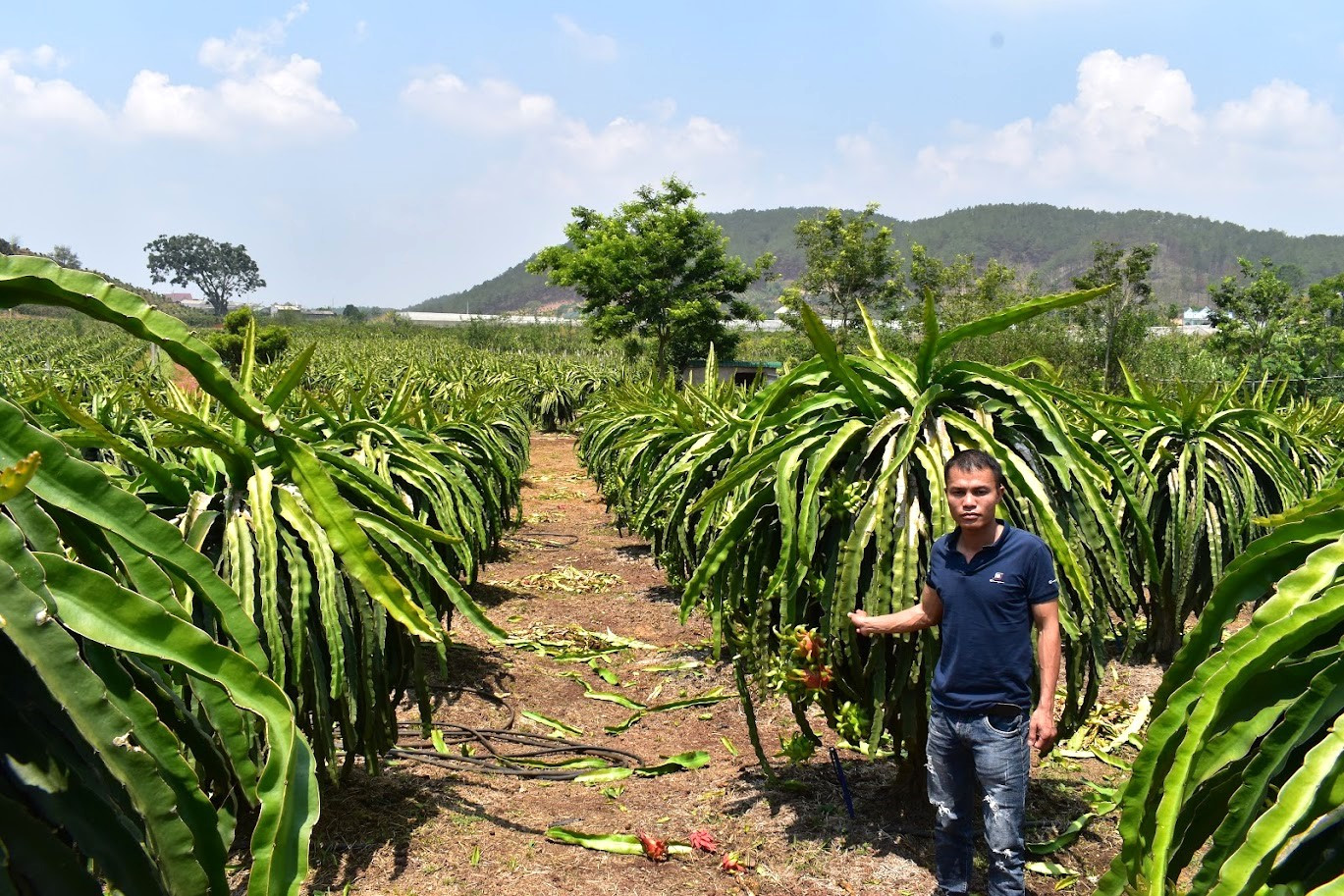
With a large number of growing-area codes and packing facilities having been granted certification, the province's key fruit crops are gradually shifting toward higher quality, safety, sustainability and greater added value. Other promising fruit crops, including passion fruit, persimmon, mango, banana, mangosteen and jackfruit, are also contributing to the development of large-scale production areas, brand building and value enhancement.
The provincial agricultural sector aims to expand the total fruit-growing area to around 115,000 hectares by 2030, with output exceeding two million tonnes. The overall strategy focuses on concentrated commodity production, the application of high technology and smart agriculture, and management in line with GAP standards, growing-area codes and food safety requirements.
At the same time, the province aims to build brands and complete value chains from production to deep processing and marketing. Under the targets, the share of product value generated through cooperative and linked production is expected to reach 60–70%; 80–90% of newly planted and replanted areas will use high-quality varieties; 40–50% will meet certified standards; and 30–40% will adopt advanced water-saving irrigation systems.
Improving Quality and Ensuring Safety
Accordingly, durian production will focus on standardizing farming practices across 12,900 hectares under VietGAP and GlobalGAP standards, along with 400 hectares under organic production. Strict control of pesticide residues and prohibited substances during production and processing will help improve quality, ensure food safety and build the “Lam Dong Durian” brand.
For dragon fruit, the province aims to maintain an area of around 25,000 hectares while diversifying high-yield, high-quality varieties that are adaptable to climate change and restoring high-quality white-fleshed dragon fruit varieties. As for avocado, acreage will not be expanded in areas with unsuitable ecological conditions. Instead, efforts will focus on rehabilitating low-yield orchards and replacing them with new, high-quality varieties.
In particular, the province plans to develop industrial parks and clusters to support businesses and cooperatives in investing in pre-processing and processing equipment, while establishing post-harvest centers linked to production areas and logistics systems. The goal is to increase the proportion of processed fruit to 40% of total output.
Vu Dinh Cuong, Deputy Director of the Department of Agriculture and Environment, emphasized: “To ensure the sustainable development of fruit crops, it is necessary to strengthen linkages in both production and marketing. Businesses and cooperatives play a role in guiding market development, providing technical support and quality standards, and purchasing products, while farming households must proactively comply with production procedures and ensure product quality and traceability”.
Lam Dong aims to expand its total fruit-growing area to around 115,000 hectares by 2030, with output exceeding two million tonnes. Some 80 - 90% of newly planted and replanted areas are expected to use high-quality varieties; 40 - 50% are targeted to meet certified standards; and 30 - 40% are expected to adopt advanced water-saving irrigation systems.