

Eastern Lam Dong seeks to unlock public investment flows
On the afternoon of August 13, Vice Chairmen of the Lam Dong Provincial People's Committee Nguyen Minh and Vo Ngoc Hiep co-chaired a meeting with Construction Investment Project Management Board No. 2 and regional project management boards to review the disbursement of public investment capital in 2026.
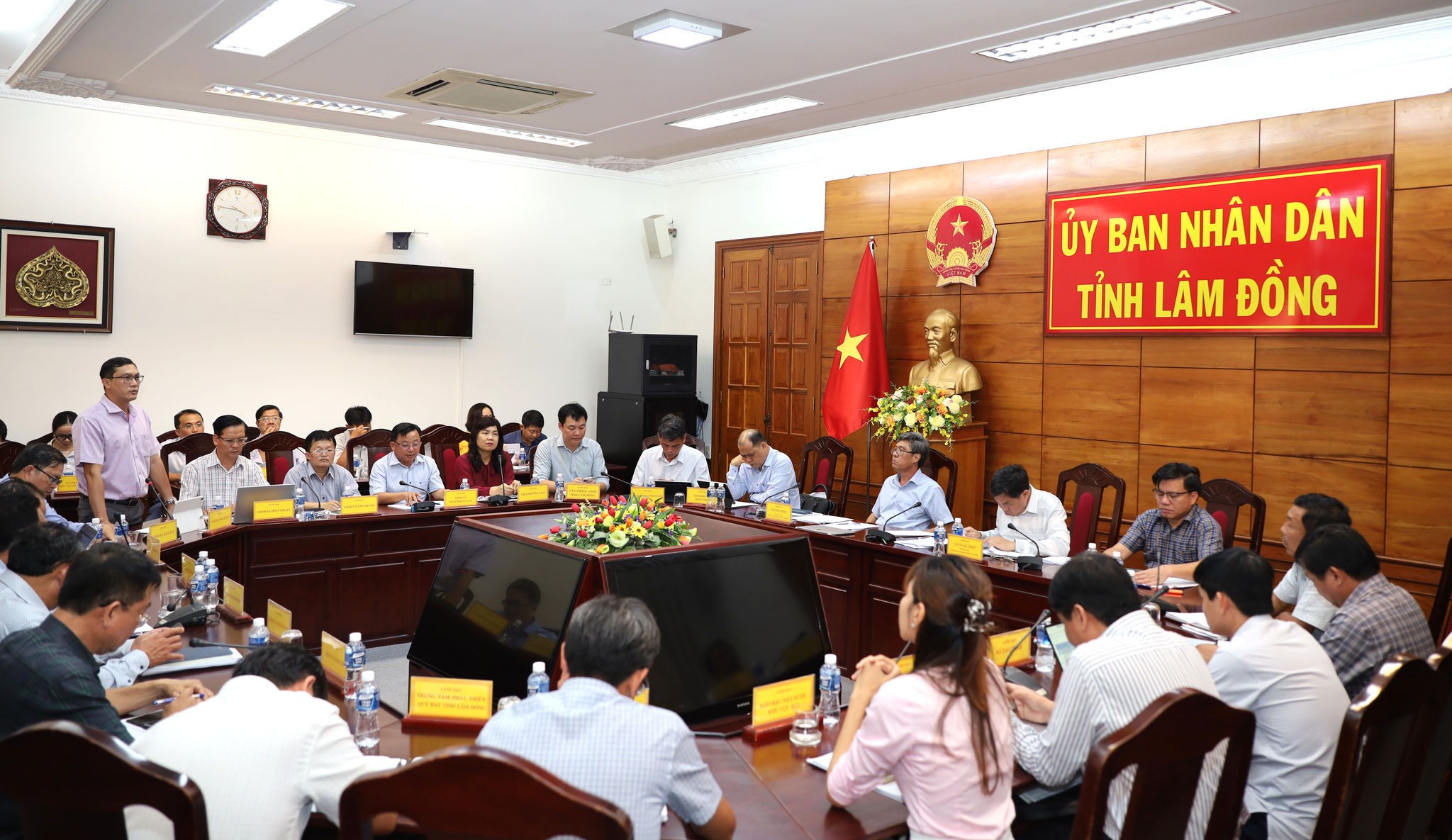
The meeting was attended by leaders of provincial departments and agencies, along with representatives from 16 communes and wards in eastern Lam Dong - Vinh Hao, Lien Huong, Ham Thuan, Ham Thuan Nam, Tanh Linh, Ham Tan, Tan Minh, Son My, Tan Thanh, Tuyen Quang, La Gi, Mui Ne, Phu Thuy, Binh Thuan, Phan Thiet and Tien Thanh - as well as the Phu Quy Special Zone.
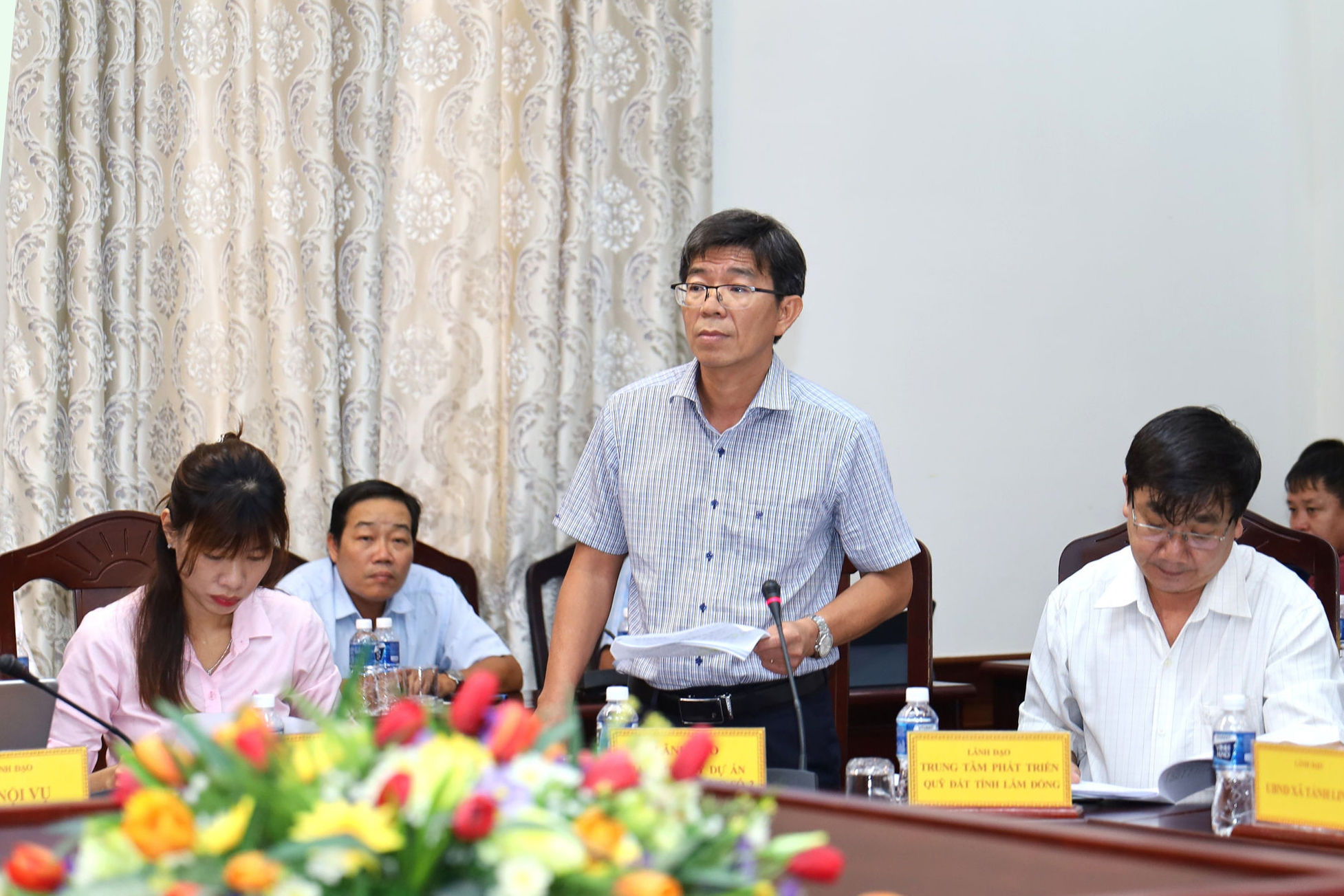
According to the report, Construction Investment Project Management Board No. 2 and the regional project management boards were allocated more than VND 3.326 trillion to implement 424 projects.
Of the total, Board No. 2 is the investor for 58 projects with combined funding of more than VND 2.082 trillion, while the regional boards were allocated over VND 1.244 trillion for 366 projects.
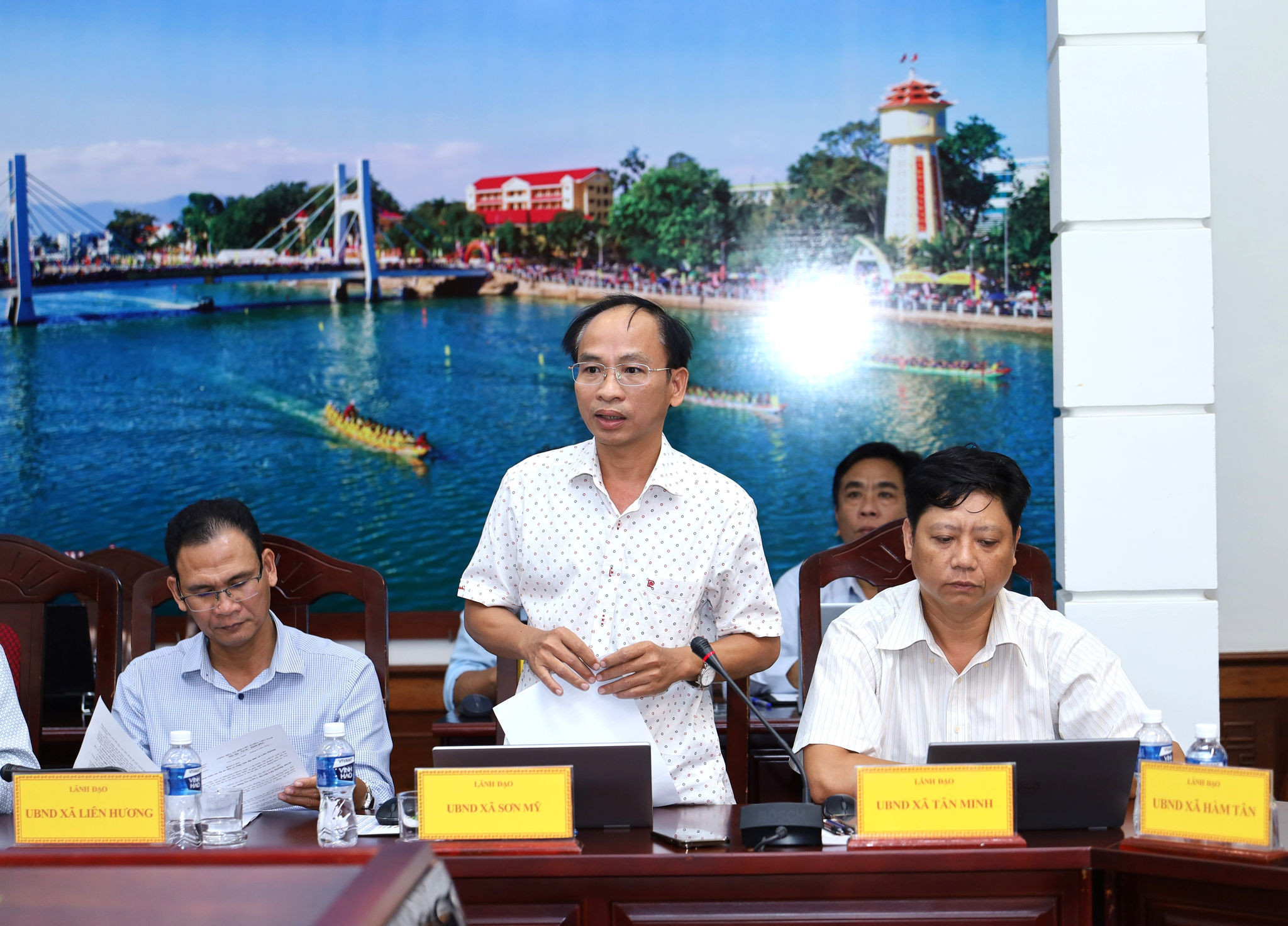
As of August 12, more than VND 1.404 trillion in public investment capital had been disbursed, equivalent to 42.3% of the annual plan. Construction Investment Project Management Board No. 2 alone disbursed over VND 875 billion, reaching 42% of its target. By August 31, total disbursement is expected to exceed VND 1.632 trillion, or 49.7% of the plan.
At the meeting, provincial departments, local authorities and project investors provided updates on implementation progress, outlined difficulties and bottlenecks, and proposed solutions for a number of key projects.
These include the road from former Tan Minh Town to Son My; the DT719 bypass and bridge over the Dinh River; the Hon Lan - Tan Hai section of the DT719B coastal route; the Phan Thiet - Ke Ga section of the DT719B coastal road; Van Thanh Bridge; Ca Ty River Apartment Complex; technical infrastructure for the social housing area in Tien Loi Commune; the embankment protecting Vinh Tien Village in Vinh Tan Commune; and the upgrade of Tran Quy Cap Street.
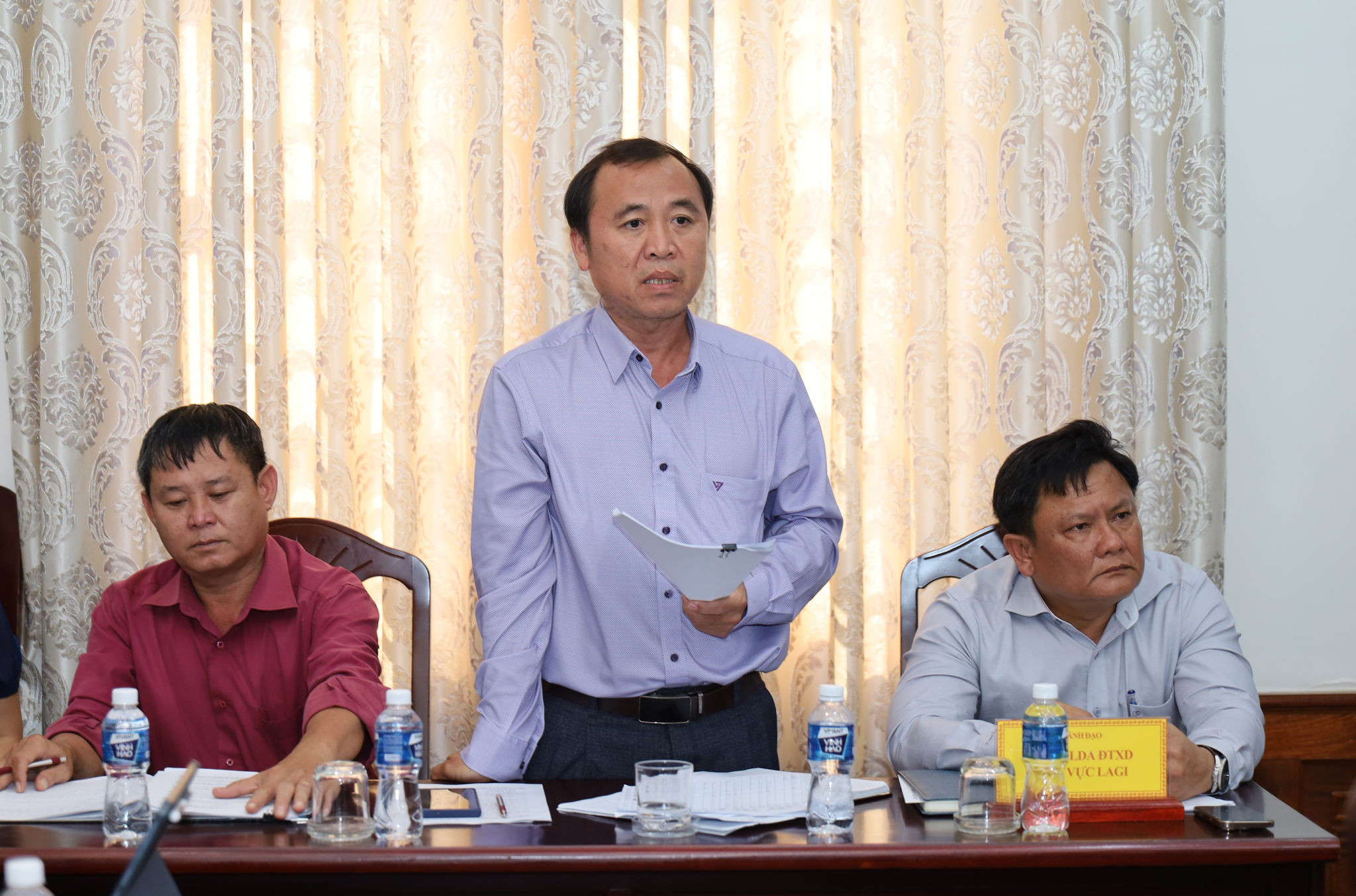
The main obstacles affecting project implementation and disbursement include site clearance, construction material supplies, land procedures, forest land conversion procedures, and the financial and construction capacity of some contractors.
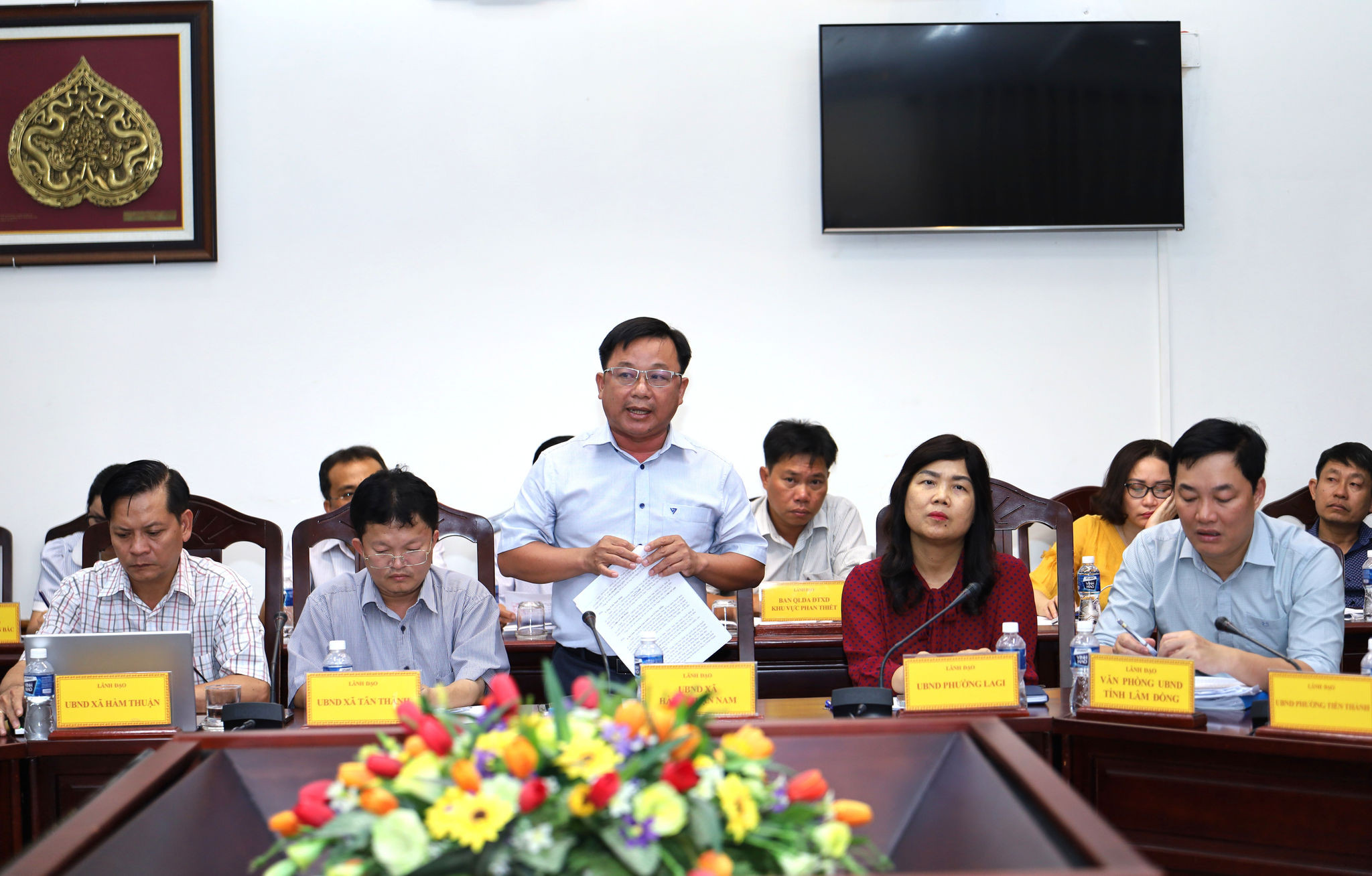
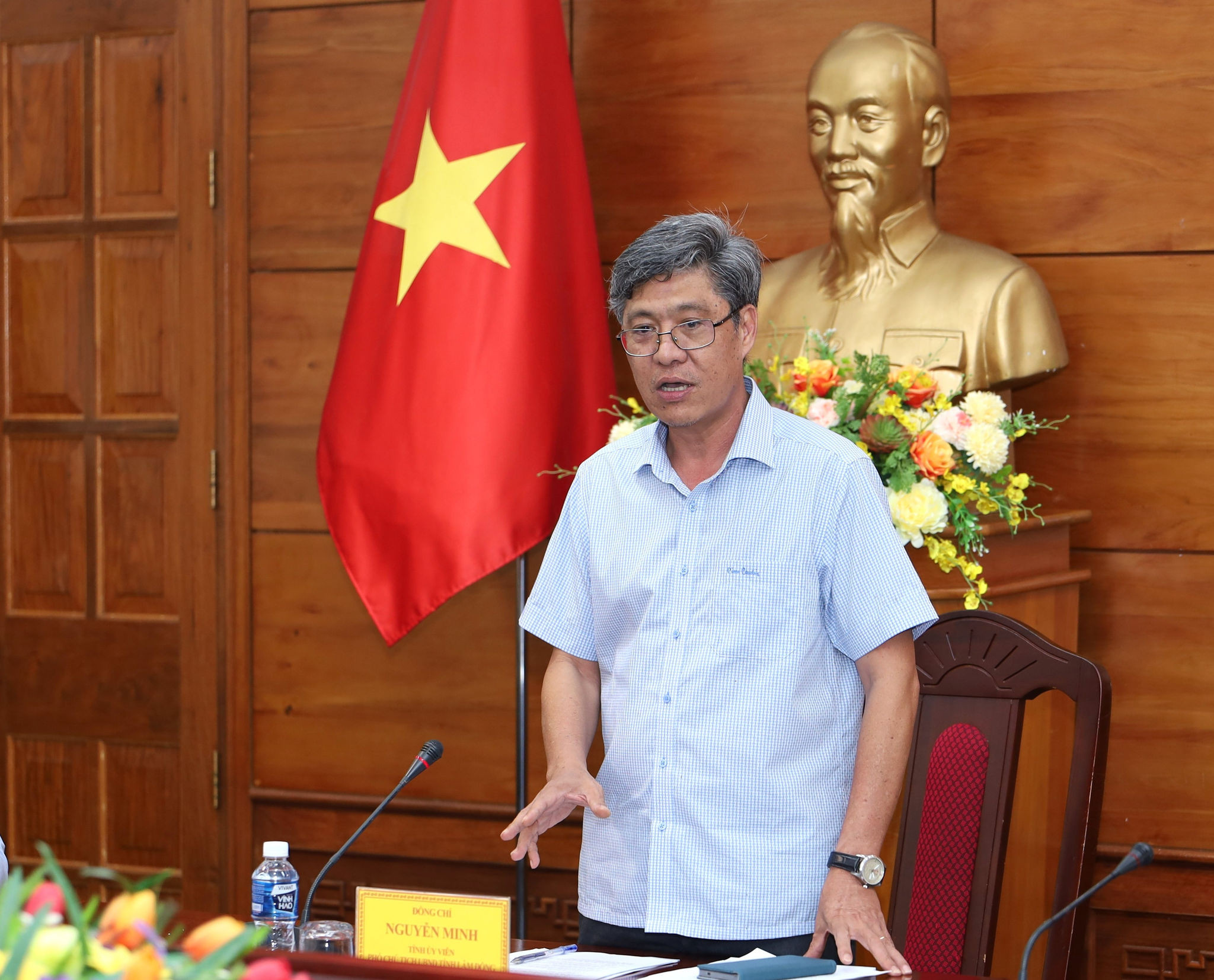
Lam Dong Vice Chairman Nguyen Minh said the disbursement rate had increased by 28 percentage points compared with about two and a half months ago, reflecting efforts by provincial departments, local authorities and project investors.
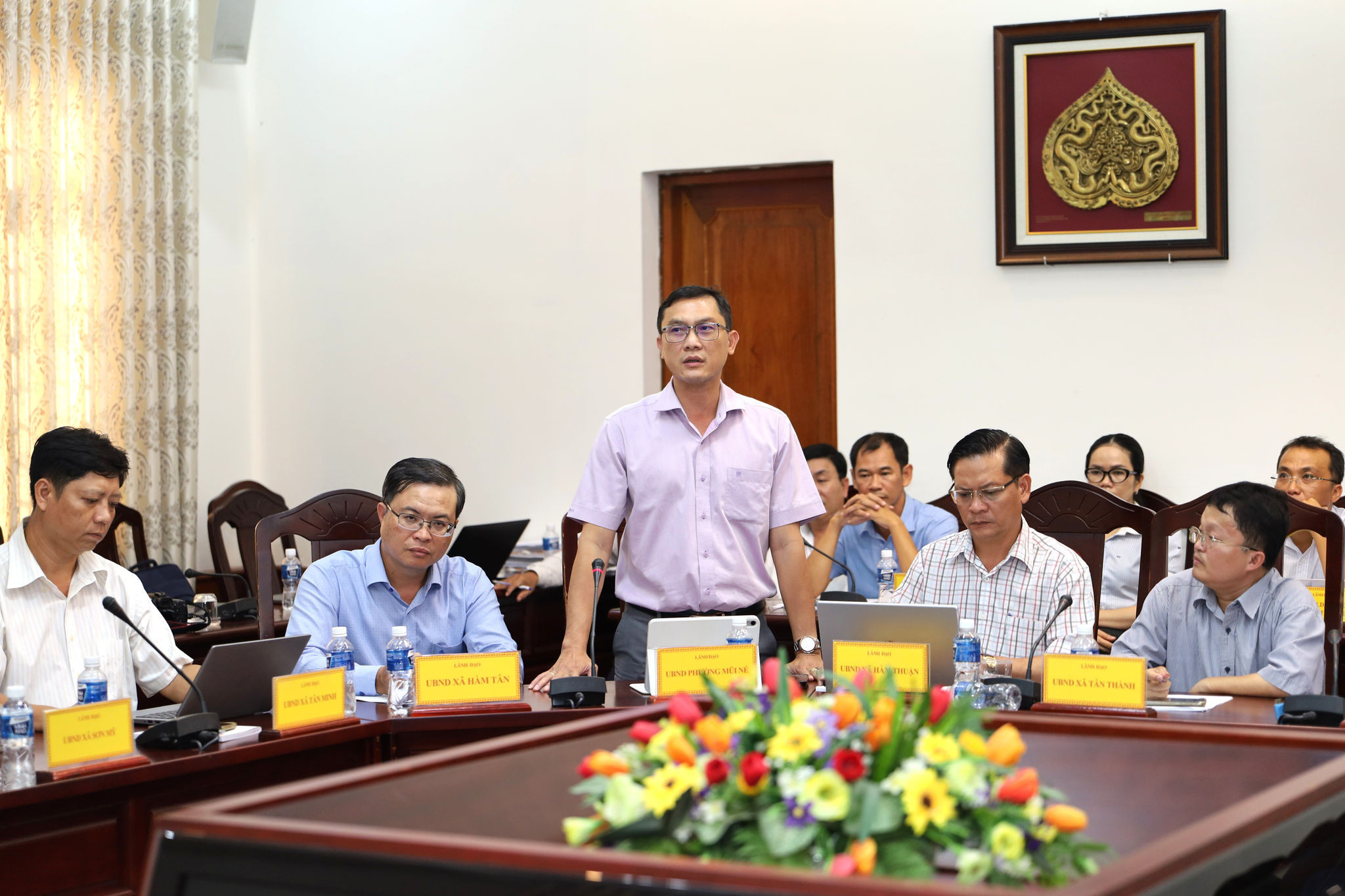
However, Lam Dong Vice Chairman Nguyen Minh noted that site clearance remains a major bottleneck, despite being the responsibility of commune-level authorities. Some localities have not taken sufficiently decisive action, while emerging difficulties and obstacles have not always been reported promptly for resolution.
In addition, some tasks assigned to project investors and relevant agencies have fallen behind schedule.
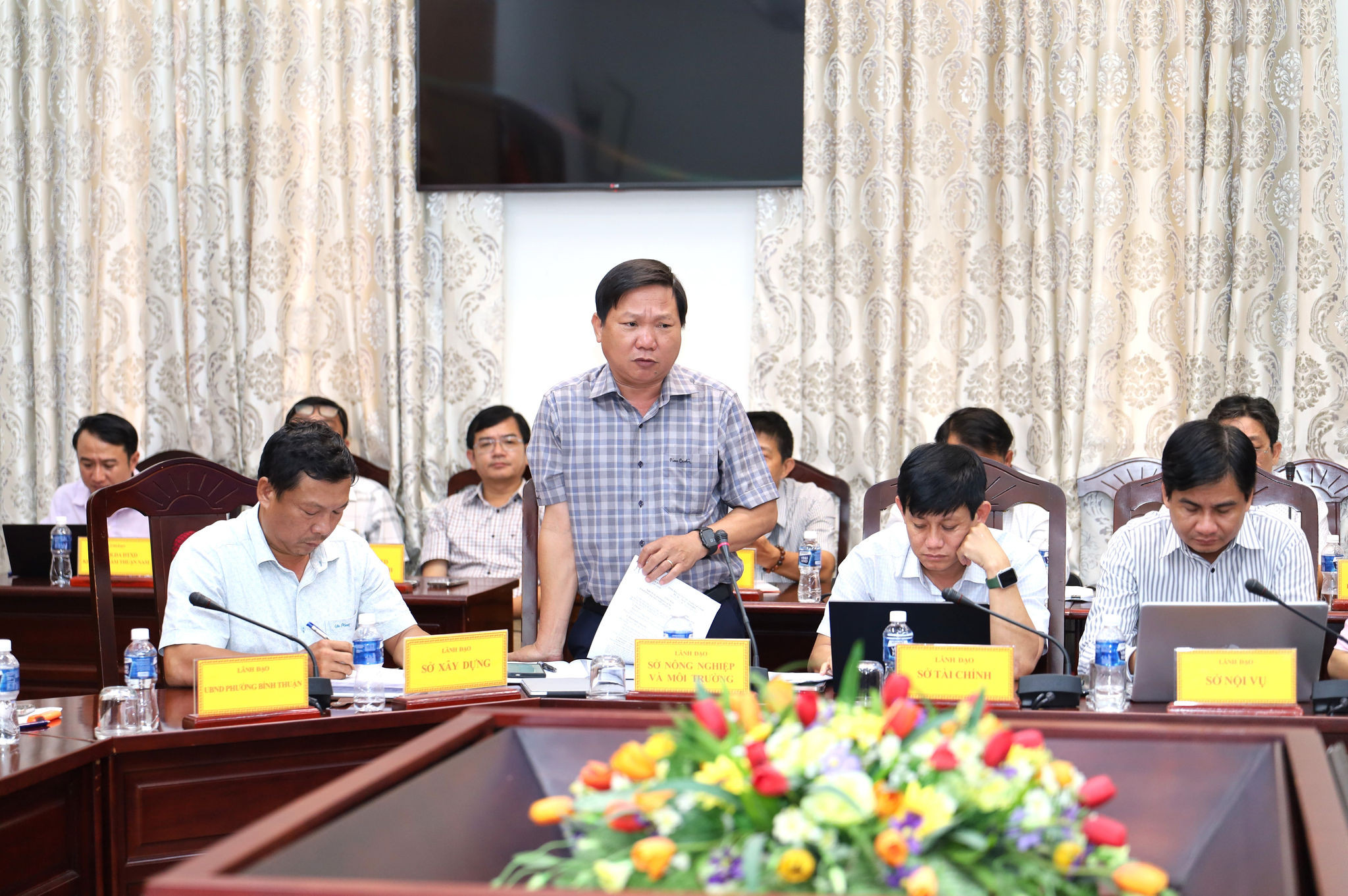
In response, Vice Chairman Nguyen Minh asked relevant units to review their responsibilities and develop specific plans for each assigned task to ensure projects remain on schedule.
Project investors were also instructed to step up inspections and urge contractors to accelerate work, while regularly updating completed workloads using Gantt charts to closely monitor project progress.
For projects that can be completed ahead of schedule, relevant units should proactively accelerate progress rather than wait until the final deadline.
Vice Chairman of the Lam Dong Provincial People's Committee Nguyen Minh
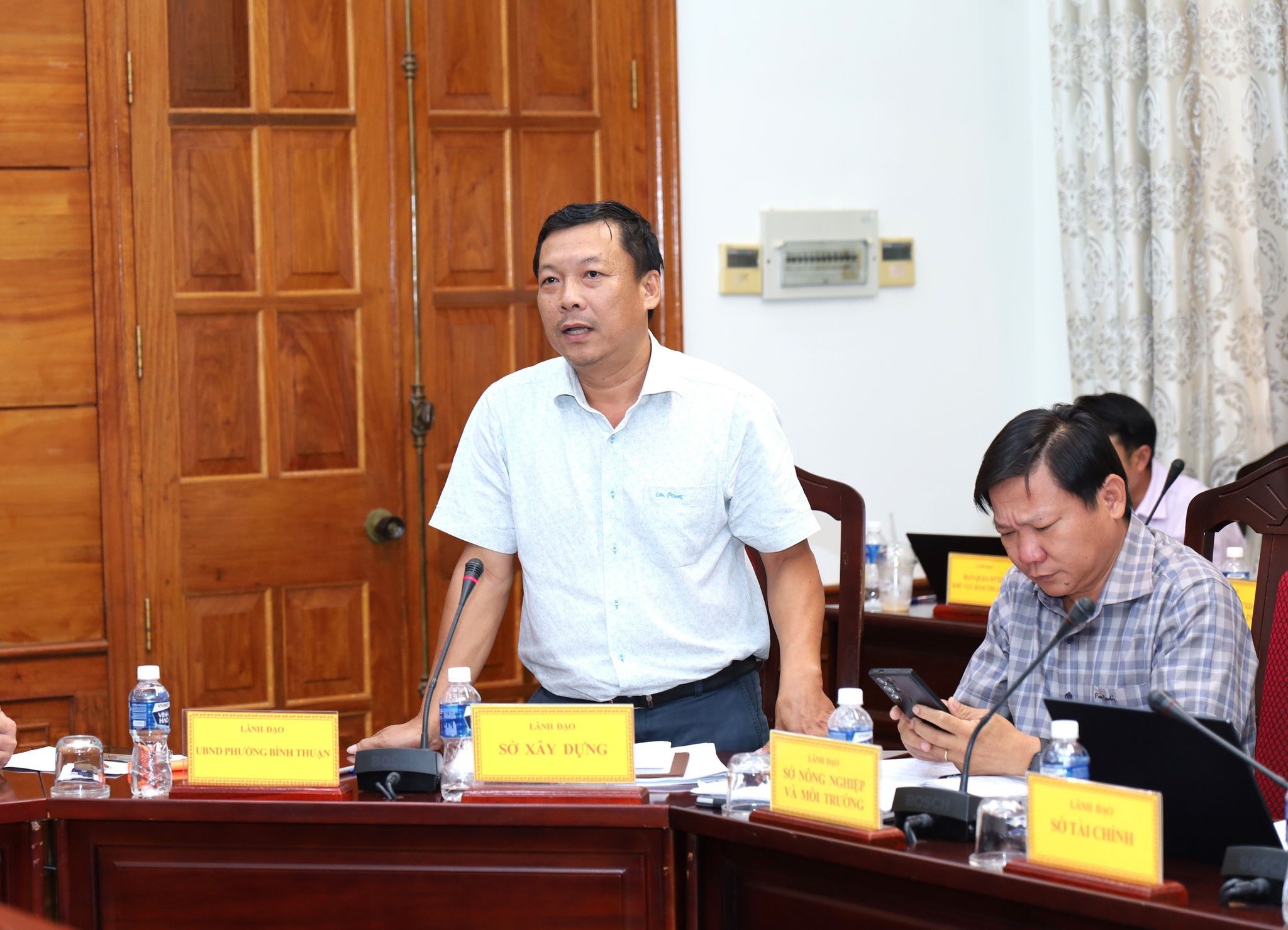
Project investors must take strict action in accordance with regulations against underperforming contractors whose work falls behind schedule. Clear milestones and completion deadlines must be set for each project to provide a basis for monitoring, inspection and supervision.
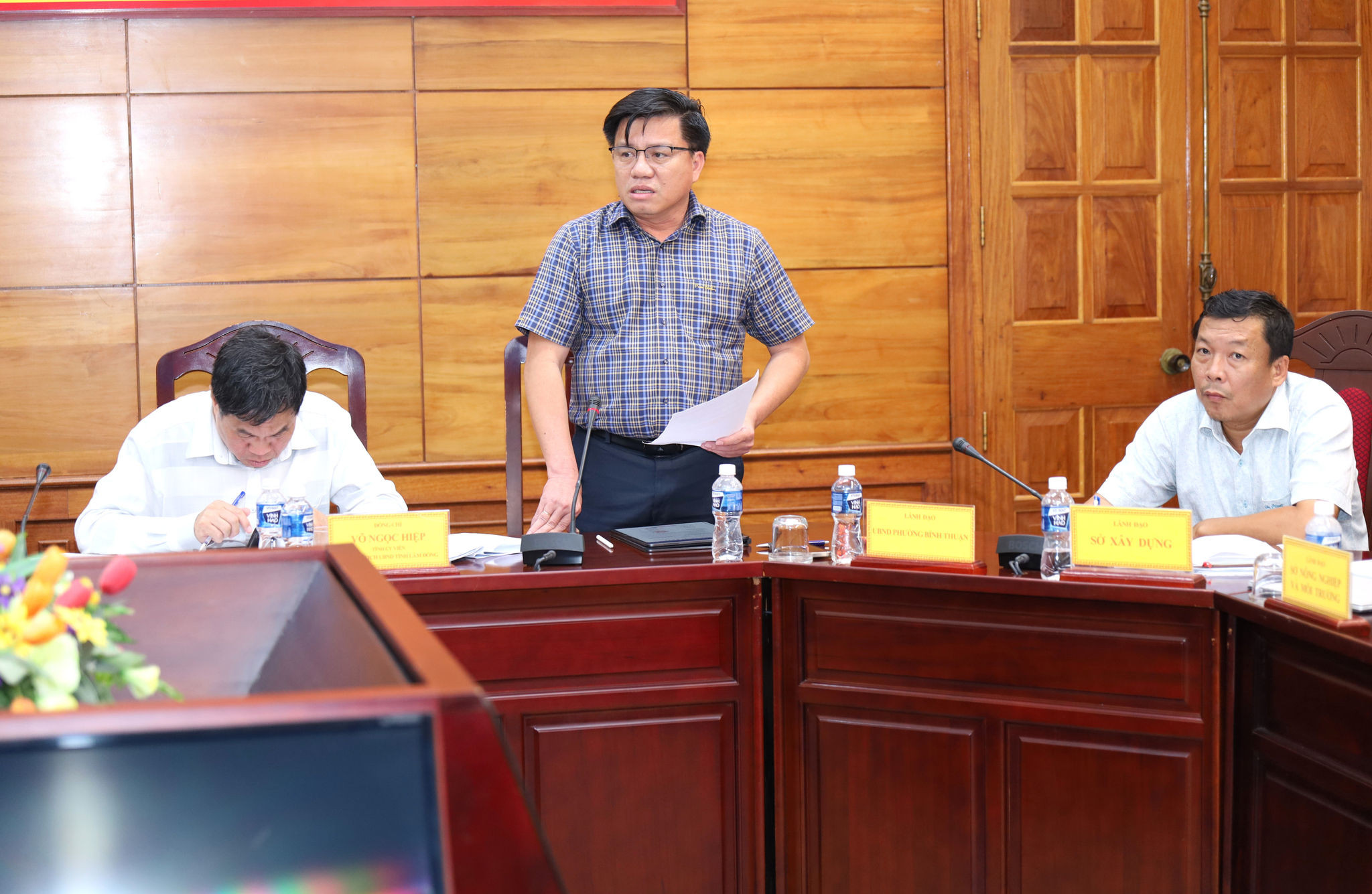
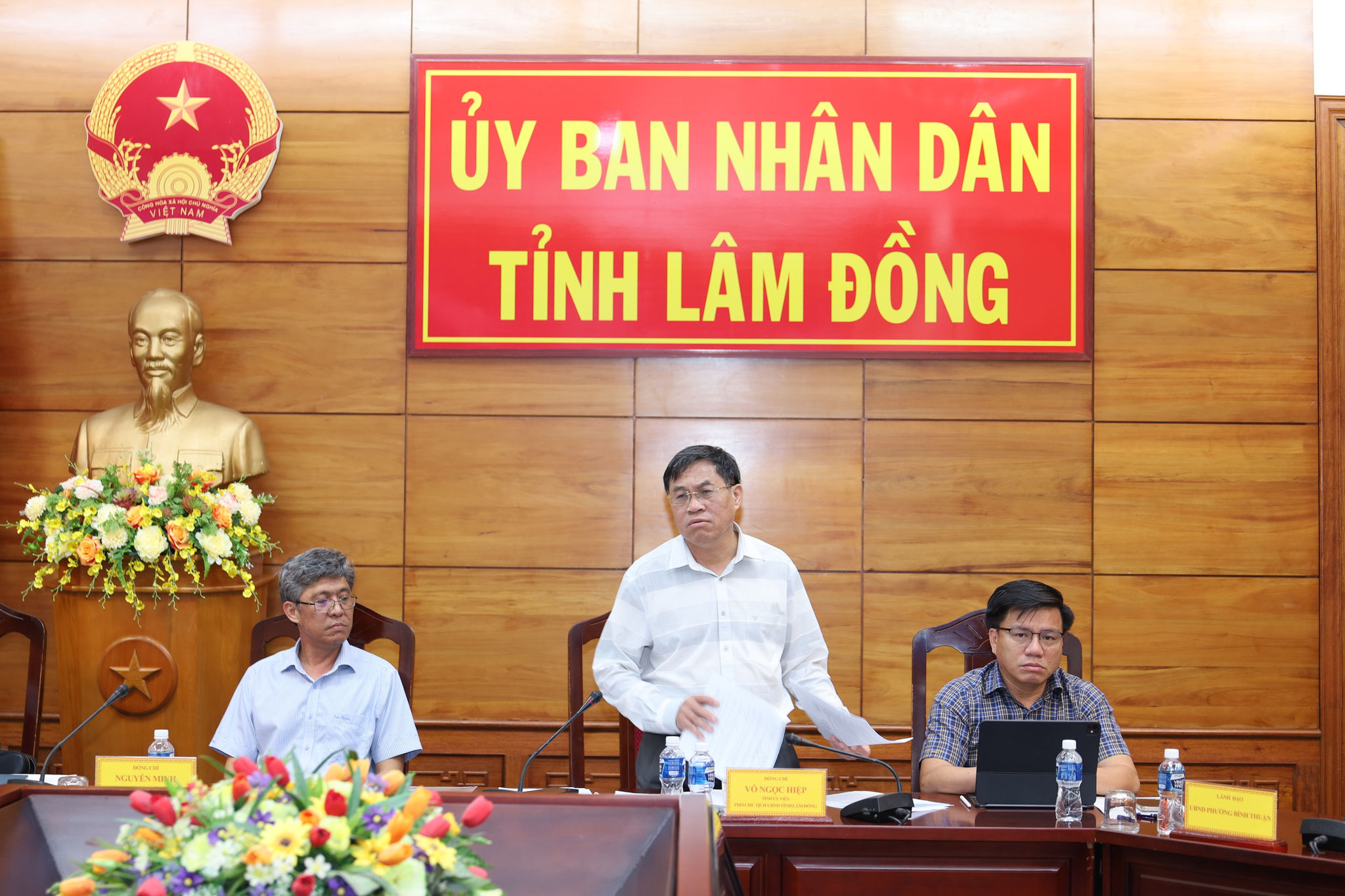
Addressing the meeting, Lam Dong Vice Chairman Vo Ngoc Hiep stressed that provincial agencies and local authorities must make greater efforts during the remainder of 2026 or risk falling short of the public investment disbursement target.
According to Hiep, the two main factors slowing project implementation are site clearance bottlenecks and the limited capacity of some contractors. He called for each group of obstacles to be addressed thoroughly, with clear responsibilities assigned to each agency and unit.
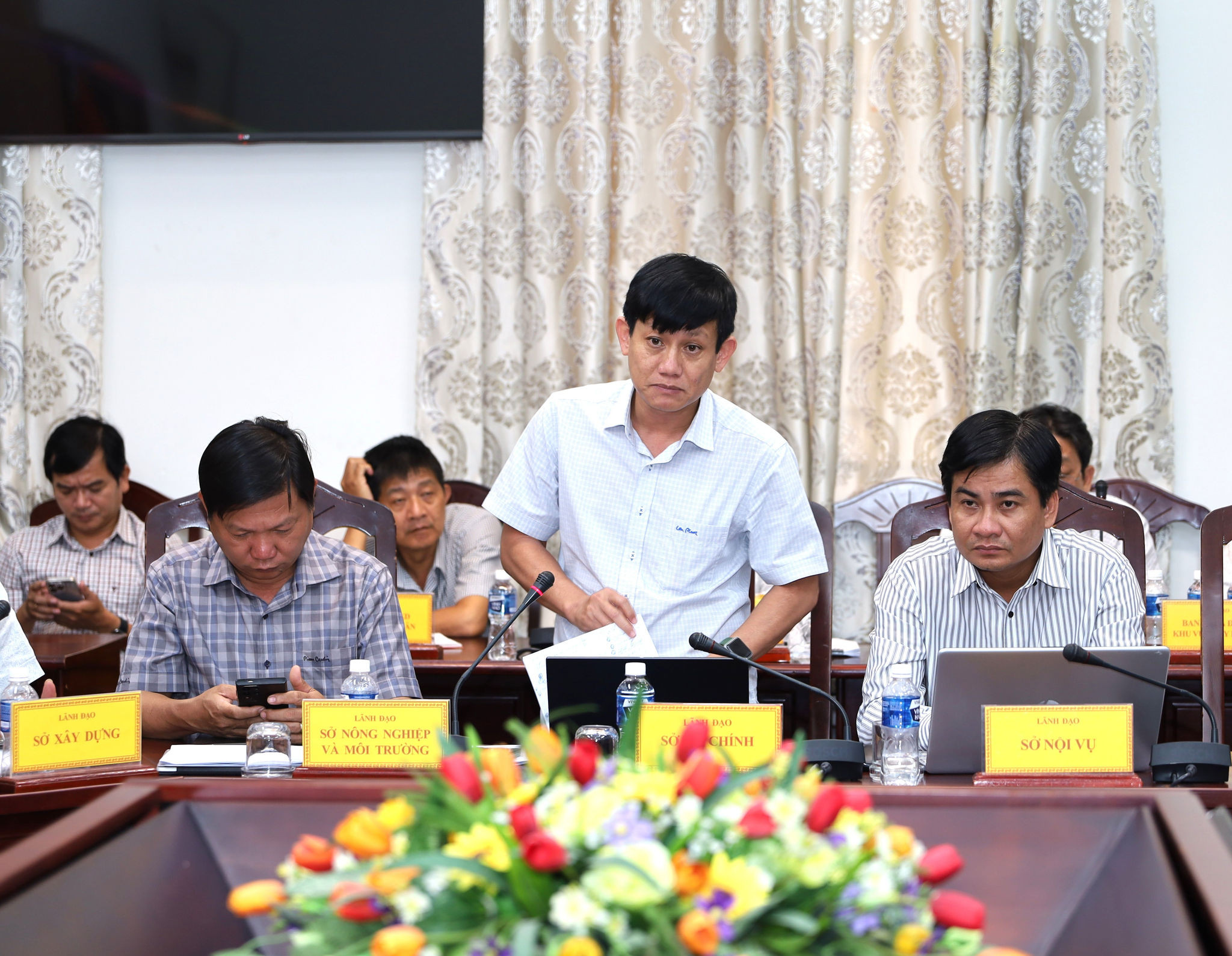
For site clearance, the People's Committees of communes, wards and the special zone must recognise this as their direct responsibility. Contractors should not be left waiting for sites because local authorities fail to take decisive action.
Vice Chairman of the provincial people's committee Vo Ngoc Hiep
Hiep also called on provincial departments and agencies to coordinate proactively when processing applications and avoid shifting responsibility. Matters within their authority must receive a written response within two days, with clear guidance for local authorities and project investors rather than general instructions that could prolong the process.
Provincial leaders urged departments, local authorities, project investors and contractors to maintain close coordination and address each obstacle with clear responsibilities, specific tasks and firm deadlines.
The aim is to achieve tangible improvements in public investment disbursement and keep projects on schedule, particularly key infrastructure projects across the province.