

Investment Potential and Opportunities in Lam Dong Amid Deeper Global Integration
Following the 2025 administrative reorganization, Lam Dong has emerged as a province with a contiguous territorial space spanning the “highlands - midlands - coastal” areas, covering more than 24,200 sq km and serving as a strategic bridge linking the Central Highlands, the South Central Coast and the Southeast region.
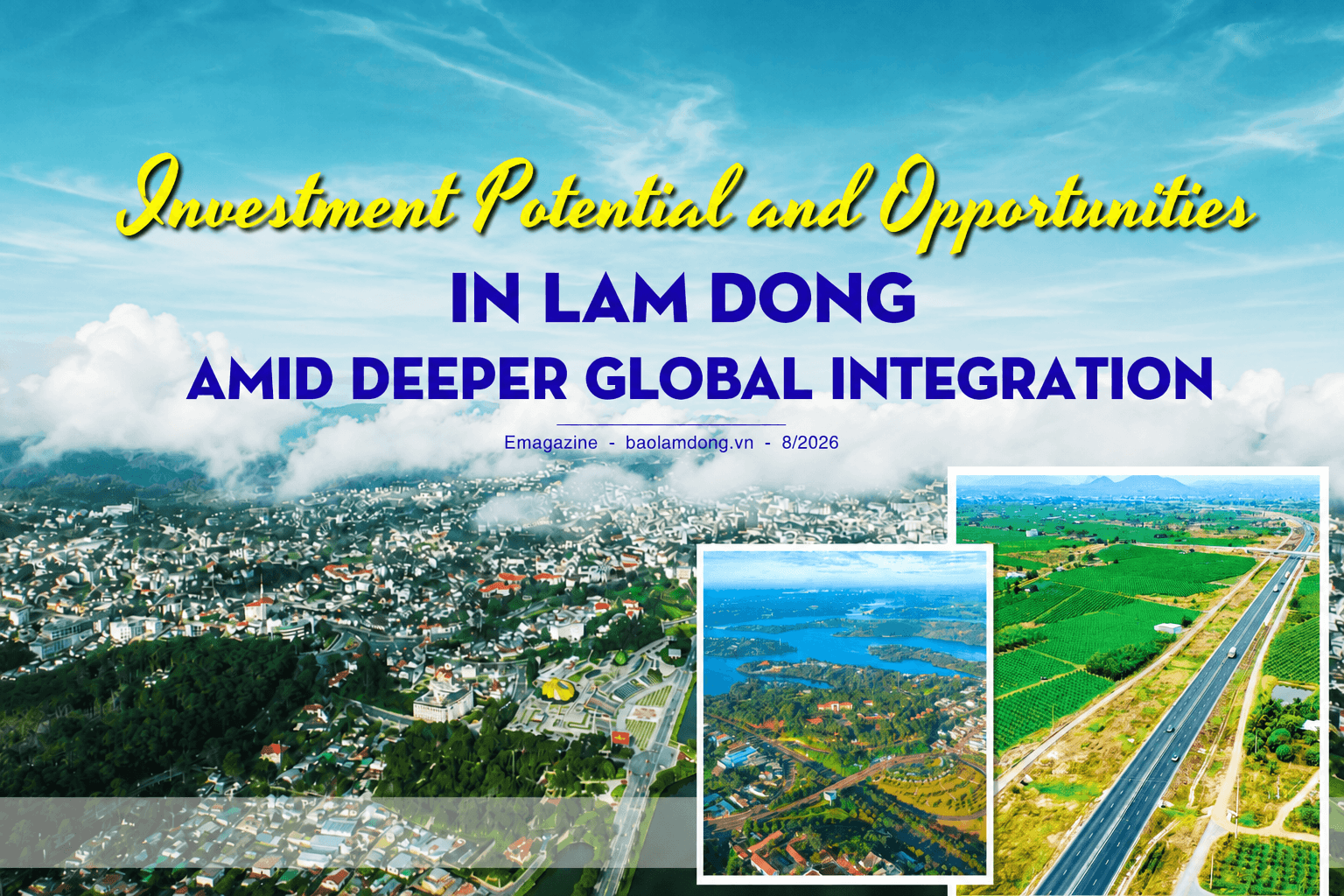
Following the 2025 administrative reorganization, Lam Dong has emerged as a province with a contiguous territorial space spanning the “highlands - midlands - coastal” areas, covering more than 24,200 sq km and serving as a strategic bridge linking the Central Highlands, the South Central Coast and the Southeast region.
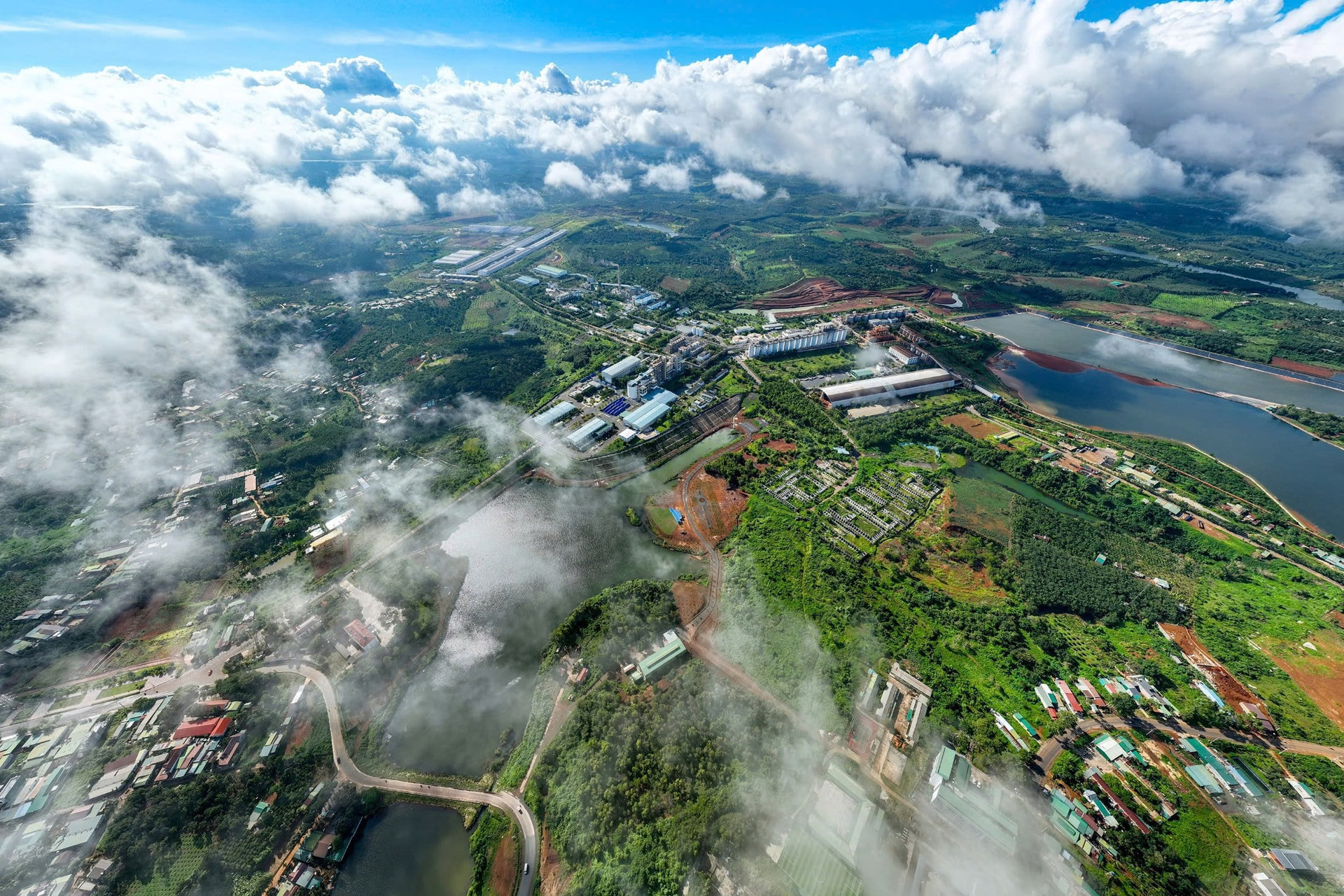
With its strategic geo-economic position, Lam Dong has the conditions to become a dynamic growth pole of the region and a center for world-class tourism, high-tech agriculture, renewable energy and the marine economy.
.jpg)
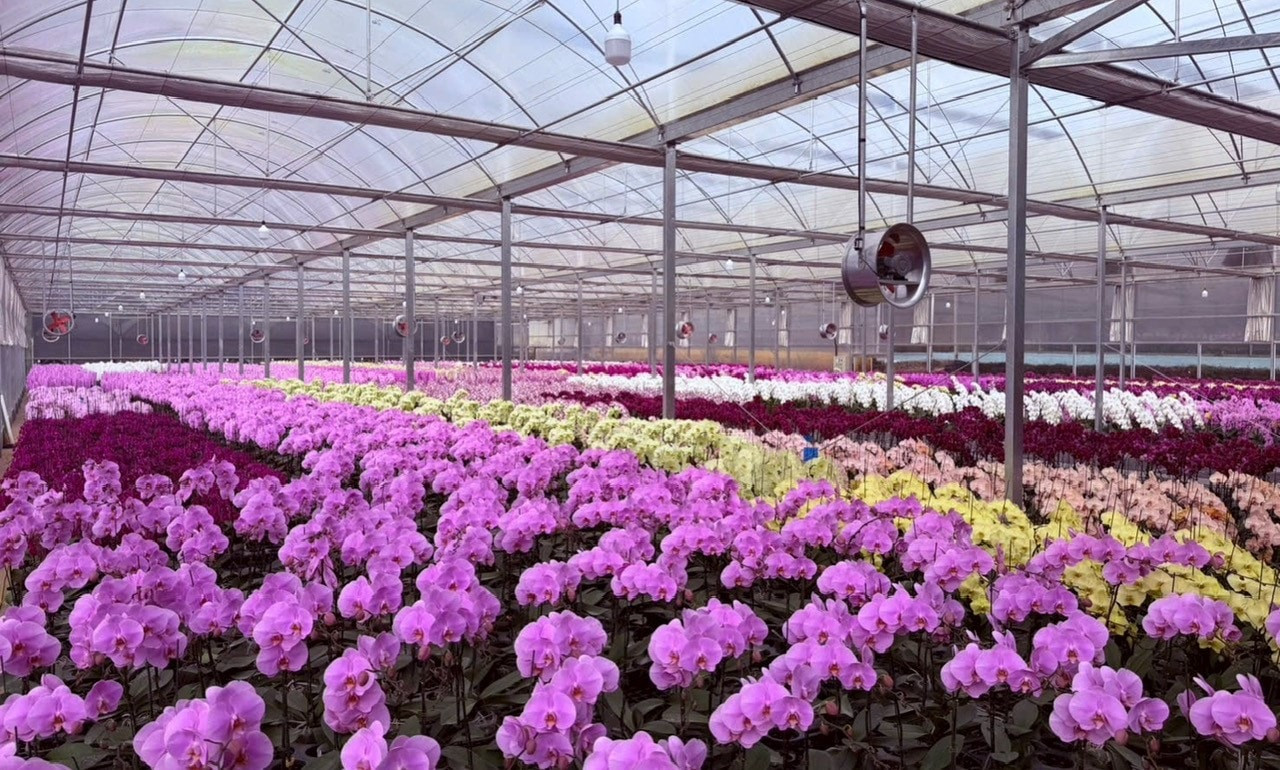
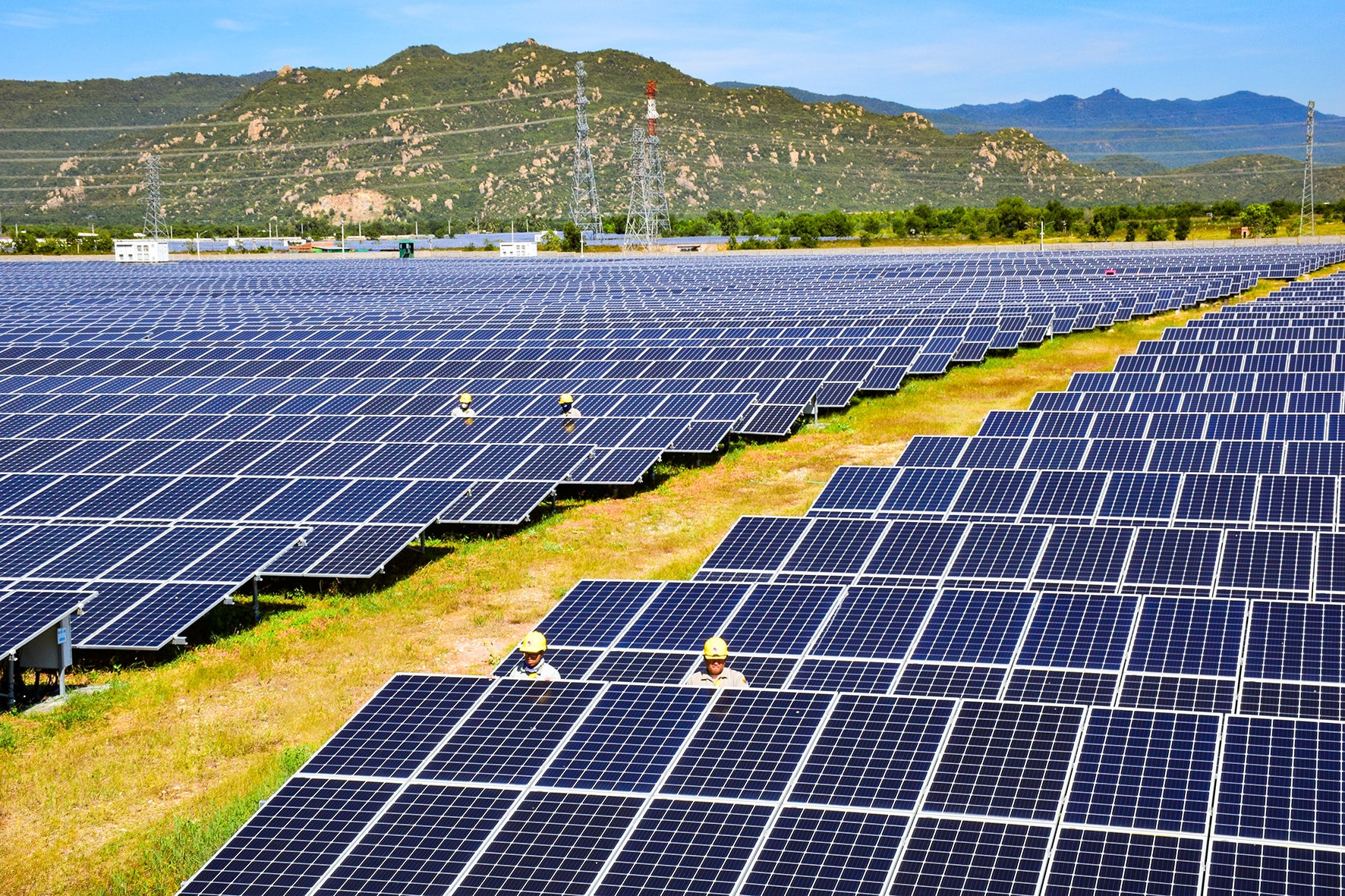
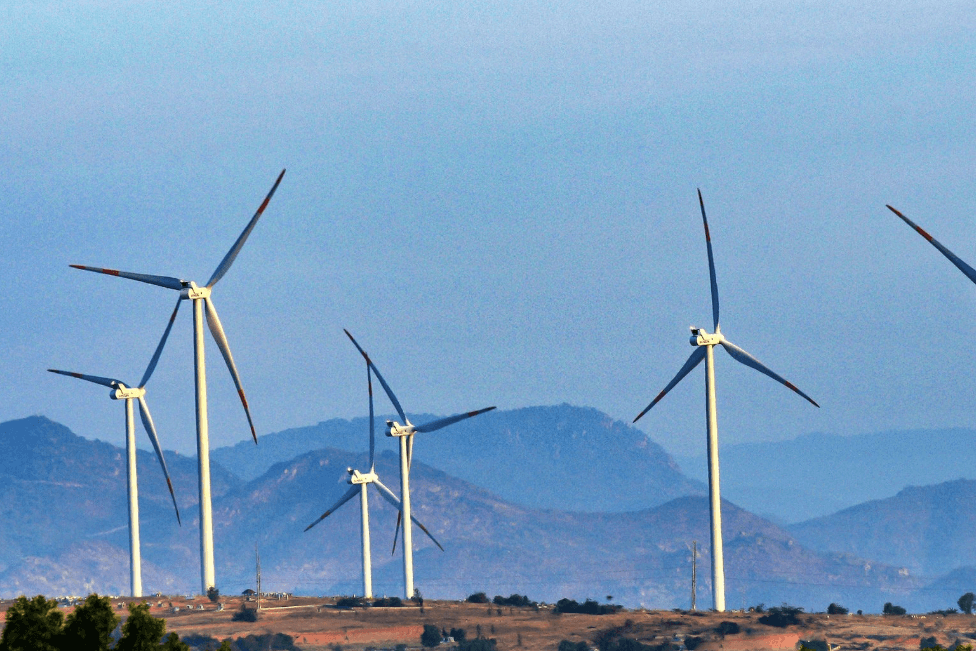

Global integration is accelerating, marked by major trends including the restructuring of global supply chains, the energy transition toward net-zero emissions, the development of green and circular economies, rapid digitalization and the fast-growing middle class across the Asia-Pacific region. Against this backdrop, localities with diverse ecosystems, strong inter-regional connectivity and strategic resources are increasingly becoming attractive destinations for high-quality investment capital.
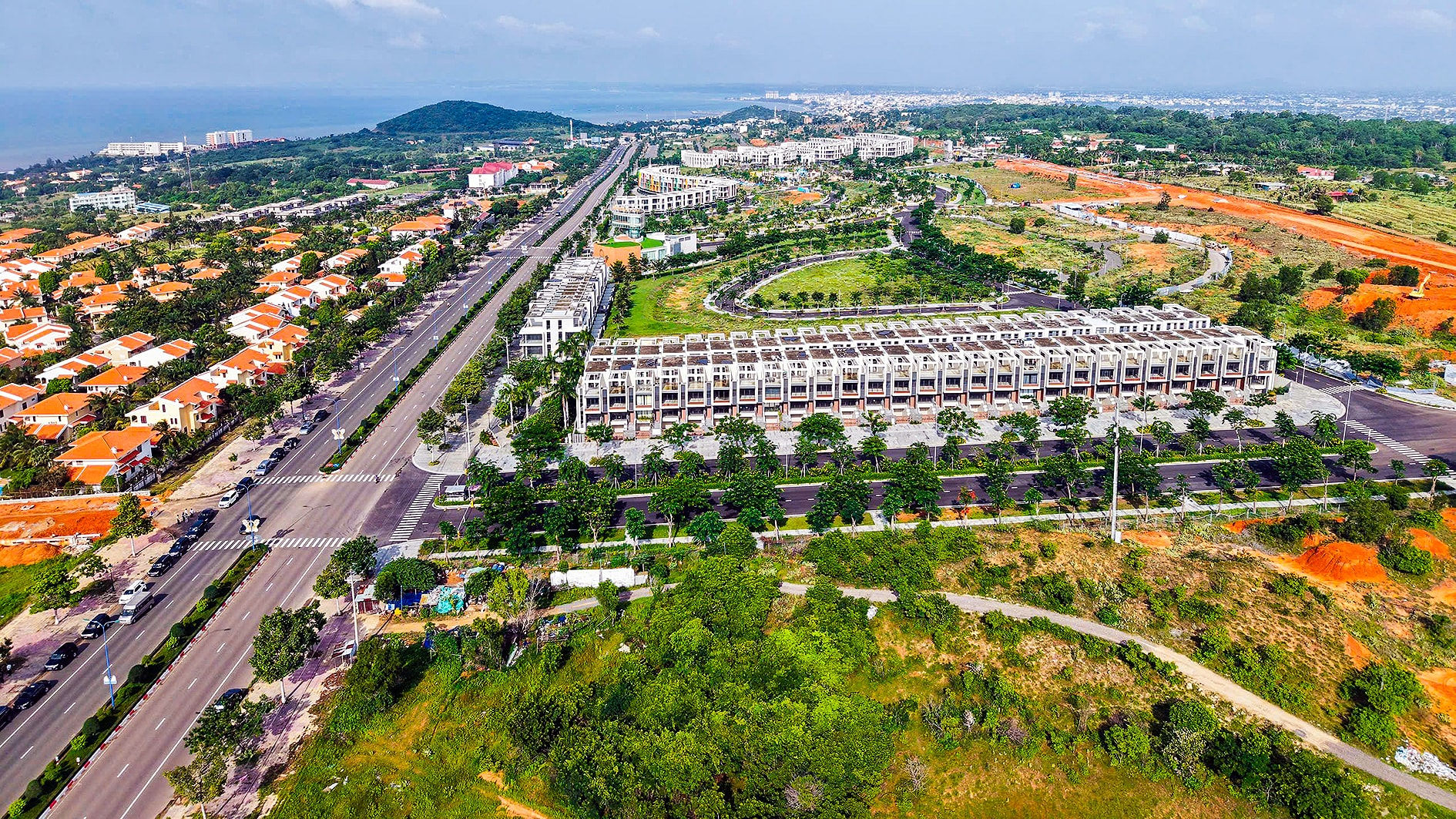
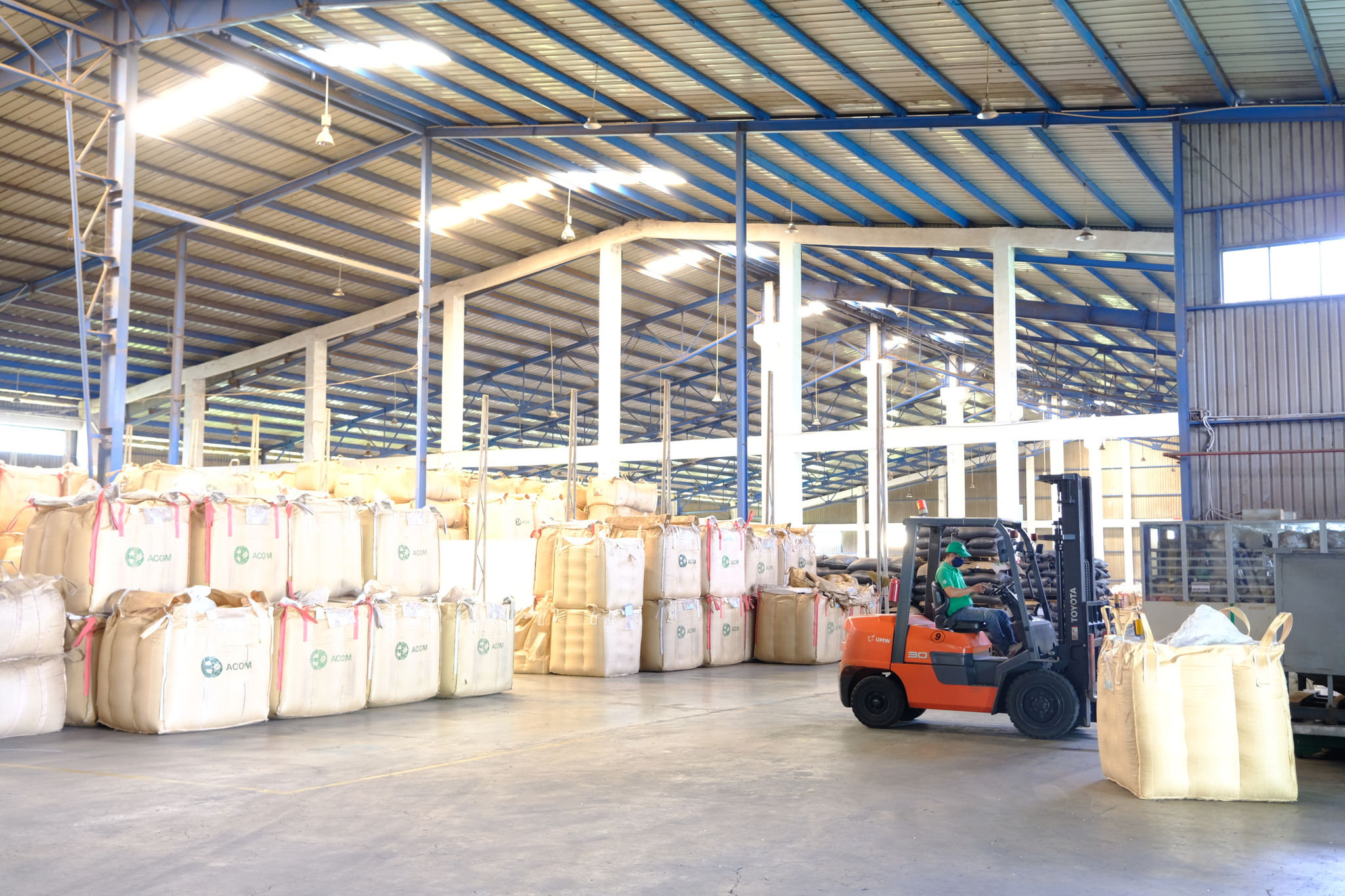
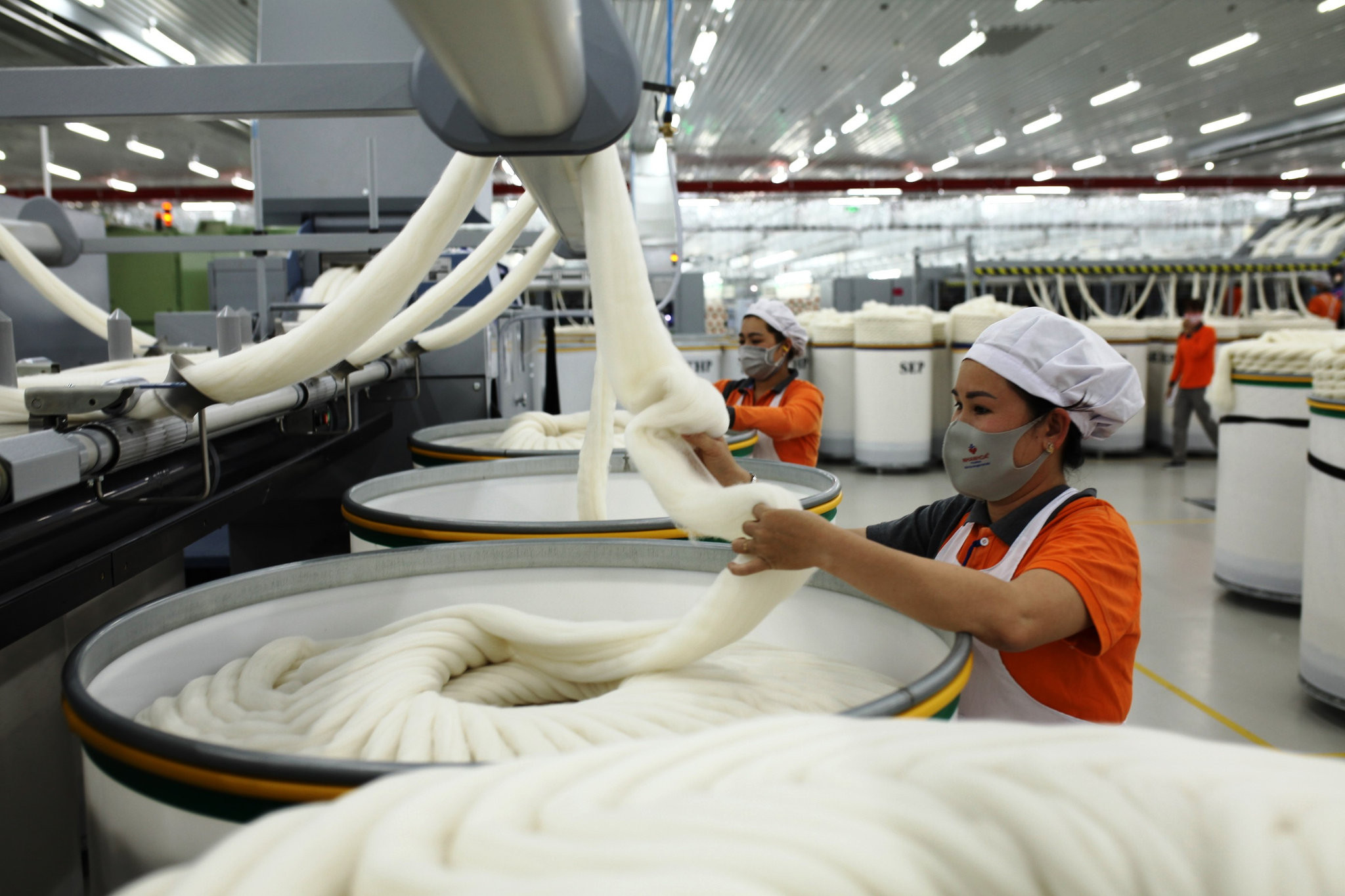
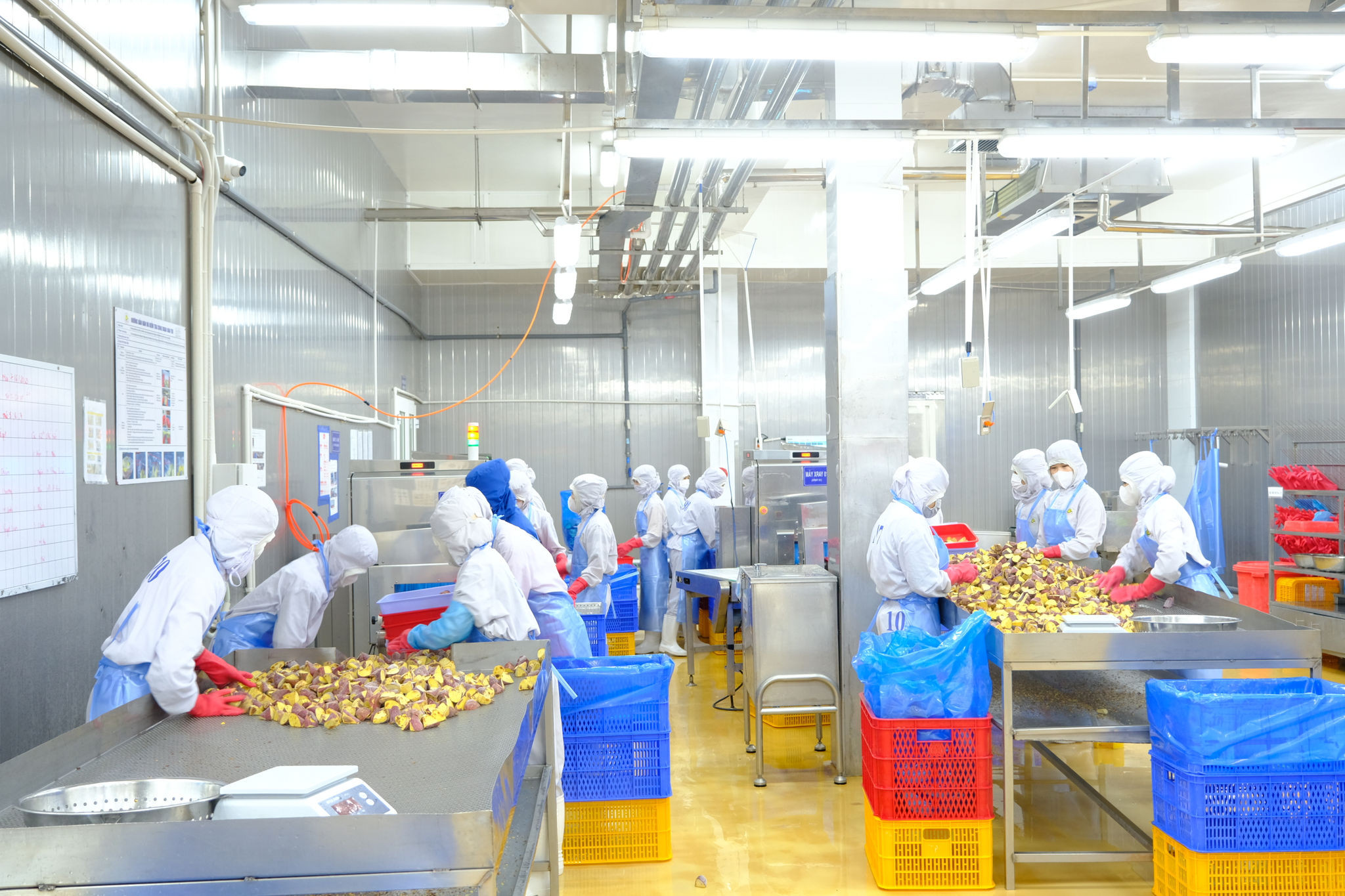
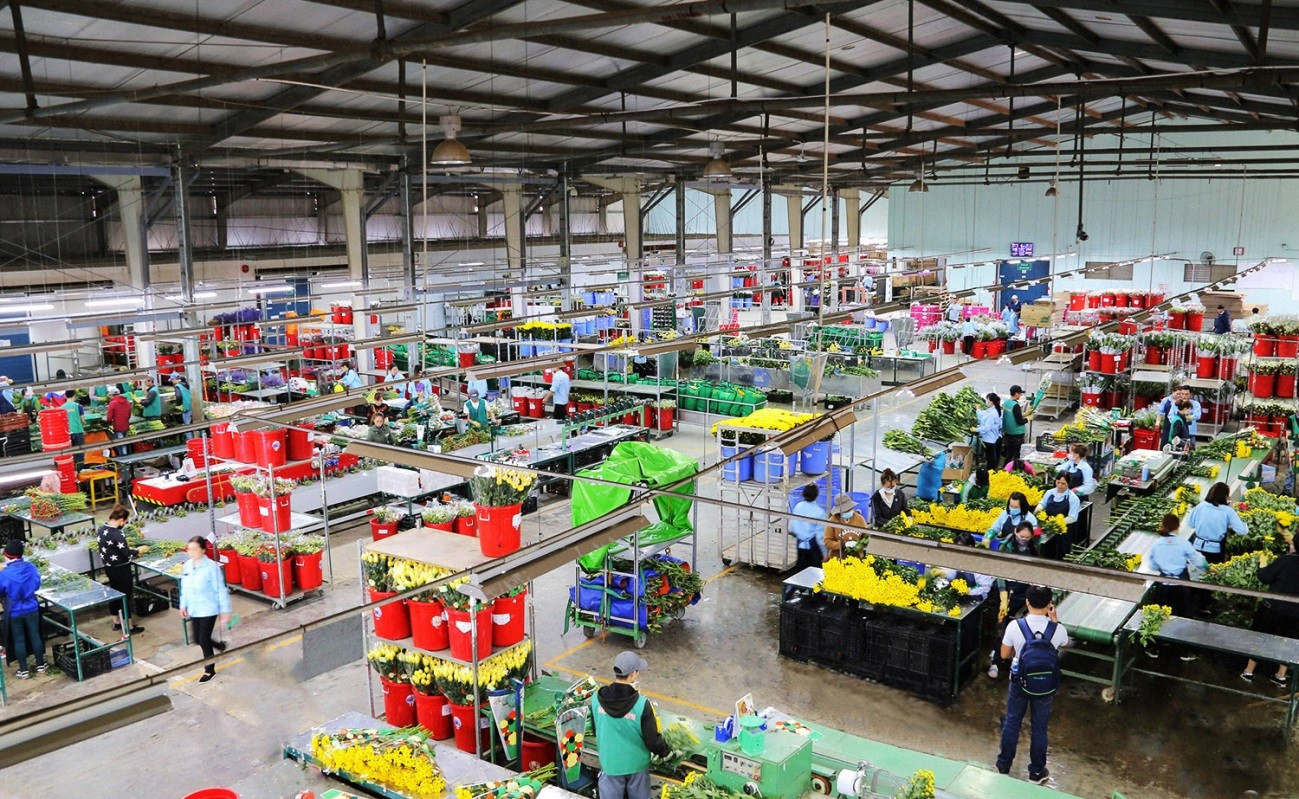
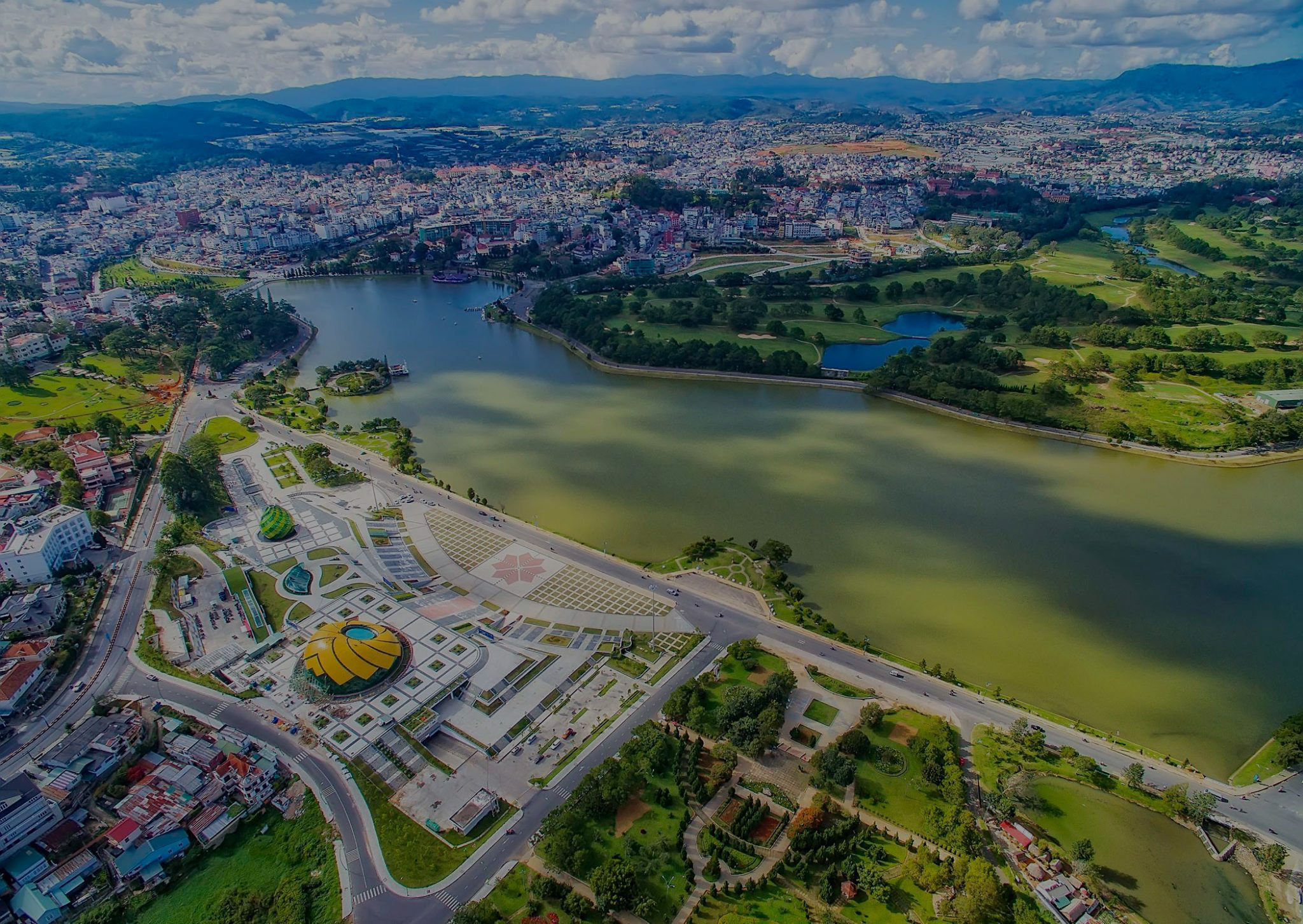
Following the merger, Lam Dong possesses a rare territorial structure, abundant resources and a strategically important geo-economic position. The adjustment of the provincial master plan for 2021-2030, with a vision to 2050, clearly sets out the goal of turning Lam Dong into a relatively developed province, a world-class tourism center, a hub for green agriculture, energy industries and the marine economy.
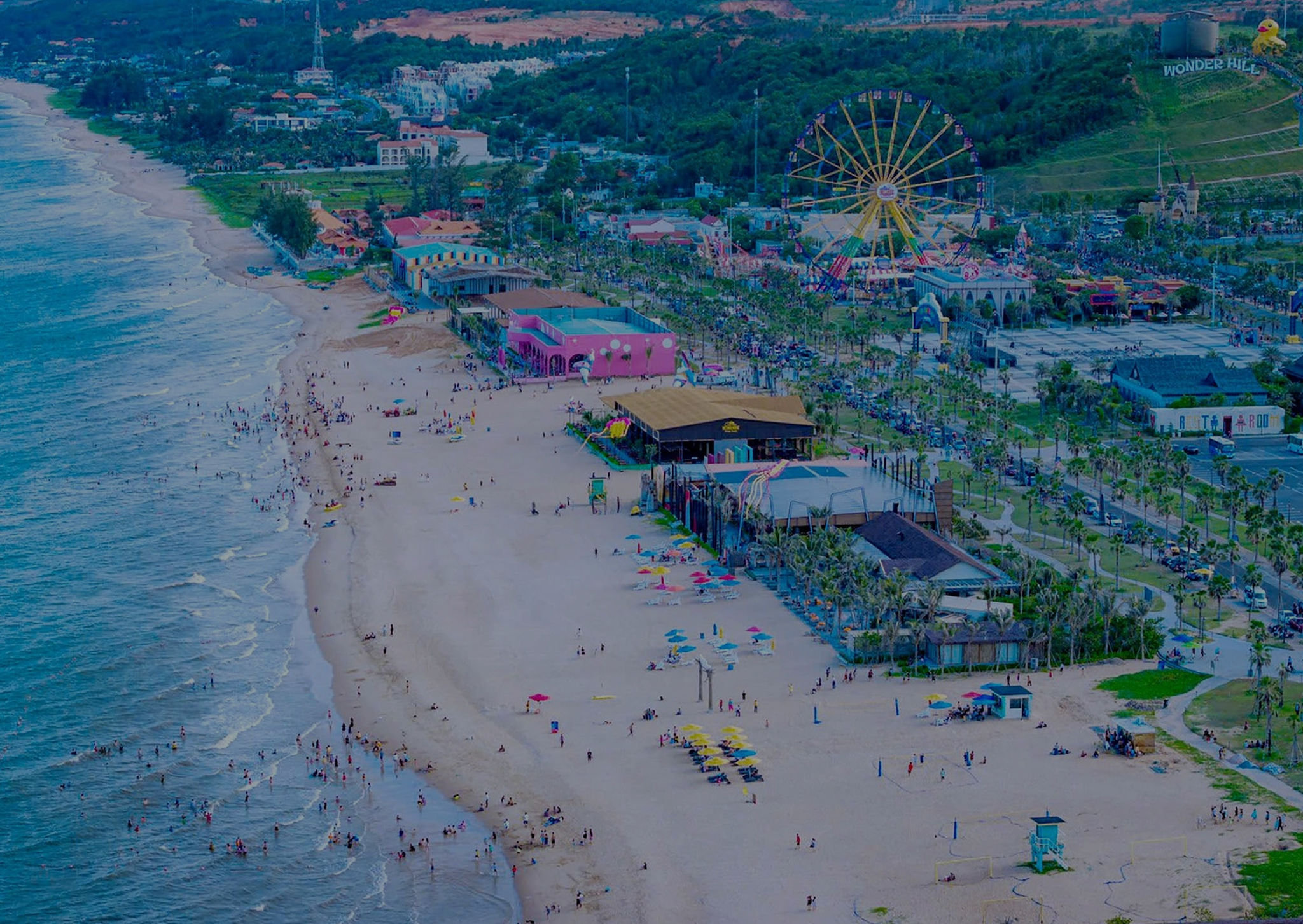
Accurately identifying the province’s potential, constraints and investment opportunities is therefore crucial to unlocking resources, attracting strategic investors and successfully realizing its development vision.
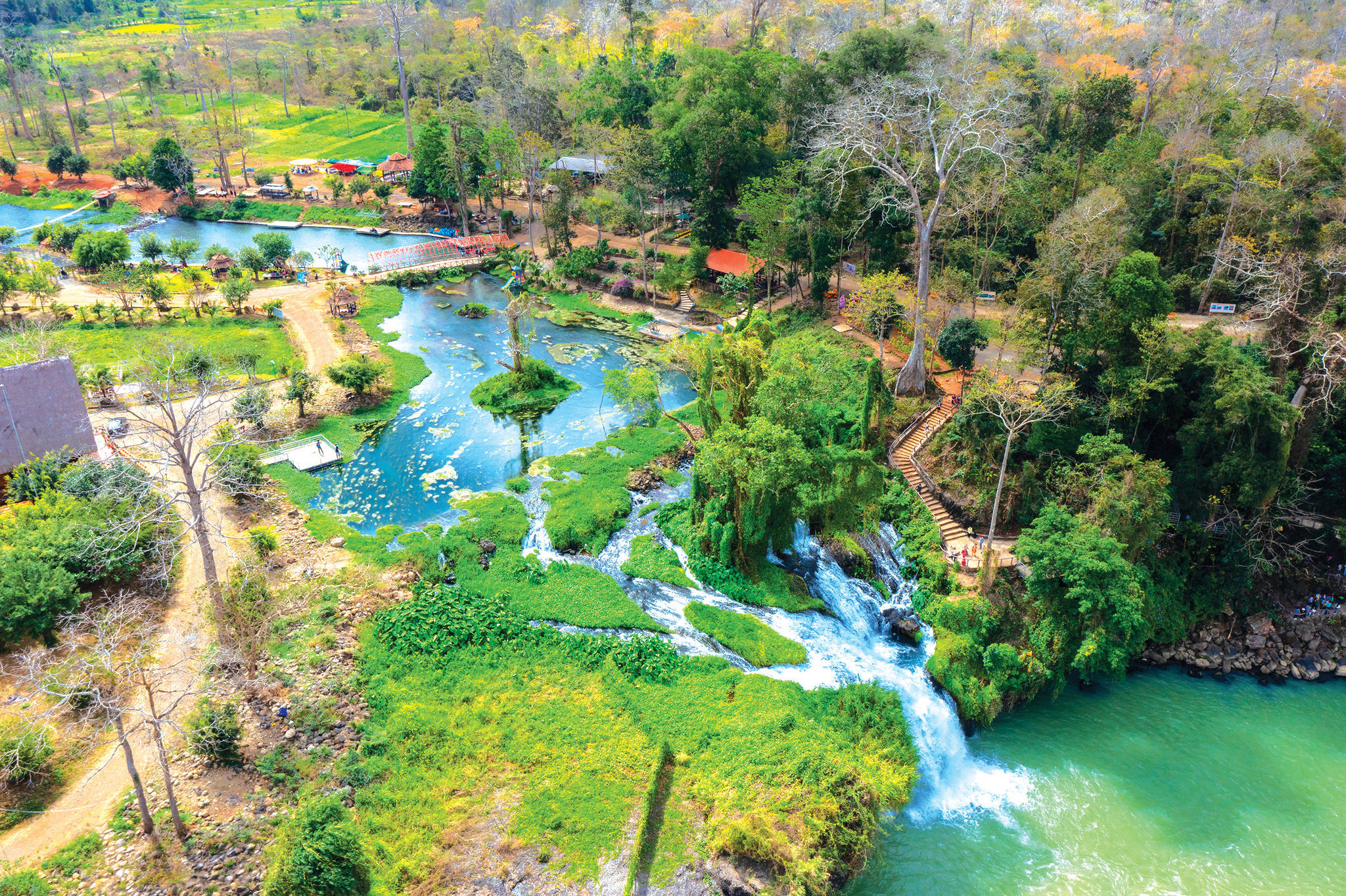

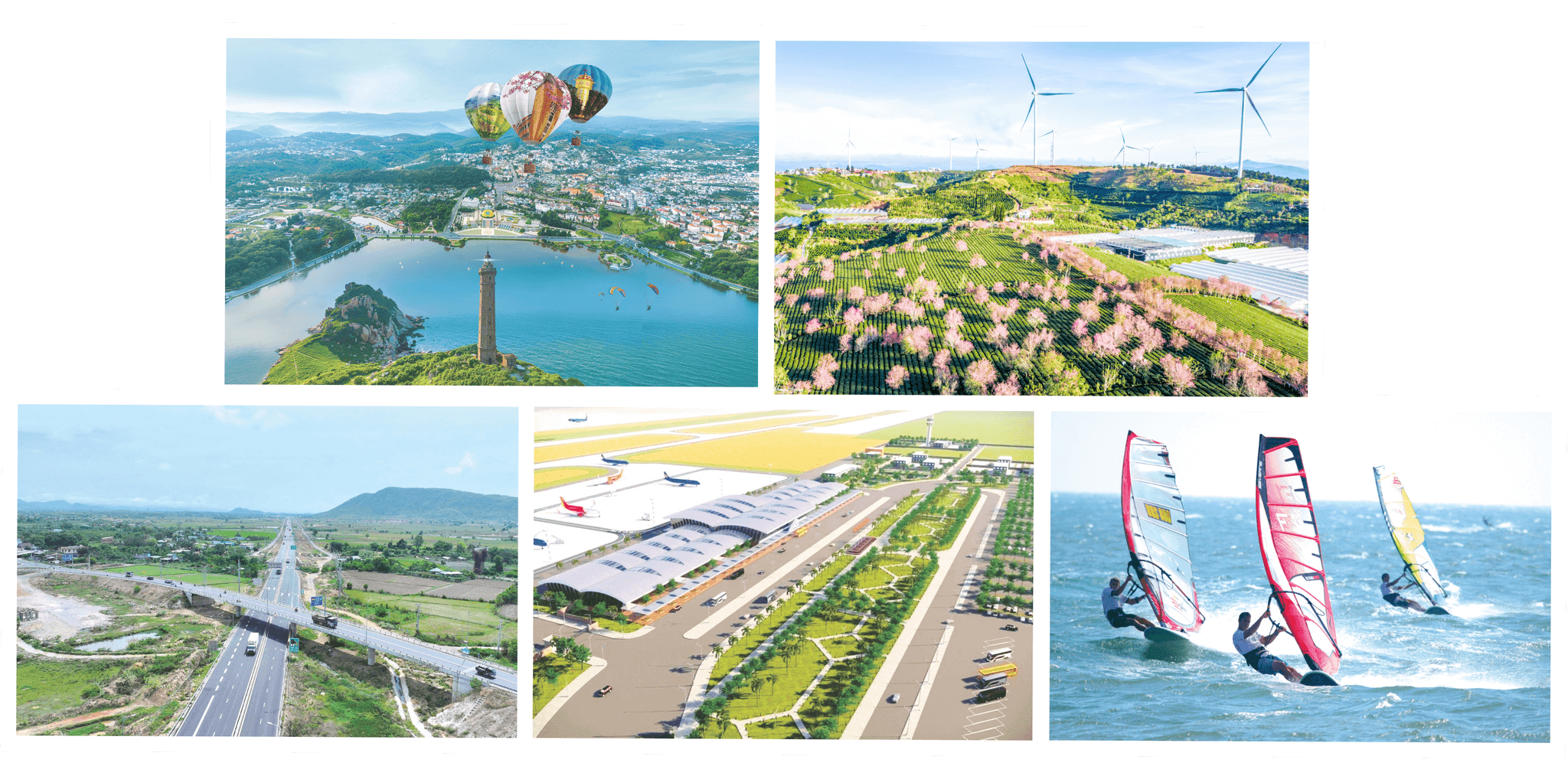
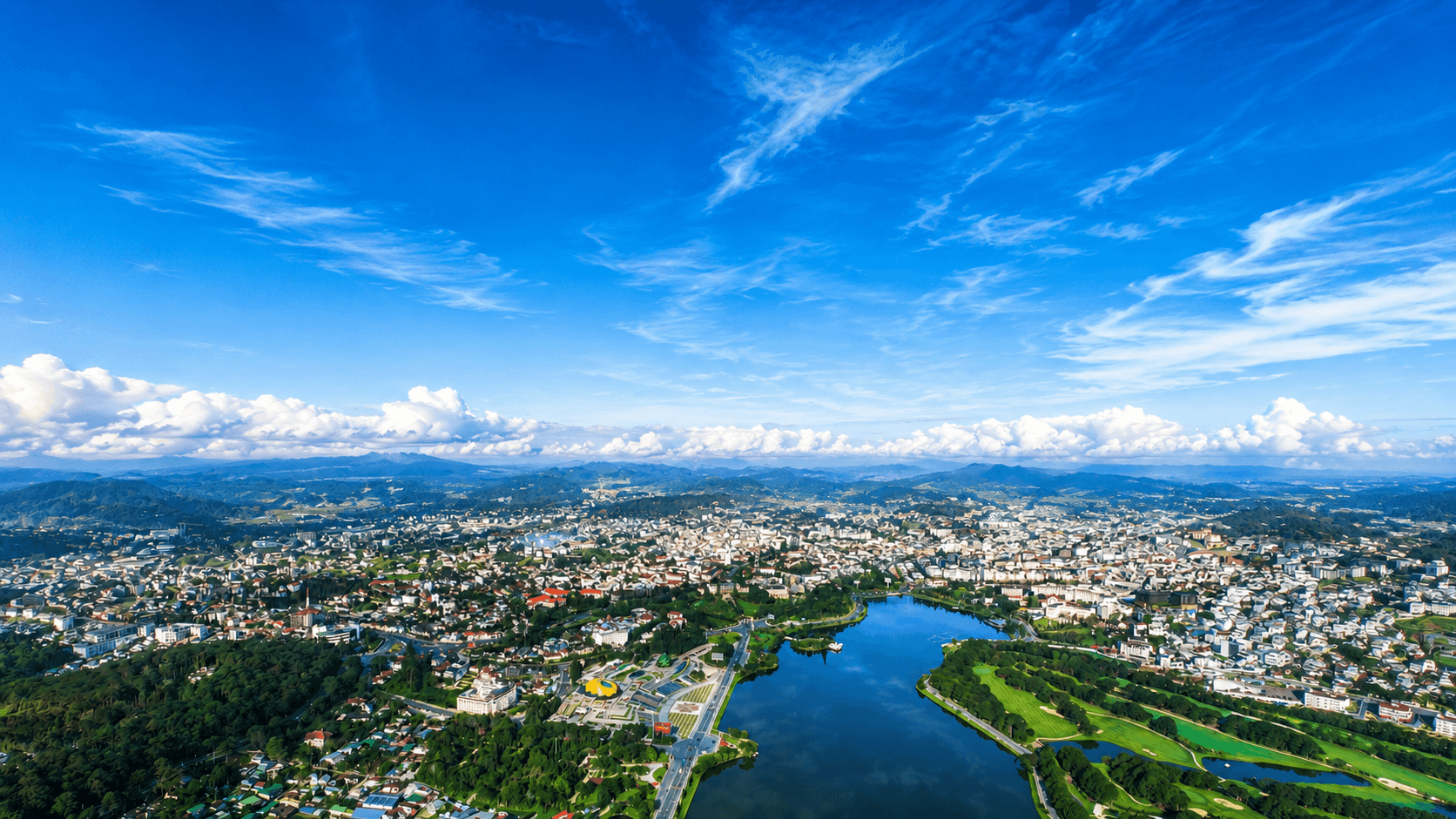
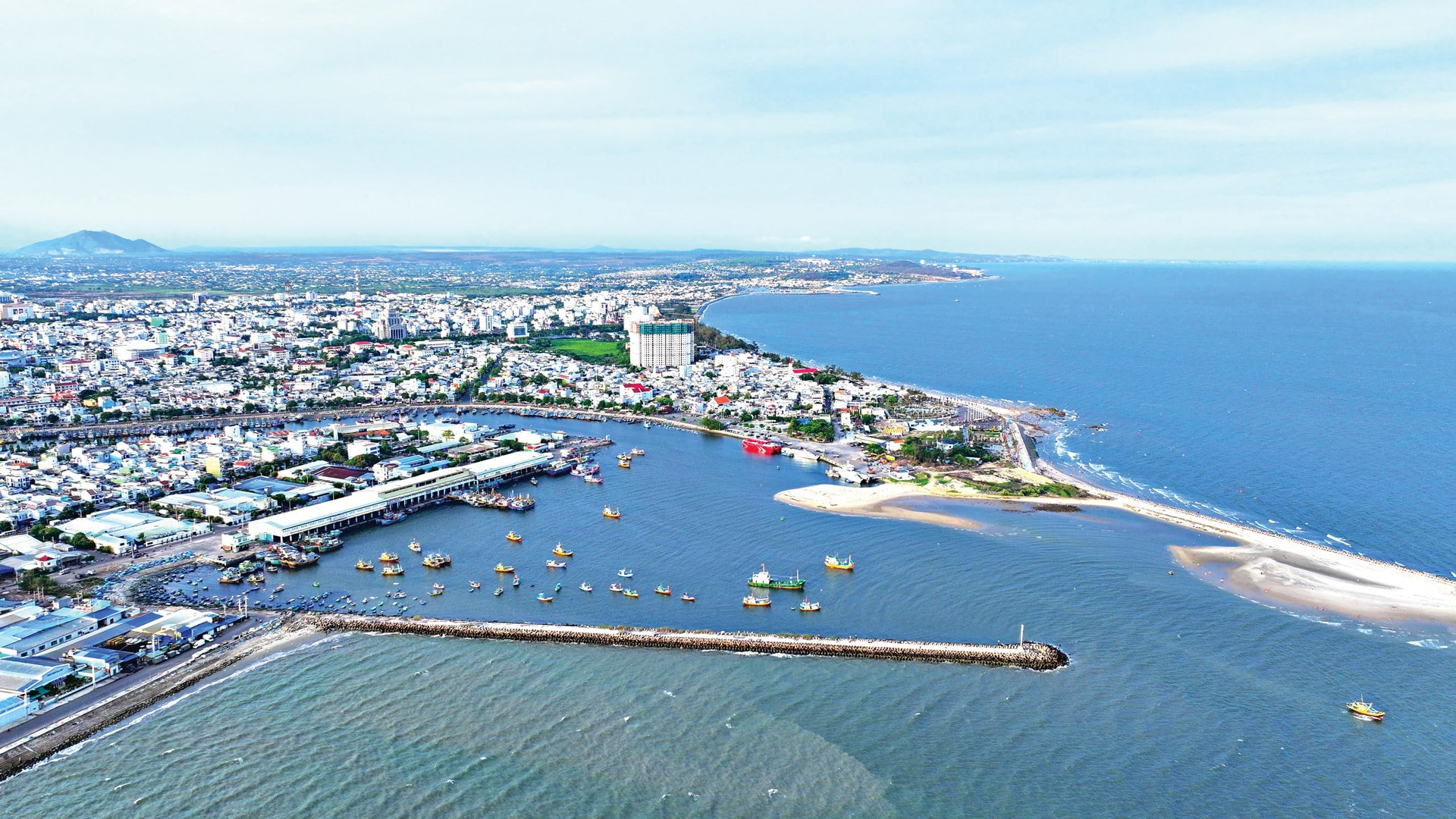
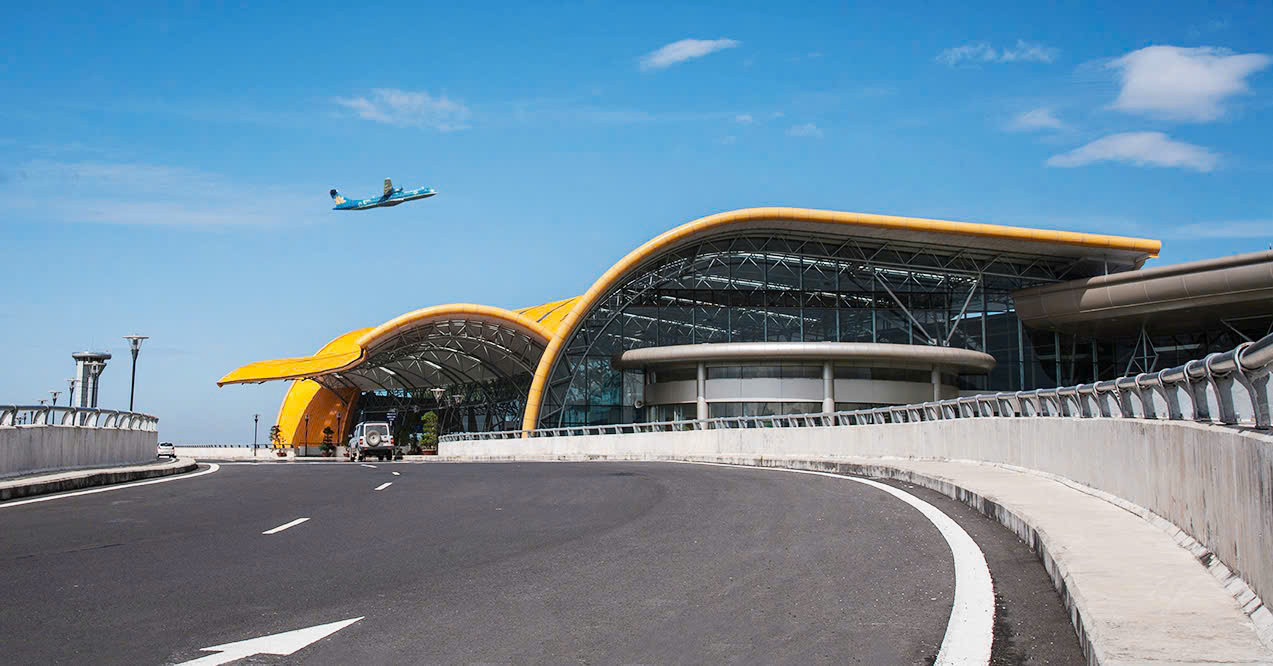
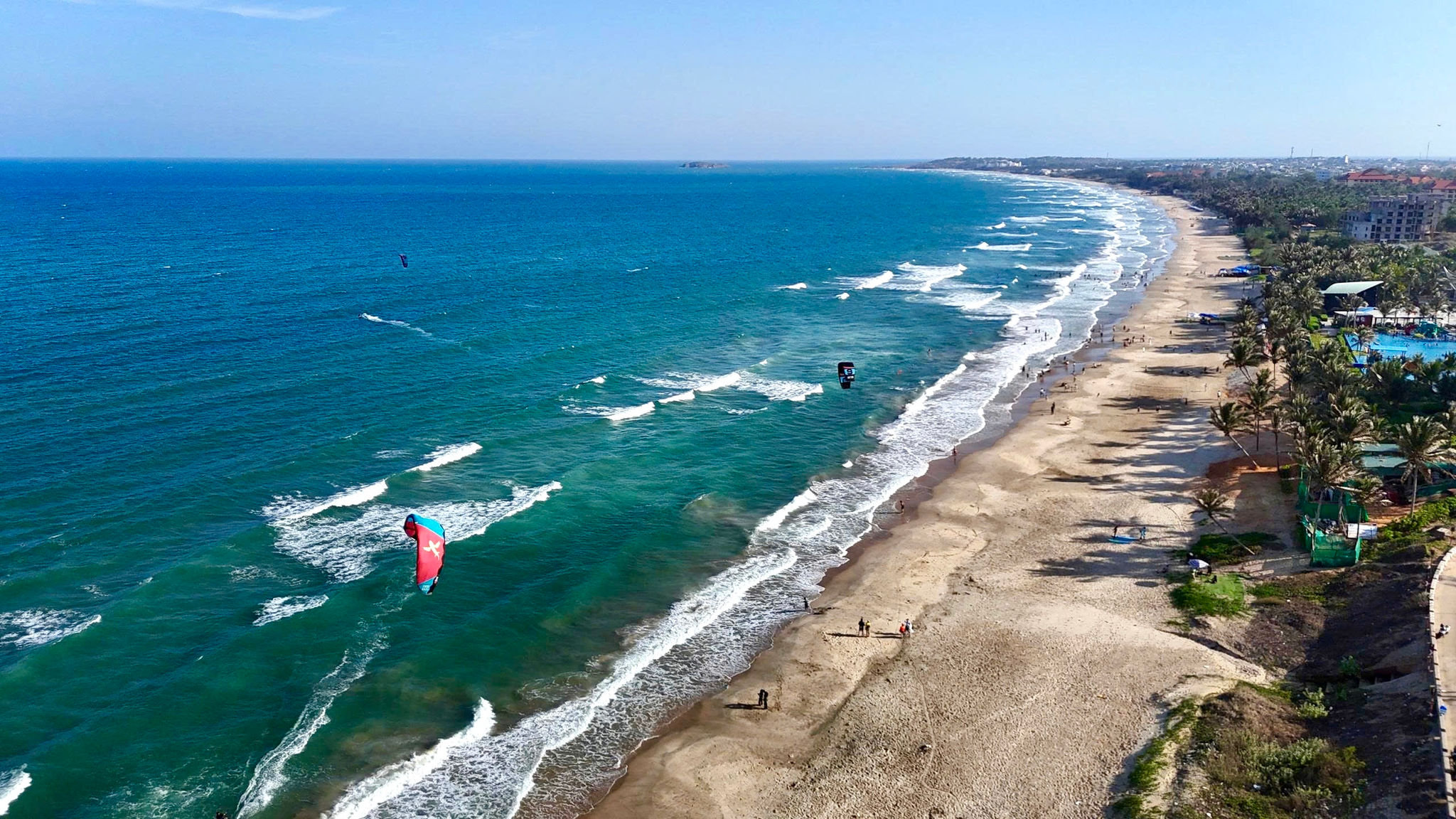
First, its strategic geo-economic location. Lam Dong lies on a highlands-to-sea connectivity axis, with direct access to the seaport system in Binh Thuan, Lien Khuong Airport and major economic centers such as Ho Chi Minh City and the Southeast region. Its border with Cambodia, combined with approximately 192 km of coastline and Phu Quy Island, opens up significant opportunities for cross-border and marine economic development.
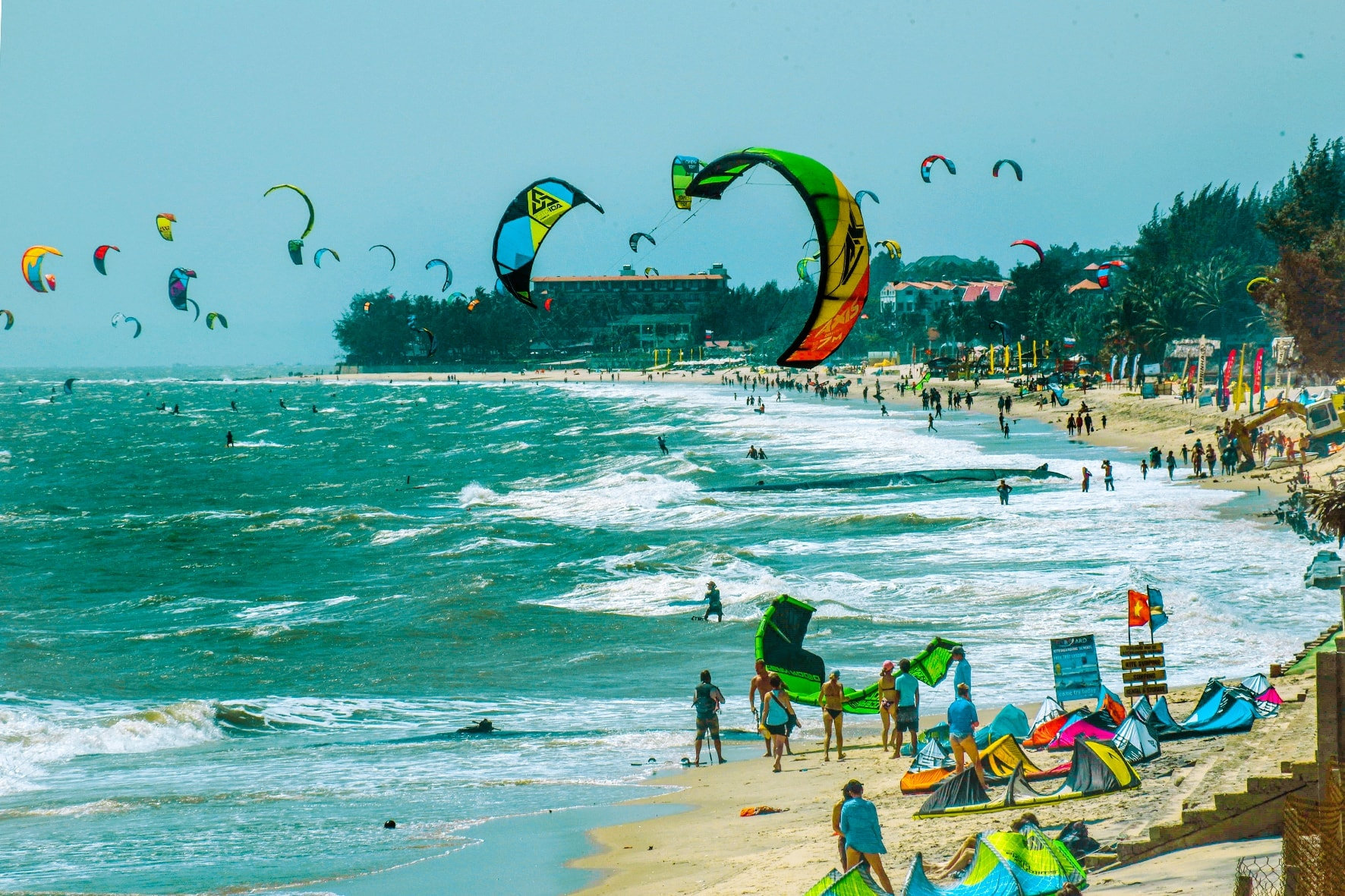
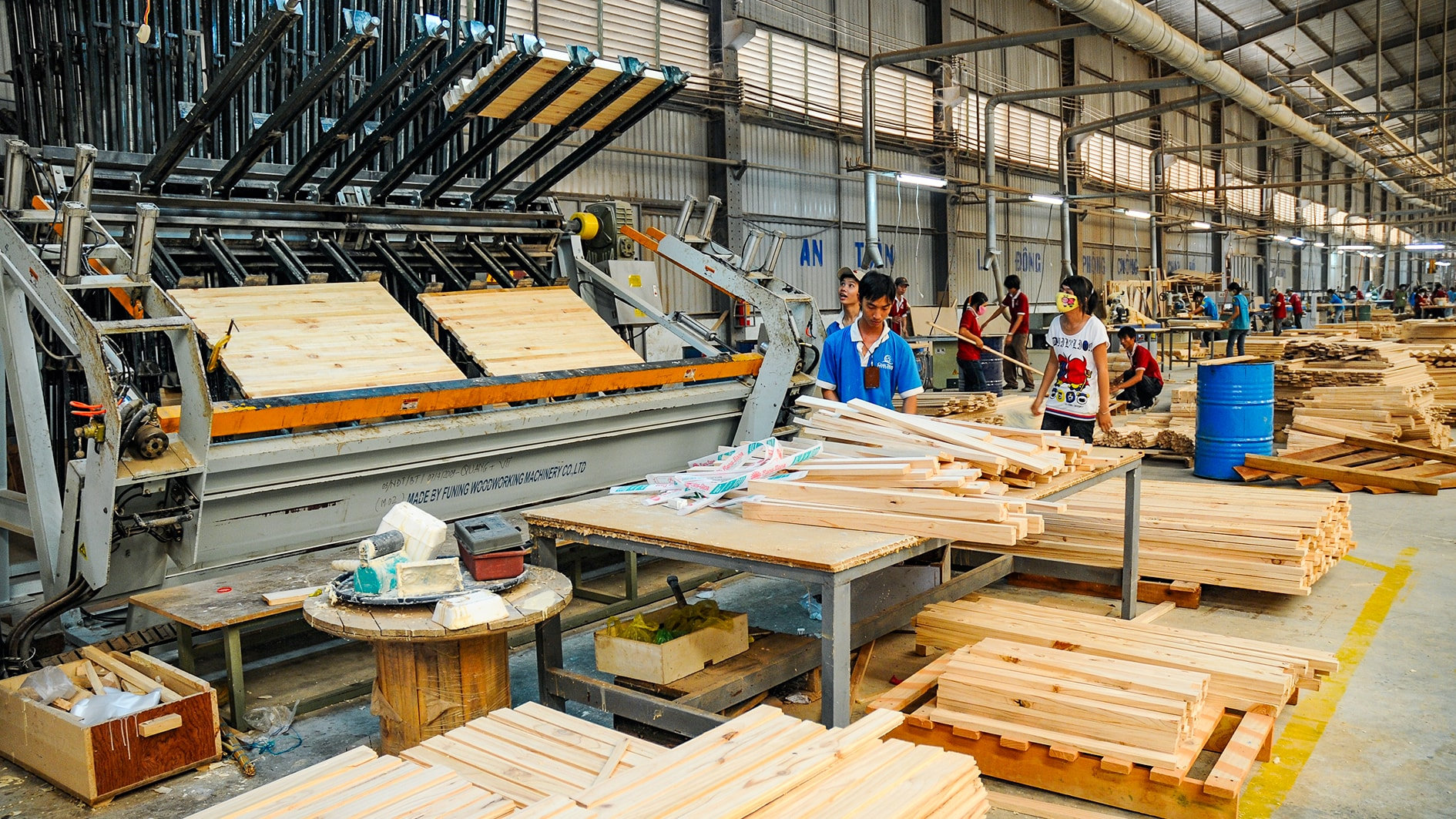
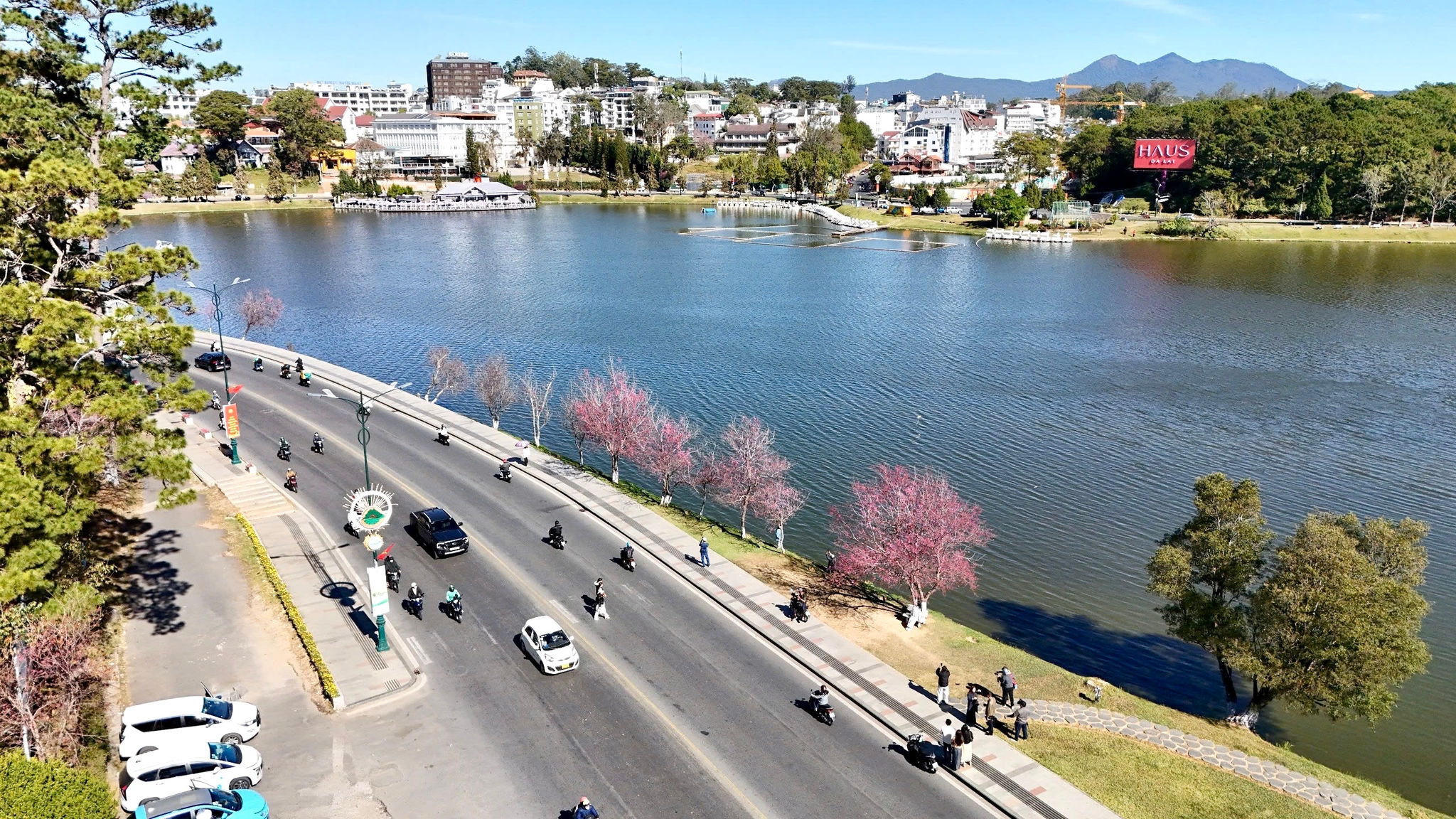
Second, its diverse “highlands - midlands - coastal” ecological structure. The contiguous territory of more than 24,200 sq km allows the province to simultaneously develop multiple complementary economic sectors, including high-tech agriculture, green tourism, renewable energy, processing industries and the marine economy. This represents a significant advantage over localities with only a single ecological profile.
.jpg)
Third, abundant natural and cultural resources. With approximately 1.2 million hectares of forest, Lam Dong has a strong foundation for developing the carbon-credit market and ecotourism. The province also possesses strategic mineral resources, notably Central Highlands bauxite and the country’s largest coastal placer titanium reserves.
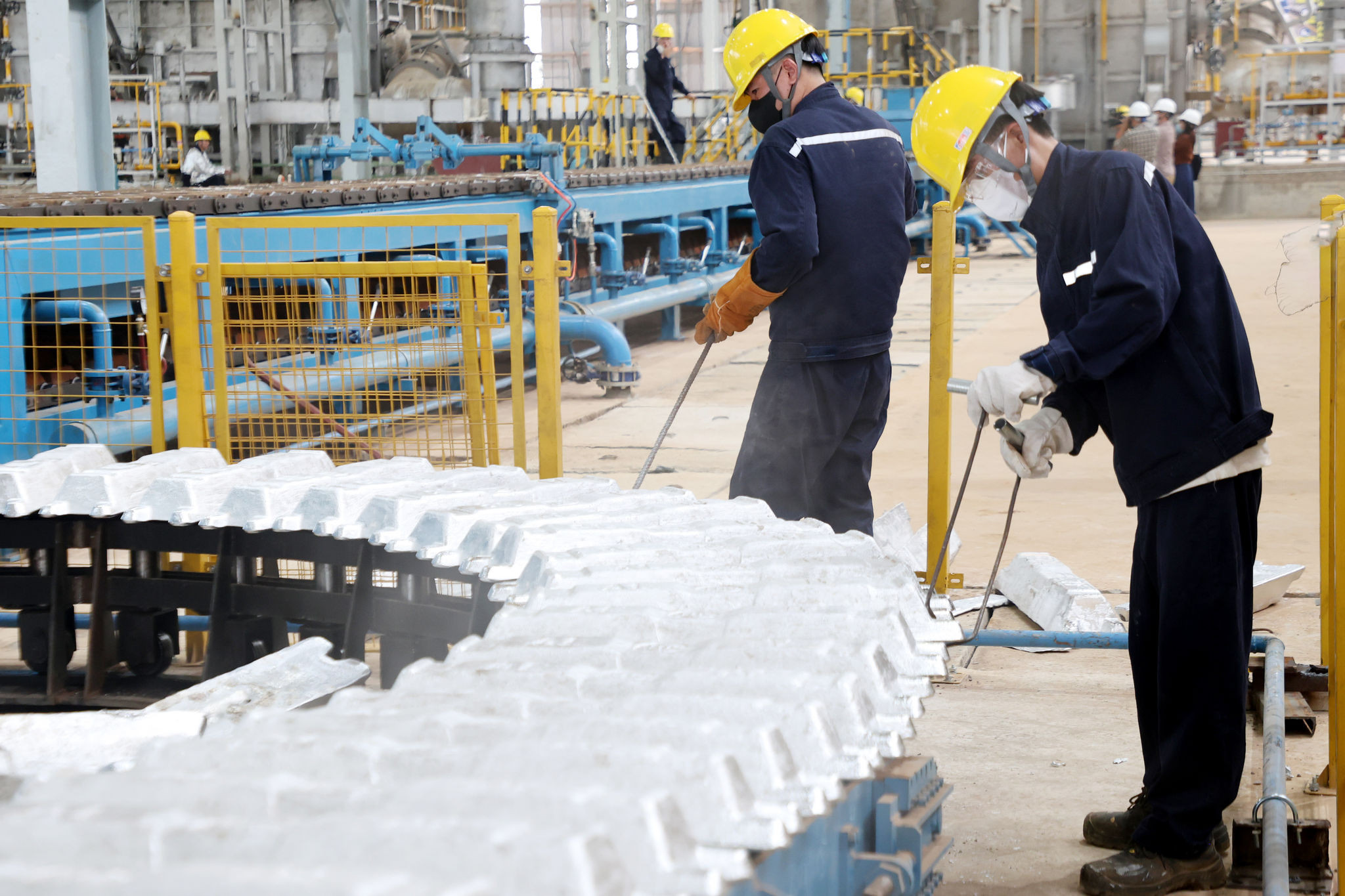
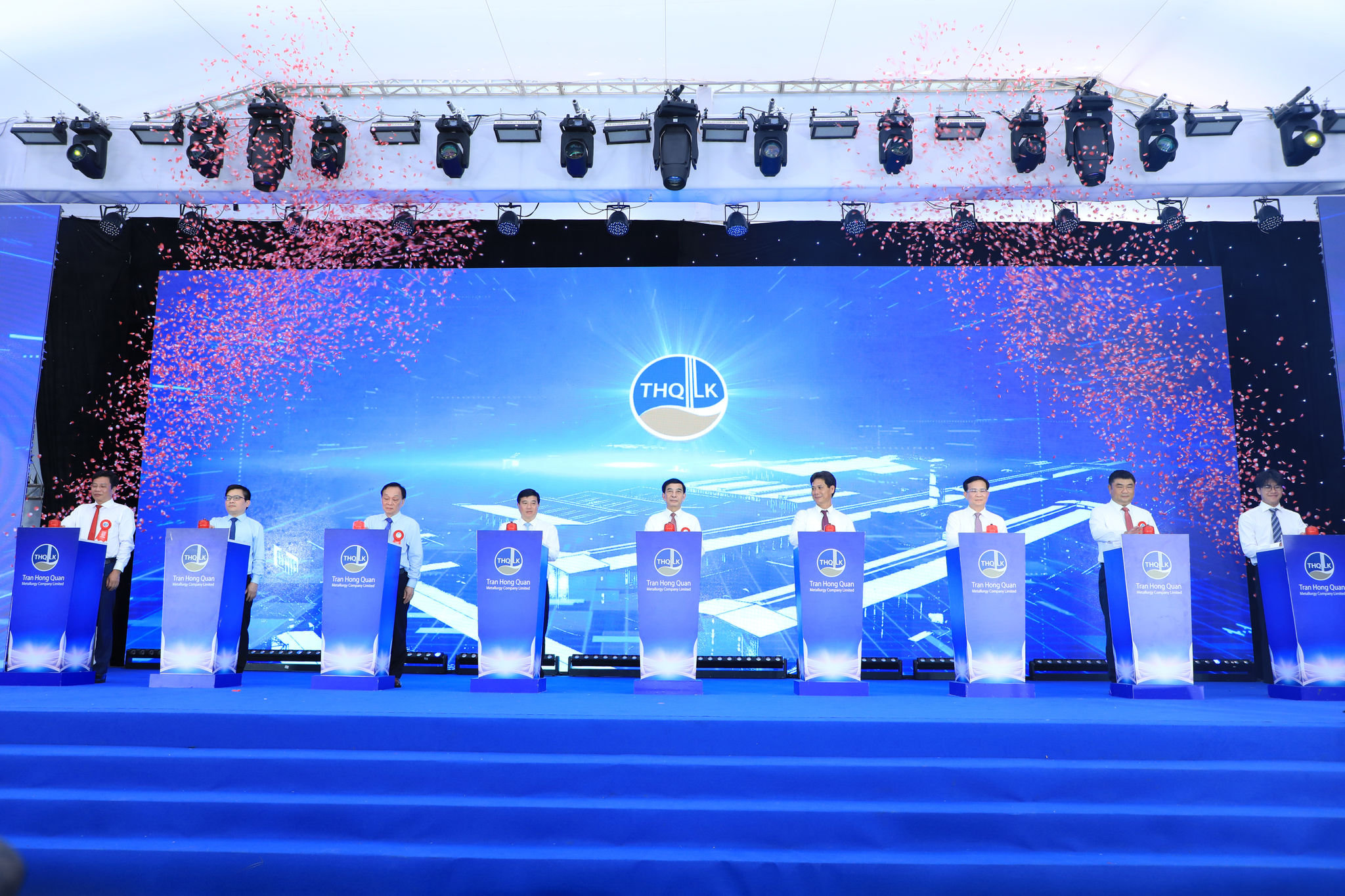
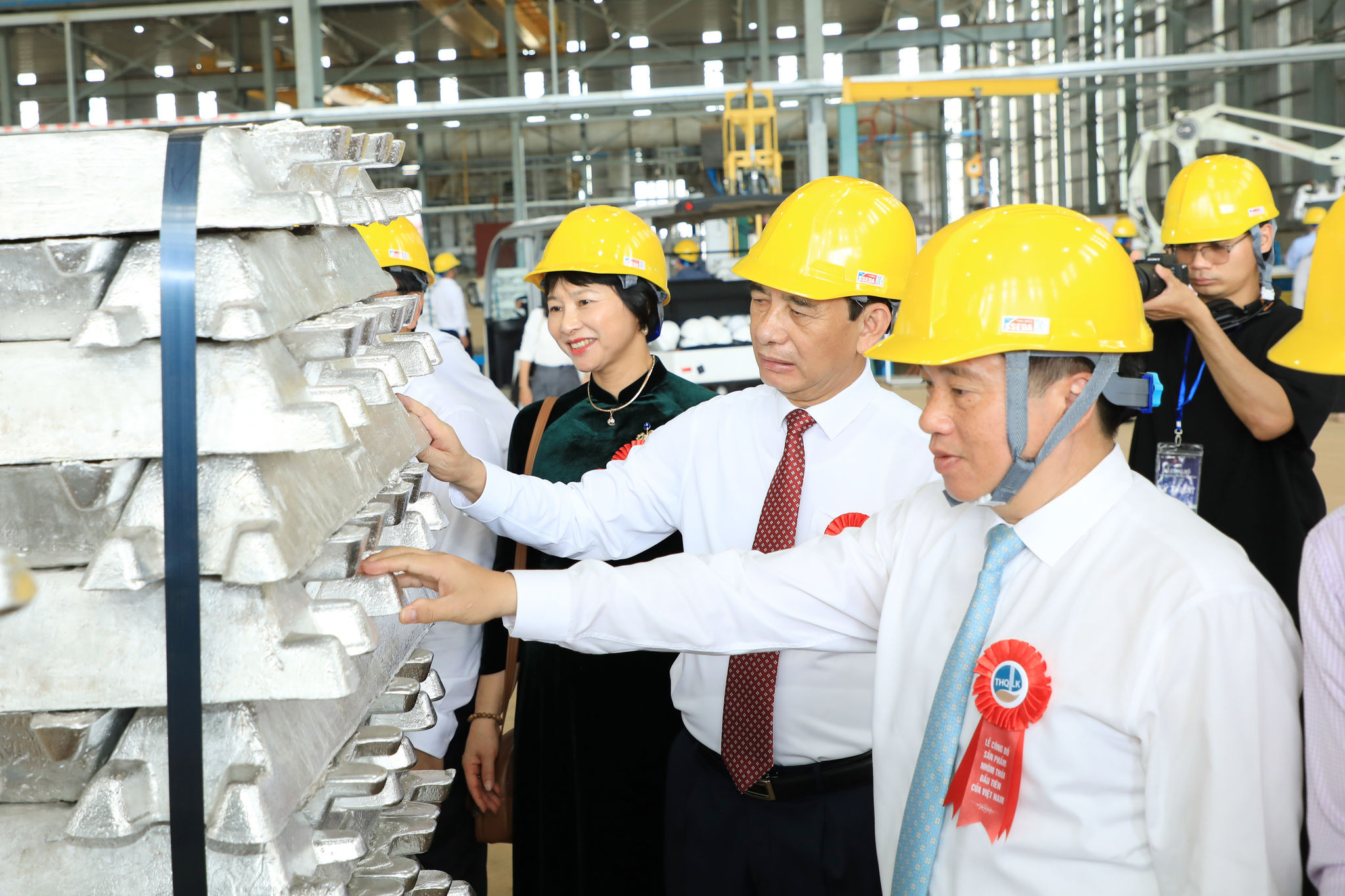
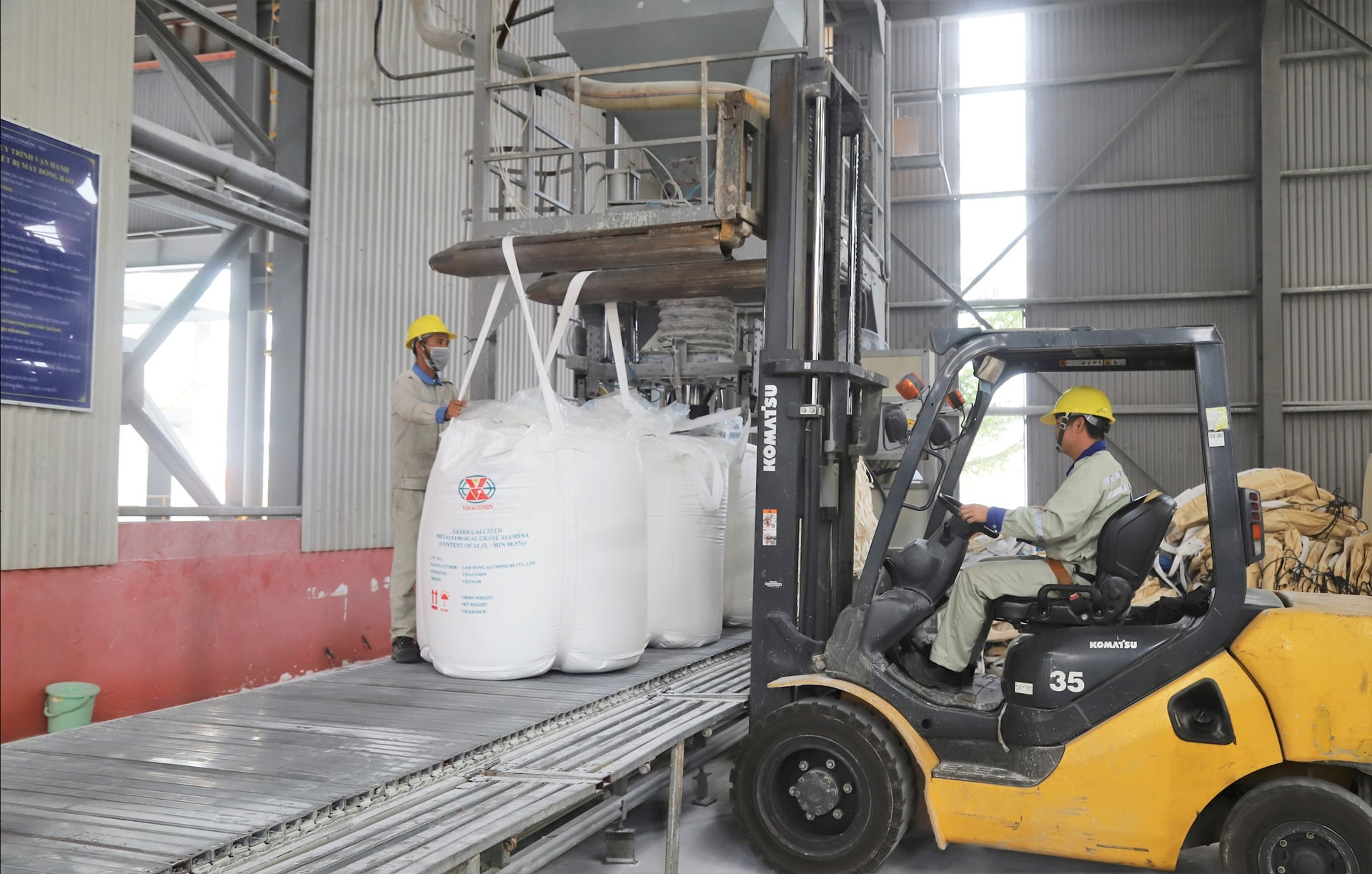
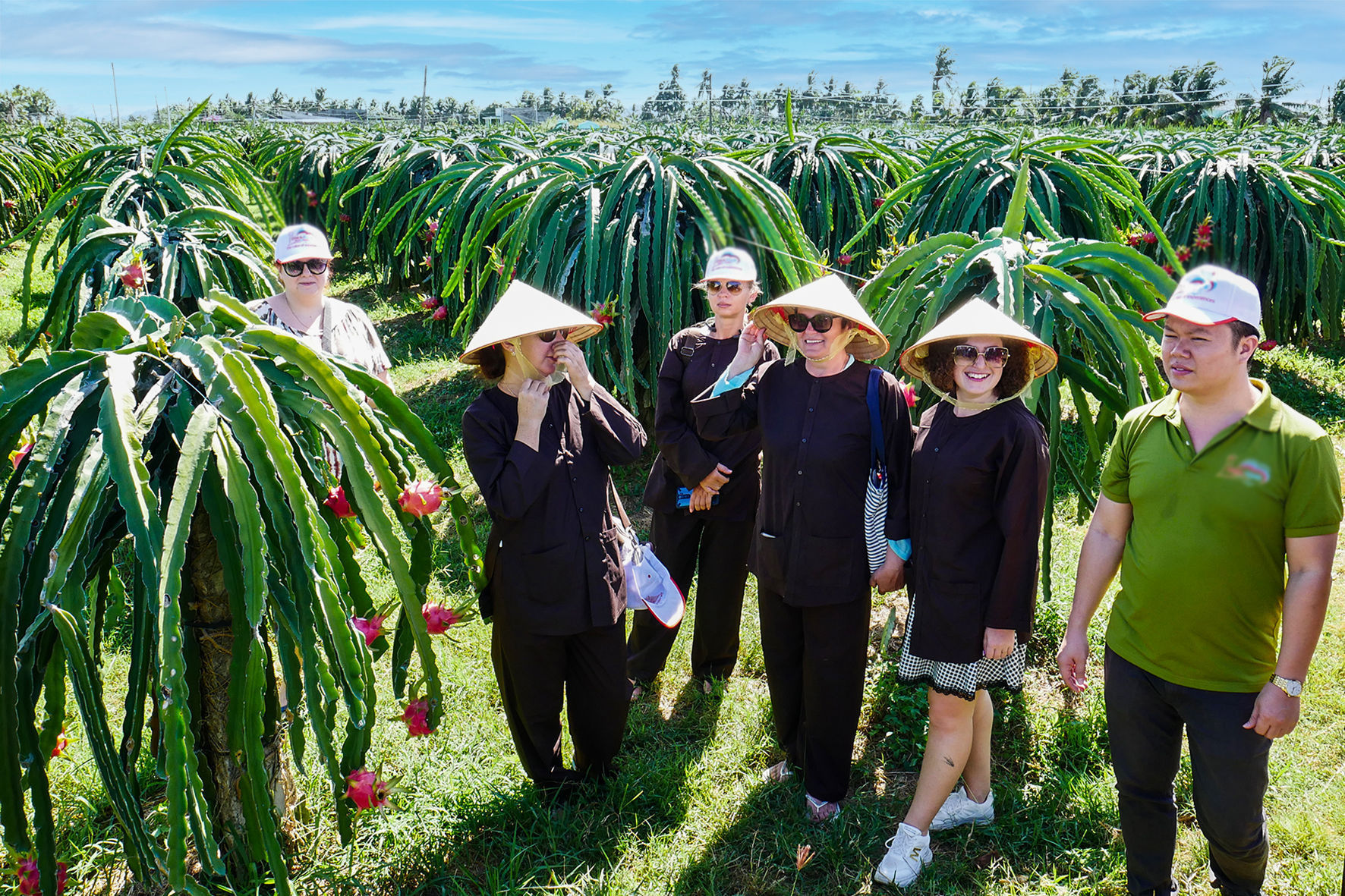
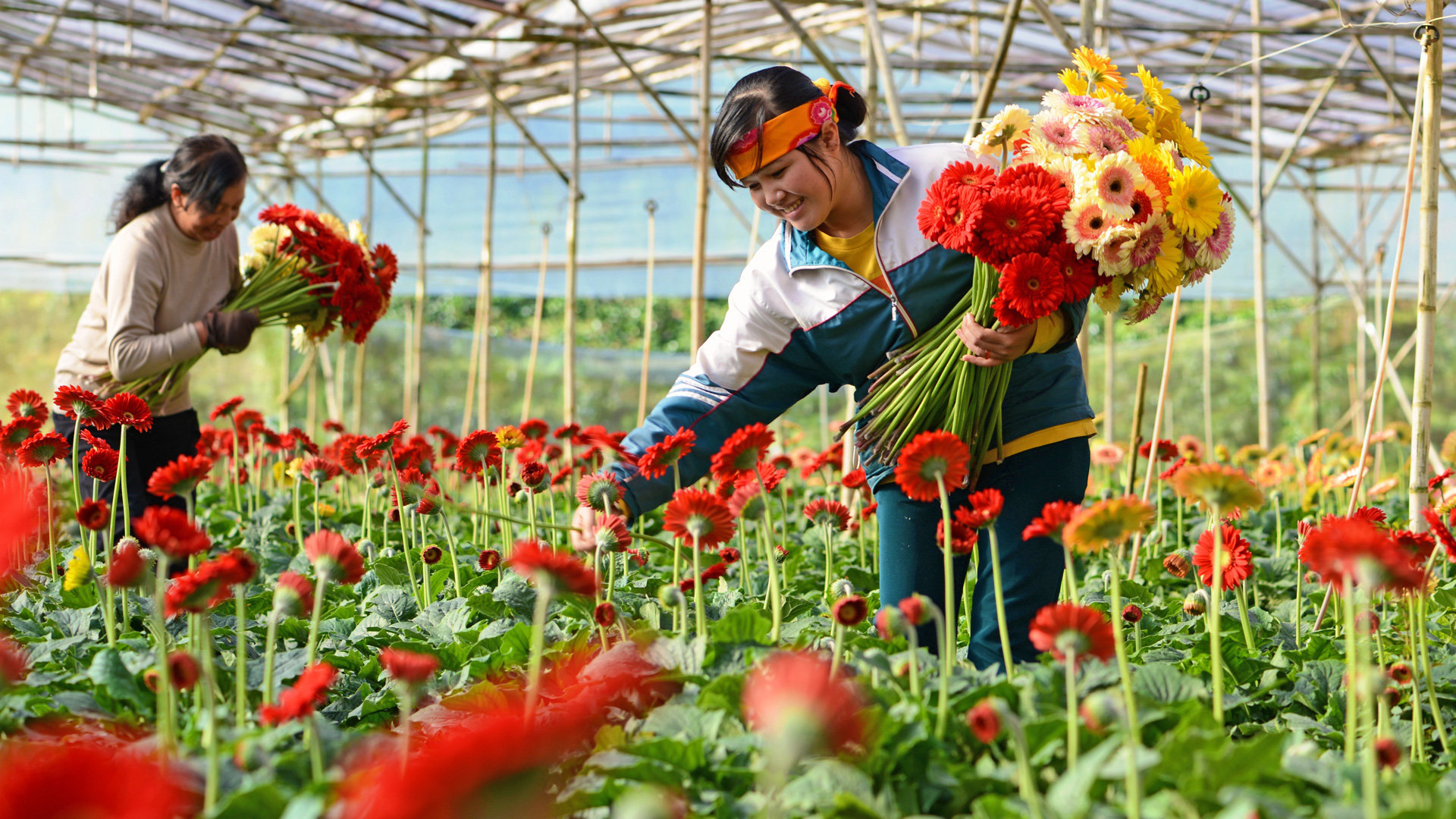
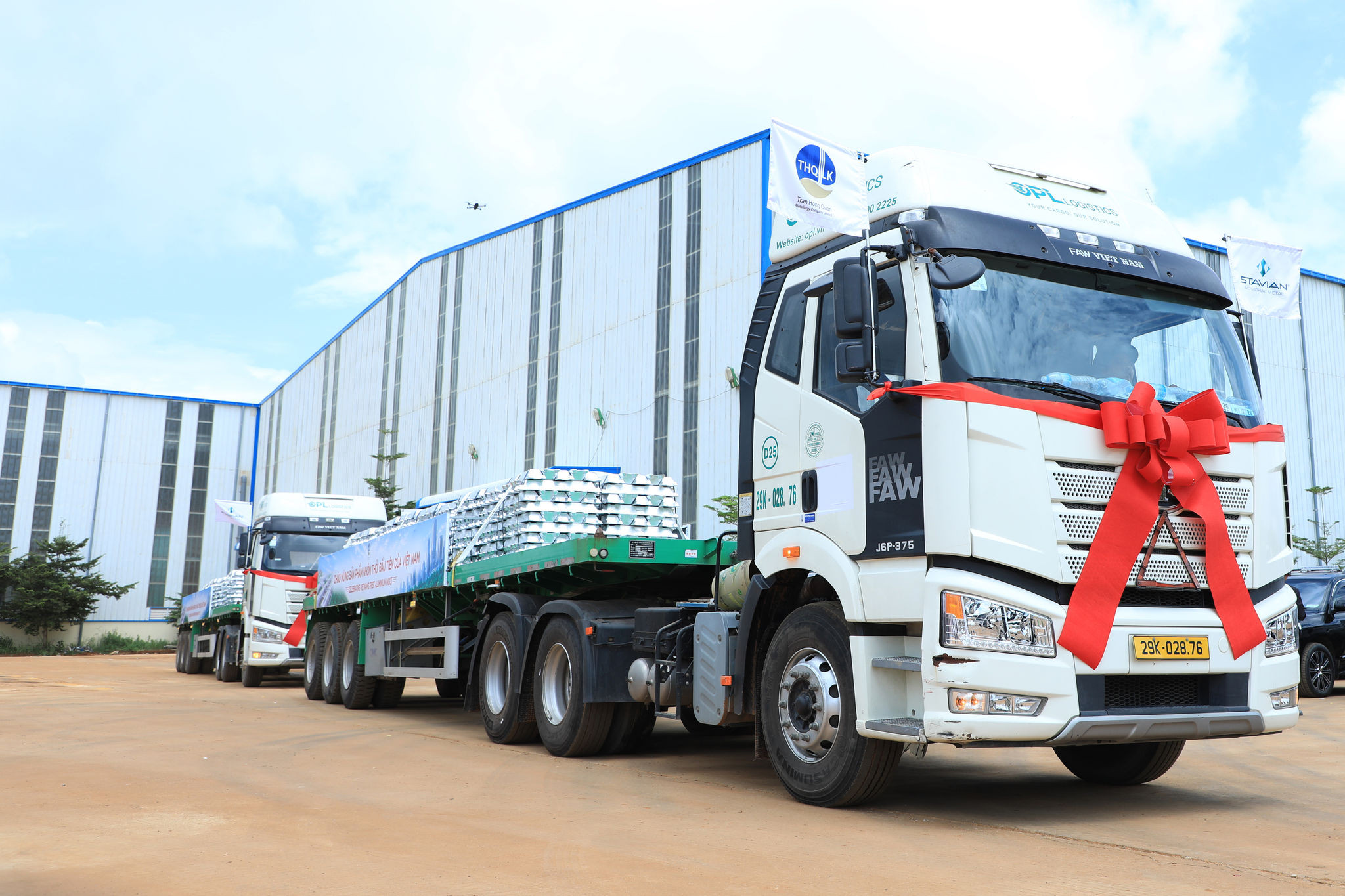
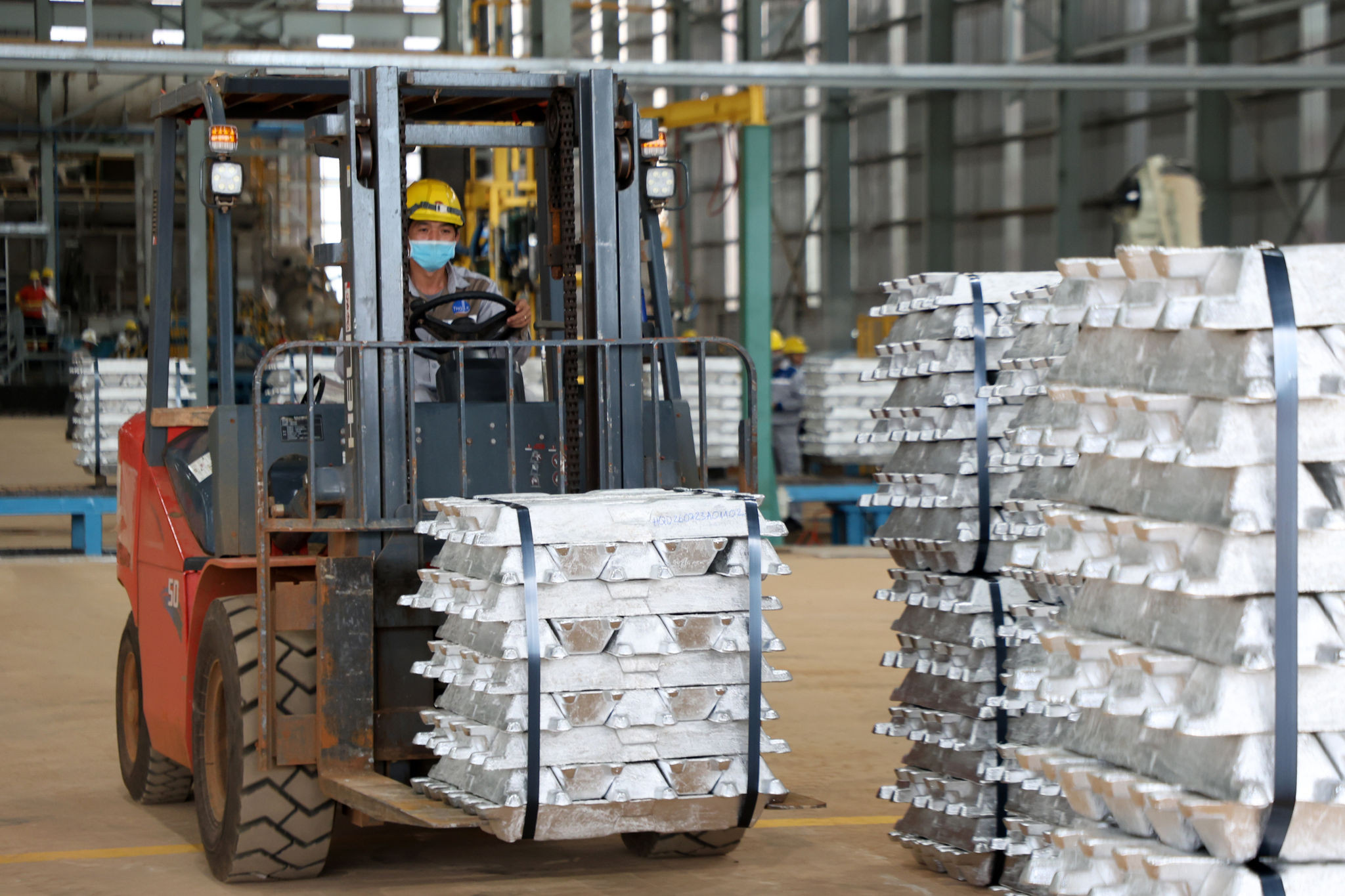
On the morning of July 26, 2026, Lam Dong held a ceremony to announce Vietnam’s first aluminum ingot products. The province also boasts rich fishing grounds and attractive coastlines; internationally recognized tourism brands including Da Lat, Phan Thiet and Mui Ne; and the cultural identities of 49 ethnic groups. Signature agricultural products such as Da Lat vegetables and flowers, tea, Bao Loc silk, coffee, dragon fruit and seafood have established strong brands and secured intellectual property protection.
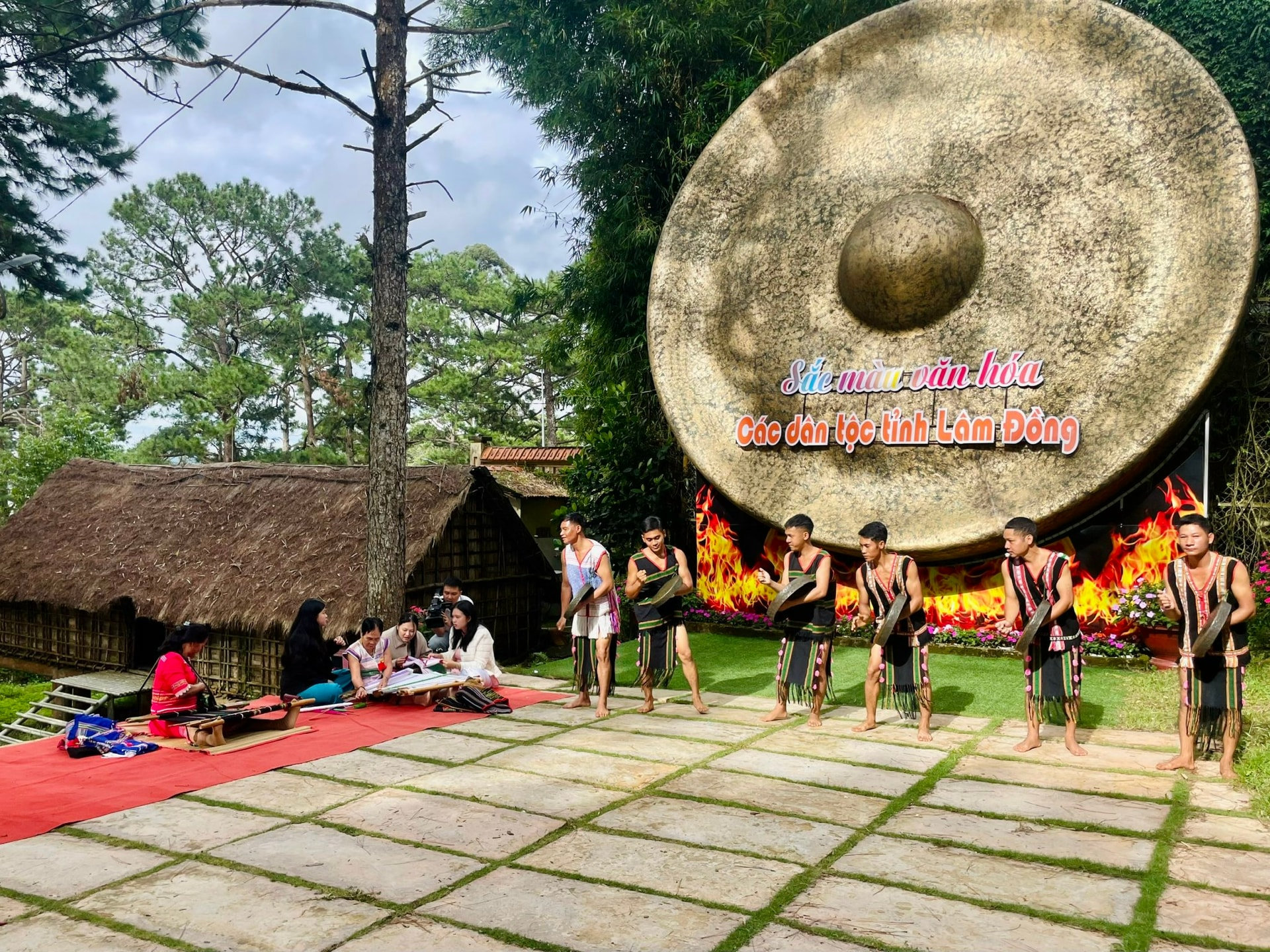
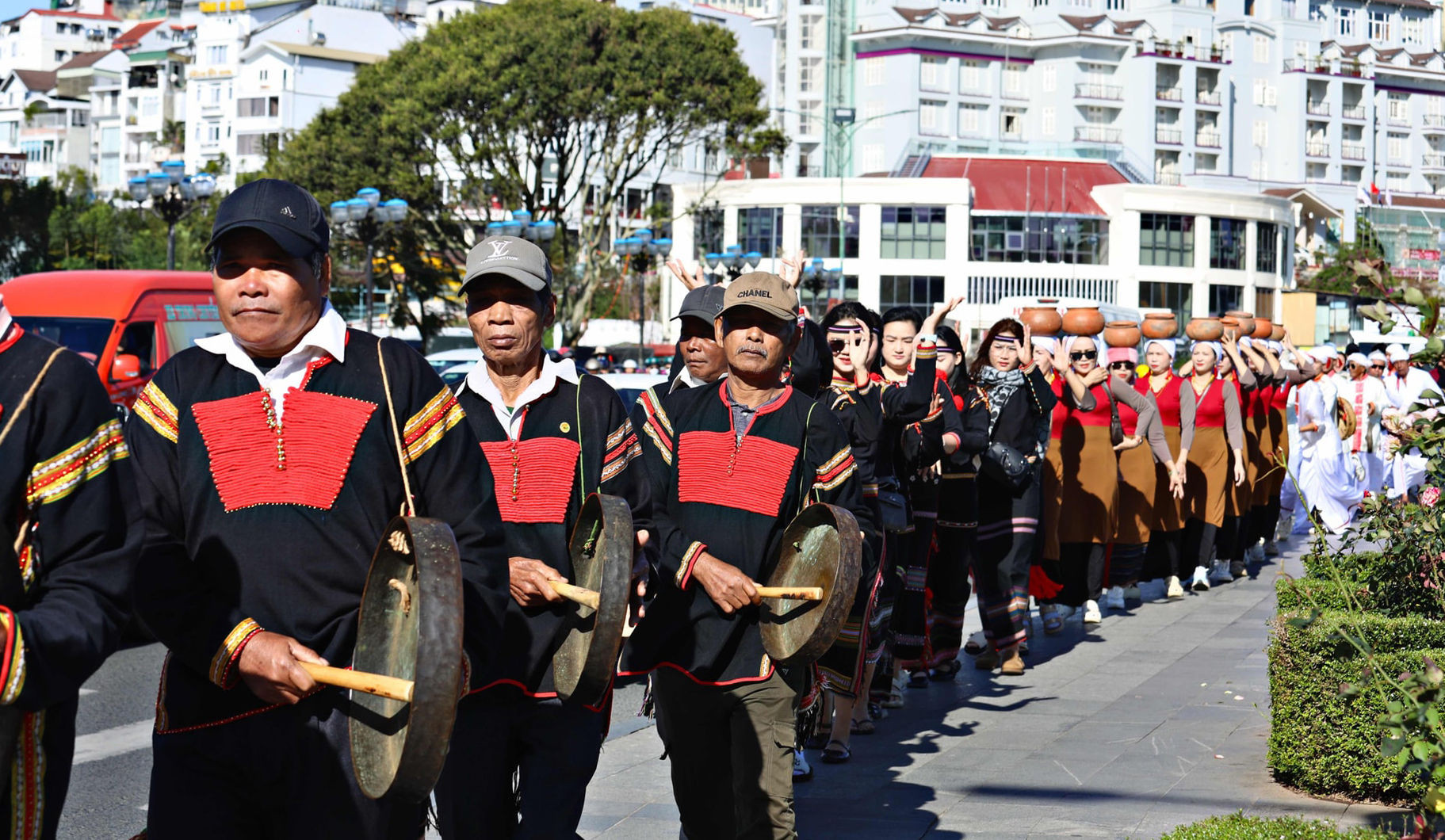
Fourth, a rich portfolio of UNESCO-recognized heritage sites. These include the Space of Gong Culture in the Central Highlands; Nguyen Dynasty Woodblocks; the Langbiang World Biosphere Reserve; Da Lat - UNESCO Creative City of Music; the Art of Pottery Making of the Cham People; and Dak Nong UNESCO Global Geopark.
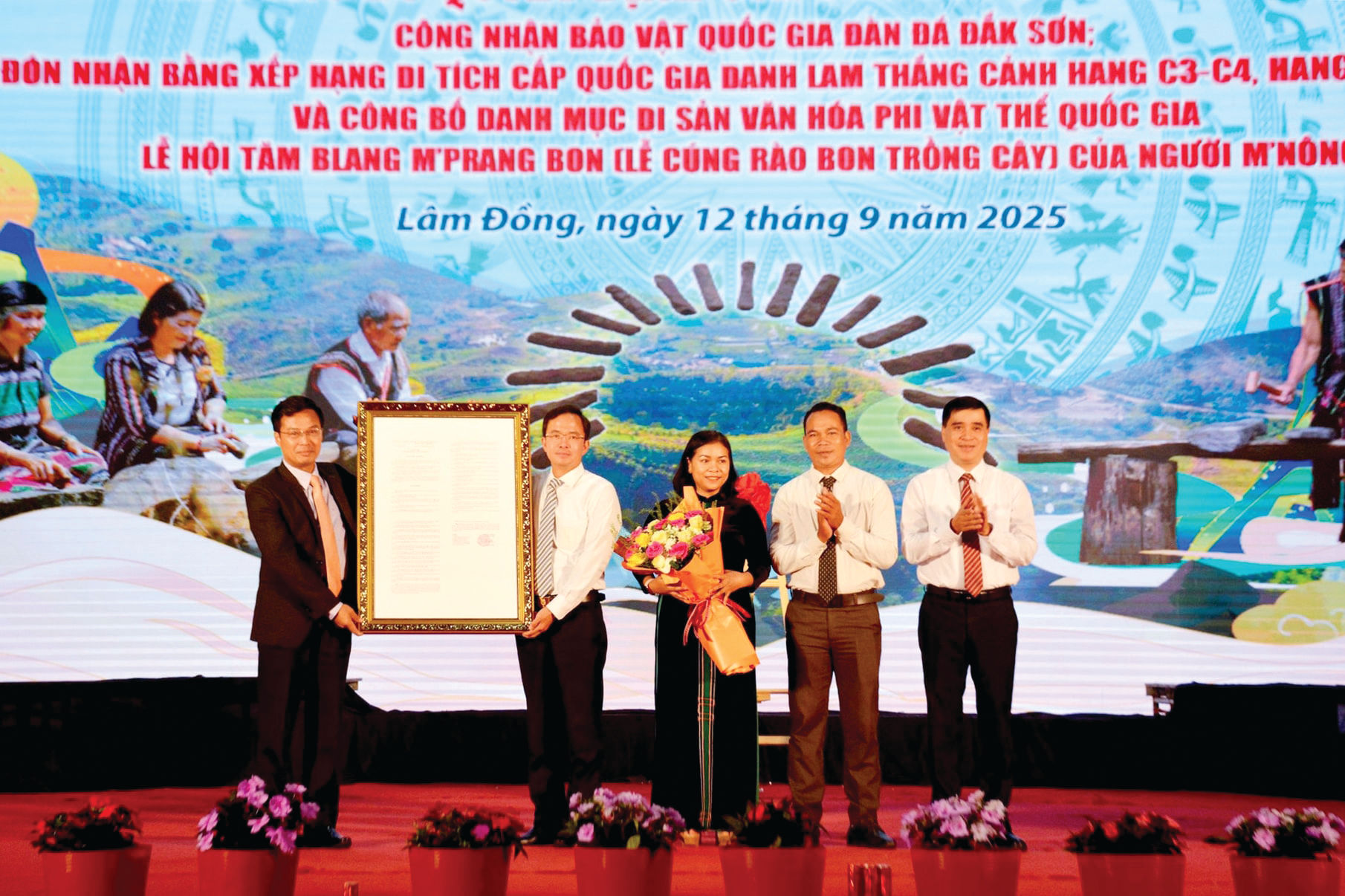
Lam Dong therefore possesses one of the most diverse UNESCO heritage portfolios among provinces in the South Central Coast and southern Vietnam. It is also among the national leaders in terms of heritage diversity, covering intangible heritage, documentary heritage, biosphere reserves, global geoparks and creative cities. This provides a major opportunity to attract investment in green tourism and cultural industries.
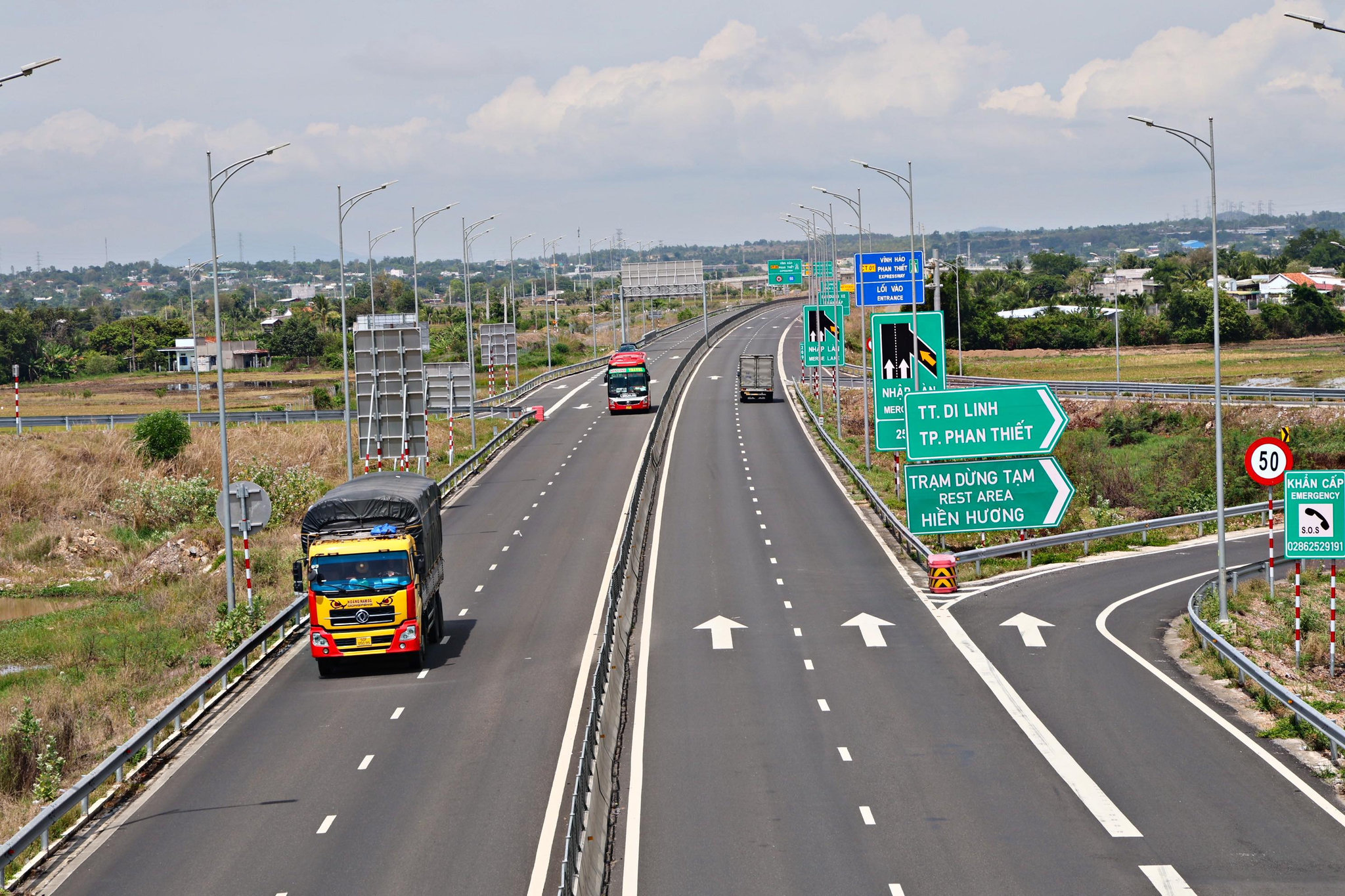
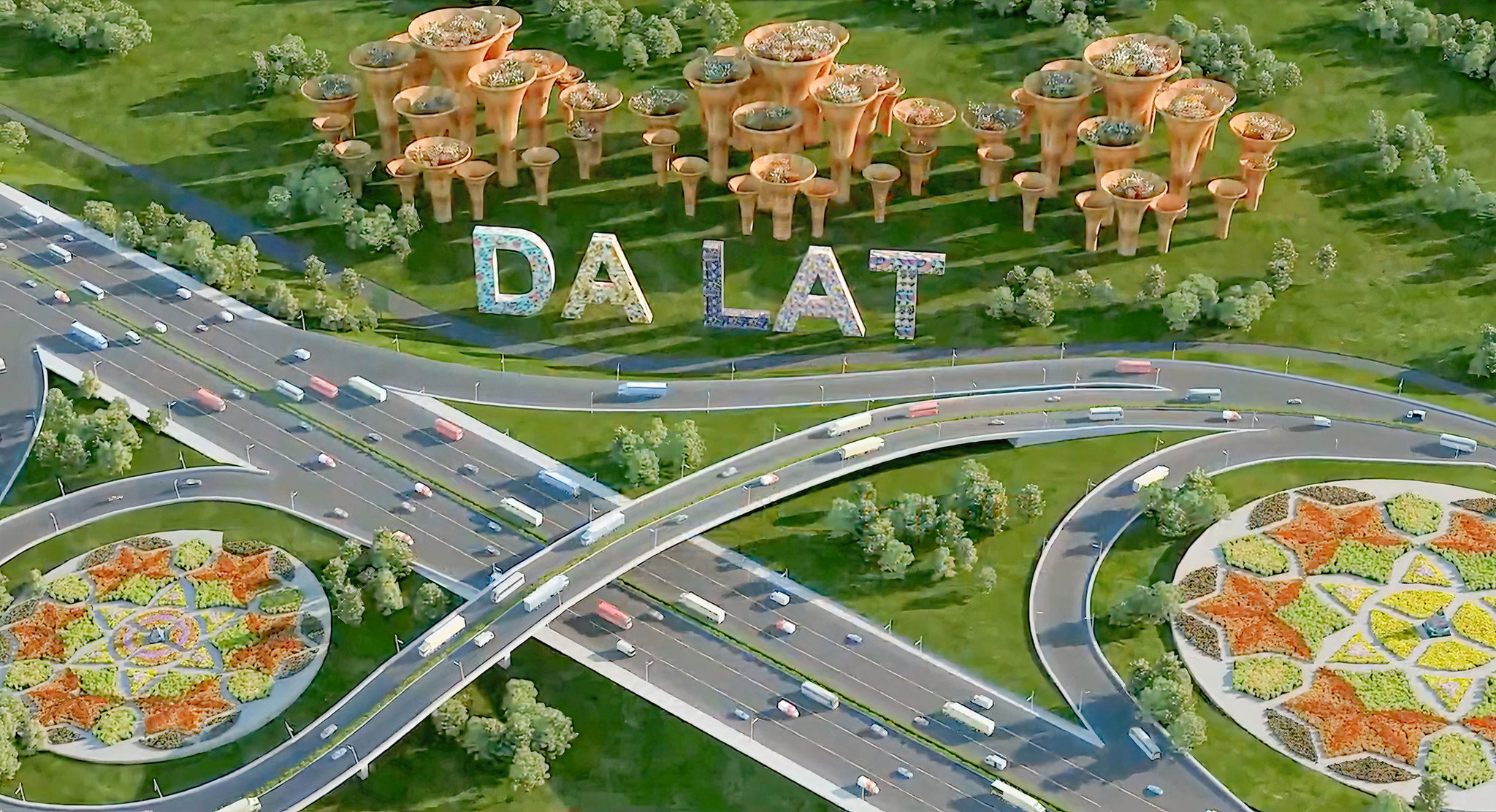
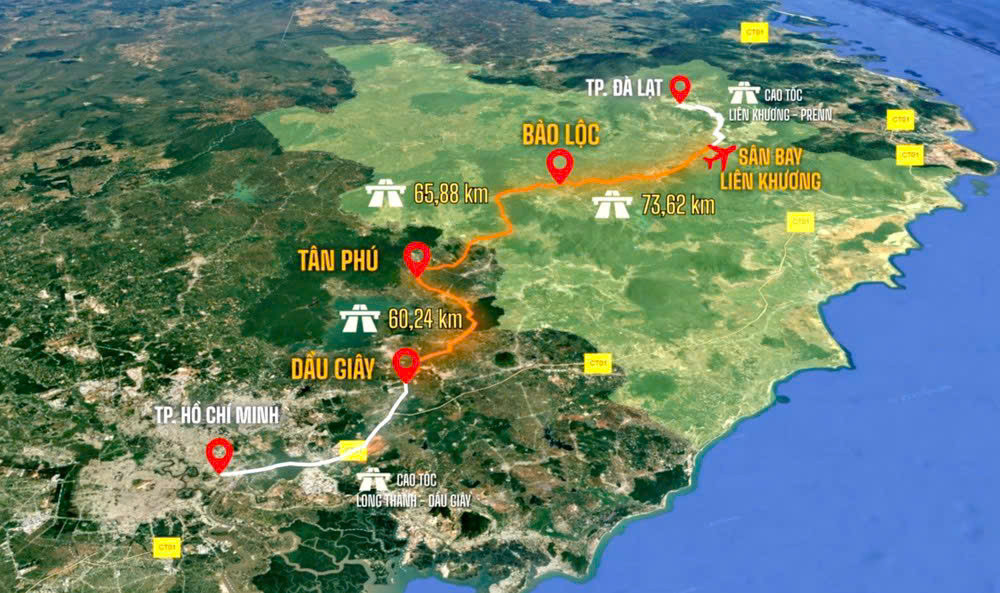
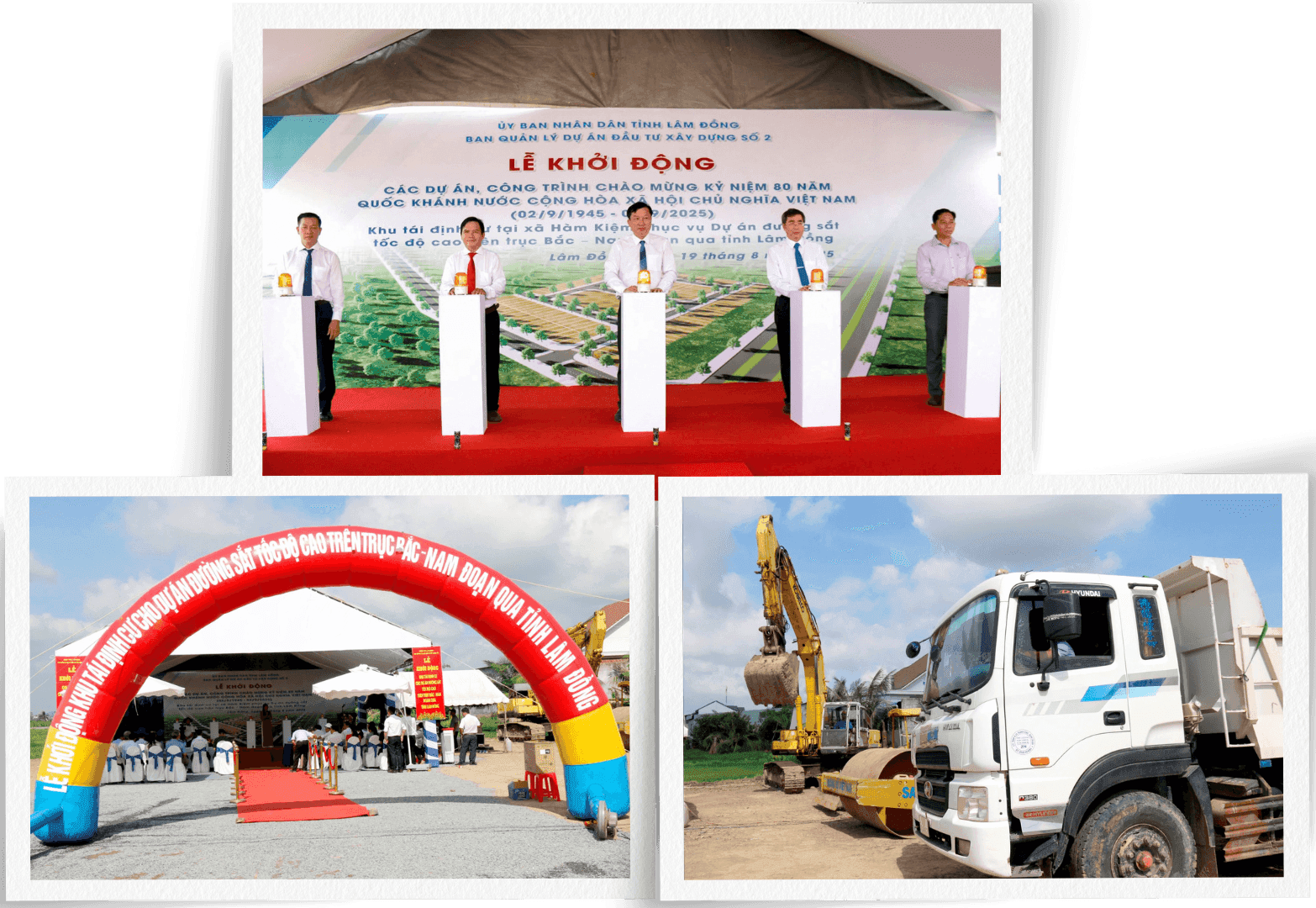
Fifth, steadily improving inter-regional connectivity infrastructure. The expanded National Highway 1 and the North-South Expressway run through the province, while the Dau Giay - Tan Phu, Tan Phu - Bao Loc and Bao Loc - Lien Khuong expressways have been launched, and the Nha Trang - Da Lat expressway has received approval in principle. National highways 20, 27, 27C, 28, 28B and 55, the Eastern Truong Son Road, major seaports, Lien Khuong International Airport and Phan Thiet Airport are creating a backbone connecting the highlands with the coast, shortening logistics distances to the southern key economic region and providing essential infrastructure for strategic investors.
.jpg)

Despite positive results, the province’s GRDP scale and economic growth rate remain below its potential. Economic restructuring remains slow; the industry and construction sector has yet to become the main growth driver; and the mineral value chain from bauxite to alumina, aluminum and titanium still lacks deeper processing stages.
FDI and strategic investment attraction also remain limited compared with the province’s potential. In 2025, Lam Dong attracted only six FDI projects, with registered investment capital of VND1,089.32 billion, equivalent to US$47.36 million. Transport and logistics infrastructure remains fragmented, while human resources — particularly the proportion of workers with formal qualifications or certificates, which remains below the national average — have yet to meet development requirements.
Development gaps between sub-regions remain significant. Land and mineral management and forest protection still face shortcomings, while increasingly complex natural disaster risks and climate change are directly affecting agricultural production and people’s livelihoods.

1. High-tech agriculture linked to green value chains and exports
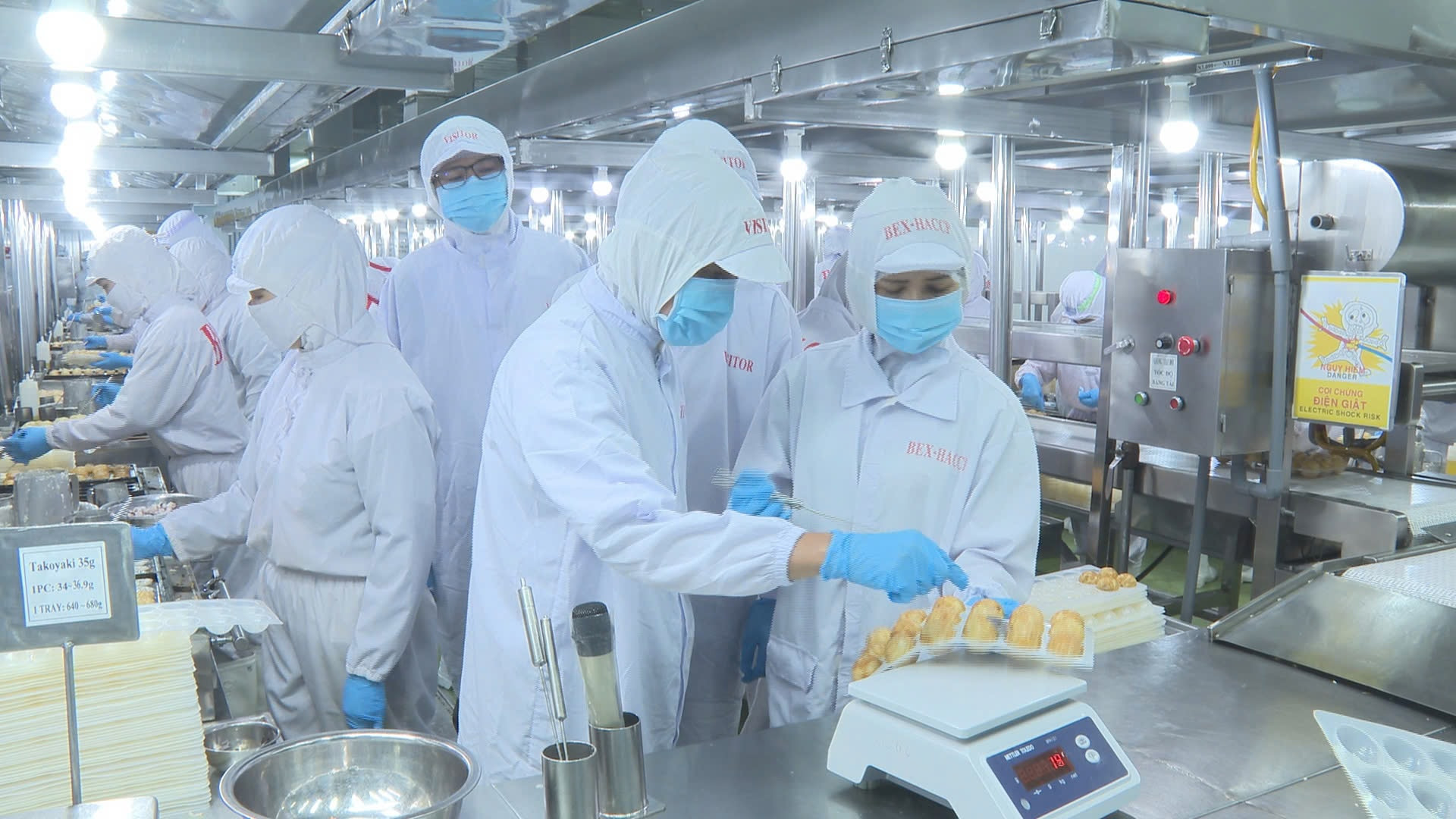
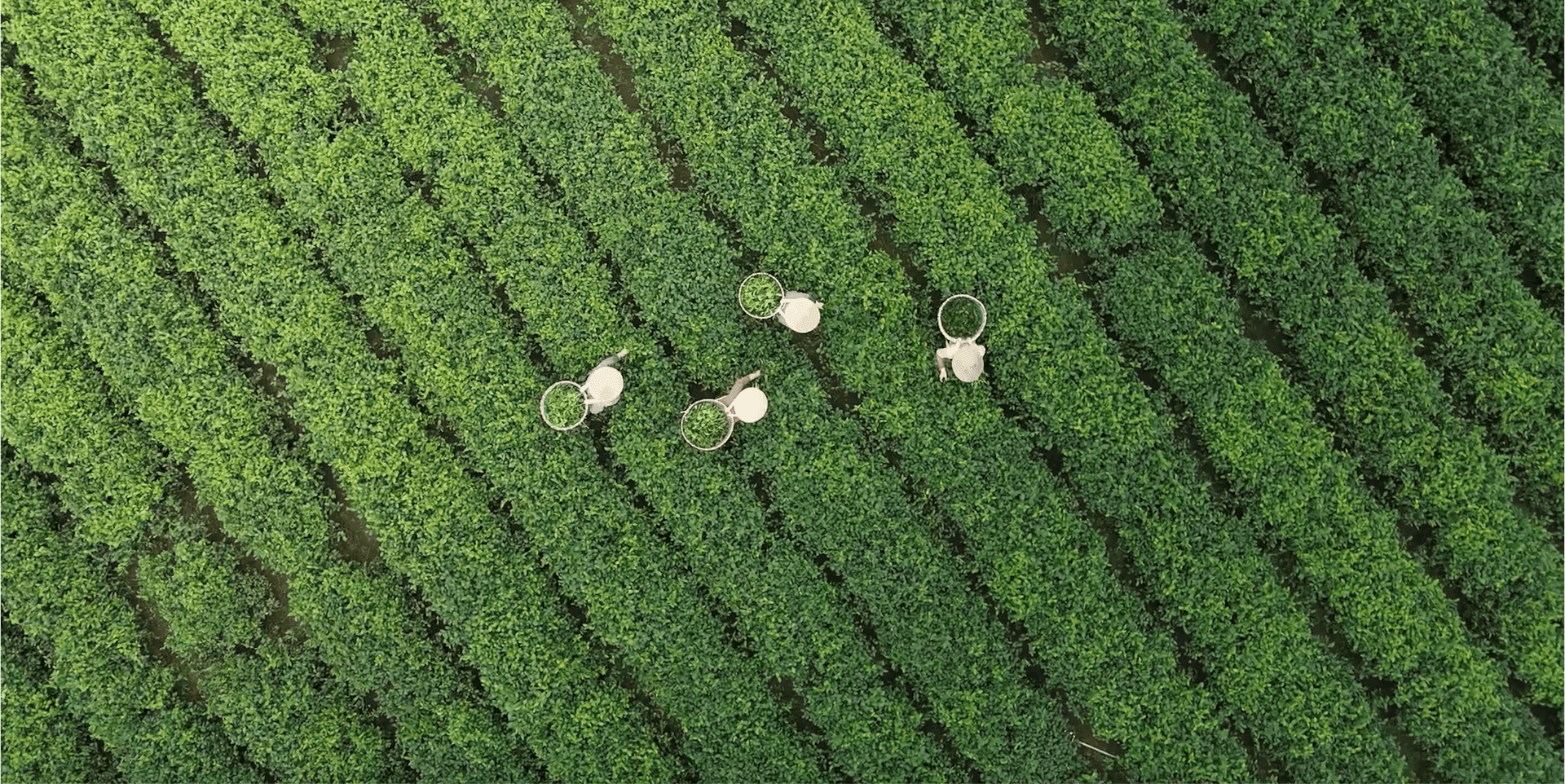
Lam Dong remains a national leader in high-tech agriculture, with more than 107,000 hectares meeting relevant criteria and record-high average product value per unit of land. The core opportunity is to move from raw production toward closed-loop value chains encompassing GlobalGAP/VietGAP-standard raw-material areas, seed R&D, biotechnology, deep processing, cold-chain logistics and export-oriented e-commerce.
Key areas include Duc Trong - Da Lat - Di Linh - Bao Loc, specializing in vegetables, flowers, coffee, tea and silk, as well as industrial crop-growing areas in the west and dragon fruit production in Phan Thiet.
Amid new-generation FTAs and rising global demand for clean food, the sector offers strong opportunities for FDI in smart agriculture, preservation technologies, deep processing and agricultural logistics centers linked to Lien Khuong Airport.
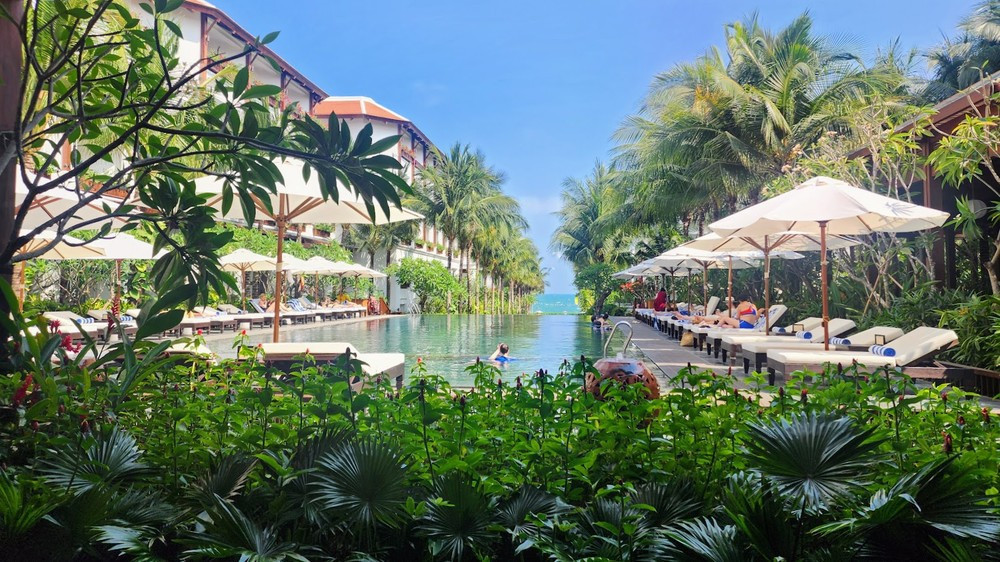
2. Resort tourism, healthcare and the experience economy
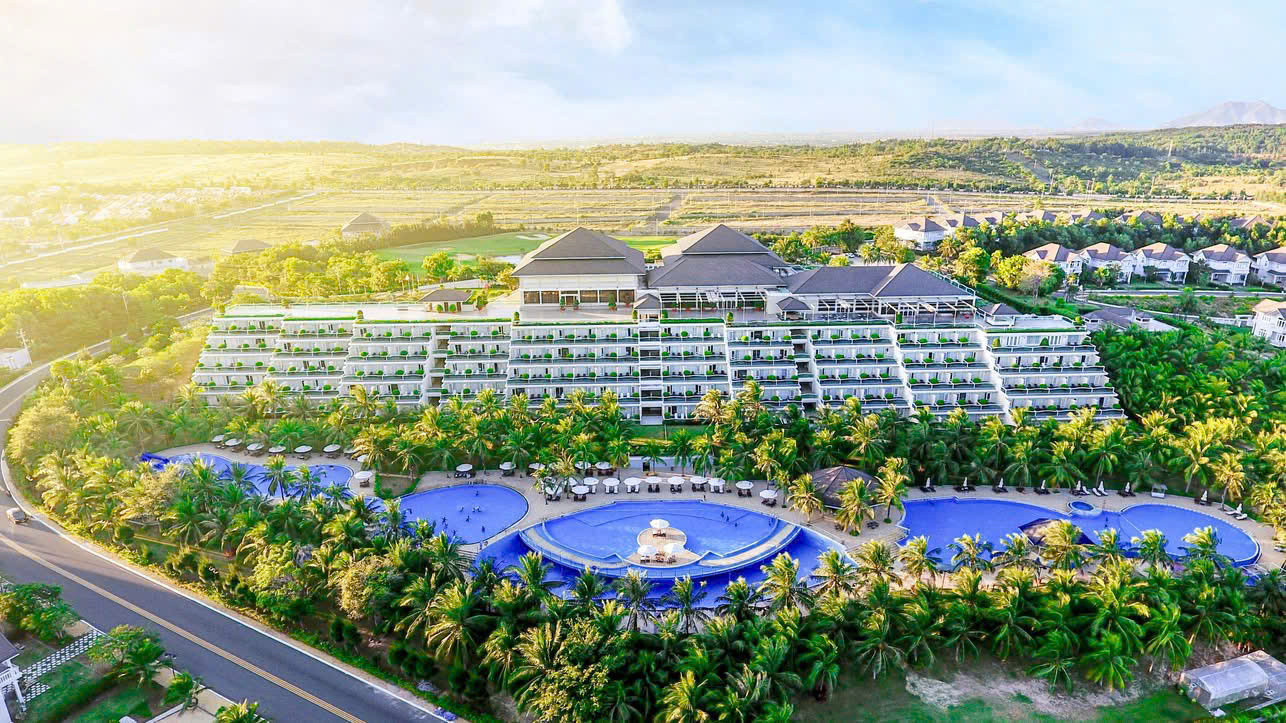
World-class resort and wellness tourism combining mountains, sea and heritage represents a distinctive advantage. The unique combination of a mild highland climate, sunny and windy coastal areas and UNESCO heritage creates an exceptional competitive edge.
Opportunities lie in developing premium products such as wellness and spa services, the “silver economy,” MICE tourism, high-tech agricultural tourism, geological and ecological tourism, and integrated mountain-to-sea experiences.
In 2025, the province welcomed approximately 20.8 million visitors. With Asia’s middle class expanding rapidly, there is significant potential to attract international groups to invest in five-star resort complexes, wellness facilities and connectivity infrastructure.
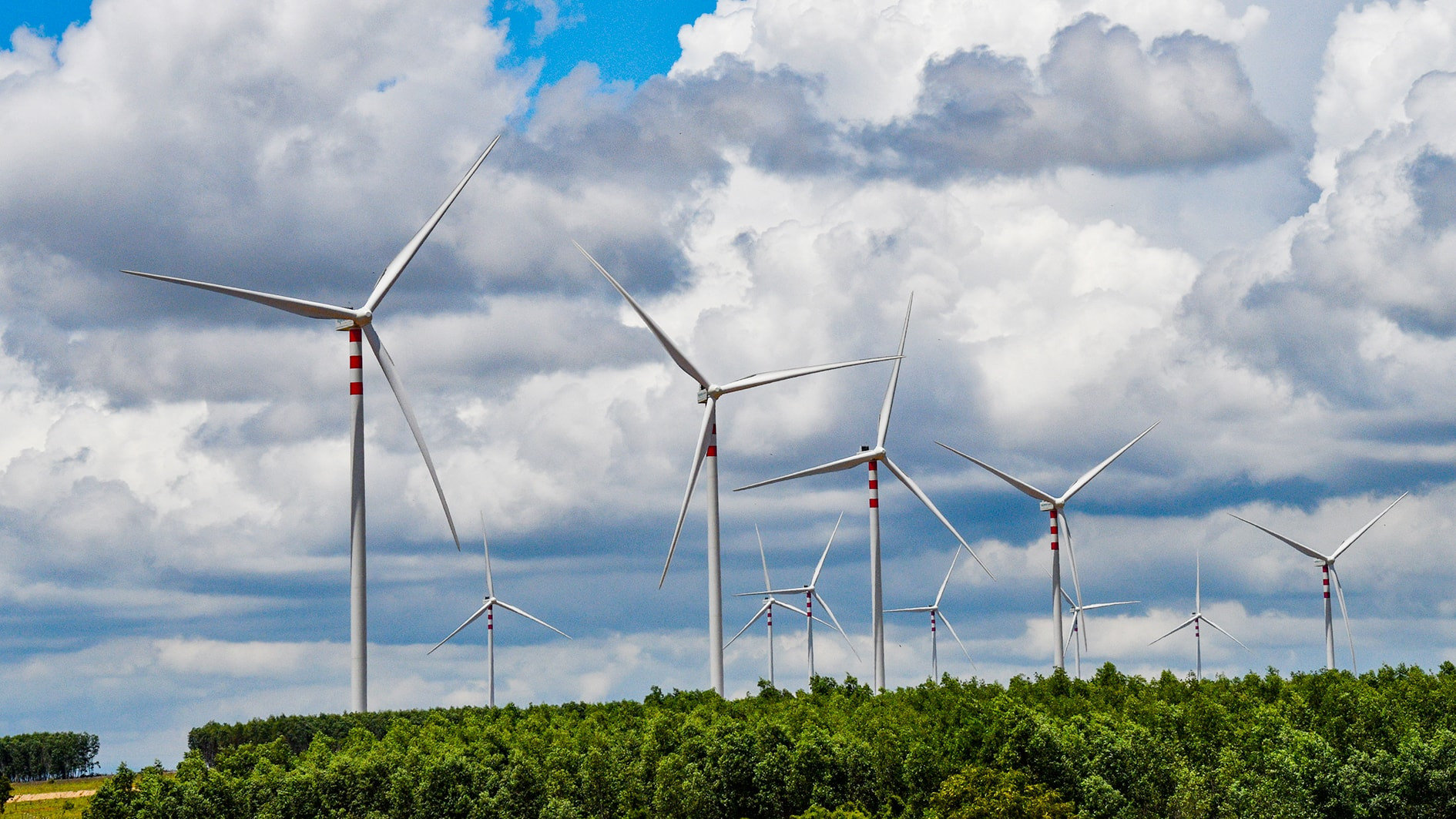
3. Renewable energy and the carbon economy
The province has substantial potential for onshore and offshore wind power, solar power and pumped-storage hydropower, along with more than 1.2 million hectares of forest.
The core opportunity is to develop a clean-energy ecosystem linked to green hydrogen, energy storage systems and the Vinh Tan - Son My power center, while participating in the international carbon-credit market.
As the global net-zero commitment accelerates, Lam Dong could emerge as a renewable energy hub in southern Vietnam.
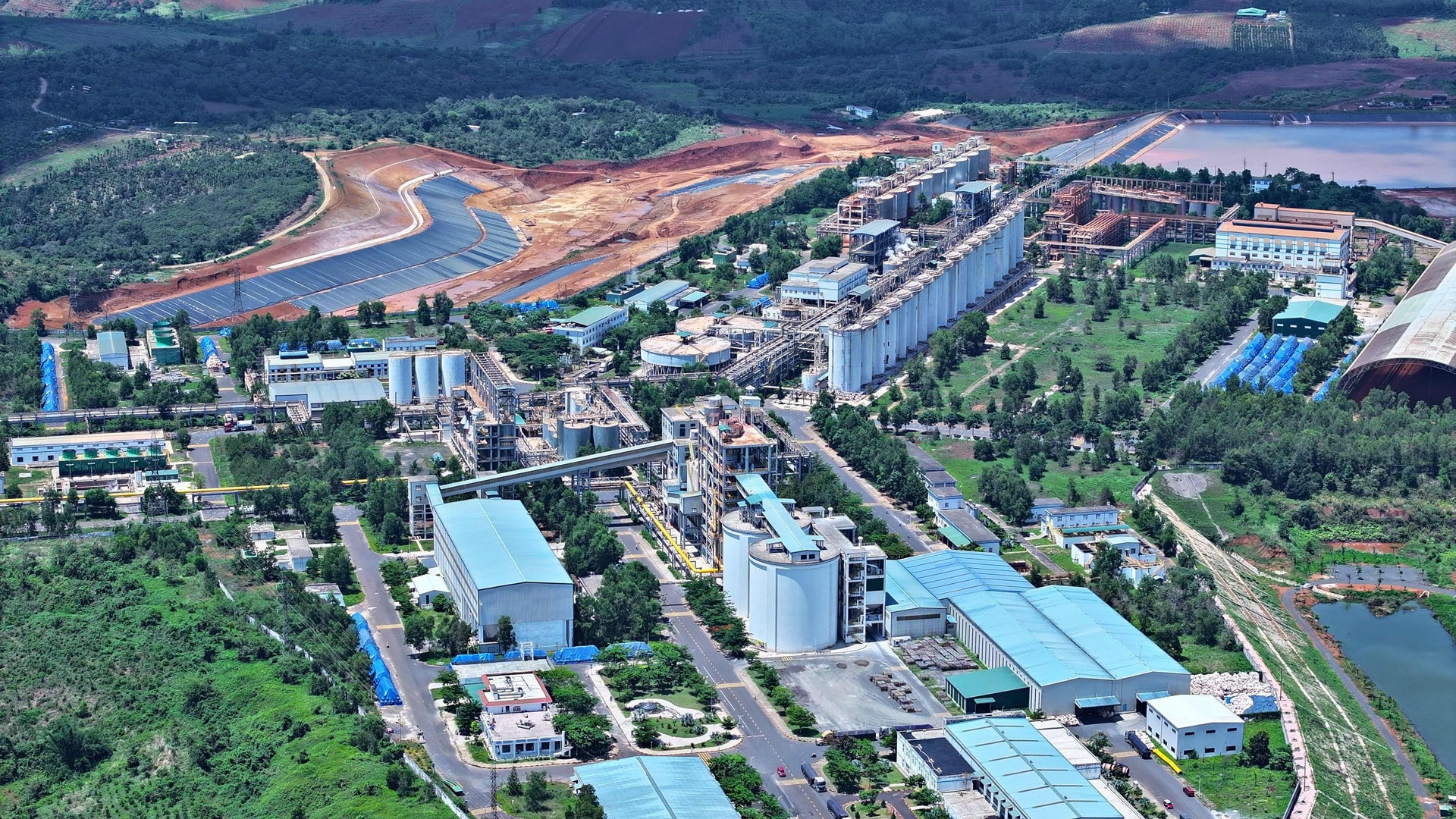
4. Deep processing of strategic minerals and development of new materials
The country’s largest bauxite and coastal placer titanium reserves provide a foundation for developing deep-processing value chains rather than exporting raw materials.
Opportunities include completing the bauxite - alumina - aluminum and titanium - zircon value chains, linking them with supporting industries, new materials and seaport logistics, with the goal of establishing a nationally significant mineral-processing center.
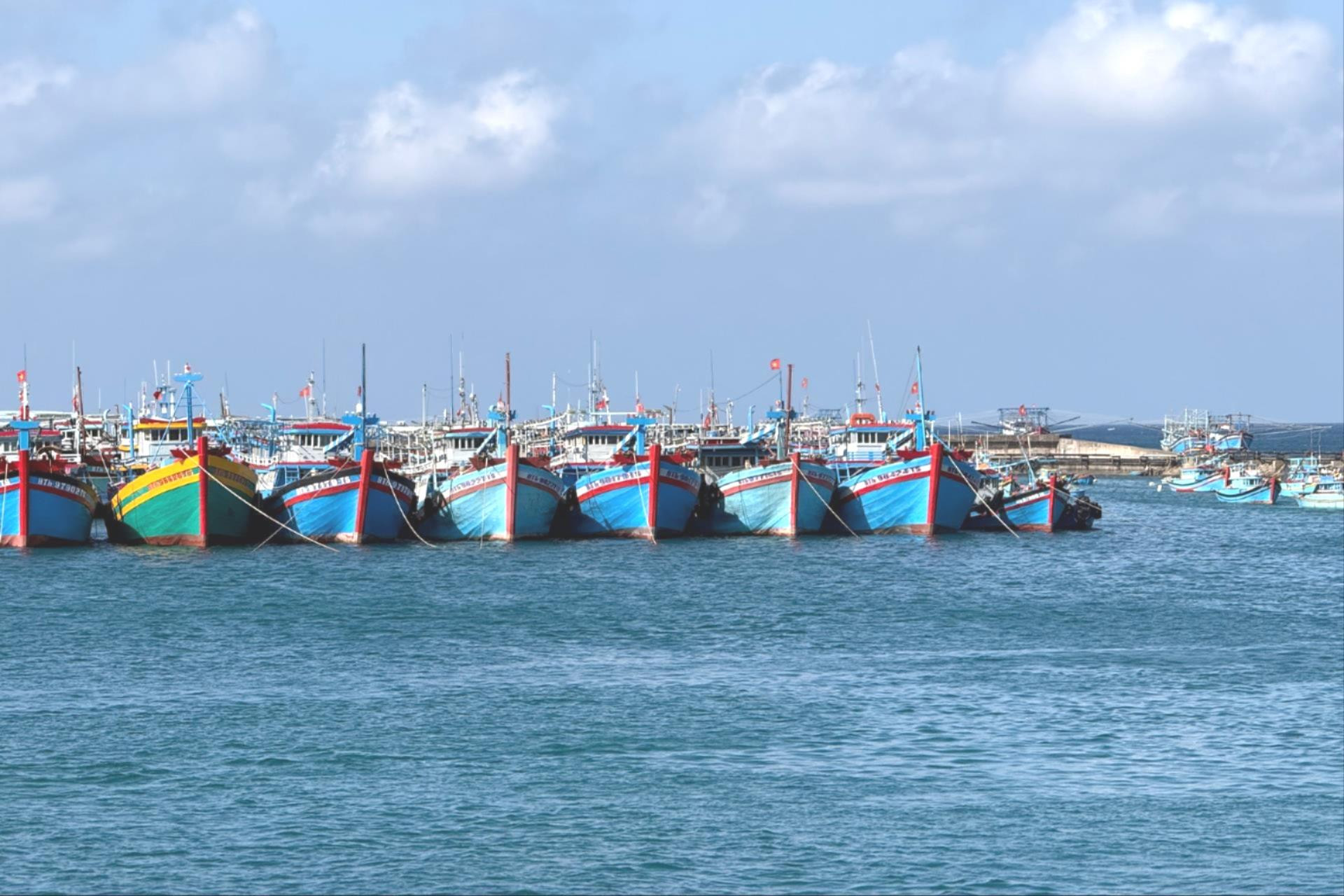
5. Marine economy and inter-regional logistics
The integrated marine economy and highlands-to-sea logistics represent areas with substantial development potential. The long coastline, Phu Quy Island and the port system provide advantages for developing a diversified marine economy while establishing logistics corridors serving the Southeast region.
The key opportunity is to connect highland raw-material areas with export ports and develop cross-border economic links with Cambodia amid the restructuring of global supply chains.

First, strengthen institutions and pursue breakthrough administrative reform after the merger. Develop special mechanisms and policies covering tax incentives, land and investment procedures for high-tech agricultural zones, renewable energy and premium tourism. Publicize clean land funds, simplify procedures through a “single digital window,” and apply digital government and GIS-based spatial management. Long-term and transparent policy commitments are essential to building investor confidence.
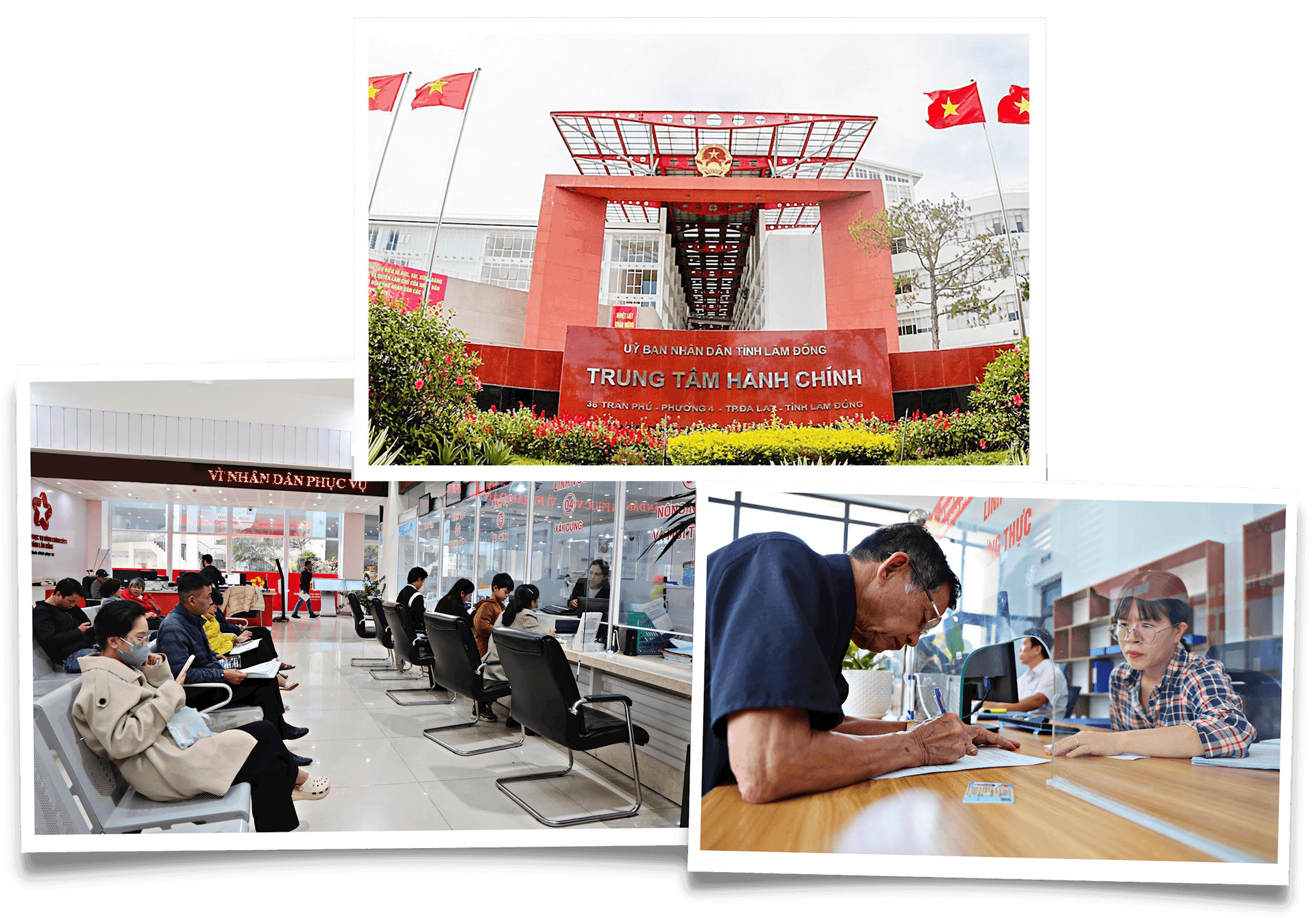
Second, develop strategic infrastructure through an integrated economic-corridor model. Priority should be given to completing six economic corridors — three inter-provincial and three intra-provincial — particularly the Phan Thiet - Bao Loc - Gia Nghia Expressway, highlands-to-sea connectivity routes and seaport upgrades. The province should optimize the use of Lien Khuong International Airport, accelerate the development of Phan Thiet Airport and expand the smart power grid. Digital infrastructure and cold-chain logistics should also be developed to reduce costs and seamlessly connect highlands-to-sea value chains.
Third, develop high-quality human resources aligned with key industries. Strengthen links between training institutions and businesses, prioritizing skills for high-tech agriculture, renewable energy, logistics, premium tourism and digital transformation. Attract domestic and international experts and establish training and R&D clusters linked to growth poles. Raise the proportion of formally trained workers to a competitive regional level.
Fourth, build an ecosystem for science and technology, innovation and digital transformation. Establish high-tech parks, high-tech agricultural zones and R&D centers focusing on agriculture, energy and new materials. Support startups and international intellectual property protection while accelerating digital transformation in land management, environmental monitoring, supply chains and public services.
Fifth, strengthen intra-provincial, inter-regional and international linkages. Develop integrated value chains such as agriculture - processing - logistics - tourism and minerals - energy - seaports. Strengthen cooperation with Ho Chi Minh City, the Southeast, the Central Highlands and Cambodia. Maximize the opportunities offered by new-generation FTAs to expand export markets and attract green FDI. Implement in a coordinated manner Decision No. 2786/QD-UBND of the Lam Dong Provincial People’s Committee approving the adjustment of the Lam Dong Provincial Master Plan for 2021-2030, with a vision to 2050.
Sixth, strengthen resource management and pursue a green and circular economic model. Strictly control the exploitation of minerals, forests and water resources, while prioritizing clean and low-emission technologies. Develop the carbon-credit market and apply circular-economy principles. Formulate a bioeconomy development strategy and strengthen environmental monitoring, disaster prevention and climate-change adaptation based on risk zoning.
Seventh, mobilize and efficiently use diverse sources of capital, with priority given to green finance. Combine public funds, PPPs, FDI, green bonds and green credit. Prioritize projects with strong spillover effects and alignment with the green-growth strategy. Establish flexible public-private partnership mechanisms and maintain close relationships with investors through online databases and long-term policy commitments. Concentrate resources on key growth areas to create growth poles with province-wide spillover effects.
Lam Dong is now facing a historic opportunity to transform its comparative advantages into international competitiveness. Synchronizing planning, infrastructure, institutions, human resources and resource management toward a green, digital and sustainable development model will help the province become an attractive investment destination and make a stronger contribution to regional and national growth in an era of deeper global integration.
Success will depend on political determination, implementation capacity and close coordination among the State, businesses and the community.
Content: Dr. Pham S
Presentation: Pham Luong
This article uses archival photographs provided by colleagues.