

Unlocking capital flows to drive growth
Recent decisions approved by the Provincial People's Council aim to unlock resources and create new momentum for growth during the 2026 - 2030 period.
More than just numbers
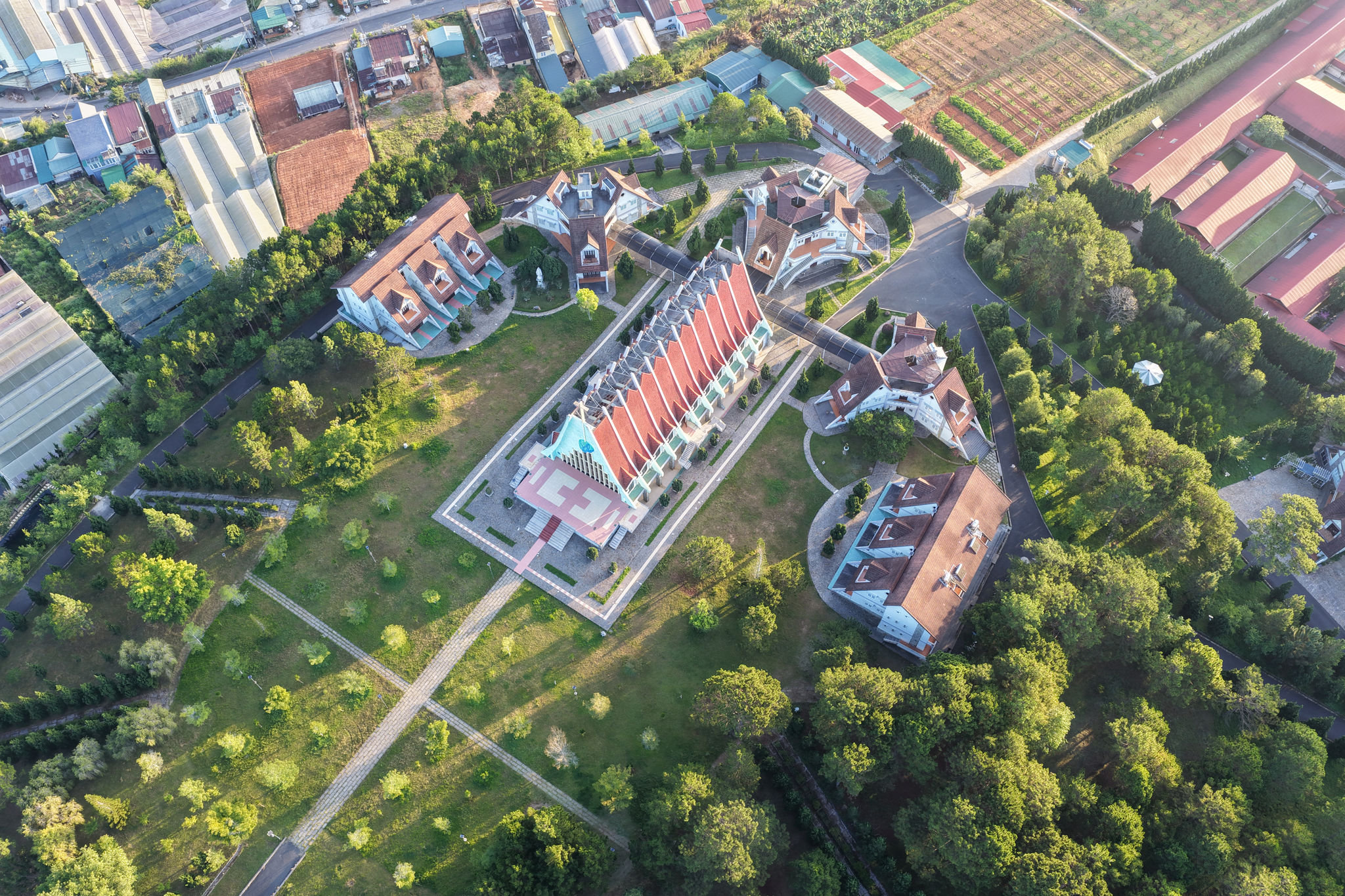
Some projects have secured sufficient funding but still cannot break ground. Roads that residents have awaited for years remain on the drawing board, while many projects have had to revise their timelines because of delays in site clearance and land-related procedures.
These are not merely problems affecting individual projects; they have become bottlenecks to broader economic growth.
At its recent thematic session, the Lam Dong Provincial People's Council considered and approved the 2026 - 2030 medium-term public investment plan, along with several resolutions adjusting and supplementing project lists and extending capital allocation periods.
The discussions went beyond how resources should be allocated, emphasising the need to remove obstacles that continue to hold back investment projects.
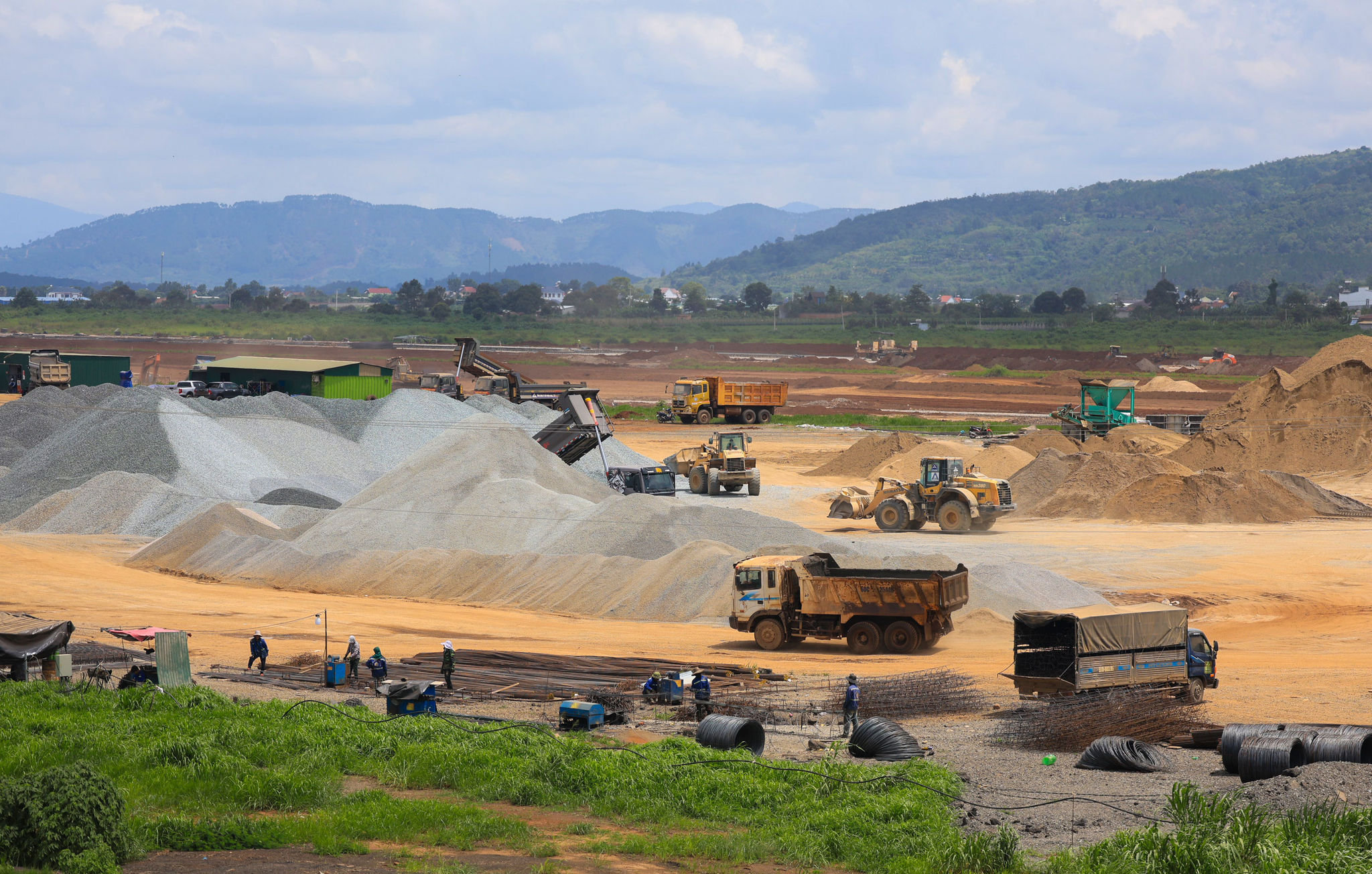
Lam Dong has earmarked VND 125 trillion for medium-term public investment during the 2026 - 2030 period, the largest allocation in the province's history. The scale of funding reflects its determination to build the infrastructure needed for a new stage of development following the merger.
As Lam Dong targets double-digit economic growth, public investment remains a key driver for mobilising broader social investment, expanding development space and generating spillover benefits for the private sector.
Under the approved resolution, funding will prioritise key projects, interregional connectivity, transport infrastructure, digital transformation, science and technology, education, healthcare, culture, irrigation, climate change response, and infrastructure supporting the two-tier local government model. These areas are expected to directly influence residents' quality of life and the province's competitiveness in the years ahead.
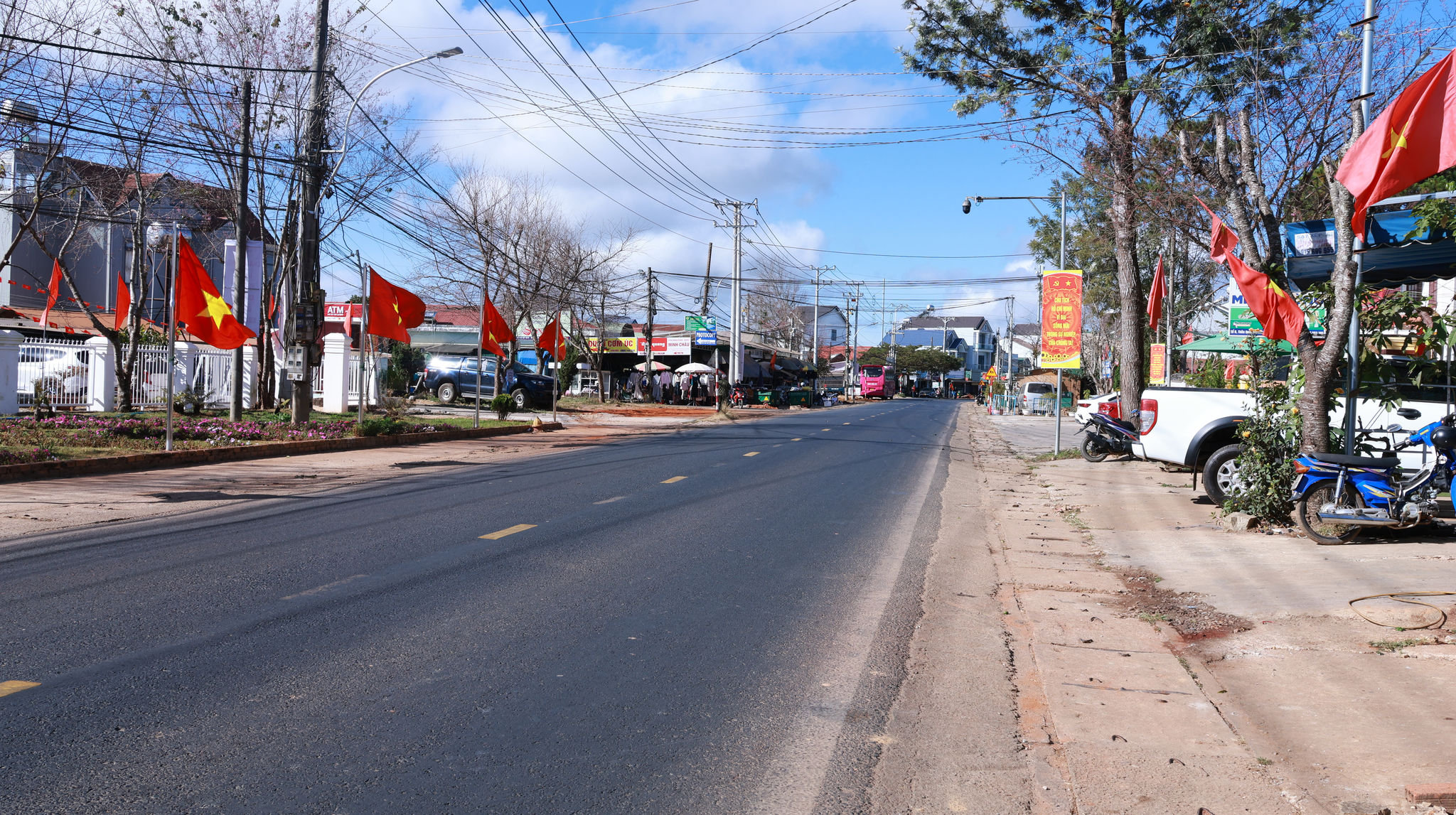
Notably, more than VND 34 trillion has been allocated to newly launched projects, alongside tens of trillions of dong for ongoing projects, reflecting efforts to concentrate resources and avoid the fragmented and scattered investment seen in previous periods.
Choosing the right projects to create room for growth
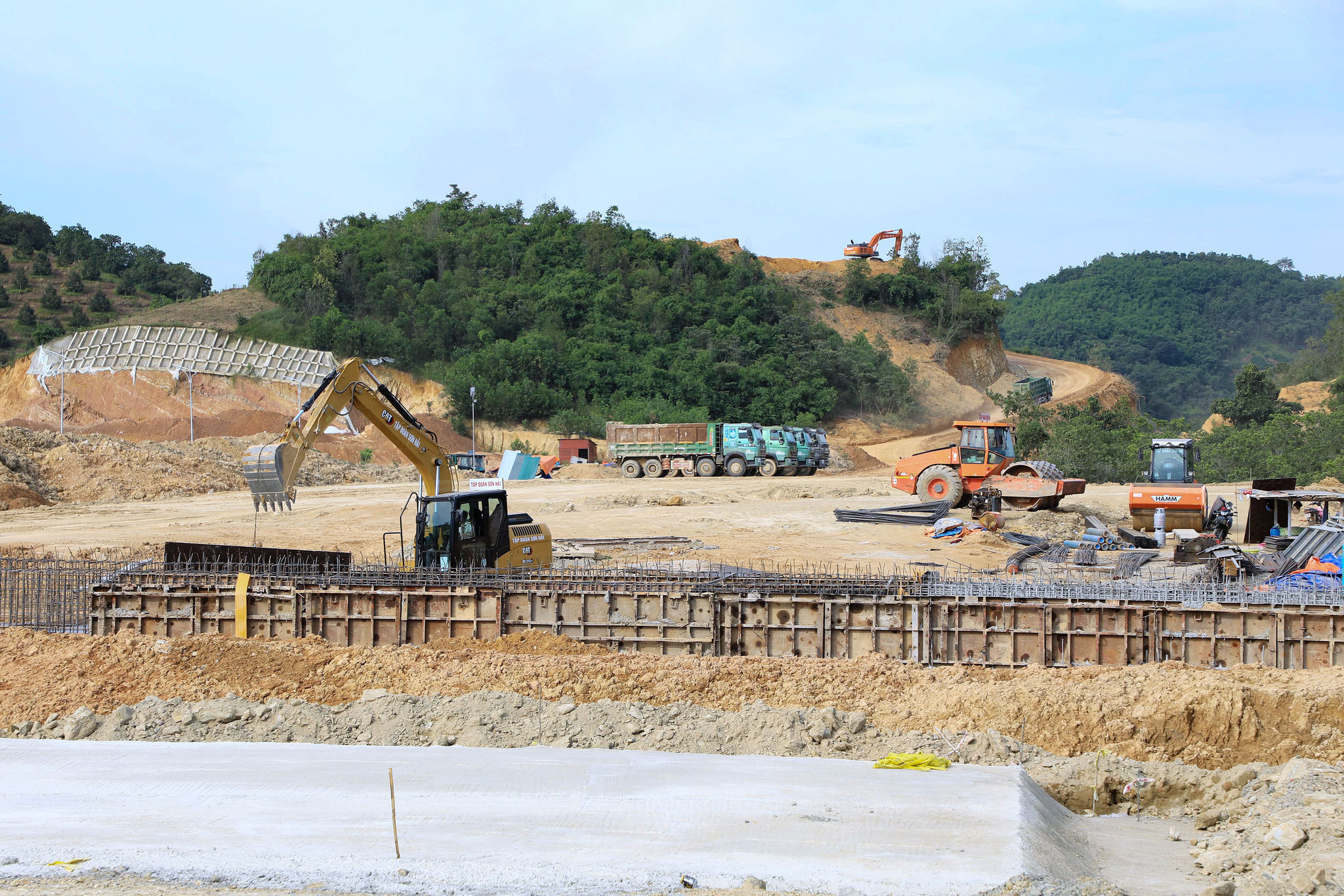
In reality, many projects are not short of funding but remain behind schedule because of prolonged obstacles involving compensation, site clearance, land valuation, land-use conversion and legal procedures.
In many localities, machinery has been left idle and contractors have had to wait for cleared sites, while residents are also eager to see new roads, schools and hospitals completed to serve their communities.
Every month of delay not only increases investment costs but also means missed development opportunities. This is why the Provincial People's Council, working with the Provincial People's Committee, has adjusted project lists and extended capital allocation periods for certain projects. The move helps ensure compliance with regulations while preventing funding cuts when delays stem from objective difficulties.
However, extending capital allocation periods is not the ultimate goal. More importantly, land and site clearance bottlenecks must be addressed at their root so projects can accelerate construction.
According to Tran Hung Son, Chairman of the Xuan Truong Ward - Da Lat People's Committee, residents are less concerned about how much money is allocated than about when projects will be completed and deliver tangible benefits. Many infrastructure projects with significant socio-economic potential still face lengthy land, compensation and site clearance procedures.
Alongside sufficient funding, Son said closer coordination between agencies and local authorities is needed to promptly resolve emerging obstacles, keep projects on schedule and build public consensus.
The allocation of more than VND 1 trillion for mapping, cadastral work and land administration under the medium-term plan is therefore more than routine government spending. It is a fundamental step towards building an integrated and transparent land database, shortening administrative procedures and reducing obstacles during project implementation.
Speaking at the thematic session, Luu Van Trung, Deputy Secretary of the Provincial Party Committee and Chairman of the Provincial People's Council, stressed that investment resources for 2026 - 2030 must be allocated carefully, in accordance with established principles, criteria and priorities, while reflecting the province's new development landscape following the merger.
The message reflects a clear shift in approach: rather than spreading resources evenly, the province is prioritising projects capable of generating momentum, creating wider spillover benefits and opening new avenues for development.
Resources should be concentrated on key and urgent projects that can be completed quickly and deliver early benefits, while avoiding fragmented investment, scattered funding and prolonged projects that waste public resources.
Such an approach is increasingly important as Lam Dong pursues ambitious growth targets with limited resources. Investment decisions made today will shape the province's competitiveness for years to come.
Public investment, therefore, is about more than building new roads and bridges. More importantly, it can create an environment that encourages businesses to invest, gives residents access to better infrastructure and strengthens connectivity between different parts of the province.
As bottlenecks involving land, site clearance and investment procedures are gradually removed, capital can flow more efficiently, projects can be completed on schedule and new infrastructure can deliver tangible benefits sooner.
This is how public investment can fulfil its role in mobilising broader social resources, creating new drivers of growth and advancing Lam Dong's ambition to become a dynamic regional growth hub by 2030.
For residents, the key concern is not how much is invested, but how soon projects take shape and bring real benefits to their lives.