

Keeping traditional festivals alive
Some festivals begin with the new rice harvest, prayers for favourable weather, or simply a chance for villagers to gather after months of hard work. Over time, these rituals have become part of the community’s collective memory. Across Lam Dong, traditional festivals are being preserved and revived, allowing ancestral customs to remain a living part of community life today.
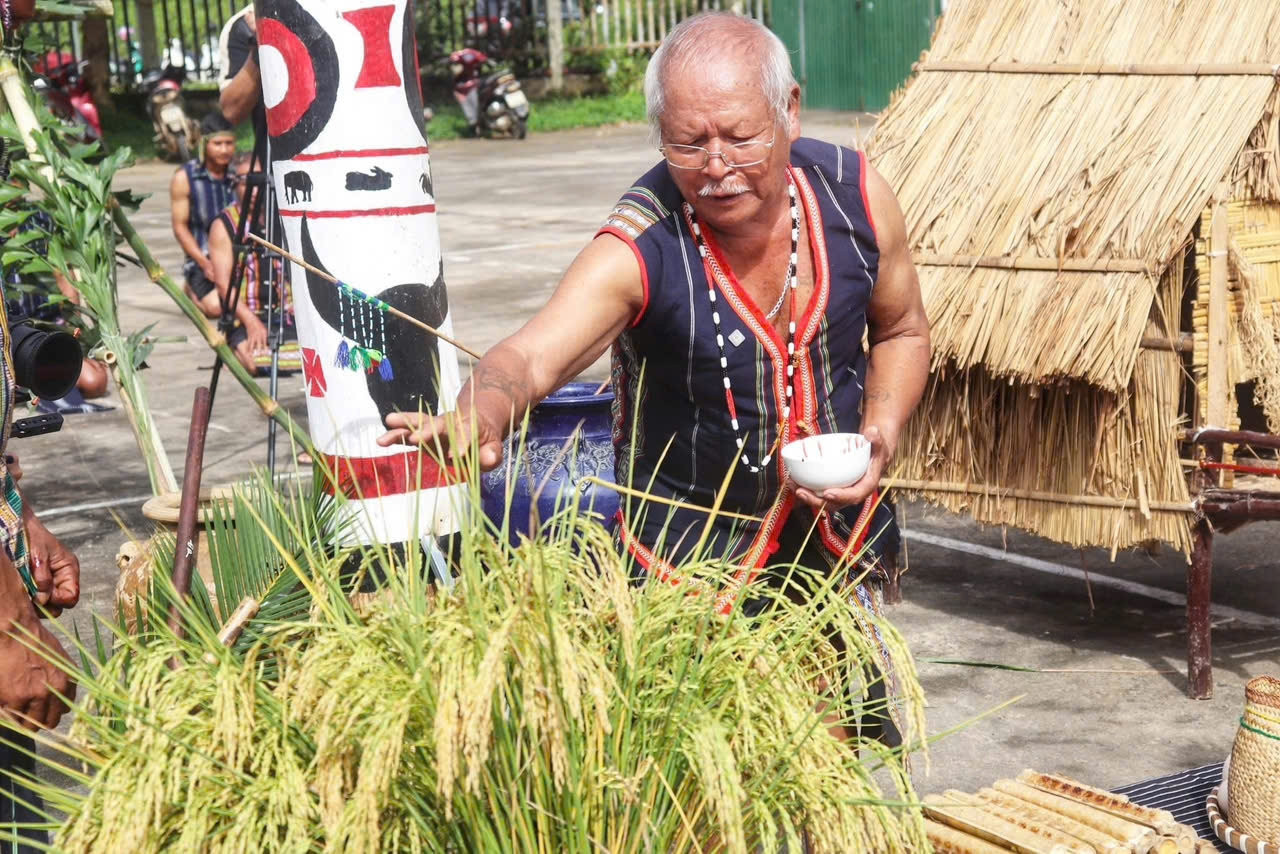
Old traditions live on through festivals
For the K'ho people, the New Rice Celebration is an important traditional ritual. After the harvest, villagers give thanks to heaven, the earth, deities and their ancestors, while praying for abundant crops, peace and prosperity. The festival is also an opportunity to celebrate their labour, gather together and strengthen community bonds.
In Dam Rong 2 Commune, K'ho artisans perform the traditional rituals and pass on their knowledge to younger generations. From ceremonial practices and preparations to accompanying cultural activities, traditions once preserved largely through memory and experience are being passed down.
“The festival was recreated with funding from the National Target Programme for Socio-Economic Development in Ethnic Minority and Mountainous Areas, with the Department of Culture, Sports and Tourism as the investor,” said Phan Thi Cam, Standing Deputy Secretary of the Dam Rong 2 Commune Party Committee.
“As long as people remember and continue to practise these traditions, they will remain alive.”
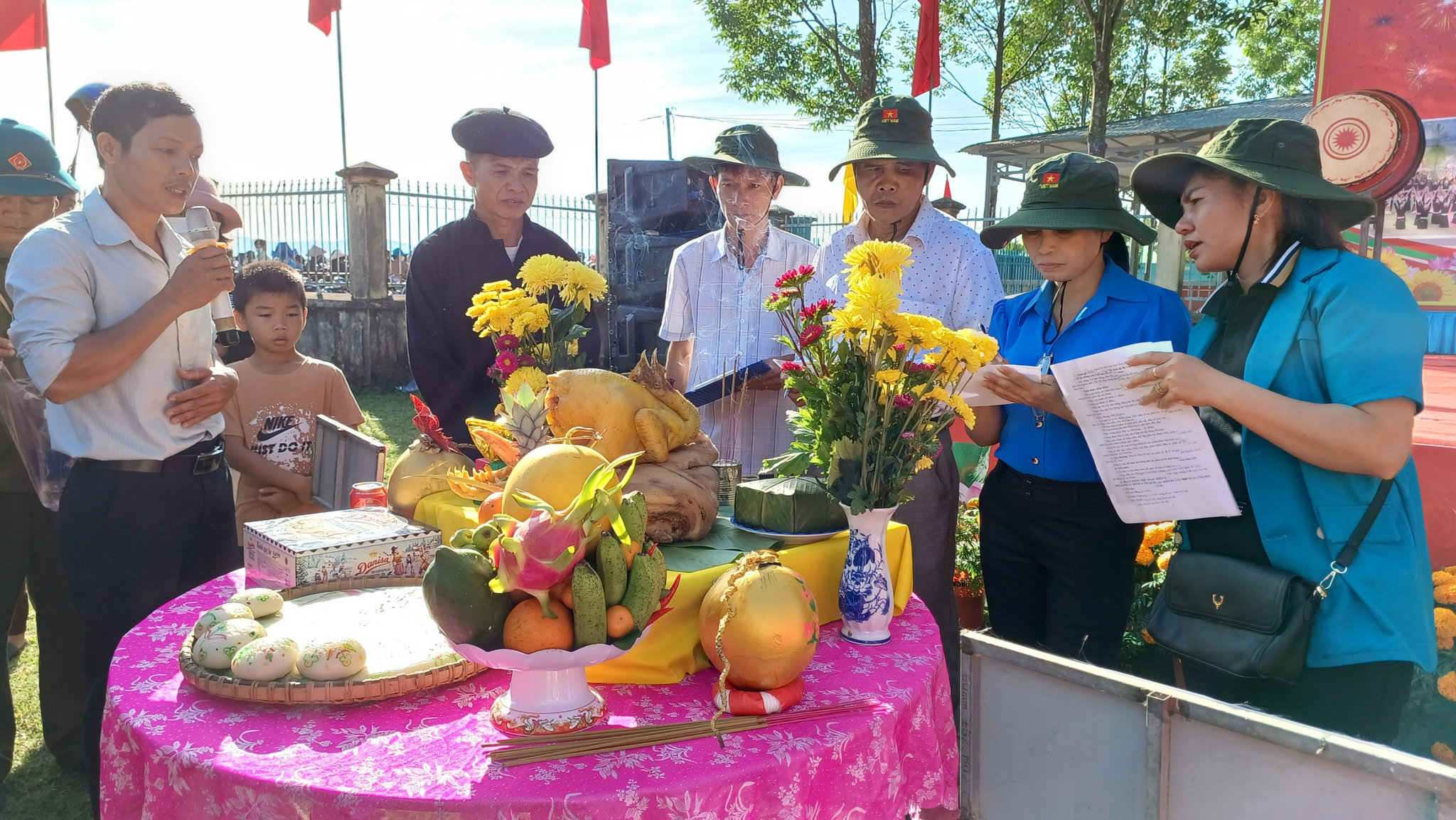
While the New Rice Celebration marks the joy of a completed harvest, the Long Tong Festival in Da Teh Commune welcomes the beginning of a new year. Traditionally a festival marking the start of the farming season for the Tay and Nung ethnic communities, it also incorporates cultural elements of the Dao, San Chi and other ethnic groups.
Following the opening drumbeat, the ceremonial proceedings begin with incense offerings and prayers to agricultural, celestial, mountain and water deities. Prayers for favourable weather, abundant harvests, peace and prosperity reflect the community's simple hopes for the year ahead.
According to Luu Van Phuong, Vice Chairman of the Da Teh Commune People's Committee, Long Tong embodies the spiritual and cultural values of the Tay and Nung communities during the first days of spring. Maintaining the festival helps preserve their traditional cultural identity, while some aspects of its organisation have been adapted to modern life without losing its distinctive character.
“We hope every Long Tong Festival gives people a chance to gather and celebrate spring together, while helping younger generations better understand their traditions,” Phuong said. “The festival can only endure with the community's participation.”
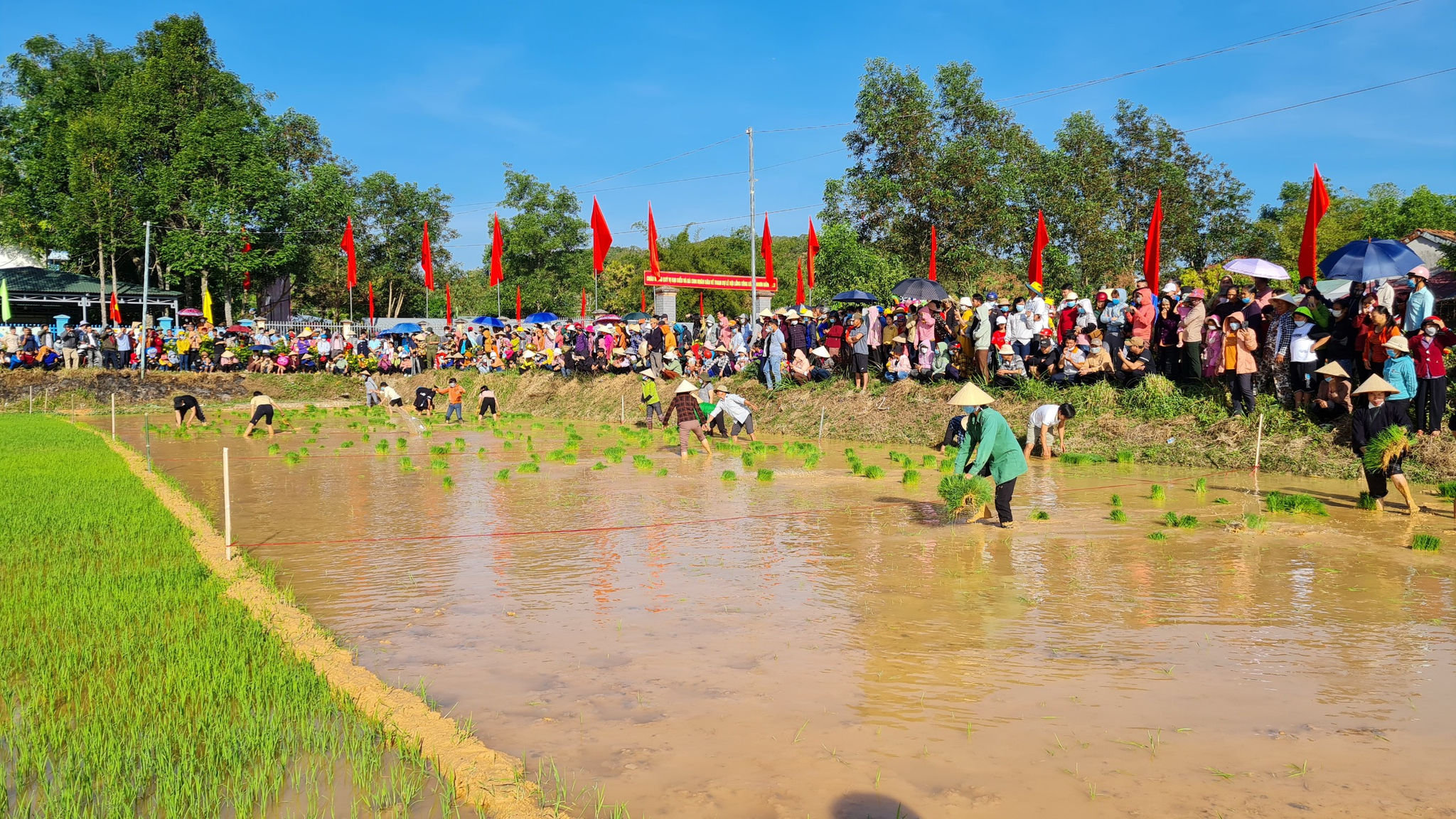
Keeping festivals part of everyday life
In recent years, many traditional festivals have been revived and maintained, including the Kate Festival of the Cham people, the New Rice Celebration of the K'ho, Tam Blang M'Prang of the M'nong, the Forest Deity Worship Ceremony (Yang Bre) of the Ma, and the Long Tong Festival of the Tay and Nung. Following their revival, these festivals continue to be organised by local communities on a scale suited to local conditions.
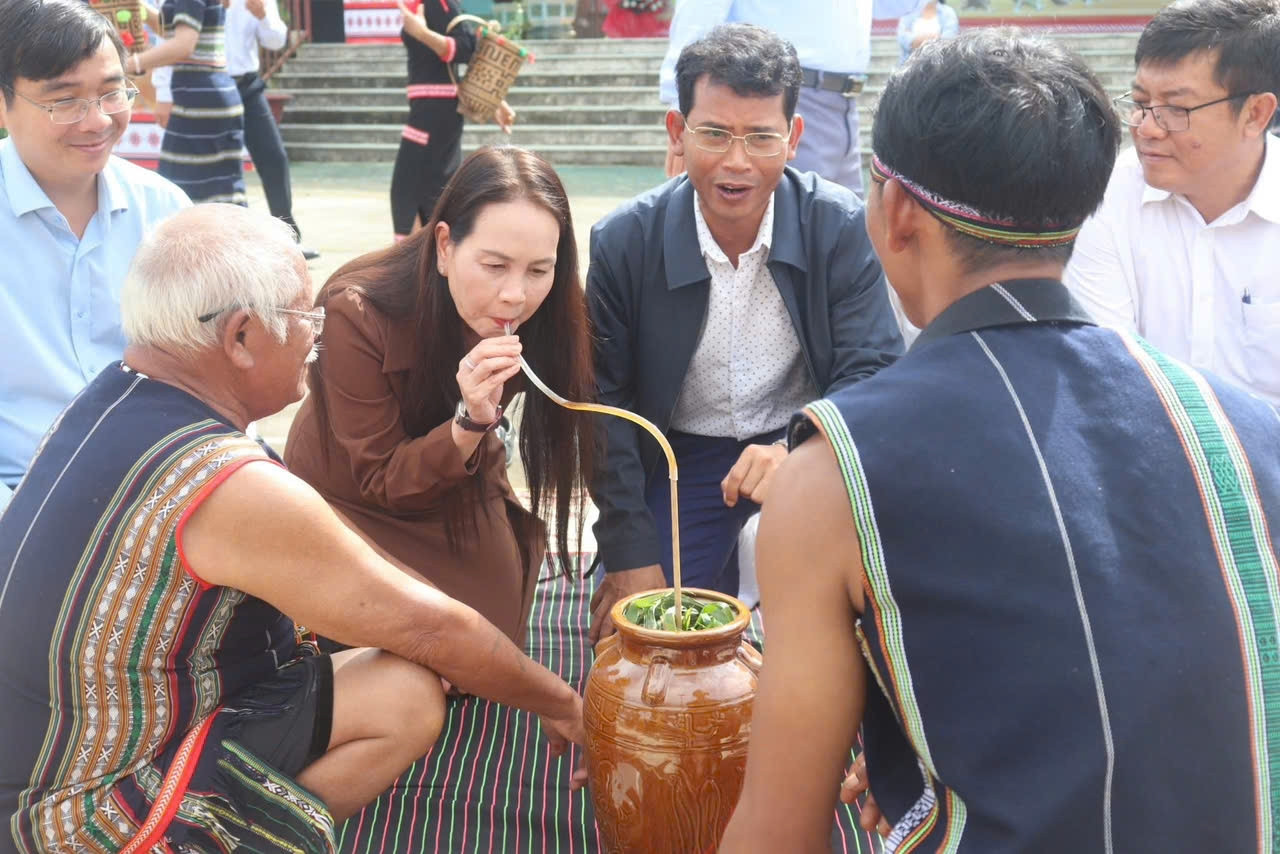
Community involvement is central to keeping these traditions alive. Village elders and artisans preserve knowledge of the rituals, older generations pass down customs, and young people participate and gradually take on the responsibility of carrying them forward. When festivals remain in the hands of the communities that practise them, their cultural values can continue to thrive naturally.
As long as the rituals continue to be practised and younger generations remain eager to participate, these traditions can remain a living part of community life and be passed down from one generation to the next.
Lam Dong currently has 97 festivals, including 82 traditional festivals, five cultural festivals and 10 religious and belief-based festivals. This diverse festival heritage reflects the customs, beliefs and ways of life of the province's many ethnic communities.