

Turning a Resolution into Action: Making Culture a Driver of Development
Lam Dong is home to a diverse cultural landscape stretching from the Central Highlands to the coast, with a wealth of distinctive heritage increasingly recognized as a resource for development.
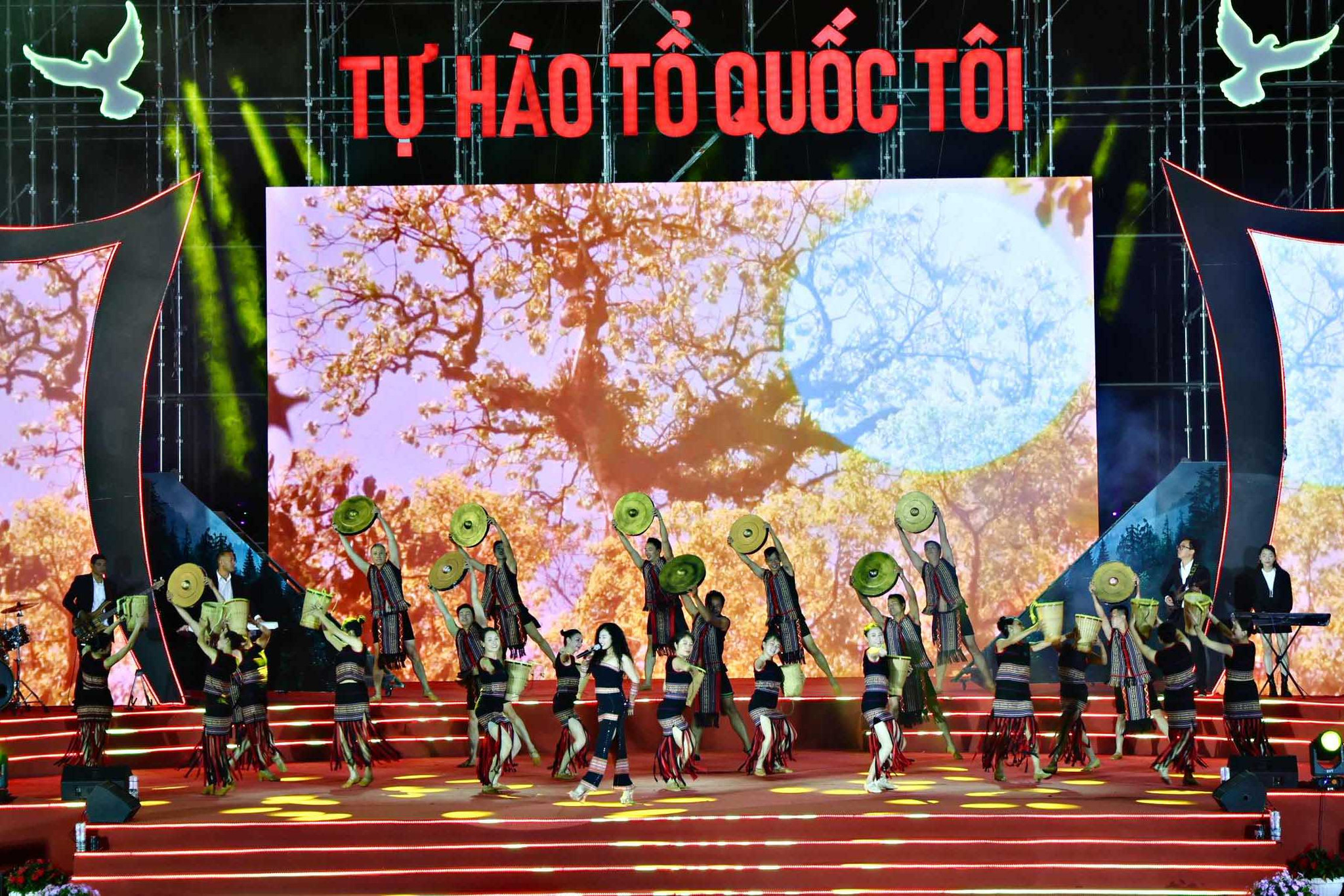
From the provincial level to grassroots communities, Party committees at all levels are gradually incorporating culture into resolutions and work programs, translating these policies into concrete initiatives suited to local conditions and people's daily lives.
Culture as an Endogenous Strength
One of the foundations for Lam Dong's efforts is Resolution No. 80, issued by the Politburo on January 7, 2026, on the development of Vietnamese culture, together with Action Program No. 25, issued by the Provincial Party Standing Committee on May 8, 2026.
Under the action program, culture is no longer viewed as the sole responsibility of the cultural sector, but as a shared task of the entire political system and society. Based on the characteristics of each locality, distinctive cultural values are incorporated into Party resolutions and work programs and translated into specific initiatives.
In Xuan Huong - Da Lat Ward, preserving Da Lat image as “Gentle - Elegant - Hospitable” is closely linked to the development of a civilized urban environment, a people-oriented administration and a welcoming tourism destination.
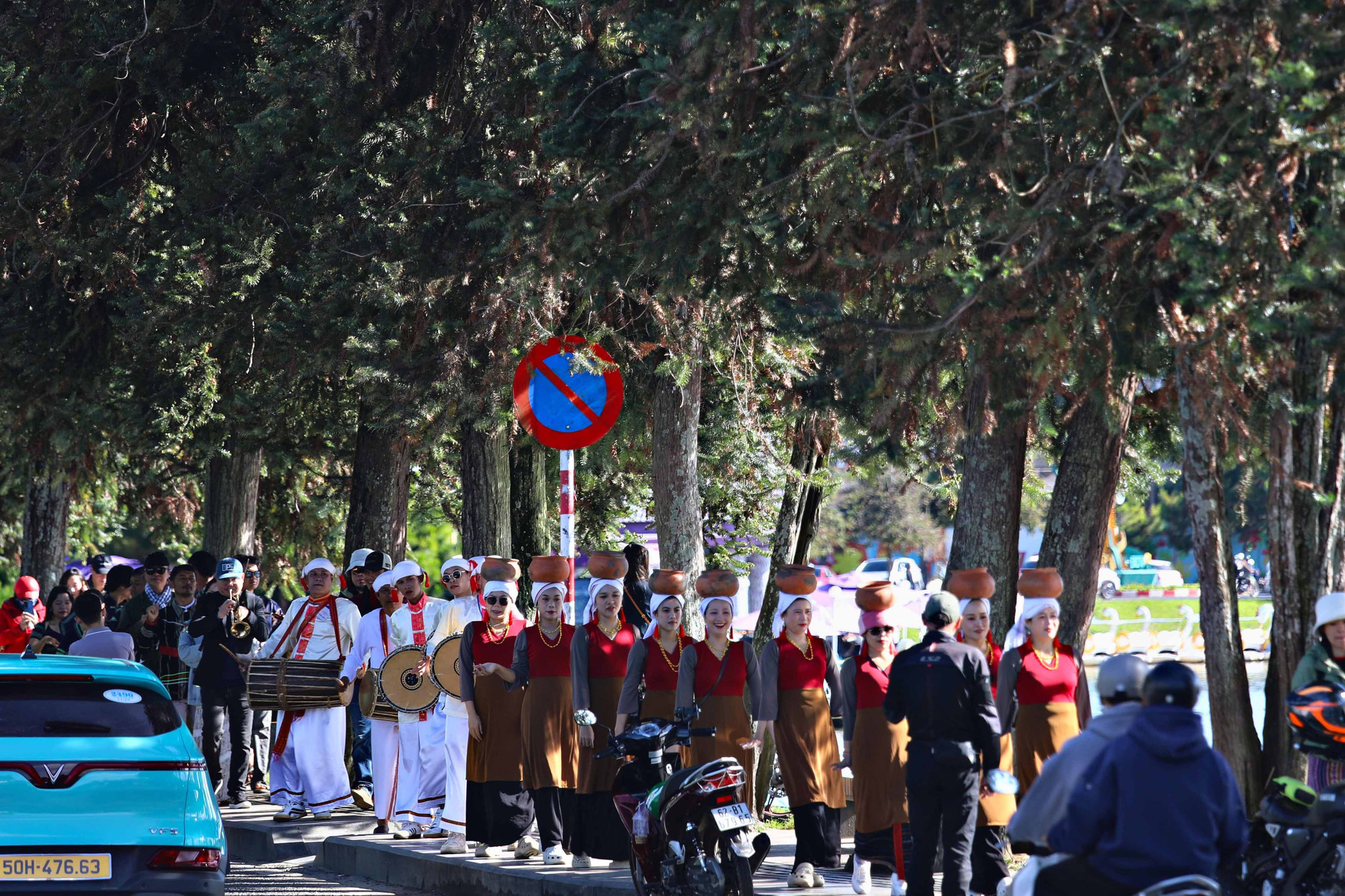
Tran Duc Nam, Standing Deputy Secretary of the Xuan Huong - Da Lat Ward Party Committee, said the locality plans to incorporate these values into Party resolutions and the work programs of the local administration, Fatherland Front and mass organizations.
Each individual and sector has a role to play. Officials and civil servants are expected to stay close to residents and provide dedicated public services. Businesses are encouraged to improve their standards of hospitality. Schools are paying greater attention to educating students about local culture. Residents themselves remain the key actors in preserving and spreading Da Lat's distinctive cultural values.
Flower-lined streets, community flower displays, public spaces and cultural and artistic activities around Xuan Huong Lake, the squares and central areas are being developed as “living cultural spaces.” According to Nam, visitors to Da Lat come not only for flowers and scenery, but also to experience the city's character through the way residents behave, businesses provide services and the community maintains a civilized lifestyle.
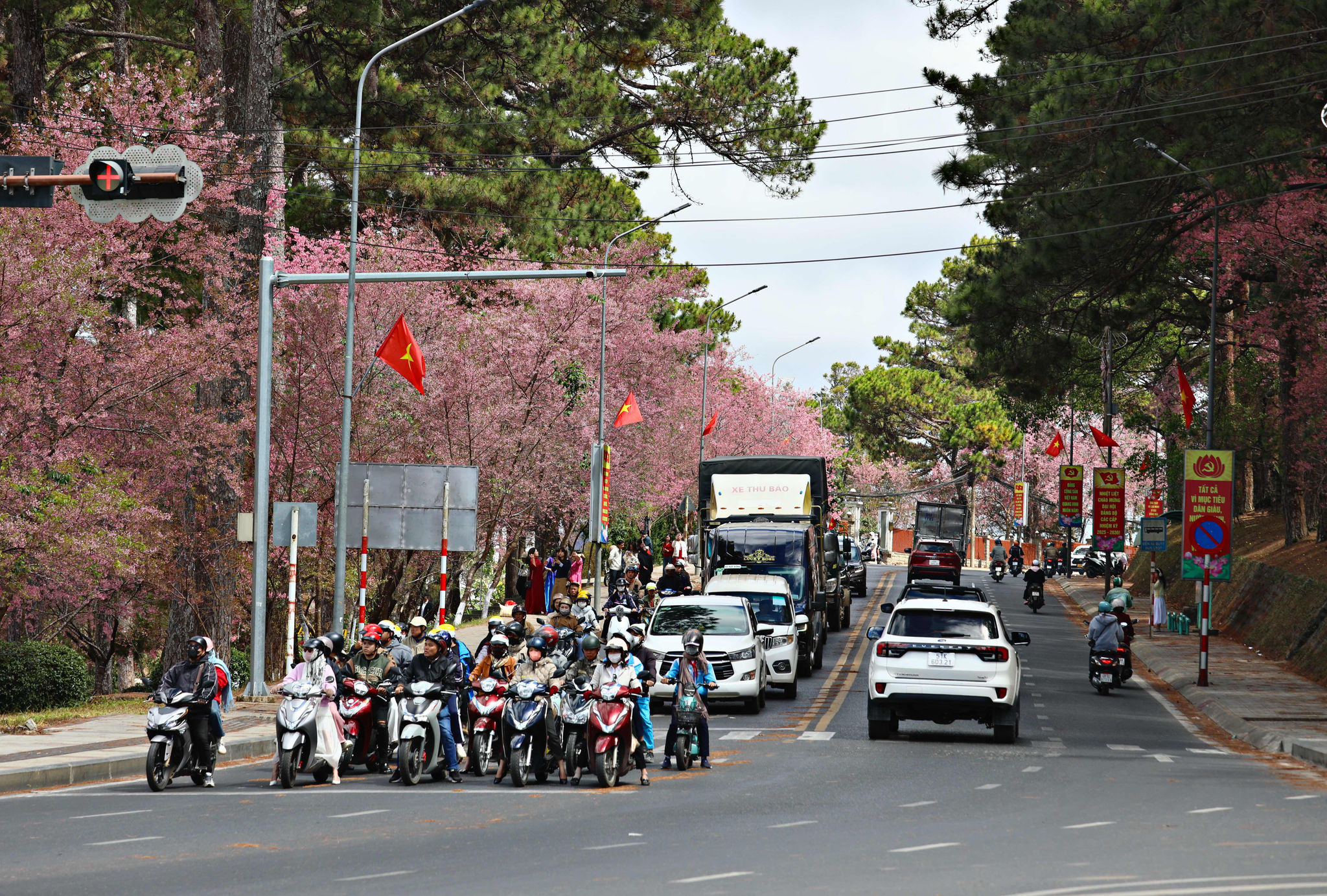
In Nam Nung Commune, cultural preservation is closely linked to ethnic minority communities and livelihoods. The commune is home to 16 ethnic groups, with ethnic minorities accounting for more than 56% of the population.
Nam Nung is home to the Gong Cultural Space of the Central Highlands, the Nau M'Pring folk performing arts of the M'Nong people, traditional brocade weaving and bamboo crafts, traditional festivals, and the national historical site of the B4 - Inter-Provincial IV Resistance Base in Nam Nung.
The locality continues to organize gong and brocade-weaving classes for younger generations, as well as competitions and festivals showcasing traditional cuisine, folk songs and dances. Some cultural values are also being introduced through digital platforms to reach wider audiences.
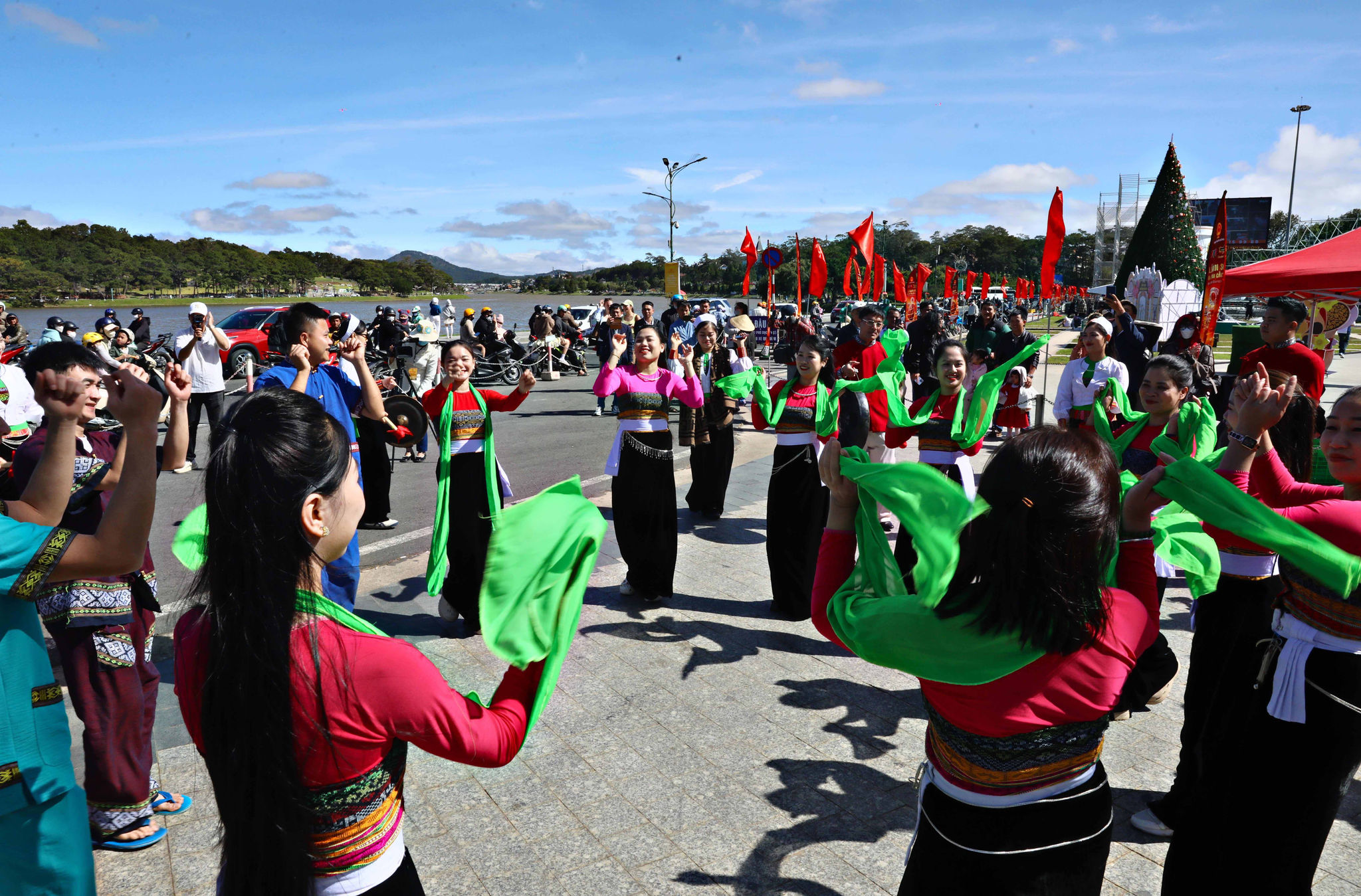
Tran Dinh Ninh, Deputy Head of the Propaganda and Mass Mobilization Commission of the Lam Dong Provincial Party Committee, said cultural values cannot always be immediately converted into economic value. However, when localities invest in preserving and promoting them, distinctive cultural assets can become part of tourism products, allowing communities to preserve their identity while developing sustainable livelihoods.
Developing culture and people is a foundation, an important endogenous resource, a major driving force, a pillar and a regulatory mechanism for the country's rapid and sustainable development. Cultural values must be closely and harmoniously integrated into every aspect of social life, from politics, the economy and society to the environment, national defense, security and foreign affairs, truly becoming the nation's soft power in the new era.
A viewpoint of the Party reflected in Resolution No. 80-NQ/TW on the development of Vietnamese culture
Preserving Identity, Creating Livelihoods
According to the provincial Department of Culture, Sports and Tourism, Lam Dong currently has 145 recognized heritage sites, including three special national-level sites, 59 national-level sites and 83 provincial-level sites. The province is also home to numerous intangible cultural heritage elements recognized by UNESCO and listed as national intangible cultural heritage.
Notable examples include the Gong Cultural Space of the Central Highlands, the traditional pottery-making craft of the Cham people, the Dinh Thay Thim Festival and the Kate Festival of the Cham community in Binh Thuan, along with numerous traditional festivals, crafts and distinctive customs.
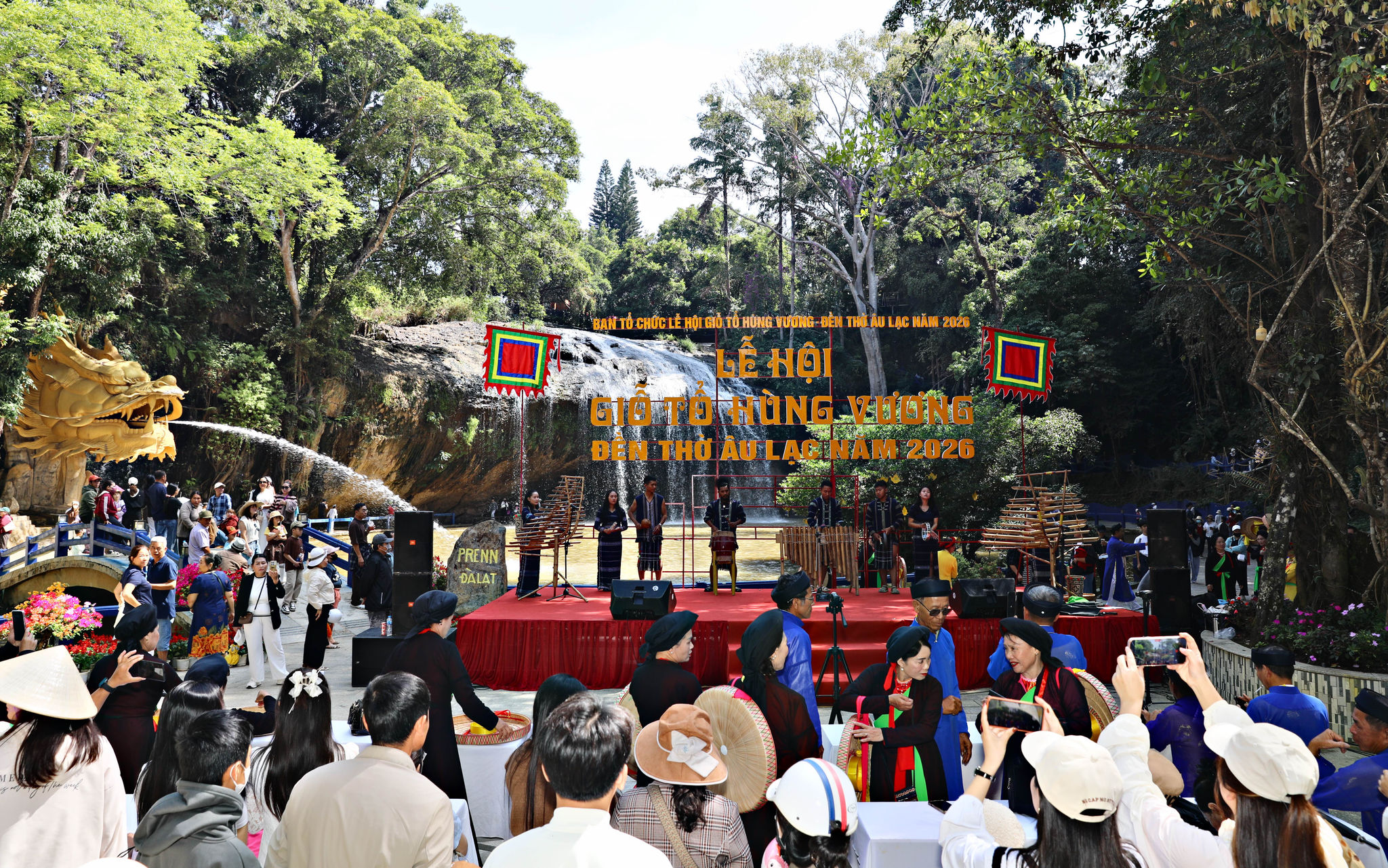
These represent a substantial cultural capital. Yet if they remain confined to records, exhibitions or festivals, their full potential will not be realized. Heritage needs to be brought back into everyday life, allowing younger generations to carry it forward while enabling communities to benefit from the very values they preserve.
Khuc Thi Thoi, Deputy Director of the Lam Dong Department of Culture, Sports and Tourism, said that amid increasing international integration, countries are placing greater emphasis on cultural diversity and the protection and promotion of national identity. Culture and the economy, she noted, interact with and complement each other.
Culture can help promote a locality's image and create opportunities for tourism development. As the economy grows, greater resources can in turn be mobilized for heritage preservation and restoration.
Dr. Nguyen Tien Thu, Deputy Director of the Institute of Culture and Development under the Ho Chi Minh National Academy of Politics, said the merger has created opportunities for Lam Dong to connect multiple cultural spaces within a single province.
The Gong culture of the Central Highlands, Da Lat's urban heritage, brocade weaving, Cham pottery, coastal culture and distinctive products from different areas could be linked into new tourism routes and cultural products.
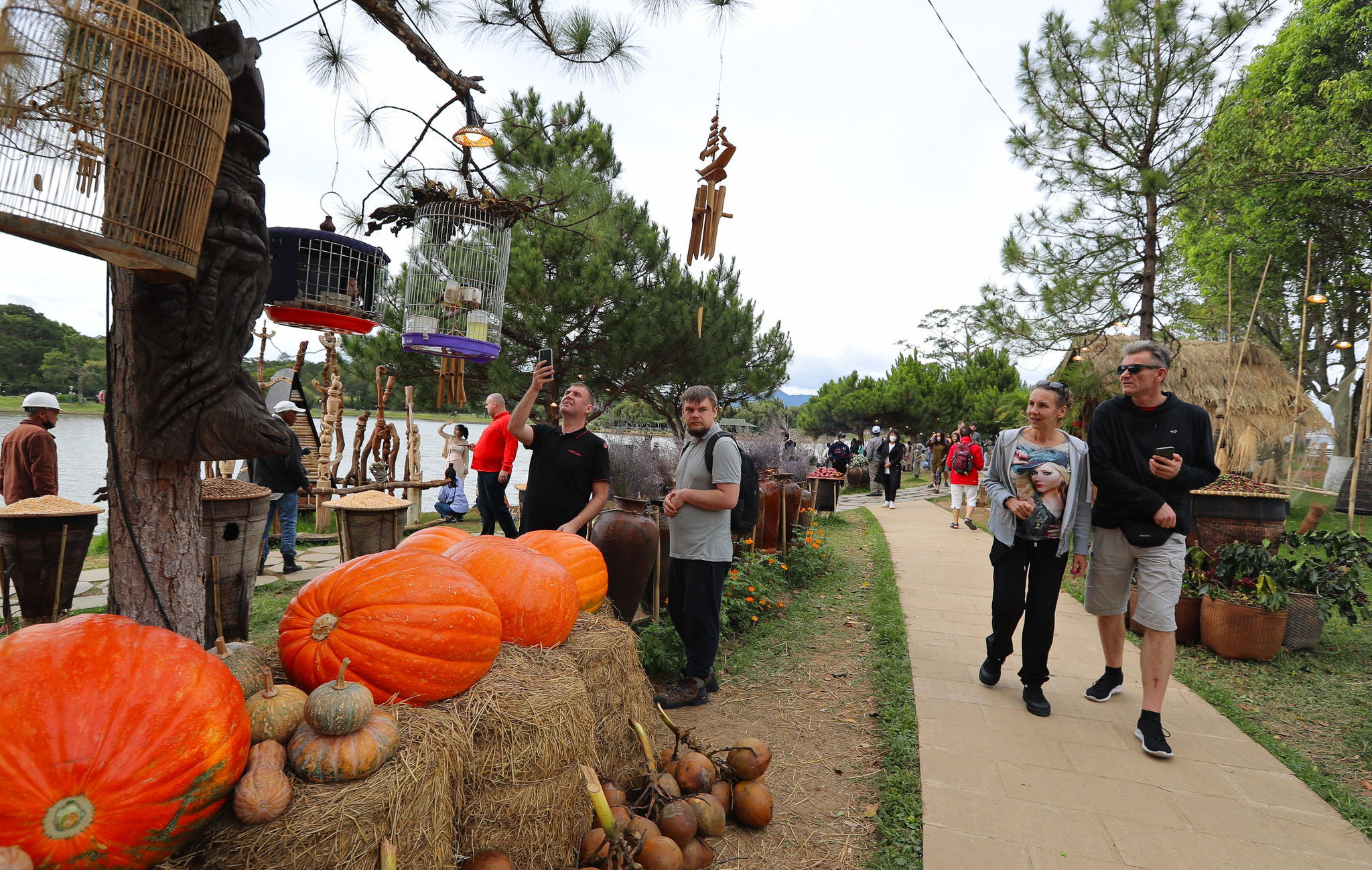
However, cultural development must avoid excessive commercialization. If tourism becomes the sole priority and erodes authenticity, cultural values will inevitably decline. Preservation and development must go hand in hand, with local communities remaining the primary custodians of their heritage.
Dr. Nguyen Tien Thu said that moving from resolutions to real life requires every cultural policy to be translated into concrete actions, resources and clearly assigned responsibilities.
When artisans have the conditions to pass on their skills, young people are willing to learn, businesses participate and communities benefit, values that once appeared intangible can gradually generate tangible social and economic benefits.
We need to ensure that culture is not merely preserved, but gradually becomes a resource that creates livelihoods and contributes to shaping Lam Dong's distinctive appeal on its new development journey.”
Dr. Nguyen Tien Thu, Deputy Director of the Institute of Culture and Development