

Lam Dong Elevates OCOP Value Through Green Production
After years of expanding product volume, Lam Dong’s One Commune One Product (OCOP) initiative is shifting focus toward quality enhancement, higher added value, and market competitiveness. Green production, digital transformation, brand development, and market expansion have been identified as core strategic pillars for the 2026–2030 period.
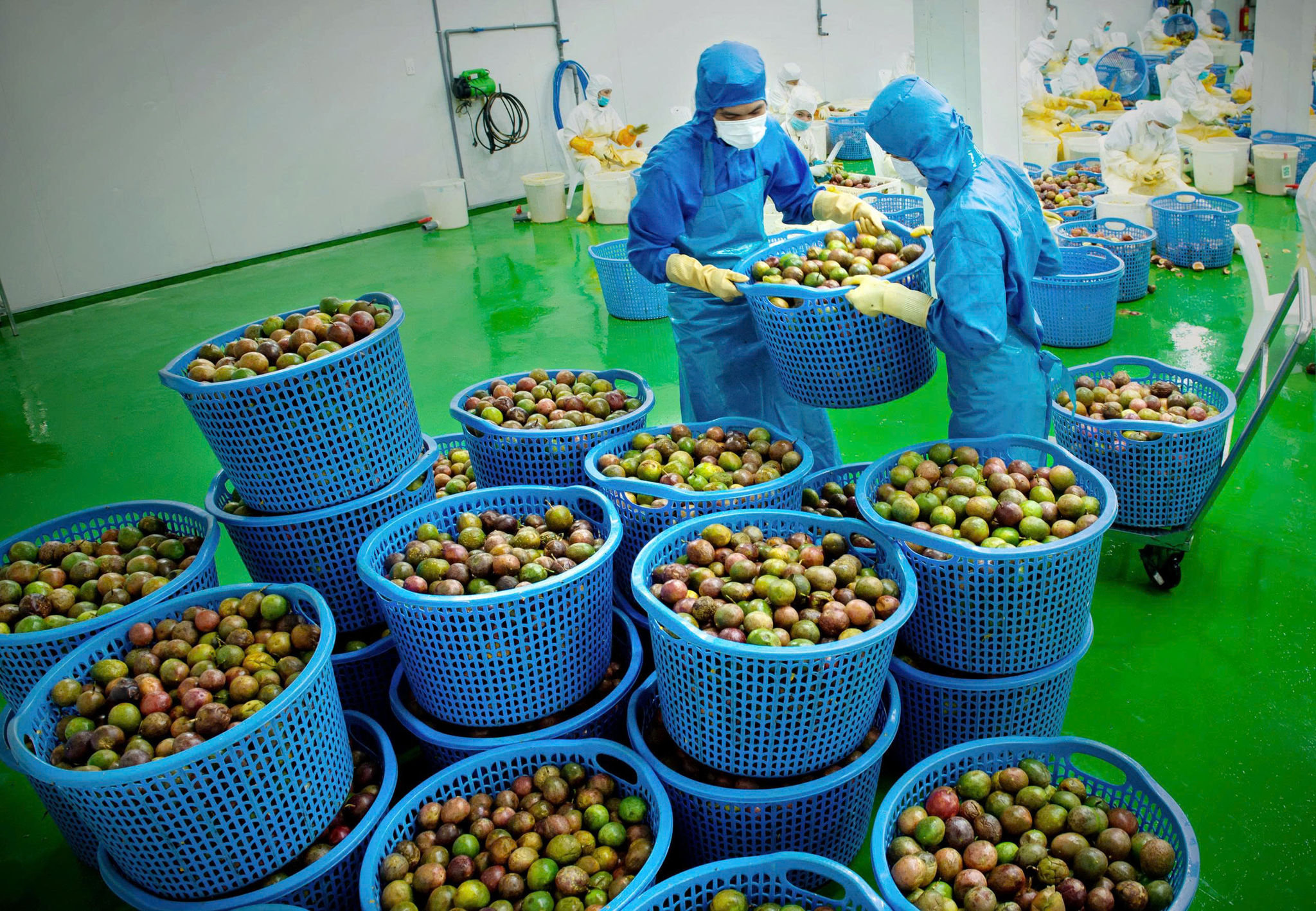
From Local Specialties to Green Brands
Lam Dong currently counts 527 entities with 941 certified OCOP products, including 88 four-star items and 853 three-star items. Following a phase of rapid numerical growth, the province is reorienting its strategy toward elevating product quality and economic value.
The province’s flagship product portfolio remains highly diverse, spanning coffee, tea, macadamia nuts, artichokes, vegetables, flowers, fruits, and processed foods. Numerous items have received targeted investment in packaging, quality certification, traceability protocols, and progressive market expansion.
However, market expectations are rising rapidly. Consumers increasingly demand transparency regarding raw material origins, product quality, food safety, and environmental impacts. These shifting consumer preferences are compelling OCOP entities to overhaul production methods and market engagement tactics.
According to Le Quang Dan, Deputy Director of the Department of Agriculture and Environment, the OCOP program has helped shift producer mindsets from traditional agricultural output toward a broader agricultural economy perspective. Enterprises, cooperatives, and individual producers are increasingly investing in technology adoption, packaging modernization, brand building, product traceability, and supply chain integration.
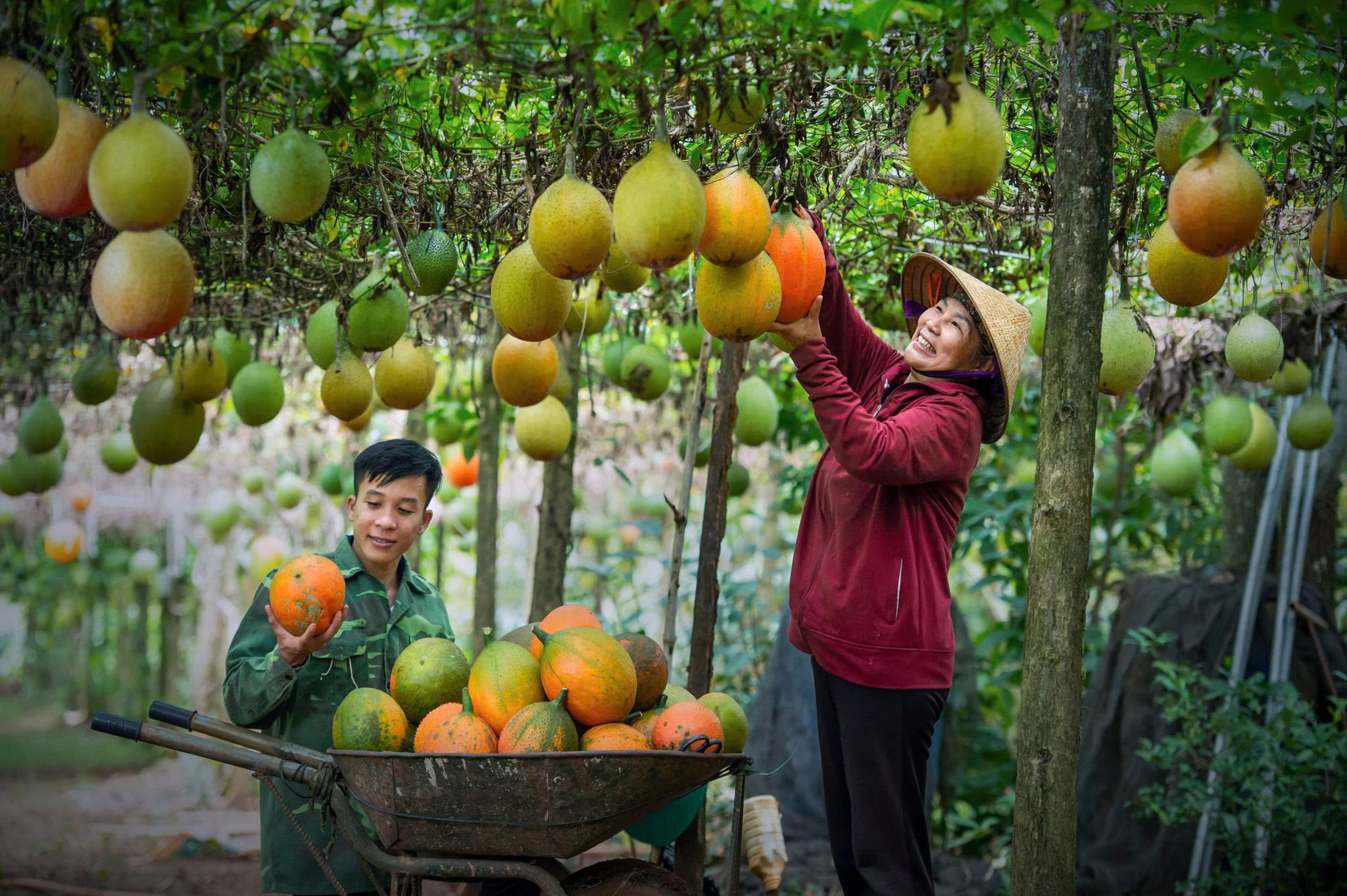
For the 2026–2030 period, Lam Dong aims to develop an additional 200 to 250 OCOP products rated three stars or higher. On average, 40 to 50 products will undergo annual evaluation and classification, with the objective of securing national-level OCOP certification for one or two products.
Notably, provincial authorities are avoiding pure numerical expansion. At least 20 percent of existing OCOP products will receive targeted support to modernize technology, optimize processing and preservation protocols, and strengthen brand equity.
Concurrently, producers are encouraged to develop multi-value products that align production with environmental conservation, local cultural heritage, and sustainable development. Priority support will be extended to cooperatives, small and medium-sized enterprises, and households in socio-economically disadvantaged and ethnic minority areas to deepen their participation in commercial value chains.
By 2030, Lam Dong targets having at least 30 percent of OCOP entities construct value chains oriented toward green production, backed by stable raw material sourcing and eco-friendly packaging. Approximately 30 percent of products are slated for alignment with green and circular OCOP models, while 10 to 15 products are expected to enter international supply chains or target direct export markets.
Consequently, the requirements for OCOP certification in this next phase extend beyond securing star ratings to maintaining long-term quality standards, building brand equity, and sharpening market competitiveness.
Expanding Market Reach Through Digitalization
Alongside quality upgrades, digital transformation is opening up new avenues for OCOP products to reach consumers more efficiently. By 2030, Lam Dong aims to have all OCOP products rated three stars or higher equipped with digitized documentation, QR codes and electronic traceability systems. At least 70 percent of products are slated for promotion and distribution on e-commerce platforms, with direct integration into modern distribution networks and cross-border digital marketplaces.

The steady shift of consumer spending into digital channels presents significant growth potential for OCOP producers, particularly smaller enterprises and cooperatives. E-commerce adoption can reduce reliance on conventional retail channels while broadening geographic customer reach.
However, to achieve sustained digital sales, products must concurrently satisfy stringent criteria regarding quality consistency, packaging design, data transparency, origin tracking, and fulfillment capacity.
A representative from an enterprise holding a four-star OCOP certification in Lam Dong noted that pivoting toward green practices and digital platforms will enhance competitiveness. Nevertheless, smaller enterprises and cooperatives still require structured assistance in trade promotion, corporate branding, and international export linkages.
Beyond digital marketplaces, Lam Dong is broadening the operational scope of the OCOP framework through craft villages and rural tourism. By 2030, the province aims to preserve and develop 8 recognized craft villages and 14 traditional craft villages, while establishing 4 new craft hubs.

These craft villages will be guided to integrate digital technologies, map digital assets, expand e-commerce operations, and develop experiential tourism. This integration provides OCOP items with additional distribution channels while preserving local cultural heritage and traditional trades.
In the tourism sector, provincial authorities aim to develop one to two new OCOP products annually within community-based, eco-tourism, and rural tourism categories rated three stars or higher. Pairing OCOP offerings with tourism generates supplemental income for local residents while diversifying experiential options for visitors.
After more than a decade of implementation, Lam Dong's OCOP initiative is transitioning from volume expansion to high-value quality development. This strategic shift lays a foundation for local agricultural products to expand market footprint, sharpen competitive edge, and advance sustainable rural economic growth.
Alongside domestic market expansion, Lam Dong aims to lift export turnover of key agricultural commodities to approximately $1.9 billion by 2030. To achieve this target, competitive OCOP products must undergo continuous standardization, quality upgrades and branding efforts while complying with the requirements of individual export markets.