

Lam Dong Promotes Indigenous Knowledge for Sustainable Development
Indigenous knowledge is becoming an important resource for preserving cultural identity, strengthening communities and promoting sustainable development in Lam Dong.
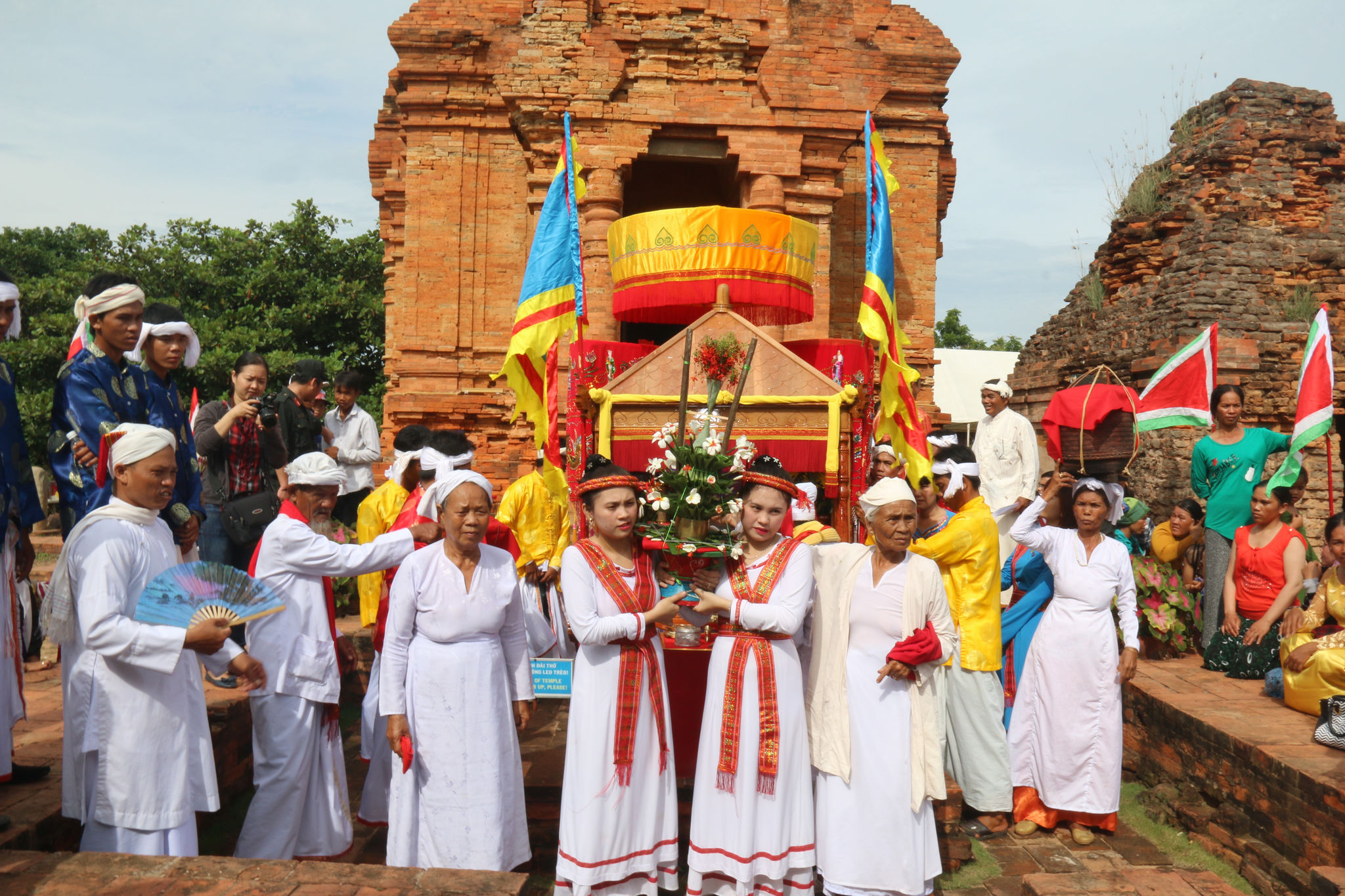
Preserving and Passing Down Cham Cultural Heritage
Amid rapid modernization and deeper integration, preserving and promoting traditional cultural values has become an increasingly important task for many localities.
In Lam Dong, home to a diverse cultural landscape shared by 49 ethnic groups, indigenous knowledge is increasingly recognized as a distinctive resource. Beyond preserving cultural identity, the knowledge accumulated over generations is creating new values for economic development, tourism, education and community building.
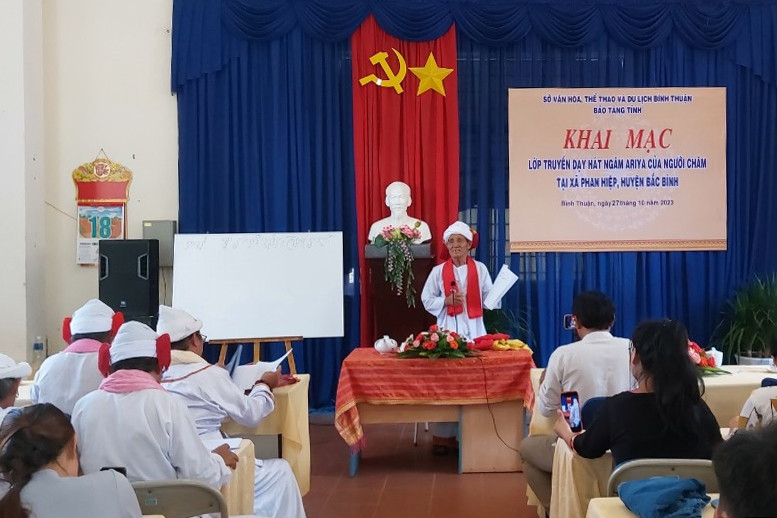
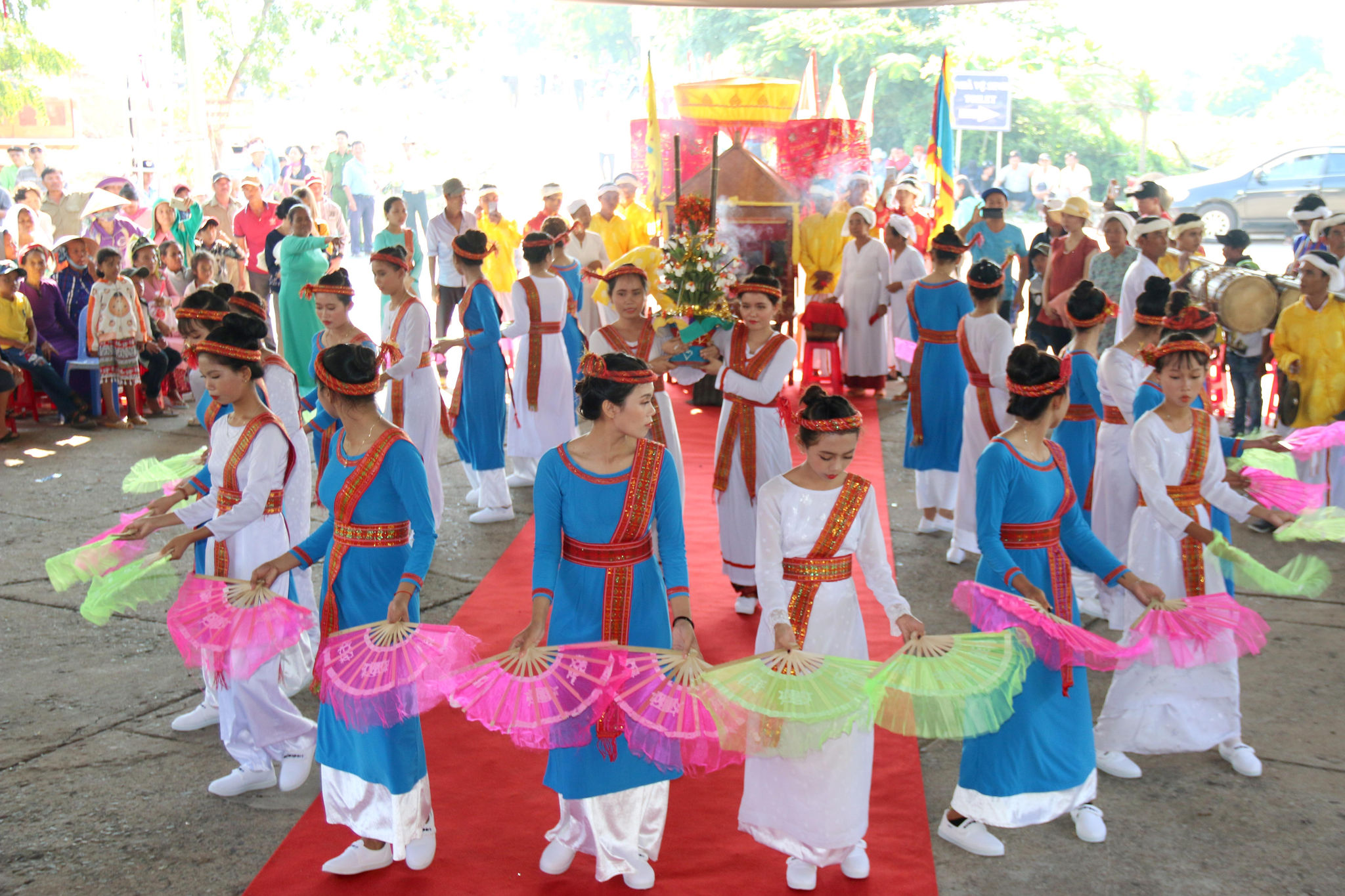
In eastern Lam Dong, the Cham community continues to preserve a rich body of indigenous knowledge spanning language, beliefs, festivals, traditional crafts and folk performing arts.
Amid modern life, when many traditional values face the risk of fading away, some individuals continue quietly preserving and passing down their cultural heritage. They serve as links between the past and present, and between tradition and the future.
In a Cham village in Ham Thuan Bac Commune, artisan Thong Long is one such custodian. A respected member of the community, he has devoted more than 40 years to preserving the saranai, a wind instrument closely associated with the spiritual life of the Cham people.
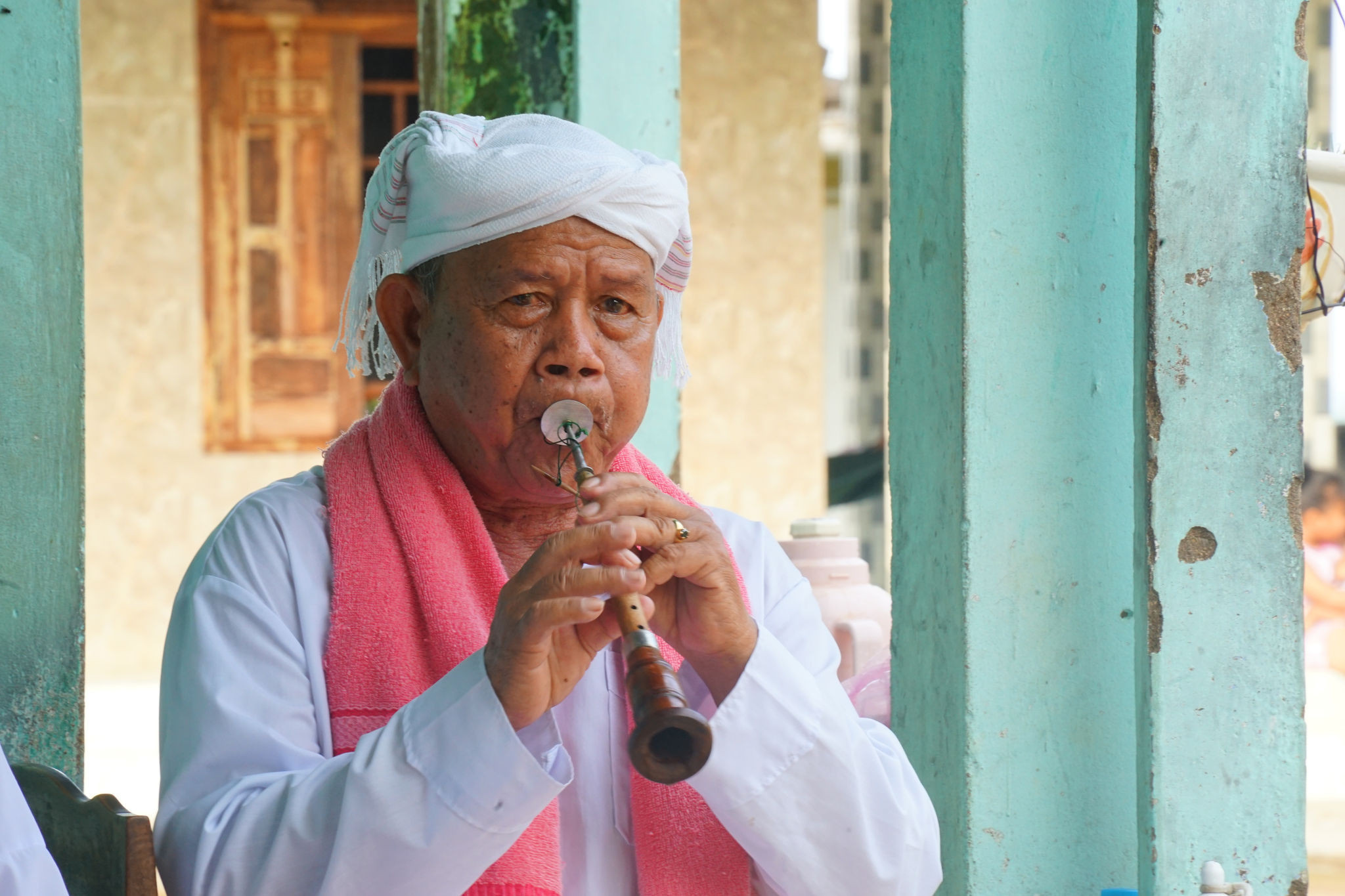
Drawn to the haunting sound of the instrument at traditional festivals from the age of 13, he persisted in learning and practicing until he became one of the few saranai performers in the locality.
For him, preserving the instrument means preserving the soul of Cham culture. Now in his 70s, he continues to patiently teach younger generations. In his view, passing down performance skills is not simply about maintaining an art form, but also about preserving the collective memory, identity and spirit of the Cham people.
To date, artisan Thong Long has trained more than 10 students capable of taking on important roles at community festivals. This is not only the result of years of dedication, but also evidence of the continuity between generations in preserving traditional culture.
Beyond the saranai, Ariya chanting is another distinctive element of Cham cultural heritage. Ariya is more than music or poetry; it is a form of “collective memory” that preserves the history, customs, moral values and spiritual life of the Cham people across generations.
Ariya works are recorded in Akhar Thrah Cham script in ancient manuscripts. Their melodies vary flexibly according to the performer's emotions—sometimes gentle and contemplative like a flowing stream, at other times powerful like the drums played at traditional festivals.
However, like many other traditional cultural forms, Ariya chanting faces the risk of fading away. Meritorious Artisan Lam Tan Binh, from Binh Tien Cham Village in Bac Binh Commune, said that Binh Thuan Provincial Museum has organized two classes to pass down Cham folk music, particularly Ariya chanting, in Bac Binh Commune.
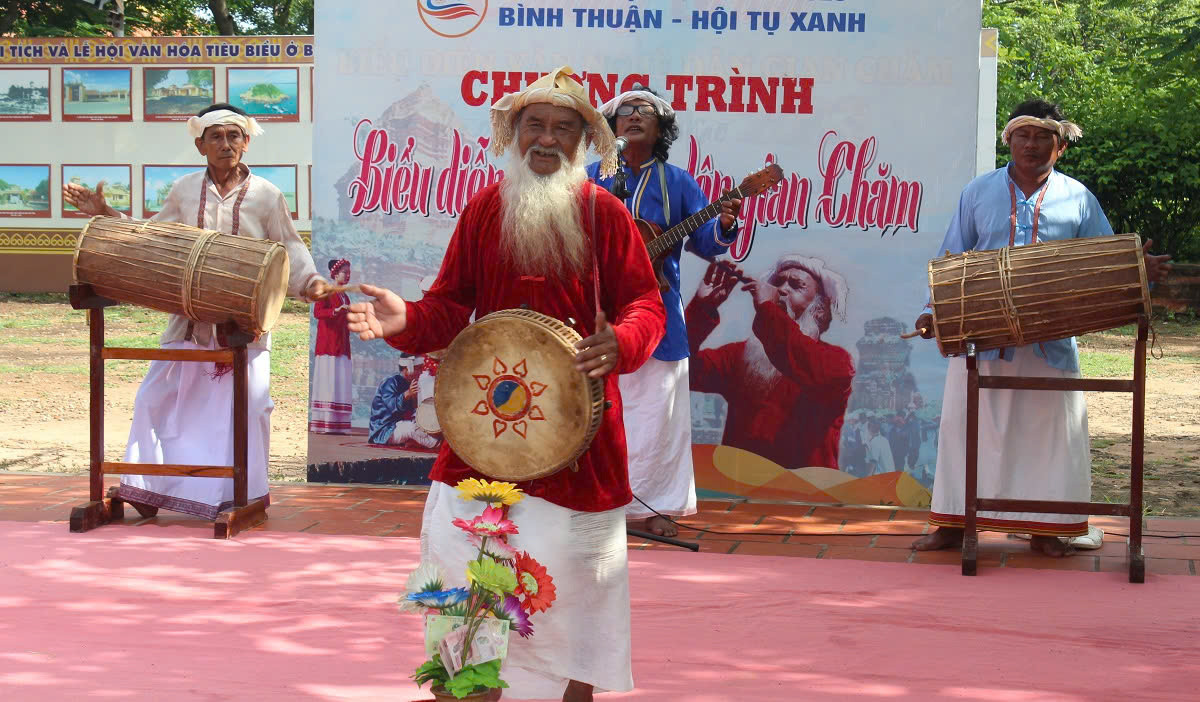
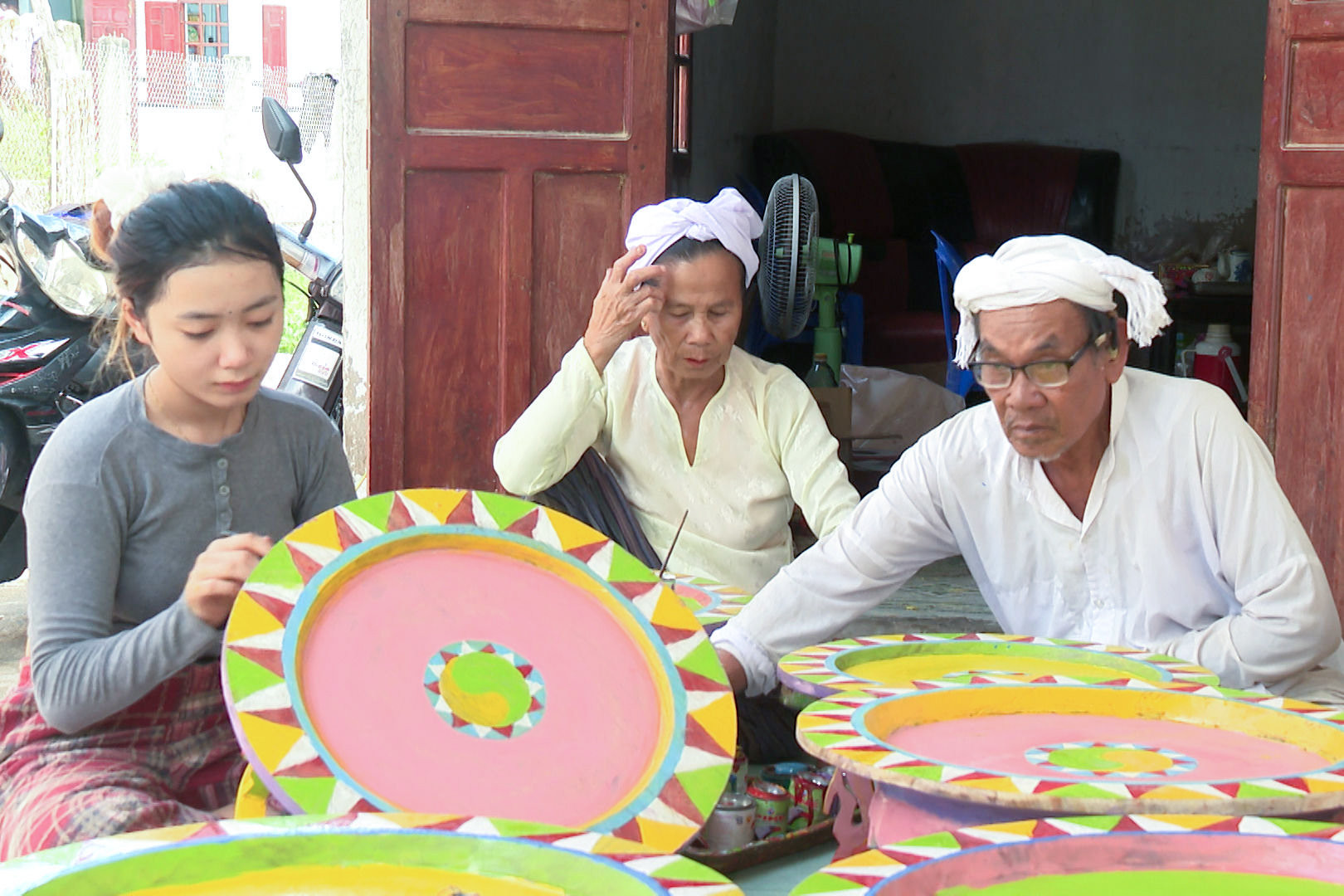
Alongside folk music, many traditional crafts are also being preserved and passed down. For more than 25 years, artisan Dong Gat has patiently made mam cao, ceremonial trays carrying special significance in the spiritual life of the Cham community.
For him, each piece is not merely a ritual object but also an expression of reverence and an embodiment of Cham cultural identity.
Encouragingly, more young people are becoming involved in preserving traditional crafts. Thong Thi Toa Dam, a family member of artisan Dong Gat in a Cham village in Ham Thuan Bac Commune, is continuing the craft by painting and decorating patterns on mam cao trays.
This inheritance not only helps preserve the traditional craft but also strengthens bonds among family members and within the wider community.
Meanwhile, Po Achar Nguyen Ngoc Quang in Lam Giang Cham Village continues to quietly preserve the craft of making kalak hats and kadung bags, objects closely associated with Cham religious life. Importantly, he remains willing to teach anyone interested, helping ensure the traditional craft is maintained and developed.
Linking Heritage with Socio-Economic Development
In practice, indigenous knowledge can become a development resource across a range of fields. In tourism, the distinctive cultural values of the Cham community are creating a unique attraction for visitors.
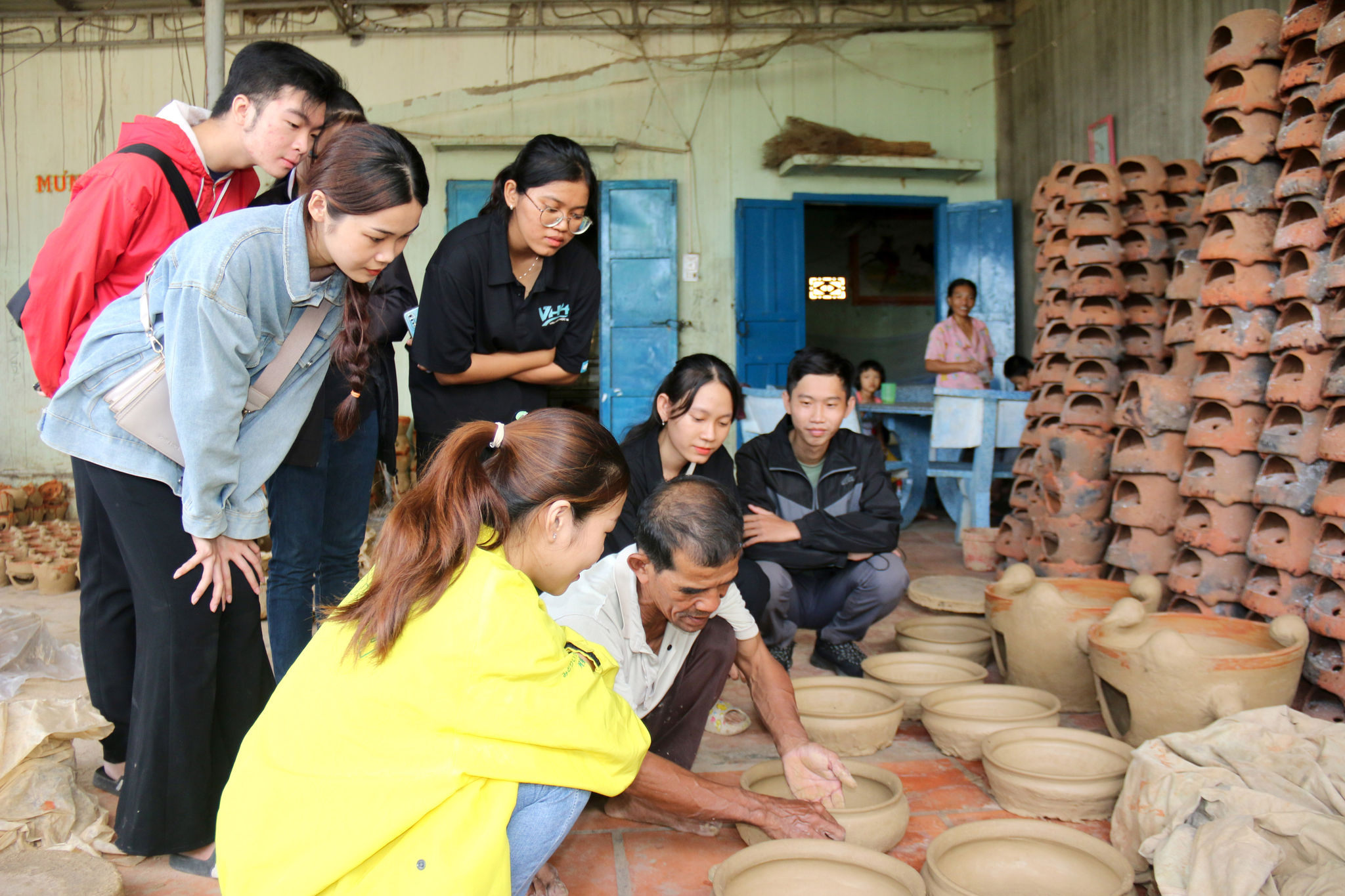
Traditional festivals, folk performing arts, pottery, weaving, architecture and cuisine have become valuable cultural tourism products.
In agriculture, farming knowledge accumulated over generations remains highly relevant. Cultivation practices adapted to local climate conditions, traditional approaches to resource use and experience in adapting to the natural environment offer valuable lessons as climate change becomes increasingly complex.
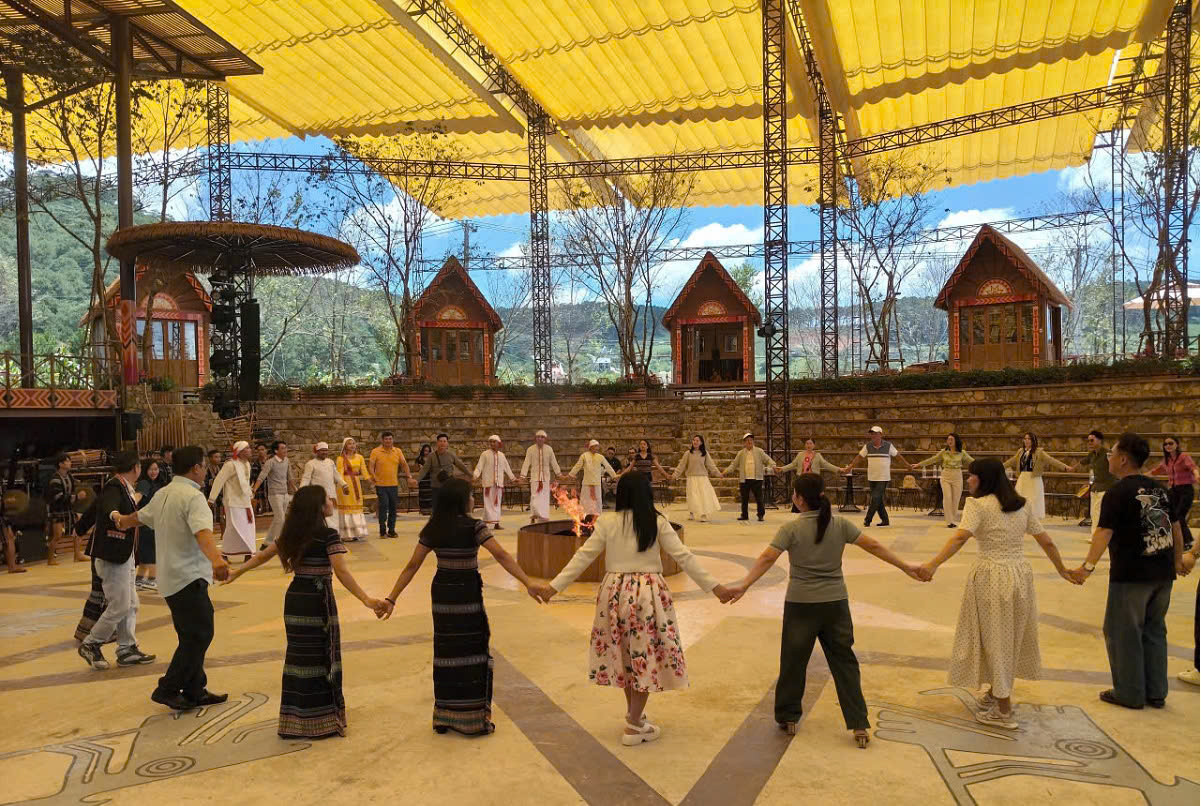
Indigenous knowledge also plays an important role in strengthening community cohesion. Traditional cultural institutions help maintain standards of social conduct, reinforce solidarity and build the internal capacity needed for development.
Recognizing the role of culture in sustainable development, the province has introduced policies aimed at preserving traditional cultural values while linking them with economic development, new rural development and community-based tourism.
The view that culture is the spiritual foundation of society—and both a goal and a driver of development—is gradually being translated into concrete programs, projects and practical models.
Turning Indigenous Knowledge into a Resource for the Future
As digital transformation and international integration deepen, promoting indigenous knowledge requires the participation of multiple stakeholders, including state management agencies, researchers, intellectuals and local communities.
At a meeting with outstanding intellectuals in April 2026, Lam Dong's leaders affirmed the important role of intellectuals in researching, preserving and promoting traditional cultural values, while creating new values to serve local development.
However, indigenous knowledge can only fully realize its potential when it is digitized, systematized and transformed into practical products that serve people's lives. Building databases on folk culture, documenting traditional knowledge, digitizing artifacts and developing community-based cultural education models are among the solutions that deserve greater attention today.
Lam Dong is entering a new phase of development, with a larger geographical space, more diverse potential and higher demands for sustainable growth. In this journey, indigenous knowledge is not merely a memory of the past, but also a resource for the future.
As artisans continue to pass down their skills, researchers uncover the values embedded in heritage, and communities join hands to preserve their culture, traditional knowledge will continue to be revitalized. It can become an important endogenous force, contributing to a more harmonious, sustainable and culturally distinctive Lam Dong.